Arc Flash | Protection Standards
BS EN 13034 Standard | Arc Flash & Protective Clothing Standards
September 10th, 2021
BS EN 13034 Standard Arc Flash & Protective Clothing Standards
BS EN 13034
Arc Flash & Protective Clothing Standards
BS EN 13034 Standard covers Protective Clothing Against Liquid Chemicals. ProGARM produces garments to protect wearers against liquid chemicals in accordance with this European Standard. These garments are suitable for use in environments where there may be a risk of chemical splashes but where a total chemical barrier is not required – *PB = Partial Body Protection.
The EN 13034 standard specifies the requirements and test methods for Type 6 chemical protection suits for both one-off and multiple use applications. For other related accessories, such as gloves and boots, which are not an integral part of the suit, please refer to the corresponding product standards. Clothing in this category provides limited protection against small spatters or fumes of liquid chemicals. it is usually made of water-repellent, but not completely waterproof materials – within the ProGARM range of products this is often achieved by the uses of chemical coatings such as Teflon® which repel the contaminants and in order to preserve these properties within the fabric of the garment, special washing and drying instructions should be adhered to.
ABOUT THIS EN STANDARD
The fabric is tested in various ways to determine its tensile strength and resistance to chemicals. In these tests, four different solutions of chemicals (Sulphuric Acid H2S04 30%, Sodium Hydroxide NaHO 30%, 0-xylene undiluted and 1-butanol undiluted)) are applied to a fabric sample and the quantities of liquid that drip off and penetrate the fabric are measured and analysed must be within the tolerances set within the standard.
One finished product (of each quality) must also be analysed in a ‘mannequin’ test. During this spray test, the wearer must perform 7 movements (these are described in the standard) and the permeability of the garment to liquid chemicals is subsequently determined. The classes attained in the various tests must be clearly listed in the user instructions for the garment.
Where certified to EN 13034 ProGARM® garments are Type 6 garments and must undergo the Spray Test in order to display the EN pictogram for the standard on the User Information and garment Care Label. In some of our garments it should be noted that in some instances the fabric has been tested but the garment and seams have not. In this case, this is clearly marked on the Care Label and the EN pictogram is not shown. Other requirements within the EN 13034 standard include tests for water resistance, tear strength, tensile strength and seam strength. If 2 piece garments are to be worn such as a Trouser and Jacket combination it is important to ensure that both garments have been certified as a ‘set’ for the specified level of protection.
If chemicals are splashed onto a garment, the wearer should immediately move away from the affected area and carefully remove the garment, ensuring that the chemicals or liquids do not come into contact with any part of the skin. The garment must then be cleaned and assessed for future use or taken out of use.
View further information about Arc Flash Clothing Standards.
BS EN 13034 | Standard Overview
Protective Clothing. Liquid Chemicals. Material performance and design requirements.
This British Standard is the UK implementation of EN 13034:2005+A1:2009. It supersedes BS EN 13034:2005 which is withdrawn.
Protective clothing against liquid chemicals – Performance requirements for chemical protective clothing offering limited protective performance against liquid chemicals (Type 6 and Type PB [6] equipment).
Standard Status | Current
Published | 2005
➡ Standards | RIS-3279-TOM | IEC 61482-2 | BS EN ISO 11611 | BS EN ISO 20471 | BS EN ISO 14116 | BS EN ISO 11612 | BS EN 1149-5 | BS EN 342 | BS EN 14404 | BS EN 343 | HSG47
Clothing & Garments
Protecting Workers Against the Dangers of Arc Flash
Thorne & Derrick stock and supply the most extensive range of Arc Flash PPE, Clothing & Protective Garments – should you require any further information, sample garments for field test and trial or a quotation please do not hesitate to contact us.

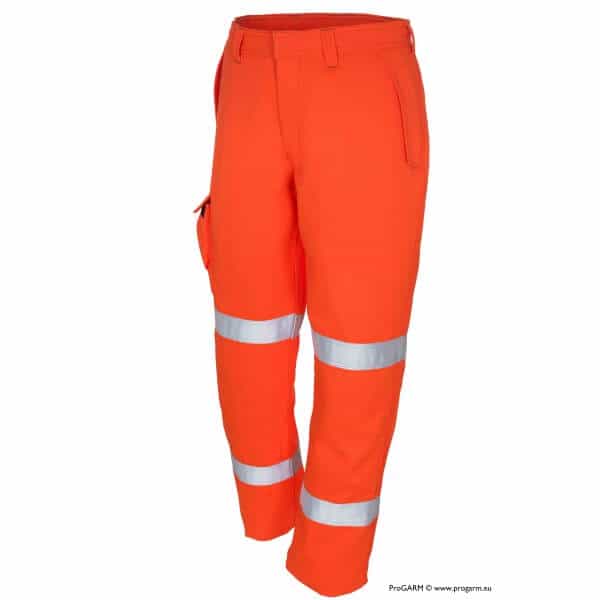
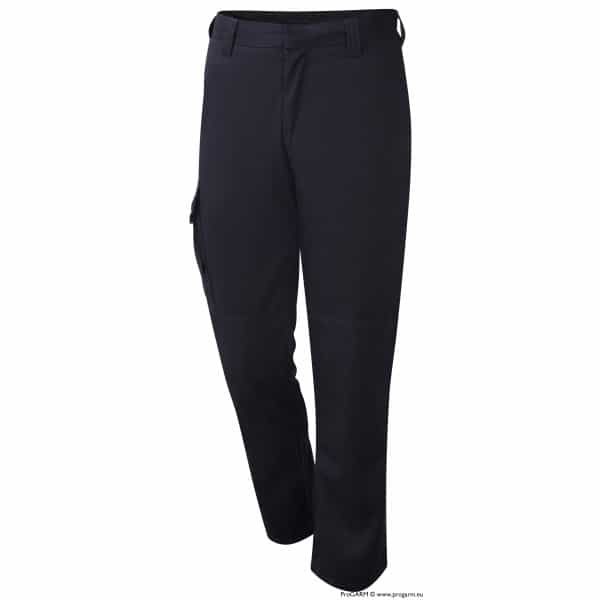
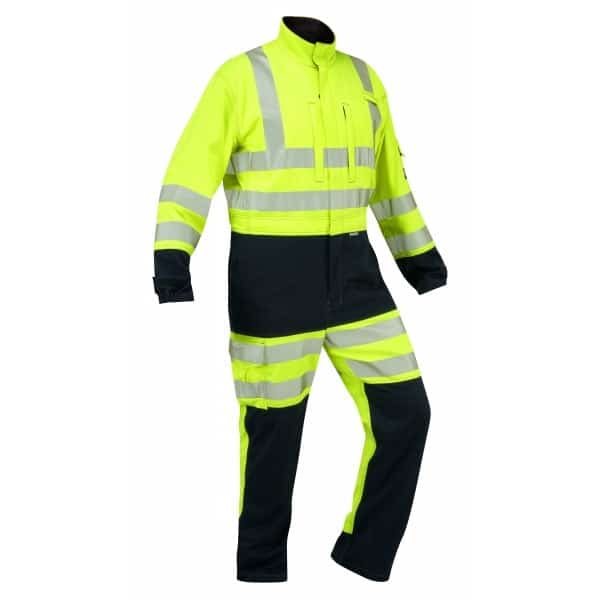
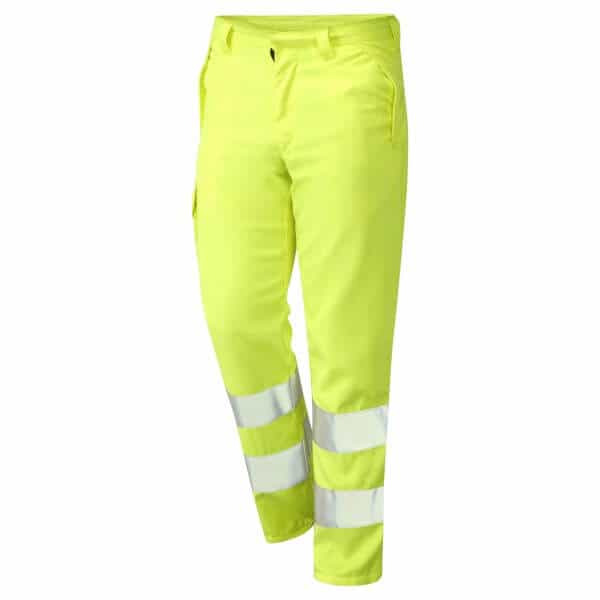


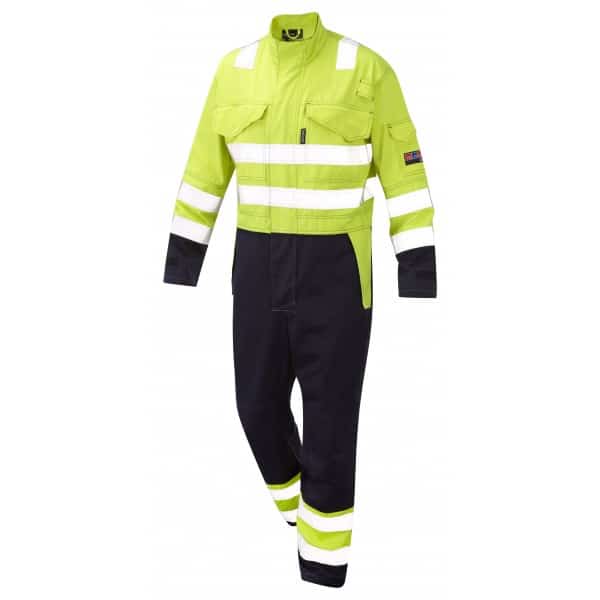
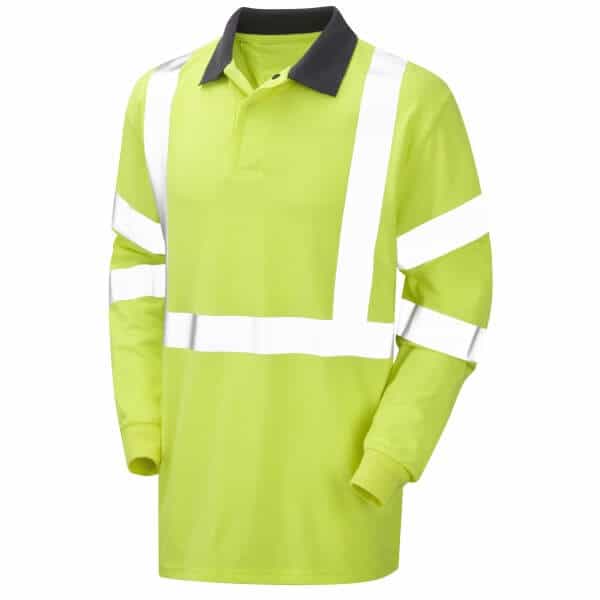

Thorne & Derrick International supply arc flash clothing and protection equipment including coveralls, gloves, helmets, face shields and general head-to-toe PPE is used to protect against flashover – complete range of insulating matting is also available for worker protection when exposed to energised electrical switchgear and transformers.
Typical applications include LV, HV & EHV cable jointing and terminating, fuse pulling, switchgear commissioning, racking circuit breakers, electrical switching and live working on medium and high voltage electricity networks.
T&D are national distributors LV, MV & HV Cable Installation, Jointing, Substation & Electrical Equipment – we service UK and global businesses involved in cable installations, cable cleating, cable jointing, substation, overhead line and electrical construction at LV, 11kV, 33kV and EHV.
Since 1985, T&D have established an international reputation based on SERVICE | INTEGRITY | TRUST.

Electrical Safety Equipment & Cable Accessories for the Maintenance of Low, Medium & High Voltage Power Systems
BS EN ISO 11612 Standard | Arc Flash & Protective Clothing Standards
September 9th, 2021BS EN ISO 11612 Standard Arc Flash & Protective Clothing Standards
BS EN ISO 11612
Arc Flash & Protective Clothing Standards
BS EN ISO 11612 standard covers the minimum performance requirements of protective clothing to protect against heat and flame. ProGARM® produces garments to protect wearers against heat & flame in accordance with BS EN ISO 11612 standard. This standard replaces the withdrawn EN531 standard and shows our continued commitment to offer garments certified to the latest specifications.
ABOUT BS EN ISO 11612
The requirements apply to clothing intended for a wide range of application which offer limited flame spread and provide protection against various hazards including Radiant Heat, Convective Heat and splatters of Molten Metal. The pictogram is the same as the withdrawn EN531 standard.
There are several fabric tests within this EN Standard and the results of the tests are represented by the pre-fix letters A, B, C, D, E and F. The number after these letters indicate the performance of the fabric within this test. If a (0) is shown, then the fabric has not been tested or does not achieve the lowest value attainable with the test.
Fabric Requirements
General Requirement: The mechanical strength and heat resistance at a temperature of 180°C: the material shall not ignite or melt and shall not shrink by more than 5%.
View further information about Arc Flash Clothing Standards.
EXPLAINING THE DIFFERENT TESTS AND CODES
Letter A (EN 15025)
This test consists of applying a flame to a fabric sample for 10 seconds. To pass the test, the after flame & smoulder times and formation of holes must be within the tolerances within the standard. The application of a flame can take place in two ways:
Code Letter A1 Surface Ignition, ISO15025 A
Procedure A (leads to Class A1), the flame is applied horizontally (similarly to EN470 and EN531)
- No specimen shall permit any part of the lowest boundary of any flame to reach the upper or either vertical edges
- No specimen shall give hole formation of 5mm or greater in any direction, except for an inter-lining that is used for specific protection other than heat and flame protection.
- No specimen shall give flaming or molten debris
- The mean value of after flame time shall be ≤ 2s
- The mean value of afterglow time shall be ≤ 2s
Code Letter A1 Edge Ignition, ISO15025 B
Procedure B (leads to Class A2), the flame is applied laterally.
- No specimen shall permit any part of the lowest boundary of any flame to reach the upper or either vertical edges
- No specimen shall give flaming or molten debris
- The mean value of after flame time shall be ≤ 2s
- The mean value of afterglow time shall be ≤ 2s
Letter B (ISO 9151)
Convective Heat: determination of the heat transmission when exposed to flames. The sample is held above the flame and the rise in temperature on the topside of the sample is measured with a calorimeter. The length of time the sample can remain exposed before its temperature rises by 24 °C is determined.
B1: 4 < 10 seconds, B2: 10 < 20 seconds, B3: 21 seconds and longer
Letter C (ISO 6942)
Exposure to Radiant Heat. In this test, a fabric sample is exposed to radiant heat (infrared rays). The temperature on the reverse (unexposed) side of the sample is registered using a calorimeter. Subsequently, the length of time the sample the sample can remain exposed before its temperature rises by 24°C is measured.
The test procedure is the same as ISO 11611, but the classification is different:
C1: 7 < 20 seconds, C2: 20 < 50 seconds, C3: 50 < 95 seconds, C4: 95 seconds and longer
Letter D and E (ISO 9185)
D = Aluminium
E = Molten Iron
Determining the level of protection against spatters of molten metal. A membrane (with similar properties to human skin) is attached to the reverse of the fabric sample sequentially rising quantities of molten metal (Aluminium or Iron as applicable) are splashed on the sample. The quantity of molten metal which deforms the membrane is determined.
The classification for molten aluminium is:
D1: 100 < 200 grams, D2: 200 <350 grams, D3: 350 grams and more
The classification for molten iron is:
E1: 60 < 120 grams, E2: 120 < 200 grams, E3: 200 grams and more
Letter F (ISO 12127)
This is a new test to establish a value for contact heat.
The classification in this respect:
F1: 5 < 10 seconds, F2: 10 < 15 seconds, F3: 15 seconds and longer.
BS EN ISO 11612 | Standard Overview
Protective Clothing. Clothing to protect against heat and flame. Minimum performance requirements.
This International Standard specifies performance requirements for protective clothing made from flexible materials, which are designed to protect the wearer’s body, except the hands, from heat and/or flame. For protection of the wearer’s head and feet, the only items of protective clothing falling within the scope of this International Standard are gaiters, hoods, and overboots. However, concerning hoods, requirements for visors and respiratory equipment are not given.
The performance requirements set out in this International Standard are applicable to protective clothing which could be worn for a wide range of end uses, where there is a need for clothing with limited flame spread properties and where the user can be exposed to radiant or convective or contact heat or to molten metal splashes.
This International Standard is not applicable to protective clothing that is specified by other International Standards.
Standard Status | Current
Published | 2015
➡ Standards | RIS-3279-TOM | IEC 61482-2 | BS EN ISO 11611 | BS EN 1149-5 | BS EN 1149-5 | BS EN ISO 20471 | BS EN 13034 | BS EN 342 | BS EN 14404 | BS EN 343 | HSG47
BS EN ISO 11612:2008
Protective clothing. Clothing to protect against heat and flame.
BS EN 531:1995
Protective clothing for workers exposed to heat.
Clothing & Garments
Protecting Workers Against the Dangers of Arc Flash4
Thorne & Derrick stock and supply the most extensive range of Arc Flash PPE, Clothing & Protective Garments – should you require any further information, sample garments for field test and trial or a quotation please do not hesitate to contact us.
Thorne & Derrick International supply arc flash clothing and protection equipment including coveralls, gloves, helmets, face shields and general head-to-toe PPE is used to protect against flashover – complete range of insulating matting is also available for worker protection when exposed to energised electrical switchgear and transformers.
Typical applications include LV, HV & EHV cable jointing and terminating, fuse pulling, switchgear commissioning, racking circuit breakers, electrical switching and live working on medium and high voltage electricity networks.
T&D are national distributors LV, MV & HV Cable Installation, Jointing, Substation & Electrical Equipment – we service UK and global businesses involved in cable installations, cable cleating, cable jointing, substation, overhead line and electrical construction at LV, 11kV, 33kV and EHV.
Since 1985, T&D have established an international reputation based on SERVICE | INTEGRITY | TRUST.
Electrical Safety Equipment & Cable Accessories for the Maintenance of Low, Medium & High Voltage Power Systems
BS EN ISO 14116 Standard | Arc Flash & Protective Clothing Standards
September 9th, 2021BS EN ISO 14116 Standard Arc Flash & Protective Clothing Standards
BS EN ISO 14116
Arc Flash & Protective Clothing Standards
BS EN ISO 14116 standard for ‘Protection Against Heat & Flame, Limited Flame Spread’ replaces the withdrawn EN533. While the standard does deal with the issue of flame resistance to some extent, it is arguably more suited to outerwear that would usually be worn over other protective garments. For this reason ProGARM have opted to rather meet EN11612 which offers a higher standard of protection.
Clothing manufactured to this standard is made from flame retardant materials so that if the material comes into contact with a flame, it will only continue to burn for a limited amount of time. After removal from the flame, the material will stop burning. Clothing in this category should not be worn to protect against convective heat, radiant heat, molten metal or similar higher risk hazards.
View further information about Arc Flash Clothing Standards.
THE CONTENTS OF THIS STANDARD
For fabrics, this standard only has a flame spread test and the test results are given as Index values as detailed below. The number of wash cycles and the washing method used to achieve the stated index value are also given under the EN Standard pictogram. E.g. “25H” indicates 25 domestic wash cycles (this can also be indicated as “I” for industrial wash cycles or “C” for chemical cleaning such as Dry Cleaning). The “60” represents the laboratory washing temperature in degrees Celsius. There are also requirements in this standard for the seam strength to be tested and for tests to ensure the flame retardant properties of the garment’s seams meet the requirements.
Different tests, codes
Index 1: No flaming to the top or side edge, no flaming debris and no afterglow shall spread from the carbonized area to the undamaged area. Hole formation is possible under this Index. These fabrics should not be worn next to the skin. An example of a fabric in the category would be an FR polyester which will meet the requirements but will always form a hole.
Index 2: No flaming to the top or side edge, no flaming debris and no afterglow shall spread from the carbonized area to the undamaged area. No hole formation possible with this Index. The requirements are the same as Index 3 but no maximum afterflame time is specified.
Index 3: Requirements are the same as Index 2, but the Afterflame time of each individual specimen should not exceed 2 seconds.
BS EN ISO 14116 | Standard Overview
Protective clothing. Limited flame spread. Prevent protective clothing catching fire.
BS EN ISO 14116 specifies performance requirements for the limited flame spread properties of materials used in protective clothing to reduce the possibility of clothes burning.
Protective clothing complying with BS EN ISO 14116 is intended to protect workers against occasional and brief contact with small igniting flames, in circumstances where there is no significant heat hazard and without the presence of another type of heat. When protection against heat hazards is necessary in addition to protection against limited spread flammability, then standards, such as BS EN ISO 11612 are more appropriate.
A classification system is also given for materials, material assemblies and garments which are tested according to BS EN ISO 15025 Procedure A.
This standard has been revised to:
- Include test procedures for burst strength testing of woven materials
- Include new definition for determination of hole formation
- Modify clause in design requirements regarding garment overlaps
- Modify clause on sampling requirements
- Modify pre-treatment clause to include requirements for single use garments
- Modify clause for aging due to washing
- Include new requirement for measuring property value for rating and classifications
- Modify test procedure for the flame testing of labels, badges and retro reflective materials
- Include test procedure for testing of hardware and for tensile strength testing of non-woven materials
- Modify flame spread definition and flaming debris
- Modify afterglow requirement for flame spread of Index 1,2 and 3 materials
- Include normative Annex for uncertainty of measurement and for measuring property value for rating and classification
Standard Status | Current
Published | 2015
➡ Standards | RIS-3279-TOM | IEC 61482-2 | BS EN ISO 11611 | BS EN ISO 20471 | BS EN 1149-5 | BS EN ISO 11612 | BS EN 13034 | BS EN 342 | BS EN 14404 | BS EN 343 | HSG47
BS EN ISO 14116:2008
Protective clothing. Protection against heat and flame. Limited flame spread materials, material assemblies and clothing.
BS EN 533:1997
Protective clothing. Protection against heat and flame. Limited flame spread materials and material assemblies.
Clothing & Garments
Protecting Workers Against the Dangers of Arc Flash
Thorne & Derrick stock and supply the most extensive range of Arc Flash PPE, Clothing & Protective Garments – should you require any further information, sample garments for field test and trial or a quotation please do not hesitate to contact us.
Thorne & Derrick International supply arc flash clothing and protection equipment including coveralls, gloves, helmets, face shields and general head-to-toe PPE is used to protect against flashover – complete range of insulating matting is also available for worker protection when exposed to energised electrical switchgear and transformers.
Typical applications include LV, HV & EHV cable jointing and terminating, fuse pulling, switchgear commissioning, racking circuit breakers, electrical switching and live working on medium and high voltage electricity networks.
T&D are national distributors LV, MV & HV Cable Installation, Jointing, Substation & Electrical Equipment – we service UK and global businesses involved in cable installations, cable cleating, cable jointing, substation, overhead line and electrical construction at LV, 11kV, 33kV and EHV.
Since 1985, T&D have established an international reputation based on SERVICE | INTEGRITY | TRUST.
Electrical Safety Equipment & Cable Accessories for the Maintenance of Low, Medium & High Voltage Power Systems
BS EN ISO 20471 Standard | Arc Flash & Protective Clothing Standards
September 9th, 2021BS EN ISO 20471 Standard Arc Flash & Protective Clothing Standards
BS EN ISO 20471
Arc Flash & Protective Clothing Standards
BS EN ISO 20471 is the European Standard for High Visibility Protective Clothing – High Visibility Clothing. Test methods and requirements.
The BS EN ISO 20471 standard specifies the requirements for clothing designed to increase the wearer’s visibility in order to make them more noticeable in hazardous situations during the day and at night (illumination in car headlights). It has replaced EN 471 which has now been withdrawn.
THE CONTENTS OF THIS EN STANDARD
BS EN ISO 20471 standard’s icon is a safety vest placed adjacent to a number which represents the design classification of the garment. The classification is 1, 2 or 3 where Class 1 provides the minimal level of visibility and class 3 provides the highest level prescribed by the standard.
View further information about Arc Flash Clothing Standards.
The Classification
The classification is derived from the number of square metres of fluorescent fabric and the number of square metres of reflective strip incorporated in a garment.
| Material | Class 3 Garments | Class 2 Garments | Class 1 Garments |
| Background material | 0.80 | 0.50 | 0.14 |
| Retroflective material | 0.20 | 0.13 | 0.10 |
| Combined performance material | N/A | N/A | 0.20 |
| NOTE – The clothing class is determined by the lowest area of visible material | |||
EN ISO 20471 provides the following guidance on risk factors and selection of clothing:
| Risk Level | Factors related to the risk level (Vehicle speed/Type of road user) | Risk Level |
| High risk ISO 20471 class 3 | >60km/h / Passive | High Visibility – Day and night visibility – 360 Degrees (visibility from all sides) – Design for form recognition – Encircling the torso (Class 2 & 3) – Quantity and quality for day and night |
| High risk ISO 20471 class 2 | ≤60km/h / Passive | |
| High risk ISO 20471 class 1 | ≤30km/h / Passive |
The fluorescent fabric must encircle the torso, sleeves and trouser legs with at least 40% or the minimum required area of fluorescent material present on the front of the garment (and on the back of the garment). The reflective strips must be 50mm wide and the space between 2 reflective strips must be at least 50 mm.
The distance from ‘the end’ of the garment (e.g. the end of a trouser leg) to the reflective strip must also be at least 50mm. Reflective strips can be positioned in a variety of different ways; Class 3 garments must cover the wearers torso and have either reflective strips about the sleeves or full length trouser legs.
BS EN ISO 20471 | Standard Overview
Protective clothing. High visibility clothing. Test methods and requirements.
ISO 20471:2013 specifies requirements for high visibility clothing which is capable of visually signalling the user’s presence. The high visibility clothing is intended to provide conspicuity of the wearer in any light condition when viewed by operators of vehicles or other mechanized equipment during daylight conditions and under illumination of headlights in the dark.
Performance requirements are included for colour and retroreflection as well as for the minimum areas and for the placement of the materials in protective clothing.
This British Standard is the UK implementation of EN ISO 20471:2013+A1:2016. It is identical to ISO 20471:2013, incorporating amendment 1:2016. It supersedes BS EN ISO 20471:2013 which is withdrawn.
The UK committee voted against the approval of this standard. The reason for this objection is that several UK experts expressed the opinion that the inclusion of the Water Vapour Resistance (clause 5.6.3) is a general requirement and not specific to High Visibility Clothing. This may discriminate against a range of materials currently in use resulting in serious implications for manufacturers of garments to this standard.
Standard Status | Current, Under Review
Published | 2013
➡ Standards | RIS-3279-TOM | IEC 61482-2 | BS EN ISO 11611 | BS EN 1149-5 | BS EN ISO 14116 | BS EN ISO 11612 | BS EN 13034 | BS EN 342 | BS EN 14404 | BS EN 343 | HSG47
BS EN 471:2003+A1:2007
High-visibility warning clothing for professional use. Test methods and requirements.
BS EN 471:1994
Specification for high-visibility warning clothing.
BS 6629:1985
Specification for optical performance of high-visibility garments and accessories for use on the highway.
Clothing & Garments
Protecting Workers Against the Dangers of Arc Flash
Thorne & Derrick stock and supply the most extensive range of Arc Flash PPE, Clothing & Protective Garments – should you require any further information, sample garments for field test and trial or a quotation please do not hesitate to contact us.
Thorne & Derrick International supply arc flash clothing and protection equipment including coveralls, gloves, helmets, face shields and general head-to-toe PPE is used to protect against flashover – complete range of insulating matting is also available for worker protection when exposed to energised electrical switchgear and transformers.
Typical applications include LV, HV & EHV cable jointing and terminating, fuse pulling, switchgear commissioning, racking circuit breakers, electrical switching and live working on medium and high voltage electricity networks.
T&D are national distributors LV, MV & HV Cable Installation, Jointing, Substation & Electrical Equipment – we service UK and global businesses involved in cable installations, cable cleating, cable jointing, substation, overhead line and electrical construction at LV, 11kV, 33kV and EHV.
Since 1985, T&D have established an international reputation based on SERVICE | INTEGRITY | TRUST.
Electrical Safety Equipment & Cable Accessories for the Maintenance of Low, Medium & High Voltage Power Systems
IEC 61482-2 Standard | Arc Flash & Protective Clothing Standards
September 9th, 2021IEC 61482-2 Standard Arc Flash & Protective Clothing Standards
IEC 61482-2
Arc Flash & Protective Clothing Standards
IEC 61482-2 Standard is an International Electrotechnical Commission standard regarding live working – protective clothing against the thermal hazards of an electric arc. Arc flash protection garment style is carefully designed to offer the maximum protection in regards to IEC 61482 standards whilst ensuring comfort and outstanding durability.
As arc flash garments come under the requirements of Category 3 Protective Clothing, these garments are manufactured under Article 11B Quality Control Procedures.
View further information about Arc Flash Clothing Standards.
What is an electric arc?
Electric Arc and the Arc Flash created is an extremely dangerous and least understood hazard of electricity. It occurs as a result of extreme discharges of voltage or electrical current from equipment including switchgear, transformers and heavy electrical equipment. The Arc generates a high level of energy for a very short span of time (up to 1 second). The intense heat can create temperatures as high as 19,000°C and it also produces electric shock, force and large quantities of thermal radiant energy.
What is the risk?
In any situation where your employees are working with electricity, an Arc Flash can occur and as such the maximum energy of default circuits in any electrical installation must be able to be determined. The risks of an electric Arc exposure are:
- Electrocution – potentially fatal
- Extremely high levels of Radiant Heat
- 1st, 2nd or 3rd Degree burns – 3rd Degree burns cause permanent damage
IEC 61482-2:2018 PERFORMANCE & DESIGN REQUIREMENTS
Performance requirements for materials and design requirements for garments, plus Marking and User Information.
This part of IEC 61482 is applicable to protective clothing used in work if there is an electric Arc hazard. This standard specifies requirements and test methods applicable to materials and garments for protective clothing worn by electrical workers to protect them against the thermal hazards of electric Arc based on relevant general properties of the textiles, tested with selected textile test methods, and one of the Test Methods as defined below.
IEC 61482-1-1:2019 ‘OPEN ARC’ TEST METHOD
‘Open Arc’ test method (ATPV test and garment test). This replaces IEC 61482-1:2002. The ‘Open Arc’ test method is the same as the original North American method for measuring the Arc Thermal Performance Value (ATPV), as used in ASTM F1959. Materials or assemblies are given an ATPV/EBT/ELIM value, expressed in kilojoules per square metre (kJ/m2), which can be converted into the familiar cal/cm². To learn more about the classification of cal ratings read our guide on the updated standard here.
Or
IEC 61482-1-2:2007 ‘BOX ARC’ TEST METHOD
‘Box Arc’ test method (Fabric classification and garment test). The ‘Box Arc’ test method is based on the original European method described in ENV 50354, with a heat transfer measurement. Materials or assemblies are classified as Arc Protection Class (APC) 1 (4 kA) or APC 2 (7kA). During this test, a fabric sample is exposed to an electric Arc produced by a 4kA or 7kA short circuit. In the test, the Arc does not last any longer than 500ms. The amount of heat transmitted through the sample is measured during and after the test. On the basis of the resulting data and a Stoll curve, the length of time it would take to cause the onset of second-degree burns is subsequently determined. Samples are also assessed for after-flaming, hole formation, melting, etc.
GARMENT TESTING & FABRIC TESTING
It is important to note that not only the fabric should be tested for conformance to the Arc Flash Standard, but also the complete garment or garment assembly itself. The garment test is not testing for energetic value but is testing to ensure that the garment structure remains intact after the Arc exposure and that components such as zippers and buttons are still functional and do not contribute further injury to the wearer by melting or heat transfer.
IEC 61482-2 | Standard Overview
Protective Clothing. Thermal Hazards. Electric Arc & Arc Thermal Protection.
IEC 61482-2:2018 is applicable to protective clothing used in work where there is the risk of exposure to an electric arc hazard. This document specifies requirements and test methods applicable to materials and garments for protective clothing for electrical workers against the thermal hazards of an electric arc.
Electric shock hazard is not covered by this document, which is applicable in combination with standards covering such hazards. Other effects than the thermal effects of an electric arc like noise, light emissions, pressure rise, hot oil, electric shock, the consequences of physical and mental shock or toxic influences are not covered by this document. Protection of eyes, face, head, hands and feet against electric arc hazard is not covered by this document.
Requirements and tests to cover electric arc hazards to these parts of the body are under development. Protective clothing for work intentionally using an electric arc, e.g. arc welding, plasma torch, is not covered by this document. This second edition cancels and replaces the first edition published in 2009. This edition constitutes a technical revision.
This edition includes the following significant technical changes with respect to the previous edition: new definition for ELIM, ATPV and EBT as used in accordance with IEC 61482-1-1:–; new requirements for the thermal stability of the intermediate layers; additional material requirement for volume resistance; new test procedure for the thermal resistance of sewing threads and a new symbol for marking.
Standard Status | Current
Published | 2018
➡ Standards | RIS-3279-TOM | BS EN 1149-5 | BS EN ISO 11611 | BS EN ISO 20471 | BS EN ISO 14116 | BS EN ISO 11612 | BS EN 13034 | BS EN 342 | BS EN 14404 | BS EN 343 | HSG47
IEC 61482-2:2009
IEC 61482-2:2009 is applicable to protective clothing used in work if there is an electric arc hazard. Specifies requirements and test methods applicable to materials and garments for protective clothing for electrical workers against the thermal hazards of an electric arc based on:
– relevant general properties of the textiles, tested with selected textile test methods, and
– arc thermal resistance properties, such as:
- the arc rating of materials (ATPV or EBT50), when tested with an open electric arc under defined laboratory conditions according to IEC 61482-1-1, or
- the arc protection class of materials and garments (Class 1 or Class 2), when tested with a directed and constrained electric arc under defined laboratory conditions according to IEC 61482-1-2.
Clothing & Garments
Protecting Workers Against the Dangers of Arc Flash
Thorne & Derrick stock and supply the most extensive range of Arc Flash PPE, Clothing & Protective Garments – should you require any further information, sample garments for field test and trial or a quotation please do not hesitate to contact us.
Thorne & Derrick International supply arc flash clothing and protection equipment including coveralls, gloves, helmets, face shields and general head-to-toe PPE is used to protect against flashover – complete range of insulating matting is also available for worker protection when exposed to energised electrical switchgear and transformers.
Typical applications include LV, HV & EHV cable jointing and terminating, fuse pulling, switchgear commissioning, racking circuit breakers, electrical switching and live working on medium and high voltage electricity networks.
T&D are national distributors LV, MV & HV Cable Installation, Jointing, Substation & Electrical Equipment – we service UK and global businesses involved in cable installations, cable cleating, cable jointing, substation, overhead line and electrical construction at LV, 11kV, 33kV and EHV.
Since 1985, T&D have established an international reputation based on SERVICE | INTEGRITY | TRUST.
Electrical Safety Equipment & Cable Accessories for the Maintenance of Low, Medium & High Voltage Power Systems