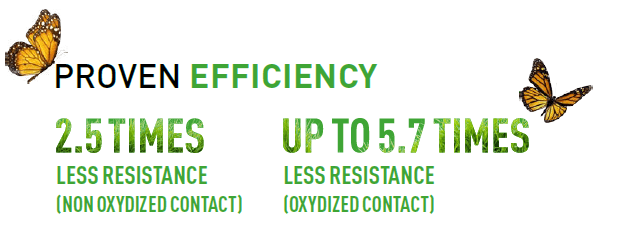
MARECHAL® Decontactor Technology is up to 5.7 times more efficient than a standard pin and sleeve type hard-wired installation – theDecontactorcontributes significantly to Energy Savings with reduced costs and improved electrical safety.
The Decontactor Connector
DECONTACTOR = PLUG + SOCKET + INTEGRAL SWITCH DISCONNECTOR
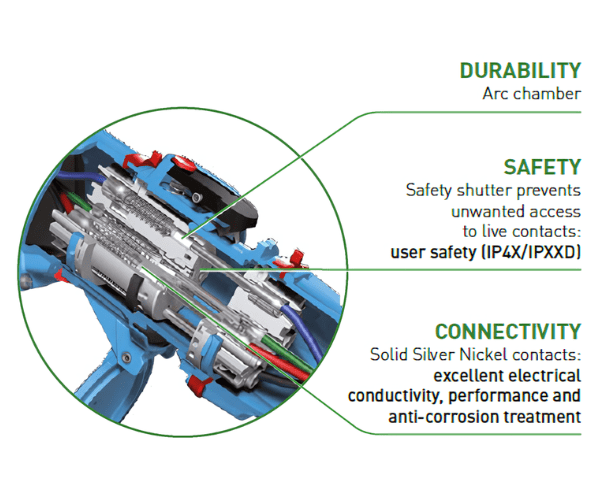
The MARECHAL® Decontactor is a unique plug and socket assembly with an integral load-break switch – the user can safely and instantly disconnectunder full electrical current up to 250Amps using the integral load-break switch. Immediate reconnection is possible under electrical load without requirement to shutdown power supply.
High Material Performance & Quality
Exceptional connection quality: up to 10,000 cycles
Resistant up to 8 times the rating current
Shock resistant: up to IK10 with metal casings
Permanent absorption and tolerance to repeat overload
Resist to temperatures from at least -40 °C to +60 °C
Automatically watertight: up to IP69K, 100 bars and 80 °C
Isolator switch integrate
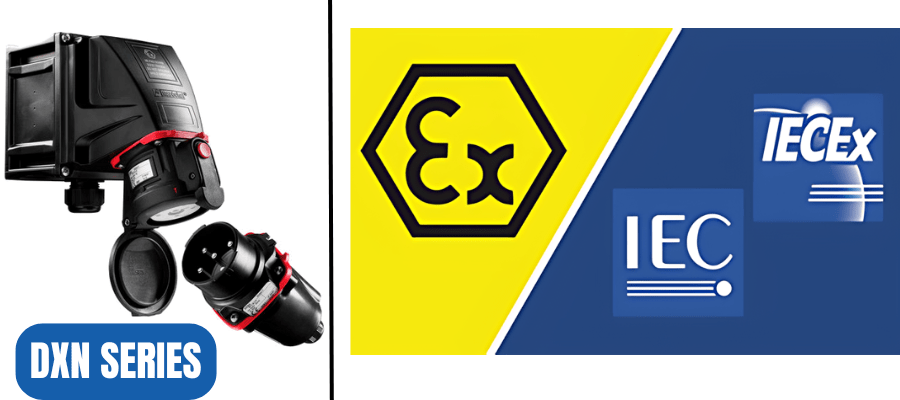
ATEX & IECEX certifications
Energy Saving Electrical Connectors
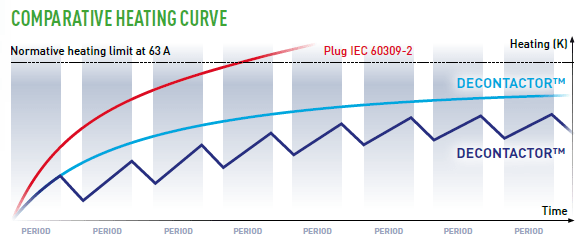
Technically designed to LIMIT HEATING and compensate THERMAL CYCLE.
Heating curve of a 60309-2 socket at a constant 63 A current
Heating curve of a DECONTACTOR™ at a constant 63 A current
Successive heating curves of a DECONTACTOR™ at a particular current cycle of 63 A.
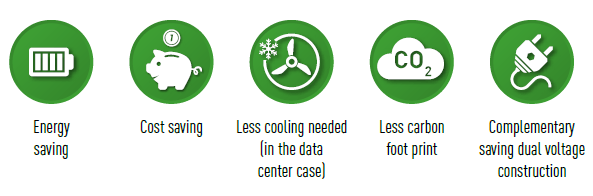
5 Key Benefits To Reduce Energy Consumption
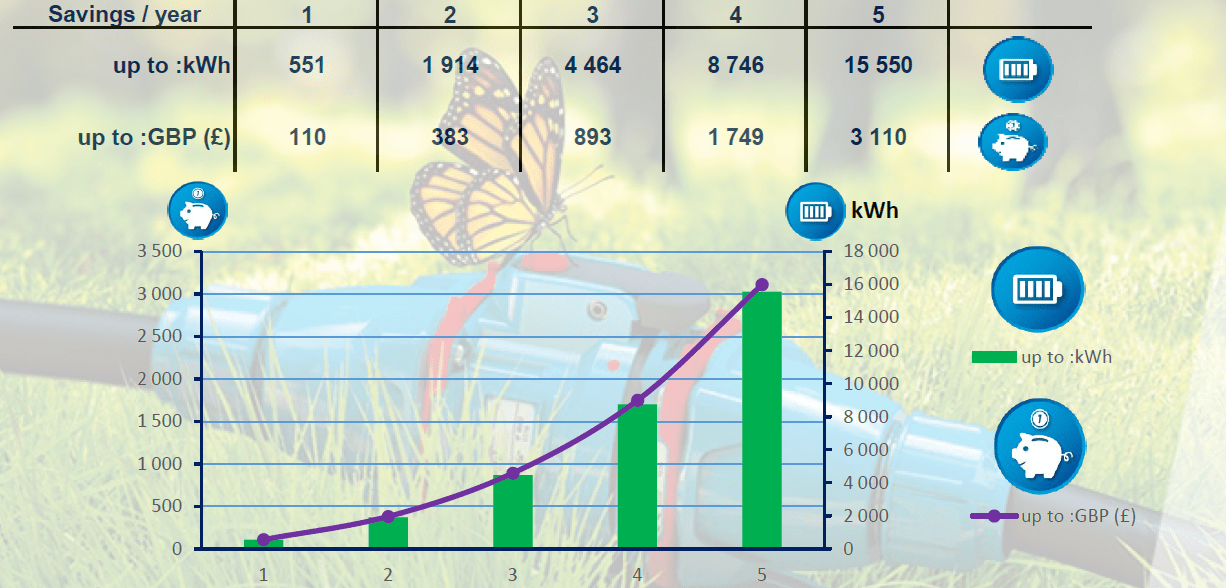
Typical Energy Savings
MARECHAL® Decontactor technology compared to traditional hard-wired systems provides the following benefits:
Based on laboratory tests comparing the performance of two contact technologies: MARECHAL® sprung contact and traditional pin and sleeve contact. For a normal use in a harsh industrial environment.
Protection of MV HV Medium High Voltage Cables & Power Systems
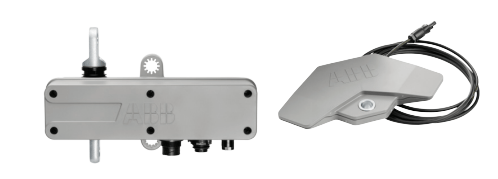
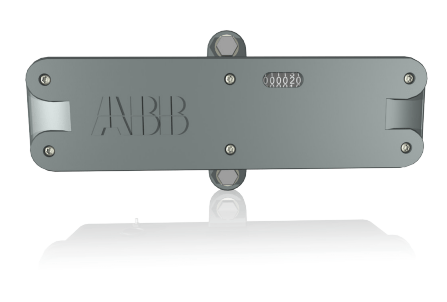
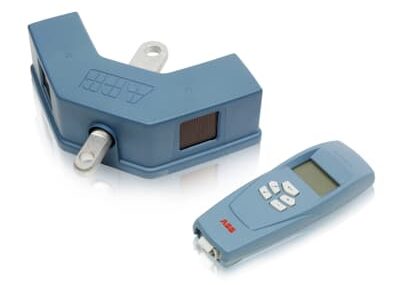
ABB introduces the next generation of monitoring equipment for surge arresters: EXCOUNT-III, utilising unique features previously unseen on the market.
Interest for online surge arrester monitoring is growing, and so the EXCOUNT-III Surge Counters have been designed to fulfil this need by providing the user with remote real-time monitoring of arresters as well as useful input to the insulation co-ordination of the station as a whole.
What are Surge Counters?
Surge Counters are used to monitor the health of Surge Arresters and protect against potentially damaging events which could lead to deterioration and ultimate overload. It is important to also schedule regular checks of surge arresters including visual inspection and diagnostics to detect and prevent a costly power outage.
The EXCOUNT surge counter range draws upon over 70 years of experience by ABB in the development of arresters and associated accessories. Safety, functionality and longevity are key elements which are given priority in selection and design of components. In stark contrast to many other competing products, the EXCOUNT surge counters has not neglected short-circuit safety which lies inherent in the design concept.
ABB Excount-III
With market pressure on utilities to obtain near 100% power availability, taking all actions to avoid even a rare unplanned outage is vital. As users push their systems harder accordingly, it can be expected to see stresses from system events leading to the arresters also being called upon to act more often than they perhaps did in the past. Monitoring how they handle those stresses – as well as what the consequences of those events are on the system itself – may be included as part of the user’s strategy for improving the overall availability. EXCOUNT-IIIhas been developed with this strategy in mind.
EXCOUNT-III is a complete remote real-time surge arrester monitoring, diagnostics and analysis system. It permits the registration of the total number of discharges, the surge amplitude and wave-steepness, the date and time of occurrence, the total leakage current as well as the resistive leakage current through the surge arrester. In addition, the equipment can be used to define the residual voltage across the arrester for the actual surge, which in turn can be used to better estimate overvoltages in the station for a more detailed insulation co-ordination evaluation.
Not only does the EXCOUNT monitor the arrester itself, it can also give an estimate of overvoltage occurring at nearby apparatus within the arrester’s protection zone – providing valuable information about whether the protection against potentially damaging surges is sufficient or not. In this way, EXCOUNT-III provides the user with remote real-time monitoring of arresters as well as useful input to the insulation co-ordination of the station as a whole.
ABB EXCOUNT-III surge counter supports the protocol IEC 61850, Ed. 2, and communicates remotely via the fibre optic cable to permit the user to add signals into an existing data collection system (SCADA). Enabling remote retrieval of data, EXCOUNT-III eliminates the need for substation visits solely to monitor surge arrester condition, while also enabling the highest possible personnel safety standard by not having to approach an energized arrester to perform online diagnostic measurements.
Excount-III Applications & Performance Data
The EXCOUNT-III system consists of individual sensors that are connected by an optical fibre connection. Each sensor can be interrogated individually and be integrated to existing SCADA system. For use with all makes and types of gapless arresters.
No voltage added to the residual voltage of the arrester
Complete monitoring of the health of the substation and the surge arresters
Remote real-time monitoring – minimizes substation visits and enables the highest possible personnel safety standard
Supports IEC 61850, Ed. 2, for integration to existing SCADA system
Enables analysis of surge current impulses
Estimation of overvoltages in the station allows for a more detailed insulation co-ordination evaluation
For each surge arrester it is fitted on, the advanced version (EXCOUNT-IIIA) registers the total number of discharges, the surge amplitude and wave-steepness, the date and time of occurrence, the total leakage current as well as the resistive leakage current through the arrester by thirdharmonic analysis (method B2 according to IEC 60099-5). Using high speed sampling and sweep time, complete surge current impulses at the arrester’s connection point are recorded and available for analysis.
The standard version (EXCOUNT-IIIM) is available for users who do not desire to analyse the overvoltages in detail. With this, discharges are only categorized by their amplitude along with a date and time stamp of occurrence. Other generic features are the same between the versions.
A web browser interface via an optical fibre connection permits online interrogation and data analysis from each unit individually and is also used for configuration setup. The introduction of smart grid and the communication protocol IEC 61850 has made users more focused on integration with existing SCADA systems. EXCOUNT-III supports this protocol and communicates remotely via the fibre optic cable to permit the user to add signals into an existing data collection system.
Excount-III ABB Surge Counters
Surge registration
In addition to surge counting, a special feature of the advanced version is the registration of the surge amplitude and wave-steepness. This can be used to define the residual voltage across the arrester for the actual surge, which in turn can be used to better estimate overvoltages in the station for a more detailed evaluation of insulation coordination than has been possible in the past.
This added-value feature will help users to verify if they have adequate protection or if they need to reconsider their choice of arrester or even increase the number of arresters in the station. Furthermore, there is particular interest to correlate front time and overvoltage levels with pre-existing transformer monitoring equipment as a means to support total system condition monitoring diagnostics.
Leakage current measurement and condition
monitoring
EXCOUNT-III gives the user the possibility to measure both the total leakage current as well as the resistive component of the current through the arrester. The measurement of the resistive current especially gives a good indication of the arrester’s condition and fitness for continued service. With the aid of the SCADA system, these measurements can readily be used to co-ordinate maintenance work and possible replacement in order to assist with minimizing unnecessary and costly unplanned outages.
Safe and secure
EXCOUNT-III remote retrieval of data via the optical fibre cable eliminates the need for substation visits solely to monitor arrester condition, while also enabling the highest possible personnel safety standard by not having to approach an energized arrester to perform online diagnostic measurements. All components are housed in a sealed, weather-proof case, suitable for outdoor use. The base unit is mounted on the support structure and interconnected similar to a traditional counter, while the separate field probe is fixed at the bottom of the arrester. An external power connection from the station auxiliary supply (100 – 250 V, AC or DC) as well as a fibre optic cable connection are additionally to be provided by the user.
T&D are Specialist Distributors ofLV MV HV Cable Installation, Jointing, Substation & Electrical Equipment – we supply companies in the onshore and offshore wind, solar, rail, oil/gas, data centre, battery storage and utility sectors with products to enable the energisation, operation and maintenance of underground cables and overhead lines.
Portable & Fixed Gas Detection Monitors from Crowcon
Introduction
The Paris Agreement on climate change holds nations accountable for reducing their greenhouse emissions and reliance on fossil fuels, thus driving them to invest and use renewable energies, such as solar and wind.
However, the sun doesn’t always shine and it’s not always windy – or it might be very sunny or windy, leading to over-supply of the grid. To ensure that renewables are used for maximum benefit, any excess energy they produce (i.e., that isn’t needed for the grid at that time) is stored in local storage facilities, which take the form of large batteries.
These release energy later – when the grid requires more power, or when there is less sun or wind, such as overcast nights or calmer, duller days. However, these batteries can only release energy for a few (between 1 and 12) hours, so their use is limited to short-term, energy-on-demand requirements.
Batteries are effective at reducing power outages since they can also store excess traditional grid energy. The energy stored within batteries can be released whenever a large volume of power is needed, such as during a power failure at a data centre to prevent data being lost, or as a back-up power supply to a hospital or military application to ensure the continuity of vital services. Large scale batteries can also be used to plug short-term gaps in demand from the grid.
These battery compositions can also be used in smaller sizes to power electric cars and may be further scaled down to power commercial products, such as phones, tablets, laptops, speakers and – of course – personal gas detectors.
Applications
Battery
Storage
Transportation
Welding
Battery technologies can be segregated into four main categories:
Chemical– e.g. ammonia, hydrogen, methanol and synthetic fuel
Electrochemical – lead acid, lithium ion, Na-Cd, Na-ion
Electrical – supercapacitors, superconductive magnetic storage
The range of portable gas detectors and portable monitors for personal and temporary gas monitoring from Crowcon, consists of a wide range of single and multi gas products.
This range of portable gas detectors are used to protect staff and personnel in many industries (including battery storage) around the world and are specified to ensure that each product is fit for purpose.
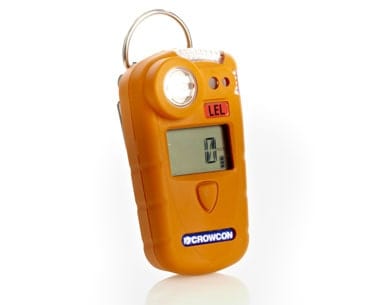
The Gasman personal monitor manufactured by Crowcon is a compact and fully ruggedised single gas detector for the toughest of industrial environments – the gas detector is compact and lightweight design for industrial gas detection in battery storage, oil and gas, chemical plants (with exotic gases), steel works (special CO sensor), hospitality (CO2), renewable energy (hydrogen) and waste and water works. More about Crowcon Gasman
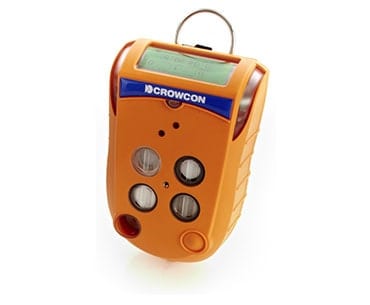
Gas-Pro portable gas detector is designed and manufactured by Crowcon for confined space entry monitoring and can detect up to 5 gases. The Crowcon Gas-Pro offers a compact and rugged solution for works and fleet managers entering confined spaces. More about Crowcon Gas-Pro
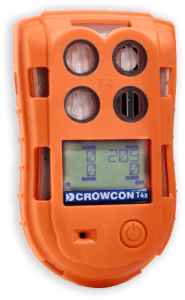
Crowcon T4x is a new and improved portable multi gas monitor you can take almost anywhere. Now with added industry leading sensor technologies to improve worker safety and cost you less over time. Exclusively with long-life O2 and MPS™ sensor technologies.
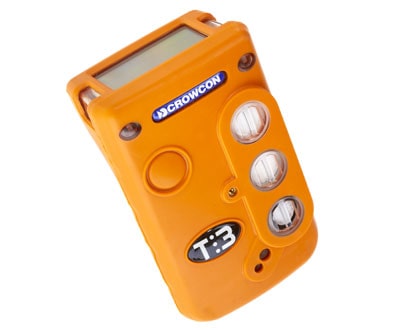
The Crowcon Tetra 3 portable gas detector is a compact, robust and simple to use multigas monitor. The Crowcon Tetra 3 mainly detects the common four gases (carbon monoxide, methane, oxygen and hydrogen sulphide), but also an expanded range: ammonia, ozone, sulphur dioxide, H2 filtered CO (for steel plants) and IR carbon dioxide (for safe area use only) – this portable gas detector is specified in harsh environmental conditions. More about Crowcon Tetra 3
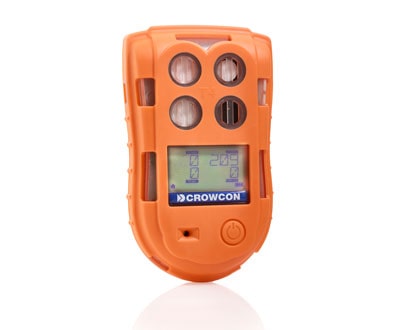
The T4 is a portable gas detector manufactured by Crowcon which provides a personal gas detection solution against four of the most common gas hazards – carbon monoxide, hydrogen sulphide, flammable gases and oxygen depletion. The T4 also now has improved detection of pentane, hexane and other long chain hydrocarbon. This portable gas detector offers compliance, robustness and a low total cost of ownership. More about Crowcon T4
Portable gas detectors are typically smaller, handheld devices that provide gas detection in smaller locations and are often used in confined spaces or working areas – mobile, transferable and transportable. Crowcon Gas-Pro portable gas detector is designed for confined space entry monitoring and can detect up to 5 gases. The Crowcon Gas-Pro offers a compact and rugged solution for works and fleet managers entering confined spaces.
fixed Gas Detectors
For Battery & other Power storage
Fixed gas detectors manufactured by Crowcon have been proven in many harsh environments around the world and are used in industries such as offshore, oil and gas, petrochemical as well as steel mills and chemical plants.
The range of fixed gas detectorsfrom Crowcon are suitable for detecting single and multi gases and can be configured to suit specific requirements – including hazardous area workplaces according to ATEX and IECEx Certification.
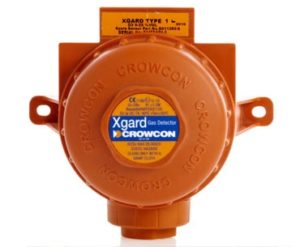
Crowcon Xgard is a versatile range of fixed gas detectors which meet gas detection specifications for a wide range of applications and industries worldwide. The Crowcon Xgard can be found in research facilities, water treatment, power, oil and gas and manufacturing facilities. More about Crowcon Xgard
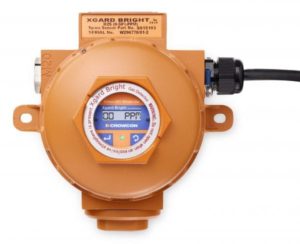
Xgard Bright is a versatile platform offering flammable and toxic gas detection and oxygen monitoring, while providing ease of operation and reduced installation costs. The Xgard Bright is now available with MPS (Molecular Property Spectometer™) technology.
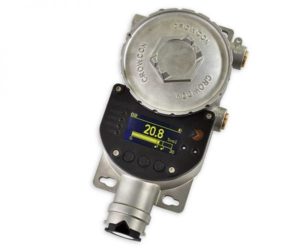
The Crowcon XgardIQ is an intelligent and versatile fixed gas detector for the detection of seven different gases dependent upon product setup. Gases include CO, H2S, H2, HF, LPG, CH4 and O2. There is a non-intrusive calibration where functions are performed via the display and keypad, without the need for a hot-work permit or any special tools. More about Crowcon XgardIQ
Crowcon gas detectors, both fixed and portable, provide life saving alerts and notice of the presence of potentially fatal gases in working areas. Typically, a fixed gas detector is used as a permanent gas monitoring solution installed in a specific location such as a process area of a control or a plant room.
Gas Hazards in Batteries and Other Power Storage Sector
Dangers
Typical processes and associated gas detection issues
Li-ion battery fires
A major concern arises when static electricity or a faulty charger has destroyed the battery’s protection circuit. Such damage can permanently fuse the solid-state switches into the ON position, without the user knowing. A battery with a faulty protection circuit may function normally, but it does not provide protection from short circuit
At this point, a gas detection system can establish if there is a fault and may be used in a feedback loop to shut off power, seal the space and release an inert gas (such as nitrogen) into the area to prevent any fire or explosion
Leakage of toxic gases prior to thermal runaway
Thermal runaway of lithium-metal and lithium-ion cells has caused numerous fires. Studies have found the fires to be fuelled by the flammable gases that are vented from the batteries during thermal runaway
The electrolyte in a lithium-ion battery is flammable and generally contains lithium hexafluorophosphate (LiPF6) or other Li-salts containing fluorine. In the event of overheating, the electrolyte will evaporate and eventually be vented out from the battery cells. Researchers have found that commercial lithium-ion batteries can emit considerable amounts of hydrogen fluoride (HF) during a fire, and that emission rates vary for different types of battery and state of-charge (SOC) levels. Hydrogen fluoride can penetrate skin to affect deep skin tissue and even bone and blood. Even with minimal exposure, pain and symptoms may not present for several hours, by which time damage is extreme
Hydrogen and explosion risk
With hydrogen fuel cells gaining popularity as alternatives to fossil fuel, it is important to be aware of the dangers of hydrogen. Like all fuels, hydrogen is highly flammable and if it leaks there is real risk of fire
Traditional lead acid batteries produce hydrogen when they are being charged. These batteries are normally charged together, sometimes in the same room or area, which can generate an explosion risk, especially if the room is not properly ventilated
Most hydrogen applications cannot use odorants for safety, as hydrogen disperses faster than odorants do. There are applicable safety standards for hydrogen fuelling stations, whereby appropriate protective gear is required for all workers. This includes personal detectors, capable of detecting ppm level hydrogen as well as %LEL level. The default alarm levels are set at 20% and 40% LEL which is 4% volume, but some applications may wish to have a custom PPM range and alarm levels to pick up hydrogen accumulations.
Western Power Distribution is one of six electricity Distribution Network Operators in the United Kingdom responsible for the Midlands, South Wales, and the South West, delivering electricity to more than 7.7 million customers over a 55,300 square kilometer service area.
THE LOW-CARBON NETWORK FUND
The company is leading a number of innovative, low carbon projects as part of the Low Carbon Network Fund, introduced by UK energy regulator, the Office of the Gas and Electricity Markets (Ofgem), to prepare for the electricity network of tomorrow – assisting the uptake of low carbon technologies, helping provide affordable and reliable solutions for energy users.
“Our distribution network is the backbone of how we deliver electricity to homes and businesses.” BEN GODFREY – Innovation and Low Carbon Networks Engineer at WPD
IMPROVING RELIABILITY AND OPTIMIZE NETWORK PLANNING
With this deployment, the Aclara grid monitoring platform is providing WPD with real-time visibility into its distribution grid, allowing the network operator to improve reliability and optimize network planning as it eases its transition to a low carbon future.
Distribution Network Operators such as WPD are expecting changes in the way electricity flows around the network as consumers adopt low carbon technologies including electric vehicles and heat pumps.
PROJECT FALCON
One initiative addressing this concern before it becomes reality is the Flexible Approaches to Low Carbon Optimised Networks (FALCON) project, a U.K. regulator-funded program that aims to improve the industry’s understanding of infrastructure needs in a low-carbon environment. WPD is working with innovative smart grid leaders such as Aclara to find the best ways to manage network problems expected to arise from low carbon technologies and generation.
“We selected Aclara’s grid monitoring platform because it provides us with better information for network planning, which will help us improve grid reliability and enable
the transition to a low-carbon future.” BEN GODFREY Innovation and Low Carbon Networks Engineer at WPD
Aclara partnered with Powerline Technologies Limited, a leading U.K. supplier of smart grid equipment, to deliver the Aclara platform to WPD as a part of Project FALCON.
REAL-TIME VISIBILITY WITH ACLARA’S SMART GRID SENSORS
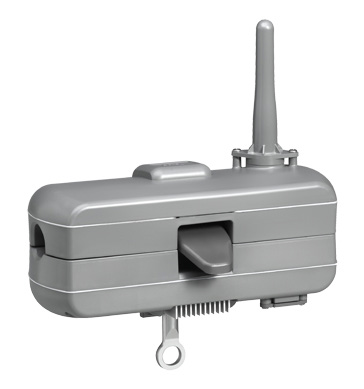
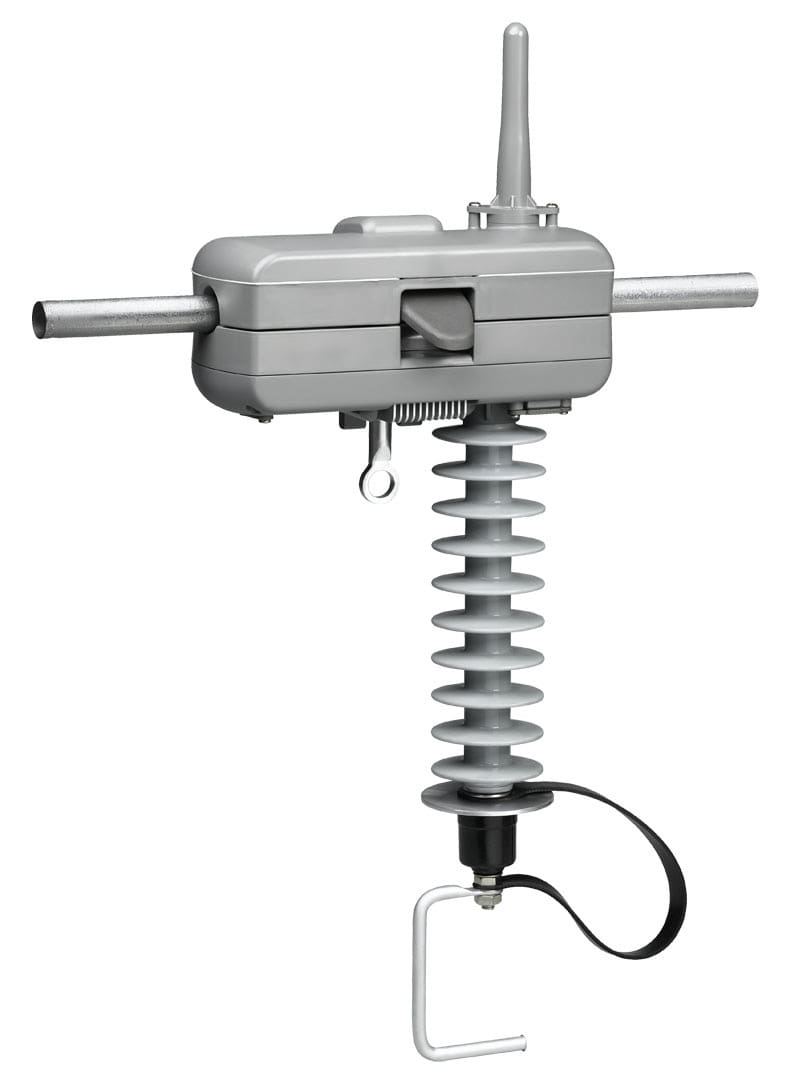
Aclara leads the industry in providing inductively powered, low-current Smart Grid Sensors that give utilities real-time visibility into the distribution grid down to three amps. They are lightweight, easy to install and provide immediate real-time data about grid conditions.
Unlike first-generation fault indicators, Aclara line sensors are combined with predictive analytics software to provide the ideal combination of realtime load and power quality monitoring with outage and fault detection. Within the software, customizable rules alert utilities to inefficient operating conditions that indicate future outages, load imbalances, or technical loss.
These events are linked to map-view displays that make it easy for utilities to pinpoint the locations of problems for quick response and solution. The Aclara platform easily integrates with Data Historians, SCADA, OMS, and DMS systems or can run as its own stand-alone solution hosted by Aclara or within a utility’s own data center.
Aclara
At Aclara, we help utilities manage change, seek new approaches and harness data and new technologies to supply more efficient and reliable services to their customers. We offer a comprehensive suite of solutions comprised of meters and edge devices, advanced metering infrastructure (AMI), software, installation services and provision of labor with a single point of accountability. As an end-to-end, smart infrastructure solutions (SIS) partner we couple innovative technology with data-driven solutions to predict, plan and respond to system conditions across electric, gas or water distribution networks.
UK Power Networks is the United Kingdom’s biggest distribution network operator (DNO) and delivers electricity to more than 8 million homes in London, the East and South East of
England. It is transforming itself from a Distribution Network Operator, which simply delivers electricity, to a Distribution System Operator (DSO), which enables a smart, flexible
system that responds to customers’ needs.
The company says its vision for the future proposes significant changes to enable medium voltage electricity networks to enable consumers to use new and emerging technologies.
Transient Fault Outages
BUSINESS CHALLENGE
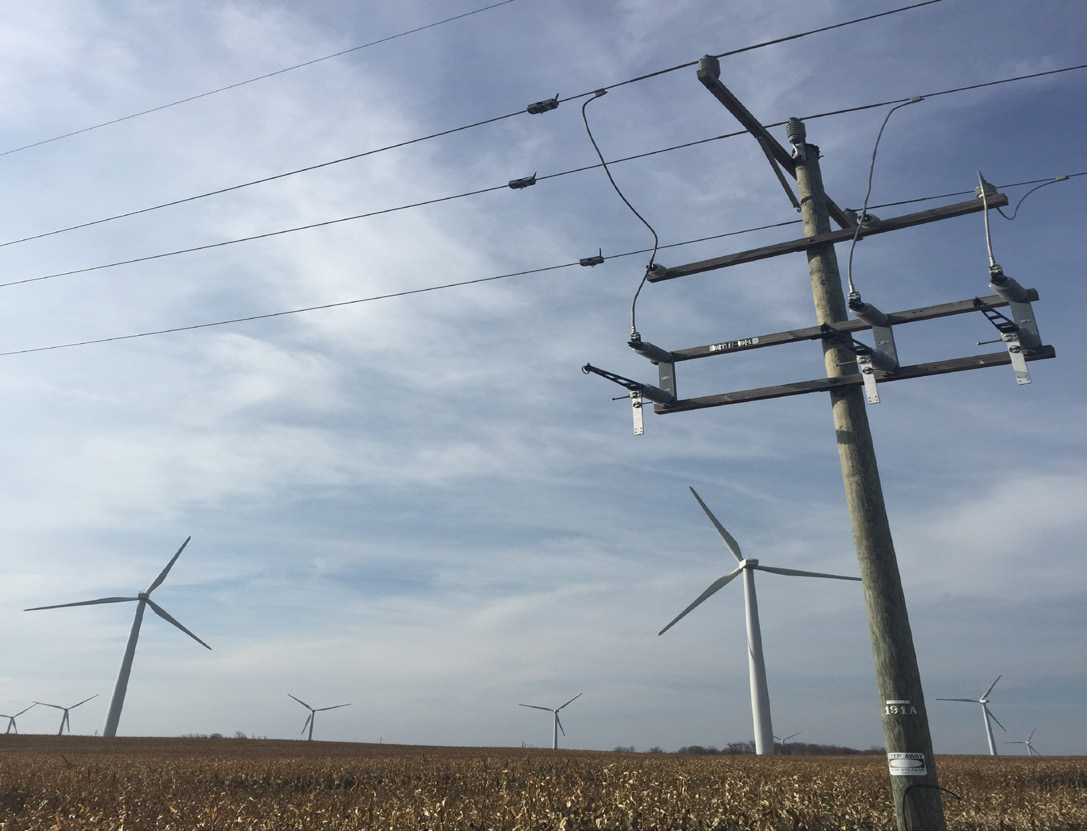
As part of its effort to continuously improve, UK Power Networks is constantly assessing ways to reduce the number of power outages and their duration. UK Power Networks has more than 46,000 km, or 28,500 miles, of overhead line networks that can occasionally be damaged by high winds, bird strikes or tree contact.
These can result in short power interruptions known as transient fault outages. Transient events typically include short variations of fault current without causing a sustained power outage. Transient events that are cleared automatically by very short interruptions from breakers or reclosers are referred to as momentary fault events.
It can take 6 to 10 hours, on average, to identify the exact location of a transient fault on overhead lines, especially when the outage occurs at night, is in a hard to reach location, or takes place during a storm. Once a fault it located it can then take an additional 1-2 hours to fix it. Reducing the expense and time associated with finding and repairing faults is an important component of reducing customer minutes lost.
Today, the company uses traditional fault passage indicators (FPIs), known as fault current indicators (FCIs) in the United States, to help them identify when faults occur on its overhead electrical system. However, there are several challenges with using FPIs.
While FPI alarms integrate with UK Power Networks’ GE PowerOn™ advanced distribution management system, they lack capabilities to help locate transient faults. They are not effective at detecting momentary line disturbances or developing faults and do not capture fault waveforms.
Due to less sophisticated triggering and classification methods, they may also generate false indications of actual outages or the true location of faults. As a result, operational staff then must be sent out to search for the fault location. This is done through a systematic process of opening the manually operated OHL switches installed along the route, energizing segments and ‘walking the line’ until the fault location is found.
This is a time consuming process.
Reduce Power Interruptions
SOLUTION OVERVIEW
UK Power Networks has recently undertaken a ground breaking project to improve customer service and was looking for new technology to help reduce power interruptions and customer minutes lost on its overhead networks. Funded by the Network Innovation Allowance (NIA), an incentive of the United Kingdom’s Office of Gas and Electricity Markets (Ofgem), part of the project’s objective is to develop algorithms that can predict fault location on overhead circuits and that distinguish false alarms from true outages.
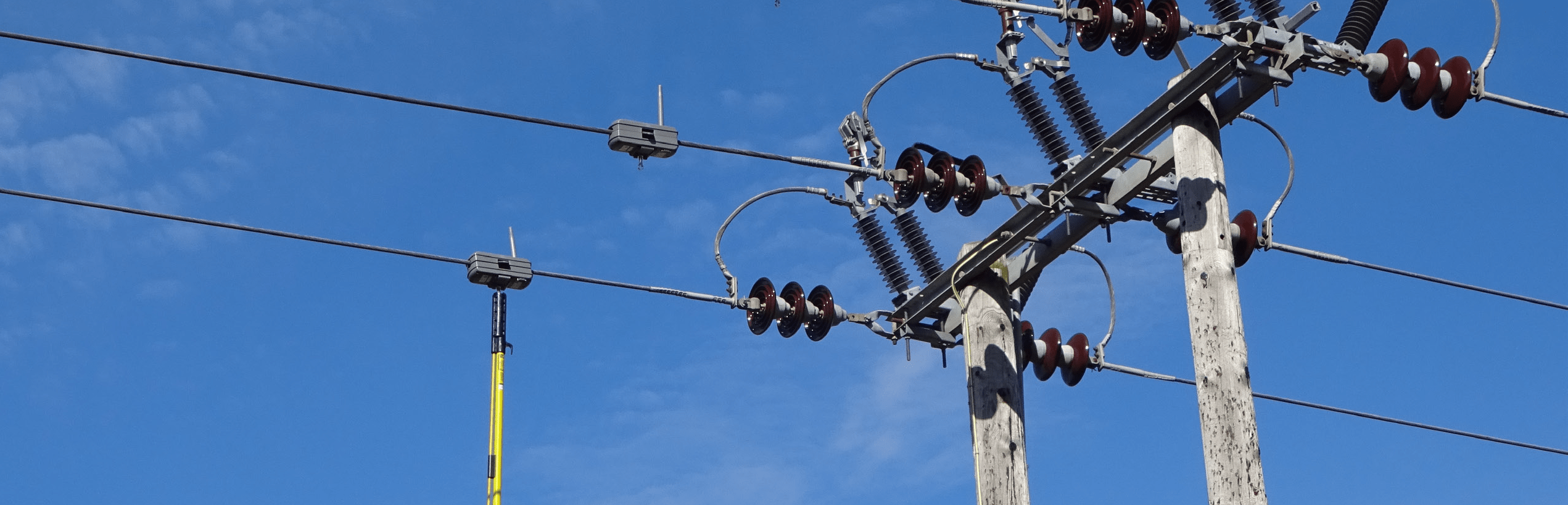
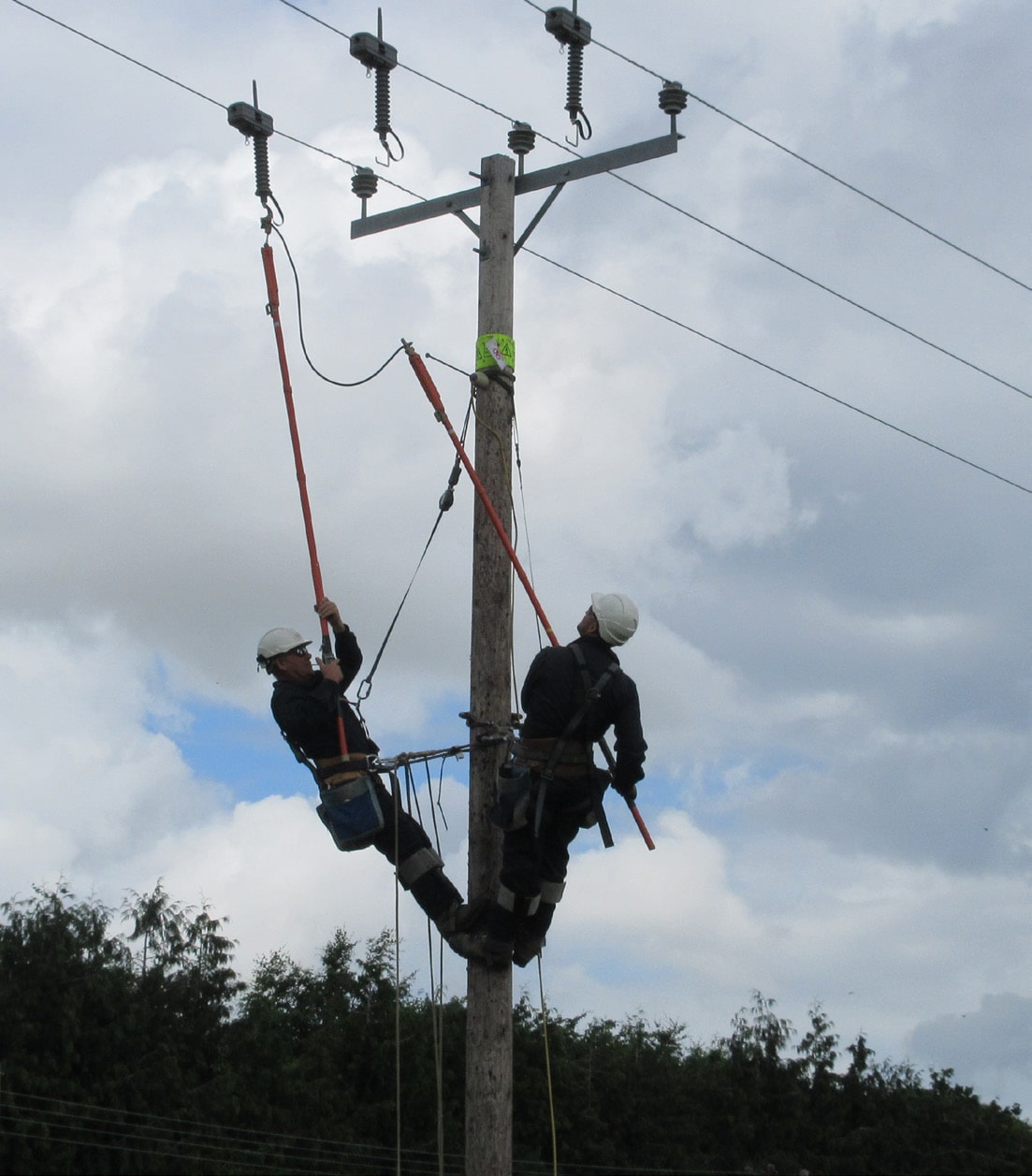
To accomplish its goal, UK Power Networks selected the Aclara Grid Monitoring platform comprised of smart grid sensors and Predictive Grid® analytics software. The power sensors are easily deployed on overhead lines via hot stick, even in remote locations. The data they provide, including voltages, will allow the company to develop a real-time impedance model at the time of a fault, allowing precise location of the faults without having to ‘walk the line’.
“Our goal is to reduce the duration of supply interruptions by directing linesmen to the most likely fault locations. The trial will demonstrate Aclara’s “distance to fault” algorithm to
improve restoration times. ‘We are regularly reviewing Aclara power sensor input as part of UK Power Networks’ overall quality of supply improvement program and hope to make more strides in preventing network failure conditions.” PETER LANG – UK Power Networks’ Project Manager
UK Power Networks has installed over 400 power sensors on 11kV overhead lines on 45 feeders as part of an implementation of the Aclara Grid Monitoring platform in two of its three geographical regions – its East and South East areas.
The Aclara Grid Monitoring platform will continuously monitor load and power quality in places where troublesome overhead circuits have caused many supply interruptions. They are battery-free smart grid sensors capable of monitoring real-time voltage on distribution networks to within 0.5% accuracy.
Power sensors are installed on overhead lines with hot sticks and require no calibration or additional, pole mounted equipment.
These specific line sensors were installed for three reasons:
1 – To allow UK Power Networks to gain better network visibility on its overhead circuits and reduce the time it takes to identify permanent faults that are located on specific spurs or between sectionalised points on the main line.
2 – To reliably detect and resolve developing or transient faults caused by events including branches touching power lines, animal incursions, bird strikes, and defective equipment.
3 – To reduce the length of supply interruptions by directing linesmen to the most likely fault locations.
The Aclara power sensor is a highly integrated and rugged solution that is a fraction of the cost of traditional kits of equipment with equivalent functionality. It introduces additional OpEx savings due to its simple installation and highly reduced maintenance costs compared with similar alternatives.
Precise measurements and events captured by Aclara power sensors, combined with the sophisticated analytics in its sensor management system (SMS) software, including an algorithm that identifies the exact location of faults, provide highly accurate, real-time reporting of fault events. Thus, the Grid Monitoring fault location solution greatly improves restoration times.
Additionally, to build intelligence about what might cause a power failure in the future, Aclara’s SMS software classifies faults and disturbances that do not cause immediate outages. For example, incidents like momentary faults or line disturbances are categorized and can be filtered to show trends across a circuit or during certain times of the year.
This Predictive Grid® analytics capability of the Aclara SMS software lets UK Power Networks identify fault locations quicker, allowing engineers to study fault waveforms to better diagnose the true cause of fault events. It can predict and alert engineers and operators to early signs of developing fault conditions based on frequent patterns of transient conditions.
In addition, Aclara smart grid sensors are easily deployed towards the end of feeders and spurs, in locations where currents may be as low as 3A. This is important because battery-powered FPIs and sensors typically require at least 10A – and some up to 30A – to successfully keep the batteries charged. Therefore, the further you get away from the substation, the harder it is to identify faults because previously there were no solutions for low-current areas.
With the continuous reporting of power conditions, the deployment of Aclara’s smart grid sensors has also proven invaluable to help UK Power Networks gain better insight to the true load profile along its circuits. Better visibility of load and voltage conditions aids planners and network operators for both managing switching operations as well as long term network planning.
Grid Monitoring
BUSINESS JUSTIFICATION
Use of Aclara smart grid sensors allows UK Power Networks to have much better visibility of fault Case Study: Grid Monitoring and disturbance conditions along circuits, leading
to changes in methods in working and business practices at the utility.
The company’s engineers now can go directly to the fault location, eliminating the need to ‘walk the line’ to find it. The deployment of Aclara smart grid sensors also demonstrates that transients or pre-faults can be accurately identified on the network. Analysing waveforms allows operational staff to be proactive in trying to identify the cause, allowing preventative maintenance before faults become permanent and cause network failures.
In addition, Aclara technology will help UK Power Networks meet its goals for reducing the number of power interruptions customers have and the length of the power interruption.
This project provides another key tool to support delivery of a more reliable electricity network. The solution enables UK Power Networks to implement improvements in the cost of network operations, replacing expensive manpower intensive processes.
Aclara
At Aclara, we help utilities manage change, seek new approaches and harness data and new technologies to supply more efficient and reliable services to their customers. We offer a comprehensive suite of solutions comprised of meters and edge devices, advanced metering infrastructure (AMI), software, installation services and provision of labor with a single point of accountability. As an end-to-end, smart infrastructure solutions (SIS) partner we couple innovative technology with data-driven solutions to predict, plan and respond to system conditions across electric, gas or water distribution networks.





 Successive heating curves of a DECONTACTOR™ at a particular current cycle of 63 A.