Transition Cable Joints MV | 11kV 33kV Cables
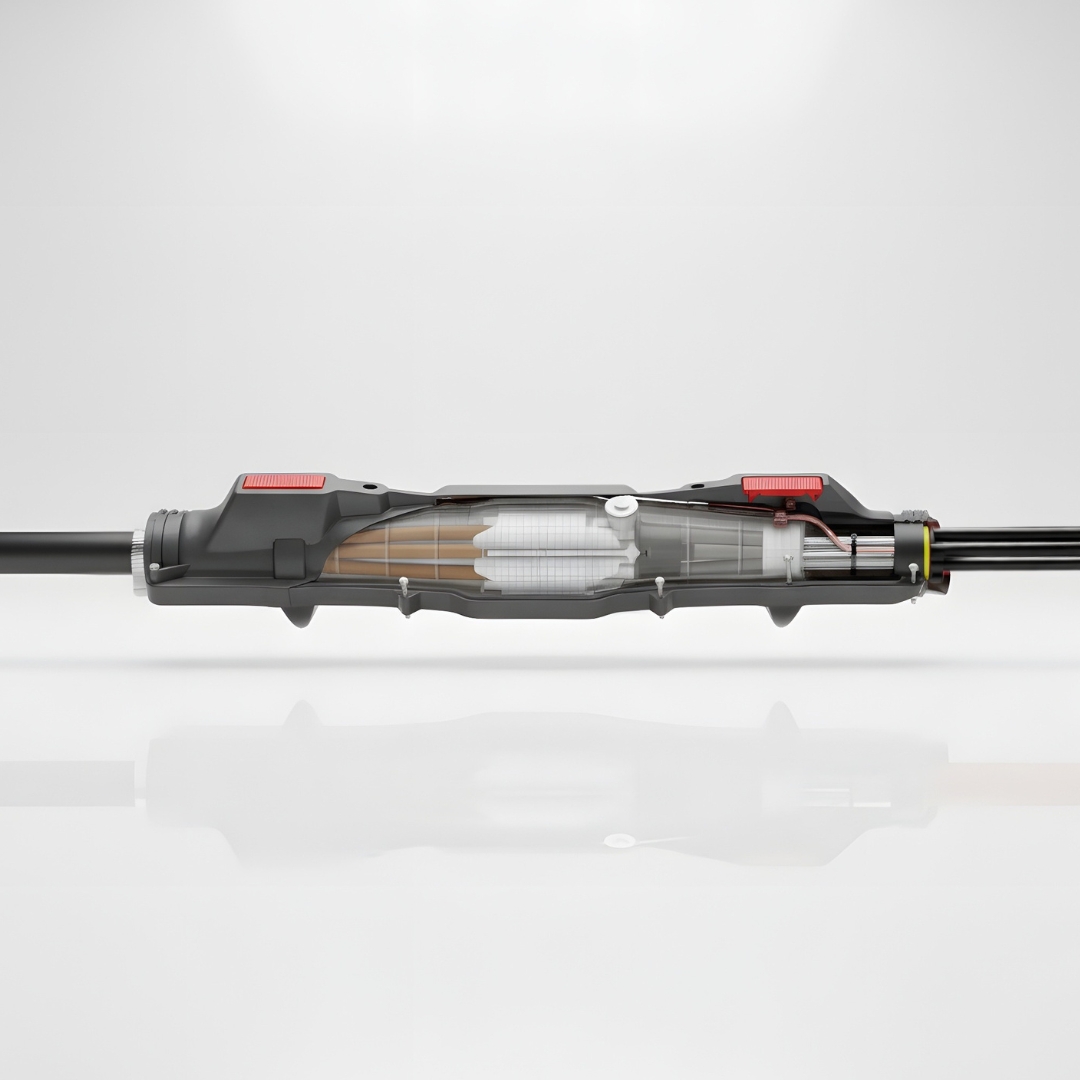
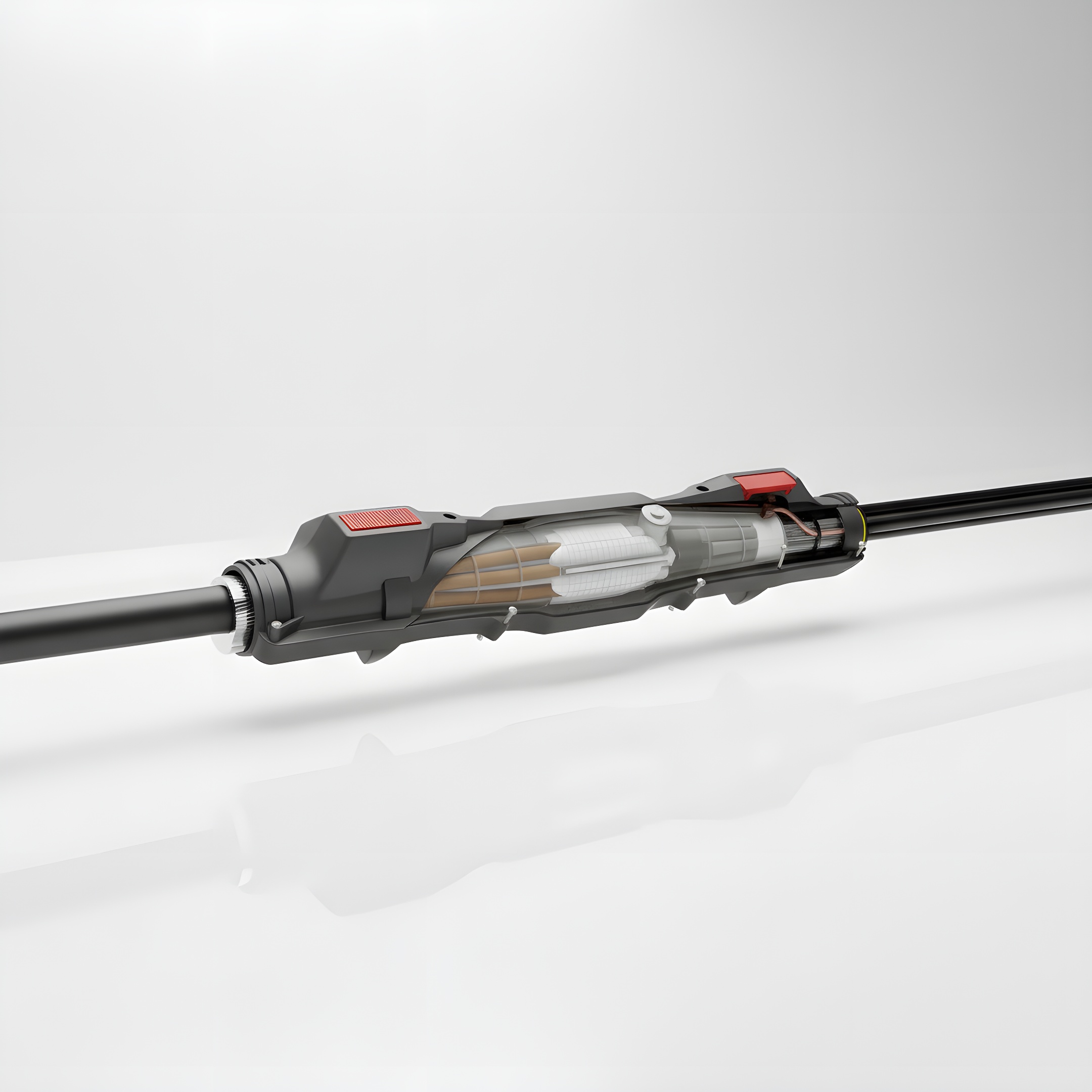
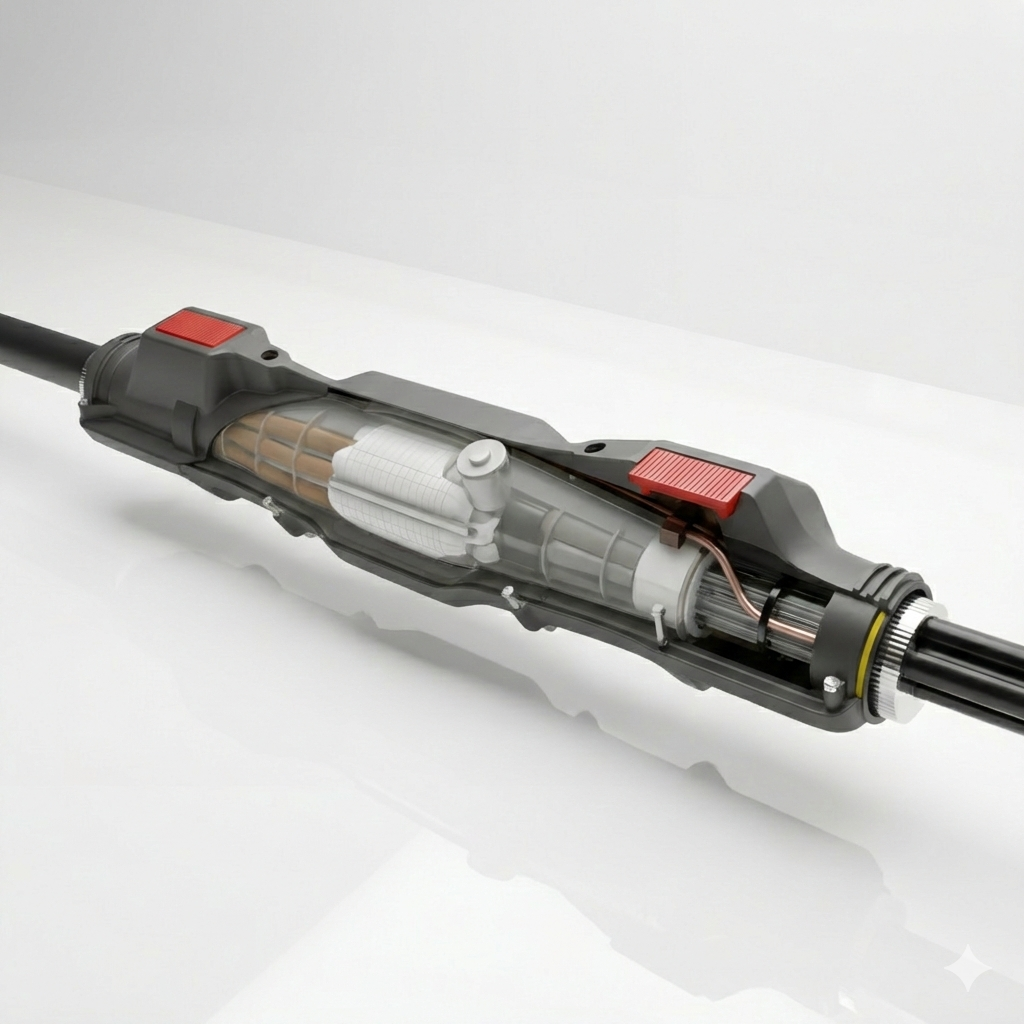
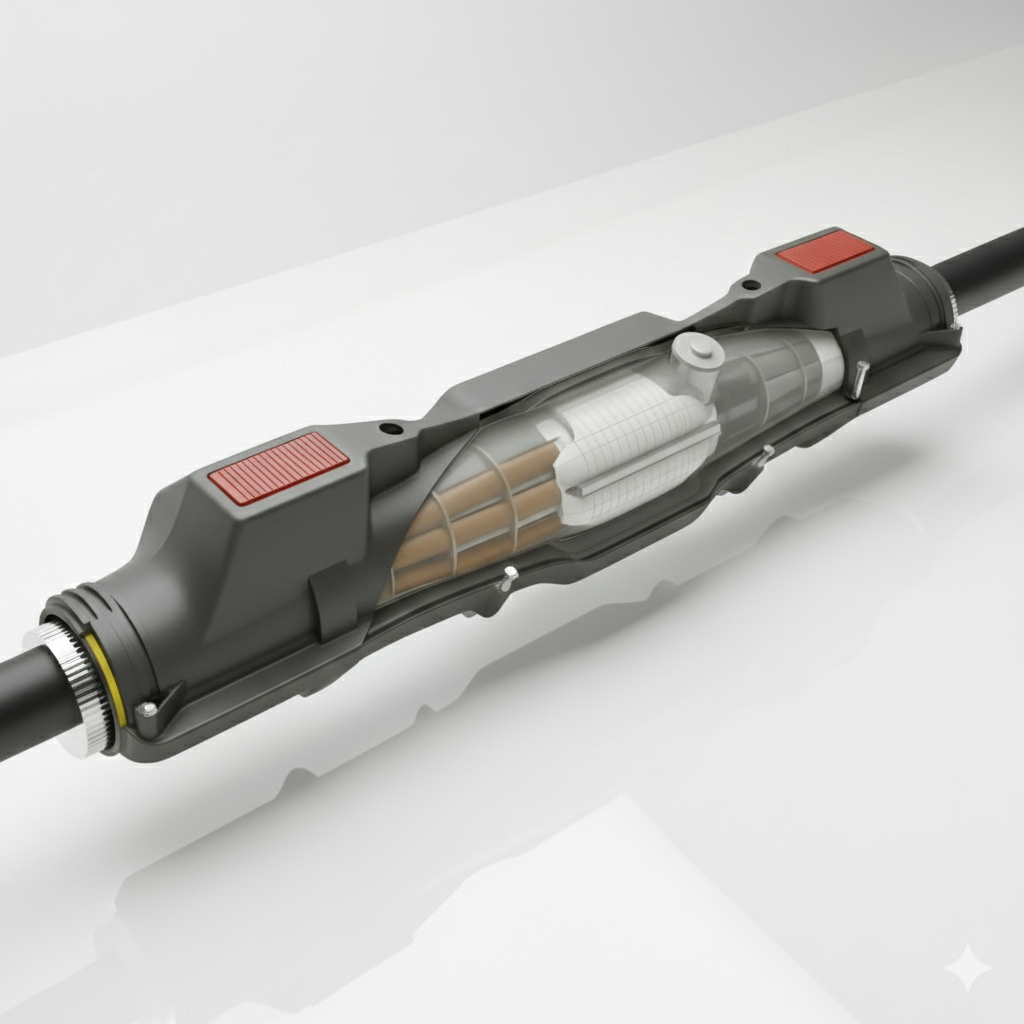
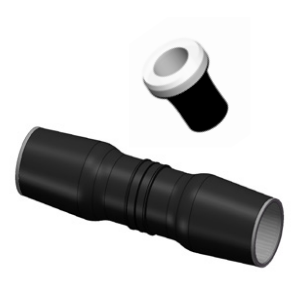
Lovink LoviSil® Transition Cable Joint | MV 6/10 (12) kV – 18/30 (36) kV
Product Code: LoviSil® Transition Joint (Module Selection Required)


Lovink LoviSil® Transition Cable Joint is engineered for medium voltage (MV) transition connections between paper-insulated cables (PILC/PICAS) and polymeric cables (XLPE/EPR) from 6/10 (12) kV up to 18/30 (36) kV.
Designed for demanding networks and jointing environments, LoviSil® supports a broad range of MV cable configurations, including 1-core and 3-core constructions, multiple armour types, and conductor sizes up to 1,000 mm² (dependent on module selection). For MV networks commonly referred to as 11kV and 33kV class, the correct joint configuration is selected based on the cable system ratings and dimensions.
Cable Joints for Medium & High Voltage Cables | the Lovink range of cable joints provide high-performance for high-challenge applications including configurations for straight, transition, branch and loop jointing of cables typically distributing electricity at 11kV, 24kV and 33kV; this includes connection joints for extensions and repairs for MV HV cables with XLPE, PILC & EPR insulation.
The Lovisil range of water proof cable joints provide excellent continued service for Medium & High Voltage Cables in flooded cable trenches, underground cable ducts and general wet-conditions associated with high-water table applications with a Type-Test documented to 2 Bar water pressure; typically used to fault repair, divert and extend single and 3-core cables with XLPE, EPR and PILC insulation with 11kV 24kV 33kV voltage classification.
 GO TO DOWNLOADS
MV Joints for Transition Cable Connections XLPE – PILC
The Lovink LoviSil® Transition Cable Joint is a universal MV jointing solution for connecting legacy paper-insulated networks (PILC/PICAS) to modern polymeric cable systems (XLPE/EPR).
Lovink LoviSil
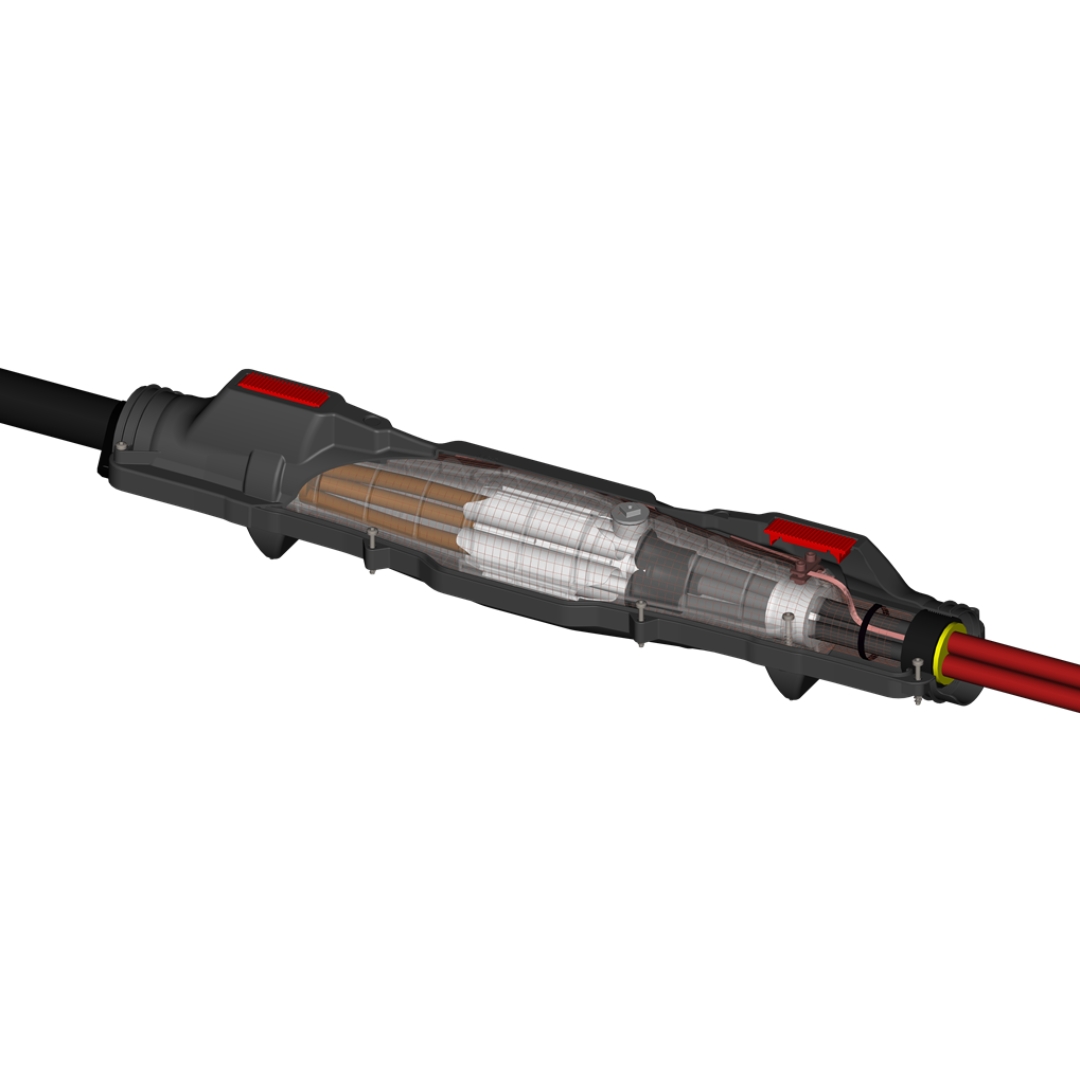
LoviSil® is designed to be efficient to install with pre-installed components and a consistent build-up approach, helping maintain repeatable quality on-site. The modular concept (base module, cable module and resin module) supports stock and project flexibility, while the combined construction of outer shells, polyurethane resin and LoviSil® insulation provides robust protection against moisture and polluted soil conditions. No shrink steps and no soldering are required; only standard tools are used for installation (final selection depends on the cable dimensions and project specification).
6/10 (12) kV – 18/30 (36) kV Cables
Built for utility and industrial environments, the LoviSil® Cable Joints range supports medium voltage installations from 6/10 (12) kV up to 18/30 (36) kV, covering a wide variety of cable designs including 1-core and 3-core cables, different armour constructions and a broad span of conductor sizes. This makes it a strong choice where MV asset life extension, network upgrades or mixed-cable repairs are required.
Need the right Cable Joints for your MV cables? Speak to our trusted experts to confirm suitability for your 11kV / 33kV class network application (as well as cable type, insulation, sheath/armour construction and dimensions). Thorne & Derrick International provide technical advice, quotations and fast worldwide delivery for MV joints, medium voltage cable accessories and engineered power solutions.
MV Transition Cable Joint – Technical Specifications
Lovink Cable Joints – Selection Guide
Transition Cable Joint – Key Benefits
✔ Universal Transition Cable Joint concept for PILC/PICAS to XLPE/EPR MV cables
✔ Supports a wide range of cable configurations: large and small cross-sections, 1-core and 3-core, different armours
✔ Designed for MV voltage levels up to 36 kV (6/10 (12) kV to 18/30 (36) kV)
✔ Robust protection against moisture and polluted soil: outer shells + polyurethane resin + LoviSil®
✔ Uniform build-up with pre-installed parts supports efficient, repeatable installation
✔ Only standard tools stated; no shrinking or soldering in the system concept
✔ One basic modular concept (base-, cable- and resin-module) can reduce stock complexity
✔ Reliable electrical insulation approach suitable for evolving MV networks and future grids
✔ Bespoke cable modules available for uncommon cable types (on request)
✔ Ideal where MV networks include both legacy paper cables and modern polymeric cables
Applications
✔ MV transition jointing between PILC / PICAS and XLPE / EPR cable systems
✔ Medium voltage network upgrades and mixed-cable repairs (legacy paper to polymeric)
✔ Utility distribution networks and private MV networks (incl. 11kV / 33kV class projects subject to selection)
✔ Substations, HV/MV switchrooms and critical power infrastructure
✔ Industrial plants, renewables and site distribution networks using MV cables
✔ Asset life extension programmes for paper-insulated cable circuits
✔ Transition connections where cable types, armours and constructions vary between circuit sections
✔ Projects requiring robust joint protection against moisture and polluted ground conditions
Transition Cable Joint – Additional Information
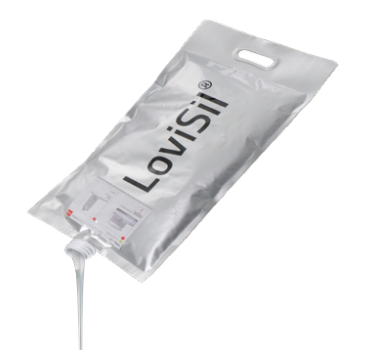
LoviSil® Transition Cable Joints for MV networks (commonly referenced as 11kV and 33kV class) use fluid silicone (liquid insulation) as the primary insulating medium. Unlike shrink or push-on technologies, the silicone remains liquid, allowing it to search out and fill voids within the joint. This helps deliver consistent insulation to all components
and reduces the likelihood of partial discharges caused by air entrapment. When used on paper-insulated cables (PILC/PICAS), the fluid silicone has characteristics similar to cable grease, supporting the paper insulation by helping prevent it drying out. When used on polymeric cables (XLPE/EPR), the electrical characteristics of fluid silicone can reduce the need for additional core-installed components and related tasks (subject to correct selection).
For 36 kV class cable jointing, LoviSil® joints incorporate geometric field control using filled stress cones. In combination with a silicone sleeve mounted around the connection, this delivers controlled electric field distribution without the need for wrapping, enabling a compact MV joint design.
✔ Reliable power supply: fluid silicone provides primary insulation and fills voids to protect against electrical stress
✔ PILC/PICAS compatibility: silicone characteristics can help prevent paper insulation drying out
✔ Polymeric compatibility: silicone electrical properties can minimise the need for additional core-installed components (selection dependent)
✔ Cost savings: strong TCO proposition based on reliability and long service history (stated ~30 years field experience, low failure rate)
✔ Easy installation: intuitive sequence, identifiable components, transparent inner joint aiding visual control and filling indication
✔ Flame-free approach: no soldering or shrinking stated, supporting petrochemical and mining requirements where flame-free installation is often preferred
 Lovink – Cable Joints MV 11kV 24kV 36kV CatalogueDownload