Blog
Thorne & Derrick’s POWER Blog is regularly updated with news, projects, videos, technical tips, training information, promotions, webinars, career opportunities and white papers.
➡ View T&D’s brochure – contact our Sales Team with your requirements.
We focus on Product Categories: Duct Seals | Cable Cleats | Cable Glands | Electrical Safety | Arc Flash Protection | Cable Jointing Tools | Cable Pulling | Earthing | Feeder Pillars | Cable Joints LV | Joints & Terminations MV HV
We provide guidance and technical support for the installation of LV, MV & HV Cable Joints, Terminations, Substation & Electrical Equipment from our Key Suppliers including:
| 3M |
CMP |
Ellis Patents |
| Nexans Euromold |
Elastimold |
Pfisterer |
| Prysmian |
Alroc |
CSD |
| Roxtec |
CATU Electrical |
Cembre |
| Lucy Zodion |
ABB |
Emtelle |

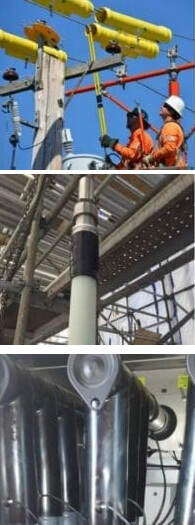
With Photo Blog contributions from our social network of utility professionals, linesmen and cable jointers working on MV HV EHV cables and overhead lines typically at 11kV, 33kV, 66kV and up to 132kV.
JOINT ♦ TERMINATE ♦ CONNECT ♦ GLAND ♦ CLEAT ♦ CRIMP ♦ DUCT ♦ SEAL ♦ REPAIR ♦ CABLE ♦ SPLICE ♦ INSULATE
Published 16 Oct 2026
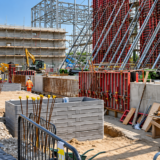
Underground Cable Access Chambers: Design & Installation Guide Underground cable access chambers are below-ground structures that provide access to cable ducts and underground utility networks for cable installation, pulling, inspection, maintenance and future network modifications. They are commonly incorporated into power distribution, telecommunications, fibre optic, highways and infrastructure projects...
Read More
Published 16 Oct 2026
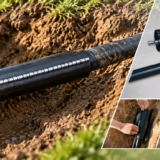
Cable Sheath Damage: Repair Sleeve or Cable Joint? Cable sheath damage is the cutting, abrasion, puncturing or deterioration of a power cable’s outer protective covering. Depending on the extent of the damage, the cable construction and the condition of its internal components, a damaged cable may require a heat...
Read More
Published 15 Oct 2026
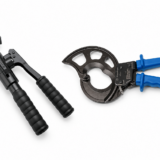
Hydraulic and ratchet cable cutters are specialist tools used to cut electrical power cables, conductors and associated cable materials during installation, jointing, maintenance and repair. Although both are designed to produce controlled cuts, they differ in the way cutting force is generated, the level of manual effort required and...
Read More
Published 15 Oct 2026
Cable bending radius is the minimum radius to which an electrical cable can be bent without risking damage to its construction or compromising its intended performance. It is an important consideration when installing LV, MV and HV power cables through underground ducts, trenches, substations, cable trays and other electrical...
Read More
Published 15 Oct 2026
Underground cable joints fail when their electrical insulation, conductor connections or protective sealing systems can no longer perform their intended function. Common causes include moisture ingress, incorrect cable preparation, insulation damage, poor conductor connections, excessive electrical stress and unsuitable installation conditions. Although underground power cables are designed for long-term...
Read More