Aclara Sensors | WPD | Transitioning to a Low Carbon Future with Smart Grid Sensors
Published 15 Dec 2021

Transitioning to a Low Carbon Future
Aclara Smart Grid Sensors – Western Power Distribution Case Study
Distributed Generation and Low Carbon Electricity Networks | United Kingdom
Western Power Distribution (WPD) was one of six electricity Distribution Network Operators (DNOs) in the United Kingdom. Its network covered the Midlands, South Wales and South West England.
At the time of this case study, WPD supplied electricity to more than 7.7 million customers across a service area of approximately 55,300 square kilometres.
As electricity networks evolved, the company began exploring technologies to support a lower-carbon future. In particular, WPD wanted better visibility of its distribution network and improved planning capabilities.
Consequently, the company worked with Aclara to introduce smart grid monitoring technology through Project FALCON.
The Low Carbon Networks Fund
The Low Carbon Networks Fund was introduced by the UK energy regulator, Ofgem. Its purpose was to support innovative projects that prepared electricity distribution networks for low-carbon technologies.
Through this initiative, network operators could investigate new methods of managing electricity infrastructure. In addition, the programme encouraged the development of reliable and affordable solutions for customers.
Western Power Distribution participated in several projects supported by the fund.
These initiatives explored how electricity networks could accommodate changing demand and new generation technologies. As a result, WPD aimed to develop a more flexible and efficient distribution network.
Supporting the Electricity Network of the Future
The electricity distribution network plays a central role in delivering power to homes and businesses.
However, changing electricity demand and increasing use of low-carbon technologies create new challenges for network operators.
For example, the growth of electric vehicles and heat pumps can affect electricity consumption patterns.
In addition, distributed generation changes how electricity flows through local networks.
Therefore, network operators need better information to understand these conditions and plan future investment.
Ben Godfrey, Innovation and Low Carbon Networks Engineer at WPD, highlighted the importance of the distribution network in supplying electricity to customers.
Improving Electricity Network Reliability and Planning
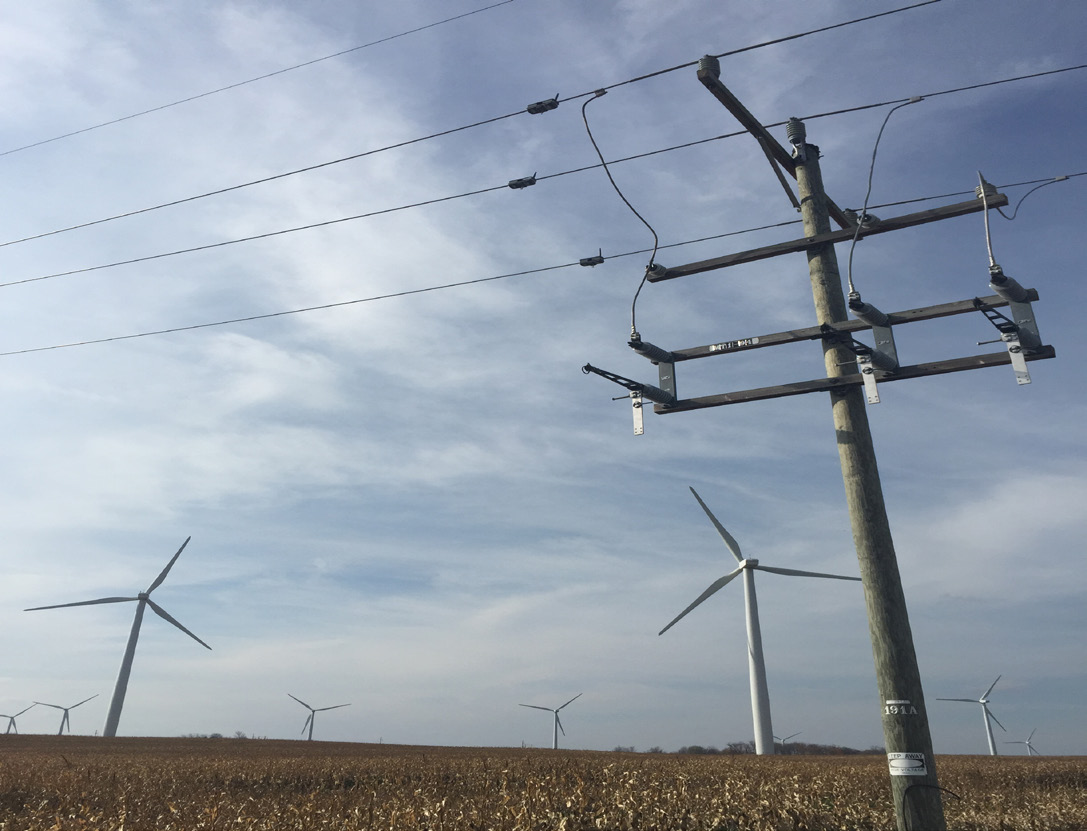
The Aclara Grid Monitoring platform was introduced to provide Western Power Distribution with greater visibility of its electrical network.
Through real-time monitoring, the system supplied information about operating conditions across the distribution grid.
As a result, WPD could use more detailed measurements to support network planning and operational decisions.
Furthermore, improved visibility offered opportunities to identify inefficient operating conditions and potential network problems.
How Low-Carbon Technologies Affect Electricity Networks
Electricity distribution networks were traditionally designed around predictable power flows. However, the growth of low-carbon technologies has introduced new operating requirements.
For example, electric vehicles can increase electricity demand when large numbers of vehicles charge at similar times.
Likewise, heat pumps can affect demand during colder weather.
Meanwhile, distributed generation allows electricity to enter the network from multiple locations.
Consequently, network operators must understand changes in voltage, load and electricity flow.
Accurate monitoring information therefore supports better planning and helps utilities manage evolving network conditions.
Project FALCON – Flexible Approaches to Low Carbon Optimised Networks
Project FALCON stands for Flexible Approaches to Low Carbon Optimised Networks.
The initiative was funded through a UK regulatory innovation programme. Its aim was to improve understanding of the infrastructure required for a lower-carbon electricity system.
In particular, the project explored how distribution networks could accommodate changing demand and distributed generation.
Western Power Distribution worked with smart grid technology specialists, including Aclara, to investigate potential solutions.
As a result, the project combined practical network monitoring with new approaches to electricity distribution planning.
Why WPD Selected Aclara Grid Monitoring
WPD selected Aclara because its monitoring platform could provide more detailed information about network conditions.
According to Ben Godfrey, the technology offered better data for planning and improving electricity network reliability.
Furthermore, the monitoring system supported the company’s wider transition towards low-carbon electricity distribution.
To deliver the platform, Aclara partnered with Powerline Technologies Limited, a UK supplier of smart grid equipment.
Together, the companies supported the deployment of Aclara technology as part of Project FALCON.
Real-Time Visibility with Aclara Smart Grid Sensors
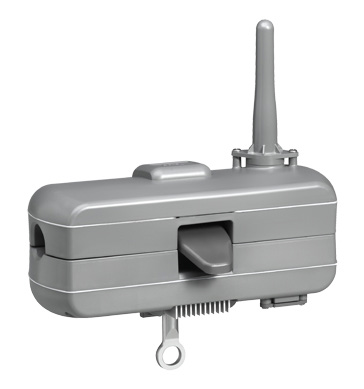
Aclara Smart Grid Sensors provide real-time information about operating conditions across electricity distribution networks.
The sensors use inductive power and can operate in low-current locations. According to the original case study, they support monitoring at current levels down to 3A.
In addition, their lightweight construction allows relatively straightforward installation on suitable overhead electricity lines.
Once installed, the sensors collect measurements that help utilities understand local network conditions.
Consequently, operators gain access to more detailed information about electricity load and power quality.
Monitoring Load and Power Quality
Aclara sensors monitor electrical conditions across the distribution grid.
For example, the system provides information about network load and power quality.
Furthermore, the recorded measurements can reveal changes in operating conditions over time.
This helps engineers understand how electricity demand and generation affect different sections of the network.
As a result, utilities can use the data to support switching decisions and long-term planning.
Fault Detection and Predictive Analytics
Unlike traditional fault indicators, Aclara combines line sensors with predictive analytics software.
As well as monitoring electrical conditions, the system supports fault and outage detection.
For example, configurable software rules can identify operating conditions that may indicate developing network problems.
These include:
- Potential outages: Electrical conditions that could indicate developing faults.
- Load imbalances: Uneven electrical loading across monitored network sections.
- Technical losses: Operating conditions that may contribute to inefficient electricity distribution.
- Power quality changes: Variations that could affect network performance.
Furthermore, the software links recorded events to geographical map displays.
Consequently, utilities can identify likely problem locations and investigate them more efficiently.
Aclara Grid Monitoring Software Integration
The Aclara platform can exchange information with several types of utility monitoring and management systems.
These include:
- SCADA: Supervisory Control and Data Acquisition systems.
- OMS: Outage Management Systems.
- DMS: Distribution Management Systems.
- Data Historians: Systems used to collect and store operational data.
As a result, utilities can incorporate sensor measurements into existing monitoring arrangements.
Alternatively, the platform can operate as a standalone solution.
Depending on the application, the software can be hosted by Aclara or within the utility’s own data centre.
Therefore, operators have flexibility when selecting a suitable monitoring architecture.
Benefits of Integrated Grid Monitoring
Combining smart sensors with analytical software gives network operators a clearer understanding of electricity distribution conditions.
In addition, automated monitoring can highlight changes that require attention.
For example, unusual loading or power quality conditions may indicate a developing network issue.
Consequently, operational teams can investigate potential problems using recorded information.
Over time, this data can also support network investment decisions and infrastructure planning.
Supporting the Transition to Low-Carbon Electricity Networks
Project FALCON explored how monitoring technology could help electricity networks adapt to new operating conditions.
As consumers adopt electric vehicles, heat pumps and distributed generation, network demand and power flows can change.
Therefore, utilities need accurate information about how their infrastructure performs.
Aclara’s monitoring platform offered WPD a way to improve visibility across its distribution network.
Furthermore, the system could support planning decisions based on measured electrical conditions.
As a result, the project demonstrated the potential value of smart grid monitoring in preparing electricity networks for lower-carbon technologies.
About Aclara
Aclara develops smart infrastructure solutions for utility networks.
Its product portfolio includes electricity meters, edge devices, advanced metering infrastructure and analytical software.
In addition, the company provides installation and monitoring technologies for electricity, gas and water utilities.
These solutions help operators collect and analyse information about network conditions.
For example, monitoring data can support fault detection, infrastructure planning and operational decisions.
Consequently, utilities can make better use of available network information.

Western Power Distribution – UK Electricity Networks
Western Power Distribution (WPD) was responsible for electricity distribution across the Midlands, South Wales and South West England.
At the time of the original case study, its network served more than 7.7 million customers.
In addition to maintaining electricity infrastructure, the company supported projects focused on network innovation.
Project FALCON formed part of this work by exploring how smart monitoring could support future distribution requirements.
The case study therefore provides an example of early investment in technologies designed for changing electricity networks.
Further Reading
Explore another Aclara grid monitoring case study:
Aclara Sensors | UKPN | Detecting Transient Faults on Overhead Networks
Thorne & Derrick – LV, MV and HV Electrical Equipment
Thorne & Derrick are specialist distributors of electrical equipment for cable installation, substations and power distribution infrastructure.
Our product range supports the installation, operation and maintenance of LV, MV and HV electricity networks.
In addition, we supply cable accessories, jointing equipment, electrical safety products and specialist installation tools.
We support utilities, electrical contractors and infrastructure companies across the UK and international markets.

LV, MV and HV Jointing, Earthing, Substation and Electrical Equipment
Explore Our Electrical Product Categories
Thorne & Derrick supply specialist products for electrical installation, maintenance and network protection.
- Duct Seals
- Cable Cleats
- Cable Glands
- Electrical Safety Equipment
- Arc Flash Protection
- Cable Jointing Tools
- Cable Pulling Equipment
- Earthing and Lightning Protection
- Feeder Pillars
- LV Cable Joints
- MV and HV Cable Joints and Terminations
For technical advice, product information or availability, contact Thorne & Derrick to discuss your electrical infrastructure requirements.
Further Reading
-
 GMP MV Sensor Data Sheet
Size: 986.23 KB