Overcoming Underground Cable Jointing Challenges
Published 19 Dec 2025
Overcoming Underground Cable Jointing Challenges
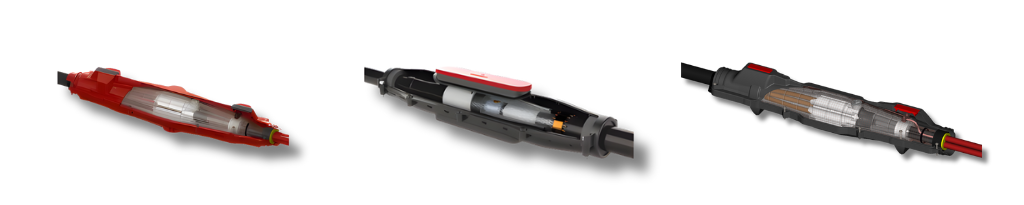
Lovink is a global leader in medium- and high-voltage (MV / HV) cable jointing technologies, delivering industry-proven cable connection solutions for utilities, transmission networks, renewable energy, industrial and infrastructure projects. The range of Lovink cable joints such as LoviX® R and LoviSil emphasise high performance, long-term reliability, simplified installation and full lifecycle support.
Underground cable jointing is a crucial yet complex component of modern electrical infrastructure. Unlike overhead systems, underground joints are hidden beneath layers of soil and subject to moisture, temperature fluctuations, confined spaces, and unexpected site conditions, all of which make reliable jointing essential to network performance and longevity.
Battling the Elements: Moisture and Soil Conditions
One of the most common obstacles in underground jointing is moisture ingress. With saturated soil conditions becoming increasingly common across the UK particularly in coastal and low-lying areas waterlogged ground, high water tables, and unstable soil can all accelerate joint failure if sealing systems are not robust.
Traditional jointing methods often struggle in flooded or contaminated environments, leading to insulation breakdown and long-term reliability issues.
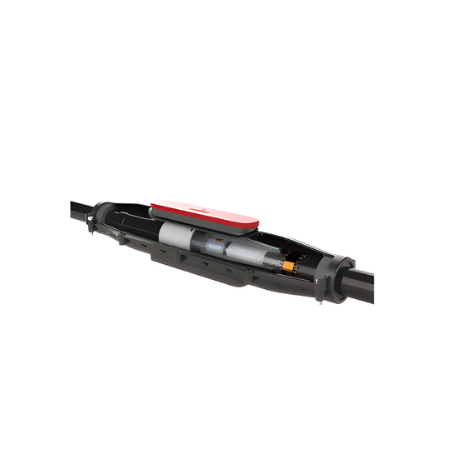
During a recent hands-on workshop trial, Stephen Davies, UK Account Manager at Lovink Enertech, saw firsthand how the new LoviX® R joint addresses these challenges. The system’s sealing method, combined with high-quality Protolin® resin, delivered a reliable and consistent seal.
The resin was noted for being easy to mix, uniform in application, and setting solid a crucial advantage when installers are working against time, weather, and water exposure. Additionally, the cable joints are “flame-free” and therefore safe for installation in potentially explosive atmospheres, as no heating source or naked flame is required for the installation.
Working in Confined Spaces
Urban environments and congested infrastructure often mean limited access and reduced excavation areas. Traditional jointing systems can be difficult to install when working around existing utilities such as gas, water, and telecommunications services.
Modern joint designs are increasingly focused on compact assemblies that can be installed in small pits without compromising performance. This is especially valuable for UK sites where excavation space is often restricted.
One standout feature highlighted during the LoviX® R trial was its compact size. According to Stephen Davies, this proved to be a “game-changer” for installations in tight pits and confined access areas. The reduced footprint made handling and positioning easier, improving both safety and efficiency on site.
Extreme Temperatures: Heat and Cold
Temperature extremes are another challenge underground cables and joints must endure:
- High temperatures can degrade insulation, increase electrical resistance, and accelerate material aging.
- Low temperatures can make insulation brittle and more difficult to handle during installation.
Selecting jointing solutions that remain flexible across a wide temperature range helps ensure stable long-term performance. Consistent material behaviour regardless of weather conditions reduces thermal stress and minimises the risk of premature failure.
Installation Challenges and Field Simplicity
Even with advanced materials, installation technique matters. Complicated procedures increase the risk of misalignment, improper sealing, and costly rework. Installers need systems that are intuitive, repeatable, and forgiving in difficult site conditions.
The LoviX® R system was particularly well received for its quick and intuitive installation process. Features such as the self-centring spiral tube help ensure accurate alignment, reducing the chance of errors during assembly. Clear instructions without unnecessary complexity further support reliable installations on site.
The all-in-one kit approach was also praised during the trial, keeping components organised and simplifying logistics for contractors. Even details such as the professional black and red design were noted positively, reinforcing confidence in the quality of the product.
Installer Feedback and Real-World Confidence
Following the workshop trial with experienced UK contractor JK Jointing Ltd, feedback was overwhelmingly positive. Company owner Justin Hay described the joint as “a step ahead,” highlighting the overall build quality, dependable resin system, and thoughtful design that eliminates common weak points — particularly around sheath areas.
This installer-focused approach is what sets modern jointing systems apart: designs that not only perform technically, but also make life easier for those installing them in challenging conditions.

Looking Ahead: Proven Performance in the Field
As underground infrastructure faces increasing environmental and logistical pressures, reliable, installer-friendly jointing solutions are no longer a luxury — they’re essential. Innovations like LoviX® R demonstrate how thoughtful design and practical performance can help overcome the toughest underground cable jointing challenges.
Lovink is a global leader in medium- and high-voltage (MV / HV) cable jointing technologies, delivering industry-proven cable connection solutions for utilities, transmission networks, renewable energy, industrial and infrastructure projects. The Lovink product ranges such as LoviX® R and LoviSil emphasise high performance, long-term reliability, simplified installation and full lifecycle support.
Thorne & Derrick are the UK Authorised Distributor for Lovink Enertech and provide stock supply, technical support, project specification assistance, and global export logistics for Lovink’s cable jointing solutions.
Lovink Enertech products are proven in service worldwide for network resilience, ease of installation, and long-term reliability.