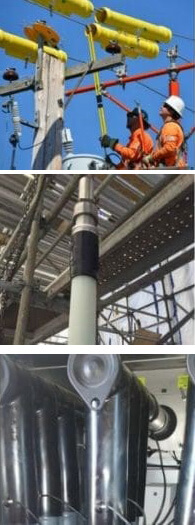
5 Cable Management Mistakes to Avoid – Improve Safety & Reduce Downtime
Published 21 Apr 2026
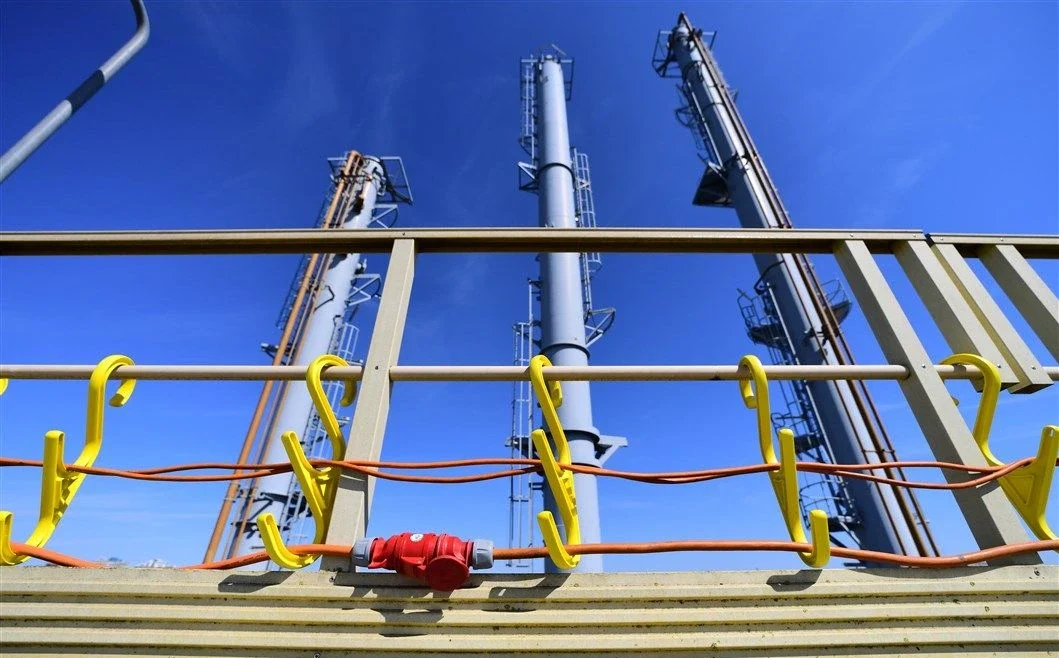
5 Common Cable Management Mistakes And How To Avoid Them
Cable management is often overlooked but in industrial environments, it plays a critical role in safety, reliability and long-term performance.
Loose, poorly routed or unprotected cables can quickly become a hazard. From trip risks to equipment damage and unplanned downtime, small oversights in LV MV HV cable management can lead to larger operational issues.
In this Blog, we highlight five common cable management mistakes and how to avoid them.
That’s why choosing effective safety solutions like the CableSafe is essential for modern job sites.
Leaving Cables Unsecured
The Issue:
Unsecured cables are one of the most common problems across industrial sites. Whether temporary or permanent, loose cables create immediate safety and operational risks.
- Trip hazards for personnel
- Increased wear and abrasion
- Risk of snagging or disconnection
- Reduced cable lifespan
The Solution:
Use appropriate cable restraint systems such as cable cleats, supports or routing systems to keep cables secure and controlled throughout the installation.
Ignoring Dropped Object Risks
The Issue:
Cables installed at height can become a serious hazard if not properly secured. Movement, vibration or poor fixing can result in cables shifting or falling.
- Potential injury to personnel below
- Damage to surrounding equipment
- Unsafe access routes
The Solution:
Ensure all overhead cables are securely fixed using reliable systems. Consider cable retention as part of a wider dropped object prevention strategy, particularly in high-risk environments.
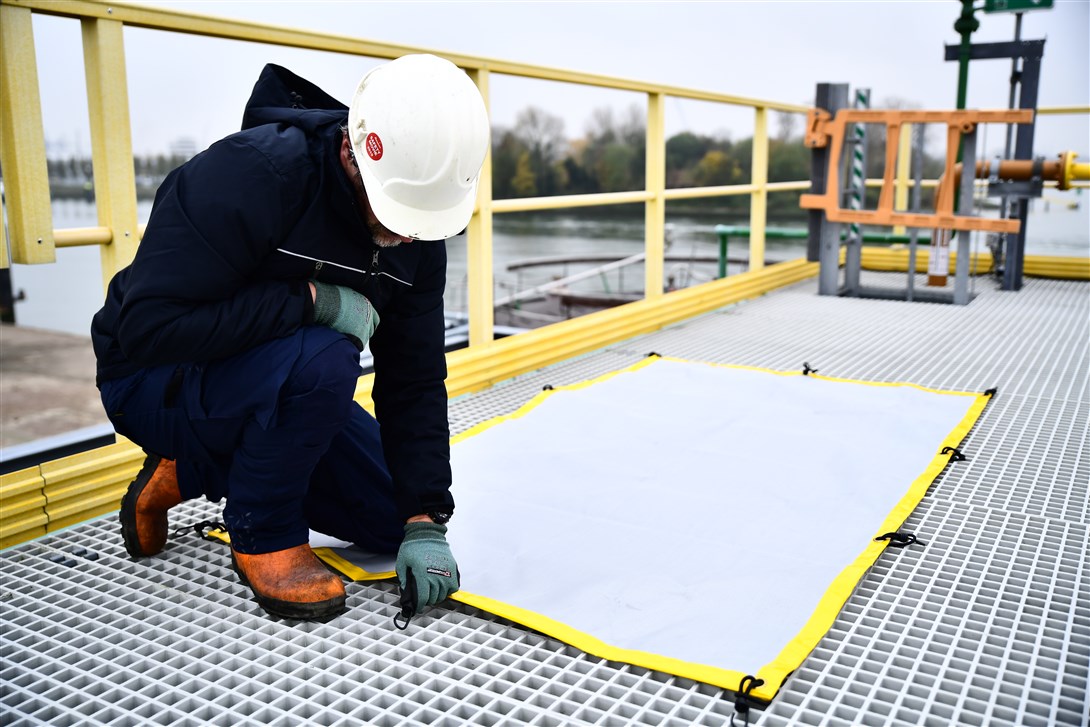
Poor Cable Routing
The Issue:
Poor routing can expose cables to unnecessary damage and create unsafe working conditions.
- Cables crossing walkways
- Contact with sharp edges
- Routing near moving equipment
- Cluttered or difficult-to-maintain layouts
The Solution:
Plan cable routes carefully to ensure they are protected, accessible and away from high-risk areas. Well-organised routing improves both safety and long-term maintainability.
Failing To Protect Cables From Damage
The Issue:
Cables exposed to harsh environments, foot traffic or heavy equipment are highly vulnerable to damage.
- Crushing or impact damage
- Environmental exposure
- Premature failure
- Increased downtime
The Solution:
Use cable protection systems such as guards, covers or cable bridges to shield cables from mechanical and environmental stress.
Relying On Temporary Fixes
The Issue:
Temporary fixes such as tying down cables or repositioning them manually may seem convenient but rarely provide consistent safety.
- Inconsistent protection
- Reliance on manual checks
- Higher long-term risk
The Solution:
Implement permanent cable management systems that provide consistent, reliable protection without relying on ongoing manual intervention.
Why Cable Management Matters
- Improves workplace safety
- Protects cables from damage
- Reduces downtime and maintenance
- Supports compliant installations
- Extends cable service life
In demanding industrial environments, even small improvements in cable management can have a significant impact on safety and performance.
Conclusion
Effective cable management is not just about organisation it is about protecting people, equipment and operations.
By addressing common issues such as unsecured cables, poor routing and lack of protection, businesses can create safer, more reliable installations that perform over the long term.
Need Support With Cable Management Solutions?
Thorne & Derrick supply cable cleats, cable protection systems and installation solutions for demanding industrial environments.
Speak to our team today.