Insulating Matting Recommendations and Guidance for Electrical Safety
Published 09 Jan 2026
Insulating Matting Recommendations and Guidance for Electrical Safety
Guest Blog From COBA
Electrical safety is non-negotiable, especially when working around live switchgear, high-voltage panels, and electrical distribution equipment. One critical but sometimes overlooked safeguard is electrical insulating matting, designed to protect operatives from electric shock by insulating them from earth potential during live working.
Insulating matting is a essential component of electrical safety and is specified and installed to provide protection against electrical shock and hazards around electrical equipment, such as switchboards and switchgear – this can include Low Voltage, Medium Voltage & High Voltage.
What Is Electrical Insulating Matting?
Electrical insulating mats are specialist workplace safety products. They are made from dielectric elastomer rubber and placed in front of switchboards, control panels, generator housings, and other high-voltage equipment. Their purpose is simple but vital: to prevent people from becoming part of an electrical circuit that could deliver a shock.
COBA’s insulating matting, marketed as COBA Switch BS EN 61111, conforms to the internationally recognised BS EN 61111:2009 (aligned with IEC 61111:2009) standard. This standard ensures consistent quality, performance and safety characteristics for insulating mats used in live working.
Understanding BS EN 61111:2009 – Why It Matters
BS EN 61111:2009 is the current European adoption of the IEC 61111 standard for electrical insulating matting. It sets out:
- Classification by electrical performance: mats are grouped by dielectric strength and thickness, helping you match matting to expected working voltages
- Rigorous testing requirements: including dielectric withstand and proof tests to verify insulation performance
- Physical criteria: such as minimum dimensions, slip resistance, mechanical and environmental tests
- Marking and traceability: clear class and voltage rating identification for safe selection and audit compliance
This standard underpins every COBA Switch mat, giving end users the confidence that the product meets internationally accepted performance benchmarks.
How Electrical Insulating Matting Protects Workers
At its core, insulating matting provides a non-conductive barrier between a worker and the grounded floor. In high-voltage environments, if someone is standing on a conductive surface, they can become part of the electrical return path.
An insulating mat reduces that risk by increasing resistance to current flow, which lowers the likelihood of electric shock during live operations.
Practical benefits include:
- Enhanced operator safety when working near live equipment
- Dielectric protection matched to voltage class (see BS EN 61111 classification)
- Slip-resistant surfaces that improve workplace traction
- Resistance to oil, acid and low temperatures, increasing durability in industrial settings
Selecting the Right Mat: Classification and Voltage
BS EN 61111:2009 defines multiple classes of matting based on dielectric performance and typical working voltage ranges. This makes it straightforward to select a mat that aligns with your application’s requirements:
- Voltage capacity rises with class and thickness
- Colour coding on the mat’s underside makes identification quick and clear during installation and inspection
When specifying matting, choose a class with a working voltage rating equal to or greater than the highest voltage present in the area where the mat will be used. This ensures adequate protection and aligns with the standard’s guidance for safe live working.

Guidance on Inspection and Maintenance
Even the best electrical insulating mats need regular inspection and maintenance:
- Inspect mats visually before use check for cracks, tears or surface defects. Any damage can compromise insulation integrity.
- Replace mats immediately after an electrical incident, as the dielectric properties may be compromised.
- Annual electrical testing is recommended to confirm continued performance, particularly in environments with heavy foot traffic.
Proper care, storage (clean, dry locations) and adherence to inspection schedules help ensure the matting performs as intended throughout its service life.
Where Electrical Insulating Matting Should Be Used
Electrical insulating matting is suitable for:
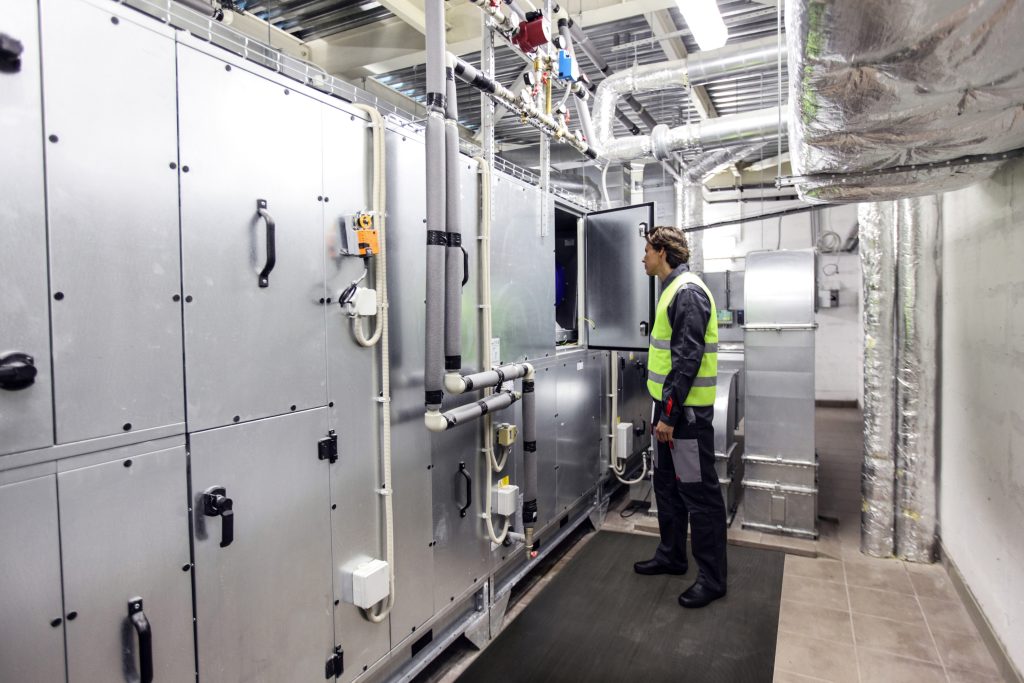
- In front of switchboards and control panels
- Around transformer rooms
- In areas with high voltage equipment
- Generator houses and electrical distribution hubs
Its installation is a key part of establishing a safe working zone and reducing the risk of contact with energised parts during maintenance, testing, and live working.

Electrical Safety
Electrical safety is built on layers of protection and insulating matting plays an essential part in that system. By understanding BS EN 61111:2009, selecting the right class of matting and maintaining it properly, you can significantly reduce electrical risk for personnel exposed to live working conditions.
If you have any questions about choosing the correct COBA Switch insulating mat for your application or would like tailored recommendations, our team is always ready to help.
Further Reading
-
 COBASwitch User Manual Thorne & Derrick
Size: 5.29 MB
COBASwitch User Manual Thorne & Derrick
Size: 5.29 MB