Branch Joints MV | 11kV 33kV Cables


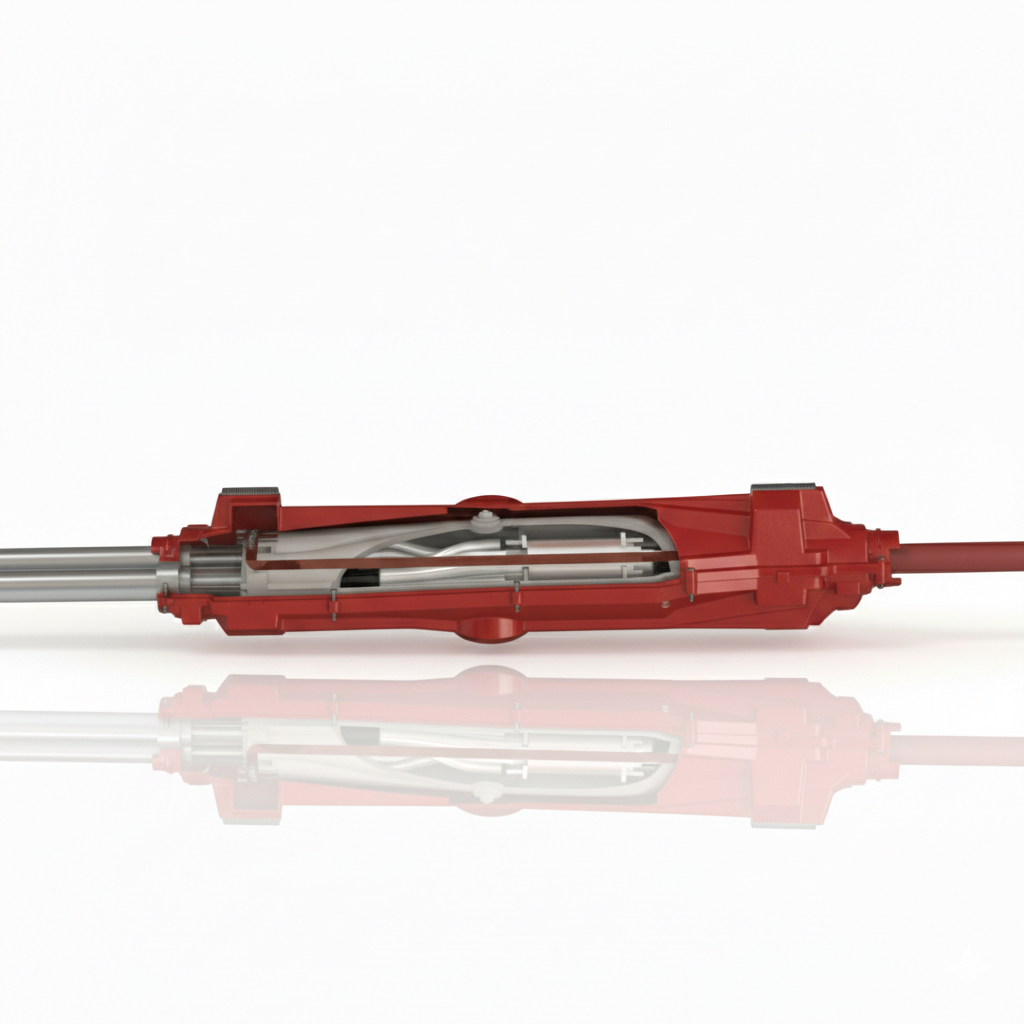
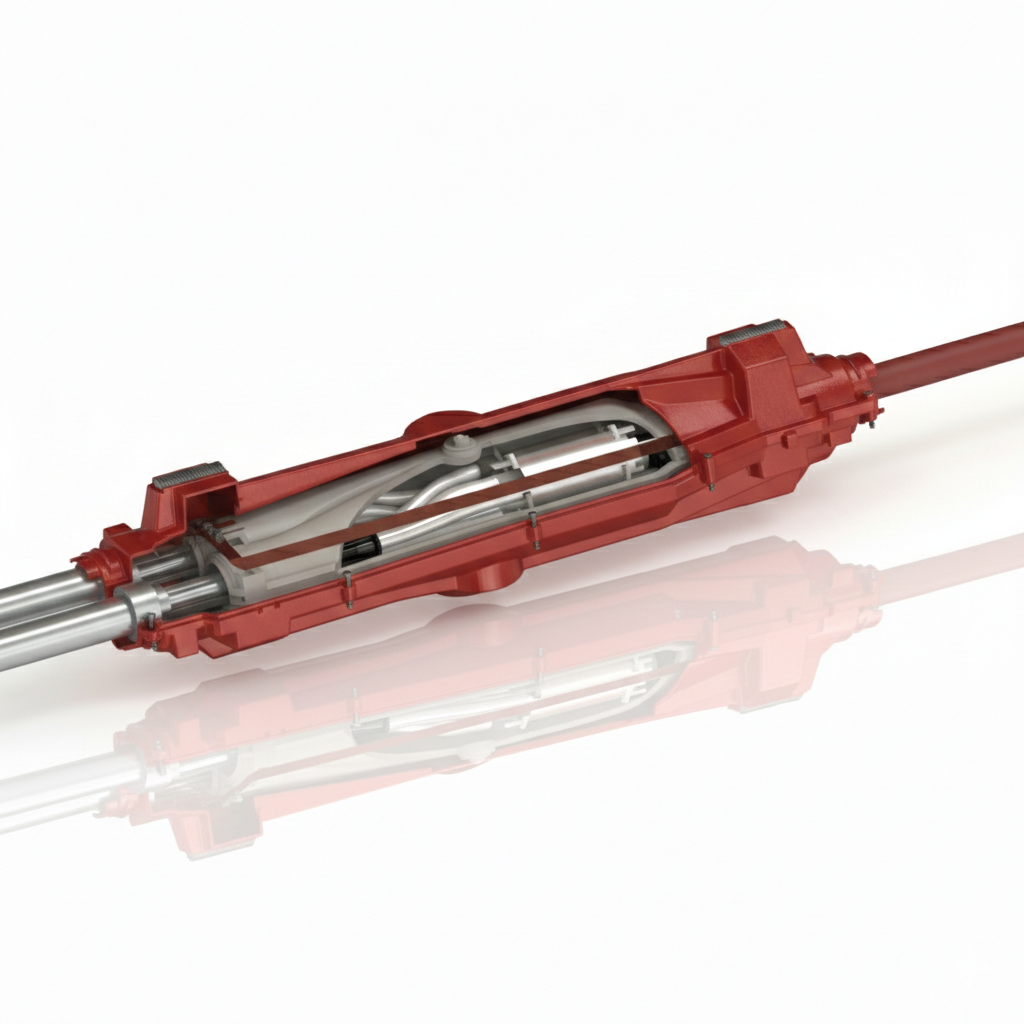
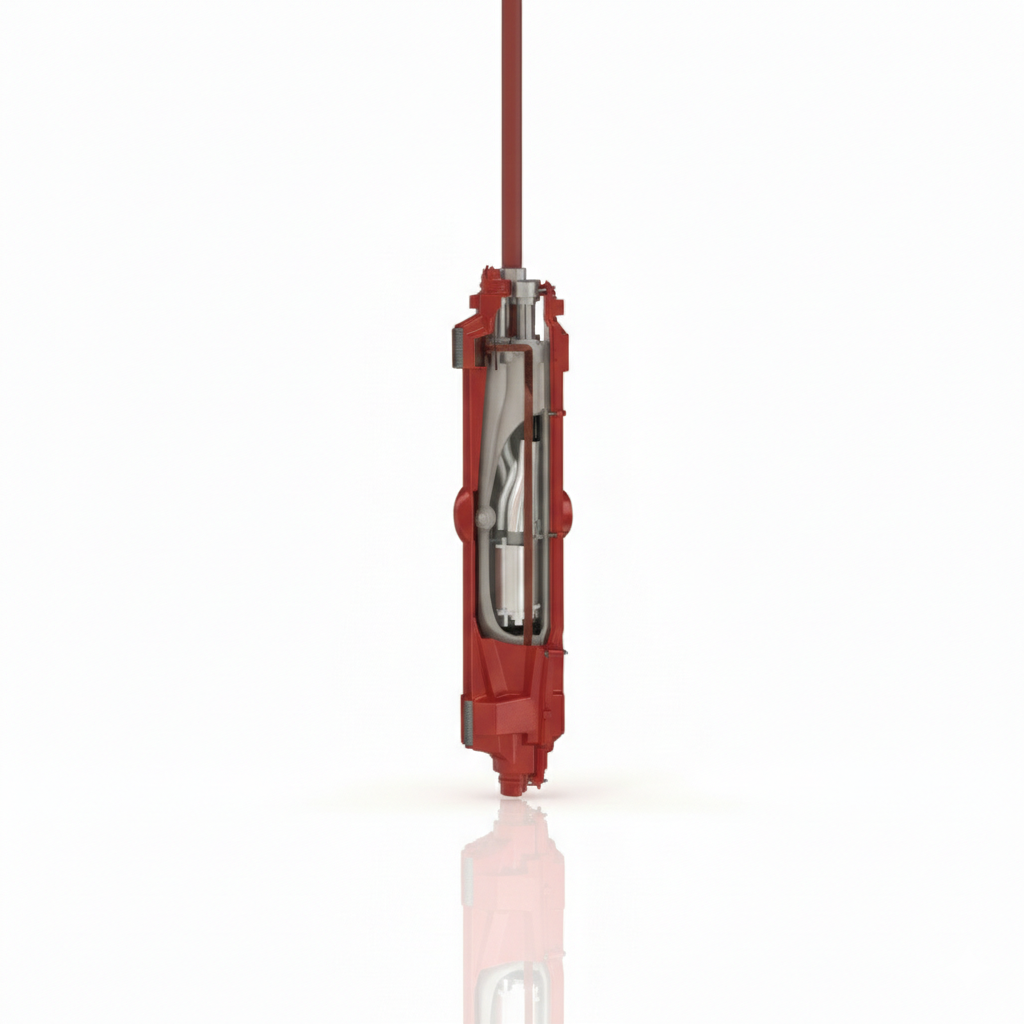
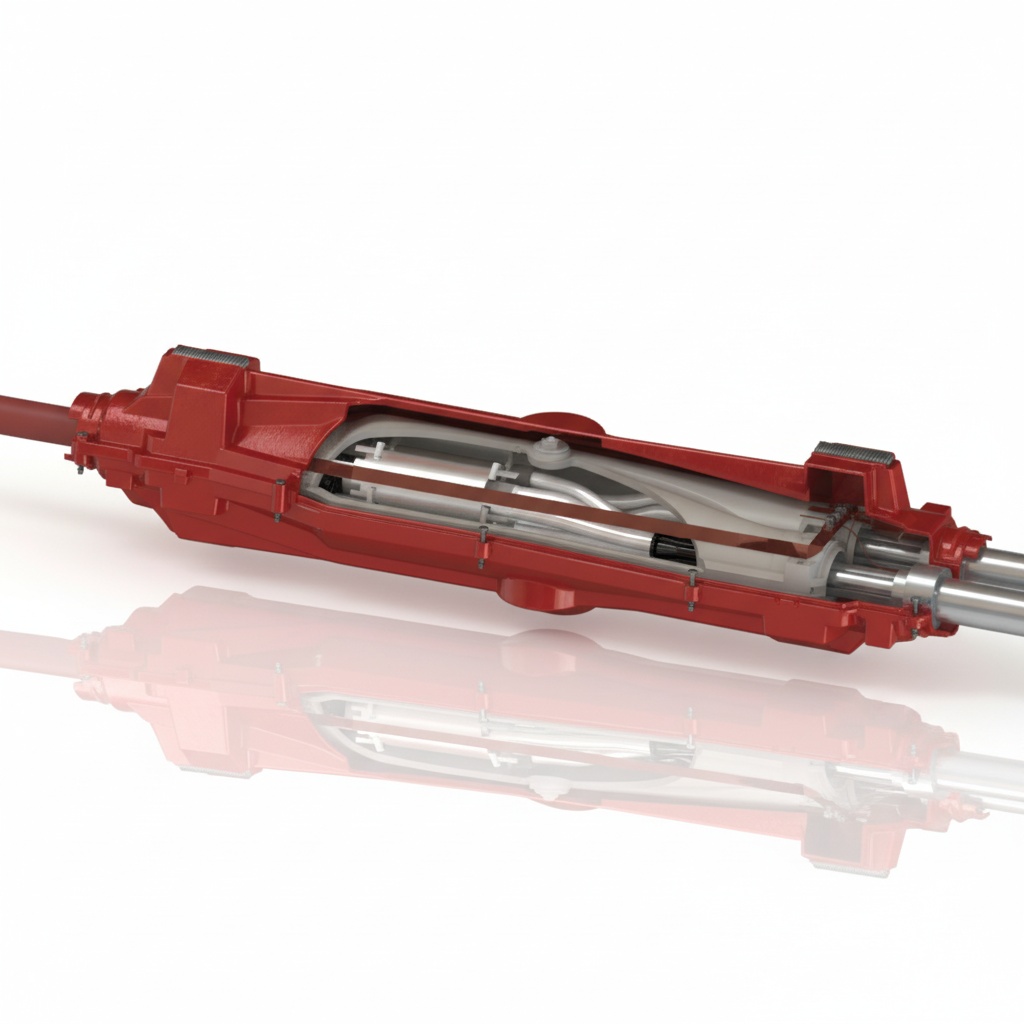
Lovink LoviSil® Branch Joint | MV 6/10 (11) kV – 18/30 (33) kV
Lovink LoviSil Medium Voltage Branch Connection
Enables cable take-offs and tees for systems
MV Branch Joint 11kV 33kV
Lovink Enertech Logo

Lovink LoviSil® BRANCH Joint | MV 6/10 (11) kV – 18/30 (33) kV

Lovink Enertech Logo

Product Code: LoviSil® Branch Joint (Module Selection Required)

12kV Branch Joints Available
24kV Branch Joints Available
36kV Branch Joints Available

Lovink LoviSil® Branch Joints provide a reliable method of creating medium voltage (MV) branch connections on distribution networks, enabling cable take-offs and tees for systems commonly referred to as 11kV and 33kV class.
Designed for robust field performance, LoviSil® branch joints support polymeric and paper-insulated MV cables across 6/10 (12) kV, 12/20 (24) kV and up to 18/30 (36) kV (dependent on joint type and module selection).
Suitable cable constructions include 1-core, 3-core and 3 × 1-core arrangements, with conductor sizes up to 1,000 mm² for selected configurations.
For correct selection, the joint type (e.g. KB85 / KB95) and module choice are matched to the cable dimensions, sheath diameter and conductor format.

SEE TECHNICAL SPECIFICATIONS


MV JOINTS FOR BRANCH CABLE CONNECTIONS IN MV POWER NETWORKS

The Lovink LoviSil® Branch Joint is engineered for creating dependable medium voltage branch connections — ideal where a feeder needs a controlled take-off, tee or loop in compact excavation spaces. Designed to accommodate both paper-insulated and polymeric MV cable systems, it helps simplify branching on mixed or ageing networks while keeping installation practical for field teams.

Why LoviSil for Branching?

LoviSil® uses a modular build approach to support consistent joint construction on-site, with the joint selected to suit the cable arrangement (1-core, 3-core or 3 × 1-core) and the project’s dimensional constraints.
The branch joint construction combines an ABS shell system with polyurethane resin for mechanical protection and moisture resistance, while the primary electrical insulation is formed using a liquid silicone compound designed to fill voids and support stable long-term performance.
Installation is intended to be flame-free and completed using standard tools, with final configuration determined by sheath diameter, conductor details and the chosen module set.

11kV & 33kV Class Networks (Up to 18/30 (36) kV)

For MV distribution commonly referred to as 11kV and 33kV class, LoviSil® Branch Joints cover system ratings from 6/10 (12) kV through 12/20 (24) kV and up to 18/30 (36) kV (by joint type).
Typical configurations support conductor sizes up to 1,000 mm² for selected cable designs, with options such as KB85 and KB95 used to match the cable construction and space constraints.
Where sector-shaped conductors are used, selection should account for any requirement to form the conductor to a circular profile for compatibility.

Need the right Cable Joints for your MV cables? Speak to our trusted experts to confirm suitability for your 11kV / 33kV class network application (as well as cable type, insulation, sheath/armour construction and dimensions). Thorne & Derrick International provide technical advice, quotations and fast worldwide delivery for MV joints, medium voltage cable accessories and engineered power solutions.

Contact Our Experts


MV BRANCH Joint – Technical Specifications

Lovink LoviSil® Branch Joints (MV) – Technical Specifications

Primary Keyword MV Branch Joint (Cable Take-Off / Tee Joint)
Voltage Rating 6/10 (12) kV – 18/30 (36) kV (by joint type: KB85 / KB95)
Branch Joint Types KB85 (12/24 kV) and KB95 (12/24/36 kV)
Cable Insulation Types Polymeric and paper-insulated MV cables (e.g. XLPE/EPR and PILC/PICAS) – selection dependent
Core Configuration 1-core, 3-core and 3 × 1-core (dependent on joint type / cable module)
Conductor Size Range (Main Cable) 70 mm² – 1,000 mm² (application-dependent; verify against KB85/KB95 range)
Crossed / Branch Conductor Range Configuration-dependent (e.g. 95–185 mm², 150–240 mm²) – see Application Range table
Sealing & Insulation System Liquid silicone insulation (LoviSil®) within ABS inner shell + polyurethane resin encapsulation in ABS outer shell
Screen / Earth Continuity Copper wire mesh screen with resin encapsulation for mechanical protection and corrosion resistance (system dependent)
Installation Method Cold-applied, flame-free installation using standard tools (final build depends on cable dimensions and module selection)
Typical MV Networks MV distribution networks including 11kV and 33kV class systems (subject to correct rating and module selection)
Testing / Standard (Product Range) Tested in accordance with HD 629 (CENELEC) for MV cable joints (range reference)
  • Selection is dimensional: final joint choice depends on cable insulation type, outer sheath diameter and the selected cable module.
  • Match the configuration: KB85 / KB95 selection must align with core layout (1-core, 3-core, 3 × 1-core) and whether a crossed/branch conductor is required.
  • Sector conductors: sector-shaped conductors may need to be pressed circular for compatibility (verify against the application range).
  • Confirm the network rating: always verify suitability for 11kV / 33kV class systems against project specifications and cable system design requirements.

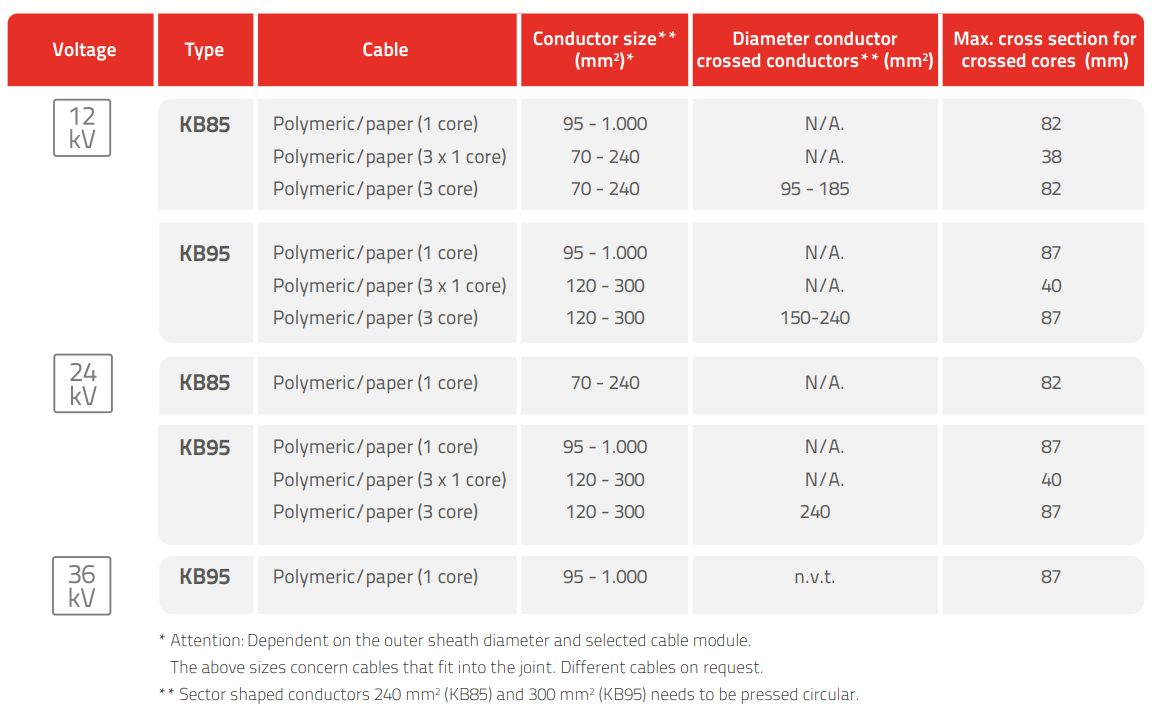
Application Range (Branch Joint Selection Guide)

Joint Type Cable Type / Core Configuration Main Conductor (mm²) Crossed / Branch Conductor (mm²) Max Crossed Cores (mm)
KB85
12 kV
Polymeric / Paper (1-core) 95 – 1,000 N/A 82
Polymeric / Paper (3 × 1-core) 70 – 240 N/A 38
Polymeric / Paper (3-core) 70 – 240 95 – 185 82
KB95
12 kV
Polymeric / Paper (1-core) 95 – 1,000 N/A 87
Polymeric / Paper (3 × 1-core) 120 – 300 N/A 40
Polymeric / Paper (3-core) 120 – 300 150 – 240 87
KB95
36 kV
Polymeric / Paper (1-core) 95 – 1,000 N/A 87
  • Ranges shown are a practical selection guide; suitability depends on cable outer sheath diameter, conductor construction and the selected cable module.
  • Branch joint configuration must match the core layout (1-core, 3-core or 3 × 1-core) and whether a crossed / branch conductor is required.
  • Sector conductors: sector-shaped conductors may need to be pressed circular for compatibility (verify during selection).
  • For non-standard cable constructions or mixed networks, alternative module solutions may be available on request.

Construction & Installation Notes (MV Branch Jointing)

Protection Concept ABS shell construction with polyurethane resin encapsulation for mechanical protection and moisture resistance, combined with liquid silicone (LoviSil®) for primary electrical insulation.
Primary Insulation Liquid silicone compound contained within an ABS inner shell to fill voids and support stable insulation performance across the branch interface.
Screen / Earth Continuity Copper wire mesh screen system with resin encapsulation for robust external protection (final arrangement depends on cable screen/sheath design).
Installation Approach Flame-free, cold-applied build intended for consistent on-site assembly; transparent inner joint and level indicators support controlled filling and visual checks.
Tools & Method Standard jointing tools only; no heat shrinking or soldering steps stated for the LoviSil® system concept.
Branch Configuration Joint type selection (e.g. KB85 / KB95) should match core layout (1-core, 3-core or 3 × 1-core) and whether a crossed/branch conductor is required.
Selection Required Confirm insulation system (paper vs polymeric), conductor details (round/sector), screen/sheath type, outer diameter and installation constraints to select the correct branch joint and module set.

For a clean, compliant MV branch connection, verify the main and branch cable constructions (insulation type, cores, conductor size and shape), plus screen/sheath, armour and outer sheath diameter.
This ensures the correct LoviSil® Branch Joint (KB85 / KB95) and module configuration for your 11kV or 33kV class network.

Lovink Cable Joints – Selection Guide

Lovink MV Cable Joints (Quick Guide)

Cable Joint Type What it does (summary) Voltage Class Link
Transition Cable Joints MV transition connections between paper-insulated cables (PILC/PICAS) and polymeric cables (XLPE/EPR) for mixed networks and upgrades. 6/10 (12) kV – 18/30 (36) kV
(11kV / 33kV class)
View
Straight Cable Joints Straight-through MV joint for cable-to-cable connections (same cable type): polymeric-to-polymeric (XLPE/EPR) or paper-to-paper (PILC/PICAS), selection dependent. 6/10 (12) kV – 18/30 (36) kV
(11kV / 33kV class)
View
Stop-End Joints MV pot-end / termination solution that converts a standard joint into a fully insulated, sealed stop-end for energised cable systems (polymeric and selected paper-insulated). 6/10 (12) kV – 18/30 (36) kV
(11kV / 33kV class)
View
Branch Joints Creates MV tees / take-offs on distribution networks to form branch connections for 11kV and 33kV class systems (module selection dependent). 6/10 (11) kV – 18/30 (33) kV
(modules also shown up to 36kV)
View
Cable Repair Joints Repairs MV power cables where limited damage has occurred by replacing only the affected section (supports PILC/PICAS and XLPE/EPR, selection dependent). 6/10 (12) kV – 18/30 (36) kV
(11kV / 33kV class)
View
Extended Resin Cable Joints Extended outer-shell MV straight-through / transition joint providing additional bonding space and enhanced sealing for buried/ducted/high-moisture installs (PILC/PICAS and XLPE/EPR, selection dependent). 6/10 (12) kV – 18/30 (36) kV
(11kV / 33kV class)
View
Feed-In Cable Joints Enables direct connection of renewable or distributed power sources into existing underground MV cable systems (supports XLPE/EPR and PILC/PICAS, selection dependent). 6/10 (12) kV – 18/30 (36) kV
(11kV / 33kV class)
View
Loop Cable Joints Internal looping joint for underground MV distribution, allowing two outgoing cables to be connected within one joint (space/time-saving vs external looping). 6/10 (12) kV – 18/30 (36) kV
(11kV / 33kV class)
View
Oil Refill Cable Joints (PILC) Specialist MV joint for paper-insulated lead covered (PILC) cables, using an oil manifold + non-return valve to connect to an external reservoir and keep the paper dielectric oil-saturated. 6/10 (12) kV – 18/30 (36) kV
(11kV / 33kV class)
View
Crossbonding Cable Joints Controls induced screen voltages and reduces circulating currents in long single-core MV circuits by integrating a flexible copper crossbonding conductor within the joint body. 12kV – 36kV
(commonly 11kV / 33kV networks)
View
Compact Cable Joints Compact straight-through MV joint for polymeric insulated single-core cables (XLPE/EPR), using cold-shrink technology and a sealed resin-filled housing for moisture protection in confined installs. 6/10 (12) kV & 12/20 (24) kV
(often referenced as 11kV / 33kV class)
View
  • Voltage class references (e.g., “11kV / 33kV”) should always be matched to the actual cable system rating and the correct joint/module selection.
  • Final suitability depends on cable construction and dimensions (insulation type, sheath/armour, conductor size, and installation environment).

Branch Joint – Key Benefits

✔ Purpose-built MV Branch Joint solution for creating take-offs, tees and compact branching points on distribution networks

✔ Supports mixed MV cable systems including paper-insulated and polymeric constructions (selection dependent)

✔ Suitable for common network classes including 11kV and 33kV, with system ratings up to 18/30 (36) kV (by joint type)

✔ Broad configuration coverage: 1-core, 3-core and 3 × 1-core arrangements with conductor sizes up to 1,000 mm² (application dependent)

✔ Reduces civils in many branching scenarios by avoiding additional jointing steps that can come with alternative branching methods

Liquid silicone insulation (LoviSil®) formed within the inner shell helps fill voids and support stable insulation performance across the branch interface

ABS shell + polyurethane resin encapsulation provides strong external protection against moisture ingress and harsh ground conditions

✔ Flame-free, cold-applied concept: standard tools with no heat-shrink or soldering steps stated for the system approach

✔ Modular selection (joint type + cable module) supports repeatable builds and helps simplify specification for project teams

✔ Suitable for utility upgrades, network extensions and repairs where a reliable MV branch connection is required in the field
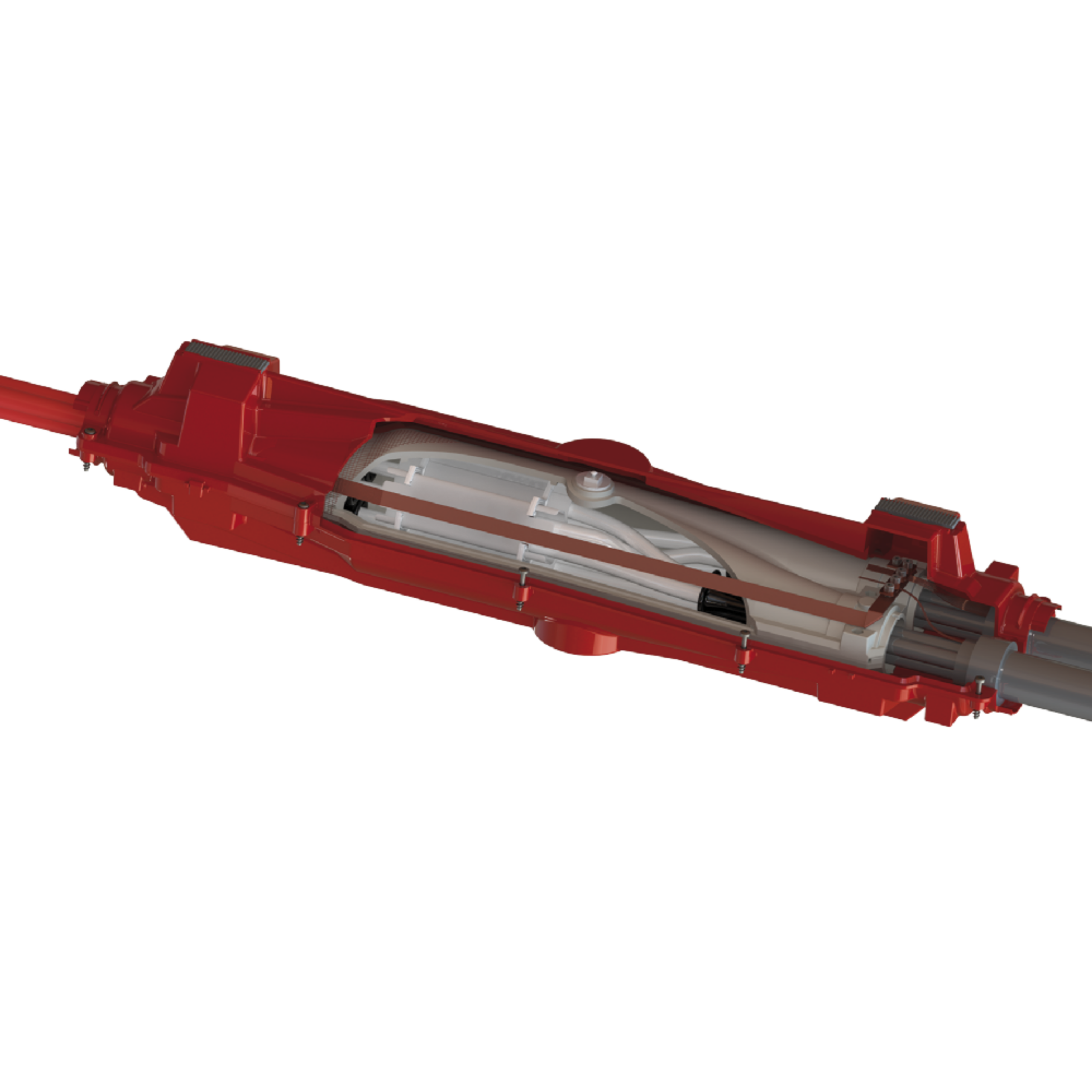
11kV 33kV Branch Joint

Applications

✔ MV branch jointing for creating take-offs, tees and branching points on distribution circuits

✔ Utility and private MV networks where additional feeders or spurs are required (incl. 11kV / 33kV class projects subject to selection)

✔ Network extensions and new connections where a compact branch solution can reduce excavation and reinstatement

✔ Substations, MV switchrooms and link boxes where controlled branching or looping is needed

✔ Industrial sites, renewables and large facilities with MV distribution requiring reliable cable take-offs

✔ Upgrades and modifications on mixed or ageing circuits using paper-insulated and polymeric MV cables (selection dependent)

✔ MV repairs where the circuit design demands a branch connection rather than a straight joint

✔ Installations requiring robust external protection against moisture ingress and challenging ground conditions


Branch Joint – Additional Information

LoviSil® Branch Joints for MV networks (often described as 11kV and 33kV class) use fluid silicone (liquid insulation) as the primary insulating medium inside the joint body.
Because the silicone remains liquid, it can flow into and fill voids around key interfaces within the branch assembly — helping deliver consistent insulation coverage and reducing the likelihood of partial discharges linked to air entrapment.
On paper-insulated cables (PILC/PICAS), the fluid silicone has characteristics similar to cable grease, helping support the paper insulation by reducing the risk of it drying out.
On polymeric cables (XLPE/EPR), the electrical behaviour of the fluid silicone can simplify the insulation build-up compared with some alternative jointing approaches (subject to correct selection and cable construction).

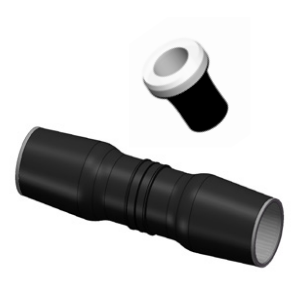
For 36 kV class branch jointing, LoviSil® designs can incorporate geometric field control using filled stress cones.
Used together with a silicone sleeve around the connection, this supports controlled electric field distribution without extensive wrapping — helping enable a compact branch joint arrangement where excavation space is limited.
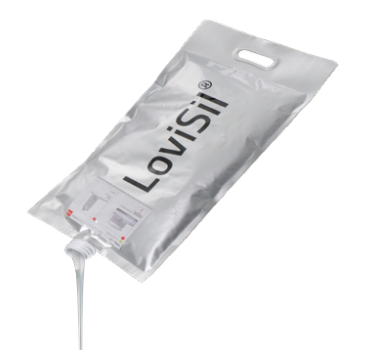
Fluid Silicone Liquid Insulation - MV Branch Joint

Liquid Silicone Insulation

Fluid silicone remains liquid and can help insulate complex branch interfaces by filling potentially damaging voids.
This supports repeatable insulation coverage and helps reduce the risk of partial discharges caused by air pockets.

Geometric Field Control with Stress Cones - 36 kV Branch Jointing

Field Control Without Wrapping

36 kV class branch joints can include geometric field control using filled stress cones.
Combined with a silicone sleeve around the connection, this helps manage field distribution and supports a compact MV branch design.

Lovink Enertech Logo

Mechanical Protection & Testing

The branch joint construction combines polyurethane resin with injection-moulded outer shells (ABS) to deliver long-term moisture resistance and strong mechanical protection.
Full resin encapsulation supports robust external sealing and insulation of screened components, enabling sheath-related checks where applicable.
The MV joint range is stated as tested in accordance with HD 629 (CENELEC), including a test executed at 2 bar water pressure (with IEEE 404 referenced in product literature).

Stable branching performance: fluid silicone helps insulate complex interfaces by flowing into voids and reducing air entrapment

Paper & polymeric compatibility: suitable for mixed networks using PILC/PICAS and XLPE/EPR cables (selection dependent)

Compact civils: branch joint layouts can reduce the need for multiple separate jointing steps in many take-off / tee scenarios

External protection: ABS shell + polyurethane resin provides strong sealing against moisture ingress and harsh ground conditions

Visual control: transparent inner joint and level indicators support controlled filling and on-site checks

Flame-free approach: no soldering or shrinking stated for the system concept, supporting sites where flame-free jointing is preferred
Data Sheets