Loop Cable Joints MV | 11kV 33kV


Lovink Loop Cable Joints for MV 6/10 (11) kV – 18/30 (33) kV
Lovink LoviSil Medium Voltage Loop Cable Joint
Designed for networks operating from 6/10 (12) kV up to 18/30 (36) kV
Lovink Loop Cable Joints 11 kV – 33 kV
Lovink Enertech Logo

Lovink LoviSil® lOOP CABLE JOINTS | MV 6/10 (11) kV – 18/30 (33) kV

Lovink Enertech Logo

Product Code: LoviSil® Loop Cable Joints (Module Selection Required)

12kV Loop Cable Joints Available
24kV Loop Cable Joints Available
36kV Loop Cable Joints Available

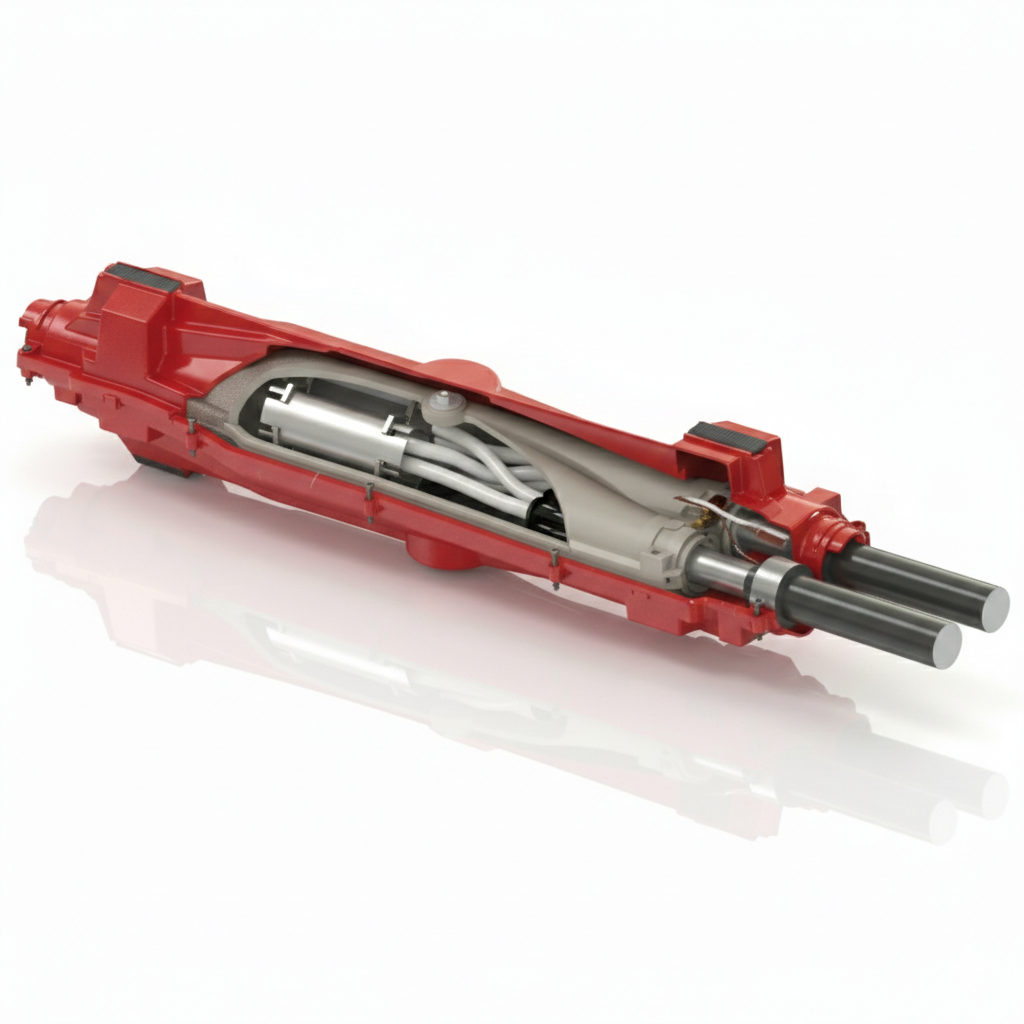
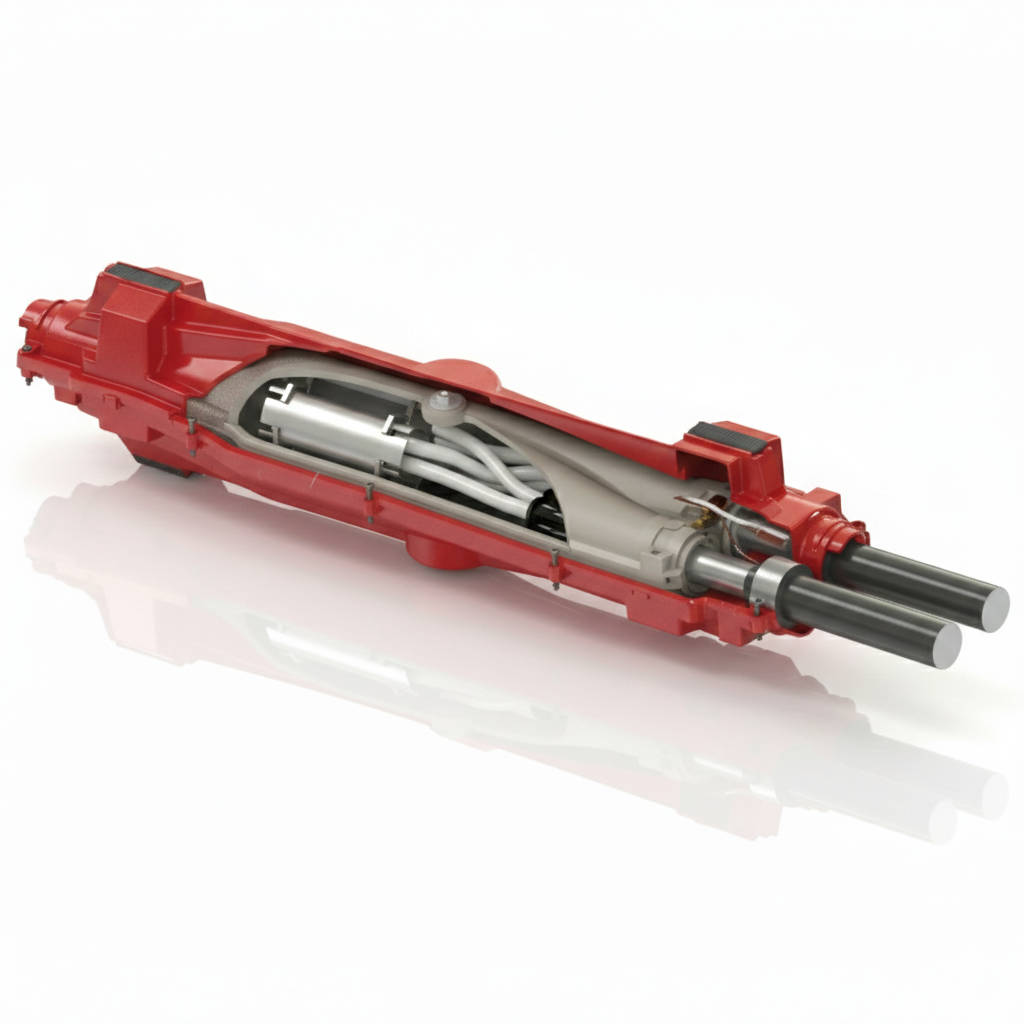
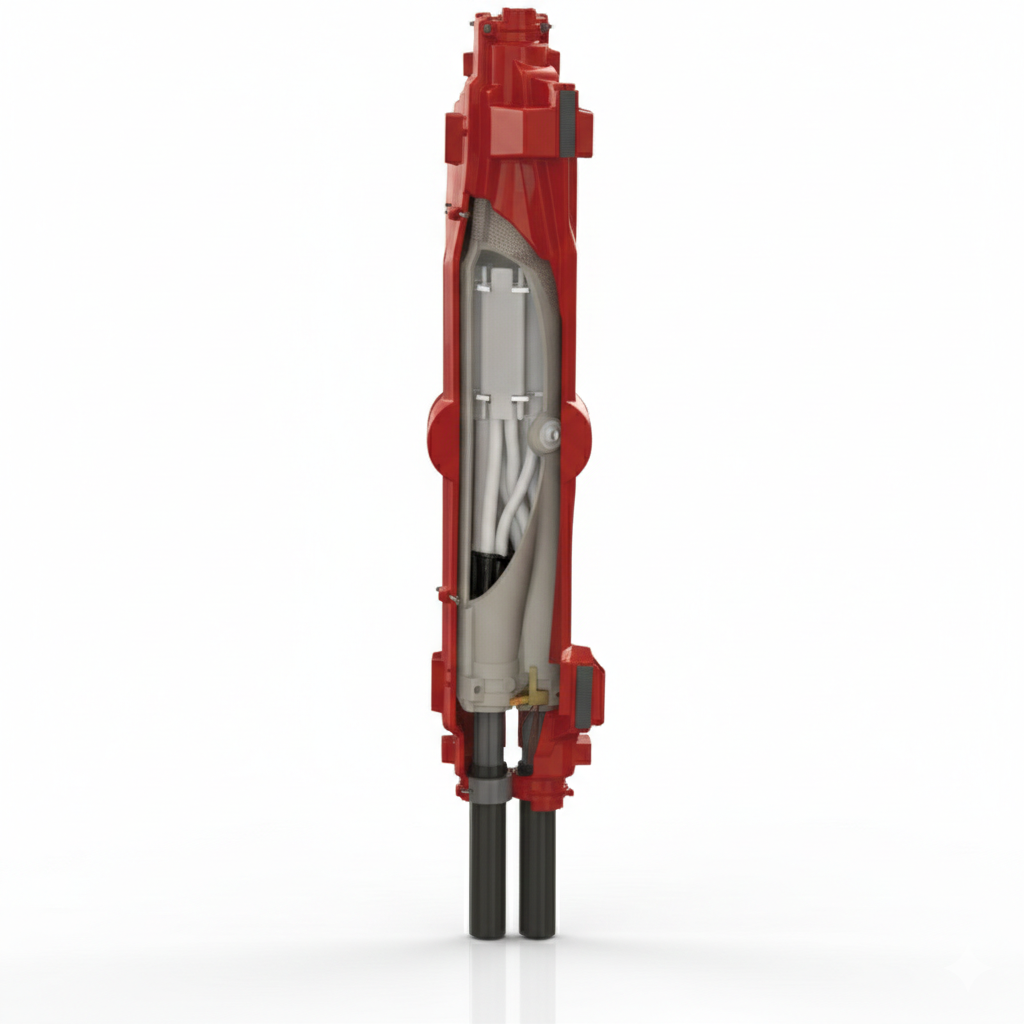
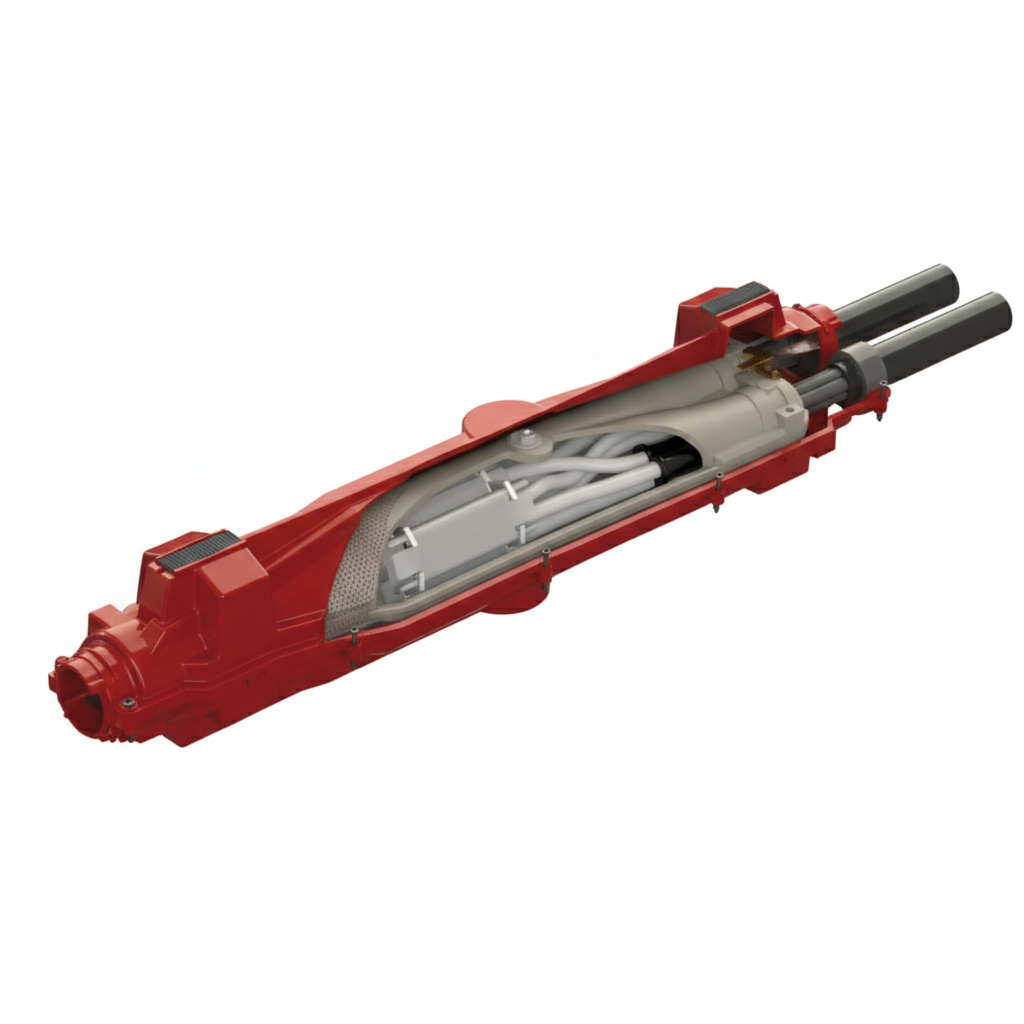
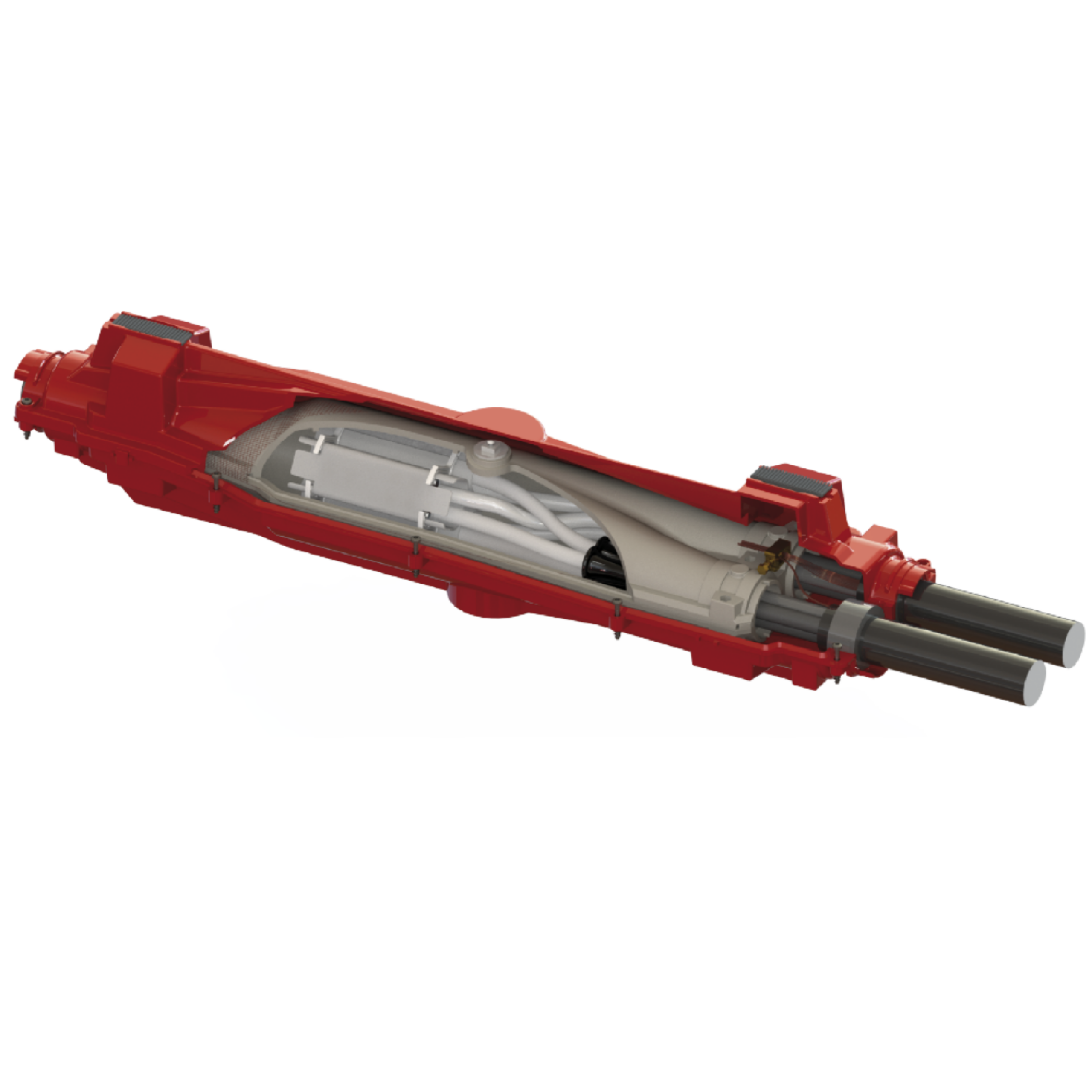
Lovink LoviSil® Loop Cable Joint is engineered for medium voltage (MV) underground cable looping applications, allowing two outgoing cables to be connected internally within a single joint without the need for external looping. Designed for networks operating from 6/10 (12) kV up to 18/30 (36) kV, this solution is ideal for 11kV and 33kV distribution systems where space, excavation depth, and installation time are critical factors.
Based on LoviSil® branch joint technology, the loop joint supports a wide range of paper-insulated (PILC/PICAS) and polymeric (XLPE/EPR) cables, including 1-core and 3-core constructions, mixed cable systems, and various armour types. Featuring advanced liquid silicone insulation and modular design, LoviSil® loop joints provide long-term electrical reliability, fast cold-applied installation, and conductor sizes up to 1,000 mm² (dependent on module selection).

SEE TECHNICAL SPECIFICATIONS


MV Loop Joints for Underground Cable Networks (11kV – 33kV)

The Lovink LoviSil® Loop Cable Joint provides a compact and efficient solution for creating continuous loops within medium voltage underground cable systems. By enabling internal looping within a single joint body, it eliminates the need for external cable bends and oversized joint pits, making it particularly suitable for space-restricted and congested installation environments.

Advanced LoviSil® Jointing Technology

Developed from LoviSil® branch joint technology, the loop joint features liquid silicone insulation that remains permanently fluid, filling voids and preventing partial discharge activity. Pre-configured components and a structured installation sequence support consistent workmanship and long-term reliability. The modular design allows the joint to be adapted to varying cable diameters and constructions while maintaining strong mechanical protection through reinforced outer shells and polyurethane resin encapsulation.

Suitable for 6/10 (12) kV – 18/30 (36) kV Cable Systems

LoviSil® loop joints are engineered for operation across 6/10 (12) kV to 18/30 (36) kV networks and are compatible with PILC, PICAS, XLPE, and EPR insulated cables. The system accommodates 1-core and 3-core designs, multiple armour arrangements, and a wide range of conductor sizes, making it ideal for ring main units, urban distribution circuits, renewable energy connections, and network reinforcement projects.

Need the right Cable Joints for your MV cables? Speak to our trusted experts to confirm suitability for your 11kV / 33kV class network application (as well as cable type, insulation, sheath/armour construction and dimensions). Thorne & Derrick International provide technical advice, quotations and fast worldwide delivery for MV joints, medium voltage cable accessories and engineered power solutions.

Contact Our Experts


MV Loop Cable JOINTS – Technical Specifications

Lovink LoviSil® Loop Cable Joint (MV) – Technical Specifications

Primary Keyword Loop Cable Joint (Medium Voltage Internal Looping Connection)
Voltage Rating 6/10 (12) kV – 18/30 (36) kV
Cable Insulation Types Polymeric (XLPE / EPR) and Paper-Insulated (PILC / PICAS) cables
Core Configuration Single-core and three-core cable systems (via branch-based loop configuration)
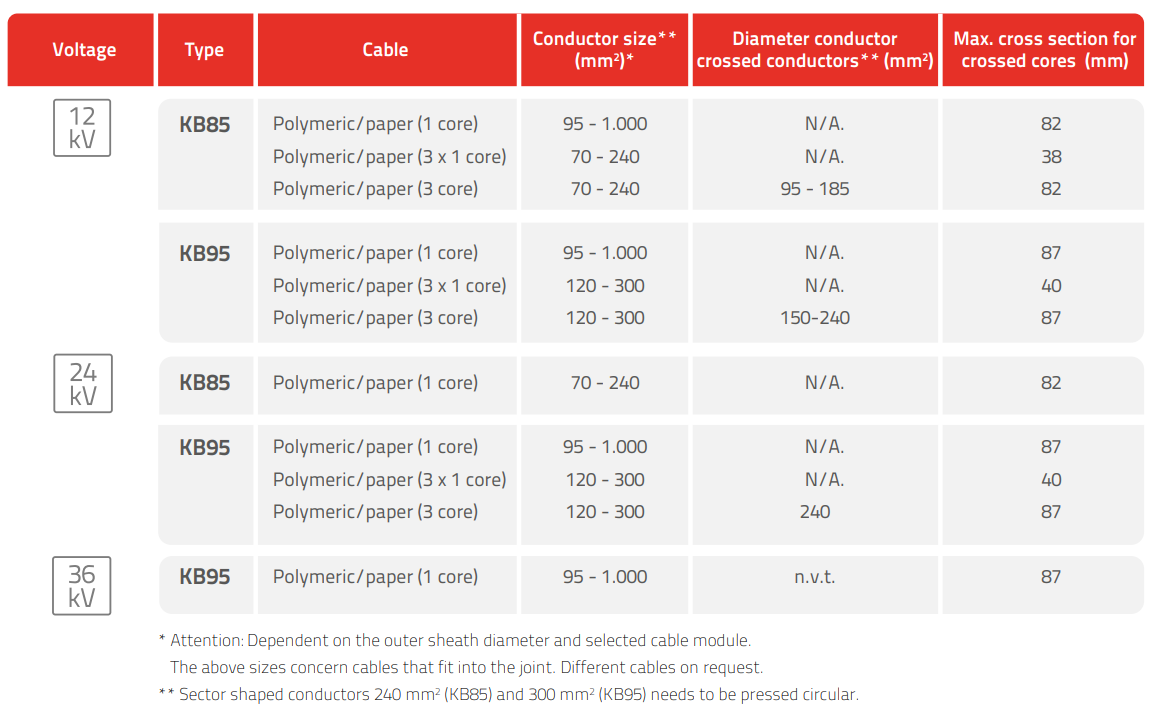
Conductor Size Range Typically 95 mm² – 1,000 mm² (dependent on selected joint module and cable dimensions)
Installation Method Cold-applied system with modular, pre-configured components (no heat shrinking, flame, or soldering)
Sealing & Insulation System Liquid silicone insulation (LoviSil®) with polyurethane resin and reinforced ABS outer housing
Mechanical Protection Impact-resistant injection-moulded ABS shell with resin-filled moisture barrier
Typical MV Networks Underground MV distribution systems including 11kV and 33kV class networks (subject to correct configuration)
  • Final loop joint selection depends on cable insulation type, outer sheath diameter, conductor size, screen design, and installation environment.
  • Correct combination of base, cable, branch, and resin modules is essential to achieve reliable internal looping performance.
  • Special modules may be available for mixed cable systems, large conductor sizes, or non-standard constructions on request.
  • Always confirm suitability for 11kV and 33kV applications against network design criteria and project specifications.

Application Range (Loop Joint Module Guide)

Module Cable Configuration Conductor Size (mm²) Max Looped Conductors (mm²) Core Spacing (mm)
M75 Polymeric / Paper (1-core loop) 95 – 400 Up to 240 70
Polymeric / Paper (3 × 1-core loop) 35 – 150 Up to 120 32
Polymeric / Paper (3-core loop) 35 – 150 35 – 120 70
M85 Polymeric / Paper (1-core loop) 240 – 800 Up to 500 80
Polymeric / Paper (3 × 1-core loop) 95 – 240 Up to 185 38
Polymeric / Paper (3-core loop) 95 – 240 95 – 185 80
M105 Polymeric / Paper (1-core loop) 400 – 1,000 Up to 800 105
Polymeric / Paper (3 × 1-core loop) 150 – 400 Up to 300 48
Polymeric / Paper (3-core loop) 150 – 400 Up to 300 105
MK125 Polymeric / Paper (3 × 1-core loop) 240 – 800 Up to 500 60
Polymeric / Paper (3-core loop) 240 – 500 N/A 120
  • Displayed ranges are intended as a practical guide for selecting LoviSil® loop joint modules.
  • Final suitability depends on cable diameter, insulation build-up, metallic screen type, and joint layout.
  • Bespoke modules can be supplied for complex looping arrangements, mixed insulation systems, and oversized conductors.
  • For 11kV and 33kV networks, always confirm compatibility with utility and project specifications.

Construction & Installation Notes (MV Loop Jointing)

Protection Concept High-strength outer enclosure combined with polyurethane resin and LoviSil® liquid silicone insulation for long-term sealing against moisture and soil contaminants
Installation Approach Step-by-step assembly process using factory-prepared components to ensure accurate internal looping connections
Tools & Method Cold-applied installation using standard jointing tools; no heating, shrink materials, or soldering operations required
Modular System Interchangeable base, cable, branch, and resin modules configured to suit internal loop layouts and cable dimensions
Pre-Installation Selection Verification of insulation type, metallic screen, armour, sheath material, and external diameter is required before final module selection

For reliable MV loop joint performance, always confirm conductor size, insulation build-up, screen and sheath construction, armour type, joint layout, and site conditions prior to installation.
This ensures the correct Loop Cable Joint configuration for your 11kV and 33kV cable network.

Lovink Cable Joints – Selection Guide

Lovink MV Cable Joints (Quick Guide)

Cable Joint Type What it does (summary) Voltage Class Link
Transition Cable Joints MV transition connections between paper-insulated cables (PILC/PICAS) and polymeric cables (XLPE/EPR) for mixed networks and upgrades. 6/10 (12) kV – 18/30 (36) kV
(11kV / 33kV class)
View
Straight Cable Joints Straight-through MV joint for cable-to-cable connections (same cable type): polymeric-to-polymeric (XLPE/EPR) or paper-to-paper (PILC/PICAS), selection dependent. 6/10 (12) kV – 18/30 (36) kV
(11kV / 33kV class)
View
Stop-End Joints MV pot-end / termination solution that converts a standard joint into a fully insulated, sealed stop-end for energised cable systems (polymeric and selected paper-insulated). 6/10 (12) kV – 18/30 (36) kV
(11kV / 33kV class)
View
Branch Joints Creates MV tees / take-offs on distribution networks to form branch connections for 11kV and 33kV class systems (module selection dependent). 6/10 (11) kV – 18/30 (33) kV
(modules also shown up to 36kV)
View
Cable Repair Joints Repairs MV power cables where limited damage has occurred by replacing only the affected section (supports PILC/PICAS and XLPE/EPR, selection dependent). 6/10 (12) kV – 18/30 (36) kV
(11kV / 33kV class)
View
Extended Resin Cable Joints Extended outer-shell MV straight-through / transition joint providing additional bonding space and enhanced sealing for buried/ducted/high-moisture installs (PILC/PICAS and XLPE/EPR, selection dependent). 6/10 (12) kV – 18/30 (36) kV
(11kV / 33kV class)
View
Feed-In Cable Joints Enables direct connection of renewable or distributed power sources into existing underground MV cable systems (supports XLPE/EPR and PILC/PICAS, selection dependent). 6/10 (12) kV – 18/30 (36) kV
(11kV / 33kV class)
View
Loop Cable Joints Internal looping joint for underground MV distribution, allowing two outgoing cables to be connected within one joint (space/time-saving vs external looping). 6/10 (12) kV – 18/30 (36) kV
(11kV / 33kV class)
View
Oil Refill Cable Joints (PILC) Specialist MV joint for paper-insulated lead covered (PILC) cables, using an oil manifold + non-return valve to connect to an external reservoir and keep the paper dielectric oil-saturated. 6/10 (12) kV – 18/30 (36) kV
(11kV / 33kV class)
View
Crossbonding Cable Joints Controls induced screen voltages and reduces circulating currents in long single-core MV circuits by integrating a flexible copper crossbonding conductor within the joint body. 12kV – 36kV
(commonly 11kV / 33kV networks)
View
Compact Cable Joints Compact straight-through MV joint for polymeric insulated single-core cables (XLPE/EPR), using cold-shrink technology and a sealed resin-filled housing for moisture protection in confined installs. 6/10 (12) kV & 12/20 (24) kV
(often referenced as 11kV / 33kV class)
View
  • Voltage class references (e.g., “11kV / 33kV”) should always be matched to the actual cable system rating and the correct joint/module selection.
  • Final suitability depends on cable construction and dimensions (insulation type, sheath/armour, conductor size, and installation environment).

lOOP CABLE Joint – Key Benefits

✔ Purpose-designed Loop Cable Joint solution for creating internal cable loops in medium voltage underground networks

✔ Eliminates external looping and oversized joint bays, helping reduce excavation depth, civil works, and installation time

✔ Compatible with PILC, PICAS, XLPE, and EPR insulated cables in mixed and single-system networks

✔ Supports multiple cable constructions including 1-core, 3-core, and 3 × 1-core arrangements with varied armour types

✔ Engineered for MV systems up to 36 kV (6/10 (12) kV to 18/30 (36) kV), suitable for 11kV and 33kV distribution circuits

✔ Advanced sealing system using liquid silicone insulation and polyurethane resin ensures long-term resistance to moisture and soil contamination

✔ Cold-applied installation process enables safe, flame-free jointing with consistent quality on site

✔ Modular design with interchangeable base, branch, cable, and resin components simplifies project planning and inventory management

✔ Designed to minimise partial discharge risk and maintain stable electrical performance throughout service life

✔ Custom cable modules available to accommodate unusual conductor sizes, layouts, and non-standard cable constructions (on request)
Loop Cable Joints MV | 12kv 36kV

Applications

✔ Internal looping of medium voltage cables within a single joint for compact underground network layouts

✔ Ring main units and closed-loop MV distribution systems using PILC / PICAS and XLPE / EPR cables

✔ Utility and private power networks including 11kV and 33kV class installations (subject to correct configuration)

✔ Urban substations, secondary substations, and space-restricted joint bays

✔ Industrial facilities, data centres, renewable energy sites, and infrastructure projects with MV looping requirements

✔ Network reinforcement and circuit sectionalising schemes using underground cable loops

✔ Distribution routes requiring simplified cable routing and reduced excavation footprint

✔ Projects demanding long-term reliability in aggressive soil, high-moisture, or contaminated ground environments


Loop cable JOINTs – Additional Information

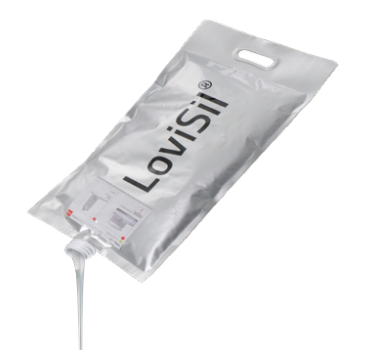
LoviSil® Loop Cable Joints for medium voltage networks (commonly associated with 11kV and 33kV class systems) use fluid silicone insulation as the primary dielectric medium. Unlike traditional heat-shrink or cold-shrink technologies, the liquid silicone remains mobile during installation, enabling it to flow around conductors, screens, and connectors. This ensures complete insulation coverage and helps eliminate air pockets that could otherwise lead to partial discharge activity over time.

In loop joint applications, where cables are connected in series or branched within the same circuit, the self-levelling properties of fluid silicone support consistent electrical performance across all connection points. For higher voltage classes up to 36 kV, integrated field control elements and pre-shaped components help maintain stable electric field distribution within the joint body.
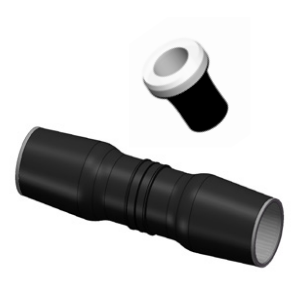
Fluid Silicone Insulation - MV Loop Cable Joint

Self-Levelling Silicone Insulation

The liquid silicone adapts to the internal geometry of the loop joint, sealing interfaces and connectors while filling microscopic voids. This supports long-term dielectric integrity and helps reduce internal electrical stress.

Integrated Field Control - MV Loop Joint

Integrated Stress Management

For higher voltage loop configurations, pre-engineered stress control components and silicone sleeves provide controlled field grading without complex taping or wrapping, supporting compact joint designs.

Lovink Enertech Logo

Sealing, Strength & Verification

Injection-moulded outer shells combined with polyurethane resin encapsulation provide durable mechanical protection and environmental sealing. This construction supports long-term water resistance, screen continuity, and sheath integrity testing.

Stable electrical performance: fluid silicone delivers uniform insulation across multiple cable connections

Reduced PD risk: void-filling properties help minimise internal discharge activity

Multi-cable compatibility: suitable for looped, branched, and in-line MV circuit layouts (selection dependent)

Long service life: proven materials and design support dependable operation in demanding environments

Installer-friendly system: transparent housing and controlled filling process support visual quality checks

Flame-free installation: no heat application required, suitable for confined, hazardous, and regulated work sites

Data Sheets