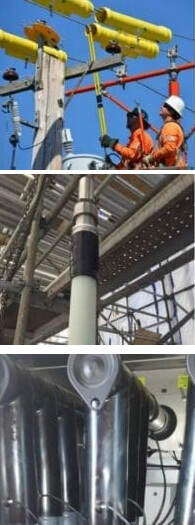
Arc Flash Calculation – Selecting Clothing & PPE To Protect Lives Against Arc Hazard
Published 20 Sep 2017
By Chris Dodds – Thorne & Derrick

Historical arc flash incident statistics. Source: ISHN
Arc Flash Calculators – Software for Electrical Risk Assessment
Arc flash calculators help electrical engineers assess the potential thermal hazards associated with an electrical arc.
They can calculate incident energy and support decisions about electrical safety measures, working distances and protective equipment.
However, selecting appropriate arc flash clothing and PPE requires more than choosing a garment with a high arc rating.
Engineers must first understand the electrical system, identify the hazards and assess the work being undertaken.
For this article, Thorne & Derrick asked Hugh Hoagland, Managing Partner at ArcWear and e-Hazard, to recommend three arc flash calculation packages.
His original recommendations were SKM ArcCalc, EasyPower and Kinectrics ARCPRO.
These packages use different approaches to support electrical arc hazard assessment. Each has its own applications and capabilities.
Why Are Arc Flash Calculations Important?
An electrical arc can release intense heat within a very short period.
Workers may face serious injuries if an arc flash occurs while they are operating or maintaining electrical equipment.
Arc flash assessments help identify the potential severity of that exposure.
They also support the selection of suitable risk controls before work begins.
What Can an Arc Flash Calculator Determine?
Depending on the software, calculation method and system configuration, an arc flash assessment may determine:
- Incident energy at a specified working distance.
- Arc flash boundary for the calculated exposure.
- Arcing current under defined fault conditions.
- Protective device operating time for the relevant fault.
- Potential thermal exposure associated with the electrical arc.
- Information to support PPE selection after suitable risk controls have been considered.
Accurate results depend on suitable electrical system data and a valid calculation method.
Why Arc Flash Risk Assessments Should Come Before PPE Selection
Contractors sometimes purchase arc flash clothing without fully understanding the hazards on site.
This can lead to unsuitable PPE selection.
For example, excessively heavy clothing may restrict movement and cause discomfort during physically demanding tasks.
However, insufficient protection can expose workers to serious thermal injuries.
A suitable risk assessment helps identify the protection required for the work being undertaken.
Avoiding Unnecessary PPE Restrictions
Electrical workers often need flexibility and manual dexterity.
For example, tasks may involve electrical testing, switchgear maintenance or cable jointing.
Bulky protective clothing can make these activities more difficult.
Therefore, PPE selection should reflect the assessed hazard rather than an assumed worst-case scenario.
The aim is to provide suitable protection without creating avoidable difficulties for the worker.
Where Can Arc Flash Hazards Occur?
Electrical arc flash hazards may arise during a range of activities, including:
- Electrical switchgear operation and maintenance.
- Racking switchgear in or out.
- Working near exposed energised conductors.
- Electrical testing and fault investigation.
- Cable jointing where electrical hazards are present.
- Phasing and commissioning operations.
- Reclosing electrical switchgear onto a fault.
- Excavation near underground electrical cables.
- Equipment failure or accidental contact with live electrical components.
The presence and severity of the hazard depend on the equipment, electrical system and work conditions.

Appropriate arc flash protection is essential where electrical risk assessments identify a thermal hazard.
Arc Flash Clothing and Electrical PPE
Thorne & Derrick supply protective clothing for suitable low, medium and high voltage electrical applications.
Our range includes jackets, coveralls, trousers, polo shirts, helmets and gloves.
However, the complete PPE arrangement must suit the assessed hazards and applicable standards.

Arc Flash Clothing | Jackets | Coveralls | Trousers | Helmets | Gloves | ProGARM
Three Arc Flash Calculation Software Packages
Hugh Hoagland’s original recommendations covered three different software solutions.
Each package supports particular types of electrical arc hazard assessment.

1. SKM ArcCalc – Arc Flash Hazard Calculator

SKM ArcCalc is an arc flash analysis application associated with SKM Systems Analysis.
It was developed to assess incident energy and arc flash boundaries within electrical power systems.
The original article highlighted its application to low, medium and high voltage systems.
SKM ArcCalc Features
SKM ArcCalc can support calculations using electrical system information.
The original software description included the following capabilities:
- Calculating incident energy at selected locations.
- Determining arc flash boundaries.
- Assessing minimum and maximum arcing fault currents.
- Considering protective device settings and operating times.
- Supporting arc flash hazard assessment and PPE decisions.
Protective device operating time is particularly important because it can affect the duration of an electrical arc.
For example, the assessment may use device settings to establish the expected clearing time for a particular fault.
However, calculations must use accurate system data and the relevant accepted methodology.
SKM Arc Flash Assessment Tutorial
The following video introduces the SKM arc flash calculation software featured in the original article.
MORE INFORMATION – SKM ARCCALC
SKM ArcCalc Technical Presentation
The original article also included a presentation covering SKM ArcCalc and electrical arc hazard calculations.
2. EasyPower – Arc Flash Analysis Software

EasyPower provides software for electrical power system analysis.
Its arc flash capabilities help engineers assess potential electrical hazards and support safety planning.
The original article recommended EasyPower for organisations carrying out electrical system design and arc flash assessments.
EasyPower Arc Flash Software Features
EasyPower supports several electrical engineering activities.
For example, users may apply suitable software configurations to:
- Analyse electrical distribution systems.
- Conduct arc flash hazard assessments.
- Evaluate incident energy and arc flash boundaries.
- Review protective device information.
- Support electrical safety programmes.
- Provide data for task-specific PPE selection.
These activities help engineers understand the potential consequences of electrical faults.
However, software results must be reviewed by competent personnel using suitable system information.
EasyPower Demonstration
The original article included an introduction to EasyPower’s power system analysis capabilities.
EASYPOWER – ORIGINAL DEMONSTRATION LINK
The demonstration link comes from the original article. Current software versions and trial availability should be confirmed with EasyPower.
3. Kinectrics ARCPRO – Arc Hazard Assessment Software

Kinectrics ARCPRO is specialised software for assessing thermal exposure from electrical arcs.
The original article highlighted its use in power transmission and distribution applications.
In particular, ARCPRO was recommended for certain arc configurations not addressed by other calculation methods.
What Does ARCPRO Calculate?
ARCPRO supports the assessment of thermal effects associated with electrical arcs.
Its original description included calculations involving:
- Electrical arc thermal parameters.
- Heat exposure at specified distances.
- Total heat flux.
- Heat energy reaching a surface.
- Information to support protective clothing selection.
These calculations can help engineers evaluate the potential thermal exposure in an electrical work environment.
However, ARCPRO must be used within the scope of its applicable calculation models and assumptions.
ARCPRO for High Voltage Applications
Some high voltage transmission and distribution activities involve arc configurations that differ from typical enclosed switchgear faults.
For example, exposed equipment can present different electrical arc conditions.
The original article highlighted ARCPRO’s application to certain single-arc situations.
Therefore, engineers must select the calculation method that matches the actual equipment and work scenario.
KINECTRICS – ORIGINAL ARC HAZARD SERVICES LINK
Arc Flash Incident – CATU Electrical Safety Video
The original article included an electrical arc flash incident video from CATU Electrical.
The footage illustrates the potential severity of electrical arc hazards.
It also reinforces the importance of safe working procedures and suitable protective equipment.
NFPA 70E and IEEE 1584 – Arc Flash Assessment
NFPA 70E and IEEE 1584 are important references in electrical arc flash risk management.
However, they serve different purposes.
NFPA 70E – Electrical Safety in the Workplace
NFPA 70E addresses electrical safety practices in the workplace.
It includes requirements and guidance relating to electrical hazards, risk assessment and protective measures.
For example, it supports a structured approach to electrical safety planning.
However, organisations must also follow the legal and technical requirements applicable in their jurisdiction.
IEEE 1584 – Arc Flash Hazard Calculations
IEEE 1584 provides methods for calculating arc flash incident energy and related parameters within its defined scope.
The original article referred to IEEE 1584-2002.
However, this historical edition should not be treated as the current calculation standard.
Engineers must confirm the applicable edition, calculation model and software implementation before conducting an assessment.
The original reference can be found through IEEE 1584-2002.
Arc Flash PPE – The Last Line of Defence
Arc flash PPE helps protect workers against specified thermal hazards.
However, it does not eliminate the possibility of an electrical arc or prevent every type of injury.
For this reason, organisations must first identify and control electrical risks wherever reasonably practicable.
Paul Hopton – Electrical Safety UK
Paul Hopton, Principal Electrical Consultant at Electrical Safety UK Limited, explained the importance of risk assessment before PPE selection.
“PPE is the last item on the list when putting in place arc incident control measures. Your arc flash risk assessment should measure the severity of the hazard (incident energy levels) and then look how that incident energy can be minimised. You should then consider what activities you carry out that could expose you to any residual arc flash risk that may be controlled with PPE.”
This approach helps businesses assess the hazard before selecting protective clothing.
It also reinforces the importance of reducing risk rather than relying entirely on PPE.
Reducing Arc Flash Risk
Suitable risk reduction measures may include:
- Eliminating the need for exposed energised work where practicable.
- Applying approved safe isolation procedures.
- Using suitable equipment design and protection arrangements.
- Reviewing protective device settings and fault clearing times.
- Implementing suitable operating and maintenance procedures.
- Providing appropriate training and supervision.
- Selecting task-specific arc flash PPE for remaining hazards.
The final PPE arrangement must reflect the actual risk assessment and applicable requirements.
Read our related article: Can Arc Flash Clothing Save Cable Jointers’ Lives?
Arc Flash Clothing and Electrical Safety Resources

Thorne & Derrick supply ProGARM arc flash protective clothing for suitable electrical applications.
Our range includes protective workwear for electrical contractors, utilities and industrial maintenance teams.
For example, workers may require arc flash clothing during switchgear maintenance or other tasks involving an assessed thermal hazard.
However, the correct garments must be selected according to the task and the required protection.
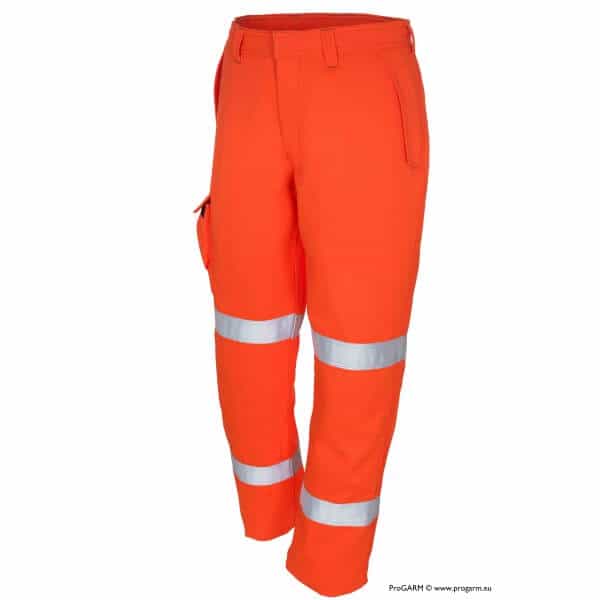
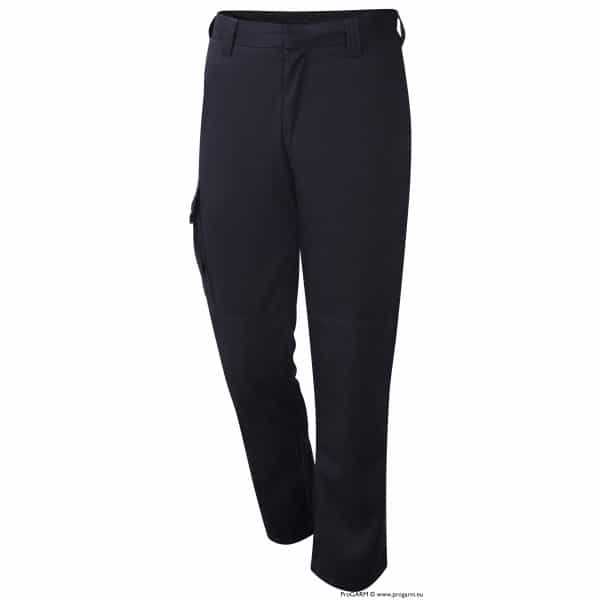
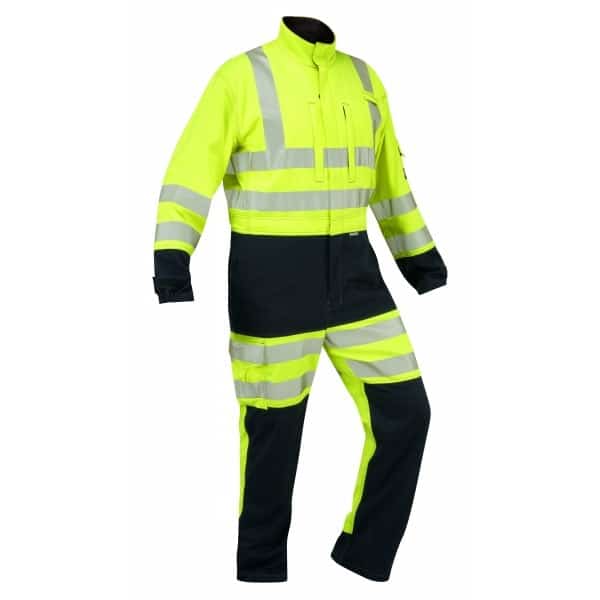
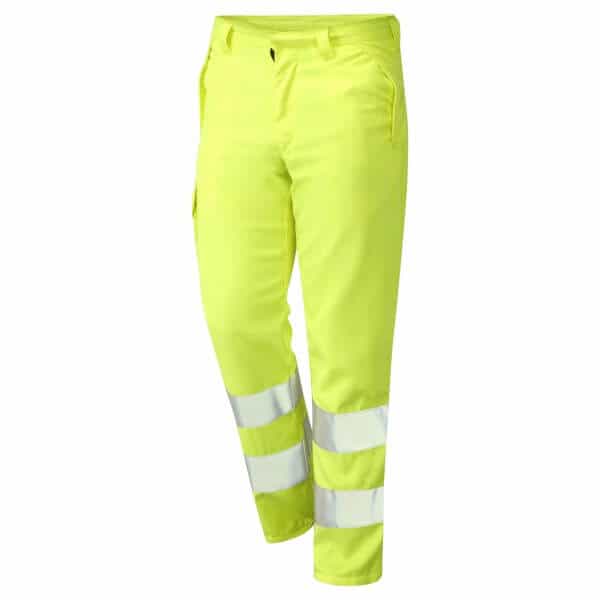
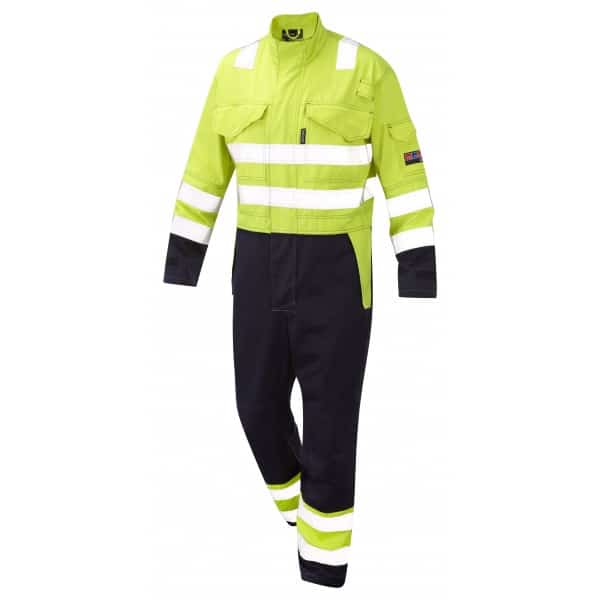
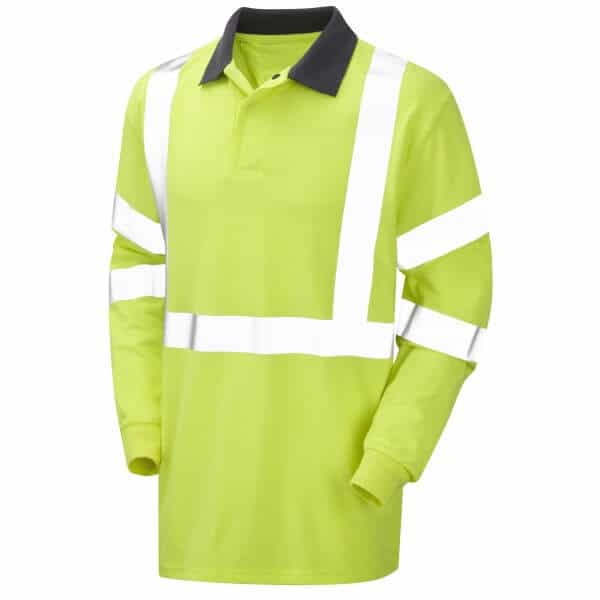
ProGARM Arc Flash Clothing
The following 10 products appeared in the original article.
They include coveralls, trousers and polo shirts. Current model availability and arc ratings should be confirmed before ordering.

|
|
|
|
|
|

|

|
|
|
Download Your Guide to Arc Flash Protection
Understanding electrical arc flash hazards is essential when planning safe working procedures.
Our arc flash guide provides further information about electrical risks and protective clothing.

Electrical Safety UK – Arc Flash Risk Management
Electrical Safety UK (ESUK) provides specialist services relating to electrical safety and risk management.
The original article highlighted its work with low and high voltage electrical activities.
For example, this includes support relating to electrical risk assessment and safe working practices.
However, customers should confirm the company’s current services directly.
Thorne & Derrick – Arc Flash Clothing and Electrical Equipment

Thorne & Derrick International supply specialist electrical equipment for cable installation, jointing and maintenance.
Established in 1985, our business supports electrical contractors, utilities and industrial customers across the UK and international markets.
Our electrical safety range includes arc flash protective clothing and related equipment.
We also supply products for LV, 11kV, 33kV and EHV electrical infrastructure.
Related Electrical Equipment
Our wider product range includes:
- Cable Duct Seals.
- Electrical Safety Equipment.
- Arc Flash Protection.
- Earthing and Lightning Protection.
- MV and HV Cable Joints and Terminations.
Contact Thorne & Derrick
Need arc flash clothing for an electrical maintenance or installation project?
Contact our team to discuss product information, garment options and availability.
Please provide the required protection criteria from your electrical risk assessment so suitable products can be identified.

Join Our LV and HV Electrical Discussion Group
Thorne & Derrick also established a LinkedIn discussion group for the electrical industry.
The group covers topics including power cables, jointing, substations and electrical installation equipment.
For example, members can discuss electrical projects, technical challenges and developments across the sector.
Explore the Low & High Voltage Power, Cabling, Jointing & Electricals group.


Further Reading
-
 ProGARM Arc Flash Clothing & Protection – Brochure
Size: 8.77 MB