Compound Box Filling for MV End Box Refurbishment: Why the Dielectric Choice Matters
Published 12 Mar 2026
Compound Box Filling
Compound end boxes rarely get attention — until one fails.
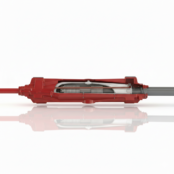
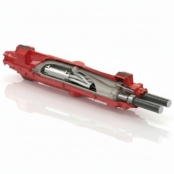
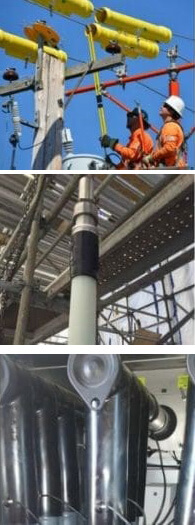
Across ageing networks, replacement of compound-filled end boxes is becoming more frequent, particularly where original insulation systems have deteriorated and air insulation is not practical because separation distances are limited. In these situations, the replacement dielectric is not a minor detail; it is central to long-term reliability.
When specifying compound box filling for refurbishment works, the goal is not simply to refill the box. The dielectric has to maintain insulation performance over time, tolerate operational movement, and resist the conditions that caused deterioration in the first place.
At Lovink Enertech, LoviSil® provides a purpose-engineered solution for compound end box refurbishment. Unlike curing alternatives, LoviSil® remains permanently fluid, allowing it to move with conductor expansion and contraction under load. Solidifying compounds cannot accommodate this movement; over time they form voids, and voids lead directly to partial discharge and eventual breakdown.
Why Compound Box Filling Matters
In MV end box refurbishment, the dielectric choice directly affects service life, insulation integrity and future maintenance. A fluid dielectric offers an important practical advantage because it can move with conductor expansion and contraction during load cycling, helping to reduce the formation of voids that can lead to partial discharge.
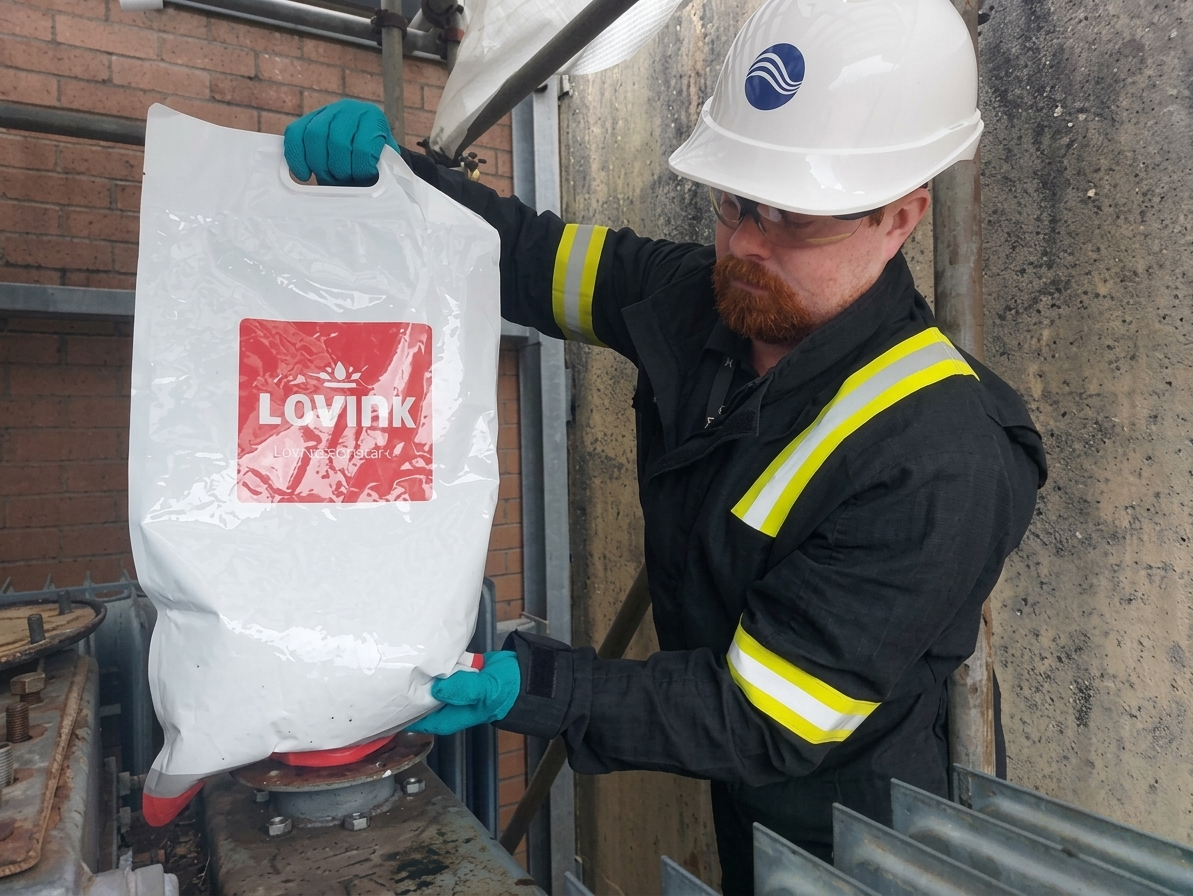
LoviSil® requires no mixing, can be poured straight from the bag, and does not require greasing of the box prior to installation. It is also fully compatible with residual pitch or bitumen, meaning complete removal of legacy compound is not always necessary.
With a minimum dielectric strength of 21 kV/mm, LoviSil® delivers insulation performance equivalent to XLPE. It resists moisture ingress and forms a sealing barrier if moisture attempts to enter, helping prevent migration deeper into the system.
Key Advantages
- Permanently fluid dielectric – moves with conductor expansion and contraction under load
- Reduces void formation risk – helping to minimise partial discharge and premature breakdown
- No mixing required – can be poured straight from the bag for simpler installation
- No box greasing needed – helping reduce preparation time on site
- Compatible with residual pitch or bitumen – complete removal of legacy compound may not be necessary
- High dielectric strength – insulation performance equivalent to XLPE
- Simple re-entry – drainable for easier future maintenance and intervention

A Practical Maintenance Advantage
Re-entry is simple. Release the bolts at the base of the faceplate and the LoviSil® drains into a container. No cutting. No effort. Just drain and go.
For asset owners, this provides a cost-effective alternative to full end box replacement while restoring dielectric performance and extending service life.
Recent failures involving replacement compound-filled end boxes highlight a recurring issue: choosing the wrong dielectric solution only delays the problem.
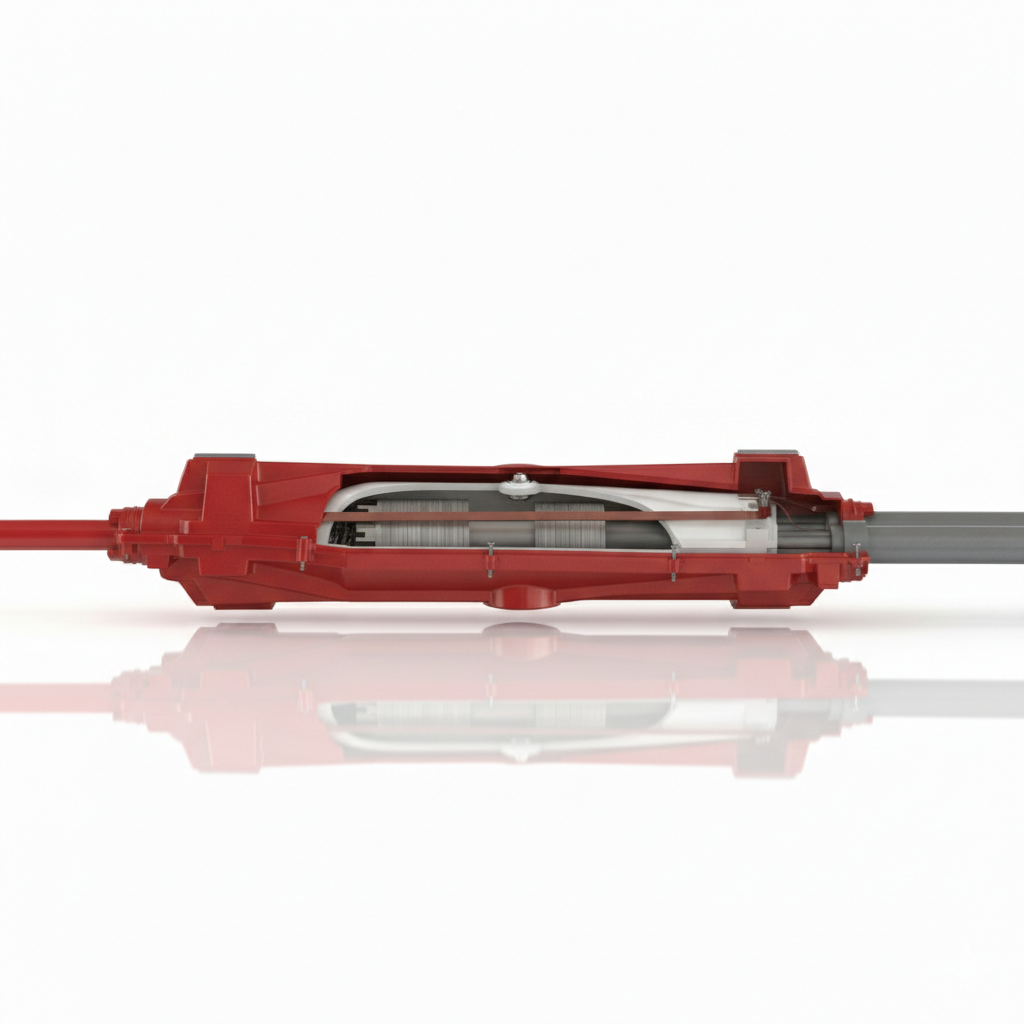
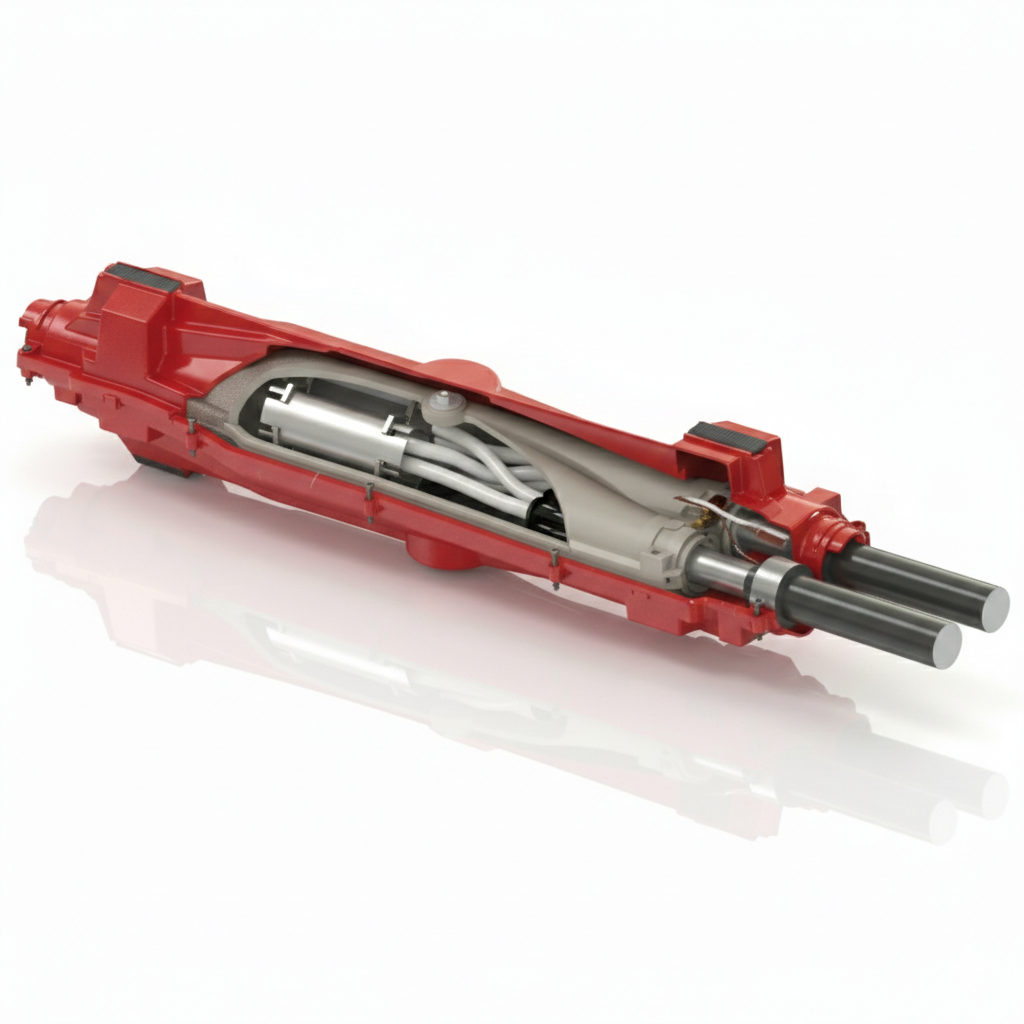
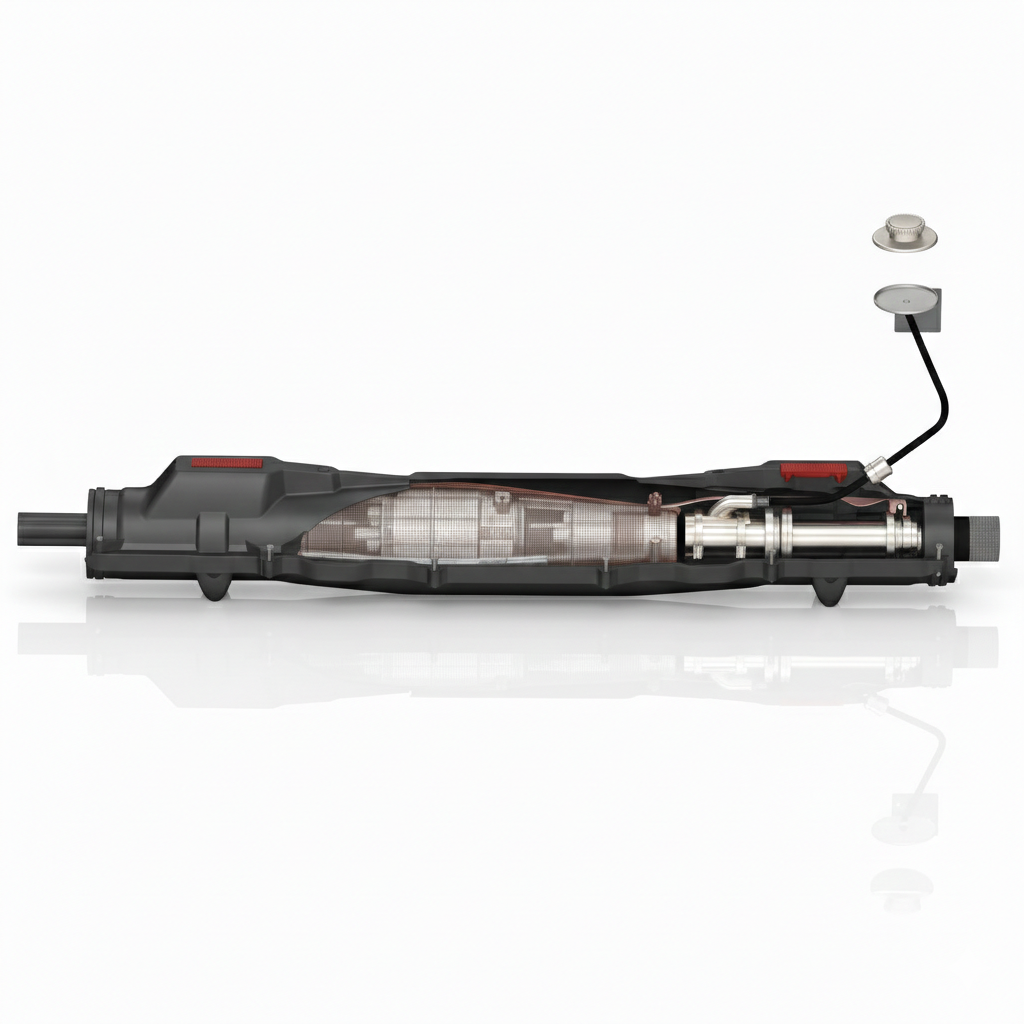
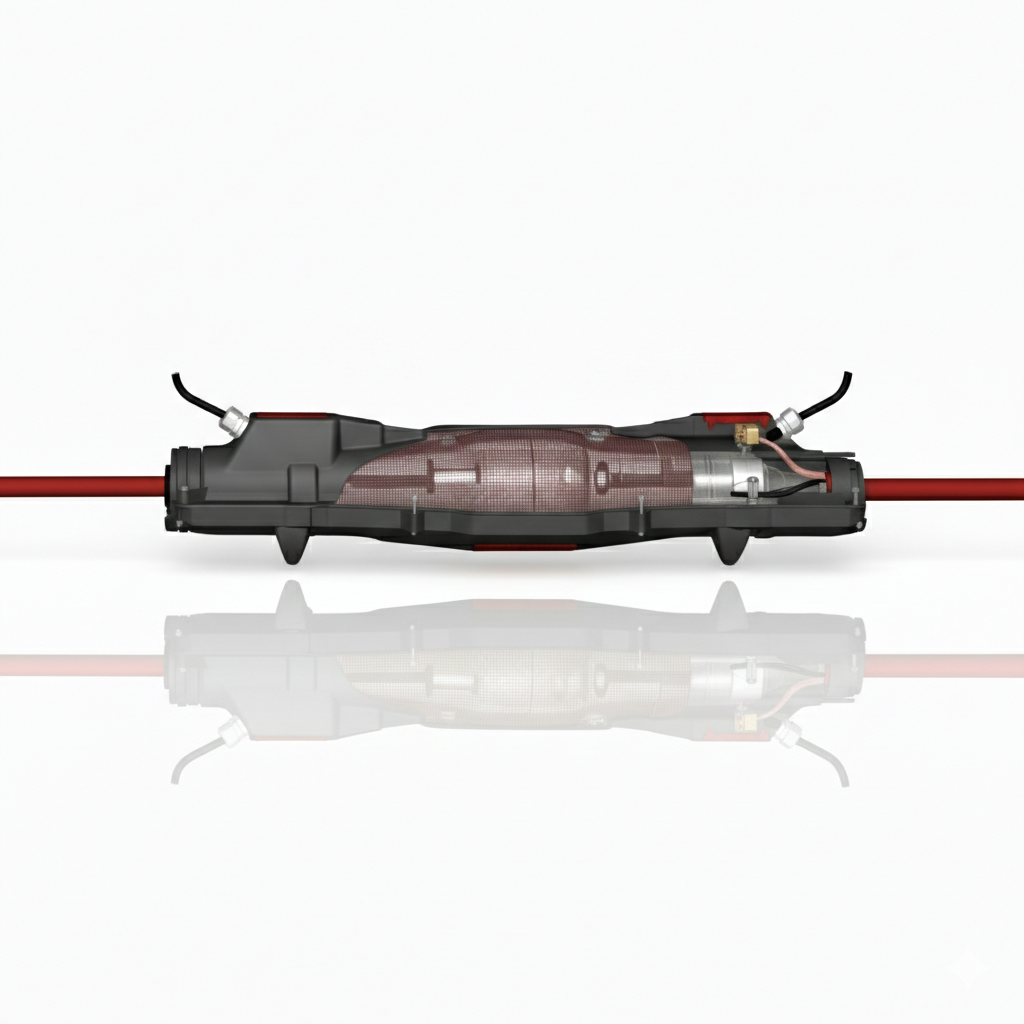
Overview of the Lovink Cable Joint Range
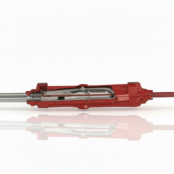
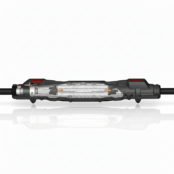
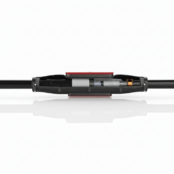
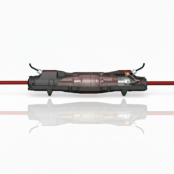
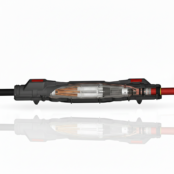
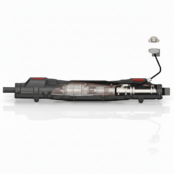
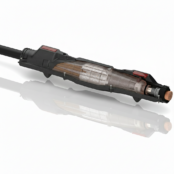
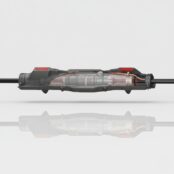
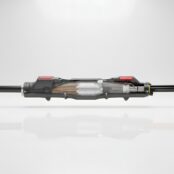
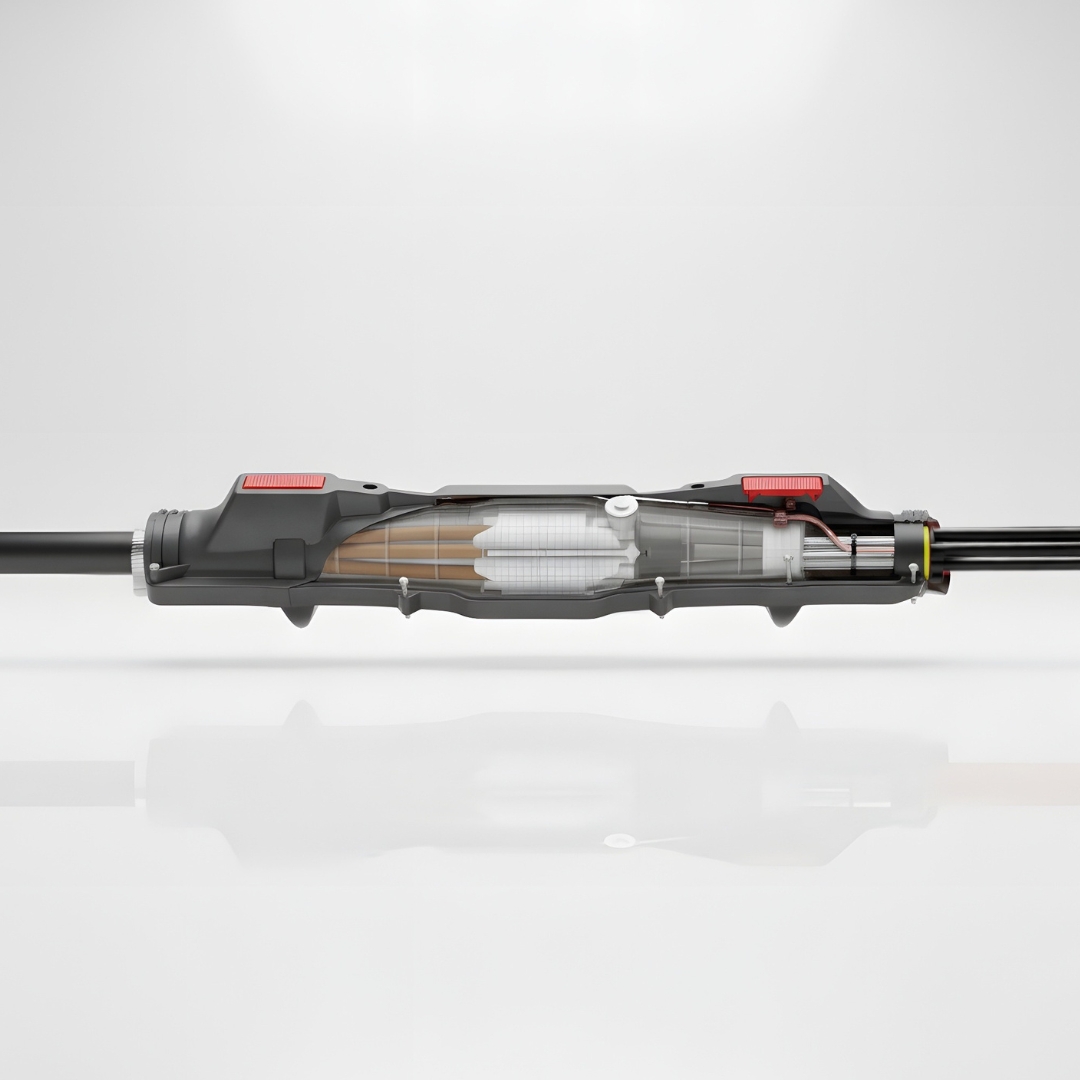
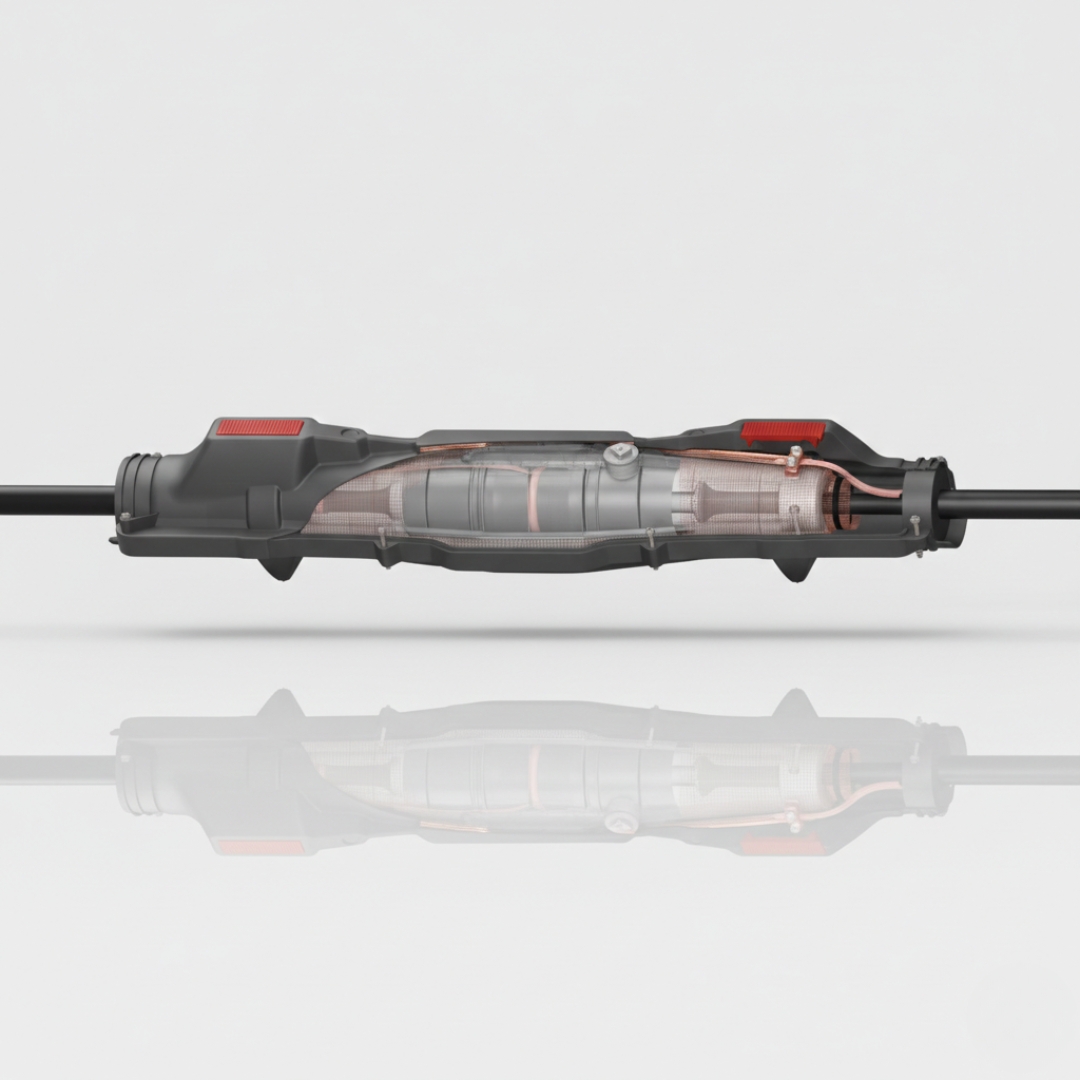
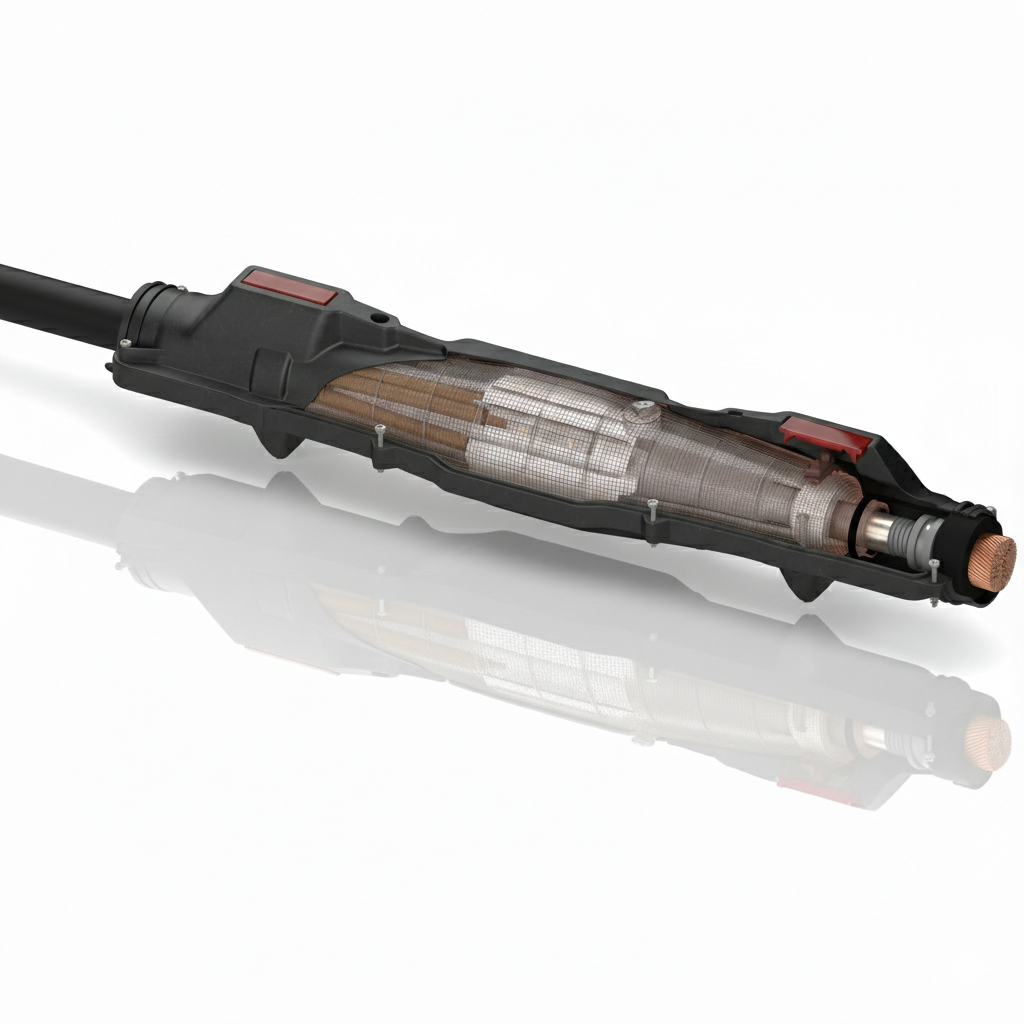
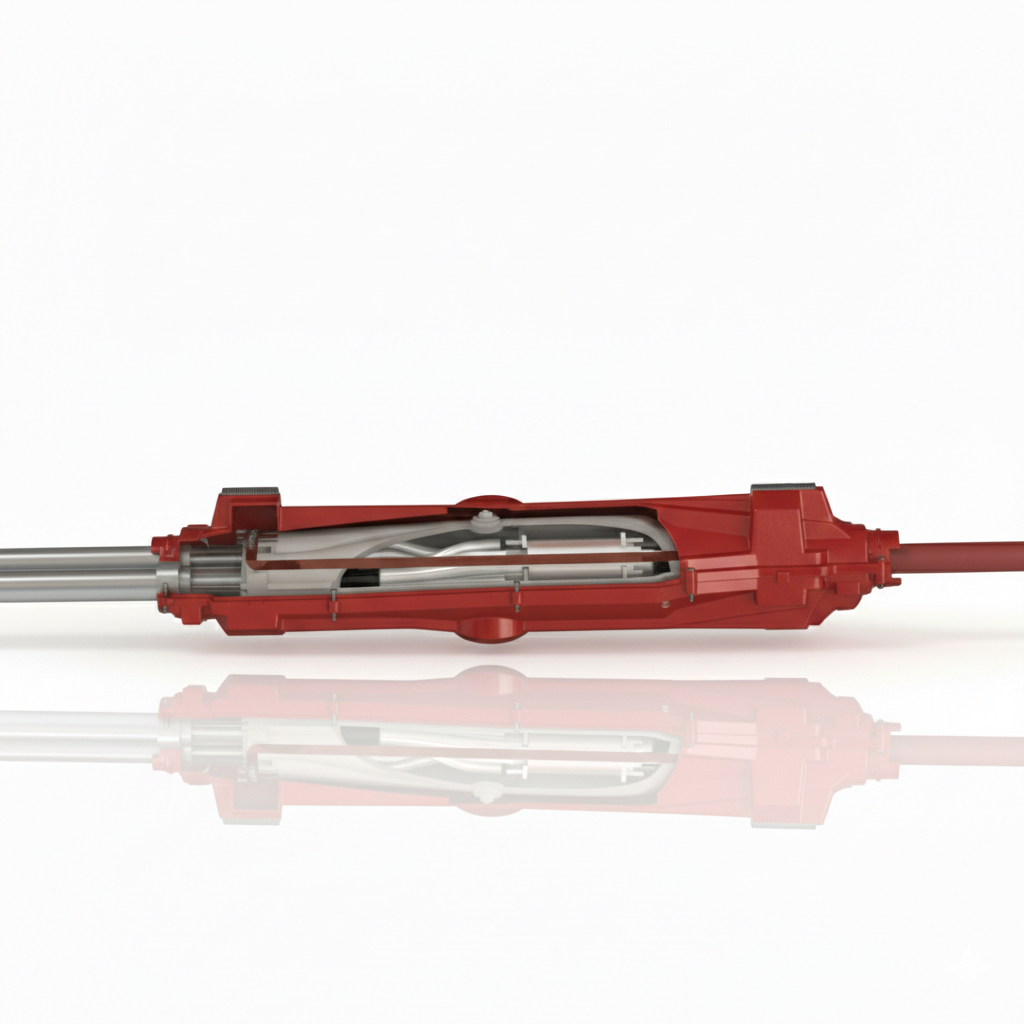
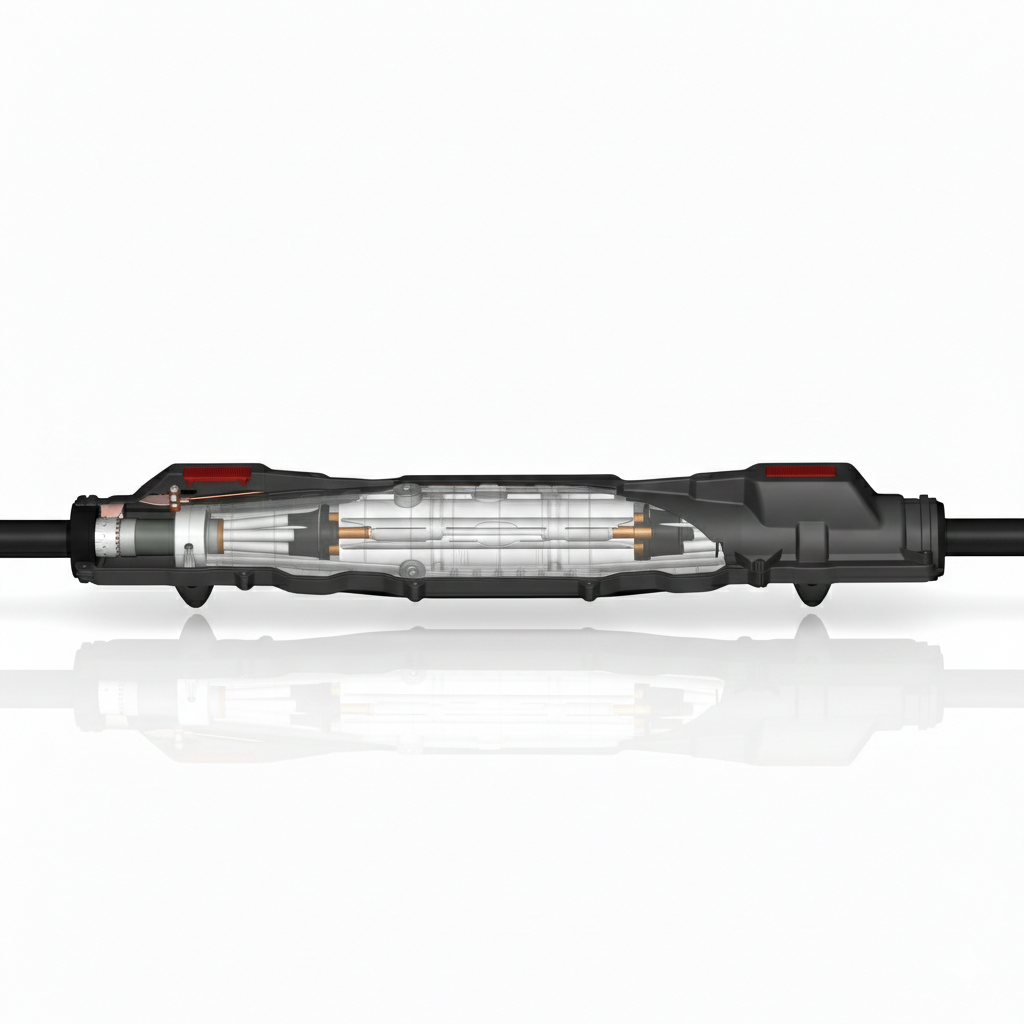
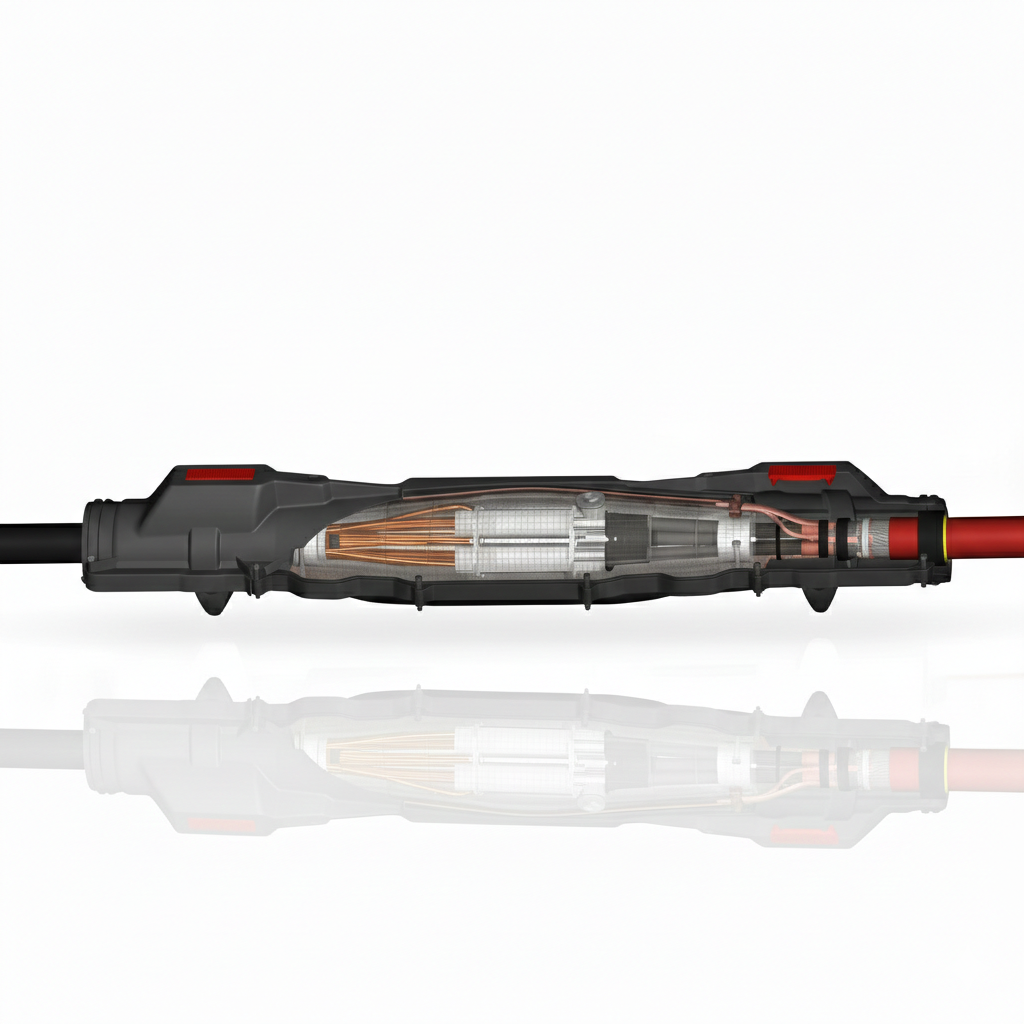
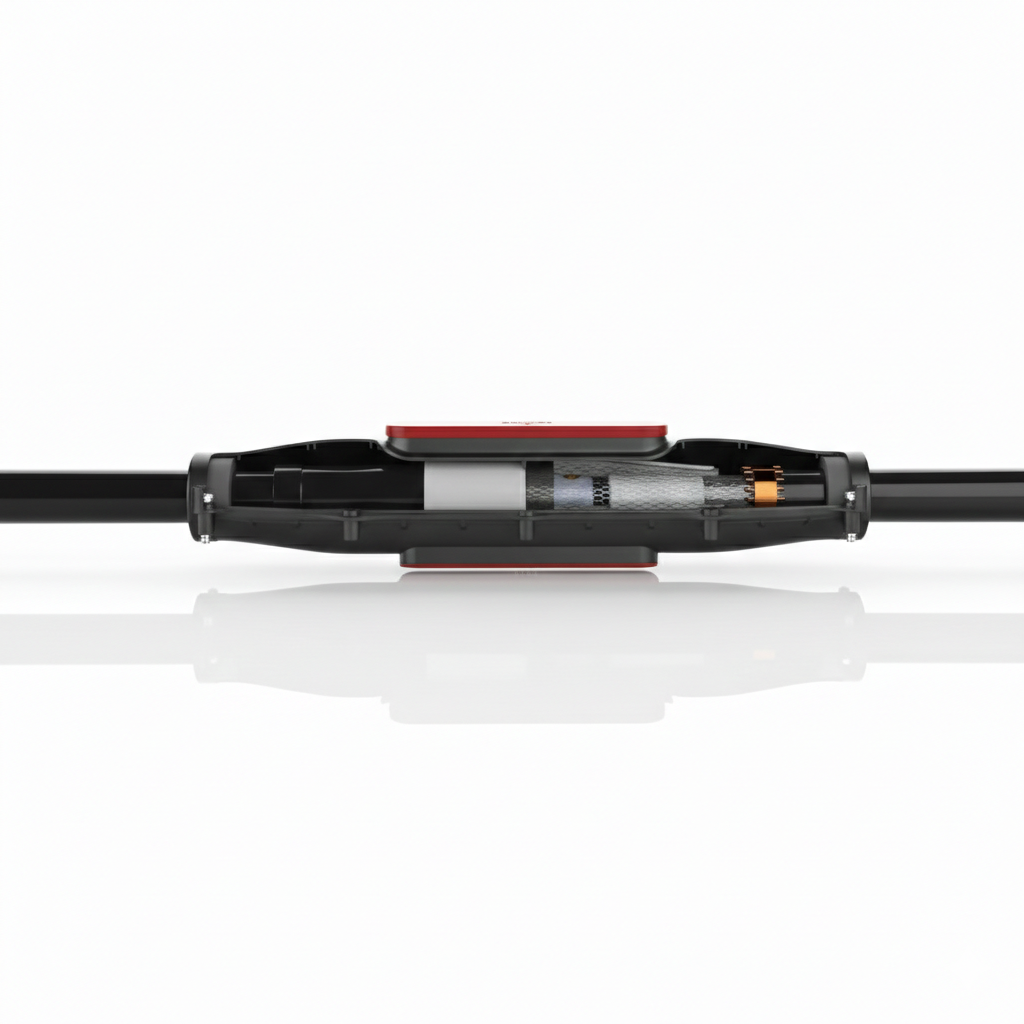
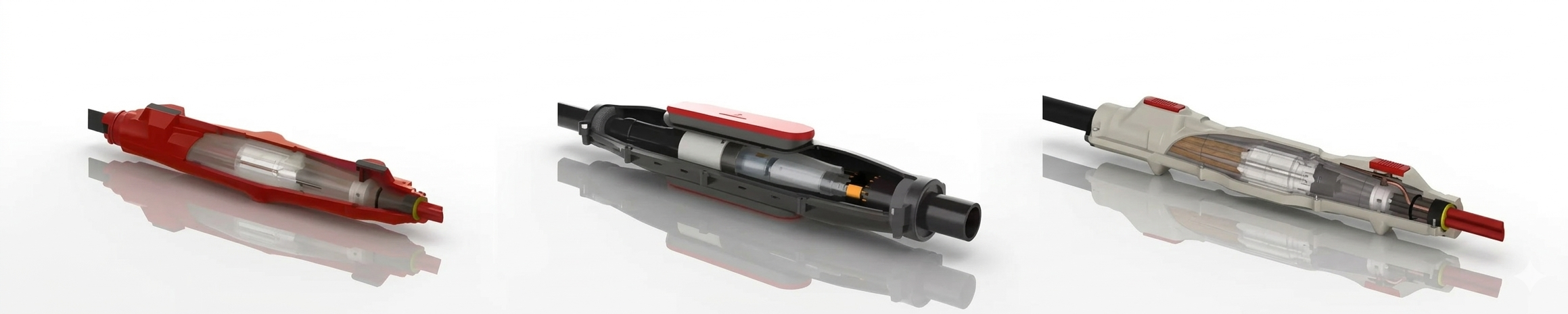
Alongside solutions for compound box filling and end box refurbishment, Lovink offers a broad range of medium voltage cable joints designed for ageing infrastructure, upgrades, repairs and new connections across 11kV and 33kV networks.
Below is an overview of the 11 Lovink joint categories, each developed to suit specific installation and network requirements.
Lovink MV Cable Joints
A complete range of medium voltage cable jointing solutions for repairs, transitions, upgrades and new underground cable connections.
|
Transition Cable Joints For connecting legacy paper-insulated cables to modern polymeric MV cables. |
Straight Cable Joints For straight-through MV cable connections requiring continuity and insulation reliability. |
|
Stop-End Joints A sealed solution for terminating underground MV cables safely and securely. |
Branch Joints Designed to create branch connections within MV distribution networks. |
|
Cable Repair Joints Ideal for repairing damaged cable sections without replacing the full route. |
Extended Resin Cable Joints Provides extra sealing and bonding space for more demanding installations. |
|
Feed-In Cable Joints For connecting new power sources into existing underground MV cable systems. |
Loop Cable Joints A compact solution for internal looping arrangements in restricted spaces. |
|
Oil Refill Cable Joints Designed for paper-insulated lead-covered cables where oil retention is essential. |
Crossbonding Cable Joints Used to help manage sheath losses and improve MV cable system efficiency. |
|
Compact Cable Joints A space-saving MV joint solution for ducts, trenches and compact installations. |
Full Lovink Range View the full Lovink cable joint range for MV refurbishment and connection projects. |
Conclusion
Compound-filled end boxes often only get attention when something goes wrong. But the choice of compound box filling has a direct impact on insulation performance, moisture resistance, re-entry and long-term reliability.
Where refurbishment is the preferred route, Lovink’s LoviSil® offers a practical and technically robust alternative to full end box replacement. Combined with Lovink’s wider MV joint portfolio, it supports utilities, contractors and network operators working to extend asset life and improve resilience across ageing cable systems.
Need Support with Compound Box Filling or MV Cable Joints?
Thorne & Derrick supply Lovink LoviSil® solutions and the wider MV cable joint range, with technical support for refurbishment, repairs and new cable connections.