Marconite Earthing Explained
Published 02 Jul 2026
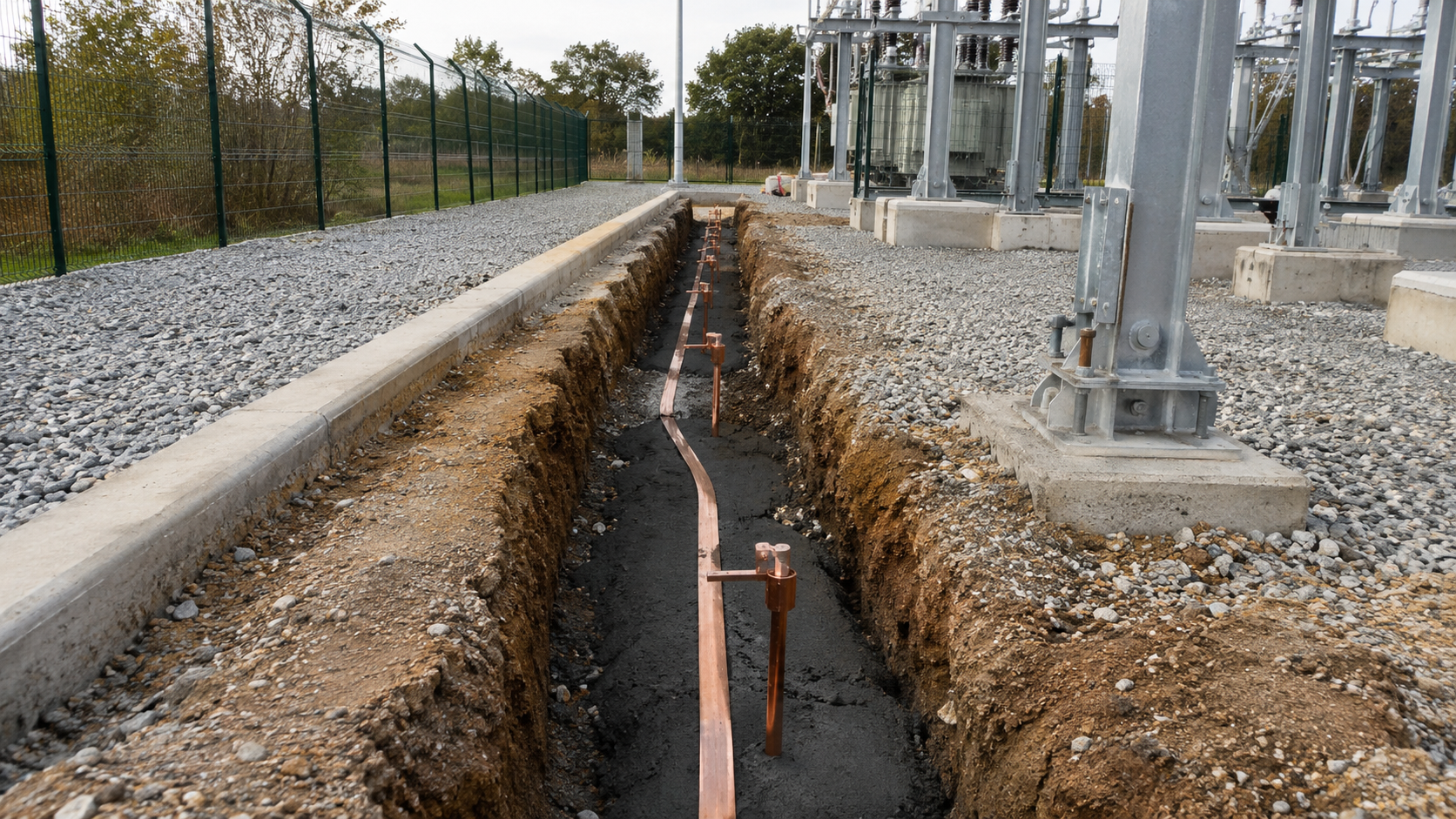
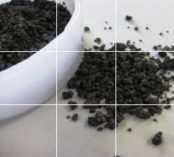
Marconite earthing is used to help create low resistance, stable and long-lasting earthing systems by surrounding earth electrodes with an electrically conductive concrete. Marconite is a conductive aggregate that is mixed with cement and water to form a conductive concrete around earth rods, copper earth tapes, earth mats or other earthing electrodes.
In simple terms, Marconite improves the contact between the earth electrode and the surrounding ground. This helps reduce earth resistance, especially where soil conditions are difficult, dry, rocky, sandy or naturally high in resistivity.
Marconite is commonly used for substation earthing, lightning protection systems, telecoms sites, rail infrastructure, power networks, industrial plants, renewable energy projects, data centres and critical electrical installations where a reliable earthing system is essential.
Thorne & Derrick supply Marconite earthing compound, together with earth tapes, rods, bars and accessories, earth mats and Bentonite earthing compound for LV, MV and HV electrical earthing applications.
Quick Answer: What Is Marconite Earthing?
Marconite earthing is the use of Marconite conductive aggregate around earth electrodes to help create a low resistance earthing system. Marconite is mixed with cement and water to form a conductive concrete that surrounds earth rods, copper earth tape, earth mats or other electrodes.
The conductive concrete increases the effective contact area between the electrode and the surrounding ground. This can help improve earthing performance, especially where normal soil conditions make it difficult to achieve the required earth resistance.
What Is Marconite?
Marconite is an electrically conductive aggregate material used in earthing systems. When mixed with cement and water, it forms a conductive concrete that can be placed around earth electrodes to improve the electrical connection between the electrode and the soil.
Instead of acting like ordinary concrete, Marconite concrete is designed to conduct electricity. This makes it useful where engineers need to improve the performance of an earthing system but the natural ground conditions are not suitable enough on their own.
Marconite is commonly described as a conductive concrete or conductive backfill material. It is used to enhance the performance of earth electrodes such as:
- Copper earth rods
- Copper earth tape
- Copper lattice earth mats
- Earth plates
- Lightning protection electrodes
- Substation earthing systems
Because it forms a solid conductive mass after curing, Marconite can provide a stable earthing enhancement where a permanent low resistance solution is required.
How Does Marconite Earthing Work?
An earthing system works by creating a reliable electrical connection between the electrical installation and the general mass of earth. The lower and more stable the earth resistance, the more effective the earthing system can be in helping fault current, lightning current or unwanted electrical energy dissipate safely.
Marconite earthing works by increasing the effective surface area and conductivity around the buried electrode. Instead of the electrode relying only on direct contact with natural soil, the electrode is surrounded by conductive concrete.
The final resistance of an earthing system depends on many factors, including soil resistivity, electrode design, electrode spacing, installation depth, moisture conditions, fault current requirements and the overall earthing design.
Where Is Marconite Used?
Marconite is used wherever a reliable low resistance earthing system is required and normal soil conditions may not provide the desired performance.
Typical applications include:
- Electrical substations – LV, MV and HV earthing systems for power distribution and transmission networks.
- Lightning protection systems – earthing electrodes for lightning current dissipation.
- Telecommunications sites – tower, mast and equipment earthing where stable resistance is required.
- Rail infrastructure – earthing for signalling, telecoms, substations and electrical infrastructure.
- Renewable energy projects – solar farms, wind farms, battery storage and grid connection earthing.
- Industrial plants – process facilities, factories, data centres, utilities and critical power installations.
- High resistivity soil locations – dry, rocky, sandy or poor conductivity ground conditions.
Marconite is often used where the earthing design must meet a target resistance value but the site conditions make that difficult using basic earth rods alone.
Benefits Of Marconite Earthing
The main benefit of Marconite earthing is that it helps improve the electrical performance of the earthing system.
Power & Cables lists Marconite as a granulated electrically conductive aggregate that replaces sand in cement mixes to create electrically conductive concrete.
Marconite vs Bentonite
Marconite and Bentonite are both used in earthing applications, but they work in different ways and are not the same material.
Bentonite is a moisture-retaining clay-based material often used as an earthing backfill around electrodes. Marconite is a conductive aggregate mixed with cement to form conductive concrete.
For many projects, the selection between Marconite and Bentonite should be made by the electrical designer or earthing specialist based on soil resistivity testing and the required earthing performance.
View Bentonite earthing compound and Marconite earthing compound.
Marconite With Earth Rods, Mats & Copper Earth Tape
Marconite is rarely considered on its own. It is usually part of a complete earthing system that includes electrodes and conductors.
Common earthing components used with Marconite include:
- Earth rods – driven or installed into the ground to provide an earth electrode.
- Copper lattice earth mats – used for potential grading and earthing, especially where touch and step potential must be considered.
- Copper earth tape – used to interconnect electrodes, earth bars, equipment and buried earthing systems.
- Earth bars – used for terminating earth conductors and bonding connections.
- Earth plates – used where a plate electrode design is required.
Marconite helps improve the interface between these electrodes and the surrounding soil. For example, an earth rod may be installed in a drilled hole with Marconite conductive concrete surrounding it, or copper tape may be laid in a trench with Marconite used as an engineered conductive backfill.
The final arrangement should always be designed around the required earth resistance, fault current capacity, step and touch voltage limits, installation environment and applicable standards.
Marconite For Substation Earthing
Substations require reliable earthing systems because fault current, lightning current and transferred potentials must be controlled safely. Earthing is also important for equipment bonding, personnel safety, switchgear operation, transformer installations and protection systems.
Marconite can be used in substation earthing designs where a stable low resistance system is required, particularly if the natural ground conditions are challenging.
Typical substation earthing uses include:
- Earth rod installations around substation compounds.
- Copper earth tape trenches around switchgear, transformers and structures.
- Copper lattice earth mats for potential grading applications.
- Transformer and switchgear bonding to the main earth grid.
- Lightning protection earthing for masts, structures and exposed equipment.
- Renewable energy grid connection substations where stable earthing is required.
Substation earthing should be designed by competent electrical engineers using soil resistivity data, fault level information, site layout and the required safety performance.
How Is Marconite Installed?
Marconite is normally mixed with cement and water to form conductive concrete. The mixture is then placed around the electrode system before it cures.
A typical Marconite installation may involve:
- Excavating a trench or borehole for the earth electrode.
- Installing the earth electrode, such as a rod, tape, mat or plate.
- Mixing Marconite with cement and water according to the project or manufacturer guidance.
- Placing the conductive concrete around the electrode to ensure good contact.
- Allowing the material to cure before final testing and backfilling where required.
- Testing the completed earthing system to confirm performance.
The exact installation method should be confirmed against the manufacturer’s guidance and the earthing design. Poor mixing, poor compaction, poor electrode contact or incorrect placement can reduce the effectiveness of the installation.
How To Select Earthing Materials
Selecting Marconite, Bentonite or another earthing material depends on the complete earthing design. The material is only one part of the system.
Earthing system design should always be based on site conditions, not assumptions. Marconite can be very effective, but only when used correctly as part of a properly designed earthing system.
Common Marconite Earthing Mistakes
Marconite is a specialist earthing material, so poor installation or incorrect specification can reduce performance.
Common mistakes include:
- Using Marconite without a proper earthing design – the material should support the design, not replace it.
- Ignoring soil resistivity – site soil data is essential for designing an effective earthing system.
- Poor contact with the electrode – Marconite must surround the electrode properly to be effective.
- Incorrect mixing – the material should be mixed and placed according to manufacturer or project guidance.
- Confusing Marconite and Bentonite – they are both used for earthing, but they are different materials with different installation behaviour.
- Failing to test after installation – earth resistance should be measured to confirm that the design target has been achieved.
- Forgetting step and touch voltage considerations – low resistance alone is not the only safety factor in complex earthing systems.
- Treating every site the same – rocky, dry, sandy or wet ground conditions may require different earthing arrangements.
For critical installations, the earthing design should be reviewed by a competent electrical engineer or earthing specialist.
Related Earthing Products
Marconite is usually specified alongside other earthing and lightning protection products.
- Marconite Earthing Compound – conductive aggregate for low resistance earthing systems.
- Bentonite Earthing Compound – earthing backfill compound for earth electrodes and trenches.
- Copper Earth Tape – copper tape for buried earth grids, bonding and lightning protection systems.
- Earth Rods – earth electrodes for low resistance earthing systems.
- Copper Earth Mats – copper lattice mats for potential grading and earthing applications.
- Earth Bars – copper earth bars for bonding and termination of earthing conductors.
- Wallis Earthing & Lightning Protection – earthing, bonding and lightning protection accessories.
Marconite Earthing FAQs
Q: What is Marconite?
A: Marconite is an electrically conductive aggregate used in earthing systems. It is mixed with cement and water to form conductive concrete around earth electrodes.
Q: What is Marconite earthing?
A: Marconite earthing is the use of Marconite conductive concrete around earth rods, copper tape, earth mats or other electrodes to help reduce earth resistance and improve earthing performance.
Q: Is Marconite the same as Bentonite?
A: No. Marconite is a conductive aggregate mixed with cement to form conductive concrete. Bentonite is a clay-based earthing backfill compound. Both can be used in earthing systems, but they are different materials.
Q: What is Marconite used for?
A: Marconite is used to improve earthing systems in substations, lightning protection, telecoms, rail, utilities, renewable energy, industrial sites and high-resistivity ground conditions.
Q: How does Marconite reduce earth resistance?
A: Marconite reduces earth resistance by forming a conductive concrete around the electrode. This increases the effective contact area and improves the conductive path between the electrode and surrounding soil.
Q: Can Marconite be used with earth rods?
A: Yes. Marconite is commonly used around earth rods to improve the contact between the rod and surrounding ground. It can also be used with copper earth tape, earth mats and other electrodes.
Q: Is Marconite suitable for substations?
A: Yes. Marconite can be used in substation earthing systems where a stable low resistance earth is required, particularly in difficult ground conditions. The system should be designed by a competent engineer.
Q: Does Marconite need to be tested after installation?
A: Yes. The completed earthing system should be tested after installation to confirm that it meets the required resistance and safety performance set out in the earthing design.
Conclusion
Marconite earthing is used to create low resistance, stable and long-lasting earthing systems by forming conductive concrete around earth electrodes. It is especially useful where normal soil conditions make it difficult to achieve the required earth resistance using earth rods or copper electrodes alone.
Marconite can be used with earth rods, copper earth tape, copper lattice earth mats, earth plates and lightning protection systems. It is commonly specified for substations, rail, telecoms, utilities, renewable energy projects, data centres and industrial power infrastructure.
Correct design and installation are essential. Marconite should be selected based on soil resistivity, resistance targets, fault current requirements, electrode layout, site conditions and the overall earthing design.
Thorne & Derrick supply Marconite earthing compound, Bentonite, copper earth tape, earth rods, earth bars, copper lattice earth mats and earthing accessories for LV, MV and HV electrical infrastructure projects.