What Is an Earth Bar? Types, Uses & Earthing Explained
Published 02 Nov 2026
An earth bar is a conductive metal bar used to connect and organise multiple earthing and protective bonding conductors within an electrical installation. Usually manufactured from high-conductivity copper, earth bars provide a common connection point for protective conductors, main bonding conductors and other elements of an electrical earthing system.
Also known as earthing bars, copper earth bars or earth marshalling bars, these components are used in LV, MV and HV substations, switchrooms, electrical distribution equipment, feeder pillars, industrial installations and other electrical infrastructure. They help establish reliable electrical continuity between connected parts of the earthing system.
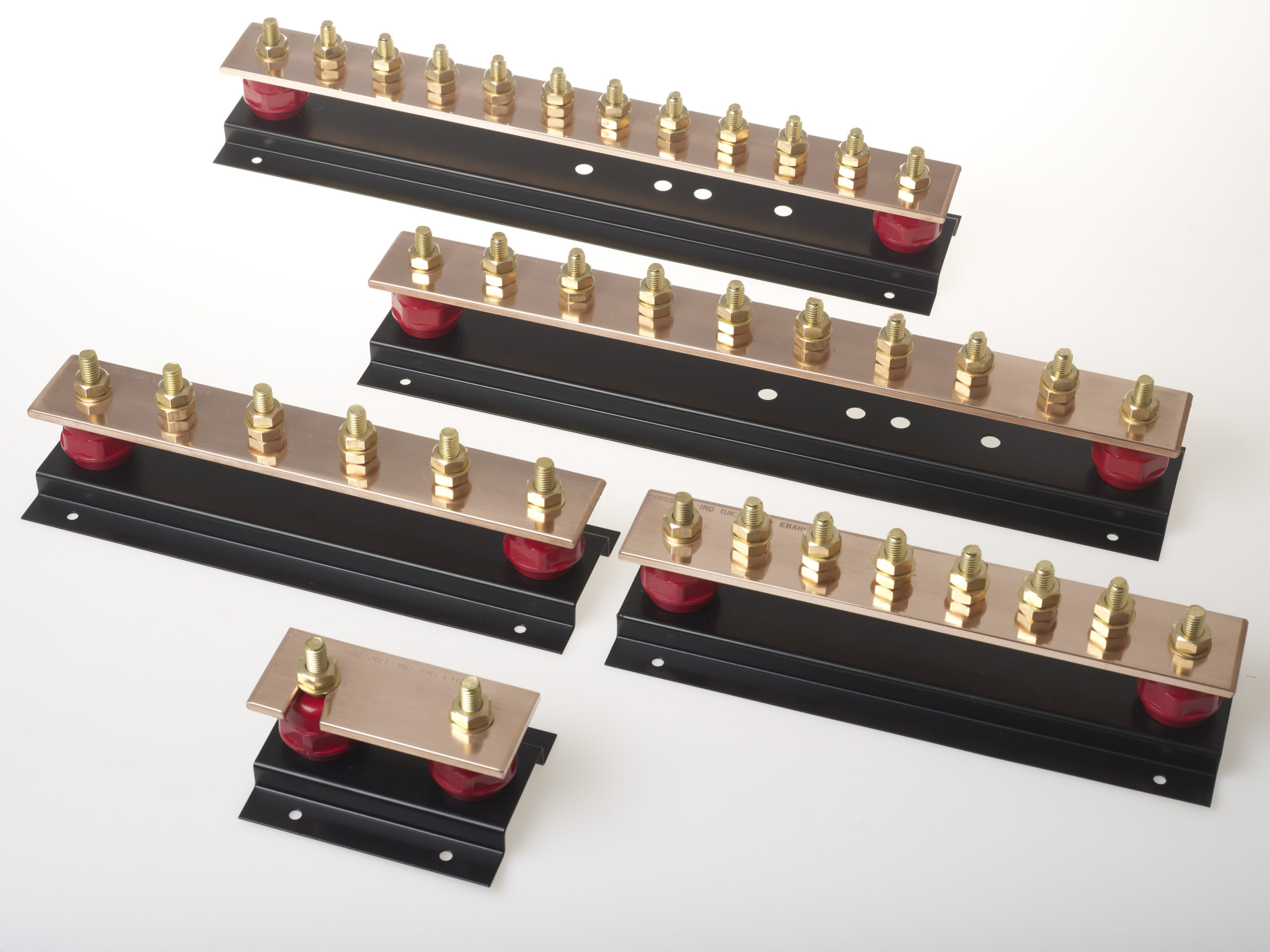
Earth bars are available in different configurations, including standard copper earth bars, single disconnecting link earth bars and twin disconnecting link earth bars. Depending on the application, they may incorporate removable test links, multiple bolted termination points and insulated mounting supports.
Thorne & Derrick supply copper earth bars manufactured by AN Wallis, including standard, single-link and twin-link configurations for electrical earthing and lightning protection applications.
This guide explains what an earth bar is, how it works, where it is used and how it differs from earth rods and earth tapes, together with important considerations when specifying earth bars for substations and electrical installations.
Quick Answer: What Is an Earth Bar?
An earth bar is a conductive metal component that provides a common connection point for multiple earthing and protective bonding conductors. It is usually manufactured from copper and installed within electrical distribution systems, substations, switchrooms or other locations requiring an organised earthing arrangement.
The earth bar connects designated conductors together, helping maintain electrical continuity throughout the earthing system.
During certain electrical faults, protective conductors connected through an earth bar may form part of the fault-current return path. The complete earthing arrangement must be designed to support the required protective device operation and manage potentially dangerous touch voltages.
How Does an Earth Bar Work?
An earth bar provides a common conductive connection between the earthing and protective bonding conductors attached to it.
These connections are commonly made using bolted cable lugs, copper earth tapes or other approved conductor termination methods.
Depending on the installation, an earth bar may connect:
- Protective earthing conductors connected to electrical equipment.
- Main protective bonding conductors connected to relevant extraneous-conductive-parts.
- Switchgear and transformer earthing conductors within substations.
- Earth electrode conductors connected to the installation’s electrode system.
- Metallic equipment enclosures and other designated protective earth connections.
- Additional earthing conductors required by the approved electrical design.
By bringing these conductors together, the earth bar creates an identifiable connection point where earthing arrangements can be inspected and, where suitable facilities are provided, tested.
What Happens During an Electrical Fault?
If a line conductor contacts an exposed-conductive-part of electrical equipment, a fault current may flow through the protective conductor system.
The earth bar can form part of the conductive path connecting equipment to the installation’s earthing arrangement.
In systems relying on automatic disconnection of supply, the circuit protective arrangement must provide conditions that allow the relevant protective device to operate within its required disconnection time.
The earth bar itself does not detect electrical faults or automatically disconnect the power supply. It is a passive component of the earthing and bonding system.
Why Are Earth Bars Made From Copper?
Copper earth bars are widely used because copper combines high electrical conductivity with suitable mechanical characteristics and good corrosion resistance in many electrical installation environments.
These properties make copper suitable for the construction of reliable earthing conductors, busbars and connection points.
High Electrical Conductivity
Copper provides a conductive path with relatively low electrical resistance when appropriately sized and connected.
The cross-sectional area of an earth bar must be sufficient for the electrical and thermal requirements of the complete earthing system.
Mechanical Strength
Copper earth bars are commonly manufactured as rigid flat bars with drilled termination points.
This construction allows suitably designed bolted connections to be made to copper tapes, cable lugs and other compatible earthing conductors.
Corrosion Resistance
Copper offers good corrosion resistance in many environments. However, environmental exposure, moisture, contaminants and connections between dissimilar metals must still be considered.
Tinned copper earth bars may be specified where additional protection against surface oxidation or particular environmental conditions is required.
Connection Flexibility
Earth bars can be supplied with multiple drilled connection points to accommodate different conductor arrangements.
Some systems can also be supplied with customised connection spacings, mounting arrangements and disconnecting links to suit the project specification.
Types of Copper Earth Bars
Earth bars are available in different configurations depending on the number of connections required and whether the installation needs a facility for disconnecting designated earthing conductors during testing.
Thorne & Derrick supply AN Wallis copper earth bars in standard, single-link and twin-link configurations, including multi-way termination arrangements.
What Is an Earth Bar Disconnecting Link?
An earth bar disconnecting link is a removable conductive connection incorporated into an earthing arrangement to provide a designated point where part of the system can be disconnected for authorised testing.
Disconnecting links can be useful when testing earth electrode arrangements or investigating particular sections of an earthing network.
In a typical design, the link is secured by mechanical fasteners and can only be disconnected using an appropriate tool.
Why Are Disconnecting Links Used?
Depending on the design, a disconnecting link may allow competent personnel to separate a designated conductor or electrode connection from other parallel earth paths for measurement.
Examples include:
- Earth electrode resistance testing where isolation of a particular electrode arrangement is necessary.
- Inspection of earthing connections as part of approved maintenance procedures.
- Verification of specified conductor arrangements where disconnection is required for testing.
- Maintenance of earthing infrastructure under an appropriate isolation and safety procedure.
Important: Earth bar disconnecting links are not normal operating switches. They must not be opened casually or treated as a means of isolating electrical equipment. Disconnecting protective earthing conductors can create dangerous conditions.
Testing must be planned and performed by competent personnel, with the installation made safe and the required protective arrangements maintained.
Where Are Earth Bars Used?
Copper earth bars are installed wherever multiple earthing or protective bonding connections need to be brought together in an accessible and organised arrangement.
1. Electrical Substations
In LV, MV and HV substations, earth bars are used to connect designated earthing conductors associated with transformers, switchgear, equipment enclosures and the wider earthing network.
They can act as central earthing or marshalling points, depending on the substation design.
2. Electrical Switchrooms
Switchrooms can incorporate main earth bars to provide a common connection point for switchgear protective conductors and other designated earthing connections.
The bar arrangement must be coordinated with the installation’s electrical protection and earthing design.
3. Feeder Pillars
Feeder pillars may incorporate earth bars or terminals to provide protective earthing connections for installed distribution equipment.
The arrangement depends on the pillar design, network requirements and relevant utility standards.
4. Industrial Electrical Installations
Industrial facilities frequently include main earth bars and supplementary earthing connection points serving distribution boards, plant equipment and other electrical infrastructure.
5. Renewable Energy Infrastructure
Solar farms, wind farms and battery energy storage installations incorporate earthing and bonding systems designed around their electrical equipment and site conditions.
Earth bars can provide accessible connection points within approved electrical enclosures and substation installations.
6. Data Centres & Communications Infrastructure
Data centres and communications facilities use protective earthing and bonding networks to support electrical safety and equipment installation requirements.
Earth bars may be incorporated into electrical distribution rooms, equipment bonding arrangements and designated earthing systems.
Any functional or equipment-specific earthing arrangement must be coordinated with the protective earthing system and applicable design requirements.
Earthing vs Bonding – What Is the Difference?
Earthing and protective bonding are closely related but perform different functions within an electrical installation.
Protective earthing connects exposed-conductive-parts of electrical equipment into the installation’s protective earthing arrangement.
Protective bonding connects relevant extraneous-conductive-parts to reduce potentially dangerous differences in electrical potential.
The requirement to bond a metallic component depends on whether it meets the relevant definition of an extraneous-conductive-part and on the applicable installation rules. Not every metallic object automatically requires protective bonding.
Earth Bars vs Earth Rods vs Earth Tapes – What Is the Difference?
Earth bars, earth rods and earth tapes are all used within electrical earthing systems, but they perform different roles.
For example, a substation may use buried copper earth tapes and earth electrodes connected to an earth bar inside the switchroom.
The earth bar then provides designated connection points for the relevant equipment earthing conductors.
An earth bar is therefore not a substitute for an earth electrode where an electrode is required. It is one component of the overall earthing arrangement.
Earth Bars & Main Earthing Terminals
The Main Earthing Terminal (MET) is the terminal or bar provided for connecting the protective conductors and other designated conductors forming part of an installation’s main earthing arrangement.
In larger electrical installations, a copper earth bar can serve as the main earthing terminal.
However, not every earth bar is necessarily the installation’s MET. Some earth bars function as subsidiary or local connection points.
Earth Bar vs Main Earthing Terminal
The distinction is based on function rather than the physical appearance of the component.
- Main Earthing Terminal: the designated principal connection point of the installation’s earthing arrangement.
- Earth Bar: the physical conductive component used to connect multiple conductors.
- Earth Marshalling Bar: a connection point used to collect and organise designated earthing connections within a larger system.
Depending on the design, a main earth bar may incorporate a disconnecting link that allows the earthing conductor to be disconnected under controlled conditions for testing.
The appropriate location and arrangement must be established by the electrical designer in accordance with the applicable installation requirements.
Earth Bar Standards & Electrical Installation Requirements
Earth bars are components of wider electrical earthing systems. Their selection and installation must be coordinated with the applicable electrical installation standards and project requirements.
BS 7671 – Requirements for Electrical Installations
BS 7671 provides requirements for the design, erection and verification of electrical installations within its scope, including protective earthing, bonding and main earthing terminal arrangements.
BS 7430 – Code of Practice for Protective Earthing
BS 7430 provides guidance on protective earthing arrangements, including considerations relevant to earth electrodes, earthing conductors and earthing systems.
BS EN 13601 – Copper and Copper Alloys
BS EN 13601 covers copper and copper alloy rod, bar and wire for general electrical purposes and is relevant to the copper material used in certain manufactured earth bar ranges.
Important: Compliance with a copper material standard does not, by itself, establish that the complete earth bar assembly is suitable for a particular fault-current duty or electrical installation.
The complete design must consider:
- Prospective earth fault current.
- Fault duration and protective device operation.
- Conductor and earth bar cross-sectional area.
- Mechanical and thermal withstand requirements.
- Terminal and connection arrangements.
- Environmental and corrosion conditions.
- Accessibility, identification and testing requirements.
How to Select the Correct Copper Earth Bar
Choosing the correct copper earth bar involves more than selecting the required number of connection points.
The bar must be compatible with the intended installation and the electrical and mechanical requirements of the earthing system.
How Many Ways Should an Earth Bar Have?
The number of ways refers to the number of intended conductor termination positions provided by the earth bar design.
For example, a 6-way copper earth bar provides six designated connection positions, while a 12-way configuration provides twelve.
The required number should be based on the approved earthing design, the number of conductors requiring termination and any planned spare capacity.
For reference, the AN Wallis standard copper earth bar range supplied by Thorne & Derrick includes configurations from 6 to 30 ways.
View the full Earth Bars range for individual product dimensions and available configurations.
Common Earth Bar Specification & Installation Mistakes
Incorrect earthing connections or unsuitable earth bar specifications can undermine the performance of an electrical installation’s protective arrangements.
Common issues include:
- Insufficient connection points – selecting a bar without enough termination positions for the required conductors.
- Incorrect conductor terminations – using unsuitable cable lugs, fixings or conductor connection methods.
- Ignoring fault current withstand – failing to assess whether the complete assembly is suitable for the prospective fault duty.
- Poor connection identification – failing to label conductors where required by the installation specification.
- Inappropriate disconnection – opening earthing links without suitable safety controls and an approved testing procedure.
- Corrosion risks – overlooking environmental conditions or potential galvanic corrosion at dissimilar metal connections.
- Insufficient access for inspection – positioning earth bars where connections cannot be safely inspected or maintained.
- Confusing earthing and bonding – incorrectly determining which conductive parts require connection.
All earthing systems should be designed, installed and verified by competent personnel in accordance with the applicable electrical standards and project requirements.
Related Earthing & Electrical Connection Products
Earth bars are normally specified as part of a wider earthing and bonding system.
- Copper Earth Bars – standard, single-link and twin-link earth bar assemblies.
- Copper Earth Tapes – flat copper conductors for earthing and bonding applications.
- Earth Rods – electrodes used to establish electrical contact with the ground.
- Cable Lugs – electrical terminals used to connect compatible conductors to earth bars and equipment.
- Earthing & Lightning Protection – wider earthing products, conductors and connection accessories.
Earth Bars – Frequently Asked Questions
Q1. What is an earth bar?
A: An earth bar is a conductive metal bar used to connect multiple earthing and protective bonding conductors. It provides a common electrical connection point within an earthing system and is commonly manufactured from copper.
Q2. What is the purpose of an earth bar?
A: The purpose of an earth bar is to provide an accessible, electrically continuous connection point for designated earthing and bonding conductors. It can form part of the protective earthing system used to support electrical safety.
Q3. Why are earth bars made from copper?
A: Copper provides high electrical conductivity, suitable mechanical strength and good corrosion resistance in many installation environments. These characteristics make it suitable for earthing conductors and bolted connection assemblies.
Q4. What is the difference between an earth bar and an earth rod?
A: An earth bar provides a common connection point for earthing conductors. An earth rod is an electrode installed in the ground to establish electrical contact with the general mass of Earth. The two components perform different roles within an earthing system.
Q5. What is an earth bar disconnecting link?
A: A disconnecting link is a removable electrical connection that permits a designated part of an earthing arrangement to be separated for authorised testing. It is not intended as an operational electrical isolation switch.
Q6. What is a main earth bar?
A: A main earth bar is a conductive connection bar serving as the principal or designated main earthing connection point within an electrical installation. Where it fulfils the relevant function, it may serve as the Main Earthing Terminal (MET).
Q7. Where are copper earth bars used?
A: Copper earth bars are used in electrical substations, switchrooms, feeder pillars, electrical distribution equipment, industrial facilities and other installations requiring organised earthing connections.
Q8. What is the difference between single and twin link earth bars?
A: A single-link earth bar incorporates one designated removable connection link. A twin-link earth bar incorporates two. The correct configuration depends on the earthing design and testing requirements.
Q9. Can earth bars be used in high voltage substations?
A: Yes. Suitably designed copper earth bars are used within MV and HV substations to provide designated connections between equipment earthing conductors and the wider earthing network. Their fault-current withstand and installation suitability must be verified for the specific application.
Q10. How do you choose the correct earth bar?
A: Earth bar selection depends on the number of required terminations, conductor sizes, copper bar dimensions, prospective earth fault current, testing arrangements, environmental conditions and applicable electrical standards.
Conclusion
Earth bars provide important connection points within electrical earthing and protective bonding systems. They help organise conductors, maintain electrical continuity and support the protective arrangements used in electrical installations.
Manufactured primarily from high-conductivity copper, earth bars are used in LV, MV and HV substations, switchrooms, feeder pillars and industrial electrical infrastructure.
Available configurations include standard copper earth bars, single disconnecting link earth bars and twin disconnecting link earth bars, with different connection capacities and arrangements to suit project requirements.
Correct earth bar selection must consider the complete earthing system, including conductor dimensions, fault-current withstand, mechanical connections, inspection requirements and the relevant installation standards.
Thorne & Derrick supply a comprehensive range of AN Wallis copper earth bars and earthing products for electrical utilities, contractors, substations and industrial infrastructure projects.