How can you install a Nexans Multi Joint System? Cable Jointing Guide
Published 06 Mar 2026
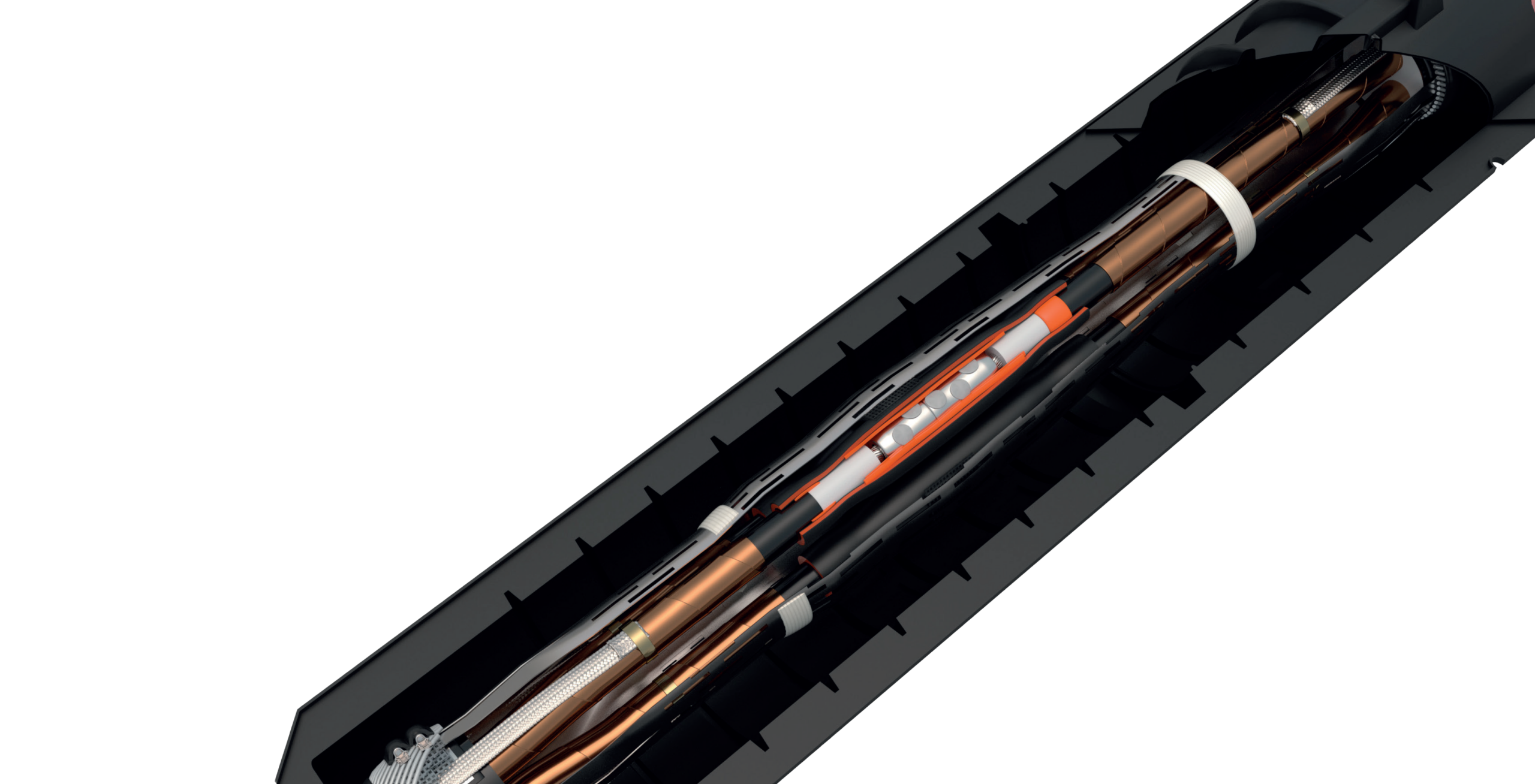
Nexans 240–300mm² Multi-Joint – Medium Voltage Cable Joint Installation
Medium voltage cable jointing requires reliability, consistency and safe installation practices. The Nexans 240–300mm² Multi-Joint is designed to simplify medium voltage jointing while maintaining high electrical performance for demanding power distribution networks.
The Nexans video below explains the purpose of the Multi-Joint system, its key design features and an overview of the installation process used when jointing medium voltage power cables.
What Is The Nexans Multi-Joint System?
The Nexans Multi-Joint is part of the JTS heat-shrink cable joint range, designed for medium voltage cable connections where dependable electrical insulation and environmental protection are required.
The joint uses an integrated triple-layer heat-shrink tube combining stress control, insulation and conductive functions into a single component. This design helps simplify the installation process and reduces the number of components required during jointing.
- Compact medium voltage cable joint design
- Integrated triple-layer tube technology
- Simplified installation process
- High electrical insulation performance
- Suitable for demanding power distribution networks
Key Advantages Of The Nexans JTS Joint Design
The JTS technology used in Nexans Multi-Joints introduces several improvements compared with traditional heat-shrink cable joints.
- Reduced installation steps
- Integrated stress control and insulation
- Improved installation consistency
- Compact joint dimensions
- Enhanced electrical reliability
The triple-layer tube allows installers to heat fewer components during installation, helping shorten the jointing process and reduce the risk of installation errors.
Typical Applications For Nexans MV Multi-Joints
The Nexans Multi-Joint system is designed for use across a wide range of medium voltage cable installations including:
- Utility power distribution networks
- Industrial electrical infrastructure
- Substation cable connections
- Energy and infrastructure projects
- Medium voltage cable repairs and extensions
Overview Of The Installation Process
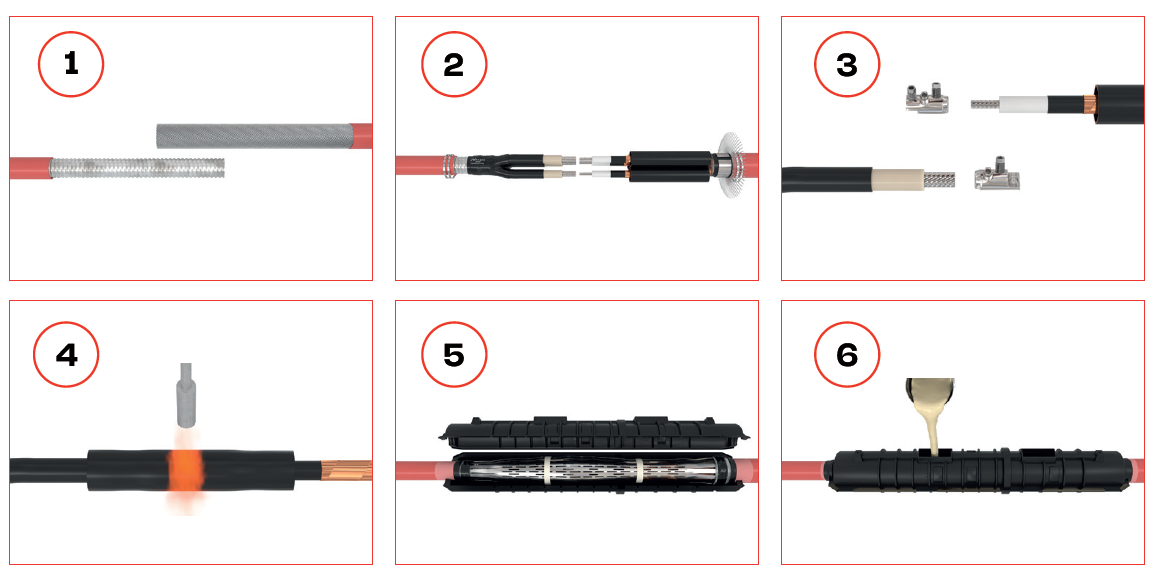
The Nexans video demonstrates the general workflow for installing a 240–300mm² Multi-Joint. While specific installation procedures must follow the manufacturer’s instructions, the process typically involves the following stages.
1. Cable Preparation
- Position and align the cables
- Measure and mark the joint centre
- Remove outer sheath and prepare cable layers
- Clean the cable surface prior to installation
2. Conductor Preparation
- Strip conductor insulation to the required depth
- Install the mechanical or crimp connector
- Ensure proper conductor alignment
- Remove sharp edges or burrs before recovery
3. Electrical Stress Control
- Apply stress control materials around the connector area
- Install conductive pads or mastic where required
- Prepare the joint area for heat-shrink recovery
4. Heat-Shrink Joint Recovery
- Position the triple-layer tube over the joint
- Apply heat evenly from the centre outward
- Allow the tubing to fully recover around the cable
- Ensure a smooth and sealed joint surface
Environmental & Mechanical Protection
Once installed, the Nexans joint provides mechanical protection and environmental sealing. The system includes components designed to restore cable screening continuity and protect against external conditions.
- Heavy-wall outer protection tubing
- Screen continuity components
- Moisture and water ingress protection
- Resistance to chemicals and environmental exposure
- High mechanical strength and impact resistance
These design features help ensure long-term reliability in both underground and industrial cable installations.
Compatible Cable Types
The Nexans JTS joint range is compatible with a variety of medium voltage cable constructions including:
- Single-core polymeric cables
- Three-core medium voltage cables
- Cables with copper wire screens
- Cables with copper tape screens
- Cables with aluminium tape screens
This flexibility allows the same jointing technology to be used across multiple network configurations.
Choosing The Correct MV Cable Joint
Before selecting a medium voltage joint kit, several key factors should be considered:
- Cable voltage rating
- Conductor size
- Cable insulation type
- Screen configuration
- Environmental installation conditions
Correct product selection helps ensure safe installation and long-term electrical performance.