FP400 Cable Explained | Fire Resistant SWA
Published 02 Jul 2026
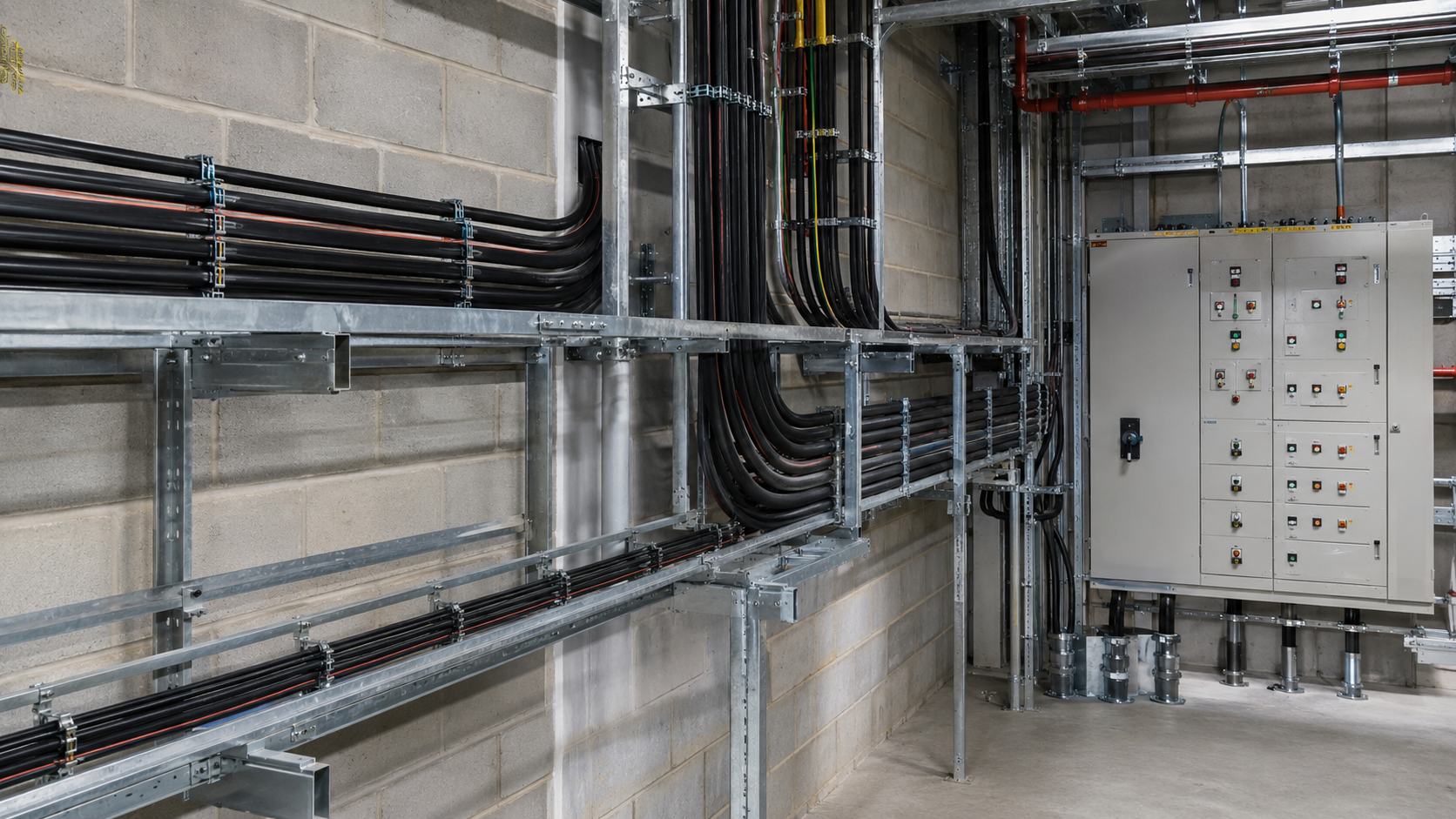
FP400 cable is a fire-resistant armoured power and control cable used where electrical circuits may need to maintain integrity during a fire. It is commonly specified for critical building services, fire performance circuits, public buildings, infrastructure projects and electrical systems where low smoke, low halogen and fire-resistant cable performance is required.
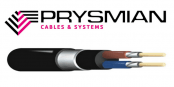
Prysmian FP400 is a tough, armoured cable with low fire hazard properties and limited fire resistance. It is designed to provide a practical fire-resistant alternative to standard armoured cable where circuit integrity is needed in the event of fire.
FP400 is commonly discussed alongside other fire performance cables such as FP200, FP600S and mineral insulated copper cable. However, FP400 has its own role and should be selected according to the project fire strategy, cable standard, circuit type, installation method and required fire performance.
Thorne & Derrick supply Prysmian FP400 fire-resistant power cable, together with Prysmian fire performance cables, cable glands, cable cleats, fixings and electrical installation accessories.
Quick Answer: What Is FP400 Cable?
FP400 cable is a fire-resistant, low smoke zero halogen armoured cable used for power and control circuits where circuit integrity may be required during a fire. It is commonly used in buildings and infrastructure where electrical circuits need additional fire performance compared with standard armoured cable.
FP400 is part of Prysmian’s FP fire performance cable range. It is a 600/1000V fire-resistant armoured cable and is suitable for selected indoor and outdoor installations, including clipped direct, tray, ladder, trough, duct and direct burial applications where the installation conditions allow.
What Is FP400 Cable?
FP400 is a fire-resistant armoured cable manufactured by Prysmian for power and control applications. It is designed for electrical circuits where enhanced fire performance is required, but where a robust armoured cable format is also needed.
The cable combines fire resistance with low fire hazard properties. This means it is designed to help maintain circuit integrity under defined fire test conditions while also reducing smoke and acidic gas emissions compared with conventional PVC-based cable materials.
FP400 is often used where a project needs:
- Fire-resistant cable performance
- Armoured mechanical protection
- Low smoke zero halogen properties
- Power or control circuit capability
- A practical alternative to standard SWA cable for fire performance circuits
Power & Cables describe Prysmian FP400 cable as a tough, armoured fire-resistant cable with low fire hazard properties and limited fire resistance, making it suitable for power or control circuits where circuit integrity in the event of fire is required.
Where Is FP400 Cable Used?
FP400 fire-resistant cable is used in buildings and infrastructure where certain electrical circuits may need to keep operating during a fire, or where the fire strategy requires enhanced cable performance.
Typical FP400 cable applications include:
- Public buildings – power and control circuits requiring fire performance cable.
- Commercial buildings – critical systems where circuit integrity is part of the fire safety strategy.
- Emergency systems – selected power circuits supporting emergency or life safety functions.
- Fire alarm circuits – where the cable size and project specification make FP400 suitable.
- Plant rooms – power and control cable routes needing low fire hazard materials.
- Infrastructure projects – robust fire performance cable routes in transport, utilities or public facilities.
- Indoor and outdoor cable runs – where the cable type, support method and environmental conditions are suitable.
The correct cable should always be selected against the project specification, fire strategy, circuit duty, installation method and relevant standards.
Is FP400 Fire Resistant?
Yes. FP400 is a fire-resistant armoured cable, but it is important to understand what that means.
Fire-resistant cable does not mean the cable is indestructible in a fire. It means the cable is designed to maintain circuit integrity under specific fire test conditions. The required fire performance depends on the application, the relevant standard and the fire strategy for the building or infrastructure project.
Power & Cables state that FP400 maintains circuit integrity during the BS6387 CWZ fire test and produces very low levels of smoke and virtually no acidic gases. :contentReference[oaicite:2]{index=2}
If a project requires higher fire performance, FP600S or another cable type may be more suitable, depending on the required standard and application.
FP400 Cable Construction
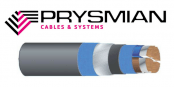
FP400 cable is constructed as a robust fire-resistant armoured cable. The exact construction should always be checked against the manufacturer datasheet for the required cable size and core configuration.
Typical FP400 construction includes:
- Copper conductors for power and control circuits.
- Fire barrier layer to support circuit integrity under fire test conditions.
- XLPE insulation for electrical insulation performance.
- Low smoke zero halogen materials to reduce smoke and acidic gas emissions.
- Armour to provide mechanical protection.
- Outer sheath for environmental and installation protection.
FP400 is often described as a fire-resistant SWA-style cable because it combines fire performance with armoured cable construction.
For exact construction, current ratings, core identification and installation limits, the manufacturer’s datasheet should always be checked before specification or installation.
FP400 Installation Methods
FP400 is designed to be installed using familiar armoured cable installation methods. Prysmian states that FP400 is suitable for indoor and outdoor applications and may be installed using direct burial, trough, fixed direct, tray or ladder methods. :contentReference[oaicite:3]{index=3}
Common installation methods include:
- Clipped direct – fixed directly to a suitable surface using appropriate fire-resistant fixings where required.
- Cable tray – supported on cable tray in plant rooms, risers, service routes or industrial environments.
- Cable ladder – used where larger cable sizes or heavier routes need robust support.
- Trough installation – installed through cable trough routes where suitable.
- Duct installation – installed in ducts where the duct size, pulling method and cable protection requirements are suitable.
- Direct burial – where the cable and installation conditions are suitable for buried routes.
Installation must consider cable bending radius, pulling tension, support spacing, fire-resistant support requirements, gland selection, cleating, mechanical protection and termination conditions.
For installation equipment, see cable pulling and laying equipment, including cable rollers, cable socks, winches and lubricants.
FP400 vs FP600S
FP400 and FP600S are both Prysmian fire performance cable products, but they are not the same. They are designed for different fire performance requirements and should not be selected interchangeably without checking the project specification.
Prysmian explains that FP400 is an armoured LSOH cable with limited fire resistance, while FP600S is designed for more stringent fire performance standards, including BS 7846 F120, BS 8491 120 minutes and BS 8519 Category 3 power. :contentReference[oaicite:4]{index=4}
In simple terms, FP400 may be suitable for standard fire-resistant applications, while FP600S is typically selected where a more demanding fire performance requirement applies. Always check the project specification and relevant standard before selecting between them.
Cable Glands, Cleats & Accessories For FP400
FP400 is an armoured cable, so it must be installed using suitable cable accessories. The correct accessory package depends on cable size, environment, enclosure type, earthing arrangement, support method and installation route.
Typical FP400 accessories include:
- Cable glands – for mechanical cable entry, armour termination and sealing into enclosures.
- Cable cleats – for cable support and restraint on tray, ladder or structural supports.
- Fire-resistant cable fixings – where the installation requires supports that remain effective under fire conditions.
- Cable lugs – for conductor termination into equipment.
- Cable tools – for cutting, stripping, crimping and installing cable accessories.
- Cable pulling equipment – for safe handling and installation of larger cable sizes.
Because FP400 is often used for fire performance circuits, the accessories and supports should be selected to match the fire strategy and installation standard. A fire-resistant cable can still fail to perform as intended if it is poorly supported, incorrectly terminated or installed with unsuitable accessories.
How To Select FP400 Cable
Selecting FP400 cable requires more than choosing a cable size. The cable must suit the electrical design, fire performance requirement and installation method.
If the project requires more demanding circuit survival, the specification may need to consider FP600S or another fire performance cable instead of FP400.
Common FP400 Specification Mistakes
FP400 cable is a specialist fire performance cable, so it should not be specified only because it appears similar to standard SWA cable.
Common mistakes include:
- Assuming all fire-resistant cables are the same – FP400, FP600S, FP200 and mineral insulated cables are not interchangeable.
- Ignoring the required fire standard – the cable must match the fire performance requirement for the circuit.
- Using unsuitable fixings – fire-resistant circuits may require support systems that remain effective during fire conditions.
- Overlooking installation method – tray, ladder, duct, trough and direct burial installations all need different considerations.
- Selecting cable size without derating checks – current rating, grouping, ambient temperature and installation method must be considered.
- Using incorrect cable glands – glands must suit the armoured cable construction, environment and enclosure entry.
- Not checking FP400 vs FP600S – some applications may require the higher fire performance of FP600S.
- Treating circuit integrity as only a cable issue – glands, cleats, fixings, joints, terminations and support systems also matter.
For fire performance cable systems, the whole installation should be assessed, not just the cable type.
Related FP400 Cable Products
FP400 cable is usually specified alongside cable accessories, supports and installation tools.
- Prysmian FP400 Fire Resistant Power Cable – FP400 cable for power and control circuits requiring fire performance.
- Prysmian Fire Performance Cables – FP cable range for fire-resistant cable applications.
- Cable Glands – glands for armoured cable termination and sealing.
- Cable Cleats – cable supports and restraints for power cable installations.
- Cable Lugs & Crimping Tools – lugs, connectors and tooling for cable termination.
- Cable Pulling & Laying Equipment – equipment for safe cable handling and installation.
- Cable Tools – cutting, stripping, crimping and installation tools.
FP400 Cable FAQs
Q: What is FP400 cable?
A: FP400 cable is a Prysmian fire-resistant armoured power and control cable used where circuit integrity may be required during a fire. It combines fire resistance, low smoke zero halogen properties and armoured cable construction.
Q: Is FP400 cable fire resistant?
A: Yes. FP400 is a fire-resistant cable designed to maintain circuit integrity under defined fire test conditions. It should still be selected against the required fire standard and project specification.
Q: What is FP400 cable used for?
A: FP400 is used for selected fire performance power and control circuits in buildings and infrastructure, including applications where low smoke, low halogen and circuit integrity properties are required.
Q: Is FP400 an armoured cable?
A: Yes. FP400 is an armoured cable, which means it provides mechanical protection in addition to its fire performance and low fire hazard properties.
Q: What is the difference between FP400 and FP600S?
A: FP400 is an armoured LSOH cable with limited fire resistance for selected fire performance applications. FP600S is used where more demanding fire performance standards are required. The correct cable depends on the project fire strategy and specification.
Q: Can FP400 be installed outdoors?
A: FP400 can be used in selected indoor and outdoor applications where the installation method, environmental conditions and manufacturer guidance are suitable. The datasheet and project specification should always be checked.
Q: Does FP400 need special glands?
A: FP400 is an armoured cable and should be terminated using suitable cable glands for the cable construction, size, environment and enclosure. The gland must provide the required armour termination, sealing and mechanical performance.
Q: Is FP400 the same as standard SWA cable?
A: No. FP400 is armoured like SWA cable, but it is also designed as a fire-resistant, low smoke zero halogen cable for selected fire performance circuits. It should not be treated as a standard SWA cable replacement without checking the specification.
Conclusion
FP400 cable is a fire-resistant armoured power and control cable used where selected electrical circuits need enhanced fire performance, low smoke zero halogen properties and mechanical protection.
It is suitable for many fire performance circuit applications, but it must be selected carefully against the required fire standard, circuit duty, installation method and project specification. FP400 should also be compared with other fire performance cables, such as FP600S, where higher circuit survival requirements apply.
Thorne & Derrick supply Prysmian FP400 fire-resistant cable, Prysmian FP fire performance cables, cable glands, cleats, cable lugs, cable tools and installation accessories for critical building services, infrastructure and electrical power projects.