A Transcript | Arc Flash Survivor Story by Jason Brozen
Published 29 Jul 2021
Read the original story here: Arc Flash Survivor Story – Jason Brozen
Jason Brozen’s Arc Flash Survival Story
In this interview, Jason Brozen shares his experience of surviving an arc flash incident while working on electrical equipment. He explains what happened, the injuries he suffered and the physical and emotional challenges he faced during recovery.
His story also highlights the importance of following safe working procedures, planning electrical work properly and never taking unnecessary risks.
Working on Live Electrical Equipment
Jason describes the work he was carrying out before the incident:
“You know, I ended up working on a big piece of gear, 2500 amp. It was a hotel and we got dispatched to install a new circuit for some pool equipment, a 200 amp breaker. We had to fit it in a spot that was sized for a 200 amp breaker.
Inside that space there’s a GE piece of equipment. They coat the bus bar in tape from the factory, so I spent a lot of time meticulously cutting that tape off while it was hot, with no gear on. I’d done it before successfully, so I got through that process.
However, I did call my boss to say, ‘Man, this is pretty precarious here. We might want to shut it off.’ He didn’t encourage me to shut it off. Now, as a boss and someone who works as a project manager, I encourage my guys to shut it off.”
Why an Arc Flash Can Happen at 208V
Jason explains that the incident occurred in a 208V section of the electrical equipment. This challenges the misconception that a substantial arc flash cannot occur at this voltage.
“So, fourth section, it’s 208, which really kind of squashes the industry-wide misconception that you can’t have an arc flash of any substantial value in 208.
This wasn’t even in the main section; it was in a branch section. The 2500 amp gear had a transformer really close by, a 500 kVA transformer. It was a four-section piece of GE gear, pretty standard in the industry, with a 2500 amp main plus a bunch of branch sections.
I needed to install a 208 breaker in one spot. On that specific spot, I just took the above and below pieces of dead front off instead of removing the whole dead front because I thought that would be safer.
As you can see in the pictures, a lot of the heat rolled up and that acted as a shield. There’s no doubt it would have burned my face off at that point, but it’s a standard thing that most guys do.
They’ll take a breaker out of a box, inspect it and turn it on and off a couple of times. Then they’ll fit it into the gear, stick in that driver and bolt the thing in. They’ll do it hot, every single day, and 99% of the time they’re successful at it.”
The Moment the Arc Flash Happened
Jason recognised what was happening as soon as the arc flash occurred. He had seen footage of similar incidents and understood the potential consequences, but that knowledge did not prevent the accident.
“The second the arc flash happened, I knew what was going on. Most electricians who have been in the field for a long time have YouTubed arc flash and seen all the nasty videos of arc flash events they can possibly see.
I’d been deep in FP70. I understood it and knew better than doing what I was doing.
Anyway, I knew what was going on. The arc flash was happening and I could feel it. As soon as the noise stopped, because I can only describe it as noise, it was an explosion. It was just a millisecond, but as I said before, everything slows down.
When the noise stopped, all the lights were out and the room was filled with smoke. I couldn’t see.”
Escaping the Electrical Room
After the explosion, Jason’s first concern was whether he was on fire. He explains how he managed to leave the room and assess his injuries.
“The very first thought was, ‘Am I on fire?’ I’d seen so many different videos from different vendors showing arc flash clothing and arc-rated workwear, with mannequins on fire from head to toe.
That was my first thought: ‘Oh my God, am I on fire?’ So I just started doing the vertical drop-and-roll type thing.
Then I saw a door and a light crack open. Somebody from the hotel management had opened the door because they heard what was going on. The fire alarms were all going off. Once I saw that, I was able to exit the room.
Afterwards, I gathered my thoughts and looked at my hands. There was a bathroom, so I wanted to see what my face looked like. I just assessed the damage.
I’m not a real panicky guy. I don’t flip out with accidents and stuff, although I’m sure there was a level of shock, of course.”
The Extent of Jason’s Injuries
Initially, Jason did not realise how serious his injuries were. What he thought might take a couple of months to recover from eventually involved skin grafts, a coma, intensive care and seven months away from work.
“Honestly, after the accident I thought, ‘Yeah, that’s pretty bad.’ I was looking at my hands, but I thought a couple of months. I never thought I’d need skin grafts, be in a coma and be sick in ICU for two weeks, or be off work for seven months.
I never in a million years would have thought that.
The thing with burns is that first- and second-degree burns hurt, but third-degree burns don’t. They burn your nerves. Parts of my hands hurt, and they’re really tight because the burn just shrinks everything up.
My face was really tight and a little painful, but it was 40 degrees out, so it was pretty cool. It felt okay.
As you saw on the video, I started making calls. I called my boss and said, ‘You need to get out here now! I blew this up. It’s really bad. I’m injured. You need to mobilise and get somebody here. It’s bad.’
I’m sure there was a level of panic in my voice because he later told me that I sounded pretty panicked.”
Emergency Treatment and Time in Hospital
Jason contacted his family and emergency services before paramedics took him to hospital. He then describes the initial treatment and the procedures he underwent.
“I tried to call my wife, but I couldn’t get hold of her. I called her mum and said, ‘Look, I’m on my way to the hospital. I got burnt pretty bad. I’m going to KU Med.’
As you saw, the fire department worked on me there and carted me off to the hospital.
Really, the last thing I remember at the hospital was triage. They were cutting my clothes off, getting IVs set up and cutting that ring off. Then it’s gone. They put me out and gave me something, and I was out.
That’s when they debrided the burns. You always hear stories about people being wide awake while they’re being scrubbed, but that wasn’t my experience. They put me out.
My expectation is that they would put anybody out, although I’ve heard stories where they don’t. Debridement means they wire-brush and scratch off all the dead skin they can. They worked on my face, shaved my head and put me in a room.
They put me in a coma for two, three or four days, something like that. I remember coming to towards the end of that period, probably after two or three days.”
The Physical and Emotional Challenges of Recovery
Jason explains that some of the most difficult parts of recovery were not necessarily the injuries themselves. Hospital treatment, loss of independence and the emotional impact of relying on other people created challenges that many arc flash survivors do not discuss.
“The stories you won’t hear from most arc flash guys are the PTSD stories. For example, you’re in a hospital bed, it’s a nurse change and there’s nobody around. I’ve got a 105-degree temperature and I’m about to crap on myself, but there’s nobody to help me.
You’re just like, ‘Hey.’ There’s no button. You’re calling out, and you end up having an accident.
Those are the stories you don’t hear about. You also don’t hear enough about the people who can’t work in that field anymore. We talk about those things later, but anyway, that’s part of the experience.
I remember coming to and having a bad fever. Infection is almost 100% guaranteed with burns because it’s essentially an open organ. They’re open sores, so you catch stuff. Especially if guys jump into ponds or stop, drop and roll in the dirt.
My hospital stay was largely me being high on painkillers. They gave me a feeding tube because they didn’t want me eating, and they were feeding me through that. I also had IV fluids and a tube stuck in me so I could urinate into a bag. It was pretty uncomfortable.”
Skin Grafts, Surgery and Rehabilitation
Jason’s treatment involved surgery and skin grafts. He describes the process of removing damaged skin, grafting replacement skin and beginning rehabilitation.
“After a couple of weeks, you’re ready. They got me into surgery. I’m going to say I had surgery on the fourth or fifth day because the skin starts dying, so they have to go pretty quickly.
They cut the skin off my legs and put that new skin on there, then staple it on.
They were also trying some new things. They put my hands in bandages like this so they would stretch, and you’re in there for days like that.
Probably around day six, they unbandaged me. I’ve got pictures of that. That was the day they unbandaged me.
Almost immediately, they start getting you into therapy. They also trim excess skin that isn’t sticking. Every day you’re in there, they’re snipping pieces of skin off that are hanging up or haven’t attached.
It’s still raw, too. Every day involved that process. When I first started recovering, I could barely move my hands. They were really swollen, and I couldn’t bend them.
Recovery in hospital was only part of it because the real work continued for months afterwards.”
Living with the After-Effects of Burns
Even everyday activities became difficult after the accident. Jason recalls the discomfort of dressings sticking to his skin and the loss of independence during his recovery.
“One thing I can tell you is that they use a yellow, Vaseline-covered kind of canvas. A Baxter band, I think maybe that’s the name of it. Unfortunately, my skin grew into it because they had it on there.
Part of my worst memories in hospital is sitting under a sink and having to tear this off a burnt hand. It was stuck in my skin and had already healed in there. It’s probably my worst memory of being in there.
Another vivid memory of being in hospital was having nurses come in and wipe your butt. Your hands are so badly injured that you can’t even take care of yourself. You can’t take a leak on your own.
When they finally pulled the catheter out, that was another memorable moment. It was brutal. That is brutal.
From the hospital onwards, there were so many things to deal with. I was trying to button shirts and put pants on. I couldn’t drive, and I was stuck at home. You were pretty much a burden.”
Burn Injuries and the Impact on Family Life
Jason explains that his burns affected around 14% of his body. Although the injuries mainly involved his hands and face, the recovery process had a significant impact on his everyday life and family.
“Again, this was just 14%. It was my hands and face. My legs hurt from the graft site, which was super painful, but that wasn’t permanent.
It was worse on my hands, just the graft sites. The burns stopped at my wrists, just past my watch on each side, and then there was my face.
My face didn’t need a graft. It was largely deep second-degree burns, with a few small areas of more severe damage. My hands were completely burnt. I had second-degree burns on my palms and third-degree burns on the backs of my hands.
The burns required skin grafts across the entire backs of my hands. It was pretty intense, and I wouldn’t recommend it.
I went right back to doing what I was doing. The accident didn’t scare me out of the field. However, some guys aren’t that lucky. They can lose a lot.
One of the things I tell people is that you don’t expect to need nurses to wipe you or help you get dressed. I had a wife and two kids, and I still do.
When you lose the ability to support your family, speaking as a man, that’s a killer. It’s not just a physical injury. It’s a mental and emotional injury as much as anything.”
PTSD, Depression and Returning to Work
Jason highlights the long-term psychological effects that an arc flash incident can have. In particular, he explains how losing the ability to work and support a family can create challenges beyond the physical injuries.
“You can carry PTSD with you from explosion injuries. However, if you can’t go back to work and you’re just sitting around, depression is a major deal when you’ve been injured and can’t return to work.
You can’t get away from an arc flash. It’s too fast. It’s instant. You get burned, and you’re done. It’s an instant thing. It’s an instant mistake that you can’t change.”
Jason’s Message to Electrical Workers
Despite the severity of his injuries, Jason returned to work in the electrical industry. His final message is a reminder to plan every job properly, follow the agreed safety procedures and never make exceptions when it comes to safety.
“So I’m Jason Brozen. I got arc flashed over 10 years ago, and the one point I’d tell you is: don’t be me.
Plan your work. Work your plan. Follow through with that plan and do not make exceptions on anything when it comes to safety.”
Jason’s Message on LinkedIn
Jason also shared a photograph of the watch he was wearing when the accident happened. Alongside the image, he explained how quickly an arc flash can change someone’s life and affect their family.
“Recently I have had a lot of exposure to my arc flash story. One thing that is misunderstood is how intense the instant heat is. Here is a picture of my watch that I was wearing.
An arc flash only takes a split second to ruin your life and possibly your family’s. Do not take chances. You have the right and responsibility to turn it off. If not for you, do it for your family, your employer and your customer.”
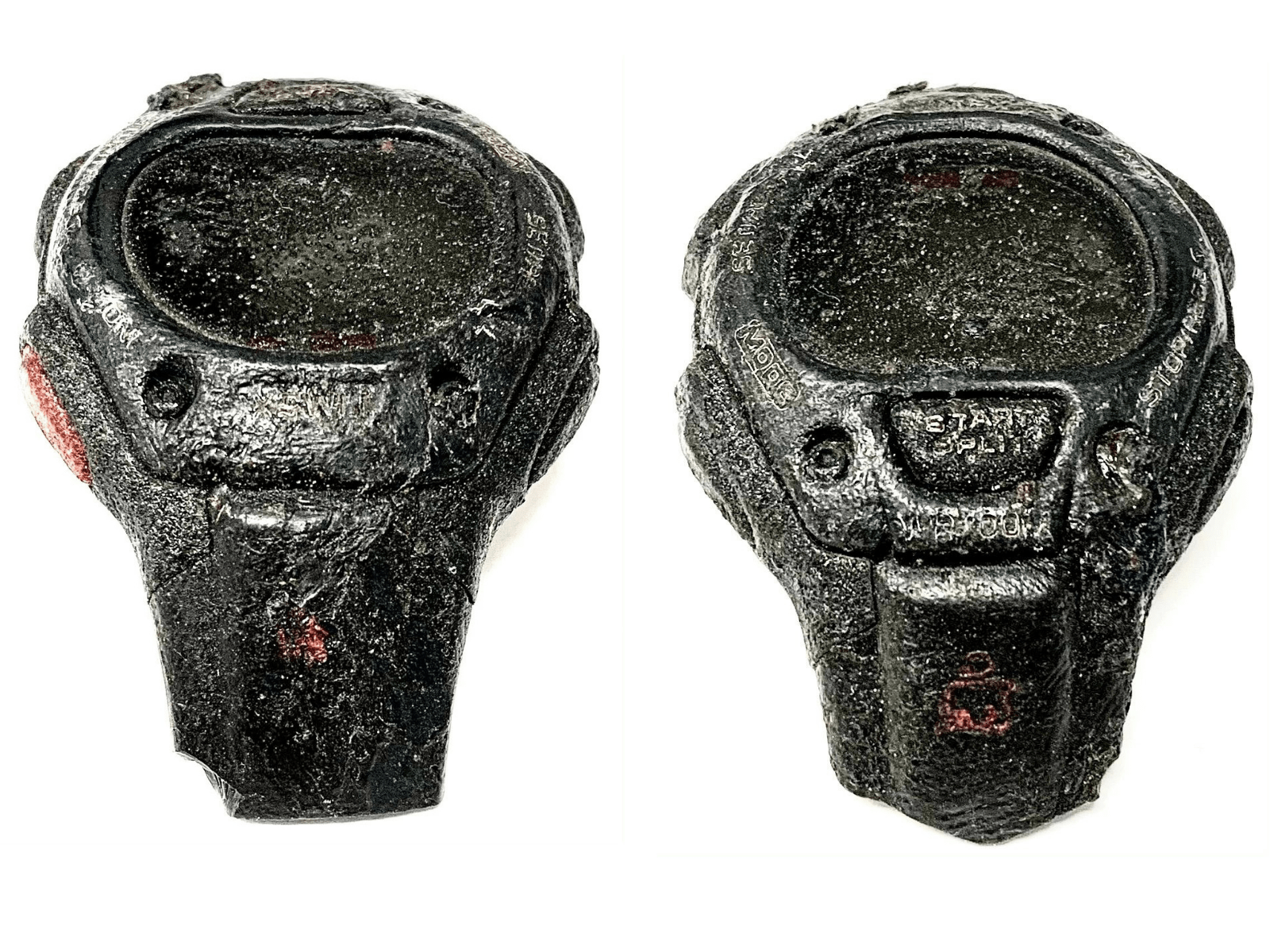
The watch Jason was wearing when the accident occurred.
ProGARM – The Arc Flash Specialists

Arc Flash Protection |
Arc Clothing |
Polo Shirts |
Jackets |
Coveralls |
Trousers |
Helmets |
Gloves
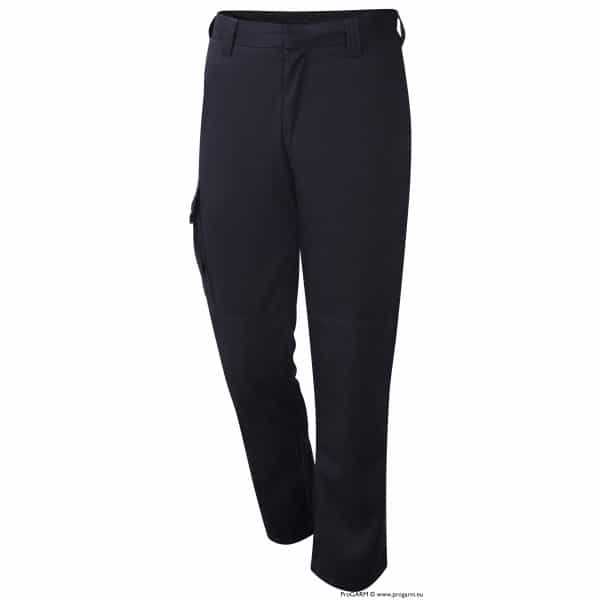
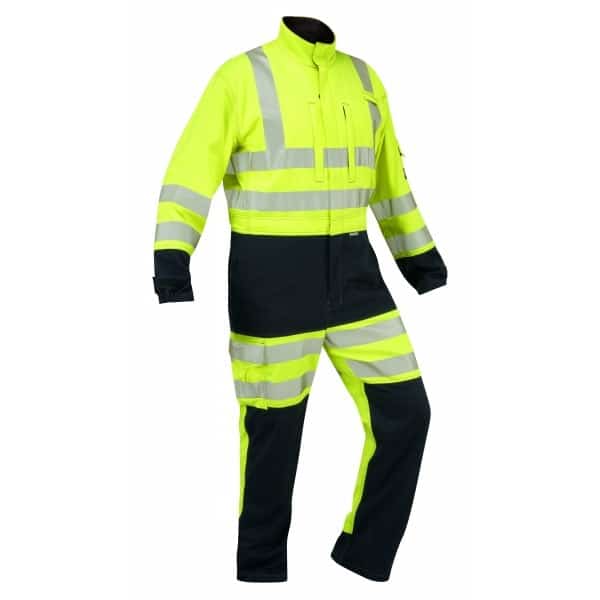
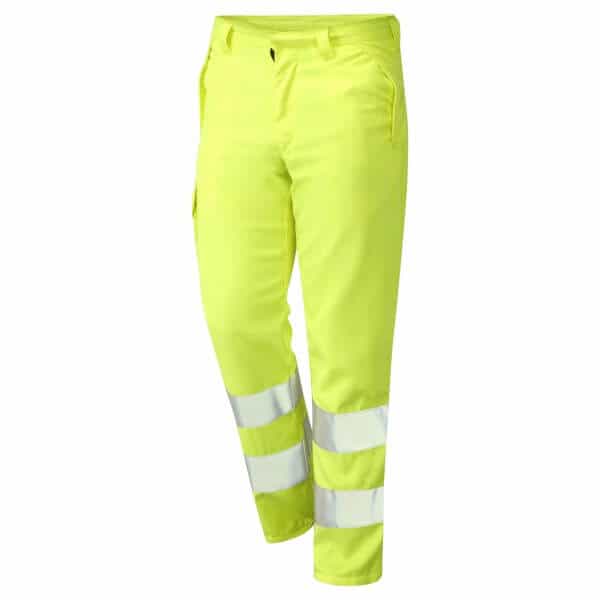
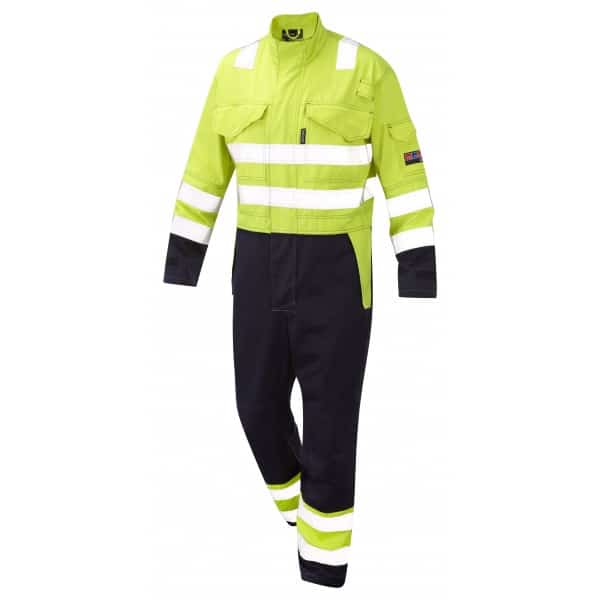
Thorne & Derrick distribute a range of lifesaving arc flash protective clothing from ProGARM. ProGARM is a leading UK manufacturer of Flame Resistant and Arc Flash clothing, garments and workwear.
As national distributors of LV, MV & HV cable installation, jointing, substation and electrical equipment, Thorne & Derrick support UK and international businesses involved in cable installation, jointing, substations, overhead lines and electrical construction. Our customers work across LV, 11kV, 33kV and EHV applications.
ProGARM explains its approach to arc flash protection:
“At ProGARM our mission is protect lives through the manufacture and supply of exceptional quality Arc Flash and Flame Resistant Clothing. Being the only specialist Arc Flash protection manufacturer in the UK we focus on providing the best protection possible to those who work at risk of Arc Flash on a daily basis with our inherent, specialist garments and industry-leading innovation.
Supporting Utilities, Power Generation, Rail & Petrochemical industries we work with Thorne & Derrick to educate, inform and supply those who work at risk everyday allowing us to keep protecting lives throughout the UK & beyond.”
Arc Flash Learning & Resources

Thorne & Derrick are proud distributors of ProGARM arc flash coveralls and protective clothing.
We can help. If you need arc flash calculators or advice about the clothing and protection available, please contact our team.
ProGARM Arc Flash Protective Clothing



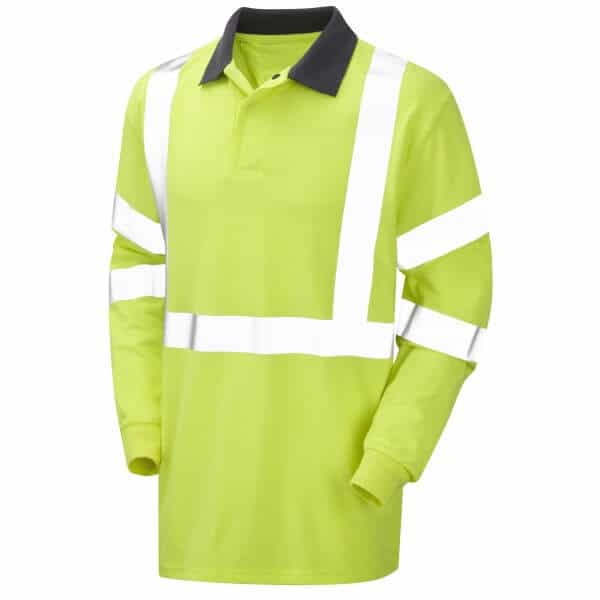


Closing Thought – statistics show that between eight and ten arc flash accidents occur in the UK every week. Protect yourself. Contact us to learn how.