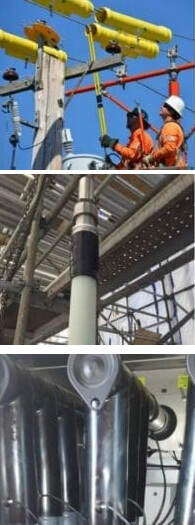
Arc Flash PPE Safety | Guidance On Protecting UK Rail Contractors
Published 12 Jan 2021
Arc Flash PPE Safety – Protecting UK Rail and Utility Contractors
STEP UP FOR SAFETY – Are we doing enough to protect civil engineering and utility contractors working within the railway boundary?

Guest Article: Republished with the kind permission of Integrum Power Engineering.
Arc flash PPE can help protect railway, civil engineering and utility contractors from severe electrical burns. However, protective clothing is only one part of managing electrical hazards.
Workers involved in excavation, power distribution and railway infrastructure may encounter live electrical equipment or buried cables. Without suitable precautions, accidental contact can result in electric shock, arc flash and serious injury.
Following an incident at Network Rail’s Godinton Substation in December 2018, Integrum Power Engineering raised an important question: are existing precautions sufficient for everyone working within the railway boundary?
This article examines the original discussion, electrical safety legislation, workplace incidents and practical steps for improving arc flash risk management.
About Integrum Power Engineering
Integrum Power Engineering provides power distribution engineering services across sectors including rail, utilities, renewables, oil and gas, and private electrical networks.
The company’s services include network modelling, fault analysis, protection system design and substation engineering.
Its original article highlighted the importance of protecting workers through appropriate engineering controls, risk assessment and safe working practices.
What Is an Arc Flash?
An arc flash is a dangerous electrical event involving the release of energy from an electrical arc.
Electrical arcing can generate intense heat and ultraviolet radiation. Depending on the circumstances, it may also produce pressure waves, molten metal and flying debris.
Workers exposed to these effects can suffer serious burns, eye injuries and other life-changing injuries.

What Causes an Arc Flash?
An electrical arc can occur when insulation fails or an unintended conductive path develops between energised components.
Potential causes include equipment defects, contamination, accidental contact and damage to electrical cables.
For example, a powered excavation tool striking a live underground cable may create an electrical fault and expose the operator to serious injury.
The original Integrum article described arc temperatures ranging from 5,000°C to 20,000°C. These figures illustrate the extreme temperatures that electrical arcs can reach, although the actual conditions vary between incidents.
Arc Flash Hazards
Depending on the electrical system and incident, an arc flash may produce:
- Severe thermal burns.
- Intense light and ultraviolet radiation.
- Molten metal and hot particles.
- Pressure waves and flying debris.
- Damage to electrical equipment.
- Fire and secondary injuries.
For this reason, workers need suitable electrical safety procedures before undertaking tasks that could expose them to an arc flash hazard.
Arc Flash Incidents and Workplace Safety Statistics
The original Integrum Power Engineering article highlighted concerns about electrical incidents in the UK.
It referenced figures of approximately 60,000 underground cable strikes annually, alongside around 1,000 workplace electrical incidents reported to the HSE each year.
The article also cited approximately 25 fatalities per year associated with electrical incidents.
However, these are historical figures from the original publication. They have not been independently verified as current annual statistics.

Research into Arc Flash Awareness
The article also referenced research by ProGARM.
According to the original research, 57% of surveyed electrical workers had either experienced an arc flash incident or witnessed someone else being affected.
Although this finding raised concerns about electrical safety awareness, it represents the cited survey rather than a verified incident rate across the entire workforce.
Why Accurate Incident Reporting Matters
Reliable incident data helps organisations understand electrical hazards and improve their prevention measures.
However, statistics covering electrical injuries do not necessarily distinguish arc flash incidents from electric shocks or other electrical accidents.
Therefore, employers should use relevant incident information alongside task-specific risk assessments and workplace investigations.

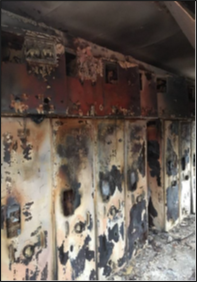
Historical arc flash injury illustration from the original article – USA.
UK Arc Flash Legislation and Employer Responsibilities
UK health and safety legislation requires employers to assess and manage risks arising from electrical work.
This includes the potential for injury caused by electrical arcing, burns, shock and explosions.
Electricity at Work Regulations 1989
Regulation 4(1) of the Electricity at Work Regulations 1989 states:
“All systems shall at all times be of such construction as to prevent, so far as is reasonably practicable, danger.”
The regulations also address injuries associated with electrical shock, burns, explosions and arcing.
Consequently, employers and duty holders must consider these hazards when planning electrical work.
Management of Health and Safety at Work Regulations 1999
Regulation 3 requires employers to undertake suitable and sufficient assessments of relevant workplace risks.
These assessments must consider employees and other people who may be affected by the employer’s activities.
For example, electrical contractors working near underground cables may face hazards that require specific controls.
The assessment should identify appropriate measures for reducing these risks.
Other Relevant Health and Safety Legislation
The original article referred to several additional regulations:
- Health and Safety at Work etc. Act 1974 – General duties relating to workplace health and safety.
- Personal Protective Equipment at Work Regulations – Requirements relating to suitable workplace PPE.
- Provision and Use of Work Equipment Regulations 1998 (PUWER) – Requirements for suitable equipment and its safe use.
- Electricity at Work Regulations 1989 – Duties relating to electrical systems and work activities.
Employers should consult current legislation and applicable guidance when developing their electrical safety arrangements.
HSE Enforcement and Arc Flash Risk
The original article highlighted enforcement activity involving electrical arc hazards.
It reported 37 HSE enforcement notices relating to arc flash during an unspecified historical period.
These notices were described as including both improvement and prohibition notices.
Why Electrical Safety Enforcement Matters
Enforcement action may identify weaknesses in electrical risk assessment, equipment safety or workplace procedures.
However, the circumstances of each case determine which legal requirements apply.
For this reason, organisations should not rely on historical enforcement figures alone when assessing their responsibilities.
Instead, they should ensure that electrical hazards are identified and managed through suitable working arrangements.
Network Rail’s Response to the Godinton Substation Incident
An incident at Network Rail’s Godinton Substation in December 2018 prompted further discussion about arc flash protection.
The original article reported changes to PPE arrangements for particular Network Rail Distribution and Plant maintenance and project personnel.
These arrangements applied to specified activities within traction and non-traction distribution locations.
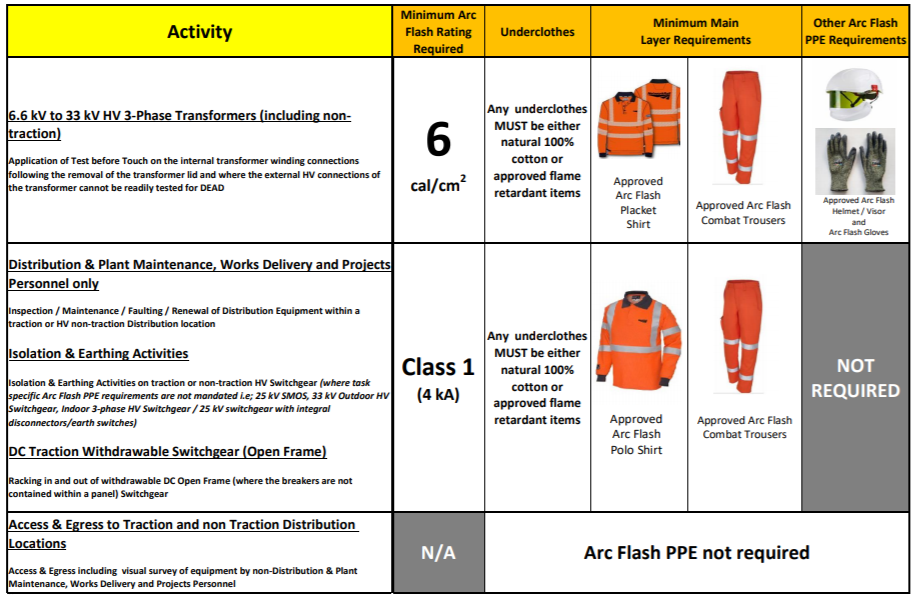
Arc Flash PPE Requirements Described in the Article
The original article identified the following clothing arrangements:
- Main clothing layer: Arc flash polo shirt and arc flash cargo trousers.
- Base layers: Natural 100% cotton or approved flame-retardant garments.
These requirements reflect the arrangements reported at the time. They should not be treated as Network Rail’s current PPE policy.
Workers must follow the latest applicable Network Rail standards, employer procedures and site-specific risk assessments.
Are All Railway Contractors Adequately Protected?
Integrum Power Engineering questioned whether enhanced protection should extend to a wider range of civil engineering and utility contractors.
For example, workers excavating near live electrical cables may face serious hazards even when their primary task is not electrical maintenance.
Therefore, the assessment of arc flash exposure should consider the actual work and electrical environment.

Underground Cable Strike – Amey Contractor Case Study
The original article described a serious underground cable strike involving a contractor working on behalf of Amey in May 2015.
The worker was removing the bottom of a concrete service box using a handheld breaker to install a cable duct.
During the work, the tool struck a live 11kV electrical cable beneath the structure.
Consequences of the Cable Strike
According to the original account, the worker suffered an electric shock and severe burns after their clothing caught fire.
The injuries affected several areas of the body and required extensive medical treatment.
The article reported that the worker spent two weeks in a medically induced coma and underwent multiple skin grafts.
It also described lasting injuries affecting eyesight, heart rhythm and hand function.
These details demonstrate the potentially devastating consequences of contact with underground high voltage cables.
Safety Improvements Following the Incident
The article reported that Amey reviewed its procedures following the accident.
Actions described included:
- Reviewing safe systems of work.
- Reassessing electrical risk management.
- Introducing enhanced arc flash PPE requirements.
- Appointing an Electrical Duty Holder.
- Improving risk assessment procedures.
- Providing additional supervisor training.
These actions were reported in the historical case study. Current company procedures may differ.
Preventing Underground Cable Strikes
Before excavation, contractors must plan the work and identify underground services.
For example, cable records, locating equipment and suitable digging methods can help reduce the risk of accidental contact.
Powered excavation tools can present particular dangers when used close to live electrical cables.
Therefore, workers must follow the approved excavation methodology and relevant safety guidance.
Never assume a buried electrical cable is safe to strike or disturb.
Arc Flash Risk Management – Six Good Practices
Integrum Power Engineering identified six practical measures for improving arc flash safety.
These measures can help organisations develop a structured approach to electrical risk management.
1. Assess Arc Flash Incident Energy
Where appropriate, calculate the potential incident energy and arc flash boundary for relevant electrical equipment.
These calculations help engineers understand the thermal exposure associated with particular fault conditions.
2. Provide Suitable Equipment Information
Identify where equipment labels or other safety information are required.
For example, labels may communicate calculated incident energy or relevant PPE requirements where specified by the organisation’s safety arrangements.
3. Reduce Incident Energy Where Practicable
Assess whether engineering or operational measures can reduce the potential severity of an arc flash.
For example, equipment design and protective device operation may influence the duration and consequences of a fault.
4. Carry Out Task-Based Risk Assessments
Assess the hazards associated with the specific work being undertaken.
This is particularly important when workers may be exposed to electrical equipment or live underground services.
5. Provide Suitable Training and Competence
Workers need to understand relevant electrical hazards and the precautions required for their tasks.
Training should support safe working procedures, incident prevention and correct PPE use.
6. Include Contractors and Visitors
Electrical risk management must consider everyone who may be affected by the work.
For example, contractors and visitors should receive the safety information relevant to their access and activities.
These six measures can support a wider programme of electrical safety management.
Is an Arc Flash Study a Legal Requirement in the UK?
UK legislation requires suitable and sufficient assessments of workplace risks, including relevant electrical hazards.
However, it does not prescribe a single universal arc flash calculation or study for every electrical installation.
The necessary assessment depends on the equipment, working conditions and potential exposure.
What Must Employers Consider?
Employers must identify electrical hazards and implement reasonably practicable precautions.
For example, the risk assessment may need to consider:
- The electrical system and available fault energy.
- The tasks being undertaken.
- Potential exposure to energised equipment.
- The likelihood and consequences of an electrical fault.
- Safe isolation and working procedures.
- Engineering and operational controls.
- Required worker training.
- Appropriate PPE for remaining risks.
Specialist calculations may be necessary to support the assessment in some circumstances.
However, competent technical judgement is required to determine the appropriate method.
Arc Flash Awareness – Research and Industry Attitudes
The original article referred to research associated with ProGARM and the British Safety Industry Federation (BSIF).
The survey highlighted concerns about employer and employee understanding of arc flash responsibilities.
Historical Survey Findings
The article reported the following results:
| Reported Result | Survey Finding |
|---|---|
| 84% | Reported understanding the risks associated with arc flash. |
| 57% | Reported awareness of someone who had suffered an arc flash injury. |
| 90% | Supported revised government guidance or additional legislation addressing arc flash hazards. |
| 25% | The article reported that this proportion of employers placed sole responsibility for arc flash protection on employees. |
These figures reflect the research quoted in the original article. The full survey methodology and sample details were not provided in the supplied text.
Employer and Employee Responsibilities
Electrical safety requires cooperation between employers and employees.
However, employers cannot transfer their statutory duties to workers simply by supplying PPE or issuing instructions.
Suitable risk assessments, safe systems of work and appropriate training remain essential.
Workers also have responsibilities to follow relevant procedures and use protective equipment correctly.
Should Arc Flash PPE Be Required for More Railway Contractors?
The original Integrum article challenged the industry to consider stronger protective arrangements for civil engineering and utility contractors.
Its central concern was that workers outside traditional electrical maintenance roles could still face serious arc flash hazards.
For example, excavation near buried power cables can expose workers to electrical risks even when their work is primarily civil engineering.
Therefore, PPE requirements should be determined by the assessed hazards rather than job title alone.
Arc Flash PPE Is the Last Line of Defence
Protective clothing can reduce the consequences of some arc flash exposures.
However, it cannot prevent an excavation tool from striking an electrical cable.
Consequently, organisations must prioritise appropriate risk controls before relying on protective clothing.
The goal is to prevent the incident wherever reasonably practicable and protect workers against any remaining risks.
ProGARM Arc Flash Clothing and Protection
Thorne & Derrick supply ProGARM arc flash protective clothing for suitable electrical and industrial applications.
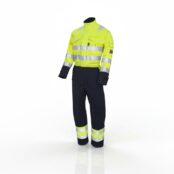
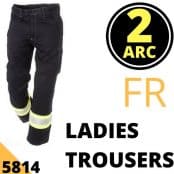
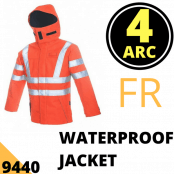
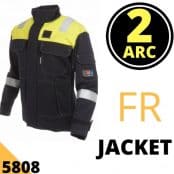
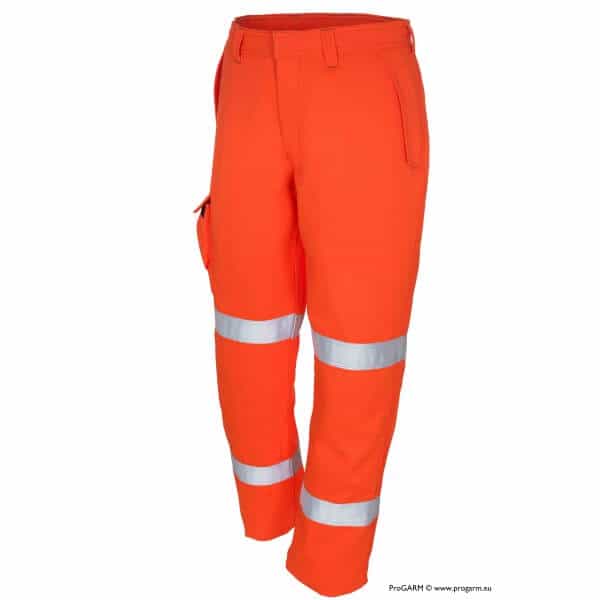
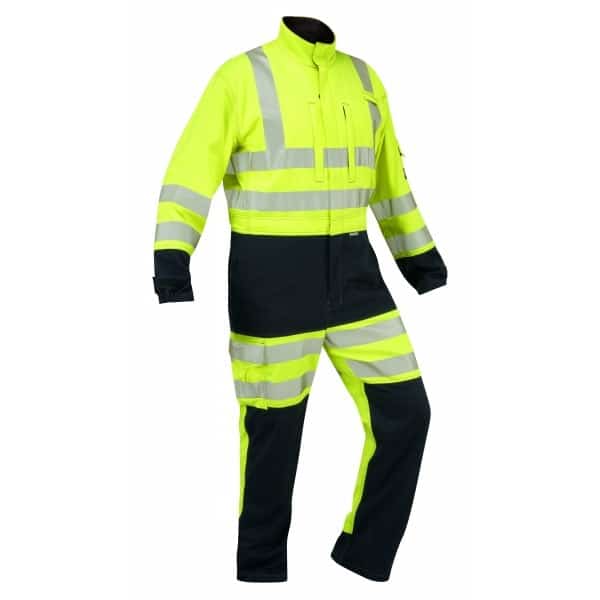
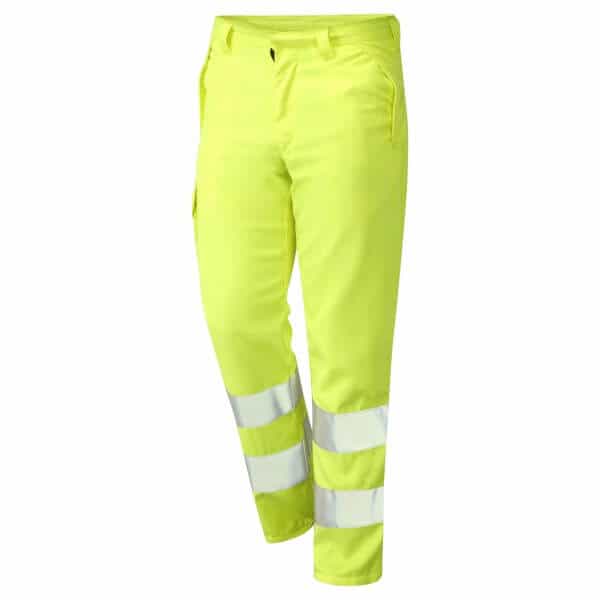
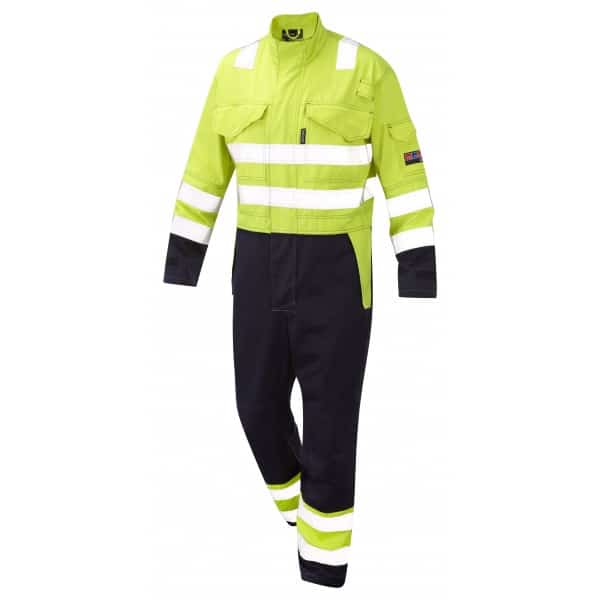
The range includes coveralls, trousers, polo shirts, jackets, gloves and other protective garments.
However, the correct PPE must be selected according to the applicable risk assessment and product ratings.

Polo Shirts | Jackets | Coveralls | Trousers | Gloves | Sweatshirts | Helmets
Arc Flash Clothing for Rail and Utility Contractors
Suitable protective clothing may be required during a range of electrical and infrastructure activities.
For example, these can include:
- Electrical substation work.
- Switchgear maintenance.
- Underground cable installation.
- Utility excavation.
- Electrical testing and commissioning.
- Power distribution maintenance.
- Railway electrical infrastructure work.
The required protection depends on the risks identified for the task.
Featured ProGARM Arc Flash Clothing
The original article featured the following 10 ProGARM garments.
We’ve retained their product references, photographs and links. Current ratings and availability should be confirmed before ordering.

|
|
|

|
|
|

|

|
|

|
Download Your Guide to Arc Flash Protection
Understanding arc flash hazards is an important part of managing electrical safety.
Our guide provides further information about electrical arc hazards and protective clothing.

Further Reading – Arc Flash Safety
Explore our related articles covering arc flash hazards, electrical safety and protective clothing.
- Arc Flash Clothing for Highways, Street Lighting and Utility Contractors.
- Arc Flash Dexterity Gloves from ProGARM.
- ProGARM Arc Flash Coveralls.
- Arc Flash Legislation and Regulations.
- Arc Flash PPE – Seven Top Considerations.
Thorne & Derrick – Arc Flash Clothing and Electrical Equipment
Thorne & Derrick International supply specialist equipment for LV, MV and HV electrical installation and maintenance.
Our range includes arc flash clothing and protection for suitable electrical work activities.
We also supply cable accessories and electrical safety equipment for utility, rail and industrial infrastructure.
Related Electrical Equipment
- Electrical Safety Equipment.
- MV and HV Cable Joints and Terminations.
- Cable Duct Seals.
- Cable Cleats and Supports.
- Cable Glands.
- Cable Jointing Tools.
- Cable Pulling Equipment.
- Earthing and Lightning Protection.
Enquire About Arc Flash PPE
Need protective clothing for railway, utility or electrical contractors?
Contact Thorne & Derrick to discuss product specifications and availability.
Please provide the protection requirements identified by your electrical risk assessment so our team can help identify appropriate garments.
VIEW ARC FLASH CLOTHING AND PROTECTION