Arc Flash Clothing & Protection For Safe Windfarm & Wind Turbine Working
Published 22 Nov 2018

Arc Flash Clothing and Protection for Wind Turbines
Uploaded by Chris Dodds – Thorne & Derrick Sales & Marketing Manager
Arc Flash Protection for Wind Turbines and Wind Farms
Arc flash is a serious electrical hazard that can cause severe burns, equipment damage and potentially fatal injuries. For technicians working inside wind turbines, the consequences can be particularly dangerous.
Wind turbine installation and maintenance involve several electrical risks. Therefore, understanding arc flash hazards is essential for protecting workers.
Suitable arc flash clothing and electrical safety equipment can help reduce the severity of injuries when correctly selected and used.
However, protective clothing is only one part of an effective electrical safety programme. Safe isolation, risk assessment and suitable working procedures must remain the priority.
Electrical Safety in Wind Turbine Maintenance
Wind turbine technicians work with electrical equipment in demanding environments. In addition, access to equipment may be restricted by the design of the turbine.
For example, electrical cabinets and switchgear may be installed inside the nacelle or tower.
Consequently, an electrical incident can create serious challenges for both the affected worker and emergency response teams.
Appropriate protective equipment may include:
- Arc flash helmets and visors.
- Electrical insulating boots.
- Arc flash protective gloves.
- Arc-rated coveralls, jackets and trousers.
- Additional electrical safety equipment appropriate to the task.
Importantly, every item must suit the identified hazards. Electrical insulating protection and arc thermal protection serve different purposes and may both be required.
Understanding Arc Flash Risks in Wind Turbines
Electrical safety is a major consideration for wind farm operators and maintenance contractors.
Although workers may be familiar with conventional electrical hazards, arc flash requires specific attention.
An arc flash occurs when electrical current passes through an unintended path, releasing intense energy.
As a result, workers may be exposed to extreme temperatures, pressure waves, molten metal and intense light.
Can Arc Flash Occur on Low Voltage Systems?
Arc flash is not limited to high voltage electrical equipment. In fact, serious incidents can also occur within low voltage systems.
For example, LV switchboards and distribution equipment can contain substantial fault energy.
Consequently, technicians should not assume that lower operating voltage means a low arc flash risk.
Older electrical equipment may require particular attention during refurbishment, repair or maintenance.
These activities are sometimes described as the three Rs: retrofit, refurbishment and repair.
Modern Switchgear and Arc Flash Protection
Modern electrical equipment may incorporate features designed to reduce arc flash risks.
For example, insulated busbar assemblies, arc detection relays and arc-quenching technologies can help limit certain fault consequences.
Manufacturers such as Eaton provide switchgear incorporating protective technologies for suitable electrical applications.
However, these systems cannot eliminate every arc flash hazard.
Therefore, engineers must assess the complete electrical installation rather than relying on equipment design alone.
De-Energising Electrical Equipment
Wherever reasonably practicable, electrical equipment should be safely isolated before work begins.
In addition, suitable procedures must establish that the equipment is dead before maintenance starts.
Unexpected energisation can occur if isolation procedures are inadequate or incorrectly implemented.
Consequently, safe systems of work, competent personnel and appropriate verification are essential.
Arc flash protective clothing provides additional protection where an assessed residual risk remains. Nevertheless, it must never replace safe electrical isolation.

Image: Safety Management Services, Inc.
Wind Turbine Arc Flash Incident – Case Study
The Consequences of an Electrical Fire
An electrical incident can cause extensive damage to a wind turbine.
The original case study described a turbine that suffered severe fire damage. Fortunately, no injuries were reported.
However, the nacelle sustained damage significant enough to require replacement.
As a result, the incident created major operational and financial consequences.
Why Wind Turbine Arc Flash Incidents Are Dangerous
Wind turbines present additional challenges when an electrical emergency occurs.
For example, technicians may be working high above ground level inside a nacelle.
If an injury occurs, rescue teams may need specialist equipment and procedures to reach the affected worker.
Furthermore, offshore wind turbines can be located considerable distances from emergency services.
Consequently, access restrictions and environmental conditions may delay medical assistance.
This makes effective prevention, emergency planning and electrical safety procedures particularly important.
Wind Energy Industry Growth
At the time of the original article, the UK wind energy sector was continuing to expand.
By September 2018, the sector had approximately 9,088 wind turbines with a total installed capacity exceeding 20.1GW.
The reported capacity included:
- Onshore wind: 12,222MW.
- Offshore wind: 7,907MW.
These historical figures demonstrate the scale of the industry at the time.
As wind power capacity expanded, safe installation and maintenance practices remained essential.
Investigating the Wind Turbine Electrical Fire
According to the original case study, Vestas technicians attended the affected wind turbine in April 2018.
The team carried out a damage assessment and investigated the cause of the fire.
In addition, an engineer involved in the insurance assessment examined the affected equipment.
The investigation identified an arc flash event as the reported cause of the electrical fire.
Consequently, the nacelle suffered extensive damage.
Wind Turbine Nacelle Replacement
Following the investigation, Vestas declared the nacelle a total loss.
However, the tower and foundation were considered suitable for reuse.
The client was therefore presented with options involving decommissioning or replacement of the damaged turbine components.
Meanwhile, removal of the damaged nacelle formed part of the site recovery work.
The original article reported that clearance work took place during 2018.
Financial and Operational Consequences
Arc flash incidents can cause substantial financial losses, even when nobody is injured.
For example, damage to essential turbine equipment may prevent electricity generation.
In addition, repairs can involve specialist contractors, replacement components and extended shutdown periods.
Potential consequences include:
- Lost generation revenue: Electricity production may stop while equipment remains unavailable.
- Extended downtime: Repairs and replacement work can take considerable time.
- Equipment replacement: Electrical systems and structural components may require replacement.
- Emergency response costs: Specialist recovery and investigation work may be necessary.
- Reputational impact: Serious incidents can affect stakeholder confidence.
Consequently, preventing electrical incidents supports both workforce safety and operational reliability.
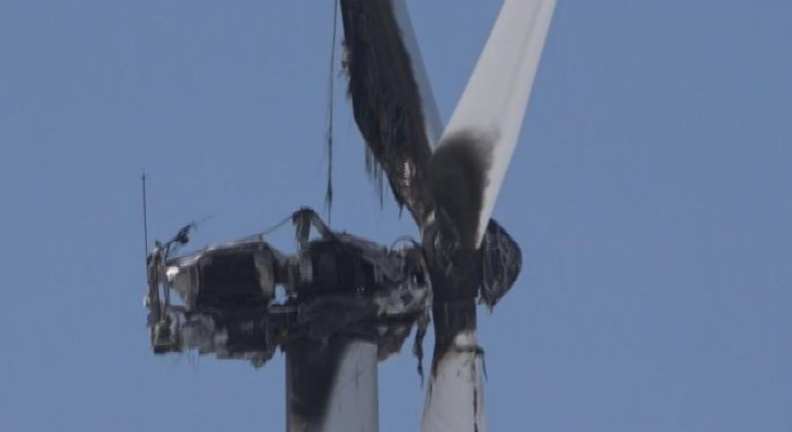

Image: Crown Estates
What Is an Arc Flash?
An arc flash is the rapid release of electrical energy caused by an arcing fault.
During the incident, electrical current passes through an unintended path, often involving air between conductive components.
As a result, the surrounding air can become extremely hot while metal components may melt or vaporise.
Arc flash temperatures can reach approximately 20,000°C under certain conditions.
However, the severity of an incident depends on the available fault current, protective device operation and other electrical factors.
What Happens During an Arc Flash?
An arc flash can release several dangerous forms of energy almost instantly.
For example, the intense heat can ignite clothing and cause severe burns.
Furthermore, expanding gases may create a powerful pressure wave.
The incident can also release molten metal and other hazardous material.
Consequently, workers may suffer multiple injuries during a single event.
Arc Flash Burns and Thermal Injuries
Thermal energy is one of the most serious arc flash hazards.
During an incident, intense radiant heat can cause severe skin burns within a very short period.
In addition, ordinary clothing may ignite or melt, increasing the severity of injuries.
As a result, suitable arc-rated clothing can help reduce burn injuries when correctly selected for the assessed exposure.
However, protective clothing does not eliminate the risk of injury.
Pressure Waves and Flying Debris
Arc flash events may also produce rapid pressure changes.
Depending on the fault energy and equipment enclosure, these pressure effects can be severe.
Furthermore, damaged electrical components may release molten metal or fragments.
Consequently, workers can face impact injuries as well as thermal burns.
Eye and Hearing Injuries
The intense light generated by an arc flash can damage eyesight.
In addition, an electrical arc may produce a loud acoustic event capable of affecting hearing.
Therefore, the overall risk assessment should consider face, eye and hearing protection.
Suitable protective equipment must be selected for the expected hazards and working conditions.
When Can Arc Flash Occur in Wind Turbines?
Arc flash incidents can occur during electrical installation, inspection, testing and maintenance.
Although both LV and HV systems present risks, the severity depends on the available electrical energy and working conditions.
For example, hazardous situations may arise during:
- Opening electrical cabinets that contain energised equipment.
- Testing electrical circuits to verify isolation.
- Applying or removing lockout and tagout devices.
- Troubleshooting energised electrical equipment.
- Working near exposed live conductors.
- Maintaining or replacing electrical switchgear.
- Excavation work where underground electrical cables may be present.
However, these activities do not all present the same level of arc flash exposure.
Therefore, each task requires an appropriate electrical risk assessment.
Arc Flash Risks in Onshore and Offshore Wind Farms
Both onshore and offshore wind turbines contain electrical systems that may present arc flash hazards.
In addition, technicians may encounter different voltages and equipment designs across individual installations.
For this reason, safety procedures must reflect the specific electrical system and maintenance task.
Furthermore, emergency response arrangements should consider the location and accessibility of the turbine.
Consequently, effective electrical safety management is essential across commercial wind farms and smaller turbine installations.
How to Protect Workers Against Arc Flash
Protecting workers from arc flash requires a combination of engineering controls, safe working procedures and suitable personal protective equipment.
First, unnecessary live electrical work should be avoided.
Where reasonably practicable, equipment must be safely isolated before maintenance begins.
Next, the remaining electrical hazards should be assessed using appropriate methods.
Finally, suitable arc flash PPE should be selected for any residual exposure.
Arc Flash Protective Clothing
Arc-rated clothing is designed to reduce thermal injuries caused by electrical arc exposure.
Depending on the risk assessment, protective clothing may include:
- Arc Flash Coveralls.
- Arc Flash Trousers.
- Arc-rated jackets and shirts.
- Arc flash hoods, helmets and visors.
- Suitable gloves and additional protective equipment.
Furthermore, clothing may be worn in approved layered combinations to achieve the required protection.
However, individual garment ratings should not simply be added together unless the complete clothing system has been appropriately evaluated.
Choosing the Correct Arc Rating
Arc-rated garments are selected according to the expected thermal exposure.
For example, the clothing may carry an arc rating expressed in cal/cm².
However, this value must be considered alongside the results of the electrical risk assessment.
Consequently, the correct garment cannot be selected using voltage alone.
Relevant factors include fault current, protection clearing time, working distance and equipment configuration.
Inherent and Treated Protective Fabrics
Arc flash garments may use inherently flame-resistant fibres or suitably treated materials.
Both approaches can provide protection when the garments meet the required standards.
However, performance depends on the complete fabric and garment construction.
Furthermore, incorrect washing, contamination or damage may affect protective performance.
Therefore, workers should follow the manufacturer’s care, inspection and replacement instructions.

Arc Flash Risks and Prevention in Wind Turbines and Wind Farms
Arc Flash Clothing and Electrical PPE
Thorne & Derrick supply specialist arc flash clothing and electrical PPE for electrical installation and maintenance applications.
Our product range includes protective workwear for utility, industrial and renewable energy environments.
In addition, suitable clothing can help protect technicians working on underground cables, overhead lines and electrical equipment.
However, PPE selection must follow the findings of the relevant risk assessment.
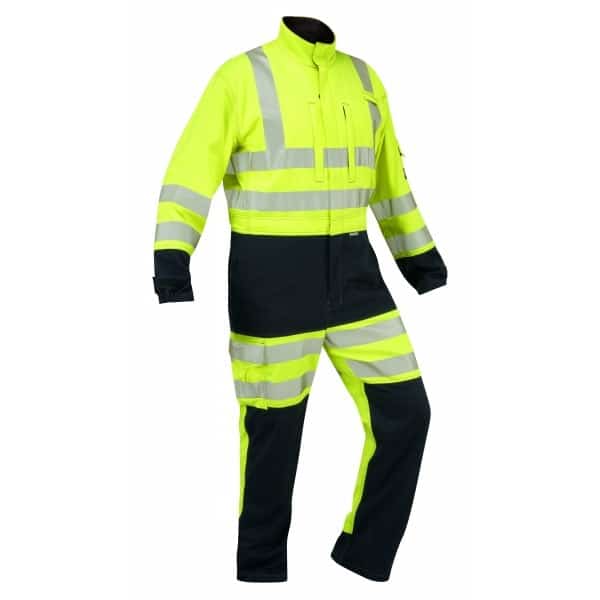
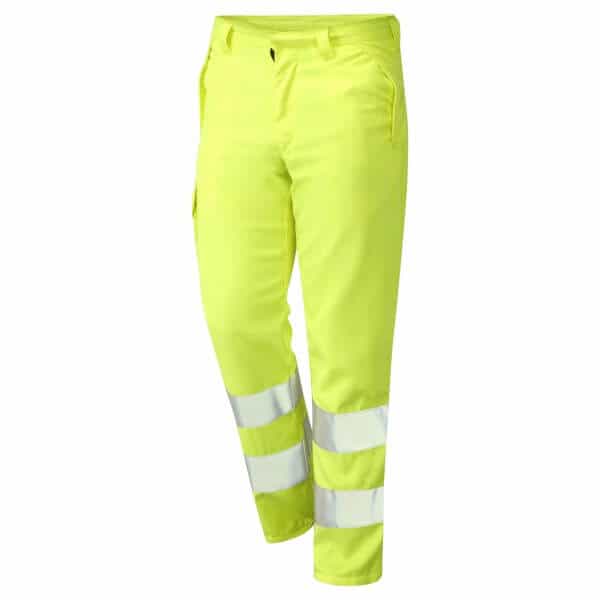
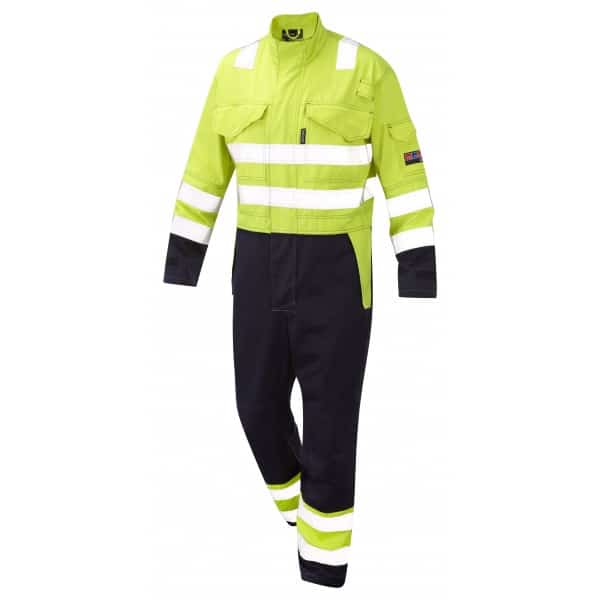
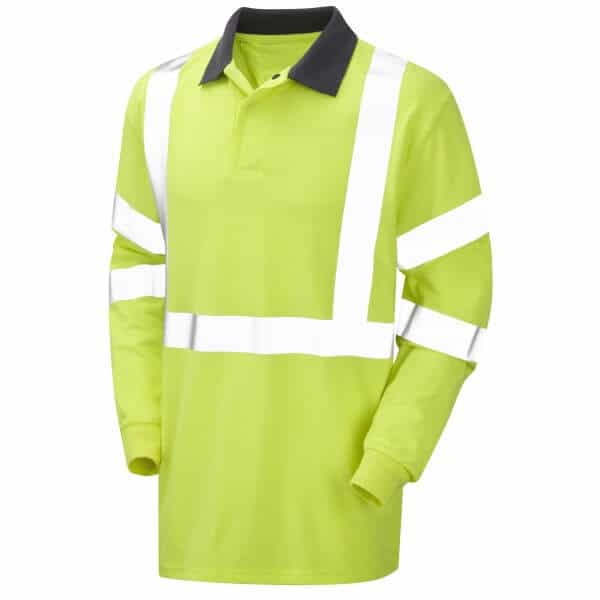
ProGARM Arc Flash Clothing Range
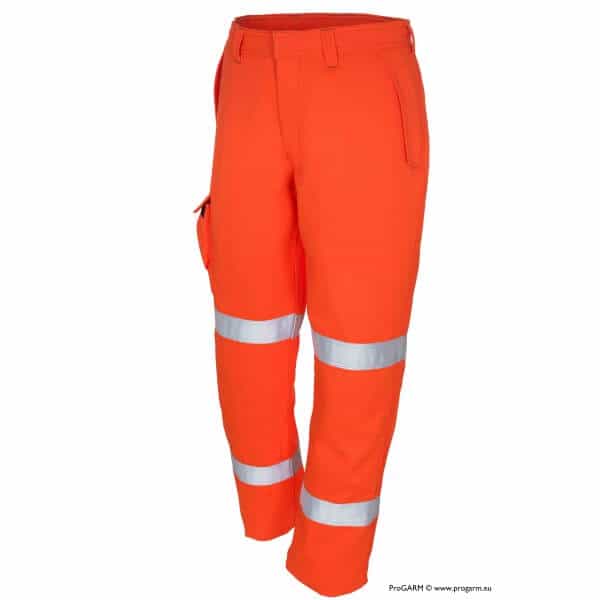
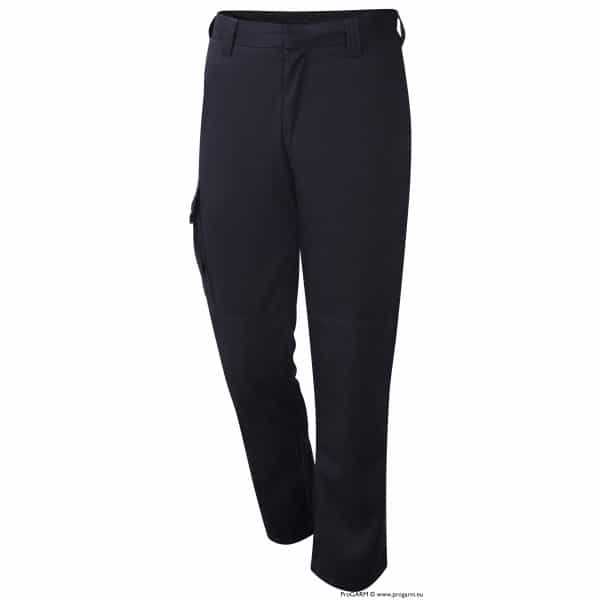
The following products illustrate examples of ProGARM protective clothing featured in the original article.
These include coveralls, trousers and polo shirts for different electrical working environments.
Furthermore, individual products provide different levels of protective performance.
Therefore, garment specifications, arc ratings and certification should be checked before selection.



For further information about protective clothing and current product availability, contact Thorne & Derrick.
Our team can help identify products that match your specified arc flash protection requirements.
Download Your Guide to Arc Flash Protection
Understanding arc flash hazards is essential for anyone working on electrical equipment.
For example, protective clothing selection should consider the expected incident energy and relevant technical standards.
In addition, workers need suitable training and clearly defined electrical safety procedures.
Explore our guide to learn more about arc flash hazards and protective clothing.
Download Your Guide to Arc Flash Protection

Thorne & Derrick – Electrical Safety and Cable Accessories
Thorne & Derrick are specialist distributors of electrical equipment and cable accessories for LV, MV and HV power networks.
Our range supports utilities, contractors and engineers working across renewable energy, industrial and infrastructure projects.
In addition, we supply specialist electrical safety equipment for installation, inspection and maintenance activities.
Products include arc flash protective clothing, insulating equipment and cable installation accessories.
Furthermore, our technical sales team can assist customers with product information and selection requirements.

MV and HV Cable Joints, Terminations and Connectors
Alongside electrical safety products, Thorne & Derrick supply specialist MV and HV cable accessories.
Our range includes joints, terminations and connectors for power distribution and electrical infrastructure projects.
In addition, we work with established manufacturers including 3M Electrical, Nexans Euromold and PFISTERER.
These products support electrical networks operating at 11kV, 33kV and 66kV, depending on the selected accessory.
For technical advice, product selection or availability, contact Thorne & Derrick.

HV Cable Joints, Terminations and Connectors | Nexans Euromold | PFISTERER | 11kV, 33kV and 66kV Cable Accessories