Why Liners are Essential in Cable Cleats and Cable Straps: Protecting Cables, Performance, and Safety
Published 23 Jan 2026
Why Liners are Essential in Cable Cleats and Cable Straps: Protecting Cables, Performance, and Safety
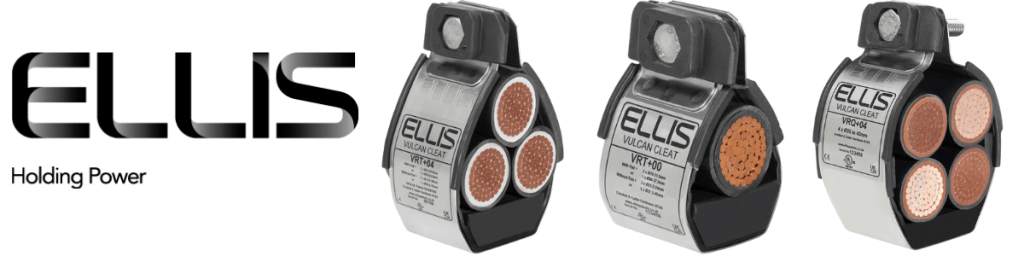
When it comes to electrical power installations from LV distribution to MV/HV power networks the small details make a big difference. One element often overlooked by designers and installers is the liner in cable cleats and cable straps. Although seemingly minor, liners play a critical role in cable protection, system reliability, and regulatory compliance, particularly in high-fault environments, as highlighted by manufacturers such as Ellis Patents through extensive testing and field experience.
What is a Cable Cleat?
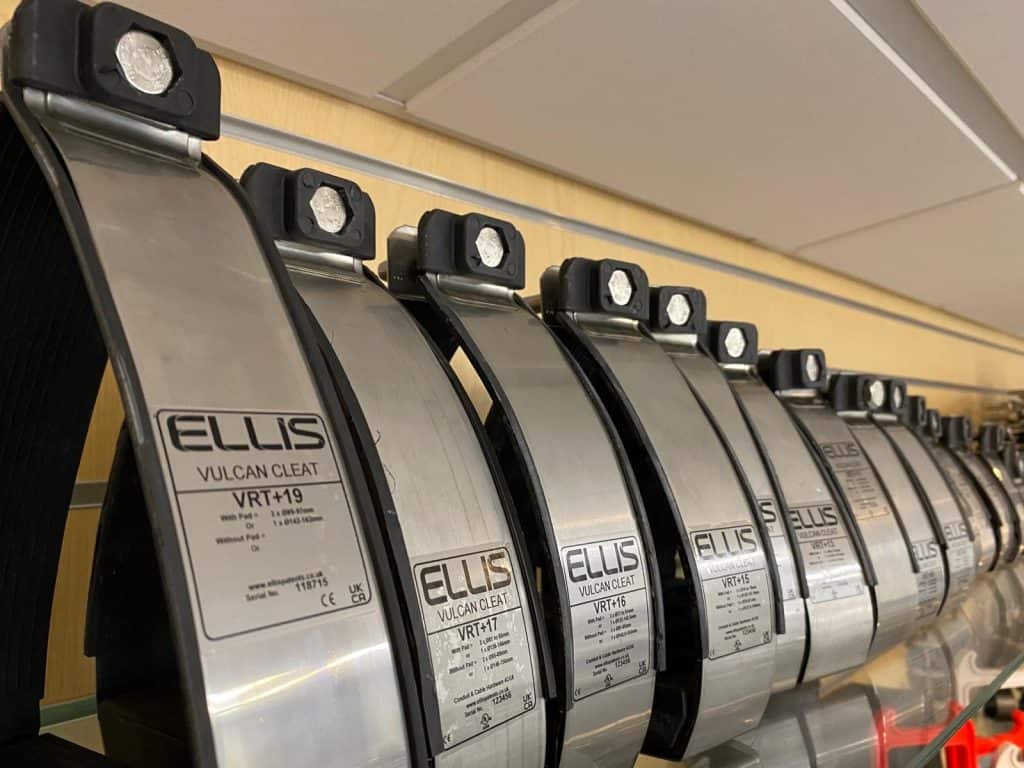
Cable Cleats are devices used to secure, fix, strap and support electrical power cables in an installation, ensuring safe operation and prevention of damage or injury, specifically in the event of a short circuit. Cable Cleats in Data Centres are ultimately purposed to increase/enhanced safety, organisation, cable protection, containment and ensure optimal performance. Typically, Cable Cleats are designed to be attached to various surfaces, such as ladders, trays, struts, rails, or beams.
What Are Cable Liners?
In the context of cable support hardware, liners are protective layers placed between the cable’s outer sheath and the rigid surface of a cleat or strap. They’re typically made from polymeric or elastomeric materials that cushion and protect the cable while still allowing the cleat to perform its fundamental role — holding cables securely in place.
Linings are engineered to be compatible with a wide range of cable types and environments and are often supplied with specific cleat models where the manufacturer has identified a need for additional protection through compliant or energy-absorbing materials.

The Critical Role of Liners
While cable cleats and straps are designed to secure cables against movement, especially during high-fault conditions, the interface between metal hardware and the cable sheath can be a point of vulnerability if liners are not used. Here’s why liners matter:
1. Prevent Sheath Damage and Ground Faults
Cables are engineered with a protective outer sheath that guards against moisture ingress, abrasion, and environmental stress. Direct contact between bare metal cleats or straps and this sheath particularly under the high forces generated during short circuit events can cause abrasion, deformation, or even cutting through the cable sheath. If the conductor or screen is compromised, a ground fault or insulation failure can occur risking safety and operational performance.
2. Cushion Against Mechanical Stress
During operation, cables undergo thermal expansion and contraction, vibration from mechanical systems, or dynamic loads during electrical faults. Liners act as a cushion that distributes mechanical pressure evenly, helping to absorb these stresses without weakening the cable jacket and maintaining the integrity of the installation over time.
3. Improve Reliability and Lifespan
Even without catastrophic damage, continuous friction, vibration, or contact pressure can cause small micro-abrasions to the cable sheath over time. This accelerates wear and shortens cable service life, leading to more frequent maintenance, replacement costs, and potential failure downtime. Proper liners help mitigate gradual degradation.
4. Support Regulatory and Standard Compliance
International standards such as IEC 61914 which governs the specification and testing of cable cleats emphasise mechanical protection and appropriate cable restraint for safety and compliance. Omitting liners where they’re called for in a specification can lead to non-compliance and additional risk for installers and certifiers, potentially affecting liability and acceptance.
When and Where Liners Are Most Important
Not every cable application requires liners, but they are especially critical in the following scenarios:
-
High-Voltage and Medium-Voltage Cables: Softer insulations or XLPE sheaths can be particularly vulnerable under short circuit forces.
-
Single-Core Power Cables: These often lack internal support, making the external sheath critical for mechanical protection.
-
Soft Sheath Materials: EPR, PVC, or elastomeric jackets can be more easily damaged by point loads.
-
Vibratory or Thermal Cycling Environments: Machinery, transit systems, or industrial settings where cables are subjected to movement or temperature swings.
Best Practices for Liners in Cleat and Strap Installations
To get the best out of liner-equipped support hardware, follow these practices:
Follow Manufacturer Guidance
If the cleat or strap design specifies a liner, always use it do not substitute or omit without consulting technical documentation.
Select the Right Liner Material
Polymeric liners (such as low smoke zero halogen types used in many MV/HV applications) provide not only mechanical protection but also help mitigate smoke and toxic emissions in fire scenarios.
Inspect During Installation
Ensure liners are properly seated and not displaced during tightening. Misaligned liners can cause point loading, defeating the protective intent.
Document Compliance
Keeping installation records that show liners were specified and correctly installed supports quality assurance and regulatory compliance critical on high-stakes power projects.
Small Component, Big Impact
Cables are the lifeblood of electrical power systems and even the most robust power infrastructure is only as reliable as the components that support it. Liners in cable cleats and straps may be small, but they play a critical role in cable protection, system reliability, and safety compliance.
By understanding why liners matter — and applying best practices during specification and installation engineers and installers help ensure safer, longer-lasting and more resilient electrical systems.
 Ellis patents
Ellis Patents based in the UK are world leading manufacturers of cable cleats and cable clamps used to clamp and support LV-MV-HV cables – this includes cable support and management products to provide short circuit protection for 600V, 11kV-33kV-66kV and medium/high voltage power cables in single, trefoil or bundled formation up to 400kV.
Further Reading
-
 Ellis Patents – The Black Book Guide To Cable Cleats
Size: 5.75 MB
Ellis Patents – The Black Book Guide To Cable Cleats
Size: 5.75 MB