Whitepapers | G&W Electric
Submersible Switch Applications By G&W Electric
January 7th, 2021
Submersible Switch Applications
G&W Electric
The following Case Study by G&W Electric and presented by Thorne & Derrick describes the features of submersible switch applications in underground distribution systems.
Thorne & Derrick are Specialist Distributors of Substation, Electrical Safety, Cable Jointing & Accessories to UK and international utilities and contractors providing electrical power at distribution and transmission voltage levels.
G&W Electric Submersible Vault Switches are totally submersible to IP68 standards and offer the following additional features:
Construction: Compact, dead-front construction
Cable Entrance: Cable entrance flexibility, either top, bottom, side or front
Standards: Designed to international industry standards
Interrupting Capability: Load and fault interrupting capability
Configurations: Multi-way configurations
Operating Options: Options for operation outside the vault
Insulation: SF6 or solid deielctric insulation
Ratings: Ratings through 38kV, 25kA symmetric
Designs: Fully automated designs
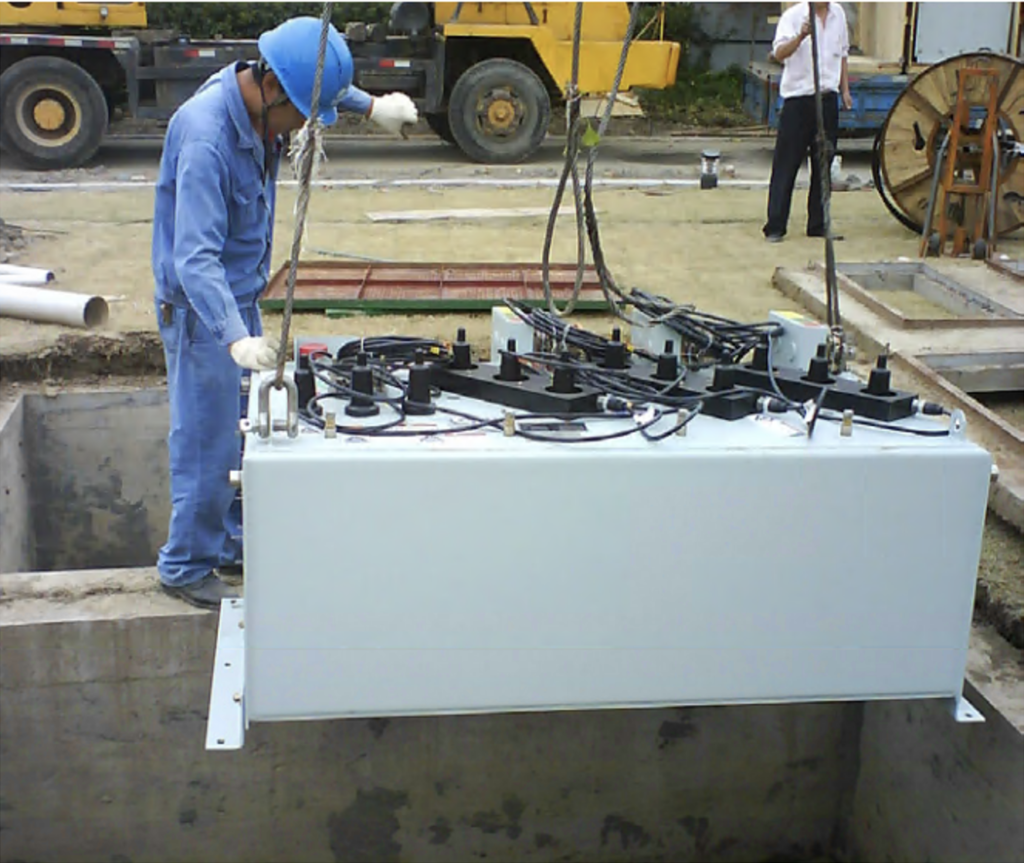
Submersible switch installed in a small, under- ground vault, subject to flooding
In underground distribution systems, electrical cable is either direct buried or fed through conduit and connected to electrical apparatus installed in either padmount enclosures or buildings above ground or in concrete vaults below ground.
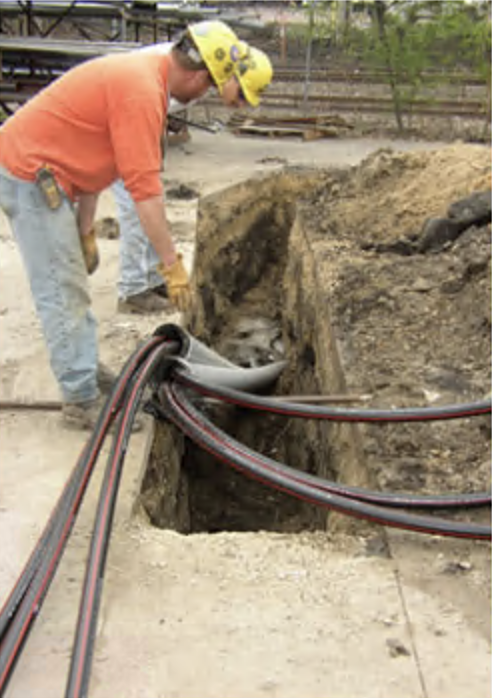
Underground cables can be direct buried or installed in conduit to switch locations.
Underground vaults can be small or large, and either dry or subject to submersion. Underground systems offer many benefits compared to overhead systems including:
• A much cleaner installation site
• No more unsightly poles
• No more damage due to ice, wind or wildfire
• No more sagging lines which can sway in the wind, causing an overcurrent condition
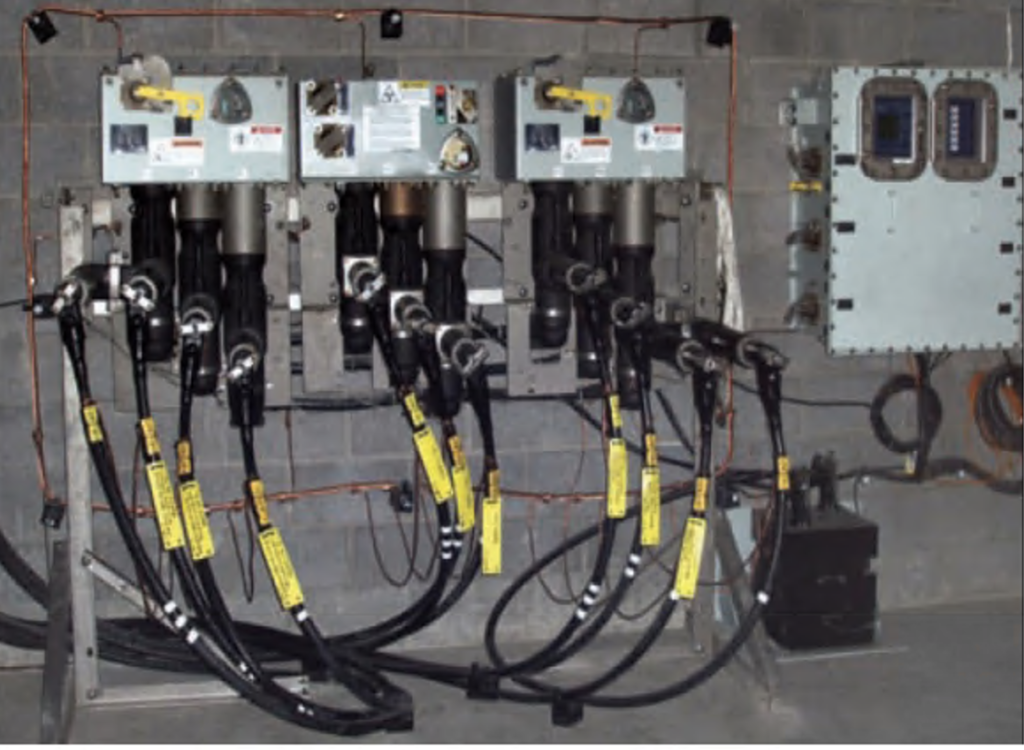
Three-way, solid dielectric, automatic transfer switch with submersible control cabinet and potential transformers.
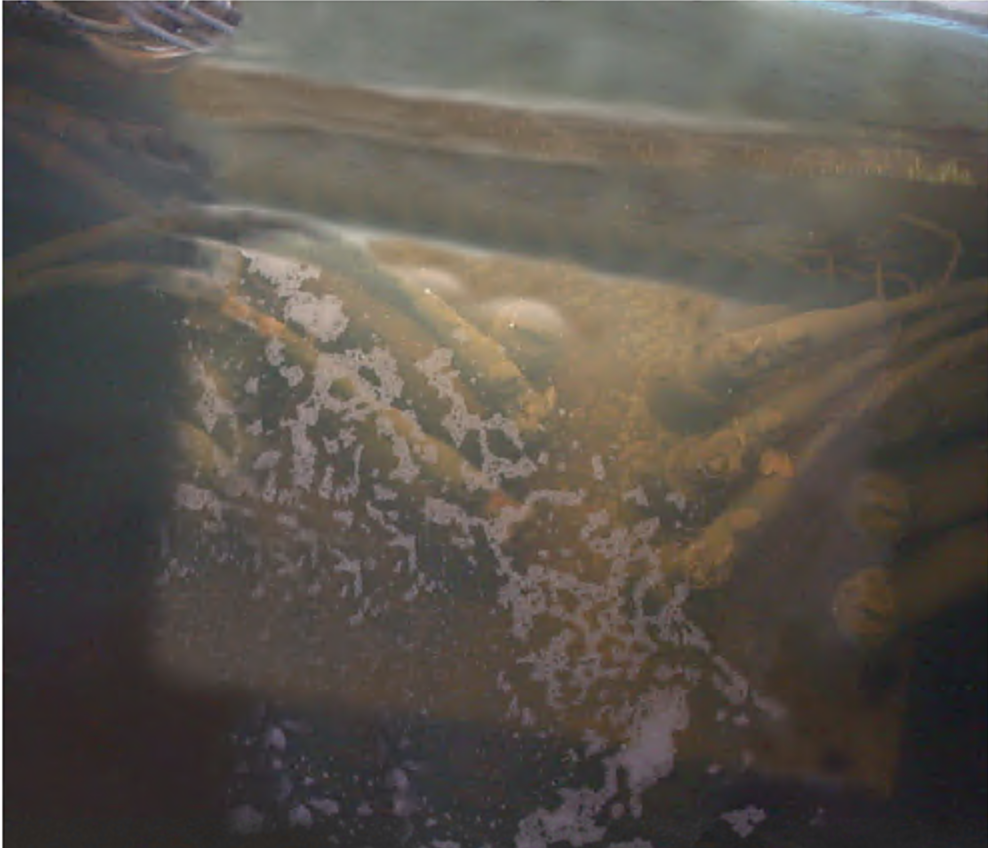
Top operable switch after submersion in water.
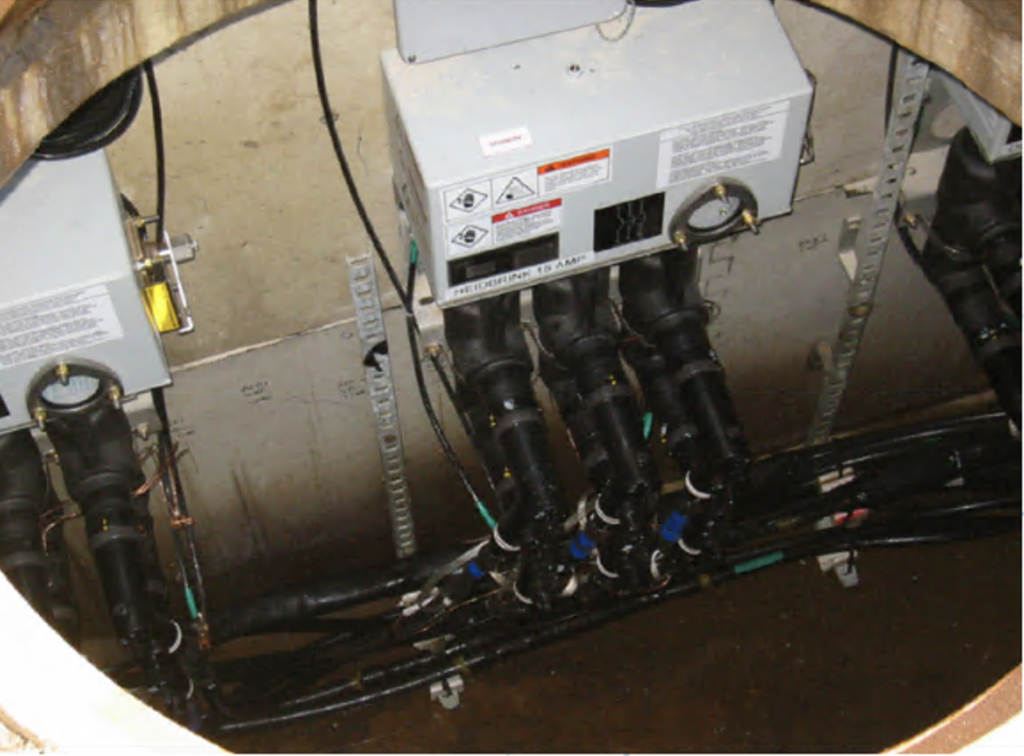
Solid dielectric switch installed in vault.
G&W ELECTRIC
Overview of G&W Cable Accessories

In 1905 G&W introduced the first disconnectable cable terminating device.
Over 100 years later, G&W continues to create technical innovations that have improved performance and reliability. With over 100 years experience, G&W is the name you can trust for quality cable accessories. With sales representation worldwide, G&W has a proven track record for success.
G&W cable accessories are designed to accommodate cables from all manufacturers and can be created to accommodate any customer cable system. The optional mechanical shrink feature offers an easier and faster installation while reducing possible damage during installation. G&W also offers installation supervision and installation training, which can be customized to suit the audience.
G&W offers a variety of transmission cable accessories for extruded dielectric cable systems. Cable terminations are available for outdoor applications to 230kV and include porcelain or composite insulator options and premolded designs. Gas insulated substation designs are available to 230kV.
Transition cable splices and cable joints are available to 138kV and include premolded designs. All cable terminations and cable joints incorporate built-in stress control and dielectric fluid. Dry type designs are also available for maximum ease of installation.

Substation, Electrical Safety, Cable Jointing & Accessories | 11kV 33kV 66kV to 400kV
Underground Cable Transition Project
January 7th, 2021Underground Cable Transition Project
G&W Electric
The following Case Study by G&W Electric and presented by Thorne & Derrick describes the process of a major downtown city necessitated an upgrade of the electrical service by the utility company.
Thorne & Derrick are Specialist Distributors of Substation, Electrical Safety, Cable Jointing & Accessories to UK and international utilities and contractors providing electrical power at distribution and transmission voltage levels.
Challenge
Continuous expansion of a major downtown city necessitated an upgrade of the electrical service by the utility company. The utility was faced with replacing the old substation equipment with new switchgear and associated apparatus.
This apparatus was located in a separate substation building fed by 50 year old, 138kV self-contained oil filled cable. To abide by their latest safety regulations and to simplify cable connection to the new equipment, the utility decided to eliminate all oil filled devices in the building including the cable.
This necessitated changeout of the old oil filled cable to a cable utilizing an extruded dielectric insulation. Furthermore, the apparatus building was located directly adjacent to a major downtown intersection. Because of this, the utility was concerned about the amount of space and downtime required for construction work to splice the cable.
Solution
The utility investigated cable accessory suppliers with reliable track records who offered a product for their application. G&W Electric was selected because their transition joint featured prefabricated components and perforated paper roll stress relief which minimized the installation time and required expertise of the installers.
Another feature was G&W Electric’s exclusive separable connection method which permitted deadending of each cable end. This offered the unique advantage of reusing the same joint for possible future changeout of the remaining oil filled cable. The compact construction of the joint also permitted separate joint enclosures to be installed for each leg of the three phase, oil filled cable.
This permitted the enclosures to be placed either stacked above each other on a rack or parallel to each other thereby minimizing the space required. The rugged construction of the joint design allowed the utility crew to direct bury the units in a shallow opening. This helped minimize the time and cost in constructing an accessible vault.
G&W Electric engineers worked with the utility to provide a custom solution for their specific requirements. The project installation was completed in record time with little disruption of the surrounding city streets resulting in considerable cost savings.
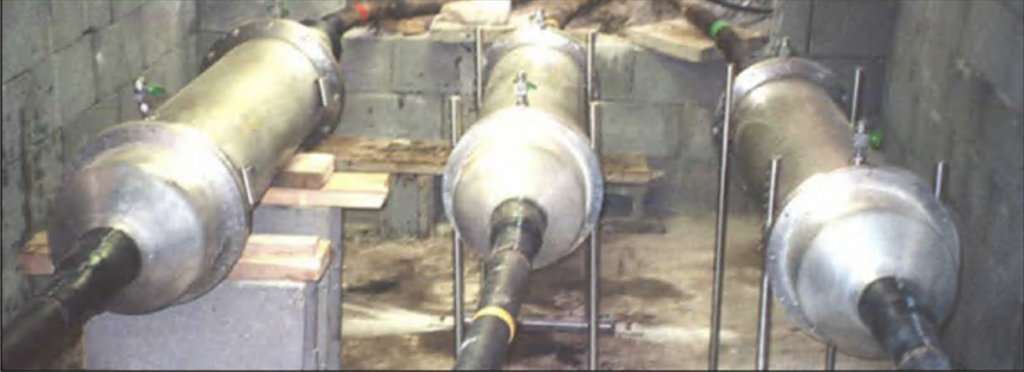
Splicing each leg of the three phase cable permitted a low profile, shallower vault.
G&W ELECTRIC
Overview of G&W Cable Accessories
In 1905 G&W introduced the first disconnectable cable terminating device.
Over 100 years later, G&W continues to create technical innovations that have improved performance and reliability. With over 100 years experience, G&W is the name you can trust for quality cable accessories. With sales representation worldwide, G&W has a proven track record for success.
G&W cable accessories are designed to accommodate cables from all manufacturers and can be created to accommodate any customer cable system. The optional mechanical shrink feature offers an easier and faster installation while reducing possible damage during installation. G&W also offers installation supervision and installation training, which can be customized to suit the audience.
G&W offers a variety of transmission cable accessories for extruded dielectric cable systems. Cable terminations are available for outdoor applications to 230kV and include porcelain or composite insulator options and premolded designs. Gas insulated substation designs are available to 230kV.
Transition cable splices and cable joints are available to 138kV and include premolded designs. All cable terminations and cable joints incorporate built-in stress control and dielectric fluid. Dry type designs are also available for maximum ease of installation.
Substation, Electrical Safety, Cable Jointing & Accessories | 11kV 33kV 66kV to 400kV
Three Phase Protection For Confined Space Applications
January 7th, 2021Three Phase Protection For Confined Space Applications
Confined Space Applications By G&W Electric
The following Case Study by G&W Electric and presented by Thorne & Derrick describes three phase protection for confined space applications.
Thorne & Derrick are Specialist Distributors of Substation, Electrical Safety, Cable Jointing & Accessories to UK and international utilities and contractors providing electrical power at distribution and transmission voltage levels.
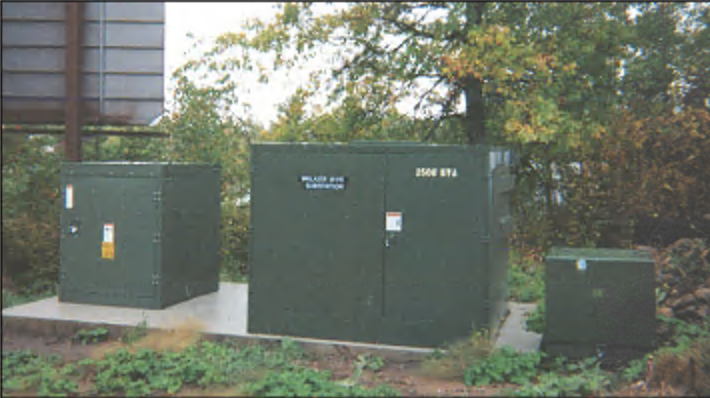
Padmount recloser (left), three phase stepdown transformer (center) and single phase transformer.
Challenge
The utility serves approximately 95,000 residential and 13,000 commercial/industrial customers. The distribution system is 70% overhead and 30% underground. Nominal system voltage is 12.47kV transformed from a 34.5kV sub-transmission system.
A new substation was required to provide additional power and increased reliability to a growing tourist area of the utility’s service territory. The utility decided to tap off an existing 34.5kV line however, space for constructing a new air insulated substation was just not available. This mandated system designers to consider a different approach.
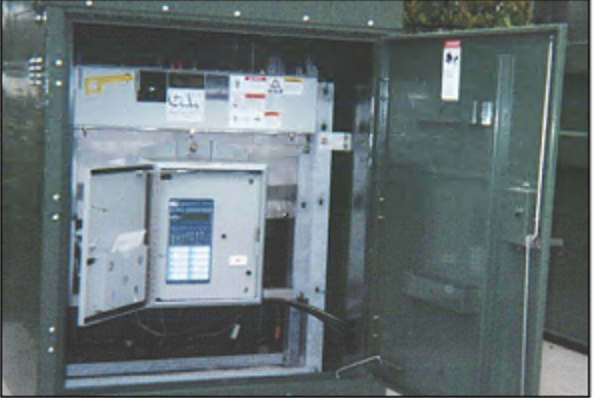
Recloser front view with SEL 351-R control
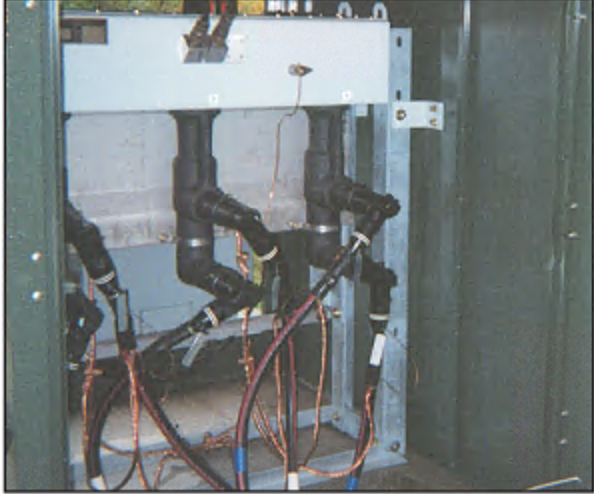
Recloser rear view cable connections
Solution
Working with their G&W Electric representative, the decision was made to go underground using padmount equipment. A standard three phase, dead-front, 2.5MVA transformer was used to step down the voltage from 34.5 to 12kV. To provide three phase protection to the new critical loads fed from the transformer, the utility also required an automatic recloser. To maintain the smallest footprint possible, G&W Electric was able to provide a padmount, three phase, solid dielectric Viper® recloser with SEL 351-R control.
The use of solid dielectric technology permitted an ideal compact solution while offering reliable protection and superior user programmable control features. A single phase, deadfront padmount transformer was also installed to provide a 120 V source for the recloser control. A new, compact, deadfront substation using state-of-the-art recloser technology provides reliable power to the new loads.
G&W ELECTRIC
Overview of G&W Cable Accessories
In 1905 G&W introduced the first disconnectable cable terminating device.
Over 100 years later, G&W continues to create technical innovations that have improved performance and reliability. With over 100 years experience, G&W is the name you can trust for quality cable accessories. With sales representation worldwide, G&W has a proven track record for success.
G&W cable accessories are designed to accommodate cables from all manufacturers and can be created to accommodate any customer cable system. The optional mechanical shrink feature offers an easier and faster installation while reducing possible damage during installation. G&W also offers installation supervision and installation training, which can be customized to suit the audience.
G&W offers a variety of transmission cable accessories for extruded dielectric cable systems. Cable terminations are available for outdoor applications to 230kV and include porcelain or composite insulator options and premolded designs. Gas insulated substation designs are available to 230kV.
Transition cable splices and cable joints are available to 138kV and include premolded designs. All cable terminations and cable joints incorporate built-in stress control and dielectric fluid. Dry type designs are also available for maximum ease of installation.
Substation, Electrical Safety, Cable Jointing & Accessories | 11kV 33kV 66kV to 400kV
Three Phase Protection – Oil Fuse Cutout Replacement
January 7th, 2021Three Phase Protection
Oil Fuse Cutout Replacement By G&W Electric
The following Case Study by G&W Electric and presented by Thorne & Derrick describes the process of a major downtown city necessitated an upgrade of the electrical service by the utility company.
Thorne & Derrick are Specialist Distributors of Substation, Electrical Safety, Cable Jointing & Accessories to UK and international utilities and contractors providing electrical power at distribution and transmission voltage levels.
Challenge
Continuous expansion of a major downtown city necessitated an upgrade of the electrical service by the utility company. The utility was faced with replacing the old substation equipment with new switchgear and associated apparatus.
This apparatus was located in a separate substation building fed by 50 year old, 138kV self-contained oil filled cable. To abide by their latest safety regulations and to simplify cable connection to the new equipment, the utility decided to eliminate all oil filled devices in the building including the cable.
This necessitated changeout of the old oil filled cable to a cable utilizing an extruded dielectric insulation. Furthermore, the apparatus building was located directly adjacent to a major downtown intersection. Because of this, the utility was concerned about the amount of space and downtime required for construction work to splice the cable.
Solution
The utility investigated cable accessory suppliers with reliable track records who offered a product for their application. G&W Electric was selected because their transition joint featured prefabricated components and perforated paper roll stress relief which minimized the installation time and required expertise of the installers.
Another feature was G&W Electric’s exclusive separable connection method which permitted deadending of each cable end. This offered the unique advantage of reusing the same joint for possible future changeout of the remaining oil filled cable. The compact construction of the joint also permitted separate joint enclosures to be installed for each leg of the three phase, oil filled cable.
This permitted the enclosures to be placed either stacked above each other on a rack or parallel to each other thereby minimizing the space required. The rugged construction of the joint design allowed the utility crew to direct bury the units in a shallow opening. This helped minimize the time and cost in constructing an accessible vault.
G&W Electric engineers worked with the utility to provide a custom solution for their specific requirements. The project installation was completed in record time with little disruption of the surrounding city streets resulting in considerable cost savings.
G&W ELECTRIC
Overview of G&W Cable Accessories
In 1905 G&W introduced the first disconnectable cable terminating device.
Over 100 years later, G&W continues to create technical innovations that have improved performance and reliability. With over 100 years experience, G&W is the name you can trust for quality cable accessories. With sales representation worldwide, G&W has a proven track record for success.
G&W cable accessories are designed to accommodate cables from all manufacturers and can be created to accommodate any customer cable system. The optional mechanical shrink feature offers an easier and faster installation while reducing possible damage during installation. G&W also offers installation supervision and installation training, which can be customized to suit the audience.
G&W offers a variety of transmission cable accessories for extruded dielectric cable systems. Cable terminations are available for outdoor applications to 230kV and include porcelain or composite insulator options and premolded designs. Gas insulated substation designs are available to 230kV.
Transition cable splices and cable joints are available to 138kV and include premolded designs. All cable terminations and cable joints incorporate built-in stress control and dielectric fluid. Dry type designs are also available for maximum ease of installation.
Substation, Electrical Safety, Cable Jointing & Accessories | 11kV 33kV 66kV to 400kV
Commercial Scalable Fault Isolation By G&W Electric
January 7th, 2021Commercial Scalable Fault Isolation
G&W Electric
The following Case Study by G&W Electric and presented by Thorne & Derrick describes how a southern utility was interested in improving service reliability by installing an underground fault detection, isolation, and restoration scheme for a circuit feeding several important residential/ commercial customers.
Thorne & Derrick are Specialist Distributors of Substation, Electrical Safety, Cable Jointing & Accessories to UK and international utilities and contractors providing electrical power at distribution and transmission voltage levels.
Challenge
A southern utility was interested in improving service reliability by installing an underground fault detection, isolation, and restoration scheme for a circuit feeding several important residential/ commercial customers. They needed a solution that could be scalable from an individual switch to a full circuit of switches capable of performing an open loop restoration. A base loop would be installed first and new switches added as the funds became available.
Solution
G&W Electric worked with the utility to help design a system that was flexible enough to meet their current and future needs. The design concept was based around multi-way automated switches connected to each other in an open loop. Communication would be through fiber optic cable for the protection circuit and SCADA.
Four-way Trident®-SR solid dielectric switches were chosen for the load switching and fault interrupting. The Trident-SR was an ideal switching product for this solution due to the ease of automating it with any relay, innovative cycle speed operation, and multi-way mounting configurations. A front/back switch design was chosen due to its narrower footprint which would fit traditional air gear pads (see Images 1 and 2).
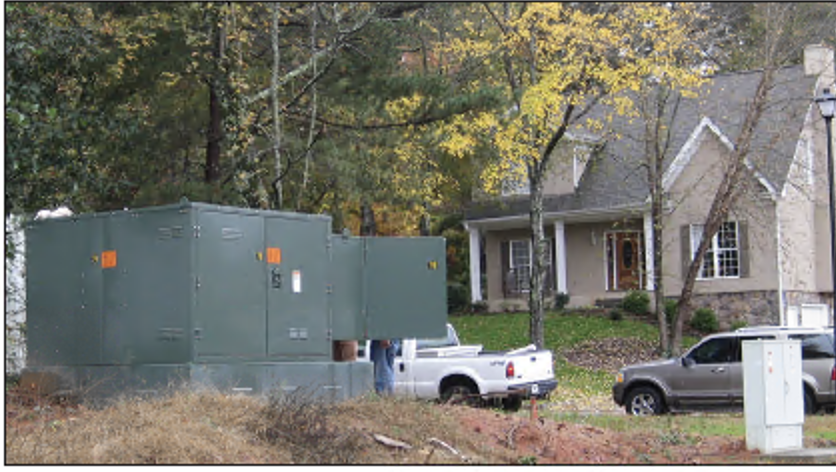
Image 1 Padmount switch with side control enclosure
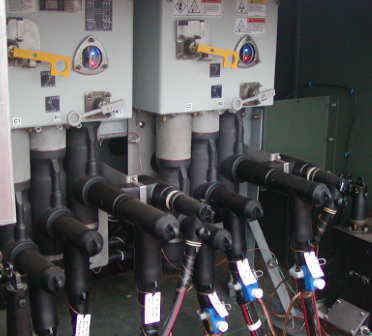
Image 2 Front or back access padmount
The two source ways of the Trident-SR switches were controlled and protected by SEL-451 relays. The two load ways were controlled and protected by SEL-751A feeder protection relays. G&W Electric designed and built the two relay panels in a common enclosure on the side of the switch. Both panels had 120 V outlets which allowed operators to plug in laptops when working on or near the switches (see Image 3).
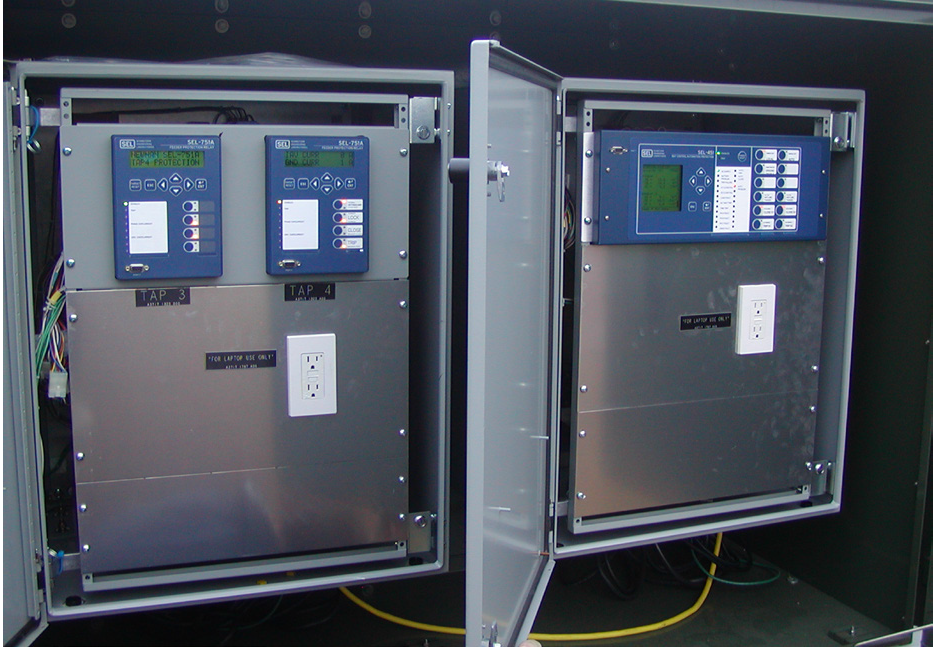
Image 3 SEL-751As and 451 were mounted in a common enclosure on the side of each switch.
The relay logic was designed to be extremely flexible so the same program could be used in multiple scenarios. This was accomplished using the extensive logic capability and multiple setting groups in the SEL-451 relay. The utility could choose whether to use the switch as a standard automatic transfer switch, as a through point automated loop switch where both
line ways are normally closed, or an open point automated loop switch where one line way is normally open.
When in the automated loop settings, each switch only communicated with the switches on either side of it. That meant there was no physical limit to the number of switches in the restoration circuit. This innovative control design allowed the utility to build their automation loops one switch at a time and add future switches as their budget permitted. It also provided a common switch design with single stock code which simplified future replacement requirements and training for their maintenance and installation crews.
The communication method for the protection circuit and SCADA system was single-mode fiber optic cable and SEL 2829 transceivers. This communication network was used to allow critical information to be passed between switches to automatically isolate faults and restore power in a minimal amount of time without having to dispatch crews.
This “smart switching” scheme is one of the most advanced technologies on the market and has been implemented by utilities worldwide who wish to provide the best service reliability to their customers.
When a fault is sensed, the relay trips the closest fault interrupter and disables the tripping of the other line way fault interrupter to maintain power to the loads. Next, a Mirrored Bits® signal is sent from the interrupting switch toward the open point. If the next switch in the line is closed, the signal will tell it to open to isolate the faulted line.
The signal is passed down the network from switch to switch until it encounters the open point. When the signal is received by the open point switch, it closes to restore power. This allows for an unlimited number of switches to be in the protective circuit and still maintain fast and effective isolation and restoration.
Conclusion
The scheme was tested and its operation witnessed by the customer at G&W Electric’s facility in Illinois. The initial phase has been installed and is up and running. It has inspired other utilities in the region to use a very similar scheme for their automated loops.
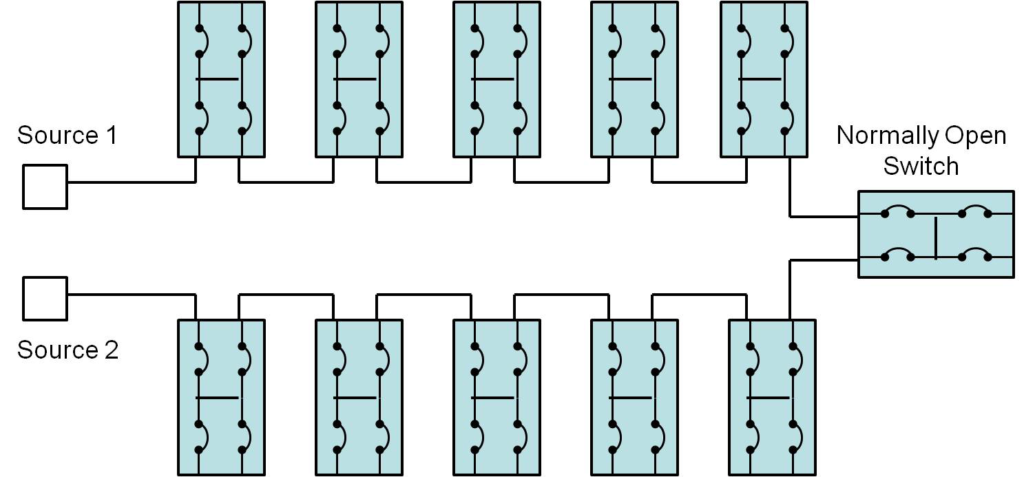
Figure 1 System Diagram
G&W ELECTRIC
Overview of G&W Cable Accessories
In 1905 G&W introduced the first disconnectable cable terminating device.
Over 100 years later, G&W continues to create technical innovations that have improved performance and reliability. With over 100 years experience, G&W is the name you can trust for quality cable accessories. With sales representation worldwide, G&W has a proven track record for success.
G&W cable accessories are designed to accommodate cables from all manufacturers and can be created to accommodate any customer cable system. The optional mechanical shrink feature offers an easier and faster installation while reducing possible damage during installation. G&W also offers installation supervision and installation training, which can be customized to suit the audience.
G&W offers a variety of transmission cable accessories for extruded dielectric cable systems. Cable terminations are available for outdoor applications to 230kV and include porcelain or composite insulator options and premolded designs. Gas insulated substation designs are available to 230kV.
Transition cable splices and cable joints are available to 138kV and include premolded designs. All cable terminations and cable joints incorporate built-in stress control and dielectric fluid. Dry type designs are also available for maximum ease of installation.
Substation, Electrical Safety, Cable Jointing & Accessories | 11kV 33kV 66kV to 400kV