Surface Tracking Explained | MV HV Terminations
Published 23 Jul 2026
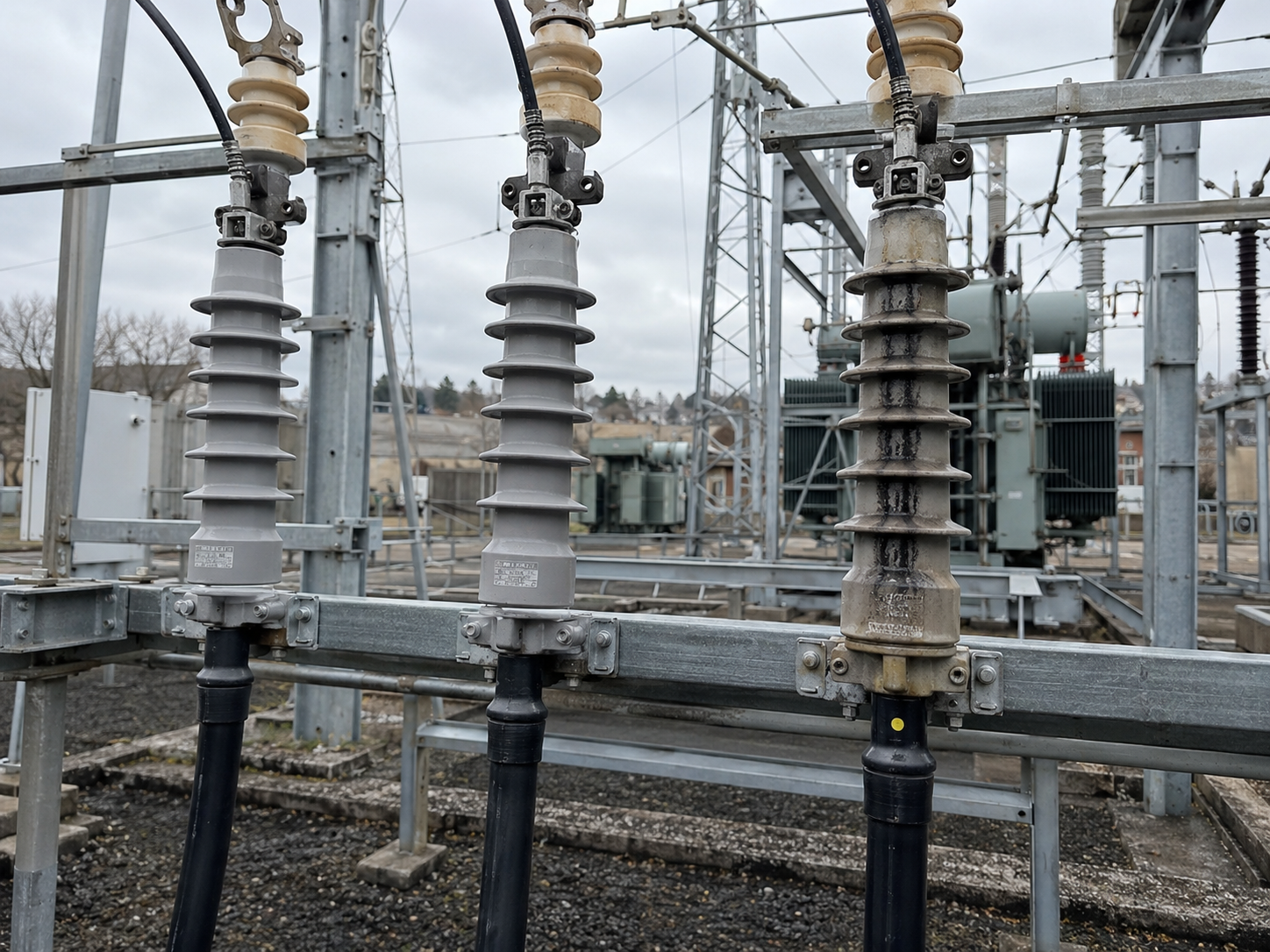
Surface tracking is an electrical insulation failure process where leakage current forms a conductive path across the surface of an insulating material. In MV and HV cable systems, surface tracking is most commonly discussed around cable terminations, where electrical stress, moisture, contamination and poor installation conditions can create a path for current to track across the insulation surface.
In simple terms, electrical tracking happens when the surface of an insulating material becomes progressively damaged and carbonised. Once a conductive track begins to form, it can grow across the insulation surface, increasing the risk of partial discharge, flashover, insulation breakdown and cable termination failure.
Surface tracking is a serious issue for 11kV, 33kV, 66kV and higher voltage cable terminations because the cable end is a point of high electrical stress. Correct termination selection, cable preparation, stress control, sealing, cleaning and installation practice are essential to reduce the risk of tracking and long-term failure.
Thorne & Derrick supply MV HV cable joints, terminations and connectors, including 3M cold shrink cable terminations, cable jointing tools, semi-con screen removal tools and cable preparation equipment for medium and high voltage power systems.
Quick Answer: What Is Surface Tracking?
Surface tracking is the formation of a conductive path across the surface of an insulating material. In electrical power systems, it can occur when moisture, contamination and electrical stress allow leakage current to flow over the insulation surface.
On MV and HV cable terminations, surface tracking can lead to partial discharge, flashover and eventual termination failure if the cause is not corrected. It is often associated with polluted environments, condensation, poor cable preparation, inadequate stress control, damaged insulation, poor sealing or unsuitable termination materials.
What Is Surface Tracking?
Surface tracking is a progressive insulation damage mechanism. It begins when electrical leakage current flows across the surface of an insulating material. Over time, the surface can become degraded, carbonised or contaminated enough to form a conductive track.
Once a track begins, current can continue to follow the damaged path. This can create heat, discharge activity, erosion and further carbonisation. If left untreated, the path can develop until the insulation can no longer withstand the electrical stress.
In MV and HV cable systems, tracking is particularly concerning because the voltage stress is high and the consequences of failure can be severe. A tracking failure at a termination can lead to outage, switchgear damage, cable accessory replacement, unplanned maintenance and safety risks.
Surface tracking is different from a simple surface mark. It is an electrical failure process that usually involves a combination of surface contamination, moisture and electric field stress.
Where Does Surface Tracking Happen?
Surface tracking can happen on many types of electrical insulation. It is most commonly associated with exposed or semi-exposed insulation surfaces where moisture and contamination can collect.
Typical locations include:
- MV cable terminations
- HV cable terminations
- Switchgear cable boxes
- Transformer cable boxes
- Outdoor terminations
- Porcelain and polymeric insulators
- Cable sealing ends
- Bushings and equipment interfaces
Indoor terminations can also suffer from tracking if there is condensation, dust, pollution, poor ventilation, thermal cycling, high humidity or contamination inside the cable box.
For cable accessory products, see HV cable joints, terminations and connectors.
What Causes Surface Tracking?
Surface tracking usually needs several conditions to be present at the same time. These are often described as electrical stress, moisture and contamination.
Tracking can also be accelerated by thermal cycling, vibration, poor enclosure design, inadequate creepage distance and repeated wetting and drying cycles.
Why Cable Terminations Are At Risk
MV and HV cable terminations are particularly vulnerable to surface tracking because they are the point where the cable insulation system ends and the cable connects to equipment.
Inside the cable, the electric field is controlled by the cable construction. At the end of the cable, the termination must recreate that control using stress control materials, insulation, sheds, sealing components and correct cable preparation.
If the termination is installed poorly, contamination is left on the insulation, the semi-con screen is cut incorrectly, or moisture reaches the surface, the termination may become more likely to suffer tracking.
Risk factors include:
- Incorrect semi-con screen removal
- Scratched or nicked cable insulation
- Poor stress control positioning
- Incorrect lug or connector installation
- Insufficient cleaning before assembly
- Moisture in the cable box
- Polluted or coastal environments
- Use of unsuitable termination technology
View cold shrink terminations for MV and HV cables.
Surface Tracking, Partial Discharge & Flashover
Surface tracking, partial discharge and flashover are related, but they are not the same thing.
A tracking path can encourage partial discharge activity, and severe tracking can eventually lead to flashover. Early identification and prevention are therefore important for MV and HV cable systems.
Creepage Distance & Insulation Surface Length
Creepage distance is the distance measured along the surface of an insulating material between conductive parts. In cable terminations and outdoor insulation systems, creepage distance is important because leakage current travels along the surface.
Polluted, wet or contaminated environments usually require greater surface distance and better anti-tracking performance. Outdoor terminations often use sheds or skirts to increase creepage distance and help manage water run-off.
Creepage distance matters because:
- Longer surface paths can reduce leakage current risk
- Sheds help increase the surface path length
- Pollution severity affects termination selection
- Coastal and industrial environments can increase contamination risk
- Incorrect indoor/outdoor selection may increase tracking risk
The correct termination should be selected according to voltage, environment, pollution level, cable construction and manufacturer guidance.
How To Reduce Surface Tracking Risk
Surface tracking risk can be reduced by selecting the correct cable accessory and installing it correctly.
Important prevention measures include:
- Use suitable cable terminations for the voltage, environment and cable construction.
- Prepare the cable accurately using correct semi-con and insulation stripping tools.
- Keep the installation clean during termination assembly.
- Avoid damaging the insulation with knives or unsuitable tooling.
- Control the electric field using correctly positioned stress control materials.
- Seal against moisture using the correct mastic, tubes, boots or termination components.
- Select anti-tracking materials for polluted, wet or outdoor locations.
- Inspect cable boxes and terminations for contamination, condensation or damage.
- Follow manufacturer installation instructions exactly.
A high-quality termination can still fail if it is poorly installed or exposed to unsuitable conditions.
Cold Shrink Terminations & Anti-Tracking Materials
Cold shrink terminations are widely used for MV and HV power cables because they are factory-expanded and installed without heat. The cold shrink body contracts around the prepared cable when the support core is removed.
Silicone cold shrink terminations are commonly used because silicone rubber can provide strong hydrophobic and anti-tracking performance. Hydrophobicity helps repel water, which can reduce the risk of continuous wet films forming across the termination surface.
This is important because surface moisture and contamination can contribute to leakage current and tracking. For polluted or outdoor environments, termination material selection becomes especially important.
Thorne & Derrick supply 3M cold shrink cable terminations for 11kV, 33kV and 66kV MV/HV cable systems, including indoor and outdoor termination applications.
Cable Preparation & Semi-Con Screen Removal
Poor cable preparation is one of the major causes of MV and HV accessory problems. The semi-conductive screen, insulation and cable sheath must be removed accurately without damaging the remaining cable layers.
The semi-con screen is especially important because it helps control the electric field around the cable insulation. During termination installation, the semi-con screen must be cut back cleanly to the correct dimension. A rough, damaged or contaminated cutback can increase stress and create a point where tracking or discharge activity may begin.
Good preparation requires:
- Correct semi-con screen removal tools
- Accurate cutback dimensions
- Clean insulation surface
- No knife scores or scratches
- Correct chamfering where required
- Correct installation of stress control materials
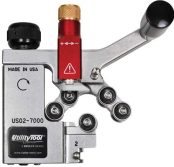
View semi-con screen removal tools and MV HV cable jointing tools for cable preparation.
Inspection, Testing & Warning Signs
Surface tracking may not always be visible in the early stages. However, there are warning signs that should be investigated by competent personnel.
Possible signs include:
- Black carbon tracking marks on insulation or termination surfaces.
- White powdering or surface erosion around the termination.
- Burn marks or localised heating.
- Cracking, splitting or swelling of termination materials.
- Condensation or water ingress inside cable boxes.
- Unusual smell, noise or visible discharge activity.
- Partial discharge test indications.
- Thermal imaging anomalies around cable terminations.
If tracking is suspected, the equipment should be assessed under the site’s electrical safety rules. MV and HV cable terminations should only be inspected, tested and worked on by trained and authorised personnel.
Common Surface Tracking Mistakes
Surface tracking risk often increases because small installation or maintenance issues are overlooked.
Common mistakes include:
- Using the wrong termination for the environment – indoor, outdoor, polluted and wet locations may require different designs.
- Poor cable cleaning – dust, grease, carbon, moisture or debris can create tracking paths.
- Damaging insulation during preparation – scratches can become electrical stress points.
- Incorrect semi-con cutback – rough or uneven edges can increase local stress.
- Poor sealing against moisture – water ingress can accelerate tracking.
- Ignoring cable box condensation – thermal cycling can lead to repeated moisture formation.
- Assuming a new termination cannot fail – poor installation can cause early-life failures.
- Not inspecting polluted environments – industrial and coastal sites may require more frequent checks.
- Using unsuitable tools – inaccurate preparation can create hidden defects.
Preventing tracking is usually easier, safer and cheaper than replacing failed terminations after flashover or breakdown.
Related MV HV Cable Products
Surface tracking is closely linked to cable termination selection, cable preparation and installation quality.
- HV Cable Joints, Terminations & Connectors – MV and HV cable accessories for power cable systems.
- 3M Cold Shrink Cable Terminations – 11kV, 33kV and 66kV cold shrink terminations for MV/HV cables.
- Nexans Cable Terminations – heat shrink and cold shrink MV/HV termination systems.
- Cold Shrink Terminations Guide – guide to MV/HV cold shrink cable terminations.
- Semi-Con Screen Removal Tools – tools for accurate MV/HV cable preparation.
- Cable Jointing Tools – cable preparation tools for joints, terminations and connectors.
- Semi-Conductive Layer On MV Cables – technical guide to cable screen layers and their purpose.
- 3M Terminations & Surface Tracking – Power & Cables article on surface tracking in MV terminations.
Surface Tracking FAQs
Q: What is surface tracking?
A: Surface tracking is the formation of a conductive path across the surface of an insulating material. It happens when leakage current, moisture, contamination and electrical stress progressively damage the insulation surface.
Q: What causes surface tracking on cable terminations?
A: Surface tracking on cable terminations is commonly caused by moisture, contamination, high electrical stress, poor cleaning, damaged insulation, poor semi-con cutback, inadequate sealing or unsuitable termination materials.
Q: Is surface tracking the same as partial discharge?
A: No. Surface tracking is the formation of a conductive path across insulation. Partial discharge is a localised electrical discharge within or across part of an insulation system. Tracking can encourage partial discharge and may eventually lead to flashover.
Q: Why are MV cable terminations at risk of tracking?
A: MV cable terminations are at risk because the cable end is an area of high electrical stress. Moisture, contamination, poor stress control or damaged insulation can allow leakage current to form tracking paths across the termination surface.
Q: What does tracking look like?
A: Tracking can appear as black carbon marks, surface erosion, burn marks, cracks, powdering or discoloured paths on insulation or termination surfaces. It should be investigated by competent electrical personnel.
Q: How can surface tracking be prevented?
A: Surface tracking risk can be reduced by selecting suitable terminations, preparing the cable correctly, cleaning the insulation surface, sealing against moisture, using anti-tracking materials and following manufacturer installation instructions.
Q: What is creepage distance?
A: Creepage distance is the distance measured along the surface of an insulating material between conductive parts. Longer creepage distance helps reduce the risk of leakage current and tracking in polluted or wet environments.
Q: Can poor semi-con screen removal cause tracking?
A: Poor semi-con screen removal can create rough edges, contamination, scratches or stress points on the insulation. This can increase the risk of discharge activity and tracking around MV and HV cable terminations.
Conclusion
Surface tracking is a progressive insulation failure process where a conductive path forms across the surface of an insulating material. In MV and HV cable systems, it is most often associated with cable terminations exposed to moisture, contamination and high electrical stress.
The risk of tracking can be reduced through correct termination selection, accurate cable preparation, clean installation, effective stress control, moisture sealing, anti-tracking materials and routine inspection.
Thorne & Derrick supply MV HV cable joints, terminations, connectors, 3M cold shrink terminations and cable jointing tools for medium and high voltage power cable systems, including 11kV, 33kV and 66kV cable installations.