When clear, durable and professional identification is required across control panels, cable systems, production facilities and industrial installations, print quality, reliability and ease of use are critical.
Cembre industrial label printers are designed to support fast, accurate and long-lasting identification for electrical, industrial and automation applications. The CembreMG4and ROLLY3000 provide dependable thermal transfer printing solutions for different labelling requirements, helping contractors, panel builders and maintenance teams improve organisation, traceability and installation standards.
From sheet-based labelling for flexible workshop and site use to roll-based high-volume industrial printing, these Cembre printers support professional marking systems for cables, terminals, components, electrical panels and industrial equipment.
Choosing the correct printer depends on print media format, production volume, portability requirements, installation environment and the type of identification system being produced. Speak to our team for guidance on the most suitable Cembre printing solution for your application.
Professional thermal transfer printing for industrial identification
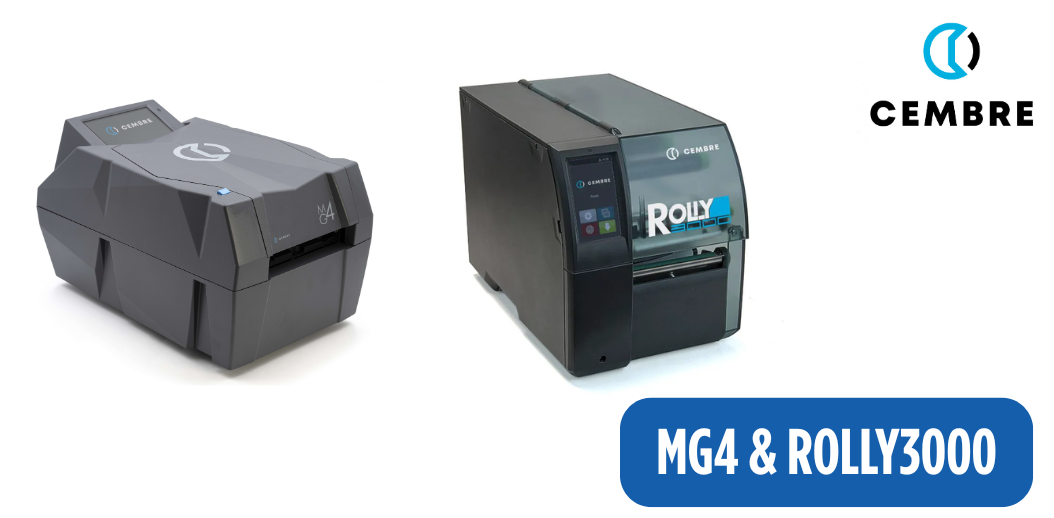
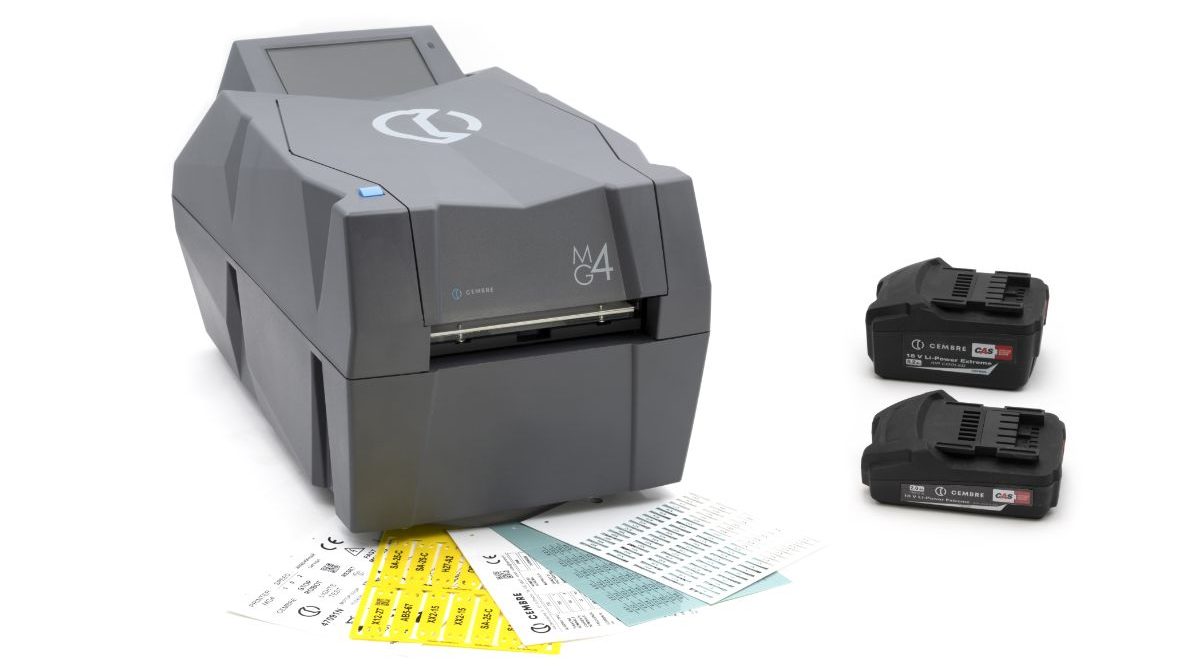
The Cembre MG4 sheet printer with display, Wi-Fi and battery capability
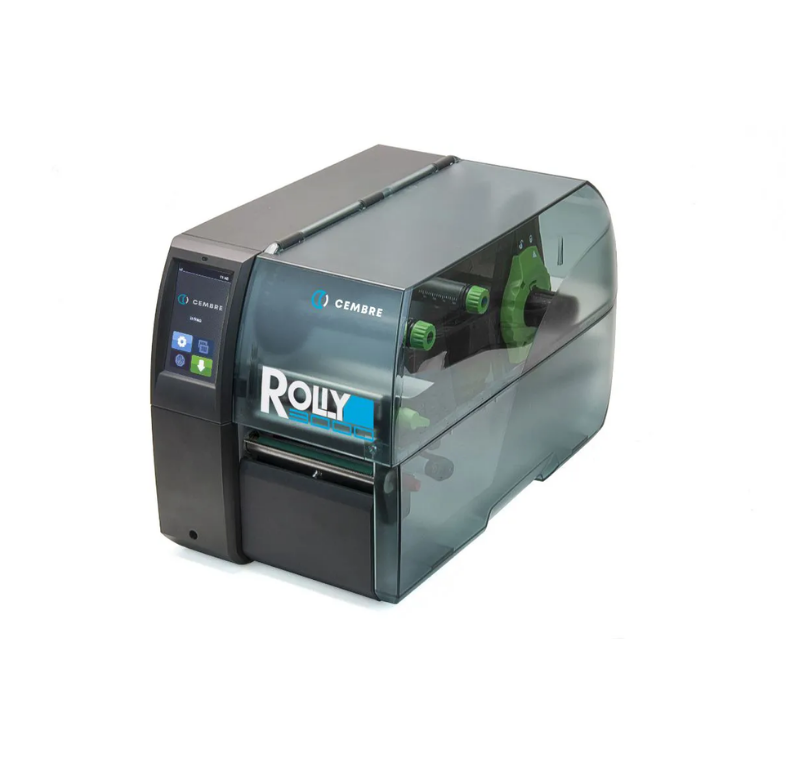
ROLLY3000 roll printer designed for robust, high-production environments
Suitable for electrical panels, cable marking, terminal identification and industrial labels
Reliable print performance for text, symbols, logos, QR codes and technical marking
Supports organised, durable and professional identification systems
Why Industrial Label Printing Matters
Helps provide clear and durable identification for cables, terminals and equipment
Supports safer, more organised electrical and industrial installations
Improves efficiency during installation, maintenance and fault finding
Enhances traceability across panels, machinery and infrastructure
Supports a professional finish for industrial and commercial projects
Designed For Reliable Industrial Identification
Industrial labelling systems must do more than simply print text. In demanding environments they also help:
Produce durable identification that remains legible over time
Support fast, efficient workflows in workshop and production settings
Enable accurate marking of components, conductors and equipment
Improve consistency across large-scale wiring and panel projects
Support professional standards in electrical, automation and industrial systems
These requirements are especially important where identification needs to remain clear and dependable across production departments, electrical panels, infrastructure systems and maintenance operations.
Cembre MG4
Cembre MG4 is a thermal transfer printer on sheet designed for high-quality, long-lasting industrial identification. Built for versatility, it is suited to printing text, logos, electrical symbols, QR codes and vector images across a wide range of labelling applications.
Thermal transfer printer on sheet
On-board display for quick project management
Wi-Fi, LAN and USB connectivity
Usable with mains power or rechargeable battery
Designed for office, production and on-site use
Suitable for durable industrial and electrical identification
Cembre ROLLY3000 is a professional thermal transfer printer on roll developed for reliability, quiet operation and ease of use in high-production industrial environments. Its robust metal construction makes it especially well suited to demanding workshop and manufacturing settings.
Thermal transfer printer on roll
Plug-and-play industrial printer
Robust metal construction
USB and Ethernet interfaces
Wi-Fi connectivity via included USB-WLAN stick
Ideal for heat-shrinkable material, ladder roll material and continuous rolls
MG4 Or ROLLY3000 – Which Printer Is Right For Your Application?
Choose MG4 where portability, sheet-based printing and flexible use across office, workshop and site environments are important
Choose ROLLY3000where robust roll-fed printing is needed for production departments and higher-volume industrial marking
Consider print media type, installation workflow and working environment before selecting your printer
Both solutions support professional identification for industrial and electrical applications
Applications For Cembre Industrial Printers
Electrical panel building
Cable and conductor identification
Terminal and component marking
Industrial production facilities
Automation and control systems
Maintenance and retrofit projects
Infrastructure and utility applications
Workshop and site-based labelling operations
Key Benefits Of Cembre Printing Systems
Professional print quality for technical identification
Reliable thermal transfer technology for durable results
Flexible connectivity for modern industrial workflows
Suitable for demanding industrial and electrical environments
Supports efficient and consistent marking across projects
cembre industrial printers
CEMBRE manufactures professional identification and marking systems for electrical and industrial applications. The range includes Cembre MG4 sheet-based thermal transfer printing and ROLLY3000 roll-based industrial printing for durable, efficient and high-quality labelling.
Thorne & Derrick are specialist distributors supporting customers with Cembre industrial marking and labelling systems for control panels, cable identification, industrial production and electrical infrastructure, backed by technical support and product selection guidance; this also includes the market-leading range of cable lugs and installation tools for the cutting and crimping of all types of LV MV HV cables.
HIGH VOLTAGE JUNCTION BOXES & ENCLOSURES
When high-voltage power distribution and cable termination are required, safety, enclosure integrity and long-term reliability are critical.
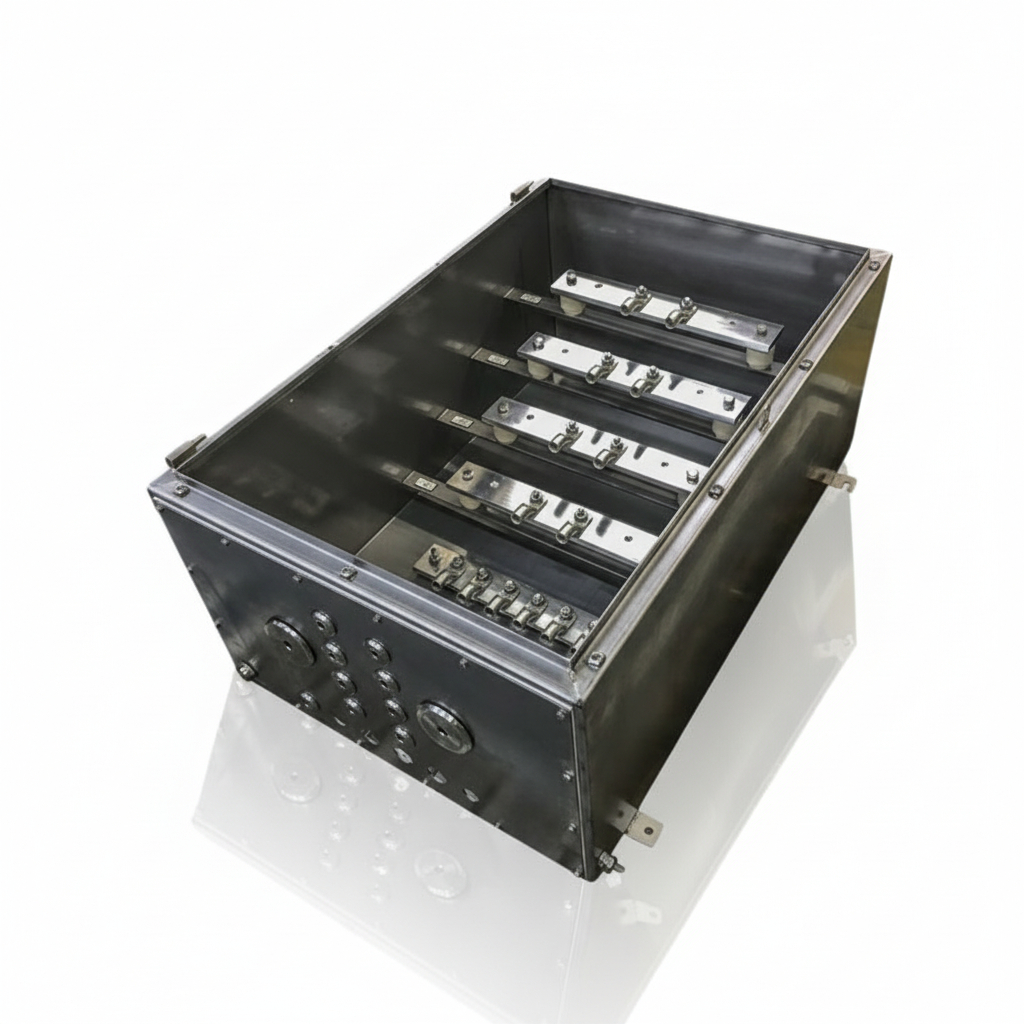
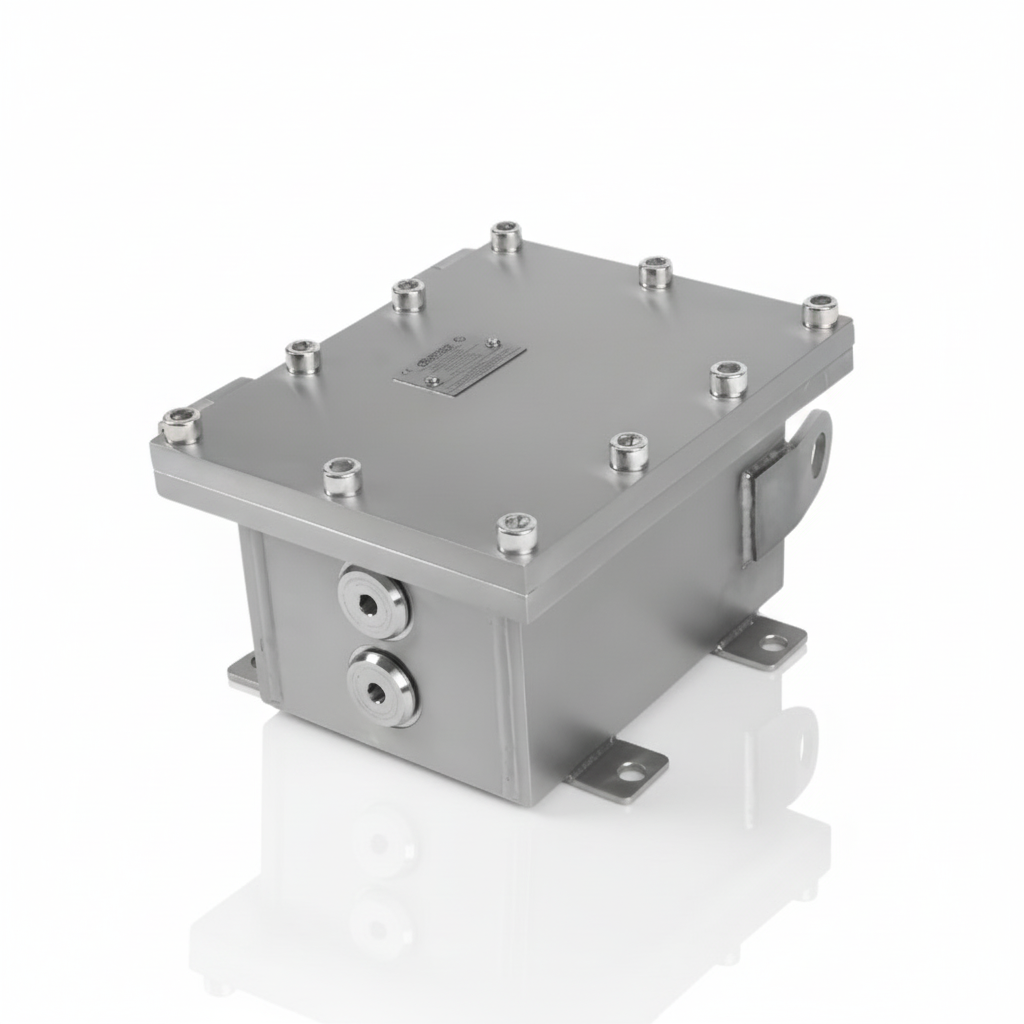
HV Junction Boxes and Electrical Enclosures manufactured by Abtech are engineered for the safe distribution, cable termination and protection of high voltage power systems in industrial, utility and hazardous area environments.
In this range, HV junction boxes & electrical enclosures support 11kV, 33kV, 66kV and specialist high-current applications, providing dependable solutions for power transmission, distribution, subsea termination, busbar systems and fibre optic integration.
These enclosures are engineered for harsh operating conditions and are suited to applications requiring certified protection, robust stainless-steel construction, high ingress protection and safe high-voltage cable termination.
HV junction box range highlights
Solutions for 11kV, 33kV and 66kV networks
Specialist high-current busbar enclosures up to 3000A
Designed for industrial, offshore, utility and hazardous area use
Stainless-steel construction for corrosion resistance
High ingress protection up to IP66 / IP67
DTS-01 deluge-tested options available
ATEX, IECEx and UKCA certified options for hazardous areas
Need Help Selecting The Right HV Junction Box?
Choosing the correct high-voltage enclosure depends on operating voltage, current loading, hazardous area classification, cable size, termination arrangement and installation environment. Speak to our team for guidance on the most suitable HV junction box or electrical enclosure for your application.
Provide safe termination and interconnection of high-voltage power cables
Protect critical electrical connections in demanding environments
Support reliable power distribution in industrial and utility networks
Help maintain ingress protection and long-term enclosure integrity
Enable compliant installation in hazardous and non-hazardous locations
Designed For High Voltage Safety, Protection & Reliability
HV junction boxes must do more than simply house cable terminations. In modern power systems they also help:
Protect live HV terminations from moisture, dust and contaminants
Support safe connection of 11kV, 33kV and 66kV systems
Provide robust enclosures for onshore and offshore use
Accommodate multiple conductors and flexible connection layouts
Support hazardous area compliance where explosive atmospheres are present
These requirements are essential where high-voltage networks operate in challenging environments such as substations, process plants, offshore platforms, renewable energy sites and industrial facilities.
11kV & 33kV Junction Boxes
11kV & 33kV junction boxes are designed for safe high-voltage cable termination in demanding industrial, offshore and hazardous area environments.
Suitable for 11kV and 33kV cable termination applications
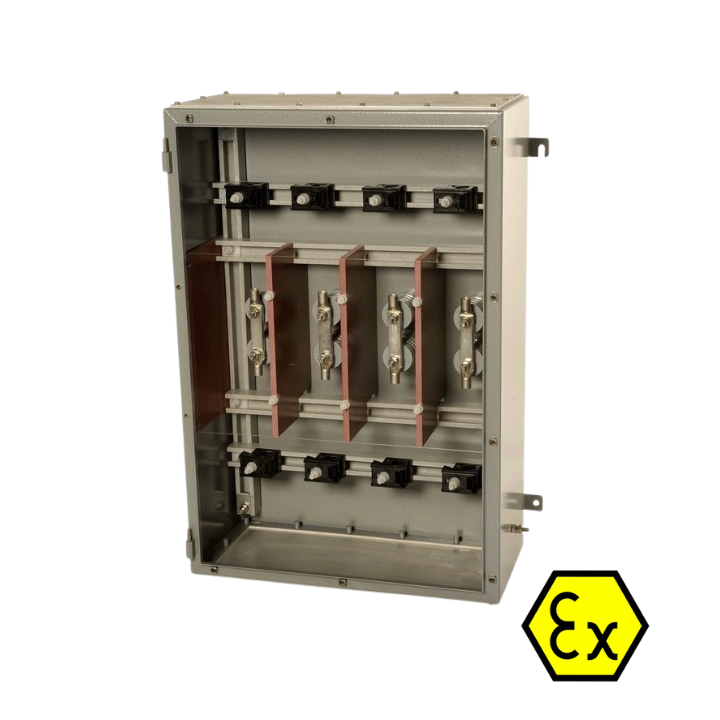
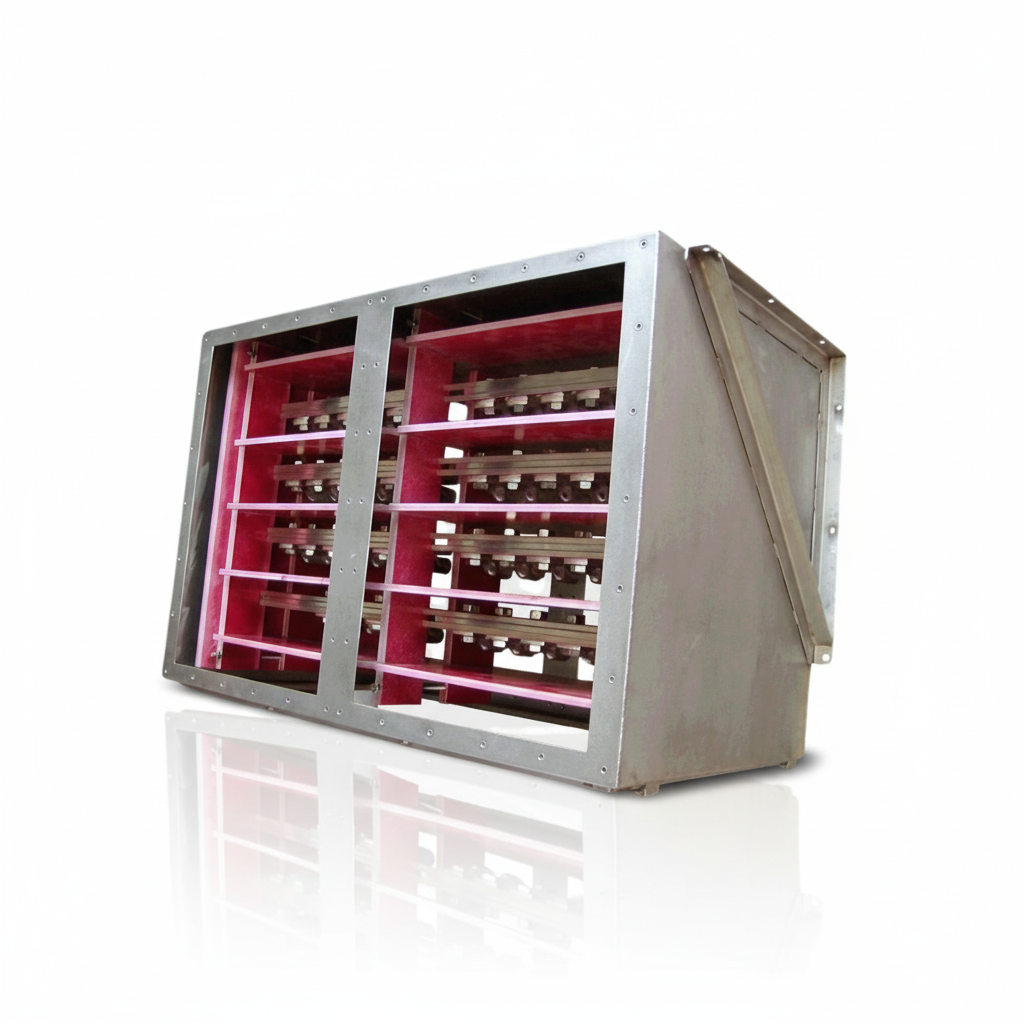
HV high voltage busbar boxes provide a compact and dependable solution for controlled power routing and segregation in specialist electrical installations.
66kV junction boxes are designed for high-voltage grid, offshore and renewable energy applications requiring robust protection and reliable cable termination.
Designed for 66kV high-voltage systems
Suitable for substations and infrastructure projects
Submersible electrical enclosures are designed for subsea and underwater cable termination where sealing integrity and corrosion resistance are critical.
Fibre optic termination enclosures provide secure protection for communication and data connections used alongside high-voltage electrical infrastructure.
Supports fibre optic integration
Protects communication terminations
Suitable for monitoring and control systems
Designed for industrial and specialist environments
Applications For HV Junction Boxes & Electrical Enclosures
Power generation facilities
Industrial power distribution
Utility and substation projects
Offshore oil, gas and marine installations
Renewable energy infrastructure
Hazardous area process plants
Subsea cable termination systems
Control, monitoring and fibre-integrated installations
Choosing The Right HV Junction Box
Selecting the correct enclosure depends on:
Operating voltage and system design
Current loading and conductor size
Hazardous area classification
Ingress protection requirements
Onshore, offshore or subsea installation environment
Need for busbar systems, fibre integration or specialist compartment layouts
The correct HV junction box helps ensure safe cable termination, dependable network performance and long-term enclosure integrity in critical electrical infrastructure.
abtech HV junction boxes
ABTECH manufactures high-voltage junction boxes and electrical enclosures for industrial, utility, offshore and hazardous area applications. The range includes 11kV, 33kV and 66kV junction boxes, high-current busbar enclosures, submersible termination enclosures and fibre optic integration solutions designed for demanding high-voltage power systems.
Thorne & Derrick are specialist distributors of HV junction boxes & electrical enclosures in the UK and for export projects, supporting power transmission, offshore energy, industrial processing, substations and hazardous area installations with expert technical support and product selection guidance.
Nexans 240–300mm² Multi-Joint – Medium Voltage Cable Joint Installation
Medium voltage cable jointing requires reliability, consistency and safe installation practices. The Nexans 240–300mm² Multi-Jointis designed to simplify medium voltage jointing while maintaining high electrical performance for demanding power distribution networks at 11kV – this includes the straight jointing (XLPE – XLPE) and transition (XLPE – PLIC) connection of multi-core medium voltage power cables.
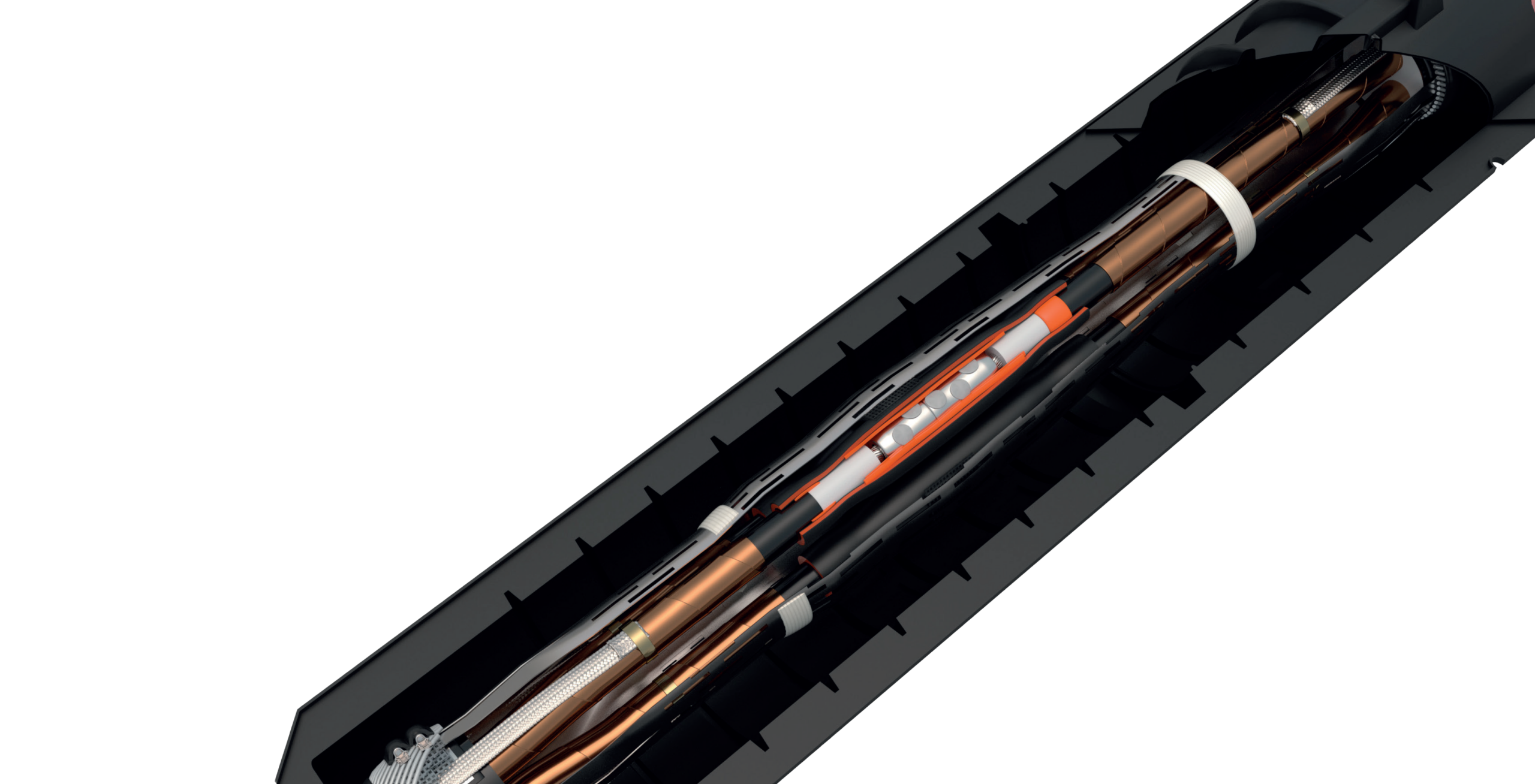
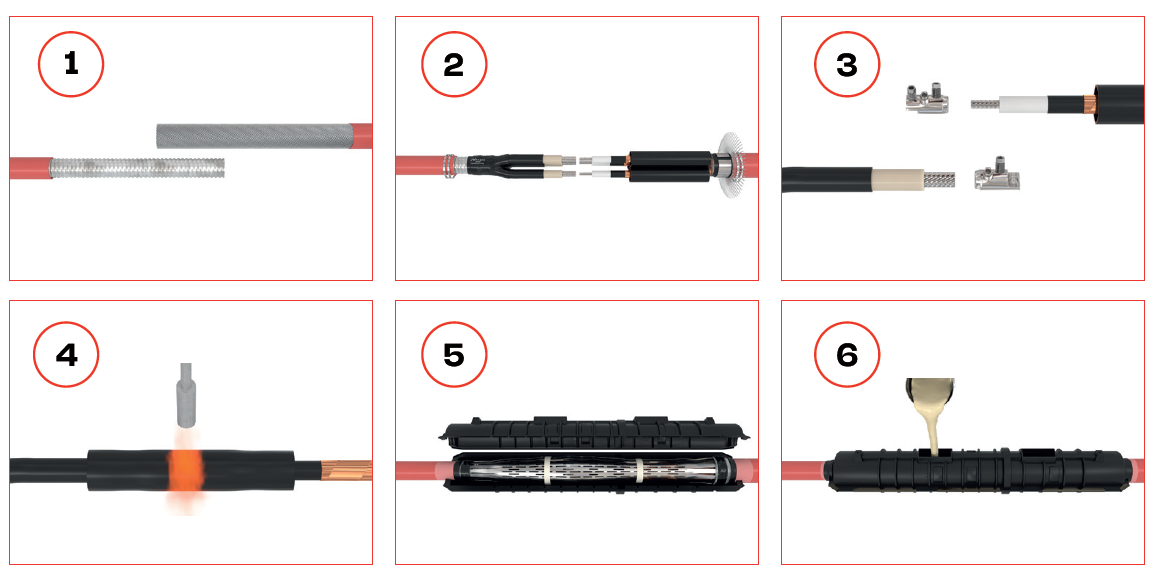
The Nexans video below explains the purpose of the 11kV Multi-Joint system, its key design features and an overview of the installation process used when jointing 11kV medium voltage power cables.
The Nexans Multi-Joint is part of the JTS Heat-shrink Cable Joint range, designed for medium voltage cable connections where dependable electrical insulation and environmental protection are required.
The cable joint uses an integrated triple-layer heat-shrink tube combining stress control, insulation and conductive functions into a single component. This design helps simplify the installation process and reduces the number of components required during jointing.
Compact medium voltage cable joint design
Integrated triple-layer tube technology
Simplified installation process
High electrical insulation performance
Suitable for demanding power distribution networks
Key Advantages Of The Nexans JTS Cable Joint Design
The JTS technology used in Nexans Multi-Joints introduces several improvements compared with traditional heat-shrink cable joints.
Reduced installation steps
Integrated stress control and insulation
Improved installation consistency
Compact joint dimensions
Enhanced electrical reliability
The triple-layer tube allows installers to heat fewer components during installation, helping shorten the jointing process and reduce the risk of installation errors.
Typical Applications For Nexans MV Multi-Joints
The Nexans Multi-Joint system is designed for use across a wide range of medium voltage cable installations including:
Utility power distribution networks
Industrial electrical infrastructure
Substation cable connections
Energy and infrastructure projects
Medium voltage cable repairs and extensions
Overview Of The Cable Jointing Installation Process
The Nexans video demonstrates the general workflow for installing a 240–300mm² Multi-Joint. While specific installation procedures must follow the manufacturer’s instructions, the process typically involves the following stages.
1. 11kV Cable Preparation
Position and align the cables
Measure and mark the joint centre
Remove outer sheath and prepare cable layers
Clean the cable surface prior to installation
2. Conductor Preparation
Strip conductor insulation to the required depth
Install the mechanical or crimp connector
Ensure proper conductor alignment
Remove sharp edges or burrs before recovery
3. Electrical Stress Control
Apply stress control materials around the connector area
Install conductive pads or mastic where required
Prepare the joint area for heat-shrink recovery
4. Heat-Shrink Joint Recovery
Position the triple-layer tube over the joint
Apply heat evenly from the centre outward
Allow the tubing to fully recover around the cable
Ensure a smooth and sealed joint surface
Environmental & Mechanical Protection
Once installed, the Nexans joint provides mechanical protection and environmental sealing. The system includes components designed to restore cable screening continuity and protect against external conditions.
Heavy-wall outer protection tubing
Screen continuity components
Moisture and water ingress protection
Resistance to chemicals and environmental exposure
High mechanical strength and impact resistance
These design features help ensure long-term reliability in both underground and industrial cable installations.
Compatible Cable Types
The Nexans JTS joint range is compatible with a variety of medium voltage cable constructions including:
Single-core polymeric cables
Three-core medium voltage cables
Cables with copper wire screens
Cables with copper tape screens
Cables with aluminium tape screens
This flexibility allows the same jointing technology to be used across multiple network configurations.
Choosing The Correct MV Cable Joint
Before selecting a medium voltage joint kit, several key factors should be considered:
Nexans designs and manufactures advanced cable systems and terminations for electrical power transmission and distribution networks. Their range includes medium voltage cable joints, cable terminations and connectors used to connect, repair and extend power cables across industrial, infrastructure and utility applications.
Nexans cable accessories are engineered for dependable electrical performance across low voltage and medium voltage networks, supporting installations such as substations, renewable energy systems, industrial plants, utilities and electrical infrastructure projects.
Thorne & Derrick, Experts in Equipment for Explosive Atmospheres, are specialist suppliers of Nexans cable accessories in the UK including solutions for connecting and protecting 11kV, 24kV and 33kV power cables used in energy, industrial and infrastructure installations.
On Friday 27th March, Thorne & Derrick will be taking over the bench at the Faraday Centre Ltd Power Group Event #2.
We look forward to welcoming clients, suppliers and service providers to the High Voltage Power Industry.
We’re gearing up for the Faraday Power Group Event #2, bringing together organisations from across the UK and beyond to collaborate, innovate, and strengthen safety standards across the electrical power landscape.
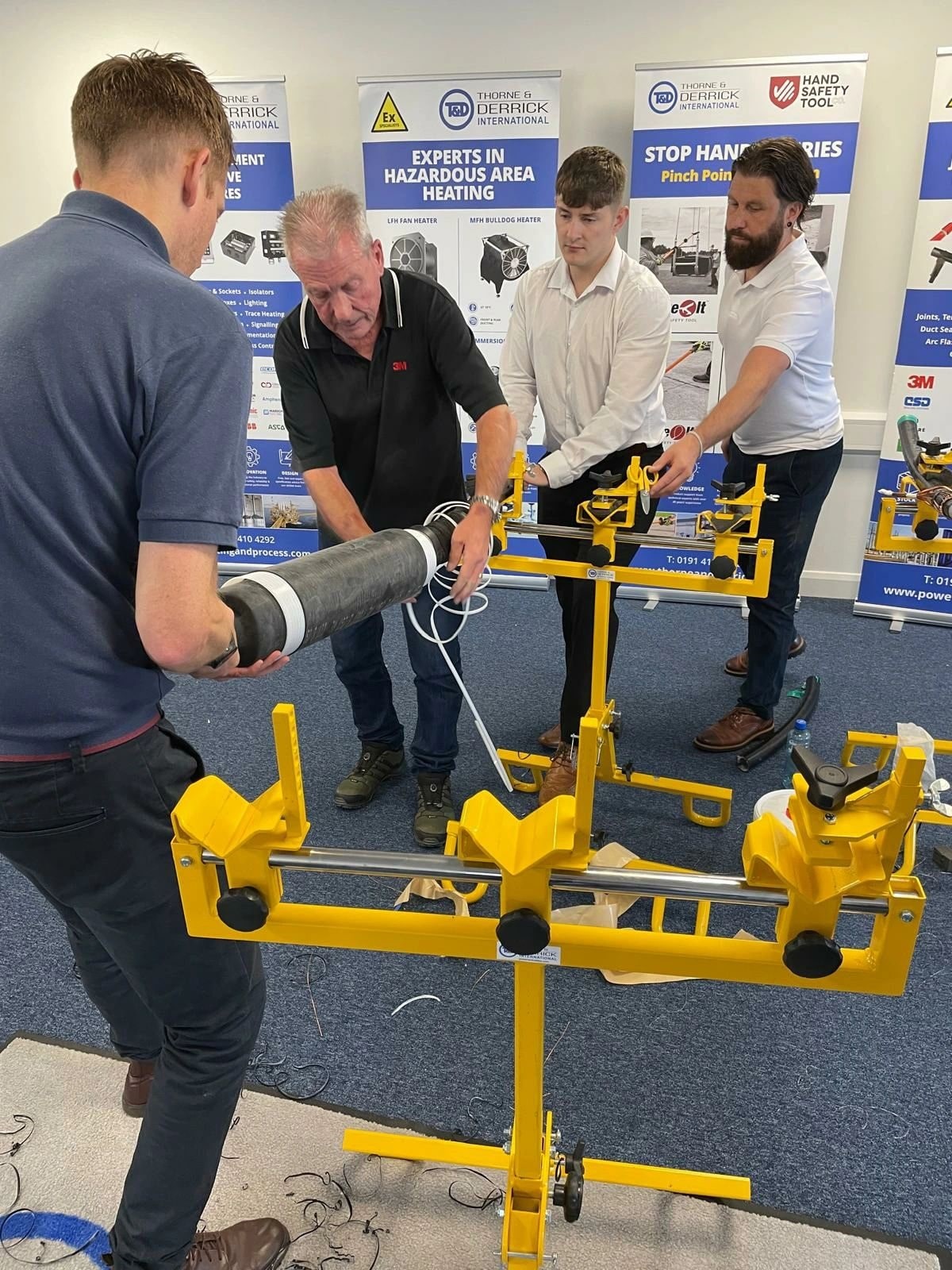
Join the likes of Alroc, Ripley, 3M, Penta and the Thorne & Derrick team for Live Demonstrations of the latest HV Cable Preparation Tools for Jointers alongside our manufacturers
We are committed to building cross-sector engagement across the Electrical Power Industry.
The Faraday Power Group
The Faraday Power Group is a collective of companies based in the North of England, working together to promote innovation, improve safety standards and support the evolving needs of the electrical power industry.
The upcoming event hosted at The Faraday Centre will bring together industry professionals, manufacturers and technical specialists for networking, knowledge sharing and live demonstrations.
Location
The Faraday Centre Ltd
The Wilton Centre Annexe
South Building
Wilton Centre
Redcar
TS10 4RF
Thorne & Derrick
Thorne & Derrick are Specialist Electrical Distributors of products to provide safe and reliable LV HV Cable Termination, Jointing, Installation & Power Systems from 600V to 66kV.
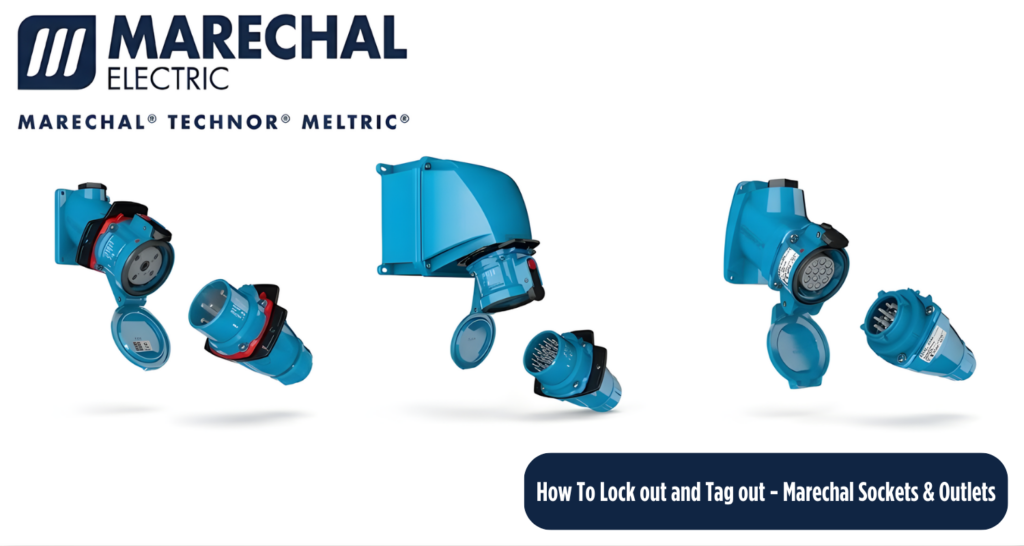
How to Lock Out and Tag Out a Marechal Socket Outlet
Electrical safety is a critical priority in industrial environments. When servicing or maintaining equipment connected to a power source, proper Lock Out Tag Out (LOTO) procedures are essential to prevent accidental energisation.
This guide explains how to safely lock out and tag out aMarechalsocket outlet, ensuring compliance with site safety requirements while protecting personnel from electrical hazards.
Why Lock Out and Tag Out a Marechal Socket Outlet?
Marechal socket outlets are engineered for safety and reliability, however all electrical systems must be correctly isolated before maintenance or servicing begins.
Lock Out Tag Out helps to:
Prevent unintended reconnection of power
Protect personnel from electric shock or arc flash
Maintenance, inspection or repair work is taking place
Connected equipment is being serviced or modified
There is risk of unexpected energisation
The outlet or plug is damaged
Temporary electrical isolation is required
Equipment Required
Required Safety Equipment
Marechal-compatible socket outlet lockout device
Personal safety padlock
Lock out warning tag
Appropriate PPE
Step-by-Step
Locking Out a Marechal Socket Outlet
1. Identify the Correct Socket Outlet
Confirm the socket outlet supplying power to the equipment and verify the correct isolation point before proceeding.
2. Notify Affected Personnel
Inform nearby workers and responsible personnel that isolation will take place to prevent accidental reconnection.
3. Disconnect the Plug
Safely unplug the Marechal connector and ensure all connected equipment has stopped operating.
4. Apply the Lockout Device
Install the lockout device over the socket outlet to physically prevent reinsertion of a plug.
5. Secure with a Safety Padlock
Attach your personal safety padlock. Only the person carrying out the work should retain the key.
6. Attach the Lock Out Tag
The lock out tag should clearly display:
Warning message such as “Do Not Operate”
Name of responsible person
Date of isolation
Reason for lockout
This provides clear visual communication across the worksite.
7. Verify Isolation
Confirm the outlet cannot be energised by testing that a plug cannot be inserted or power restored.
8. Carry Out Maintenance Work
Once isolation is verified, maintenance or servicing can safely proceed.
9. Removal of Lock Out and Tag
Ensure tools and personnel are clear
Confirm the area is safe
Remove lock and tag personally
Notify personnel before re-energising
Marechal Electric Safety Solutions
Marechal socket outlets and decontactors provide safe electrical isolation for industrial power applications including generators, motors, distribution systems and hazardous area installations.
Correct Lock Out Tag Out procedures ensure safe maintenance practices while maintaining compliance with industrial electrical safety standards.
5 Common Cable Management Mistakes And How To Avoid Them Cable management is often overlooked but in industrial environments, it plays a critical role in safety, reliability and long-term performance. Loose, poorly routed or unprotected cables can quickly become...
Rethinking Cable Cleats for High-Density Data Centres Global demand for cloud computing, AI workloads and digital services is accelerating the construction of data centres at an unprecedented scale. Hyperscale facilities are now being developed across Europe, North America and...











 The Faraday Power Group