5 Tonne LV-HV Power Cable Pulling Winch (Twin Capstan) SEB TW5000
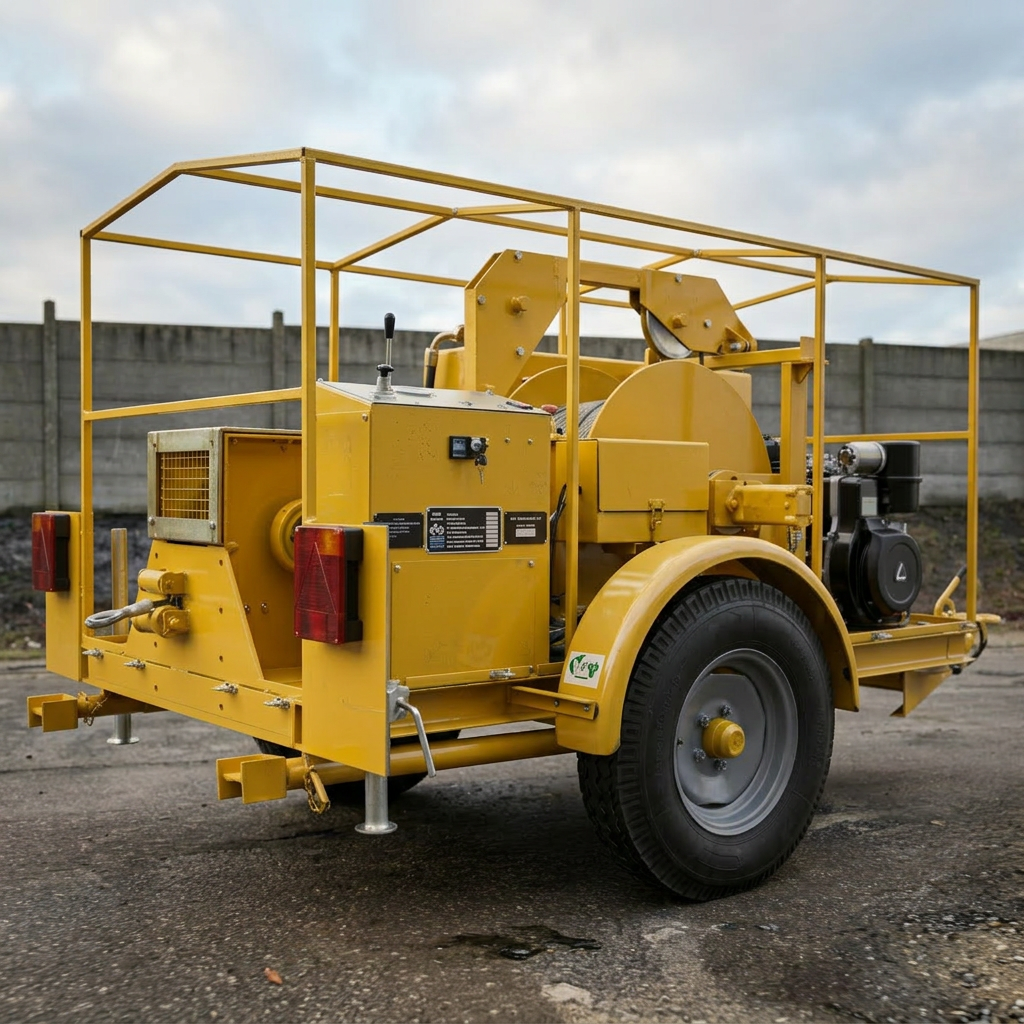

5 Tonne Cable Pulling Winch | Twin Capstan SEB TW5000
Product Code: SEB TW5000
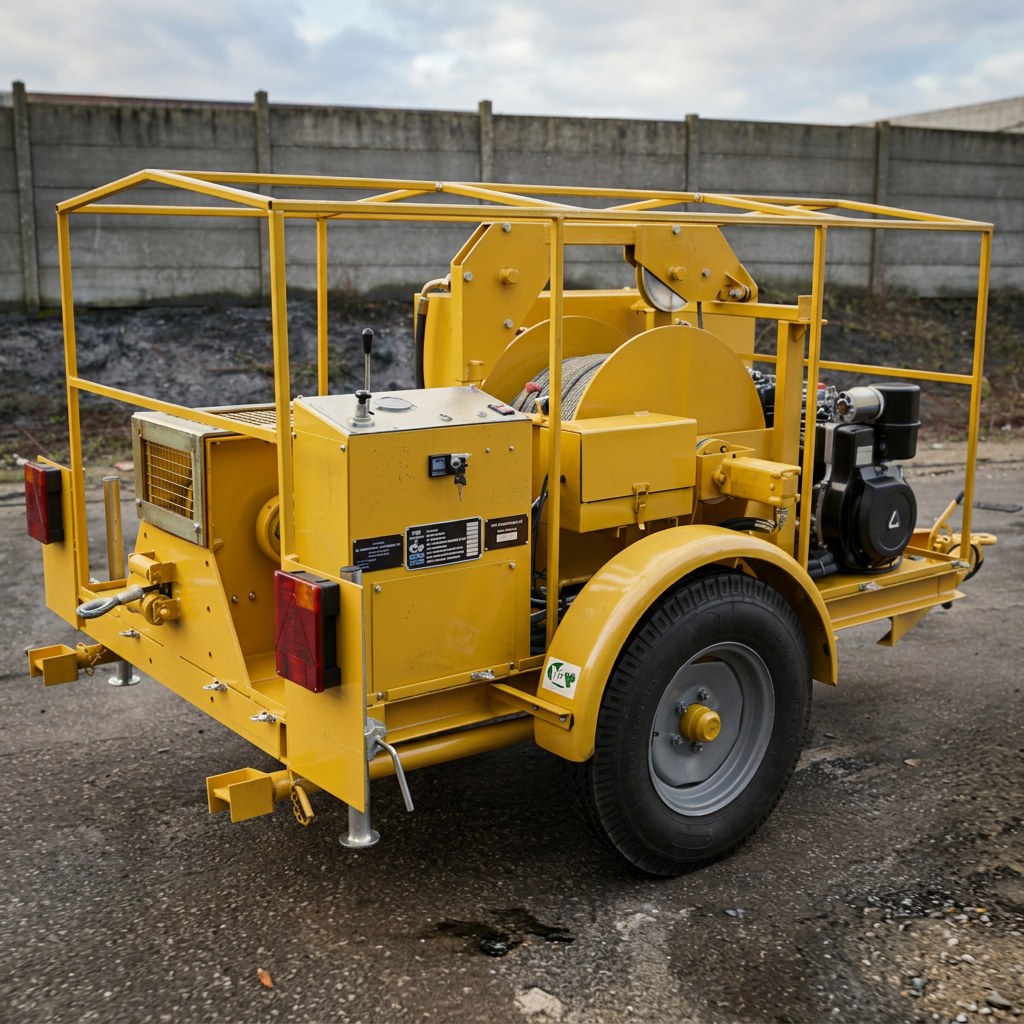
SEB TW5000 is a 5 tonne cable pulling winch designed for pulling LV, MV and HV power cables during cable installation projects. Using a twin capstan design to generate the required pulling tension, the TW5000 is suited to heavier cable installation work where controlled line pull, stable operation and reliable site handling are essential.
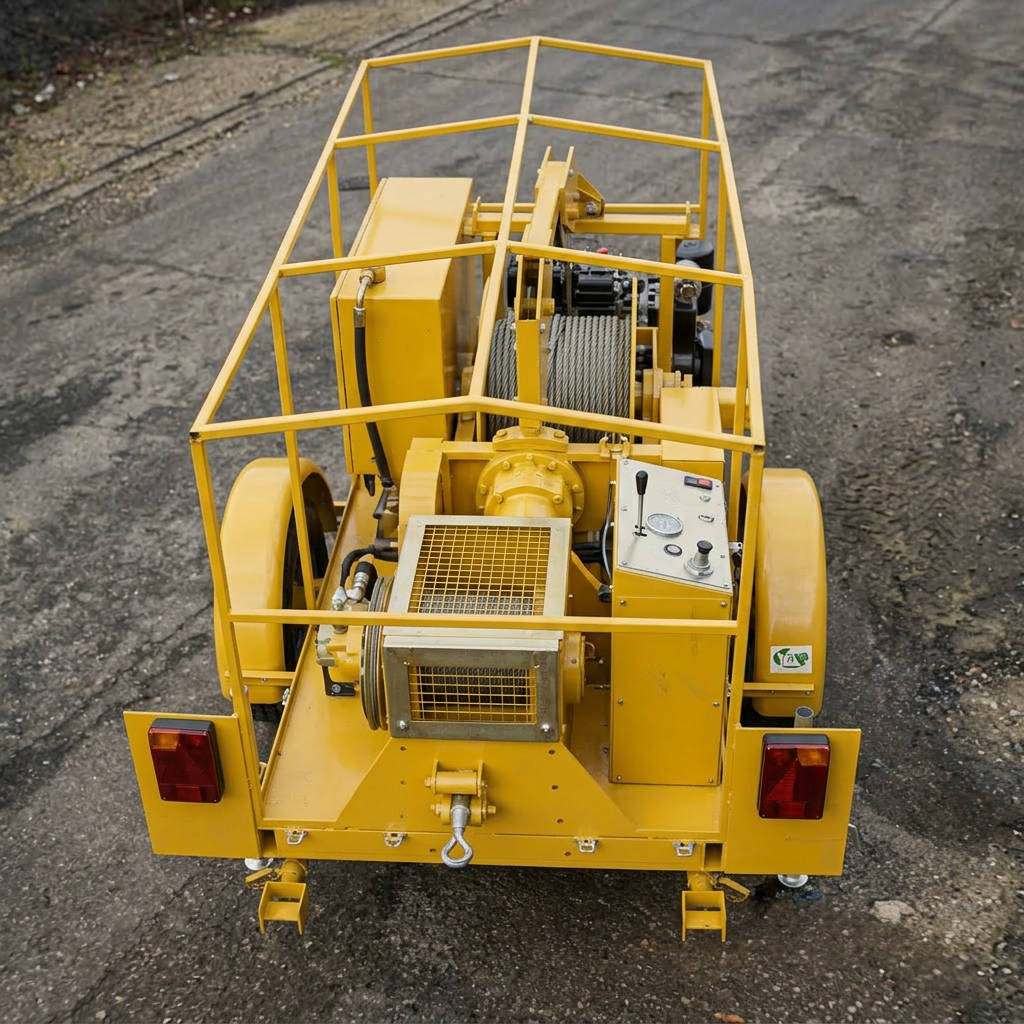
The winch is mounted on a single axle for easier manoeuvrability and is powered by a twin cylinder diesel engine. It is fitted with a dial gauge pull load indicator and is commonly used for pulling 11kV and 33kV cables alongside cable rollers, cable socks, conduit rods and other cable pulling equipment.
5 Tonne Cable Winch for LV MV HV Cable Pulling
The SEB International TW5000 is the largest line pull winch in the SEB range and is designed for pulling heavier power cable installations where controlled tension and dependable site handling are required. The twin capstan cable winch configuration develops the pulling force needed for demanding LV, MV and HV cable projects, including typical 11kV and 33kV installations.
Twin Capstan Cable Pulling Winch
The TW5000 uses independently driven twin grooved bull wheels as the main drive system, helping generate the required tension for controlled cable pulling. Powered by a diesel engine rated at 19.1 kW at 3000 rpm, the winch combines strong pulling performance with practical site operation for underground cable installation and cable laying work.
For Utility, Contractor & Infrastructure Projects
Mounted on a single axle for easier manoeuvrability, the SEB TW5000 is suited to contractors, utilities and specialist installers working on trench, duct and route-based cable installation projects. It is typically used alongside cable rollers, conduit rods, cable socks and underground cable protection as part of a complete cable pulling and laying setup.
Need the right Cable Winch and Cable Pulling & Laying Equipment for your installation project? Thorne & Derrick support utility, infrastructure and contractor teams with specialist equipment for pulling and installing power cables safely and efficiently.
SEB TW5000 Cable Winch – Technical Specifications
5 Tonne Cable Winch – Key Benefits
✔ 5 tonne line pull for demanding LV, MV and HV cable installation work
✔ Twin capstan design develops the required tension for heavier cable pulls
✔ Diesel-powered unit suited to site and infrastructure environments
✔ Dial gauge pull indicator helps monitor pulling load during operation
✔ Hydraulic rewind drum drive maintains rope tension
✔ Powered hydraulic payout supports controlled cable pulling operations
✔ Single axle chassis aids site manoeuvrability and positioning
✔ 750m x 14mm rope drum capacity suits longer and heavier installation tasks
✔ Suitable for 11kV and 33kV cable pulling projects
✔ Strong fit for utility, contractor and infrastructure cable installation teams
Applications
✔ Pulling LV, MV and HV power cables into trench and duct routes
✔ Utility and contractor installation of 11kV and 33kV cables
✔ Underground cable installation projects requiring controlled pulling tension
✔ Cable route installation using rollers, socks and conduit rods
✔ Infrastructure and industrial cable laying projects with heavier line pull demands
✔ Power cable installation where rope tension control and monitored pull load are important
✔ Site setups involving underground cable protection and associated cable handling equipment
✔ Specialist cable laying operations requiring a large-capacity SEB winch
SEB TW5000 – Additional Information
The SEB TW5000 cable winch is designed for heavier duty cable pulling where strong, controlled line pull is required across power cable installation projects. Its twin capstan arrangement is a key part of how the winch develops pulling tension, making it well suited to projects where single capstan units may not provide the same level of performance. As with all cable pulling operations, the winch should be selected with reference to the calculated installation forces, route conditions, cable characteristics and the full pulling setup being used on site.
For effective installation, the TW5000 is commonly deployed as part of a wider cable laying system that includes cable rollers, cable socks, conduit rods and other cable pulling equipment. The dial-gauge load indicator helps the operator monitor pulling load during the pull, while the powered payout and hydraulic rewind drum functions support more controlled handling of the pulling rope throughout the operation.
✔ Largest SEB line pull winch: designed for more demanding cable installation projects
✔ 19.1 kW diesel power unit: practical for site-based pulling operations
✔ 750m rope drum capacity: suitable for substantial pulling setups
✔ No load payout speed: 28mtrs/min
✔ Speed at full 5 tonne pull: 12mtrs/min
✔ Works as part of a complete installation system: typically combined with rollers, rods, socks and cable protection
 5 Tonne LV-HV Power Cable Pulling Winch (Twin Capstan) SEB TW5000Download