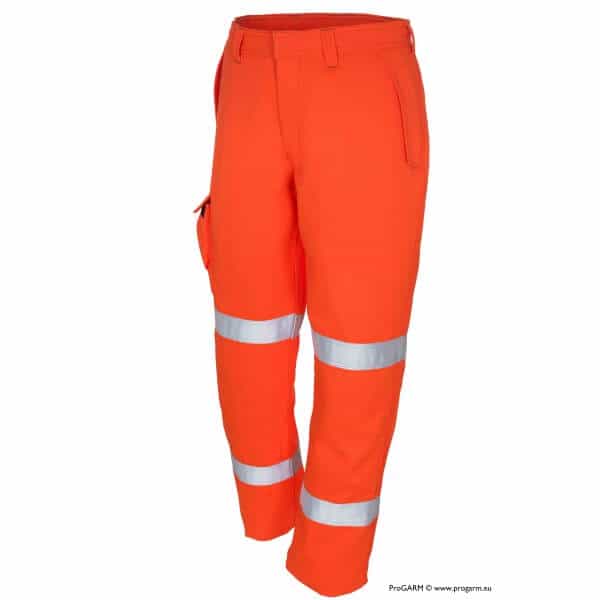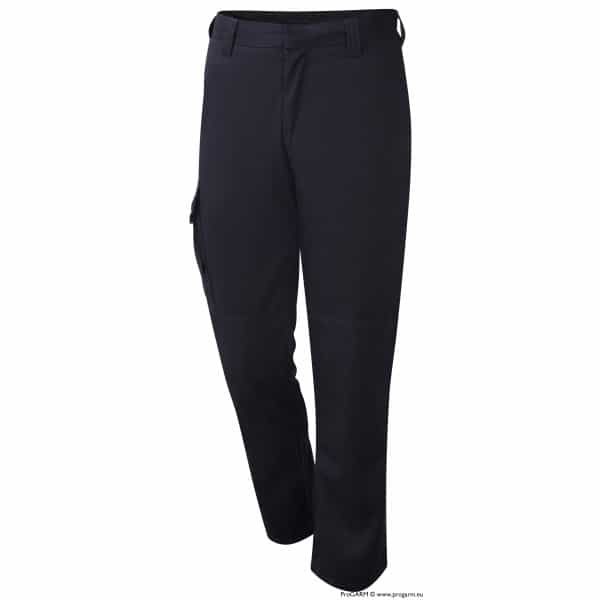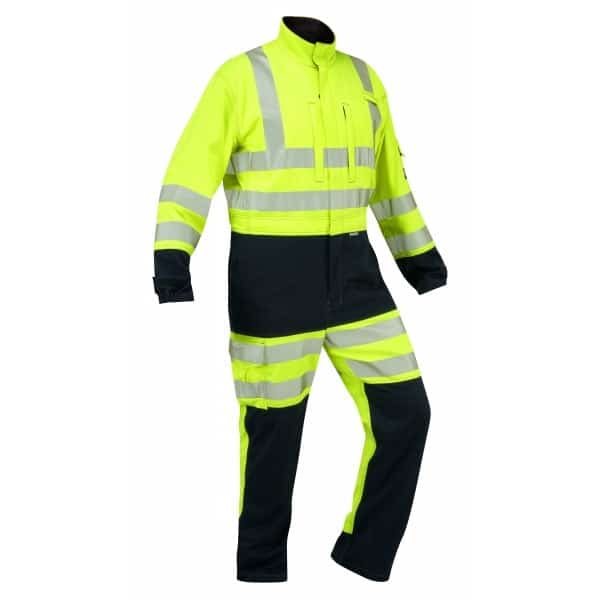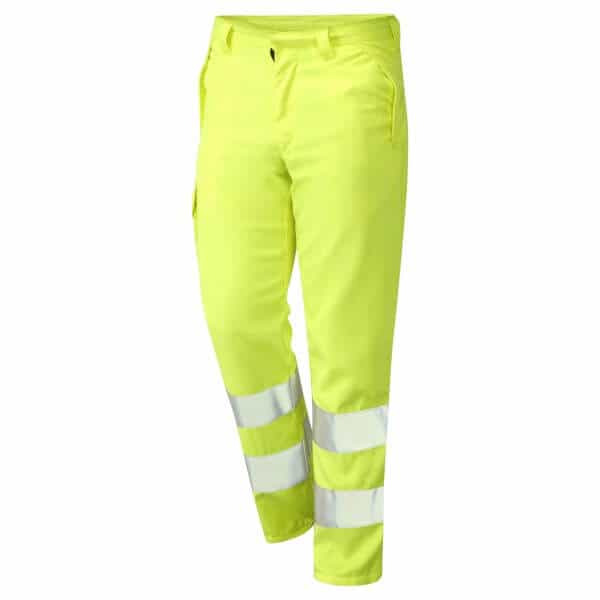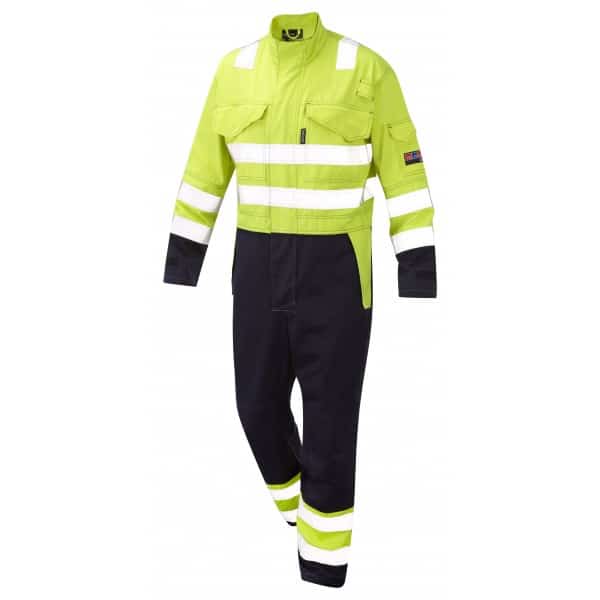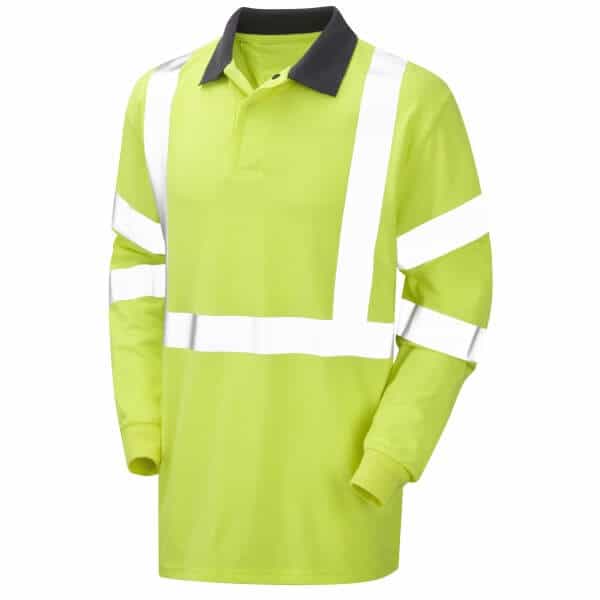
BS EN ISO 11611 Standard Arc Flash & Protective Clothing Standards
BS EN ISO 11611
Arc Flash & Protective Clothing Standards
BS EN ISO 11611 Standard is the European Standard for protective clothing for use in welding and allied processes. Within BS EN ISO 11611 Arc Flash Clothing Standard there are a series of tests – the most important of which are described in ISO 6942, ISO 9150, ISO 15025 and EN 1149-2. ISO 11611 has two classes – if the fabric passes all the tests, it is designated as Class 1 and if the fabric receives a Class 2 rating for the ISO 6942 and ISO 9150 tests, it is designated as Class 2.
- Class 1 – Lower Hazard Welding Applications
- Class 2 – Higher Hazard Welding Applications
EXPLAINING THE DIFFERENT TESTS
ISO 6942: This is a test method for assessing fabrics and fabric combinations exposed to radiant heat. In this test, a fabric sample is exposed to radiant heat (infrared rays). The temperature on the reverse (unexposed) side of the sample is registered using a calorimeter. Subsequently, the length of time the sample can remain exposed before its temperature rises by 24°C is measured.
This test is also used for EN 531C and has two different classes as follows:
- Class 1 temperature increase occurs after ≥ 7 seconds
- Class 2 temperature increase occurs after ≥ 16 seconds.
ISO 9150: Determining the behaviour of fabrics when exposed to small spatters of molten metal. In this test, droplets of molten metal are spattered on a vertically suspended fabric sample. The number of droplets it takes to cause an increase in temperature of 40°C on the reverse side of the sample is determined. This test also has two classes as follows:
- Class 1 ≥ 15 droplets of molten metal
- Class 2 ≥ 25 droplets of molten metal.
ISO 15025: The test method for limited flame spread. The test consists of applying a flame to a fabric sample for 10 seconds. To pass the test, the after flame & smoulder times and formation of holes must be within the tolerances (set in the standard). This test is also used for EN 531A. The application of a flame can take place in two ways:
- in procedure A (leads to Class A1), the flame is applied horizontally (similarly to EN 470 and EN 531)
- in procedure B (leads to Class A2), the flame is applied laterally.
EN 1149-2: This is a test method for measuring the electrical resistance of a fabric sample and determining whether an electrical charge passes through the sample from the outside to the inside. For further information on this EN Standard please refer to the EN1149 section.
TYPICAL EXAMPLES OF PROCESSES VERSUS CLASS OF CLOTHING
Criteria for choice on the basis of the type of process
CLASS 1
Manual welding operations during which small amounts of spatter or droplets of molten metal are formed
– Gas welding
– TIG welding
– MIG welding
– Micro plasma welding
– Soldering brass
– Spot welding
– Shielded electrode MMA welding
CLASS 2
Manual welding operations during which large amounts of spatter or droplets of molten metal are formed, e.g.:
– MMA welding (using alkaline or cellulose electrodes)
– MAG welding (with CO2 or mixed gasses)
– MIG (high-voltage) welding
– Flux-cored arc welding
– Plasma cutting
– Gouging
– Oxygen cutting
– Thermal spraying
Criteria for choice on the basis of the type of work
CLASS 1
Operating machines, e.g.
– Oxygen cutting machines
– Plasma cutting machines
– Resistance pressure welding machines
– Thermal spraying
– Welding tables
CLASS 2
Operating machines, e.g.:
– In enclosed spaces
– When welding/cutting operations require reaching above head height or take place in comparable difficult positions
BS EN 1149-5 | Standard Overview
Protective clothing. For welding & allied processes. Basic safety requirements.
This International Standard specifies minimum basic safety requirements and test methods for protective clothing including hoods, aprons, sleeves, and gaiters that are designed to protect the wearer’s body including head (hoods) and feet (gaiters) and that are to be worn during welding and allied processes with comparable risks. For the protection of the wearer’s head and feet, this International Standard is only applicable to hoods and gaiters. This International Standard does not cover requirements for feet, hand, face, and/or eye protectors.
This type of protective clothing is intended to protect the wearer against spatter (small splashes of molten metal), short contact time with flame, radiant heat from an electric arc used for welding and allied processes, and minimizes the possibility of electrical shock by short-term, accidental contact with live electrical conductors at voltages up to approximately 100 V d. c. in normal conditions of welding. Sweat, soiling, or other contaminants can affect the level of protection provided against short-term accidental contact with live electric conductors at these voltages.
For adequate overall protection against the risks to which welders are likely to be exposed, personal protective equipment (PPE) covered by other International Standards should additionally be worn to protect the head, face, hands, and feet.
Guidance for the selection of the type of welders clothing for different welding activities is detailed in Annex A.
Standard Status | Current, Under Review
Published | 2015
➡ Standards | RIS-3279-TOM | IEC 61482-2 | BS EN 1149-5 | BS EN ISO 20471 | BS EN ISO 14116 | BS EN ISO 11612 | BS EN 13034 | BS EN 342 | BS EN 14404 | BS EN 343 | HSG47
BS EN ISO 11611:2007
BS EN ISO 11611:2007 specifies minimum basic safety requirements and test methods for protective clothing including hoods, aprons, sleeves and gaiters that are designed to protect the wearer’s body including head (hoods) and feet (gaiters) and that are to be worn during welding and allied processes with comparable risks.
Clothing & Garments
Protecting Workers Against the Dangers of Arc Flash
Thorne & Derrick stock and supply the most extensive range of Arc Flash PPE, Clothing & Protective Garments – should you require any further information, sample garments for field test and trial or a quotation please do not hesitate to contact us.
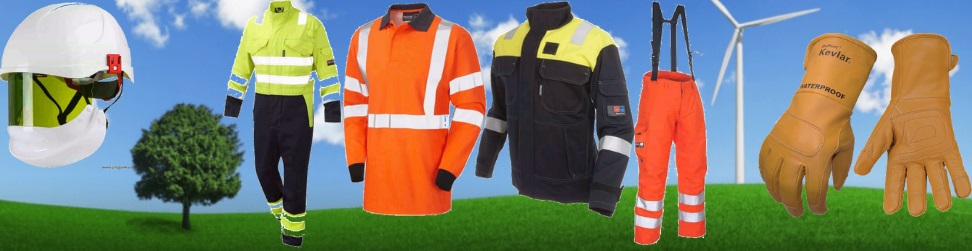
Thorne & Derrick International supply arc flash clothing and protection equipment including coveralls, gloves, helmets, face shields and general head-to-toe PPE is used to protect against flashover – complete range of insulating matting is also available for worker protection when exposed to energised electrical switchgear and transformers.
Typical applications include LV, HV & EHV cable jointing and terminating, fuse pulling, switchgear commissioning, racking circuit breakers, electrical switching and live working on medium and high voltage electricity networks.
T&D are national distributors LV, MV & HV Cable Installation, Jointing, Substation & Electrical Equipment – we service UK and global businesses involved in cable installations, cable cleating, cable jointing, substation, overhead line and electrical construction at LV, 11kV, 33kV and EHV.
Since 1985, T&D have established an international reputation based on SERVICE | INTEGRITY | TRUST.

Electrical Safety Equipment & Cable Accessories for the Maintenance of Low, Medium & High Voltage Power Systems
Protecting Underground Cables
This Article was originally published by T&D World.
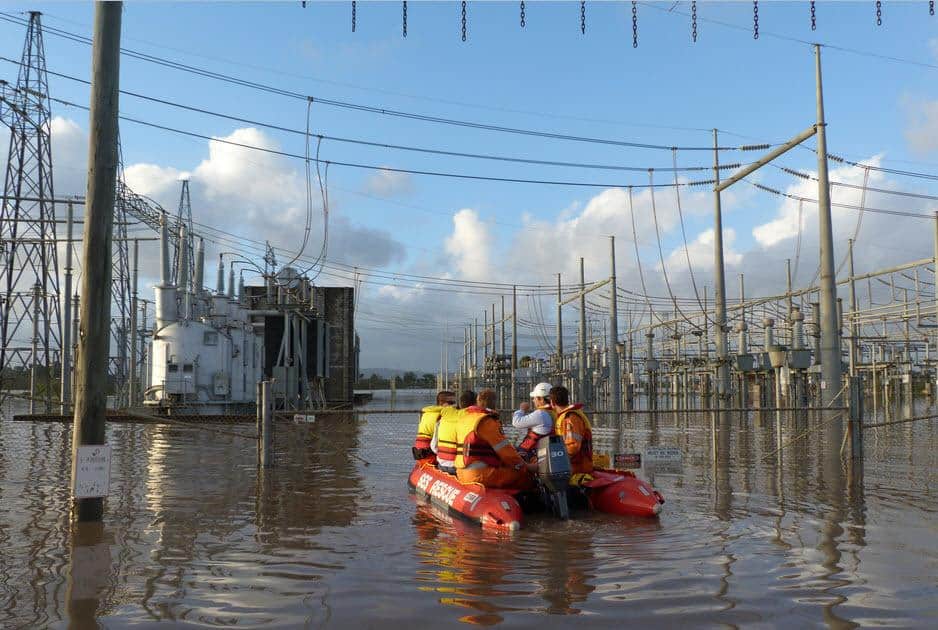
From Superstorm Sandy to Hurricanes Harvey, Irma, Maria, Florence and Michael – the volume of rain and storm surge has and can cause unprecedented flooding.
Flooding negatively impacts power systems – but not for the reasons you might think. Power Delivery Intelligence Initiative (PDi²) is taking on the myth that flooding compromises underground cables.
Medium and high voltage cables are designed to be direct buried, often in areas where they will be below the water table and permanently in a wet environment. Under normal weather conditions, manholes and vaults are often full of water and need to be pumped out for even routine inspections.
Outer jackets for these cables, made of polymeric materials, resist moisture permeation to prevent water incursion into the cable over the life of the system.

Roxtec Cable Transits provide effective protection to LV HV substation cables against flood damage and water penetration be it in dry or wet conditions.
In the rare instances that water permeates a cable jacket, certain insulations, including tree-retardant crosslinked polyethylene, are designed to resist growth of water trees that could cause premature cable failure. In addition, cable also can be manufactured using moisture-blocked conductor, water-swellable tapes and powders and corrugated sheath to make them more moisture impervious.
Underground cables are expected to meet rigorous standards specifically addressing operation under adverse weather conditions like flooding. These standards take into consideration both moisture and chemical resistance as there can be significant differences between rain and flood water. ICEA, ANSI and AEIC require adherence to a variety of test procedures that address moisture barriers, water-blocking components, water-resistance tests and other sealing components and technologies.

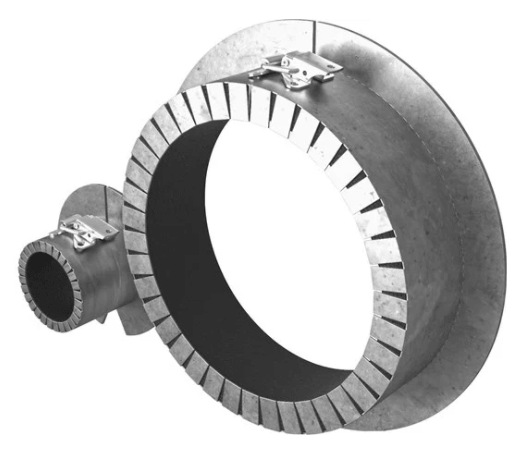
CSD RISE Duct Seals – combining ease of installation with cable duct sealing and protection against water, gas and fire.
Cables are rarely at fault for failures related to flooding.
The biggest concern for flooded underground systems are the open-air terminations at ground level where external or internal contamination has occurred due to poor sealing. However, technology is improving here as well.
Certain elbow and T-bodies are typically submersible and have not shown any significant negative impact after flooding. Joints and other accessories like link boxes are used in manholes and vaults and can be designed and installed in such a way that they can operate submerged in water without compromising cable insulation integrity.
Areas known for periodic flooding can take additional measures for outer protection of cable joints like metal housings moulded with epoxy coatings or fibreglass boxes filled with water sealants.
These designs are typically electrically screened with electrical fields that are fully contained within the solid insulation of the cable.
Myth – flooding and underground cables
busted.
Cables are made to resist water under both normal and extreme operating conditions. As long as water does not extend to the exposed terminations, there is little risk of failure due to flooding.
Where terminations are at ground level, technology and products exist to mitigate the chance of failure. These solutions should be part of storm hardening efforts and decisions regarding choices for new and rehabilitated power infrastructure.

Joint | Terminate | Connect Medium & High Voltage Cables MV HV
Further Reading

LV, MV & HV Jointing, Earthing, Substation & Electrical Eqpt
Thorne & Derrick International are specialist distributors of LV, MV & HV Cable Installation, Jointing, Duct Sealing, Substation & Electrical Equipment – servicing UK and global businesses involved in cable installations, cable jointing, substation, overhead line and electrical construction at LV, 11kV, 33kV and EHV.
THORNE & DERRICK Product Categories: Duct Seals | Cable Cleats | Cable Glands | Electrical Safety | Arc Flash Protection | Cable Jointing Tools | Cable Pulling | Earthing | Feeder Pillars | Cable Joints LV | Joints & Terminations MV HV
Cable Pulling & Laying
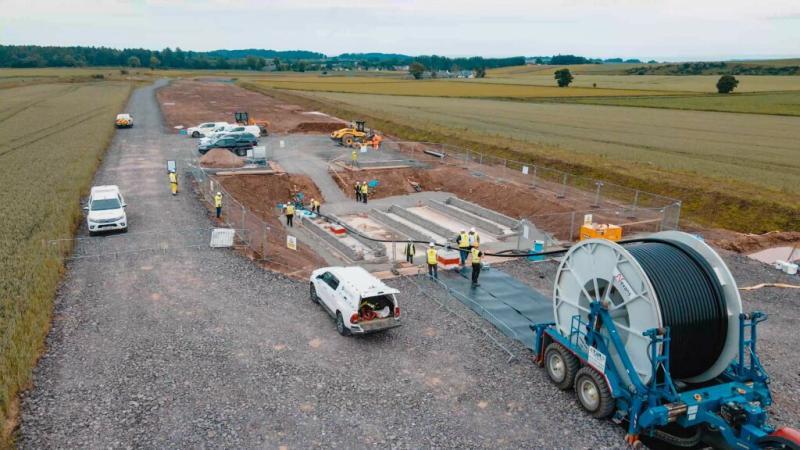
Work is underway to pull cabling through 19.5 kilometres of underground ducts which will connect the GBP 3 billion Seagreen Wind Farm to the Scottish National Grid.
The cable pulling is the latest stage in the cable installation process and another milestone in the construction of the 1,075MW 114-turbine development 27 kilometres off the coast of the county, which when operational, will power up to 1.6m homes throughout the country.
Once finished, the cabling will reach from where the project makes landfall in Carnoustie to a new dedicated substation currently under construction in Tealing.
Onshore Electrical Infrastructure Project Manager, Steven Reid from SSE Renewables is responsible for the cable installation project.
”The start of the cable pulling process marks an important achievement in the delivery of the onshore electrical transmission infrastructure following significant efforts from the Project Team and the support of various stakeholders,” Reid said.
”Again, I‘d like to express our thanks to all who live along the route for their co-operation and understanding as the project has progressed up to this stage of delivery. Working with our Contractor Nexans, we now look forward to continue to deliver the installation of the 19km of cabling safely and with the least amount of disruption possible to the surrounding community.”
Electrical Arc Flash Protection for Offshore Wind Farm WorkersSeagreen is a joint venture between SSE Renewables and Total.
First power at the wind farm is expected by early 2022 with full power coming on stream in 2022/23.
Seagreen selected Montrose Port as the home for the operations and maintenance base for the 114-turbine development in October 2019.

See how T&D support, supply and service the Renewable Energy industry.

Cable Pulling & Cable Laying Equipment
Cable Transits & Duct Seals
Increased Safety & Security
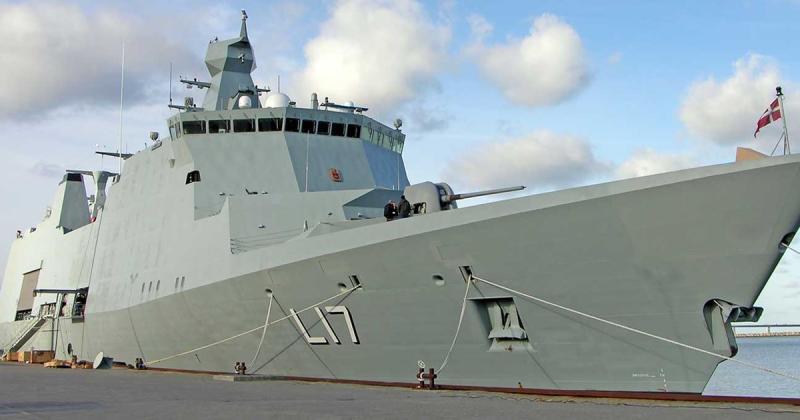
With world class cable transits protecting against multiple risks, you pave the way for maximum survivability. Cable transits and duct seals from Roxtec are your solution for safety, EMI/EMP protection and blast load resistance.
The vibration damping, the area efficiency and the light-weight nature of the pipe seals contribute to a more silent operation and more free space onboard. Roxtec solutions simplify everything – from planning to future upgrades.
Application areas
Explore the multitude of applications where you can benefit from Roxtec’s solutions.
Cabinets & enclosures
Roxtec CF 8/32 Transit
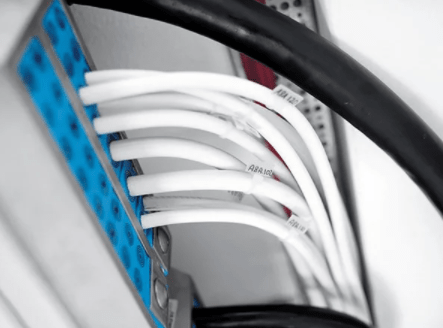
Roxtec multi-cable transits offer several additional customer benefits and can entirely replace cable glands. Use Roxtec’s compact, area efficient seals to ensure EMI/EMP protection and to be able to reduce the size of your cabinets, junction boxes and enclosures as well as to reduce engineering hours spent on cable data and cable gland configurations.
Why use Roxtec?
- Watertight
- Gas-tight
- Dust-tight
- One cut-out for dozens of pre-terminated cables which may vary in size
- Built-in spare capacity for upgrades and retrofits
- Solutions for armoured cables
- EMC solutions for electrical safety
- Ex solutions for hazardous locations
Recommended Sealing Solutions
|
Description |
Fire |
Tightness |
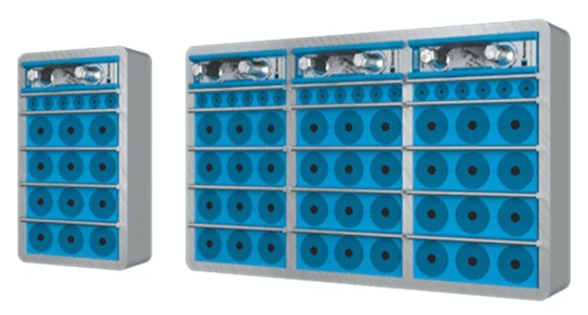 |
Roxtec S Transit
Transit for welding to the structure. For welding into a precise aperture. |
A-CLASS
H-CLASS |
Gas: 2.67 bar (catastrophic)
Water: 4 bar (catastrophic) |
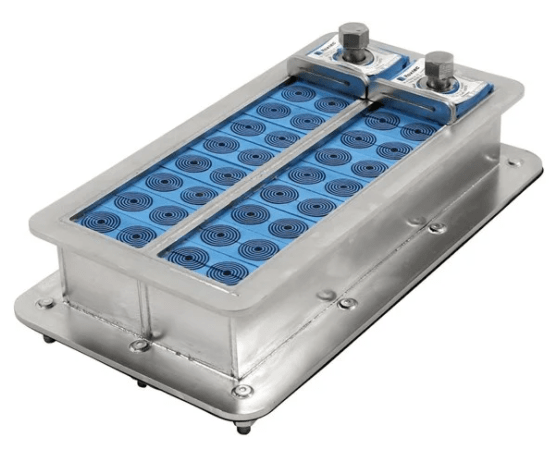 |
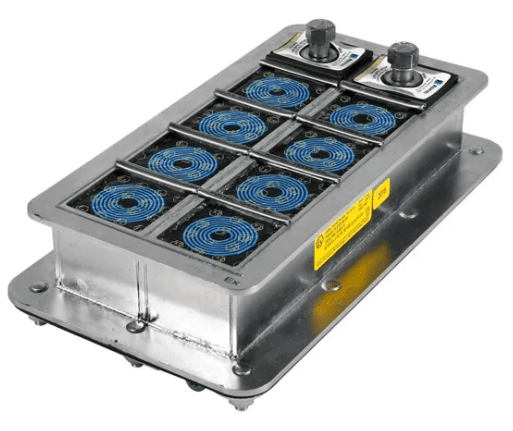
Roxtec HD Transits
High cable density transit device with frame in 316L. For harsh environments. |
N/A |
IP66/IP67
UL/NEMA 4.4X, 12, 13 |
 |
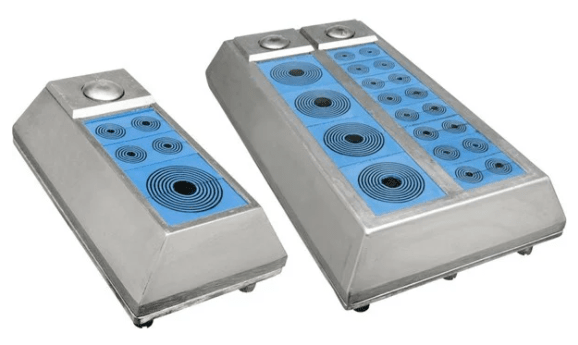
Roxtec HD Ex Transits
High cable density transit devices for Ex environments with frame in 316L.
|
N/A |
IP66/IP67
UL/NEMA 4.4X, 12, 13
Ex e/ Ex tb |
 |
Roxtec CF 8/32 Transit
High cable density transit with aluminium frame |
N/A |
IP66/IP67
UL/NEMA 4.4X, 12, 13 |
Command control room
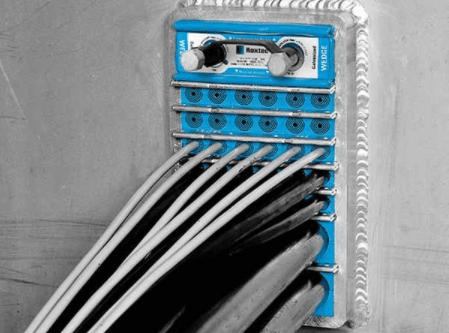
Roxtec S Transit
Roxtec cable transits ensure electromagnetic shielding and protect equipment both inside, and around the command control room. Use Roxtec EMC solutions to secure data, communication and high-precision operation in order to improve survivability.
Why use Roxtec?
- EMI/EMP protection
- Watertight
- Firestop
- Gas-tight
- Dust-tight
- Blast load resistant
- Flexibility for cables of different sizes
- Built-in spare capacity for upgrades and retrofits
- EMC solutions for electrical safety
Recommended Cable & Pipe Sealing Solutions
|
Description |
Fire |
Tightness |
|
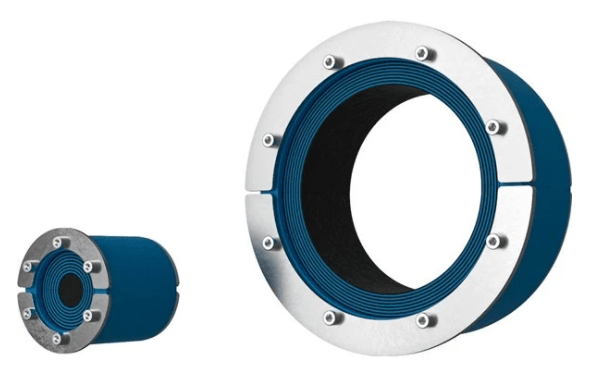
Roxtec S Transit
Transit for welding to the structure. For welding into a precise aperture. |
A-CLASS
H-CLASS |
Gas: 2.67 bar (catastrophic)
Water: 4 bar (catastrophic) |
 |
Roxtec RS Seal
Penetration seal for a single cable or pipe. For installation in existing sleeves or core drilled holes. |
A-CLASS
H-CLASS
EI 60
EI 120
UL 1479 |
Gas: 2.67 bar (catastrophic)
Water: 4 bar (catastrophic) |
|
Roxtec CF 8/32 Transit
High cable density transit with aluminium frame. For high demand areas. |
N/A |
IP66/IP67
UL/NEMA 4.4X, 12, 13 |
Communication area – Crypto & Sonar
Roxtec cable and pipe transits ensure electromagnetic shielding both inside, and around the sonar and crypto rooms. Use EMC solutions to protect equipment and create an internal barrier for sensitive information. Stop RFI, optimize communication security and ensure safety and survivability.

Roxtec RS Cable Transit Frame
Why use Roxtec?
- EMI/EMP protection
- Watertight
- Firestop
- Gas-tight
- Dust-tight
- Flexibility for cables and pipes of different sizes
- Built-in spare capacity for upgrades and retrofits
- EMC solutions for electrical safety
Recommended Cable & Pipe Sealing Solutions
|
Description |
Fire |
Tightness |
|
Roxtec S Transit
Transit for welding to the structure. For welding into a precise aperture. |
A-CLASS
H-CLASS |
Gas: 2.67 bar (catastrophic)
Water: 4 bar (catastrophic) |
|
Roxtec RS Seal
Penetration seal for a single cable or pipe. For installation in existing sleeves or core drilled holes. |
A-CLASS
H-CLASS
EI 60
EI 120
UL 1479 |
Gas: 2.67 bar (catastrophic)
Water: 4 bar (catastrophic) |
|
Roxtec CF 8/32 Transit
High cable density transit with aluminium frame. For high demand areas. |
N/A |
IP66/IP67
UL/NEMA 4.4X, 12, 13 |
Engine room
Roxtec cable and pipe penetration seals are perfectly suited for large cables and pipes entering the engine room through decks and bulkheads. Use Roxtec transits to ensure the best possible protection for the heart of the ship.
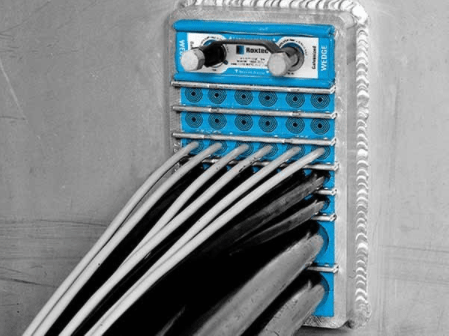
Roxtec S Transit for Engine Rooms
Why use Roxtec?
- Watertight
- Gas-tight
- Firestop
- EMI/EMP protection
- One opening for dozens of cables and pipes
- Flexibility for cables and pipes of different sizes
- EMC solutions for electrical safety
|
Description |
Fire |
Tightness |
|
Roxtec S Transit
Transit for welding to the structure. For welding into a precise aperture. |
A-CLASS
H-CLASS |
Gas: 2.67 bar (catastrophic)
Water: 4 bar (catastrophic) |
|
Roxtec RS Seal
Penetration seal for a single cable or pipe. For installation in existing sleeves or core drilled holes. |
A-CLASS
H-CLASS
EI 60
EI 120
UL 1479 |
Gas: 2.67 bar (catastrophic)
Water: 4 bar (catastrophic) |
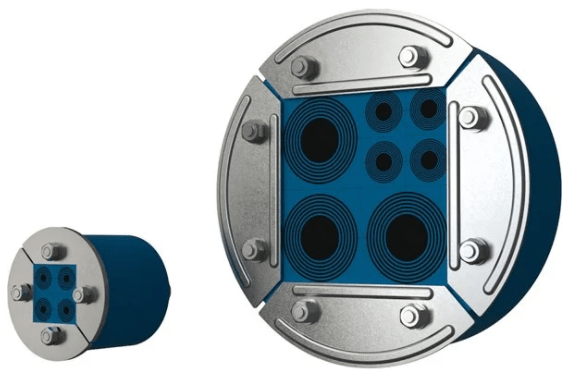 |
Roxtec R Transit
Round transit for sealing around multiple cables and pipes in a limited area. For installation in existing sleeves. |
A-CLASS
H-CLASS
EI 60
EI 120
UL 1479 |
Gas: 2.67 bar (catastrophic)
Water: 4 bar (catastrophic) |
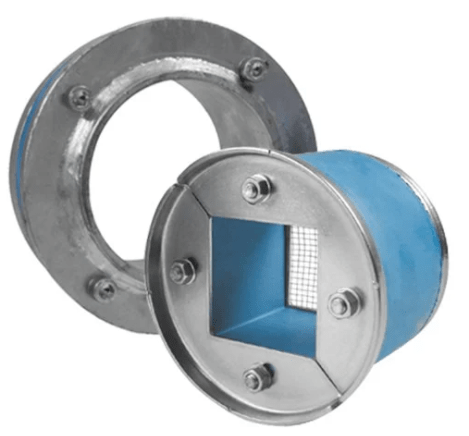 |
Roxtec R X Transit
Transit for sealing around multiple cables and pipes in a limited are without welding or bolting. For attachment through expansion. |
A-CLASS |
Gas: 2.67 bar (catastrophic)
Water: 4 bar (catastrophic) |
|
Roxtec CF 8/32 Transit
High cable density transit with aluminium frame. For high demand areas. |
N/A |
IP66/IP67
UL/NEMA 4.4X, 12, 13 |
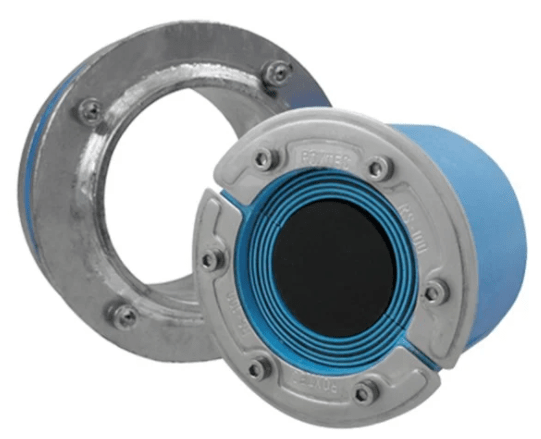 |
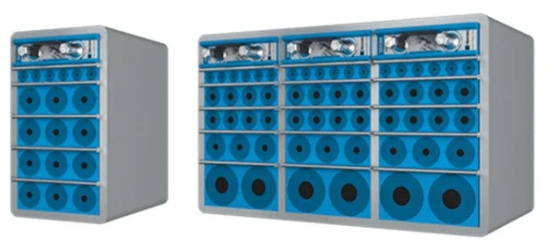
Roxtec RS X Seal
Transit for use when welding is not allowed, recommended or desired. For high pressure penetrations. |
A-CLASS |
Gas: 2.67 bar (catastrophic)
Water: 4 bar (catastrophic) |
 |
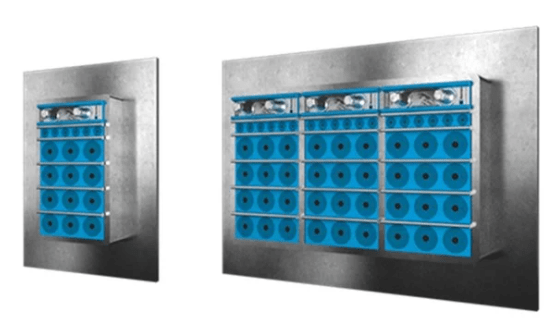
Roxtec SBTB Transit
Transit with metal frame for an extra level of fire protection. For high fire demands. |
A-CLASS
H-CLASS |
Gas: 2.67 bar (catastrophic)
Water: 4 bar (catastrophic) |
 |
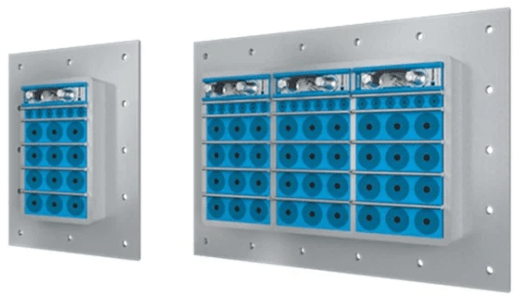
Roxtec SF Transit
Cable and pipe transit with metal frame and flange for welding to the structure. For wide aperture tolerance when welding. |
A-CLASS
H-CLASS
UL 1479 |
Gas: 2.67 bar (catastrophic)
Water: 4 bar (catastrophic) |
 |
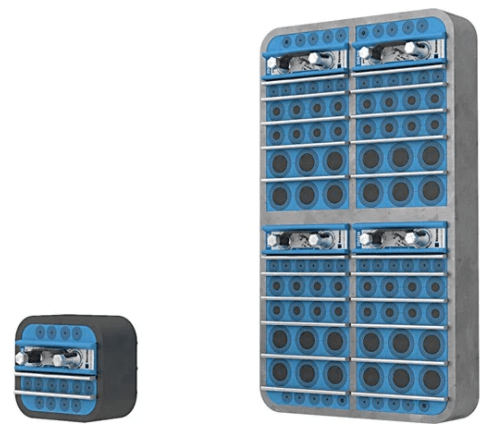
Roxtec SFHM
Transit with metal frame and flange for bolting to the structure. |
A-CLASS
H-CLASS |
Water: 4 bar (catastrophic) |
 |
Roxtec SRC r20 Transit
Transit with metal frame for load-bearing structures. Corner radius 20mm. |
A-CLASS
H-CLASS |
Gas: 2.67 bar (catastrophic)
Water: 4 bar (catastrophic) |
Gas-tight areas
Roxtec seals are not only your solution for safety, they provide EMI/EMP protection and excellent blast load resistance. Additionally, the transits reduce vibration and are area efficient in order to allow more free space onboard.
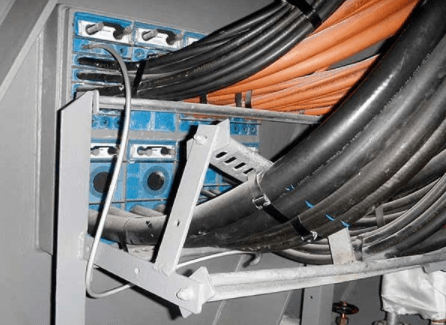
Roxtec SBTB Transit for Gas-Tight Area
Why use Roxtec?
- Watertight
- Firestop
- Gas-tight
- Flexibility for cables and pipes of different sizes
- Built-in spare capacity for upgrades and retrofits
- Back-to-back solutions for increased protection
|
Description |
Fire |
Tightness |
|
Roxtec S Transit
Transit for welding to the structure. For welding into a precise aperture. |
A-CLASS
H-CLASS |
Gas: 2.67 bar (catastrophic)
Water: 4 bar (catastrophic) |
|
Roxtec RS Seal
Penetration seal for a single cable or pipe. For installation in existing sleeves or core drilled holes. |
A-CLASS
H-CLASS
EI 60
EI 120
UL 1479 |
Gas: 2.67 bar (catastrophic)
Water: 4 bar (catastrophic) |
|
Roxtec R Transit
Round transit for sealing around multiple cables and pipes in a limited area. For installation in existing sleeves. |
A-CLASS
H-CLASS
EI 60
EI 120
UL 1479 |
Gas: 2.67 bar (catastrophic)
Water: 4 bar (catastrophic) |
|
Roxtec SBTB Transit
Transit with metal frame for an extra level of fire protection. For high fire demands. |
A-CLASS
H-CLASS |
Gas: 2.67 bar (catastrophic)
Water: 4 bar (catastrophic) |
|
Roxtec SF Transit
Cable and pipe transit with metal frame and flange for welding to the structure. For wide aperture tolerance when welding. |
A-CLASS
H-CLASS
UL 1479 |
Gas: 2.67 bar (catastrophic)
Water: 4 bar (catastrophic) |
Hydraulic and compressed air systems
Roxtec’s round cable transits and rectangular penetration seals are ideal for single or multiple cables, pipes and tubes. Use Roxtec transits to ensure certified fire protection in A-0 to A-60 rated areas and maintain the ability to reopen the seals whenever you need.
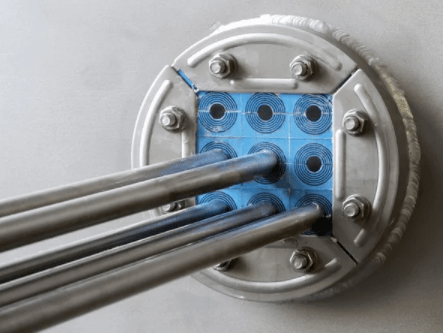
Roxtec R Transit for Hydraulic & Compressed Air Systems
Why use Roxtec?
- Watertight
- Firestop
- Vibration damping
- Noise reduction
- One opening for dozens of cables and pipes
- Flexibility for cables and pipes of different sizes
- Ex solutions for hazardous locations
|
Description |
Fire |
Tightness |
|
Roxtec S Transit
Transit for welding to the structure. For welding into a precise aperture. |
A-CLASS
H-CLASS |
Gas: 2.67 bar (catastrophic)
Water: 4 bar (catastrophic) |
|
Roxtec RS Seal
Penetration seal for a single cable or pipe. For installation in existing sleeves or core drilled holes. |
A-CLASS
H-CLASS
EI 60
EI 120
UL 1479 |
Gas: 2.67 bar (catastrophic)
Water: 4 bar (catastrophic) |
|
Roxtec R Transit
Round transit for sealing around multiple cables and pipes in a limited area. For installation in existing sleeves. |
A-CLASS
H-CLASS
EI 60
EI 120
UL 1479 |
Gas: 2.67 bar (catastrophic)
Water: 4 bar (catastrophic) |
|
Roxtec R X Transit
Transit for sealing around multiple cables and pipes in a limited area without welding or bolting. |
A-CLASS
H-CLASS |
Gas: 2.67 bar (catastrophic)
Water: 4 bar (catastrophic) |
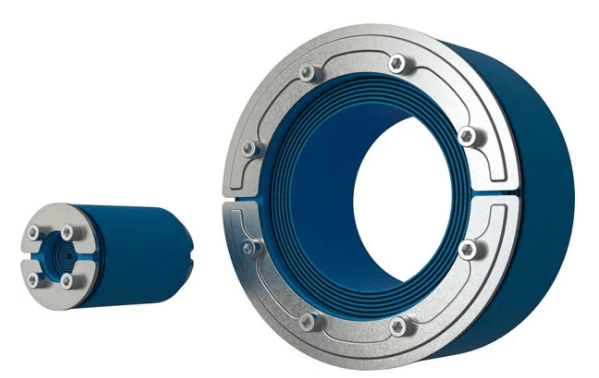 |
Roxtec RS OMD Seal
Flexible transit with adaptable outside to fit non-standard sleeve sizes. |
A-CLASS
H-CLASS
UL 1479 |
Gas: 2.67 bar (catastrophic)
Water: 4 bar (catastrophic) |
|
Roxtec RS X Seal
Transit for use when welding is not allowed, recommended or desired. For high pressure penetrations. |
A-CLASS |
Gas: 2.67 bar (catastrophic)
Water: 4 bar (catastrophic) |
Power Generators, Motors and Thrusters
Roxtec cable seals are perfect for large cables entering the engine room through decks and bulkheads. Use Roxtec transits to achieve well-organized pipe penetrations and cable entries both inside, and around machine areas and engine control rooms. Also, benefit from savings resulting from the reduced space requirements of cabinets and enclosures.
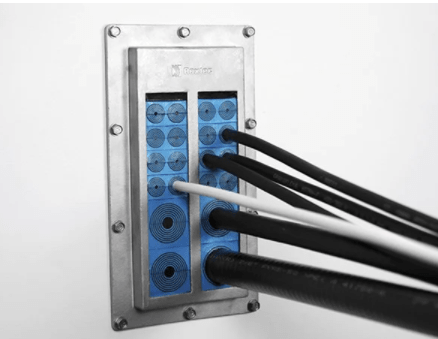
Roxtec ComSeal
Why use Roxtec?
- Watertight
- Firestop
- EMI protection
- Dust-tight
- One opening for dozens of cables
- Flexibility for cables and pipes of different sizes
- EMC solutions for electrical safety
|
Description |
Fire |
Tightness |
|
Roxtec CF 8/32 Transit
High cable density transit with aluminium frame. For high demand areas. |
N/A |
IP66/IP67
UL/NEMA 4.4X, 12, 13 |
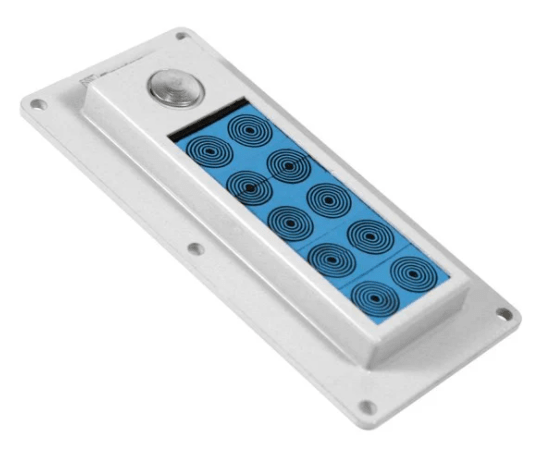 |
Roxtec ComSeal
IP55 rated entry seals with aluminium frame |
N/A |
IP55
UL/NEMA 3, 12, 12K |
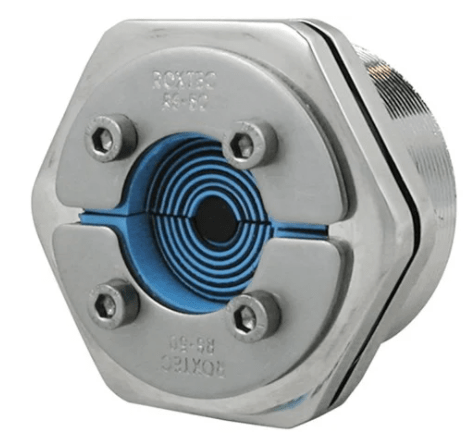 |
Roxtec C RS T Seal
Round seal for single cable entries |
N/A |
IP66/67
IP69K
UL/NEMA 4, 4X, 12, 13 |
Water pipes
Further Reading
Cable Sealing Using Roxtec
Roxtec cable seals are used in cable vaults, duct banks, electrical substations, trenches and M&E building services protecting low, medium and high voltage power systems against numerous external risk factors:
- Fire – A60, H120 Class bulkhead sealing for offshore classification against jet-fire or spray and prevention of suffocating smoke spread
- Gas – ensure complete tightness against air and gas pressure or migration through cable ducts with DSEAR compliance
- Water – prevent flood and water penetration into substations and buildings – avoid humidity and partial discharge conditions
- Cables – withstand cable bending load in heavy power and high voltage cable seal applications
- Pressure – protect against catastrophic sudden or constant pressure
- Electrical – protect cables and electrical infrastructure against EMI, EMP and lightning strike effects
- Particles – control levels of of dirt, dust, chemical and fumigants from entering buildings, cable ducts and substations
- Blast – protect against vibration, shock-waves and the risk of explosion in industrial and hazardous area locations

Cable Transits – Sealing Cables & Pipes
Cable Transits
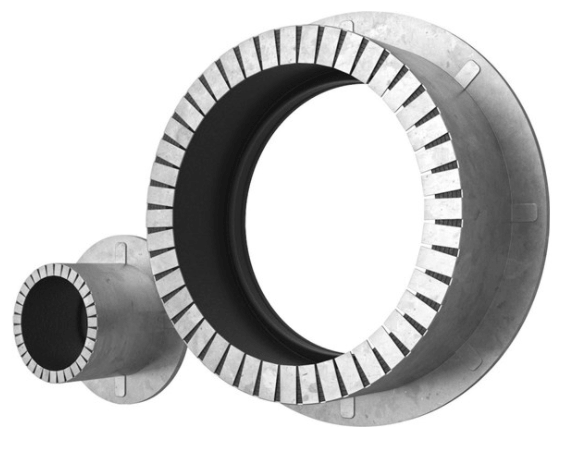
Roxtec cable transits are used to prevent water, gas, fire, dust and rodents from entering cable duct openings and potentially causing damage to cables and other electrical infrastructure.
Cable transit systems can be designed for sealing medium/high voltage substations including 11kV/33kV and “triplex” type cables in single, multiple or trefoil configuration.
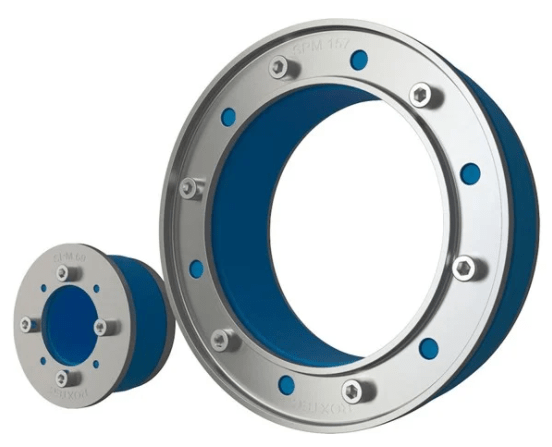
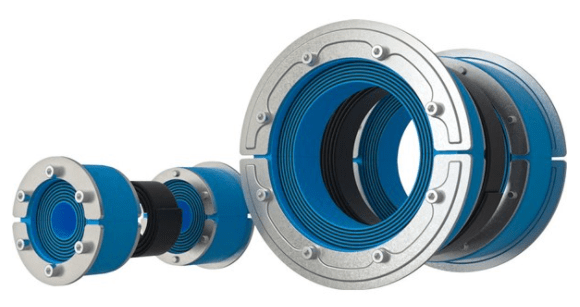
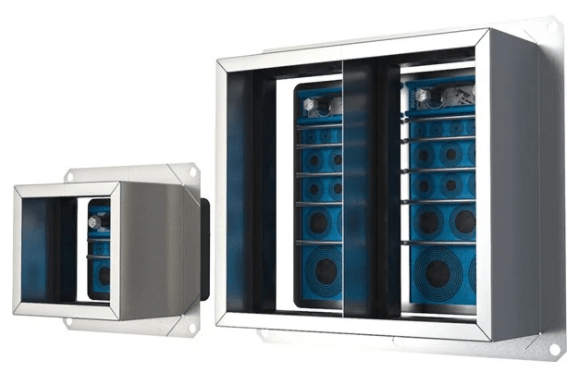
Roxtec modular cable transit seals are based upon a rubber design with seals that are constructed of a number of removable layers to secure a watertight, gas tight and fire proof seal around the cable or pipe – the range includes rectangular transits and round transits to fit a variety of pipes and cable sizes.
Cable transit products ensure safety, reliability and efficiency by providing an effective, dependable seal around cables and pipes through an opening, penetration or duct.

LV MV HV Jointing, Earthing, Substation & Electrical Eqpt
Thorne & Derrick | LV HV Electrical Safety & PPE Stockists & Specialists
Thorne & Derrick have recently supplied Electrical Safety Equipment to a renewable energy company working on the construction of the worlds largest offshore windfarm project in UK waters. The Personal Protective Equipment (PPE) will provide mitigation against the hazards of impressed/induced voltages prior to and during the pull-in of subsea cables.
Liasing with the Works Manager (Subsea Cables & Flexibles) and the Quality, Health, Safety and Environmental (QHSE) management team a minimum level of PPE and electrical protection was ascertained to protect workers carrying out maintenance and construction tasks in and around exposed cables. Essentially this included robust dielectric footwear, commonly referred to as insulating boots, and hand protection to protect against electrical hazards. The PPE delivered from stock will protect both crews and technicians working at landfall location and onboard the offshore cable laying vessel.
Critical to the project was our rapid response delivery from stock in a mixture of sizes to suit the individual requirements of the offshore workers, engineers and technicians.
Gloves & Boots
For hand protection gauntlet type Class 1 electrical insulating gloves were specified in accordance with Standard EN 60903:2003 – additional mechanical outer protection and cotton inner gloves were supplied. Footwear for electrical protection in accordance with the Standard EN 50321-1:2018 (tested to 20kV) was selected and specified.
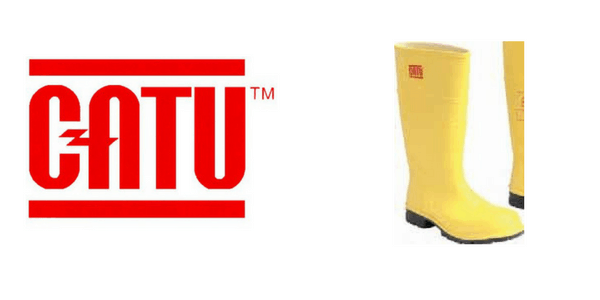
Boots CATU MV-137 | these insulating boots are designed to protect offshore workers against the risks of step voltage on the ground, or against current circulating between the feet and the ground. The dielectric safety boots provide worker protection against electrical shock up to 20kV across the entire boot and up to 35kV on the sole. CATU’s MV-137 boots are made from high voltage-resistant dielectric compounds with slip-resistant vulcanised blue rubber sole and are available from stock at Thorne & Derrick.
Ex Stock
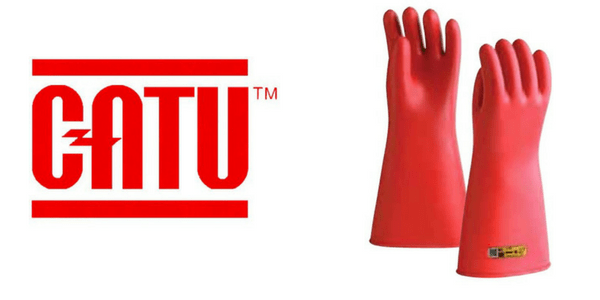
Gloves CATU CG-1 | Class 1 insulating gloves to provide electrical protection for live voltages up to 7,500V and are fully compliant with IEC 60903 and EN 60903 standards.
Ex Stock
Offshore Electrical Safety
Further Reading Arc flash accidents are not nearly as rare as you would think and the hazards they create are severe. In wind turbines, these hazards are magnified. Read our Electrical Safety Blog about safe wind turbine working.
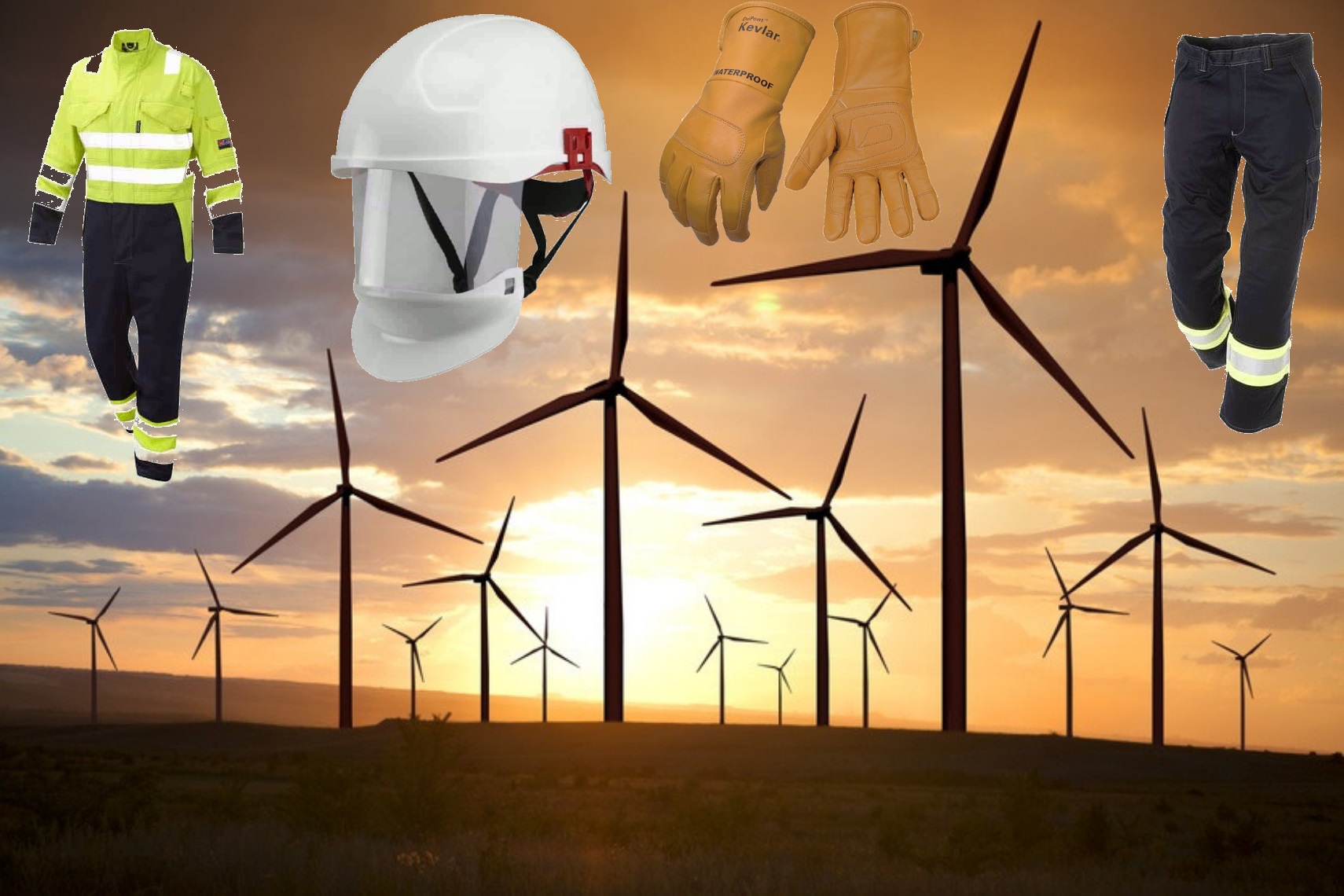
Electrical Safety & Arc Flash Protection for Offshore Wind Farm Workers