ELECTRICAL PPE
Arc Flash Kits & Arc Flash Clothing
Investing in the highest quality arc flash kit and electrical PPE is exactly that – an investment. Whether purchasing for a small number of specially-trained people or as part of a broader procurement strategy in large volumes, the value-for-money aspect is a necessary part of the conversation.
Regardless of overall spend, there are significant commercial benefits in having the right specification kit for high-risk electrical operatives at risk of an arc flash. As if saving lives isn’t enough, here are our top five areas for potential cost-savings to help make your ProGARM investment work even harder.
1. Reduced Insurance Premiums
Getting caught up in an arc flash could have devastating consequences. Yes, you have business insurance but should the worst happen, most policies expect that every reasonable safety precaution is being taken and it’s your responsibility to make sure this is the case. There are ways that you can show you’re doing all you can to reduce your risks, and investing in specialist electrical PPE is definitely one of those things that could mean a win when it comes to business insurance costs.
2. Increased Durability Means Less Replacement Costs
There’s a saying: buy cheap, buy twice. In challenging economic times, a cheaper alternative can feel like the sensible choice. Beware though, as the compromise could end up being costlier in the long run. With such high stakes, it’s important to have confidence in the performance and durability of the clothing you purchase. At ProGARM, we’re obsessed with every single detail meaning we know our clothes are built to last. But not all arc flash clothing is made equal.
3. Making Clothes That Operatives Choose To Wear
If your people don’t like the kit you give them because it’s uncomfortable, you face an uphill battle getting them to wear it. We know that wearability is key, especially in a role that demands flexibility and movement to get the job done. The entire range of ProGARM arc flash clothing is designed with real people in mind. We know comfort counts, so it’s always a key part of our product development process, creating clothes people want to wear.
4. Increased Productivity
When your teams know you’ve invested heavily in their safety through kit that’s not only high-spec but also comfortable to wear, they’re more likely to be focused on getting the job done without distraction. There’s also the great British weather to contend with, meaning comfort factors such as breathable panels, the ability to layer, and freedom to move without discomfort are all hugely important. They’re also features of the entire ProGARM product range.
5. Increasing Your Employer Appeal
To attract the best talent, especially in specialist or technical fields, employers need to stand out for the right reasons. Demonstrating the importance of health and safety – which translates as the way you value your people – through the choice of specialist electrical PPE, is definitely one of the right reasons. Your investment in ProGARM arc flash PPE could be one of the strongest levers in employee retention as well as the difference between top talent applying for your roles, or those of your competition.
If you’d like to explore how to make your specialist electrical PPE budget work even harder, why not get in touch?
💡 Did you know? – While high voltage equipment does increase the likelihood and intensity of arc flash explosions, they can occur in any live electrical environment – even low voltage.
Further Reading
Arc Flash Learning & Resources

Thorne and Derrick are proud to be distributors of ProGARM arc flash coveralls and protection.
We can help – should you require arc flash calculators or advice on the type of clothing and protection available please do not hesitate to contact us.

Arc Clothing & Flame Resistant Clothing
Many people ask if flame-resistant (otherwise known as fire retardant) protective clothing is the same as Arc Flash protective clothing.
While all ProGARM Arc Flash safety clothing is flame resistant, not all flame-resistant clothing would provide protection in an Arc Flash incident.
To be as safe as possible, it’s crucial you wear the right type of protective clothing, appropriate to the nature of your work and your task risk assessments and method statements.
WHAT’S THE DIFFERENCE BETWEEN FLAME-RESISTANT AND ARC FLASH CLOTHING?
At ProGARM we recognise that there’s a huge difference between clothing that can resist fire and garments that are designed to protect the wearer from the intense burst of energy released in an Arc Flash incident.
For example, in a room containing around 21% oxygen (the average for normal air), temperatures five feet from the floor can be over 300°C in a fire.
Even if the environment contained a combination of pure Oxygen and Acetylene (through an explosion of a welding torch canister for example) the hottest fire it would cause is one that burns at around 3,000°C.
To survive a fire in those kinds of temperatures safely, it’s perfectly true that you would need high-quality flame resistant clothing.
But this kind of temperature pales into insignificance compared to the 19,000°C of an Arc Flash explosion that can reach people working up to six metres away within fractions of a second.
An Arc Flash happens when a short circuit or electrical discharge creates an arc of electricity moving through the air in a potentially fatal intense flash of energy – often through a cable strike, a dropped tool or a circuit fault.
In that split second, the temperature can become as hot as the surface of the sun, a pressure wave can throw workers across a room, a sound blast can rupture ear drums and the brightness can cause damage to your eyes.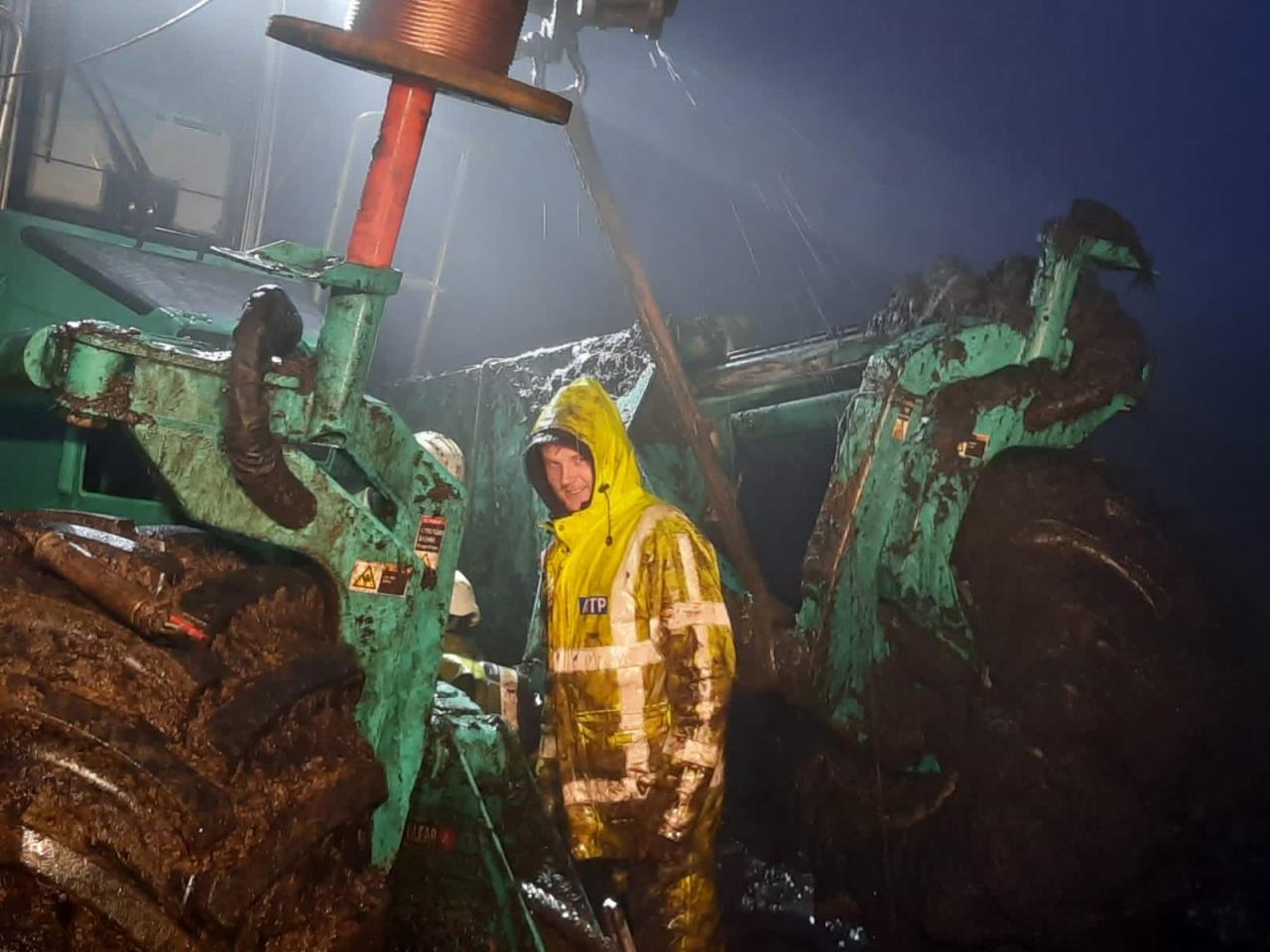
PROTECT YOURSELF AND YOUR TEAM
FROM BOTH ARC FLASH AND FIRE RISKS
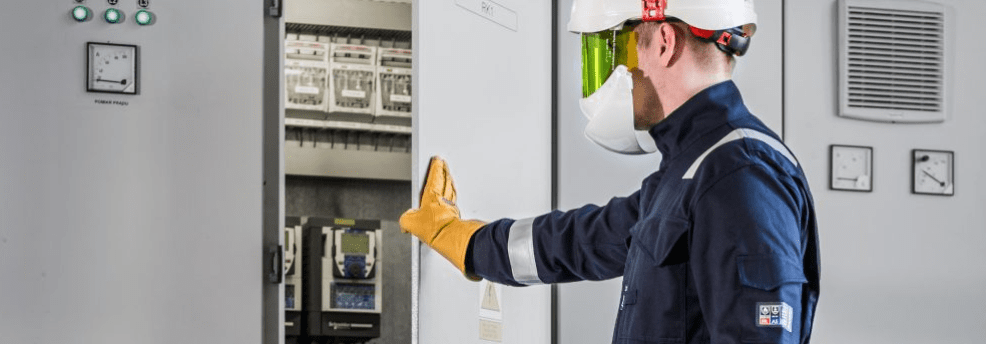
It’s for these reasons that anyone working in live electrical environments – even environments of low voltage – should have personal protective equipment and clothing that can provide a potentially life-saving last line of defence.
We extensively test all the individual materials – the fabrics, threads and components (such as zips, press studs and Velcro® fastenings) – that we use in our ProGARM clothing against such Arc Flash incidents.
It’s often the difference in standards of the individual parts which are the biggest differentiator in Flame Resistant and Arc Flash safety wear.
By using components that stay intact and don’t melt, the garment can be removed more easily from someone caught in an Arc Flash, making it possible to administer life-saving first aid more quickly.
But we don’t end there. Once we’ve made the garment, we test the finished item again to make sure it remains intact after being exposed to an Arc Flash.
While flame resistant garments may provide some protection in an Arc Flash incident, they’re not specifically designed and manufactured to stand up to the intensity of it and are likely to be inadequate.
We lead the way in Arc rated safety clothing, testing to either the Open Arc Test Method or the Box Test Method to make sure they comply with Arc Flash safety standards. It’s through these tests that the significant differences in Flame Resistant and Arc rated clothing are revealed.
If you want to speak to one of our sector experts about our Arc Flash and fire-resistant PPE, including how important user acceptance testing for Arc Flash PPE is, give us a call on +44 (0) 191 410 4292 to speak to a specialist member of our team for guidance.
💡 Did you know? – While high voltage equipment does increase the likelihood and intensity of arc flash explosions, they can occur in any live electrical environment – even low voltage.
Further Reading
Arc Flash Learning & Resources
Thorne and Derrick are proud to be distributors of ProGARM arc flash coveralls and protection.
We can help – should you require arc flash calculators or advice on the type of clothing and protection available please do not hesitate to contact us.
Electrical PPE | When Will ProGARM’s Electrical PPE Gain UKCA & CE Certification?
Electrical PPE
UKCA & CE Certification
Anyone responsible for safety garment procurement decisions has a responsibility to make sure the Electrical PPE products they’re buying are suitable for the risks their workers face.
To help you decide which supplier’s protective garments are the best to meet the flame resistance or arc flash safety requirements you need, you should request and compare each supplier’s certifications.
Here are 3 initial points to consider:
1. How Do I Know the Electrica PPE I’m Purchasing Has The Relevant Certifications?
The rigorous process for being awarded the EU’s Conformité Européenne (CE) mark or UK Conformity Assessed (UKCA) mark is identical, but it’s a legal requirement to have the right certification. Manufacturers operating responsibly and within the law will have a Module D registration. This is what can give you confidence you are buying quality products as it will only be issued by a Notified or Authorised Body after substantial checks. For products to have a UKCA or CE mark, the manufacturer must have a Module D registration.
To be certain the garments you’re considering have the relevant certifications, ask to see the Declaration of Conformity. This will tell you all of the standards the garment conforms to (known as Module B), as well as containing details of the Module D manufacturer’s registration. If you’re in any doubt about the authenticity of the documents you’re given, check with the Authorised or Notified Body directly.
Since 1 January 2021, all safety garments and Electrical PPE placed on the market in Britain must have obtained the UKCA mark (although until 1 January 2022, products placed on the market before that date may still display only the CE mark). The care label may carry the CE mark as well if the supplier markets the same garment on the continent.
2. What Does The UKCA or CE Certification Tell Me About The Product?
All hazards are categorized according to the level of risk they present. Safety products which protect against the lowest level of hazard (category 1) include items such as kit only designed to be waterproof.
For this low hazard category, suppliers can self-certify the product’s conformance with safety standards. However, they must still do all the same safety testing first and be able to provide all the appropriate evidence to support this, if an authorised body requests it.
Items deemed appropriate for medium to high level hazards (referred to as category 2 and 3 hazards) must go through what’s called a Notified Body for CE marks, or Authorised Body for UKCA marks, to be certified.
In these circumstances, the UKCA/CE certification tells you that an independent body (which has been officially accredited by the Government/EU) has completed a rigorous assessment process, known as Module B Type Examination, that verifies the product’s safety claims stand up to scrutiny.
3. How Do I Know Which Product Is Best?
As you would expect, the UKCA/CE certification process is robust and thorough. And, as no two garments from different companies are identical, the test data and certifications will be unique to the supplier and garment type.
Due diligence is an essential part of the procurement decision making process, so it’s vital you see the Declaration of Conformity for each product you’re considering and take the time to compare them in detail.
WHAT WILL THE UKCA OR CE CERTIFICATION TELL YOU?
Even after the lengthy process of research and development, followed by extensive safety testing of both the garment as a whole and the individual elements, the process to secure a CE or UKCA Type B Examination certification can still take a further 3-9 months.
To achieve certification, we prepare and submit a detailed specification file for each garment and send this to the accredited Notified Body. This file must contain:
- Details of what the garment or Electrical PPE is
- What it looks like
- How it’s constructed
- A detailed description of features (such as any pockets or belt loops, their design and where they’re placed)
- A full list of all the materials used (including the exact fabric(s), stitching thread(s), fastenings, other components, and the care label)
- All safety test data for the product
- Where the product is manufactured
- User information
- Essential Health and Safety requirements
- Risk assessment

Electrical PPE | Protecting People Against Arc Flash Incidents
In addition, we also send our product packaging and any user information/guidance sheets we would send to customers with the item.
We must also provide a list of each safety standard (and to what specific level) we claim the garment or Electrical PPE can meet (and all the test data to evidence this) along with quality assurance process information, evidenced by our Module D Certificate, which demonstrates every garment of the same design will be produced to the same standard.
Finally, we enclose the design for the product’s care label which, by law, must include all the certification markings and standards, including specific details about the performance levels against each standard.
The role of the Notified/Authorised Body is to inspect this extensive file of information and make sure they are 100% satisfied the garment meets the requirements of the standards and the PPE regulations before they will provide the appropriate certification marks.
Their inspection is an iterative process and one of the reasons it can take so long to achieve certification is because they can provide challenge at any time as part of their assessments.
If they believe any information is insufficient or missing from the pack (such as test data), or they believe the label isn’t clear, or they need more information about anything (such as more detail about the fabrics used), they revert to the manufacturer to provide this information before they will complete the certification process.
Ultimately, the certification acts as an official verification of the safety claims a manufacturer makes about a specific product and it’s therefore a vital consideration for buyers as part of the procurement decision making process.
NO NEED TO COMPROMISE
If you’re looking to increase arc flash protection for your team and you’re not quite sure what you need, please feel free to contact us.
We work tirelessly to understand industry specific risks and are more than happy to help.
💡 Did you know? – While high voltage equipment does increase the likelihood and intensity of arc flash explosions, they can occur in any live electrical environment – even low voltage.
Further Reading
Arc Flash Learning & Resources
Thorne and Derrick are proud to be distributors of ProGARM arc flash coveralls and Electrical PPE.
We can help – should you require arc flash calculators or advice on the type of clothing and protection available please do not hesitate to contact us.
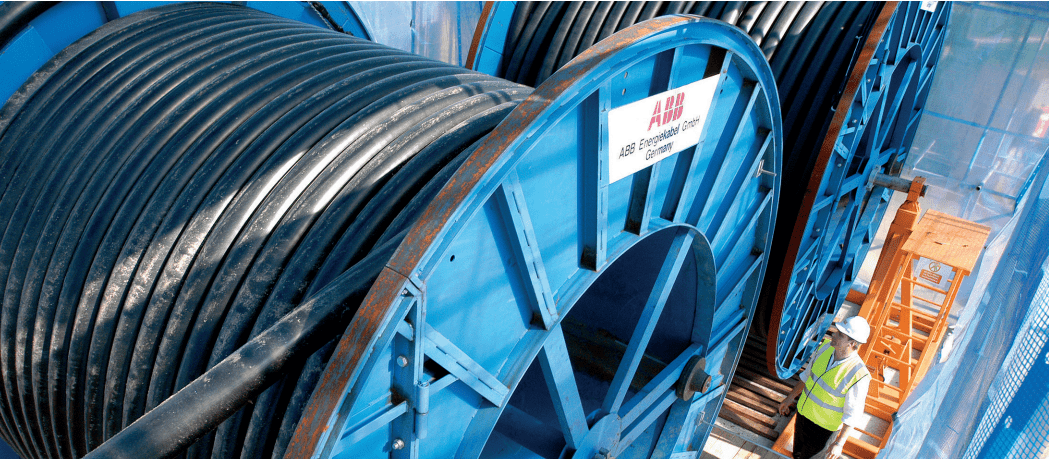
HV Cables | Underground Cable Tunnel Pull 400kV By ABB
Cable Pulling & Laying
ABB manufactured, installed and commissioned the 400kV cable for the National Grid’s largest ever tunnelling project, called ‘The London Connection’, a 20km long 400kV underground cable to supply central London which was energised in 2005 and which was at the time one of the longest 400kV underground cables in Europe.
The need
With electricity demand in North West London and the City increasing twice as fast as the national average and projections showing that this growth would be sustained for a decade, National Grid set out a project called The London Connection designed to create a three phase high voltage supply for North West London and the City.
Essential to National Grid’s future licence to operate, the connection linked Elstree to St John’s Wood through a new three metre diameter, 20km long tunnel to a new £60 million substation, also constructed by ABB.
Project details
ABB manufactured a total of 61km of high-voltage cable using cross-linked polyethylene (XLPE) insulation technology, which eliminates the need to use old-fashioned oil and high maintenance gas filled cables. A similar ABB 400 kV XPLE underground cable has been in service in Berlin since 1998.
The cable was manufactured at our own plant in Germany and underwent a one-year duration test at an independent test facility, where it was signed off as fit for purpose.

Three phase HV AC cable installed in the tunnel
ABB supplied 150mm diameter cable for three 20km lengths – one for each of the three phases of the supply. At a total weight of 2,440 tonnes, the act of pulling the cable along the length of the tunnel was an element of the project that threw up significant challenges.
ABB delivered the cable to site on 63 massive separate cable drums and pulled it through the tunnel in three sections at intermediate shafts along the length of the tunnel, with the longest cable pull being around 7.5 km. ABB used a special arrangement of cable pulling equipment for the safe and smooth installation through the tunnel. A post-pulling cable insulation test proved that the cable was ready for safe service as part of the grid.
As a full turnkey project, ABB’s successful installation of the cable and connection to the new St John’s Wood substation meant that the London Connection was ready for National Grid to operate in summer 2005 and it has been in operation providing energy to London consumers ever since.
Cable Pulling & Laying Equipment
Suppliers & Distributors
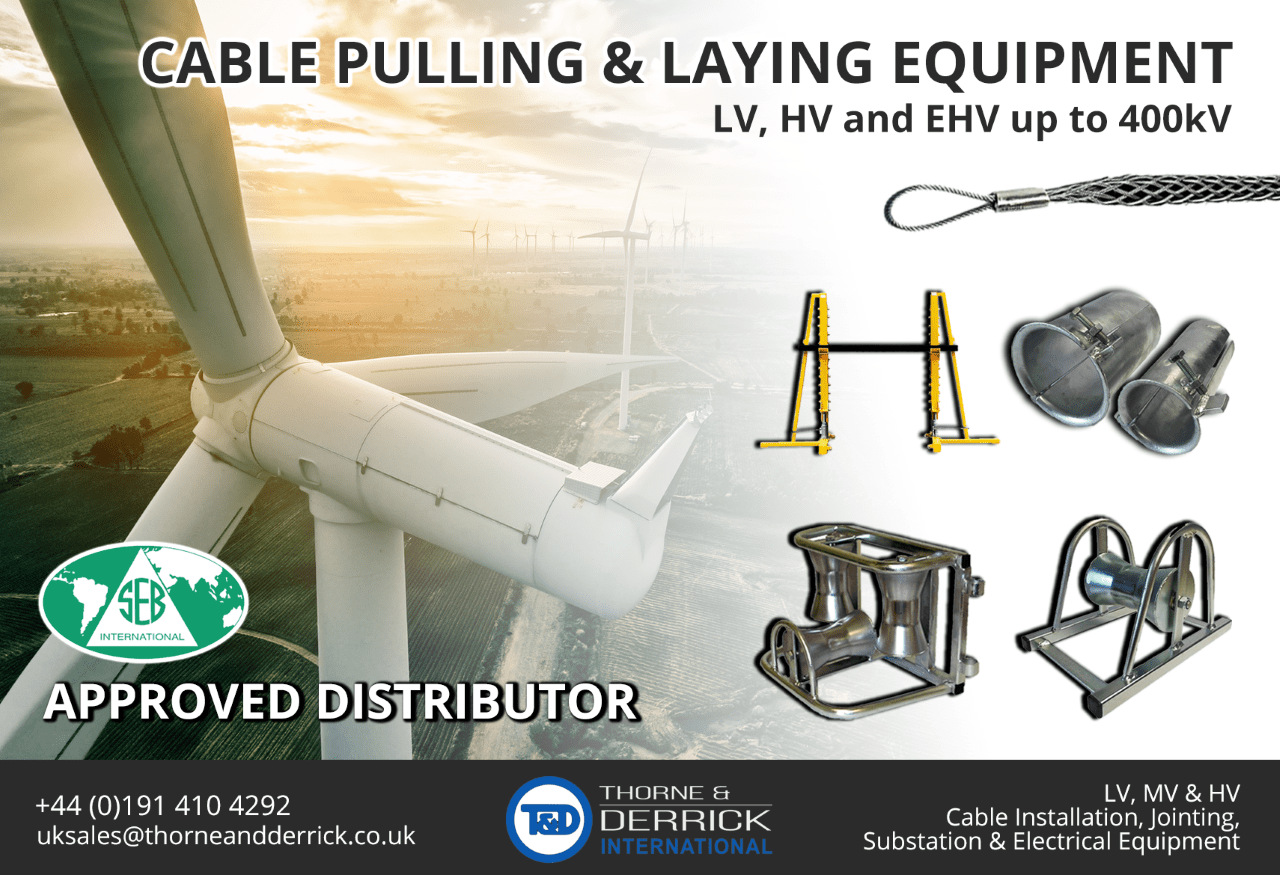
Thorne & Derrick distribute the most extensive range of Low & High Voltage Cable Installation & Electrical Distribution Equipment to the Power Transmission & Distribution industry in the onshore and offshore wind, solar, rail, oil/gas, data centre, battery storage and utility sectors – this includes the most extensive range of Cable Pulling & Cable Laying Equipment to enable the installation of low, medium and high voltage power cables into underground trench or duct.
We service UK and international clients working on underground cables, overhead lines, substations and electrical construction at LV, 11kV/33kV and up to EHV transmission and distribution voltages.
Key Products: MV-HV Cable Joints & Terminations, Cable Cleats, Duct Seals, Cable Transits, Underground Cable Protection, Copper Earth Tapes, Cable Jointing Tools, Feeder Pillars, Cable Ducting, Earthing & Lightning Protection, Electrical Safety, Cable Glands, Arc Flash Protection & Fusegear.
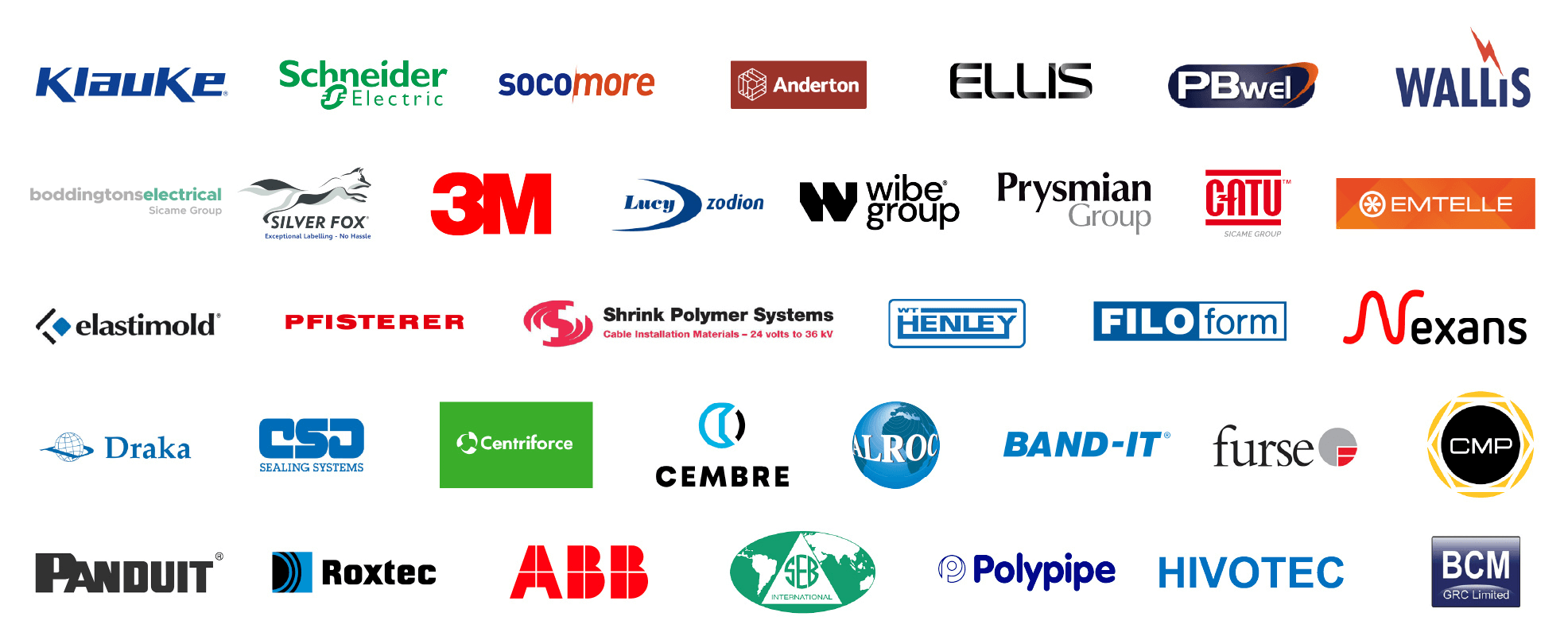
Distributors for: 3M Electrical, ABB, Alroc, Band-It, Cembre, Centriforce, CMP, Elastimold, Ellis Patents, Emtelle, Furse, Lucy Zodion, Nexans Euromold, Pfisterer, Polypipe, ProGARM, Prysmian, and Roxtec.
- Scope –single-source supply of extensive range of products
- Stock – a multi-million pound stock holding provides complete global supply solutions
- Staff – technical support from a trained, proactive and friendly team
- Delivery – UK stock turnaround with express logistics to all international destinations
Arc Flash PPE from ProGARM
In a heavily regulated world where garments have to be tested to incredibly high standards, people specifying arc flash clothing and PPE would be forgiven for relying only on the test results when making their decision.
But those results are just one part of a large jigsaw of information you need when making a purchasing decision. How your team feels about wearing the kit should also be part of the puzzle. But how important are wearer trials for Arc Flash PPE?
MEETING MINIMUM ARC FLASH PPE STANDARDS
To do its job properly – and potentially save a life – Arc Flash PPE has to meet the standards set out in IEC 61482, the international standard for Arc Flash and flash fire hazard protection.
All our garments will have been tested using either open arc or box tests, and will have been given a Cal Rating, which can be cross-referenced with the Arc Flash Study and risk assessment for the task it’s needed for.
But tests don’t tell the full story.
Of course you need to ensure your PPE meets the criteria you need it to, but if you’re looking at kit from three different suppliers which can all meet the standards you’re looking for, how will you make a final decision? Wearer trials are a great way to inform that choice. 
WHAT IS A WEARER TRIAL?
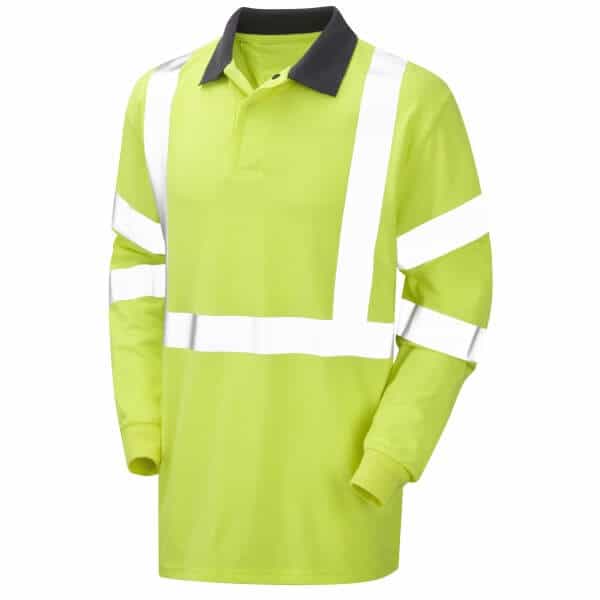
A wearer trial gives people in the field the chance to try out the PPE and garments that you’re considering purchasing while actually doing the job. It means they can experience what it’s like to wear the jackets, trousers, polo shirts and other garments while performing the tasks they are expected to.
When trialling garments ask for feedback about comfort, fit, whether the wearer can move, bend and stretch the way they need to for the tasks they do. Ask whether there are enough pockets, and are they in the right places? All of these factors are important as the kit needs to not only protect from hazards but enable the wearer to get on and do their job.
WHY ARE WEARER TRIALS IMPORTANT &
HOW DO THEY MAKE YOUR TEAM SAFER?
PPE needs to enable people to do their job, while giving them protection from hazards. But it is only as good as their willingness to wear it properly.
For any Arc Flash protection garment to do its job effectively it must be worn properly buttoned or zipped up so that parts of the skin aren’t exposed to a potential Arc Flash blast, which could lead to a whole host of injuries. That’s why we take great care in the cut and fit of all our garments and include what might seem like small details to make our garments very comfortable. One example would be on our jackets where we have added a soft comfort strip at the top of every zip so it doesn’t rub the chin or neck.
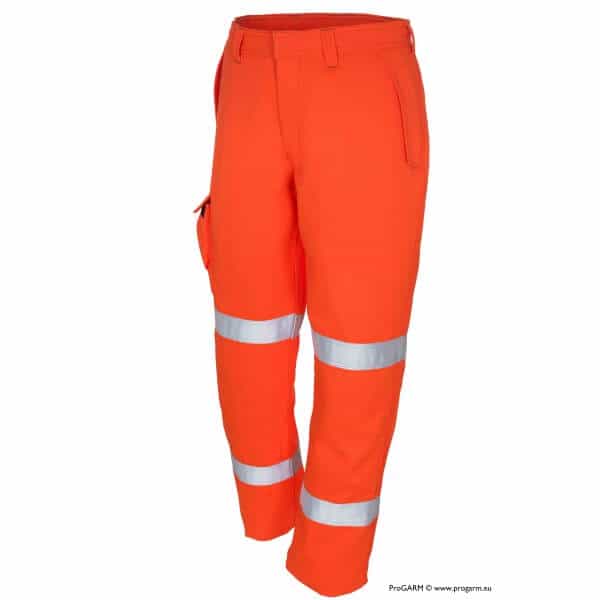
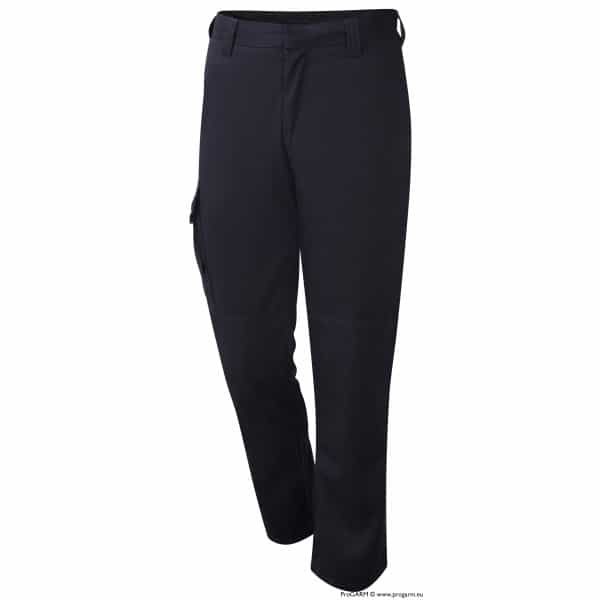
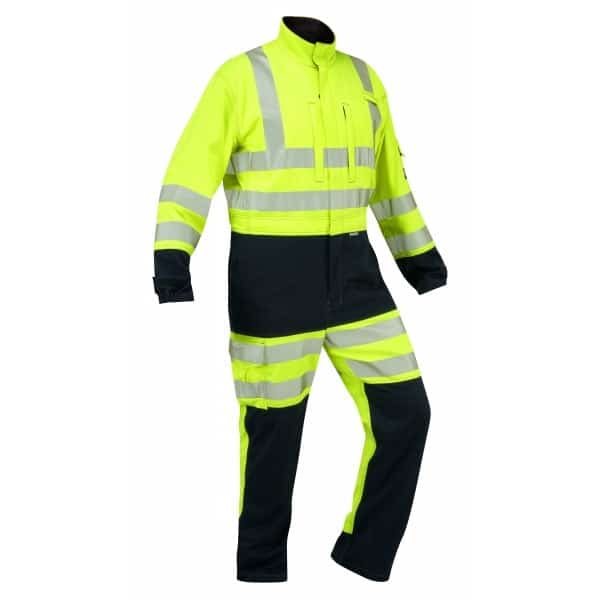
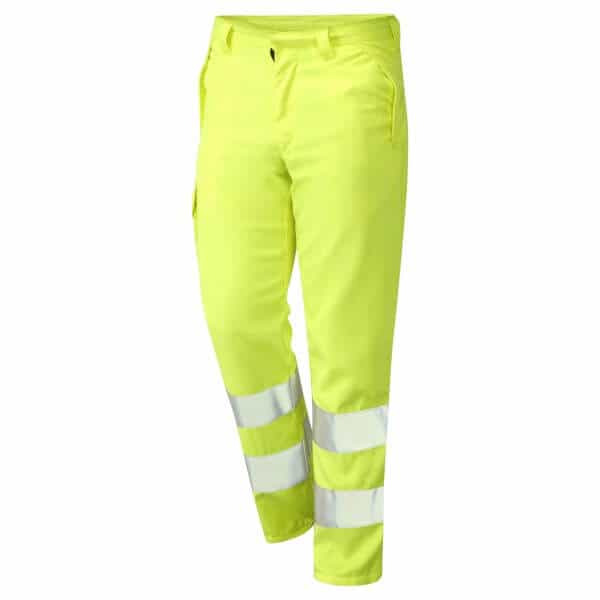
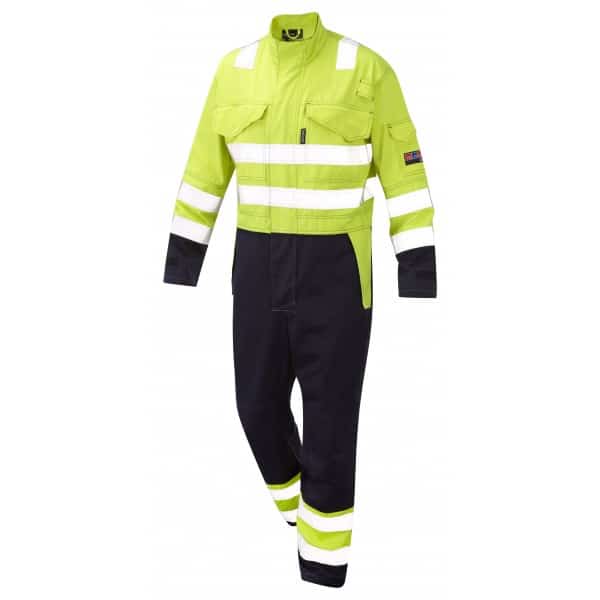
Another would be knowing that a lot of the tasks our wearers have to undertake involve kneeling down, so we’ve created pockets for knee pads in our trousers and coveralls.
And while the majority of our end users are men, we also have a women’s range which isn’t just a shrunk down version of the men’s garments. We’ve carefully created new patterns so that our kit for women fits properly.
So, while your new Arc Flash PPE has to meet the criteria set out in your risk assessments, this isn’t the only information you should rely on when choosing new kit – wearer trials are a crucial piece of the puzzle too.
If you want to speak to one of our sector experts about our Arc Flash and fire-resistant PPE, including how important user acceptance testing for Arc Flash PPE is, give us a call.
💡 Did you know? – While high voltage equipment does increase the likelihood and intensity of arc flash explosions, they can occur in any live electrical environment – even low voltage.
Further Reading
Arc Flash Learning & Resources
Thorne and Derrick are proud to be distributors of ProGARM arc flash coveralls and protection.
We can help – should you require arc flash calculators or advice on the type of clothing and protection available please do not hesitate to contact us.