Blog

HV Cable Sheath Bonding Methods | High Voltage Power Systems

March 10th, 2024
Joint Terminate Connect Medium & High Voltage Cables MV HV

Joint | Terminate | Connect Medium & High Voltage Cables MV HV

MV HV High Voltage Cable Joints | Cable Terminations | Cable Connectors 

Cable Sheath Bonding


Each HV cable sheath bonding method has its advantages and applications.

Solid bonding of high voltage cables is simple but leads to sheath losses, single-point bonding eliminates circulating currents but requires voltage control, and cross-bonding is the most efficient for long HV cables, minimizing losses.

The choice depends on High Voltage Power System requirements, cable length and operational efficiency.


Solid Bonding

In this method, the metallic sheath of the cable is bonded at both ends and connected to the earth. This results in continuous current flow in the sheath due to the induced voltage.

Solid Bonding Advantages: Simple to install.
Disadvantages: High circulating currents in the sheath lead to power losses and increased heating. Best suited for: Short high voltage cable routes where sheath current losses are minimal.


Single Point Bonding

The sheath is bonded to the earth at only one end, with the other end left open and insulated. An earth continuity conductor is used to maintain equipotential grounding.
This method eliminates circulating currents but results in induced sheath voltages, which can be high. To control this, sheath voltage limiters (SVL) are used.

Single Point Bonding Advantages: Reduces power losses as no sheath currents circulate.
Disadvantages: Requires careful management of sheath voltages. Best suited for: Medium-length high voltage cable systems.


Cross Bonding

The high voltage cable length is divided into three equal sections (minor sections) within a major section. At each section junction, the cable sheaths are cross-bonded using link boxes to balance out induced voltages. This technique cancels out circulating currents, reducing sheath losses significantly.

Cross Bonding Advantages: The most efficient method, significantly reducing losses.
Disadvantages: Complex installation and maintenance. Best suited for: Long-distance high voltage cable routes.

HV Cable Sheath Bonding Methods


Nexans

Thorne & Derrick Specialist Electrical DistributorThorne & Derrick

LV ♦ MV ♦ HV

T&D distribute the most extensive range of LV, MV & HV Cable Jointing, Terminating, Installation & Cable Pulling Equipment – we service UK and international clients working on underground cables, overhead lines, substations and electrical construction at LV, 11kV, 33kV and EHV transmission and distribution voltages.

  • Distributors for: 3M, ABB, Alroc, Band-It, Catu, Cembre, Centriforce, CMP, Elastimold, Ellis Patents, Emtelle, Furse, Lucy Zodion, Nexans Euromold, Pfisterer, Polypipe, Prysmian, Roxtec.
LV – Low Voltage Cable Joints, Glands, Cleats, Lugs & Accessories (1000 Volts)

LV – Low Voltage Cable Joints, Glands, Cleats, Lugs & Accessories (1000 Volts)

MV HV – Medium & High Voltage Cable Joints, Terminations & Connectors (11kV 33kV EHV)

MV HV – Medium & High Voltage Cable Joints, Terminations & Connectors (11kV 33kV EHV)

Cable Laying – Underground Cable Covers, Ducting, Seals & Cable Pulling Equipment

Cable Laying – Underground Cable Covers, Ducting, Seals & Cable Pulling Equipment

Slips, Trips & Falls | Increasing Safety In The Workplace With Dropped Object Prevention Equipment

March 1st, 2024

Dropped Objects Prevention Guard Net

Dropped Object Prevention Equipment

Preventing Slips, Trips & Falls in the Workplace

Safety is a top priority in any industrial setting, fatal work injuries at work up 6% in 2022 shows OSHA some of these could have been avoided implementing dropped object prevention equipment. Building an enduring safety culture can be the most cost-effective and proven accident prevention process in any organisation. Creating, promoting and internalising this culture is the most successful way to minimise costly injuries and maintain a safer, more productive and engaged workforce.

OSHA recently announced that in December 2023 the numbers of fatal occupational injuries by event in the USA for the year 2022. The fatal occupational injuries have increased by almost 6%, which is a significant increase on the year before. The highest number of fatalities at work are found in the transport industry and are often related to controlling a vehicle. The second highest fatal injury for 2022 is slip, trips and falls.

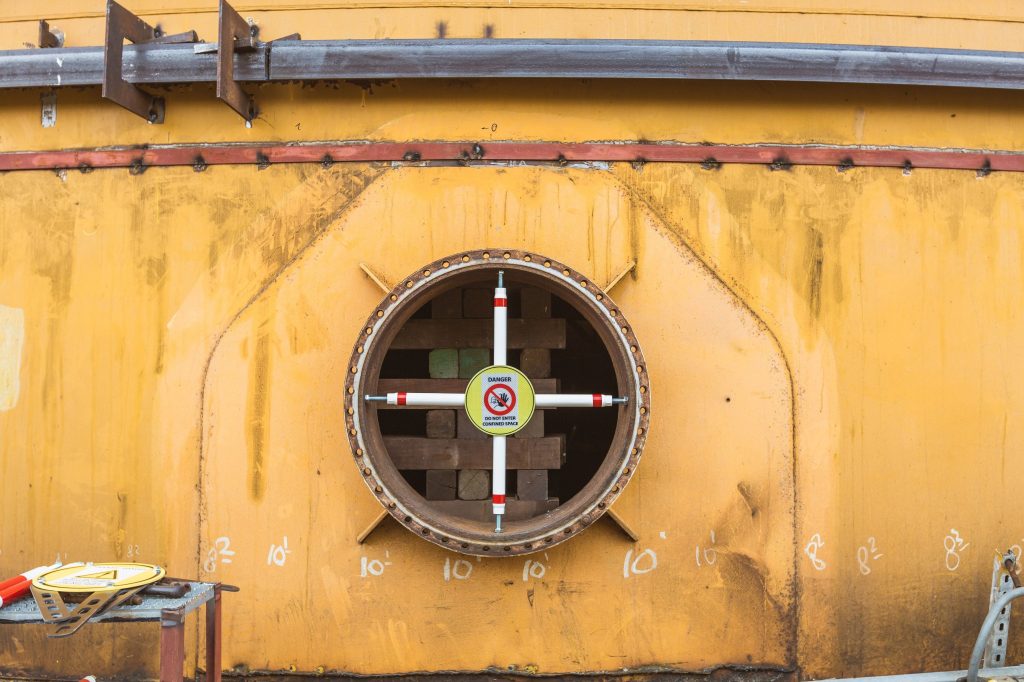
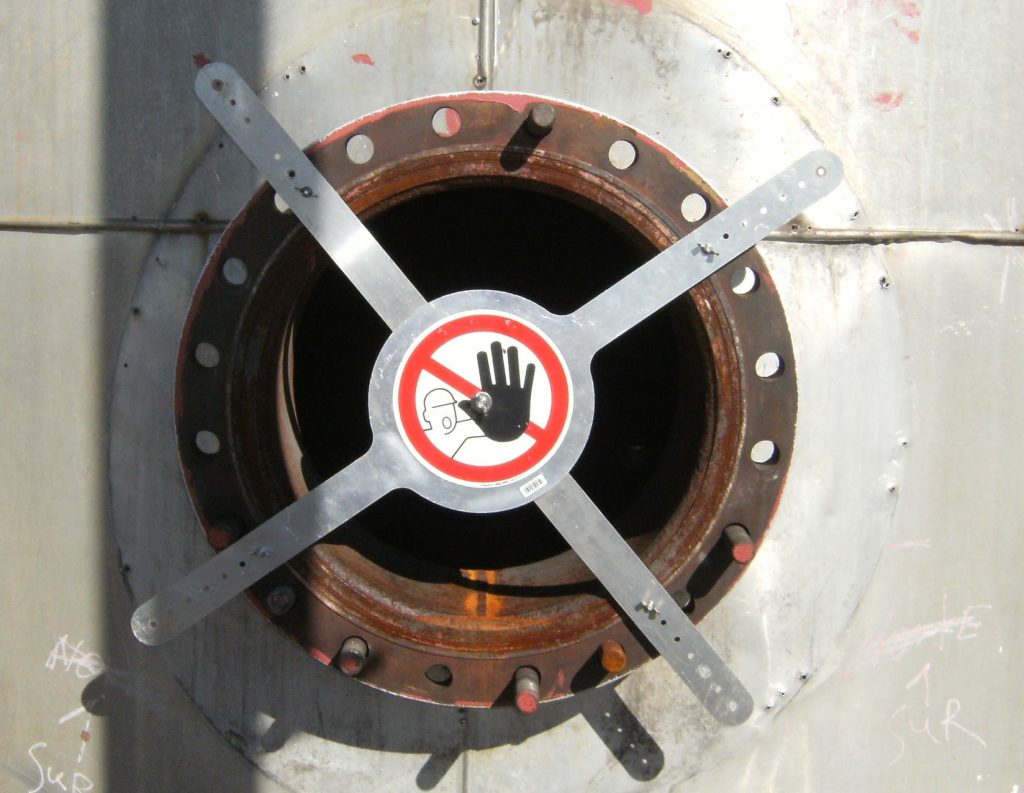
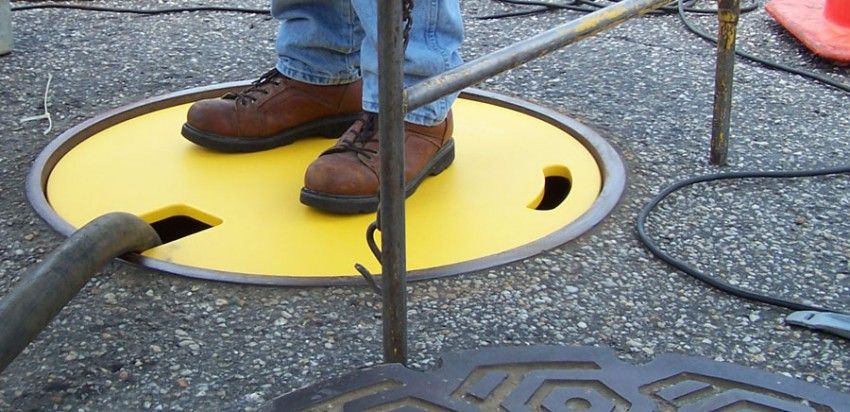
➡ Thorne & Derrick supply the complete range of Safety Tools & Equipment from Cable Safe to enable safe working across all industries. This includes cable safety hooksself-closing safety gatesconfined space entry protectionguard nets and cable stands.

Fatal Occupational Injuries by event or exposure 2022

Work-related fatalities due to falls, slips, and trips have increased 1.8% in 2022, resulting in 865 fatalities, up from 850 in 2021. Most fatalities 80.9% in this category were due to falls to lower levels, which had 700 fatalities in 2022.

This was a 2.9% increase from 680 fatalities in 2021.


Dropping objects highest risks for employees

Drilling down in the causes of these fatalities you find that: slips, trips and falls, also struck by falling object or equipment other than vehicle, is an high risk for employees and contractors. Both of these categories have fatalities resulting from dropping objects and falling from elevated work locations. The list further continues with the 3rd highest categories of fatalities in the industry with exposure to substance or environments.

A lot of these accidents can be prevented with decent housekeeping and well-designed work areas. Therefore special a focus should be on how to keep your workspace safe and clean. The walkways should be well prepared and suitable for work and designed with traffic segregation schemes. Safety standard ISO 14122 teaches that stairs, stepladders and guard-rails should be designed safely.

Adjustable Kick Plate installed to prevent objects from falling

Adjustable Kick Plate installed to prevent objects from falling

The toe-board, or kickplates are designed as a solid lower part of a guard-rail. It is a upstand on a landing to prevent the fall of objects from a floor level. Toe boards is edge protection for the floor. It prevents that accidents happen when employees kick against a tool that slides off the edge to the work area.

The advantage for using toe board kick plates is that it prevents injuries and fatalities by reducing dropping objects.

Protecting work floors below with Toe board kick plates

Protecting work floors below with toe board kick plates


Guards, Gates & Netting

Guard-railings have openings, these openings in the guard-rail should be closed off and obstructed with safety gates to prevent persons from accidentally falling though an opening, or prevent persons from entering a hazardous area.

Self-closing safety gates are also called swing gates or just simply safety gates. A safety gate is part of the guard-rail is designed with a certified minimum strength and opens easily one-way, when you pass through the safety gate will automatically return to its closed position.

Safety gate, s-hooks and cable guards keep workspace tidy

Safety gate, cable safety s-hooks and cable guards keep workspace tidy

Vertical posts and stanchions should be well marked and protected with padding when located in the walkway areas. Height differences in the walking level should be marked and the work environment should have sufficient lighting.

Overhead hanging structures should be designed with steel dropped object prevention safety nets, as secondary retention methods to support the brackets and basic structure.

Dropped object prevention safety net for secondary retention

Dropped object prevention safety net for secondary retention

Walkways must be safe to walk over at all times. Keeping the walkways safe and clean with no clutter does make a difference for a safe and pleasant work environment. Locations for temporary maintenance or installation work should be visible, well-marked and obstructed.


How do I make my work environment safe?

Be critical to work environment, ask yourself the following questions; are your walkways safe and clean to work? Designed in the right place? Being used? Are they available for employees to use? What tasks are performed on this walkway? Is the walkway good visible, are hazards on the walkway visible?

Simple tools are available for walkway clearing and walkway design, according to ISO / OSHA the safety standards in  combination with safety tools can reduce these risks and prevent future accidents.

Review and apply safeguards specifically designed to prevent slips, trips and falls. Examples of these safeguards are cable safety hooks or s-hooks and cable guards, they ensure a neat and tidy work environment by removing all tripping hazards from the temporary work spot.

Dropped object prevention equipment and slip, trip and fall safeguards have a positive influence on creating a safe work environment. The bottom line is; it prevents fatal injuries and lost time incidents. These tools help reduce the highest safety risks in your organisation as stated by the OSHA.

Cable Safe Hooks

Extreme CableSafe Hooks from Stock | Call Thorne & Derrick with your Enquiry.


Dropped Object Prevention Equipment

Safety at work is of utmost important when working on elevated platforms especially if there are personnel or contractors working underneath. Dropped objects are still, unfortunately, a common contributor to severe accidents in industrial facilities across different sectors globally.

The accidental dropping of tools and equipment poses a very real risk to safety of workers operating at elevated heights. It is therefore important offshore development sites have systems in place to reduce the occurrence of such incidents.

Objects known to frequently cause accidents are hand tools or equipment left behind after a task. Also equipment mounted in an elevated location that has the potential to fall due to movement or environmental conditions.

CableSafe® offer a broad array of dropped item prevention tools to protect employees from potentially harmful injuries and accidents in a wide range of working environments within industrial facilities.

CableSafe


Reference & Information

Source US Bureau of Labor Statistics: https://www.bls.gov/

Additional information regarding guardrails, edge protection can be found at on OSHA’s rules on walking working surfaces and personal fall protection systems Guarding of Edges: www.osha.gov/laws-regs/regulations/standardnumber/1917/1917.112

Additional information regarding protection of stairs, stepladders and guard-rails, step ladders or landings, platforms and walkways safety of machinery can be found in the International Standardization Organization ISO14122 – Permanent means of access to machinery: www.iso.org/obp/ui/en/#iso:std:iso:14122:-3:ed-2:v1:en:fig:10

For additional safeguards information against dropped objects visit: www.preventdrops.com

For additional safeguards information against slips, trip and falls visit: www.cablesafe.com


Thorne & Derrick

T&D are Specialist Distributors of LV MV HV Cable Installation, Jointing, Substation & Electrical Equipment – we supply companies in the onshore and offshore wind, solar, rail, oil/gas, data centre, battery storage and utility sectors with products to enable the energisation, operation and maintenance of underground cables and overhead lines.

3M-Nexans-Pfisterer

LV MV Cable Accessories | Joints Terminations Connectors 600V to 66kV Ex Stock

Earthing Armoured Cables To Safely Protect LV AC Cables In The Solar Industry

February 28th, 2024

Challenge | This week a Solar EPC client of Thorne & Derrick engaged our Technical Sales Department to assist with ongoing O&M issues relating to the termination connection of steel wire armour (SWA) on 450off 4 core x 240sqmm LV AC cables, 0.6/1kV – the outdoor location cables are connected to a string inverter and the MV station at the remote end on a UK based 50MW solar farm in Derbyshire. The cable armouring provides mechanical protection but is not intended to circulate electrical current.

SWA Cable Steel Wire Armoured Cables

SWA Cable Steel Wire Armoured Cables | Image FS Cables


BS7671 Clause 522.8.10 

“Except where installed in a conduit or duct which provides equivalent protection against mechanical damage, a cable buried in the ground shall incorporate an earthed armour or metal sheath or both, suitable for use as a protective conductor. The location of buried cables shall be marked by cable covers or a suitable marker tape. Buried conduits and ducts shall be suitably identified. Buried cables, conduits and ducts shall be at a sufficient depth to avoid being damaged by any reasonably foreseeable disturbance of the ground.”


Earthing Armoured Cables

Solution

Initially, from the viewpoint of the above British Standard the client considered connecting the wire armour at the MV station to ensure that during a fault (e.g.cable strike) an earth path exists to allow safe disconnection of the cable. Earthing the armours of buried SWA cables is important for safety – this prevents/reduces the severity of electric shocks and equipment damage should a person dig inadvertently into the cable. The cable wire armours provide a complete earth path around the cable. Utilizing a single phase within a 4 core cable as earth is not sufficient as it does not offer complete protection around the circumference of the cable. Also, in solar farm installations un-earthed wire armours can have induced voltage from excessive current generated. Therefore, the contractor should always consult the circuit designer.

Customer Service

From initial application, to concept, to design and to sample acceptance by the end client we subsequently completed the despatch and delivery of their order in 5 working days for 450off Armour Earthing Kits.

Important Note

Solderless earth kits that are intended for copper tape screens (MV cables) are a substandard method to earth SWA cables. Solderless earth kits utilize a constant force spring which do not offer a secure earth bond for SWA’s. Also, the cross sectional area of the braid within these kits is inadequate which is why you should always use an armour earth kit for this application. Contact us to discuss your application.

Shrink Polymer Systems

Innovative Connection & Grounding Solutions for LV Cables


Excerpt from Installation Instruction

Heat Shrink Outdoor Armour Earth Kit To Suit

XLPE SWA PVC 

The Heat Shrink Outdoor Armour Earth Kit includes medium wall adhesive lined heat shrink tubes, mastic tapes, solder-blocked earth braids and clamps. Contact us for further information, technical support or for a quotation.

Heat Shrink Outdoor Armour Earth Kit To Suit


THORNE & DERRICK are Specialist Distributors of LV HV Solar Cable Accessories, Jointing, Termination, Earthing & Electrical Equipment 1500V DC to 33kV – we service UK and global businesses involved in cable installations, jointing, substation and electrical construction.

Since 1985, T&D have established reputation based on SERVICE | INTEGRITY | TRUST – we are highly customer responsive and absolutely committed to providing a world-class service.

We provide expert technical support and supply from a multi-million pound stock holding:

  • Cable Joints, Terminations & Connectors
  • Earthing & Lightning Protection
  • Cable Accessories – Lugs & Glands
  • Circuit Protection & Fuses
  • Cable Cleats & Clamps
  • Electrical Safety Equipment
  • Cable Pulling & Laying Equipment
  • Arc Flash Protection & Clothing
  • Cable Duct Seals & Transit Systems
  • Surge Arresters & Bushings
  • MV HV Overhead Line & Substation Power Products

>> MORE INFO <<


THORNE & DERRICK are Specialist Distributors of LV HV Solar Cable Accessories, Jointing, Termination, Earthing & Electrical Equipment 1500V DC to 33kV - we service UK and global businesses involved in cable installations, jointing, substation and electrical construction of solar farms.


Further Reading


Thorne & Derrick are Specialist Distributors of Innovation Tooling & Accessories for LV HV Power Systems to facilitate safe and reliable cutting, crimping, preparation, termination and installation of cables, 600V to 132kV.

Thorne & Derrick are Specialist Distributors of Innovation Tooling & Accessories for LV HV Power Systems to facilitate safe and reliable cutting, crimping, preparation, termination and installation of cables, 600V to 132kV.

T&D Supply PADS Network Rail Approved 3M Cable Terminations For TRU Project

February 23rd, 2024

T&D Supply PADS Network Rail Approved 3M Cable Terminations For TRU Project

Thorne & Derrick | 3M Stockists & Key UK Distributor Since 1985


PR | Uploaded by Natalie Lundie | Supply Chain: Marketing Lead at Thorne & Derrick


3M Cable Terminations

PADS Network Rail Approved Medium Voltage Cable Accessories

Thorne & Derrick are proud to have supplied 3M Cable Joints & Terminations to the Transpennine Route Upgrade (TRU) project. Our partnership with 3M Electrical since 1985 has enabled us to deliver high-quality electrical solutions to various projects.

The TRU project involved the installation of an overhead gantry and the laying of 3km of high voltage cables through the deep Marsh Lane Cutting, which connects Leeds and Neville Hill. To ensure compliance with safety standards and regulations, the project required the use of PADS Network Rail Approved joints and terminations.

By supplying reliable and durable Cable Joints & Terminations, we were able to support the TRU team in accomplishing their goals. This project is crucial for the future electrification of the line east of Leeds, providing the necessary power infrastructure for efficient and sustainable transportation.


Transpennie Express


Transpennine Route Upgrade

The TRU project is a major programme of railway improvements aimed at bringing better journeys to passengers traveling across the Pennines between Manchester, Huddersfield, Leeds, and York.

Stretching across the North of England the 70-mile Transpennine main line serves 23 stations, crosses over and dips under dozens of bridges and viaducts, passes through six miles of tunnels, and crosses over 29 level crossings.

TRU will transform the Transpennine main line into a high-performing, reliable railway, bringing more frequent, more reliable, faster & greener trains. The Transpennine Route Upgrade East Alliance is a collaborative effort between several organisations including Network Rail, J. Murphy & Sons, Siemens, Systra, and VolkerRail. These companies have come together to deliver infrastructure improvements on the eastern part of the route between York and Leeds.

Thorne & Derrick are a Network Rail Approved Vendor, which means we have met the necessary criteria and have been approved to supply our products and services to Network Rail. PADS (Product Acceptance and Design Services) is the product approval process used by Network Rail.


Network Rail Electrical Equipment Cable Accessories Approved


PADS Approved Solution

The client contacted Thorne & Derrick requiring PADs Approved Joints & Terminations so the team could carry out planned major engineering works.  As part of the TRU project they needed to install an overheard gantry and lay 3km of high voltage cables between East of Leeds Colton & Neville Hill.

The cable joints & terminations provided by Thorne & Derrick will be used to enhance the electrical connectivity and reliability of the railway infrastructure in this area. These components are crucial in ensuring efficient transmission of power and signals along the tracks.

3M cold shrink cable joints require no hot-work permit or special tools for installation – specified for rail cable sealing, insulation and protection and are approved by Network Rail for live rail terminations and inline cable joints for DC track feeder cable applications.


Why T&D?

One of the reasons Thorne & Derrick was chosen for this project was our ability to offer the best price and quickest delivery of the cable terminations. The delivery had to be completed within a specific timeframe in order to guarantee that the engineering works could proceed as planned. The terminations were available ex stock, meaning they could be shipped the next day.

The use of high-quality cable joints and terminations in the TRU project aims to minimise signal interruptions, electrical faults, and downtime on the line. Electrification of the line east of Leeds is an important step towards achieving efficient and sustainable transportation in the future. This demonstrates a commitment to delivering a modern, efficient, and reliable railway network. Ultimately, this will lead to improved train performance, reduced delays, and a better overall experience for passengers.

The project’s investment in the latest technologies and partnerships with trusted suppliers like Thorne & Derrick aim to provide a safe and seamless travel experience for passengers in the East Leeds Colton and Neville Hill area.

As a Network Rail Approved Vendor, Thorne & Derrick is proud to serve the rail industry as a reliable and trusted supplier, helping to contribute to the efficient and reliable functioning of the national railway infrastructure in the UK and meeting the demanding requirements of the rail industry.

With our extensive range of PADS Approved Medium Voltage Joints & Terminations available from stock, T&D is well-equipped to support the Transpennine Route Upgrade and other railway projects in the future.

Thorne & Derrick’s experience and expertise in the electrical distribution industry, combined with our strong relationship with 3M Electrical, have allowed us to contribute to significant infrastructure projects like the TRU. We remain committed to delivering reliable and innovative solutions to our customers in the UK.


Installation of Medium Voltage Termination3M 95-EP631-2

3M Cold Shrink technology ensures quick, easy and safe installation of the QTIII Termination Body by pulling and unwinding the plastic support core in counter clockwise direction. Specialist cable jointing tools are not required. Included with each kit are installation instructions for the 3M QTIII Series Terminations.

3M 95-EP631-2 uses innovative Cold Shrink Technology combined with Network Rail (NR) and PADS Approval to meet the requirements for the installation on medium voltage electrical infrastructure – forming part of rail cable joints & terminations range by 3M Electrical.

3MCold Shrink High Voltage Termination Kit QTEN is suitable for application up to 72.5 kV (U_max) single-core copper wire-screened cables. The silicone cold shrink insulation body provides an easy and secure solution for cable termination.

The 3M 95-EP620-1R cold shrink cable termination, with PADS Approval for used on high voltage power networks at Network Rail, is suitable for the connection of 52kV single core polymeric insulated cables with copper wire screens


PADS Approved Rail Equipment

Thorne & Derrick stock and distribute a wide range of cable accessories and electrical equipment for rail applications. These accessories are used by contractors who work on various aspects of the rail system, including low voltage power distribution, high voltage electrification, substations, DC traction and networks, OLE (overhead line equipment), and track feeder cable renewals.

Our product range includes cable terminations, joints, cable repair products, and connection products that are approved by Network Rail PADS. These products are suitable for medium voltage cables and can handle voltages up to 66kV.

The cable accessories provided by Thorne & Derrick include options like heat shrink, cold shrink, push-on, and slip-over varieties. These accessories are used to joint, terminate, and connect medium and high voltage power cables to various equipment such as oil, air, or gas insulated switchgear, transformers, motors, and overhead lines including 3M Cold ShrinkPfisterer CONNEX and Nexans Euromold products.

RAIL

To view the full range of PADS approved rail equipment that Thorne & Derrick can offer click here –  Rail Cable Accessories LV HV


Thorne & Derrick

Electrical Safety in Wind Turbines

February 20th, 2024
Guest Article : Authored by Pieter Pijnenburg | Owner of Electrical Safety

 Authored by Pieter Pijnenburg | Arc Flash Engineer from Leaf Electrical Safety


Electrical Safety

Electrical Safety

Any industrial or commercial workplace requires arc flash and electrical safety training, and it is essential in order to make sure your staff members know what they need to do to remain safe.

Leaf Electrical Safety is an electrical safety company that can provide expert advice on electrical safety to help teams build processes and improve safety culture. Working primarily across Canada and the USA, they help solve your industrial electrical safety problems.

Electrical safety compliance training should keep you on the edge of your seat, wanting more, because it will highlight the dangers that your team faces on a daily basis. Special thanks to Jon Travis for the kind permission to republish.

→ See original article here!


  • What are the electrical safety hazards in wind turbines?
  • How do I ensure my team works safely around them?
  • What PPE should my electrical workers be wearing?
  • How do you perform grounding with wind turbines?

Let’s jump right in!

The Definitive Guide to Arc Flash By Thorne & Derrick


WIND POWER FACILITY ELECTRICAL SAFETY

In our ever-changing renewable world, the safety of personnel is still and should remain a paramount concern. Wind Energy Conversion Systems (WECS) are some of the more prominent types of renewable generation whose safety concerns are exacerbated by two main factors:

  • Remoteness: due to the nature of wind turbines being remote and/or offshore, any hospitalisation can turn into a race against time.
  • Confined spaces: the electrical components and work areas within a wind turbine are typically in confined spaces, which becomes more problematic when you add multiple workers into the mix.

WHAT ARE THE ELECTRICAL SAFETY HAZARDS

IN WIND TURBINES?

In order to mitigate hazards and allow for adequate protection, WECS equipment and operators should be adequately equipped to deal with the following main hazards issues that commonly occur in WECS:

  • Arc Flash
  • Shock
  • Overloaded Circuits
  • Defective Insulation
  • Wet Environment
  • Damaged or Worn Equipment

ARC FLASH RISK IN WIND TURBINE

Potential arc flashes in WECS are potentially life-threatening issues which require detailed analysis and physical protection to be accounted for. Arc flash hazard analysis (incident energy calculations) is typically used and utilises standards such as IEEE 1584-2018 to perform the calculation. Once the calculation is made and the proper arc flash boundaries are determined, personal protective equipment (PPE) can be assigned based on the calculations (see CSA Z462 for more details).

SHOCK RISK IN A WIND TURBINE

Shock risk, like an arc flash, is a potentially life-threatening hazard if not properly accounted for. Usually, a shock risk assessment is performed to look at key system parameters such as voltage level, shock boundary, environment, equipment type, and condition.

OVERLOADED CIRCUITS

Overloaded circuits can cause various problems and increase the risks of shock and arc flash considerably if not protected and isolated properly. Preventative measures can be taken through routine inspection of protection devices and physical circuitry (with proper PPE) to check for any abnormalities in the equipment.

DEFECTIVE INSULATION

Defective insulation can cause system malfunction and exponentially increase the potential arc flash and shock risks. Regular insulation resistance (IR) tests, whose procedure for electric machinery is highlighted in IEEE 43-2013, should be performed to test the dielectric strength of the insulation.

WET ENVIRONMENT

Wet surfaces can prove hazardous to people as well as electrical equipment. In order to reduce these potential hazards, regular equipment checks should be carried out on the exterior and interior of the WECS for potential water seepage/damage.

DAMAGED OR WORN EQUIPMENT

Equipment can be compromised from its normal working state for a variety of reasons, but compromised equipment can cause major problems if it is not repaired or replaced quickly enough. To mitigate this, scheduled maintenance procedures should be made and followed (see CSA Z463).


ELECTRICAL SAFETY PRECAUTIONS FOR WIND TURBINE WORKERS

PROPER PERSONAL PROTECTION EQUIPMENT

Each hazard risk category requires a different level of protection. Categories range from 1 to 5 as defined within CSA Z462 and laid out below as follows:

PPE category 1 2 3 4 5
Incident Energy Up to 4 cal/cm² Up to 8 cal/cm² Up to 25 cal/cm² Up to 40 cal/cm² Up to 75 cal/cm²

Figure 1:PPE category as defined by CSA Z462


ARC FLASH BOUNDARY

An arc flash boundary is the shortest distance at which a person working at the time of an arc-flash incident may receive an onset of a second-degree burn or worse (1.2 cal/cm2) if not adequately protected by flame-resistant (FR) clothing.

LABELING

Labelling is defined in CSA 22.1-18 for both small (64-300) and large (64-400) wind turbines as “a permanent marking” that must be created near an easily accessible location near the disconnecting for the wind turbine output circuit (64-300) or base of the tower (64-400) and display the following critical information:

  • Overcurrent protection values provided by the wind turbine for the stator and rotor, if applicable;
  • Short-circuit current rating (SCCR);
  • A brief system description, including the type of generator (synchronous or induction);
  • Rated output current; and
  • Rated output voltage at the grid connection to the turbine.
  • Warning notice (large turbines only)

Furthermore, arc flash and shock hazard labels should be provided for large wind systems. These labels are covered in CSA Z462 Annex Q, which highlights procedures for labelling arc flash hazards and shock protection. The minimum arc flash label requirement per CSA 22.1-18 (Canadian Electrical Code Part 1) is:

Arc Flash Label for Wind Turbines

Figure 2:CSA Arc Flash label template for CSA 22.1 Requirements

Whereas the CSA Z462 recommends that the label look something more like:

Arc Flash Label

Figure 3:CSA Z462 Annex Q Recommended ARC Flash label structures


WIND TURBINE GROUNDING

Like any generator, the WECS should be properly grounded and follow CSA standards and IEEE 142. Proper grounding of turbines follows the general ruleset of AC connections as defined by CSA 22.1 Section 64-312 as:

  • 1) Exposed non-current-carrying metal parts of towers, turbine nacelles, other metallic equipment, and insulated conductor enclosures shall be bonded to ground in accordance regardless of voltage.
  • 2) Metallic towers or supporting structures shall be bonded to the ground with a minimum No. 6 AWG.
  • 3) Guy wires used to support turbine towers need not be grounded.
  • 4) Towers or structures shall be grounded by means of grounding electrodes to limit voltages imposed by lightning.
  • 5) Notwithstanding Subrule 4), metal towers located on steel-supported buildings shall be bonded to non-current-carrying metal parts of the building.

FAULT FINDING & TESTING

To effectively find faults in a WECS, proper fault monitoring relay devices should be installed particularly:

  • 50 – Instantaneous Overcurrent Relay
  • 51 – AC Time Overcurrent Relay
  • 59 – Overvoltage Relay

These devices will be able to monitor and indicate the levels of key parameters such as voltage and current.


ELECTRICAL SAFETY STANDARDS AND TRAINING REQUIREMENTS FOR THE WIND ENERGY INDUSTRY

CSA 22.1-2018 lists several safety requirements for both small and large wind turbines (64-300 tot 64-414), including marking, maximum voltage, insulated conductors, wiring methods, overcurrent protection, disconnecting means, grounding and bonding, maintenance receptacles, lightning protection, surge protection and system demarcation (large turbine).

Training requirements are highlighted in Annex U of CSA Z462, which highlights procedures for human performance in electrical safety. It highlights risk control methodologies and procedures for human performance, such as

  • Job planning and pre-job briefing tool
  • Job site review tool
  • Post job review tool
  • Procedure use AND adherence tool
  • Self check with verbalization
  • Three-way communication tool
  • Stop when unsure tool
  • Flagging and blocking tools

Thorne & Derrick

ELECTRICAL SAFETY PROVIDERS

Thorne & Derrick protect substation engineers, asset managers, SAPS, cable jointers, overhead linesmen and utility workers with PPE and safety equipment: this includes insulating glovesarc flash clothing, voltage detectors, insulating matting and portable earthing to ensure worker safety when carrying out repair and maintenance on LV-HV switchgear, transformers, substations and turbines.

All of our Cable Connection & Energisation Accessories including Medium & High Voltage joints, terminations, connectors and cleats are tested to the latest international standards and supporting ranges of professional installation tools are stocked to reduce incident, accident and downtime to plant and people.

HV SAP

Associated manufacturers
Share this page
Share this page
X

Get a quote

Complete the form below to make an enquiry about products.

  • This field is for validation purposes and should be left unchanged.
  • Please enter your full name.
  • Please enter your contact telephone number.
  • Please enter your e-mail address.
  • Please select if you are enquiring about products for the UK or for export.