Electrical Safety
5 Cable Management Mistakes to Avoid – Improve Safety & Reduce Downtime
April 21st, 2026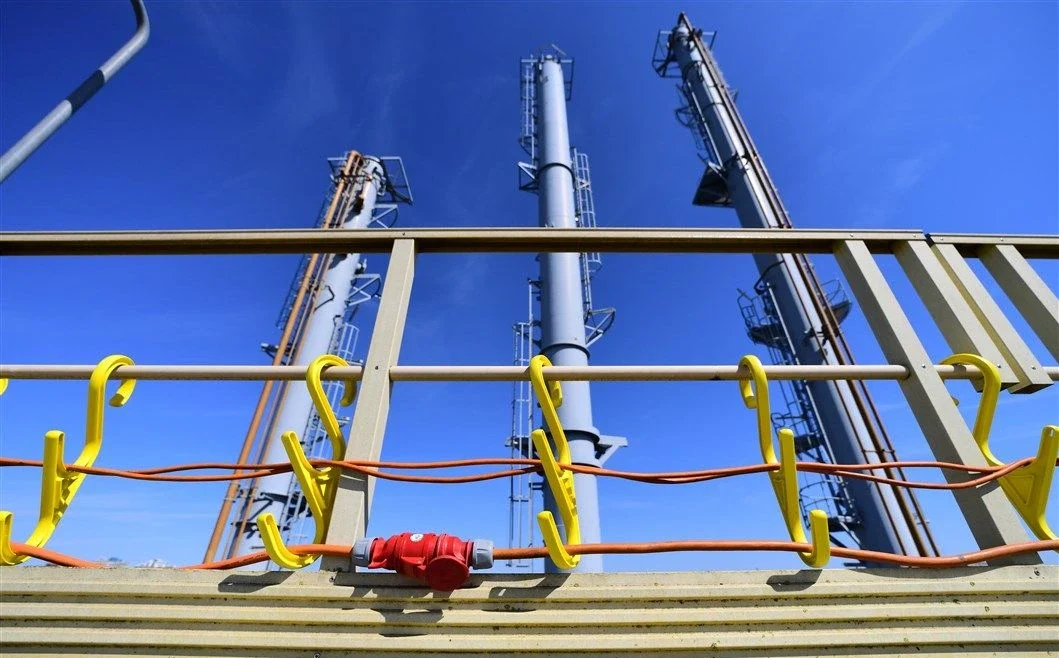
5 Common Cable Management Mistakes And How To Avoid Them
Cable management is often overlooked but in industrial environments, it plays a critical role in safety, reliability and long-term performance.
Loose, poorly routed or unprotected cables can quickly become a hazard. From trip risks to equipment damage and unplanned downtime, small oversights in LV MV HV cable management can lead to larger operational issues.
In this Blog, we highlight five common cable management mistakes and how to avoid them.
That’s why choosing effective safety solutions like the CableSafe is essential for modern job sites.
Leaving Cables Unsecured
The Issue:
Unsecured cables are one of the most common problems across industrial sites. Whether temporary or permanent, loose cables create immediate safety and operational risks.
- Trip hazards for personnel
- Increased wear and abrasion
- Risk of snagging or disconnection
- Reduced cable lifespan
The Solution:
Use appropriate cable restraint systems such as cable cleats, supports or routing systems to keep cables secure and controlled throughout the installation.
Ignoring Dropped Object Risks
The Issue:
Cables installed at height can become a serious hazard if not properly secured. Movement, vibration or poor fixing can result in cables shifting or falling.
- Potential injury to personnel below
- Damage to surrounding equipment
- Unsafe access routes
The Solution:
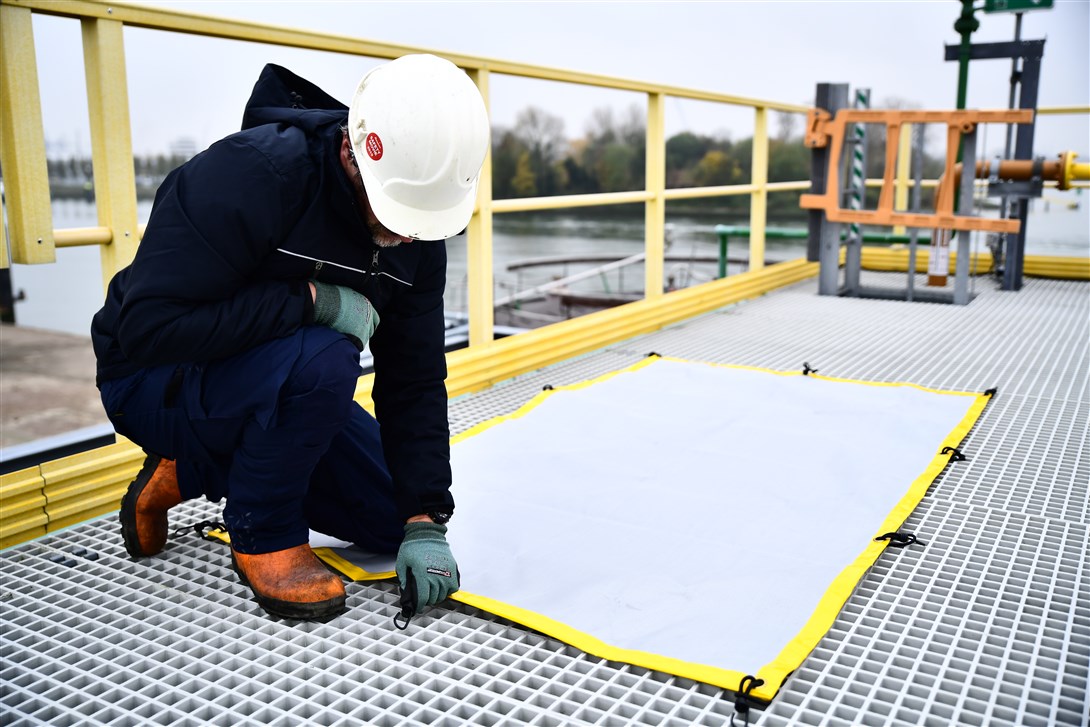
Ensure all overhead cables are securely fixed using reliable systems. Consider cable retention as part of a wider dropped object prevention strategy, particularly in high-risk environments.
Poor Cable Routing
The Issue:
Poor routing can expose cables to unnecessary damage and create unsafe working conditions.
- Cables crossing walkways
- Contact with sharp edges
- Routing near moving equipment
- Cluttered or difficult-to-maintain layouts
The Solution:
Plan cable routes carefully to ensure they are protected, accessible and away from high-risk areas. Well-organised routing improves both safety and long-term maintainability.
Failing To Protect Cables From Damage
The Issue:
Cables exposed to harsh environments, foot traffic or heavy equipment are highly vulnerable to damage.
- Crushing or impact damage
- Environmental exposure
- Premature failure
- Increased downtime
The Solution:
Use cable protection systems such as guards, covers or cable bridges to shield cables from mechanical and environmental stress.
Relying On Temporary Fixes
The Issue:
Temporary fixes such as tying down cables or repositioning them manually may seem convenient but rarely provide consistent safety.
- Inconsistent protection
- Reliance on manual checks
- Higher long-term risk
The Solution:
Implement permanent cable management systems that provide consistent, reliable protection without relying on ongoing manual intervention.
Why Cable Management Matters
- Improves workplace safety
- Protects cables from damage
- Reduces downtime and maintenance
- Supports compliant installations
- Extends cable service life
In demanding industrial environments, even small improvements in cable management can have a significant impact on safety and performance.
Conclusion
Effective cable management is not just about organisation it is about protecting people, equipment and operations.
By addressing common issues such as unsecured cables, poor routing and lack of protection, businesses can create safer, more reliable installations that perform over the long term.
Need Support With Cable Management Solutions?
Thorne & Derrick supply cable cleats, cable protection systems and installation solutions for demanding industrial environments.
Speak to our team today.
Lock Out Tag Out for Electrical Safety: Secure Isolation with Marechal Solutions
February 27th, 2026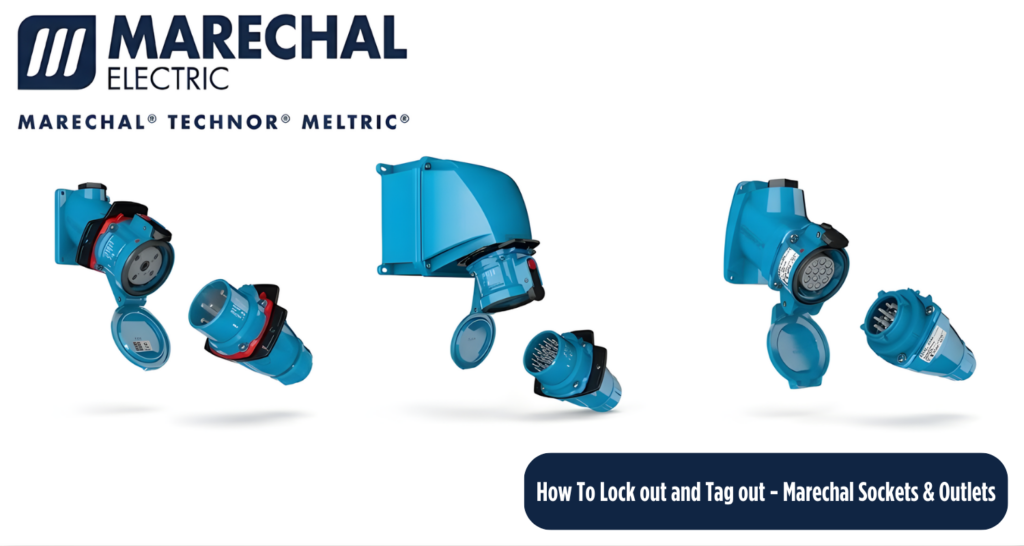
How to Lock Out and Tag Out a Marechal Socket Outlet
Electrical safety is a critical priority in industrial environments. When servicing or maintaining equipment connected to a power source, proper Lock Out Tag Out (LOTO) procedures are essential to prevent accidental energisation.
This guide explains how to safely lock out and tag out a Marechal socket outlet, ensuring compliance with site safety requirements while protecting personnel from electrical hazards.
Why Lock Out and Tag Out a Marechal Socket Outlet?
Marechal socket outlets are engineered for safety and reliability, however all electrical systems must be correctly isolated before maintenance or servicing begins.
Lock Out Tag Out helps to:
- Prevent unintended reconnection of power
- Protect personnel from electric shock or arc flash
- Clearly communicate isolation status
- Support workplace safety compliance
- Maintain safe control of electrical energy
When Is Lock Out Tag Out Required?
A Marechal plug socket outlet should be locked out whenever:
- Maintenance, inspection or repair work is taking place
- Connected equipment is being serviced or modified
- There is risk of unexpected energisation
- The outlet or plug is damaged
- Temporary electrical isolation is required
Equipment Required
Step-by-Step
Locking Out a Marechal Socket Outlet
1. Identify the Correct Socket Outlet
Confirm the socket outlet supplying power to the equipment and verify the correct isolation point before proceeding.
2. Notify Affected Personnel
Inform nearby workers and responsible personnel that isolation will take place to prevent accidental reconnection.
3. Disconnect the Plug
Safely unplug the Marechal connector and ensure all connected equipment has stopped operating.
4. Apply the Lockout Device
Install the lockout device over the socket outlet to physically prevent reinsertion of a plug.
5. Secure with a Safety Padlock
Attach your personal safety padlock. Only the person carrying out the work should retain the key.
6. Attach the Lock Out Tag
The lock out tag should clearly display:
- Warning message such as “Do Not Operate”
- Name of responsible person
- Date of isolation
- Reason for lockout
This provides clear visual communication across the worksite.
7. Verify Isolation
Confirm the outlet cannot be energised by testing that a plug cannot be inserted or power restored.
8. Carry Out Maintenance Work
Once isolation is verified, maintenance or servicing can safely proceed.
9. Removal of Lock Out and Tag
- Ensure tools and personnel are clear
- Confirm the area is safe
- Remove lock and tag personally
- Notify personnel before re-energising

OSHA’s First Arc Flash Safety Update in 20 Years — What It Means for You
August 12th, 2025
In November 2024, OSHA released its first significant update to arc flash safety guidance in nearly 20 years. The revision is designed to reduce arc flash incidents and align safety practices with the NFPA 70E: 2024 standard.
This Article from CBS ArcSafe covers the implications to industry of this significant electrical safety guidance renewal and outlines their extensive range of remote-racking products for the safer operation of LV MV HV electrical equipment, including circuit breakers.
“It’s been two decades since OSHA updated its arc flash safety guidance. That just changed — and it’s a big deal.”
Electrical Safety Myth-Busting & Best Practices
Jump to:
Myth-Busting Electrical Safety
Defining Arc Flash Boundaries
Raising Arc Flash Hazard Awareness
Protecting Electrical Workers
How CBS ArcSafe Helps
In a recent article, Denise Green, Vice President of Operations at Group CBS, reviews the OSHA updates in depth and shares an outline of the changes, the implications they have on the industry, and their impact on employees and employers alike.
In addition to adherence to industry standards, remote operations help ensure safety when working with potentially dangerous electrical equipment. Arc flash safety solutions from CBS ArcSafe allow technicians to remote racking systems and switch equipment from outside the arc flash boundary.
What’s New in OSHA’s Arc Flash Safety Update?
Myth-Busting Electrical Safety
- Myth: De-energized equipment is automatically safe.
Reality: Without proper lockout/tagout, dangerous energy may remain. - Myth: Low-voltage systems cannot cause arc flash.
Reality: Arc flashes can happen at relatively low voltages — OSHA now requires appropriate PPE for energized work above 50 V.
“Any energized work above 50 V requires appropriate PPE — low voltage doesn’t mean no hazard.”
Defining Arc Flash Boundaries
OSHA clarifies three approach zones used to reduce shock and arc blast injuries. These align with NFPA 70E Tables for voltage, fault current and incident energy.
- Limited Approach Boundary — safe distance for unqualified workers.
- Restricted Approach Boundary — qualified workers with PPE only.
- Arc Flash Boundary — distance where incident energy reaches 1.2 cal/cm², enough to cause second-degree burns.
Raising aRC fLASH Hazard Awareness
- Inspect for damaged equipment before work.
- Always verify de-energization and follow lockout/tagout.
- Wear correctly rated arc flash PPE based on the hazard assessment.
Protecting eLECTRICAL Workers
OSHA supplies an Employer Guide and three concise worker one-page sheets covering hazard assessment, administrative controls, PPE selection and training.
Safety is a system, not an afterthought. The update encourages using the hierarchy of controls — elimination, engineering, administration, and PPE — and involving workers in safety programs to move from reactive to proactive safety practices.
How CBS ArcSafe Helps
As a distributor of CBS ArcSafe, Thorne & Derrick provide technologies that reduce worker exposure – this is a customer focussed, consultative process involving site surveys to assess risk and deliver user training to ensure optimum use of CBS ArcSafe remote racking equipment.
Remote racking and switching devices allow technicians to operate breakers and switchgear from outside the arc flash boundary.
- Remote racking & switching solutions
- Arc flash & power system studies
- Field services & equipment maintenance
- Extensive inventory of low- & medium-voltage equipment
“Safety starts before the spark.”
Remote Racking Systems
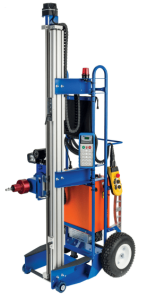
Universal Rotary Remote Racking System CBS ArcSafe RRS-1
A versatile remote racking system designed for safe and reliable operation of low, medium, and high voltage circuit breakers.
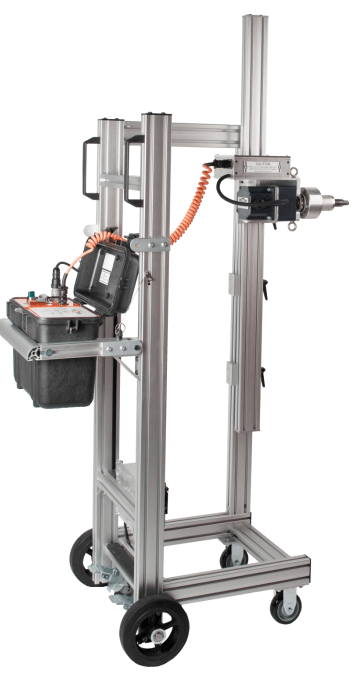
Lightweight Rotary Remote Racking System CBS ArcSafe RRS-1 LT
Compact and lightweight remote racking system ideal for confined spaces and quick deployment in the field.
Dual-Mode Rotary Remote Racking System CBS ArcSafe RRS-4
Features dual operational modes for enhanced flexibility and safety in remote racking applications.

Partner with Thorne & Derrick
Partner with Thorne & Derrick for your next electrical safety upgrade.
We provide technical expertise, online demos, and reliable specification and supply of CBS ArcSafe remote racking and switching solutions.
Electrical Safety for Low & High Voltage Power Systems
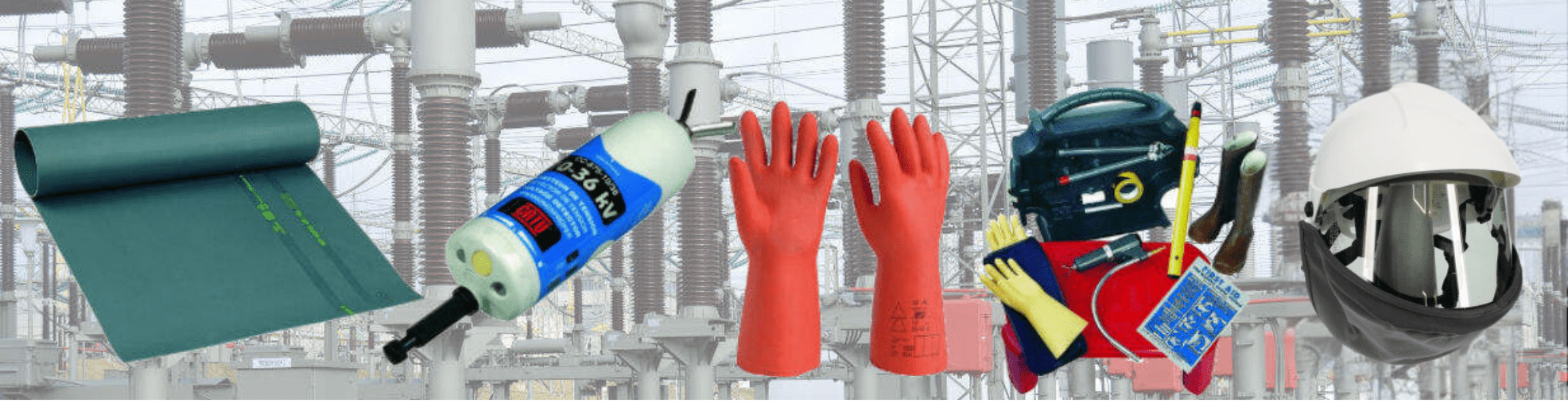
Thorne & Derrick are the UK’s leading Specialist Distributor of Electrical Safety Equipment to provide protection to personnel, plant and assets depending on the reliable operation of underground power cables and overhead line conductors.
We protect substation engineers, AP’s & SAP’s, cable jointers, overhead linesmen and utility workers with PPE and electrical safety products including insulating gloves, voltage detectors, insulating matting and portable earthing – we stock and supply products to ensure worker safety when carrying out maintenance, repair and construction on LV MV HV switchgear, substations, cables and electrical equipment from market-leading manufacturers including PENTA and Catu Electrical, part of the Sicame Group.
UK & Export Sales | Technical Support | Customer Service & Sales
Why Should You Separate Electrical Cables?
July 22nd, 2025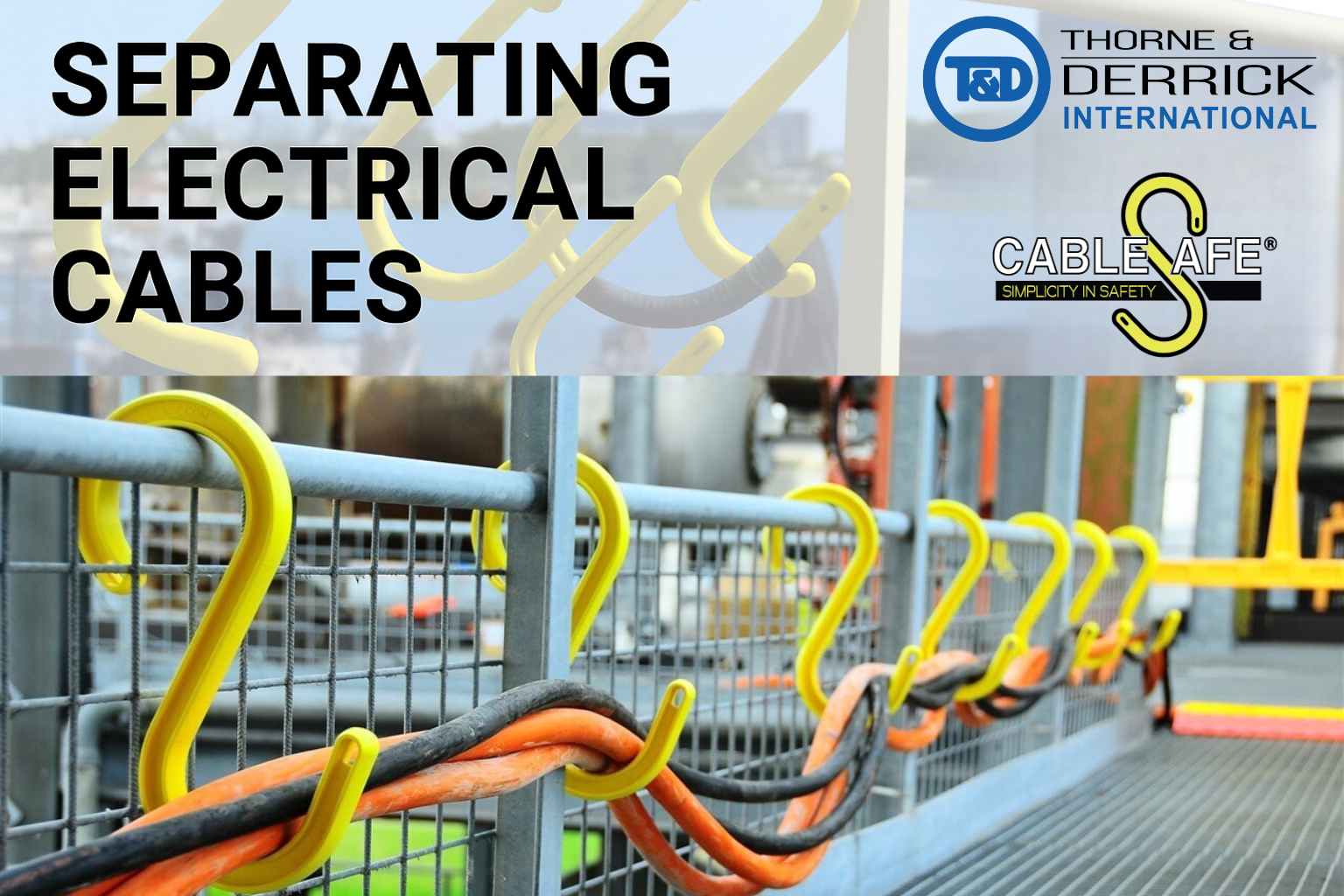
Separating electrical cables
Prevent Trip Hazards with CableSafe Safety Hooks
Thorne & Derrick supply a comprehensive range of Safety Tools and Equipment to support safe working practices across industries including construction, renewables, data centres, rail, manufacturing, and the oil, gas, and petrochemical sectors. We also offer a specialist range of Push Pull Tools designed to reduce hand injuries and enhance workplace safety.
Separating electrical cables isn’t just good practice—it’s essential for ensuring safety, system performance, and regulatory compliance. Whether you’re working in industrial, commercial, or residential settings, here are five key reasons why cable separation matters:
Cable & Electrical Safety
When power cables are bundled together tightly, they can generate excessive heat. If not properly ventilated or separated, this heat can lead to insulation damage, short circuits, or even fire hazards. Separating cables helps reduce this risk and ensures safer operation.
Electromagnetic Interference (EMI) Reduction
Electrical cables, especially those carrying high current, emit electromagnetic fields. If signal or communication cables run too closely alongside power cables, they can pick up unwanted interference. Separating them helps maintain signal integrity and reduces noise or data errors in sensitive equipment.
Ease of Maintenance & Troubleshooting
Organised and separated cables make it easier to identify, inspect, or replace specific lines when necessary. This reduces downtime during maintenance and makes installations more professional and manageable.
Prevention of Mechanical Damage
When cables are tangled or stacked together, there’s a higher chance of bending, pulling, or abrasion—especially during equipment movement or vibration. Separation prevents wear and tear and extends the cable lifespan.
Compliance with Electrical Standards
Many safety codes and regulations (like NEC, IEC, or OSHA standards) recommend or require physical separation between certain types of cables, especially in industrial or hazardous environments.

CableSafe Safety Hooks in Use Preventing Trip Hazards and Ensuring Electrical Cable Separation on Industrial Walkways

Cable Safety Equipment | Cable Stand | Cable Bridge | Cable Rail | Cable Guard | Dropped Object Prevention Mats
Cable Management Practices
Separating electrical cables is not just about tidiness—it’s a fundamental part of designing safe, efficient, and reliable electrical systems. Whether you’re an installer, maintenance engineer, or system designer, adopting good cable management practices is a small step that can make a big difference.
Looking for reliable cable management solutions?
Thorne & Derrick are UK specialists in electrical safety equipment. Contact our team for expert advice or to request a quote on CableSafe hooks and other safety tools.
PENTA MTAG | Enhancing Rail Safety with High Voltage Detectors
July 21st, 2025
PENTA MTAG
High Voltage Detector
Now Available from Thorne & Derrick
At Thorne & Derrick, we support the UK rail industry by supplying safety-critical technology designed to protect workers and infrastructure. As an authorised distributor of PENTA Electrical Equipment, we provide a range of innovative products that enhance rail safety across the medium and high voltage power network (MV HV) – the voltage detectors are used to ensure electrical safety on typical voltage distribution systems at 11kV, 25kV, 33kV and 66kV.
Maintenance engineers working on high-voltage railway networks now have a powerful new tool to ensure their safety during critical maintenance operations.
One such product is the PENTA MTAG — a smart high voltage detector recently featured in Rail UK News.
The PENTA MTag is a state-of-the-art voltage detector designed specifically for proving dead on high-voltage distribution systems from 1kV to 69kV, including the 25kV railway network commonly used in overhead line electrification systems.
Developed to meet IEC standards and refined through feedback from industry experts, the PENTA MTag offers unparalleled reliability, durability, and ease of use, providing maintenance crews with confidence when verifying the absence of voltage.
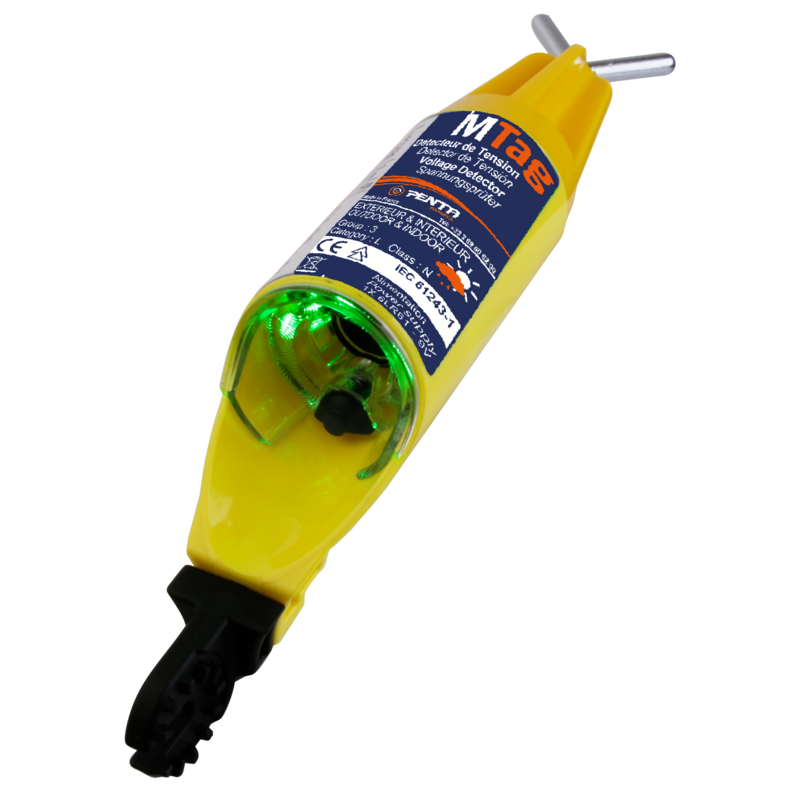
Voltage Detectors | Pictured MV Voltage detector MTAG from PENTA | These voltage detectors are designed for “proving dead”, making sure that nominal voltage is actually absent on a circuit in a high voltage distribution system between 1kV and 66/69kV (no-voltage verification).
What is Penta MTAG?
The PENTA MTAG is a portable, intelligent high-voltage detection system that offers workers in the rail industry a reliable method of confirming that overhead lines are de-energised before work begins. With automatic detection and clear visual/audible alarms, PENTA MTAG enhances electrical safety for teams working on or near electrified tracks.
This technology is a step forward in improving protection during routine maintenance, emergency repairs, and infrastructure upgrades on 25kV OLE Systems.

Key Features
-
Non-contact high voltage detection
-
Automatic activation when magnetically attached to the conductor
-
Failsafe warning system with high-visibility LED lights and audible alerts
-
Rugged, compact design built for the rail environment
-
Lightweight and easy to deploy in seconds
Engineered for safety in real-world conditions
Railway maintenance often takes place in demanding environments, where visibility, weather, and noise can interfere with safety checks. The PENTA MTag has been designed with these challenges in mind.
Its 100 dB sound signal can be heard even in heavy traffic or high winds, thanks to a natural acoustic horn that amplifies the sound. In addition, the voltage detection device features a wide-angle visual indicator that remains clearly visible in all common working environments, including direct sunlight and fog. The innovative optic ring design ensures visibility even from the side, improving awareness of the whole team at the job site.
Built to withstand the rigors of outdoor use, the PENTA MTag features a sealed, watertight electronics compartment that prevents moisture ingress, ensuring long-term reliability. Maintenance crews and safety teams will appreciate the direct access to the battery, which simplifies replacements and minimises downtime – complete range of extendable and telescopic insulating and operating poles are available.
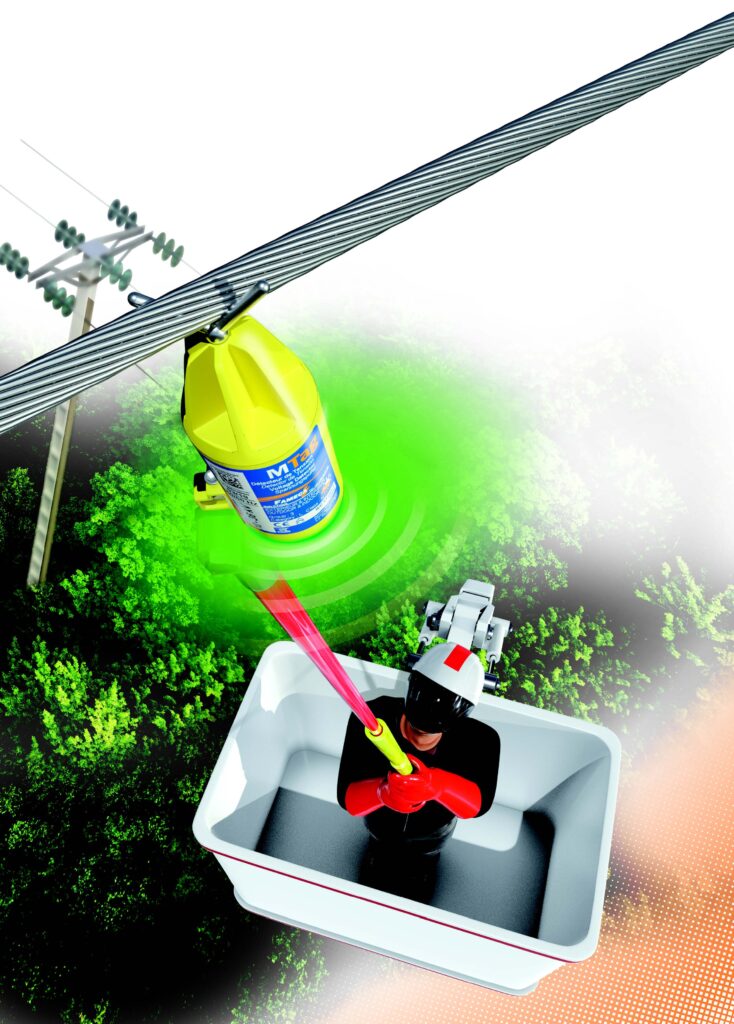
Engineer installs PENTA MTAG high voltage detector on overhead power line using hot stick
A game-changer for railway maintenance
Safety is paramount in high-voltage railway maintenance, and the PENTA MTag addresses the specific needs of engineers working on 25kV overhead line systems. The voltage detection device has been optimised to ensure that maintenance crews can quickly and confidently verify no-voltage conditions before conducting work, minimising risks associated with high-voltage circuits.
Its reliable detection capabilities even in railways stations or multiple parallel lines, and durable design, make it a trusted tool for maintenance professionals working on railway networks around the world.
Designed with the user in mind
 “The PENTA MTag is the result of years of feedback from maintenance professionals,” said Bill Earlie, Commercial Manager for PENTA UKI. “We’ve developed a tool that meets the exacting safety standards of the railway industry while ensuring ease of use and long-term reliability.
The PENTA MTag offers audible and visual feedback that cuts through the noise and visibility challenges faced by railway maintenance engineers every day.”
PENTA is a leader in the development of high-voltage testing equipment for critical sectors such as railways, energy utilities and Industries. With, a commitment to innovation and reliability for safety and performance, PENTA continues to develop products that meet the evolving needs of maintenance professionals worldwide.
Why Choose PENTA?
PENTA is a UK-based manufacturer of specialist safety equipment for the rail and electrical engineering sectors. Their solutions are trusted by Network Rail and contractors nationwide to meet the highest standards of safety and compliance.
Thorne & Derrick – Your Rail Safety Partner
We supply the full range of PENTA products including:
-
MTAG High Voltage Detectors
-
Insulated Tools & Rail-Specific PPE
Whether you’re working trackside, in depots, or on infrastructure upgrades, Thorne & Derrick can help you specify and supply the correct Medium & High Voltage equipment to protect your people and operations.