Feeder Pillars
Feeder Pillars Explained | LV Power Distribution
July 1st, 2026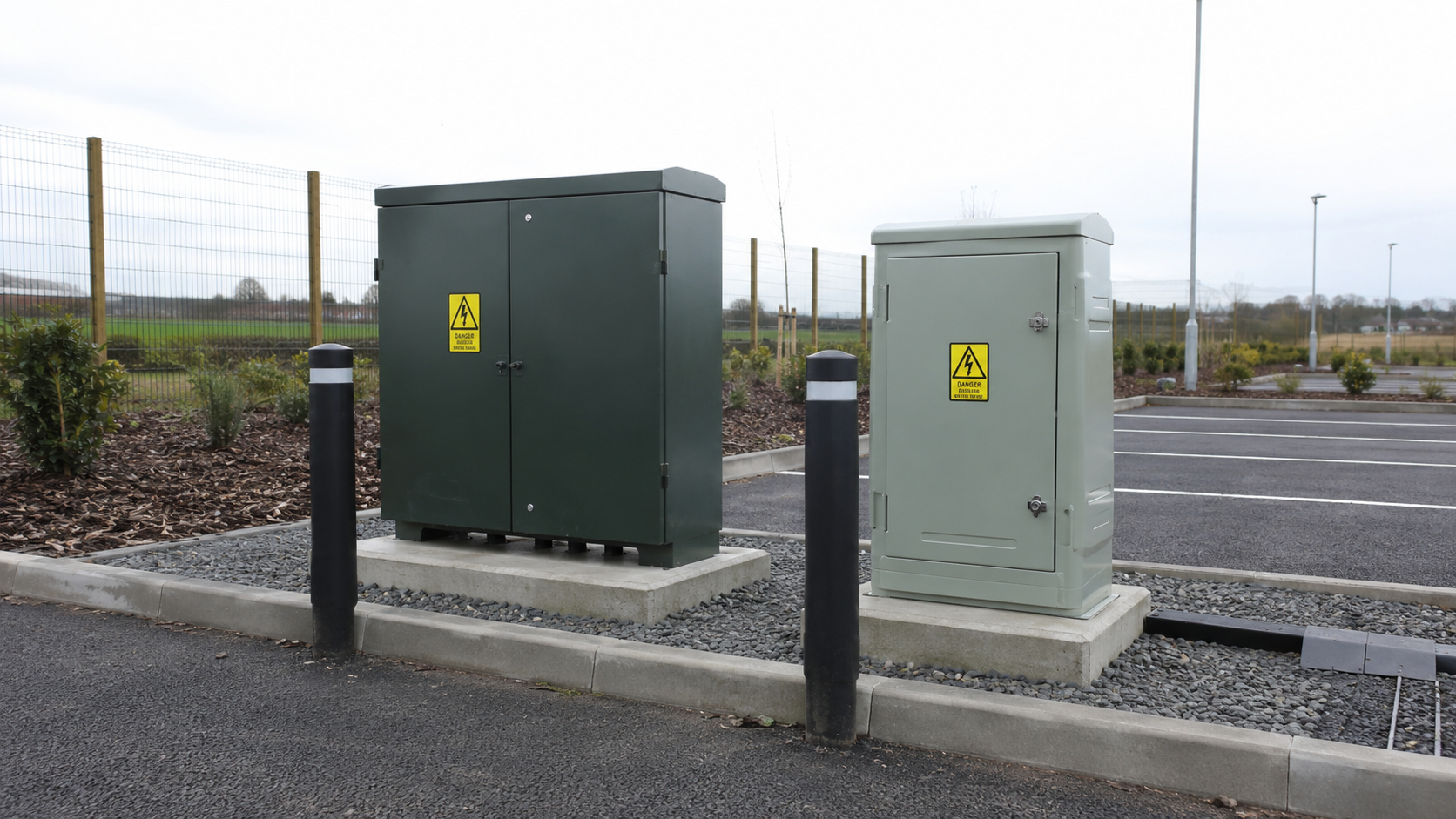
A feeder pillar is an outdoor electrical cabinet used to house and protect low voltage power distribution, isolation, control and connection equipment. Feeder pillars are commonly installed in public spaces, highways, substations, street lighting networks, EV charging sites, industrial facilities, sports grounds, car parks and utility infrastructure.
In simple terms, a feeder pillar provides a secure, weather-resistant enclosure where incoming electrical supplies can be distributed to outgoing circuits. These circuits may feed street lights, signs, traffic systems, EV charge points, temporary event supplies, pumps, public realm equipment, industrial loads or other low voltage electrical assets.
Feeder pillars can be supplied as empty enclosures for panel builders and electrical contractors, or as pre-wired feeder pillars fitted with cut-outs, isolators, fuses, distribution boards, meters, contactors, surge protection, terminals, sockets or other project-specific equipment.
Thorne & Derrick supply feeder pillars for LV electrical power distribution, including GRP, galvanised steel, stainless steel, cast iron, slimline, single door, double door, pre-wired and retractable feeder pillar solutions.
Quick Answer: What Is A Feeder Pillar?
A feeder pillar is a secure outdoor electrical enclosure used for low voltage power distribution, electrical isolation, circuit protection and control. It normally receives an incoming electrical supply and distributes power to one or more outgoing circuits.
Feeder pillars are used for LV electrical power distribution in applications such as street lighting, highways, car parks, public spaces, EV charging, utilities, parks, industrial sites, temporary supplies and substations.
What Is A Feeder Pillar?
A feeder pillar is a purpose-built outdoor enclosure used to house electrical distribution and control equipment. It acts as a protected point where low voltage power can be terminated, isolated, protected and distributed.
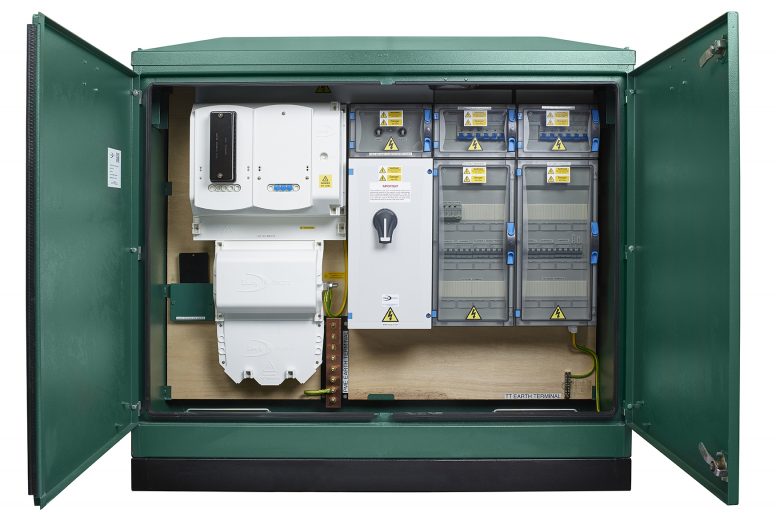
The enclosure protects the internal electrical equipment from weather, impact, unauthorised access and environmental conditions. Depending on the design, the feeder pillar may contain:
- Incoming cable terminations
- Outgoing cable terminals
- Cut-outs and fuses
- Isolators and switches
- Distribution boards
- Meters and metering panels
- Contactors and timers
- Surge protection devices
- Earth bars and neutral bars
- Sockets for temporary or public power supplies
The exact internal arrangement depends on the application. A street lighting feeder pillar may be designed for lighting circuits, photocell control or timeclock control. An EV charging feeder pillar may distribute power to charging equipment. A utility feeder pillar may be used to provide LV power connections to the electricity grid.
What Does A Feeder Pillar Do?
A feeder pillar performs several important functions in an LV electrical distribution system.
A feeder pillar is usually positioned close to the electrical loads it serves, making it easier to distribute power locally and safely.
Where Are Feeder Pillars Used?
Feeder pillars are used wherever low voltage electrical power needs to be distributed outdoors or in exposed environments.
Typical applications include:
- Street lighting networks – distributing power to lighting columns and lighting circuits.
- Highways and traffic systems – powering signs, signals, lighting, CCTV and roadside electrical equipment.
- EV charging sites – supplying power to electric vehicle charging infrastructure.
- Car parks and public spaces – feeding lighting, ticket machines, signage and public electrical services.
- Parks and sports grounds – providing controlled power distribution for events, lighting, pumps or facilities.
- Industrial sites – distributing power to outdoor equipment, process areas and plant.
- Substations and utilities – housing LV power distribution equipment, control equipment and auxiliary supplies.
- Temporary power supplies – supporting semi-permanent or temporary electrical distribution requirements.
Feeder pillars are often specified where equipment must be outdoors, accessible for maintenance and protected from environmental conditions.
Types Of Feeder Pillars
Feeder pillars are available in different materials, sizes, door configurations and wiring arrangements.
View the full range of feeder pillars for electrical power distribution.
GRP vs Steel Feeder Pillars
Two of the most common feeder pillar materials are GRP and steel. The correct choice depends on the project environment, security requirements, mechanical risk, corrosion risk, installation preference and specification.
GRP feeder pillars are commonly used for LV power connections and can be supplied to accommodate different LV power requirements.
Lucy Zodion Slimline steel feeder pillars are manufactured from galvanised steel with optional painted versions for LV power distribution and control applications.
Pre-Wired Feeder Pillars
A pre-wired feeder pillar is supplied with internal electrical equipment already fitted and wired before delivery. This can help reduce site installation time and improve consistency because the internal arrangement is built to an agreed specification.
Pre-wired feeder pillars may include:
- Incoming supply terminals
- Outgoing circuit protection
- Switch disconnectors or isolators
- Fuse switches or cut-outs
- Metering equipment
- Earth bars and neutral bars
- Distribution boards
- Control gear
- Sockets and temporary supply outlets
- Surge protection devices
Pre-wired feeder pillars are commonly used where a standardised or repeatable electrical supply arrangement is needed, such as street lighting schemes, EV charging sites, public spaces, temporary power supplies and highways infrastructure.
Street Lighting & Highway Feeder Pillars
Street lighting feeder pillars are used to distribute power to lighting circuits and associated highway electrical equipment. They are often installed at roadside locations, footpaths, car parks, transport hubs and public realm environments.
A typical street lighting or highway feeder pillar may supply:
- Street lighting columns
- Road signs
- Traffic signals
- CCTV equipment
- Control cabinets
- Pedestrian crossing equipment
- Public lighting systems
Because these feeder pillars are often installed in public locations, security, vandal resistance, IP rating, lock type, visibility, finish, access and maintenance requirements should all be considered.
For manufacturers, see Lucy Zodion feeder pillar and street lighting solutions.
EV Charging Feeder Pillars
EV charging feeder pillars are used to distribute low voltage power to electric vehicle charging points. They may be specified for car parks, public charging hubs, fleet charging depots, workplace charging, local authority charging schemes and commercial developments.
EV charging sites often require careful coordination between:
- Incoming LV supply capacity
- Number of charge points
- Fast, rapid or high-power charging requirements
- Circuit protection and isolation
- Metering and monitoring
- Surge protection
- Cable routing and civil works
- Future expansion
Power & Cables has existing content on feeder pillars for electric vehicle power supply, including pre-wired supply pillar options for EV charging infrastructure.
How To Select A Feeder Pillar
Selecting the correct feeder pillar requires a clear understanding of the electrical design, installation environment and project requirements.
A feeder pillar should be selected using both the electrical specification and the physical site requirements. The enclosure, internal equipment and cable arrangement must all work together.
Feeder Pillar Installation Considerations
Feeder pillar installation usually involves both civil and electrical works. The exact method depends on the pillar type, base design, root section, incoming cable route, internal electrical equipment and site conditions.
Important installation considerations include:
- Base preparation – ensuring the feeder pillar is installed on a suitable foundation, plinth or root section.
- Cable duct alignment – incoming and outgoing ducts must align with the pillar cable entry points.
- Cable bending space – the pillar must allow enough space for safe cable entry and termination.
- Earthing – earth bars, bonding and earthing arrangements should be suitable for the design.
- Access – the door must open fully and safely for installation, inspection and maintenance.
- Public safety – pillars in public spaces should consider security, labels, locks and impact risk.
- Environmental exposure – wind, rain, UV exposure, corrosion and flood risk should be considered.
For installation guidance, see the Power & Cables article on GRP feeder pillar site installation.
Common Feeder Pillar Mistakes
Feeder pillar issues are often caused by poor coordination between the enclosure design, internal electrical equipment and civil installation.
Common mistakes include:
- Choosing a pillar that is too small – insufficient internal space can make cabling, termination and maintenance difficult.
- Forgetting cable bending radius – larger LV cables need enough room to enter and terminate safely.
- Specifying the wrong material – GRP, steel, stainless steel and cast iron all suit different environments and risks.
- Ignoring security requirements – public-facing feeder pillars need suitable locks, hinges and vandal-resistant features.
- Poor duct alignment – incoming ducts must be coordinated with cable entry positions.
- Not allowing maintenance access – doors and internal components must remain accessible after installation.
- Treating all feeder pillars as the same – street lighting, EV charging, industrial and utility applications may need different internal equipment.
- Overlooking earthing and bonding – the pillar and internal electrical equipment must be correctly earthed in line with the design.
The best feeder pillar specification starts with the electrical design, then selects an enclosure and internal layout that can safely support it.
Related Feeder Pillar Products
Feeder pillars are part of the wider LV power distribution and cable installation system. Related products include:
- Feeder Pillars – complete range of feeder pillars for LV electrical power distribution.
- GRP Feeder Pillars – GRP pillars for low voltage power connections and outdoor electrical distribution.
- Lucy Zodion Slimline Steel Feeder Pillars – galvanised steel slimline feeder pillars for LV distribution and control.
- Lucy Zodion Fortress Feeder Pillars – galvanised steel feeder pillars from the Fortress range.
- Lucy Zodion Cast Iron Feeder Pillars – cast iron feeder pillars for increased weather protection, security and long service life.
- EV Power Supply Feeder Pillars – feeder pillar solutions for EV charging infrastructure.
- Cable Ducting – underground cable ducting for LV, MV and HV cable protection.
- Cable Glands – glands for cable entry, termination and sealing into enclosures and cabinets.
Feeder Pillar FAQs
Q: What is a feeder pillar?
A: A feeder pillar is an outdoor electrical cabinet used to house low voltage power distribution, isolation, protection and control equipment. It typically receives an incoming supply and distributes power to outgoing circuits.
Q: What is a feeder pillar used for?
A: Feeder pillars are used for LV power distribution in street lighting, highways, EV charging, public spaces, car parks, industrial sites, parks, utilities, temporary supplies and substations.
Q: What is inside a feeder pillar?
A: A feeder pillar may contain cut-outs, fuses, isolators, switchgear, distribution boards, meters, contactors, terminals, earth bars, neutral bars, surge protection devices and control equipment, depending on the application.
Q: What is a GRP feeder pillar?
A: A GRP feeder pillar is an electrical feeder pillar manufactured from glass reinforced plastic. GRP pillars are lightweight, corrosion-resistant and commonly used for outdoor low voltage power distribution applications.
Q: What is a pre-wired feeder pillar?
A: A pre-wired feeder pillar is supplied with internal electrical equipment already installed and wired. This may include isolation, protection, distribution, metering, control equipment, sockets or terminals depending on the project specification.
Q: What is the difference between a feeder pillar and a distribution board?
A: A distribution board is an internal electrical assembly used to distribute circuits. A feeder pillar is usually an outdoor enclosure that may contain a distribution board or other electrical equipment, while also providing weather protection, security and cable termination space.
Q: Are feeder pillars waterproof?
A: Feeder pillars are designed for outdoor use, but the level of protection depends on the enclosure design and IP rating. The correct pillar should be selected for the site environment, exposure level and internal electrical equipment.
Q: How do I choose the right feeder pillar?
A: To choose the right feeder pillar, check the application, material, size, door configuration, internal equipment, cable entry requirements, security, environmental exposure, earthing requirements and installation method.
Conclusion
Feeder pillars are essential outdoor electrical enclosures used for low voltage power distribution, isolation, protection and control. They provide a secure point for distributing power to outgoing circuits in street lighting, highways, EV charging, public spaces, industrial sites, utilities, parks and temporary supply applications.
The correct feeder pillar depends on the application, internal electrical equipment, enclosure material, size, door configuration, security requirements, cable entries, earthing arrangement and installation environment.
Thorne & Derrick supply LV electrical feeder pillars, including GRP, galvanised steel, stainless steel, cast iron, slimline, single door, double door, pre-wired and retractable feeder pillar solutions for electrical power distribution projects.
From Factory to Field | Power Pillars for Project Connections, A Case Study
November 10th, 2025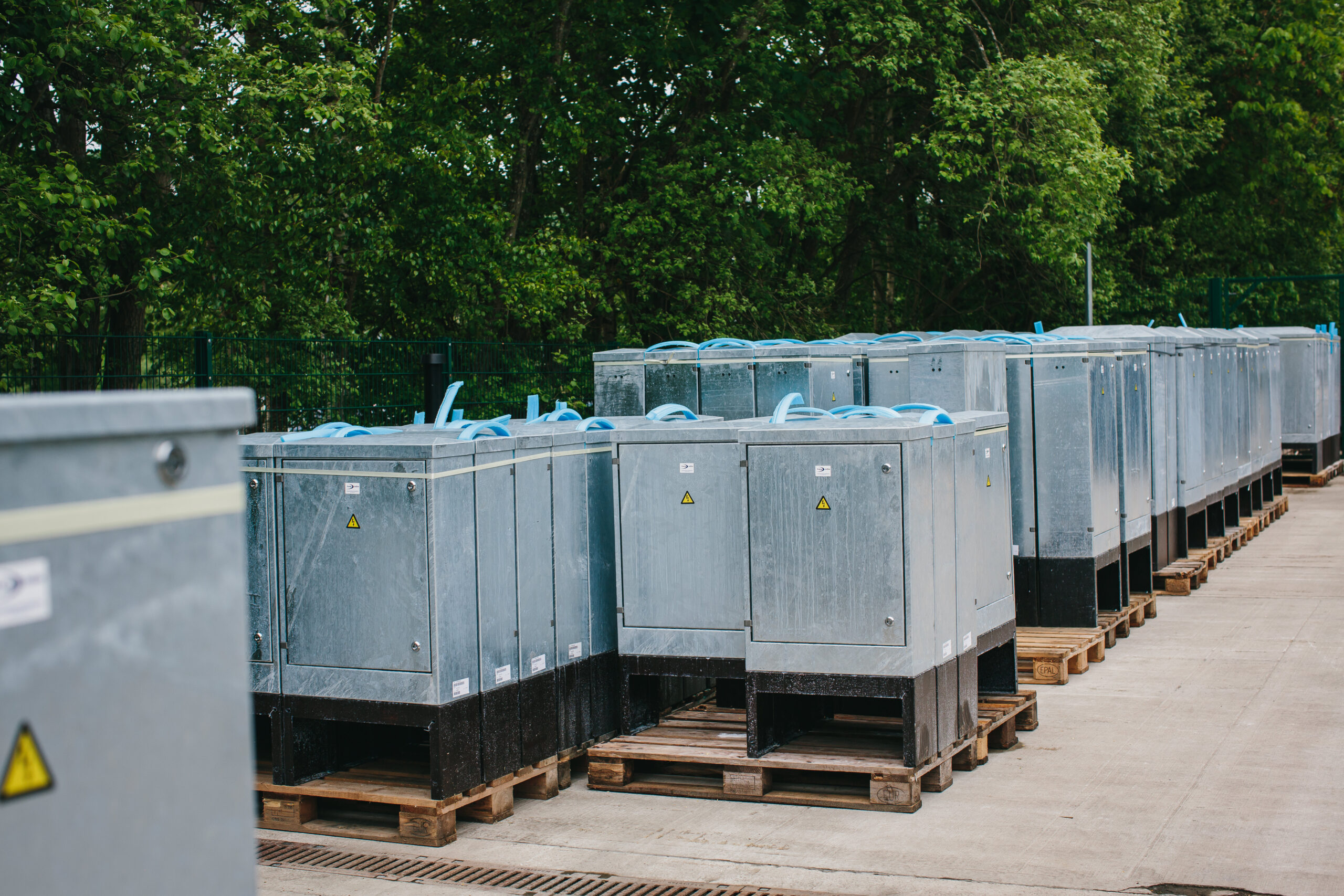
From Factory to Field | Power Pillars for Project Connections
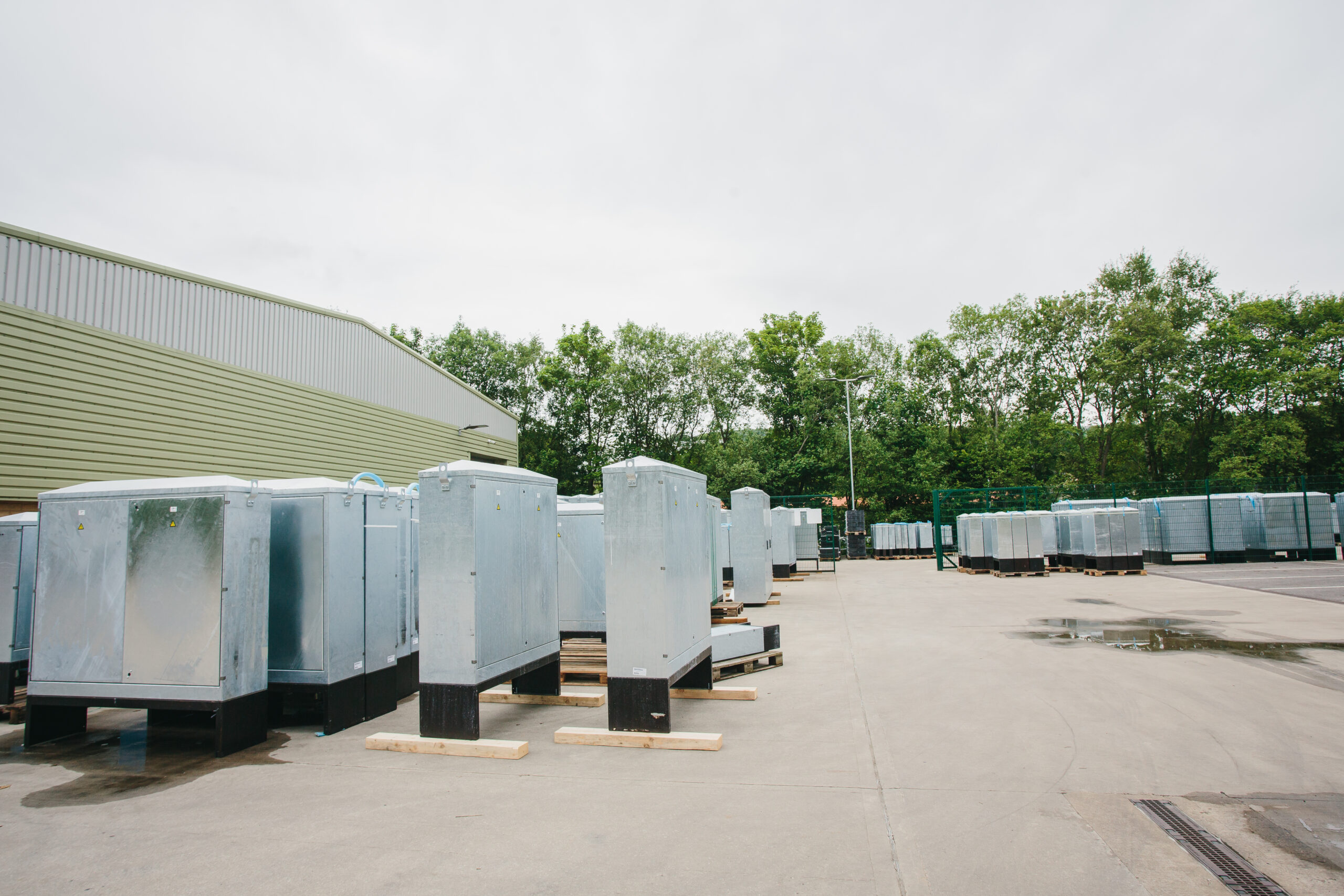
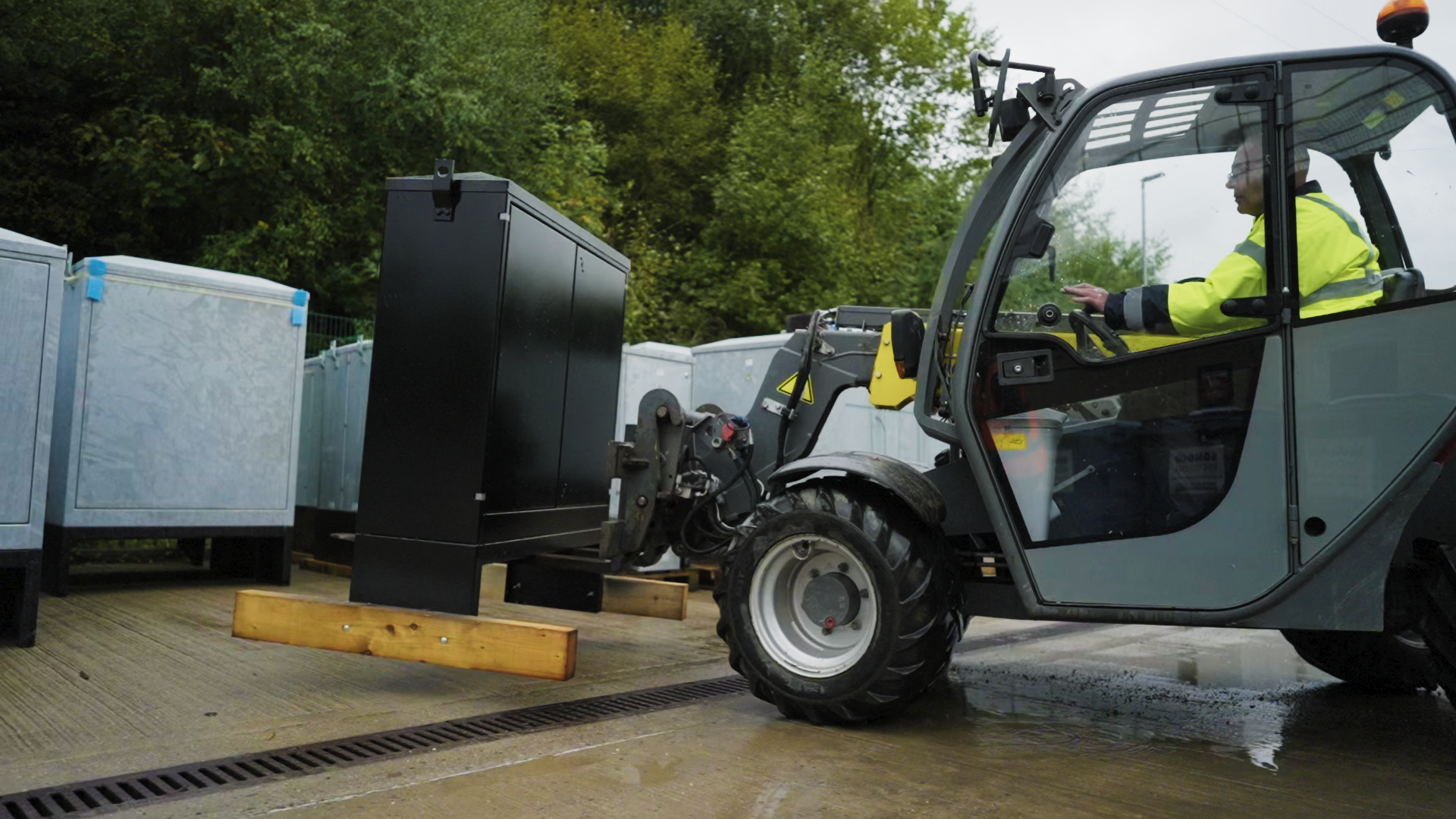
Thorne & Derrick, a Specialist Electrical Distributor for Lucy Zodion, have successfully completed delivery of the industry-leading Fortress range of feeder pillars to a major street lighting project for the Highways Department of Nottinghamshire County Council. The project demonstrated our combined customer service excellence, communication speed and technical support while ensuring full compliance to client specification. Upon payment completion the consignment of 27 feeder pillars was delivered ex stock from factory to field within 3 days.
Project Overview:
- Client: Nottinghamshire County Council
- Contractor: Fernmac Limited
- Product Supplied: Lucy Zodion Fortress Feeder Pillars
- Quantity: 27 Units
- Timeline: Delivered within 3 days
The Challenge
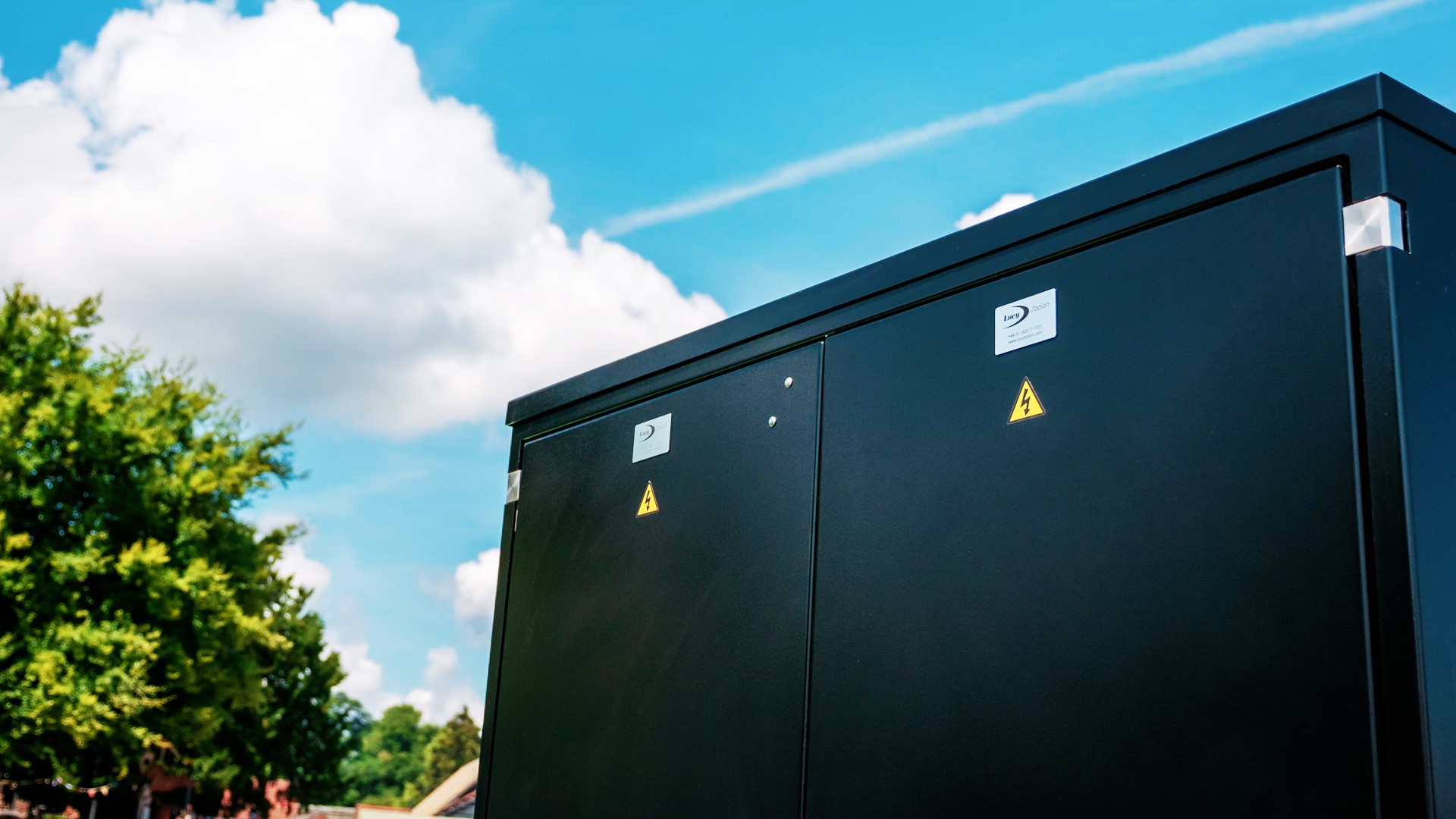
Fernmac Limited, sub-contracted to Nottinghamshire County Council, urgently required 27 galvanised steel feeder pillars delivered from stock to precise technical specifications for installation across the county’s highways network. Although Lucy Zodion was not the specified manufacturer, their Fortress range of feeder pillars recommended by Thorne & Derrick, fully satisfied the council’s design and performance requirements. Each feeder pillar was required to:
- Be constructed from galvanised steel with side-hinged doors and stainless steel/brass hinges
- Include a 15mm marine-grade plywood backboard, pre-treated with moisture-repellent lacquer
- Incorporate BS 88: Part 2 fuse links and a dedicated 10-way brass earth block
- Achieve a minimum IP34 ingress protection rating for outdoor installation
- Cut-outs and terminations integrated in accordance with Electricity Authority standards
Tight project timescales meant Fernmac needed a proactive and technically capable supply partner to coordinate specification, communication and logistics with Lucy Zodion.
The Solution
Upon receiving the enquiry, Thorne & Derrick reacted quickly to review the design drawings, confirm compatibility and liaised directly with Lucy Zodion to secure the required units from available stock. This rapid and coordinated approach ensured that the project remained on schedule, with all 27 feeder pillars delivered and installed in line and in time with the local authority requirements. By maintaining close communication between Fernmac, Lucy Zodion, and the council’s highways contractor, Thorne & Derrick ensured a smooth and efficient delivery process.
Results
The successful delivery of the feeder pillars demonstrated the value of agility, communication and collaboration across the supply chain.
Key outcomes:
- On-time Delivery: Project milestones were maintained without delay
- Specification Accuracy: Compliance with Nottinghamshire County Council’s design and regulatory requirements
- Customer Satisfaction: Clear communication between all stakeholders ensured confidence throughout the project
Sourcing the 27 feeder pillars within a short timeframe was a challenge, but Thorne & Derrick’s responsiveness made the process straightforward. They understood our technical requirements, liaised with Lucy Zodion, and ensured the pillars met Nottinghamshire County Council’s specification.Their clear communication and proactive coordination kept everything on track — the pillars arrived exactly when needed, helping us maintain project timelines.
Overall, working with Thorne & Derrick was an excellent experience. They’re professional, knowledgeable, and genuinely committed to customer service, and we’d be happy to work with them again.
– Tom Cressey, Fernmac Limited
Powering Projects & Future Collaboration
Should you require support with the design and manufacture of standard or pre-wired Low Voltage Distribution Pillars please do not hesitate to contact Thorne & Derrick – specialist application and engineered feeder pillars are available to suit design requirements of Solar & BESS, Renewable Energy, Data Centre, Rail, EV and DNO projects for Independent Connection Providers (ICPs).
Thorne & Derrick International, based in the UK, are leading Specialist Distributors of LV-HV Cable Accessories, Jointing, Tooling, Substation & Electrical Eqpt Distributors and have been an Approved Supplier of Lucy Zodion for over 15 years.

About Lucy Zodion
Lucy Zodion is a leading UK manufacturer of street lighting control and power distribution equipment. Their Fortress range of feeder pillars is designed for durability, safety, and performance across infrastructure, highways, and industrial applications. Learn more here.
From Power to Pavement: Enabling Smarter EV Feeder Pillar Solutions with Lucy Zodion
May 20th, 2025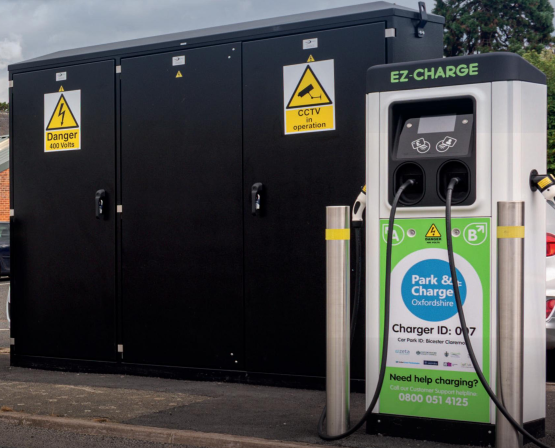
- Special thanks to Matt Page EV Business Development Manager at Lucy Zodion for the kind permission to republish.
BEYOND SPEED: FUTURE PROOFING EV INFRASTRUCTURE
As a trusted distributor of Lucy Zodion EV Feeder Pillars, Thorne & Derrick are proud to support the delivery of safe, robust, and future-ready power distribution solutions for electric vehicle charging networks.
In the article below featured in EV & Renewables Supplement, Matt Page, EV expert at Lucy Zodion, explores the critical factors beyond deployment speed that define a successful EV infrastructure rollout.
Lucy Zodion manufacture a wide range of products suitable to provide Low Voltage Electrical Power Distribution for EV charge points – from distribution network operator (DNO) accredited cut-outs and isolators for on-street chargers, to feeder pillars for electrical vehicle charging.
Lucy Zodion’s EVIS (Electric Vehicle Infrastructure Solutions) range delivers pre-wired EV feeder pillars from 100A to 630A reducing time on site and streamlining installation.
Beyond Speed: How to Future-Proof Your Infrastructure
Discover how strategic planning, scalability, and long-term resilience are key to building a charging network that’s ready for tomorrow.
Conversations around EV infrastructure often focus on speed – how quickly can a charging station be deployed, and how fast it can charge a vehicle. While speed is important, it’s not the only factor that determines success. True future-proofing means designing charging infrastructure that is resilient, scalable and adaptable to changing demands and evolving technology.
Building for growth, not just now
Many charging hubs installed today will need to evolve as EV adoption increases. The latest figures from Zapmap show there are now over 75,000 public charge points in the UK our demand is expected to grow significantly and infrastructure that isn’t designed with scalability in mind will quickly become obsolete.
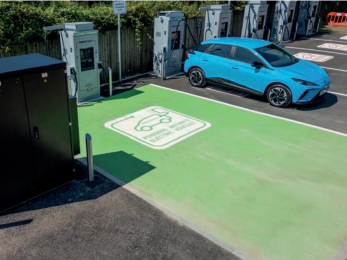
For example, at InstaVolt’s Camphill Village Trust charging site, the approach to power distribution was designed with long-term scalability in mind. The specialised our Main Supply Pillars powering the site’s 160kW chargers were built to support future expansion while maintaining a minimal footprint. Taking this kind of forward-looking approach can prevent costly redesign later on
Similarly, the Isle of Man’s phased EV rollout demonstrates how strategic planning can ensure charging infrastructure is deployed with future expansion in mind. A well-planned approach to power distribution means sites can scale up as EV adoption increases without requiring extensive retrofits.
Resilience is key
Reliability is just as critical as speed. A charging hub that experiences frequent outages due to inadequate electrical protection or environmental wear will create frustration for drivers and site owners alike. Key resilience-focused features to consider include:
- Earth leakage protection and residual current protection to ensure long-term electrical safety
- Surge protection to guard against power fluctuations
- Anti-condensation heaters and service lighting to protect internal components and improve maintenance access.
Integrating these features from the outset can help prevent operational disruptions, enhancing user confidence and reducing long-term costs.
The M7 Real Estate project delivered by Source EV – a joint venture between SSE Energy Solutions and Total Energy – highlights the benefits of durable, weather-resistant power distribution. In high-usage environments, ensuring electrical protection and ease or maintenance is crucial for long-term success.
Collaboration matters
Future-proofing isn’t just about the technology – it’s about the process. The most effective EV infrastructure projects take a holistic, end-to-end approach, Considering electrical distribution, space constraints and future adaptability from the start.
A strong example of this is the InstaVolt project, where power distribution was designed to allow flexibility for future transformer manufacturers equipment. Taking a collaborative approach with stakeholders ensures infrastructure remains adaptable to evolving industry requirements.
The road ahead
The shift to electric mobility is accelerating and infrastructure needs to keep up – not just with speed, but with smart, future-proofed design. Viewing EV infrastructure as an evolving system rather than a one-off installation can help ensure today’s investments continue to deliver value well into the future.
Incorporating scalable electrical systems, built-in resilience and cross-industry collaboration from the outset can help create charging networks that remain effective as demand and technology evolve. By planning with the long term in mind, we can ensure EV charging infrastructure stays ahead of demand, rather than struggling to catch up.
Compliance and standards
When specifying an EV feeder pillar, you need to make sure it is tested to the following standards:
- BS7671- IET Wiring Regulations – Covers the electrical installation of buildings, including the use of surge protection
- BS7671- IET Code of Practice for Electric Charging
- BS EN 61439 – Low Voltage Switchgear and Control Gear Assembly
Considering these key points will ensure that your EV feeder pillar is designed to deliver efficient and reliable power distribution for electric vehicle charging, contributing to a sustainable and greener future.

Lucy Zodion | Fortress Feeder Pillars | Pre-Wired Feeder Pillars | Street Lighting Cut-Outs | DNO Cut-Outs | Electrical Power Distribution Enclosures

Specifying An EV Feeder Pillar | What Do You Need To Consider?
April 5th, 2024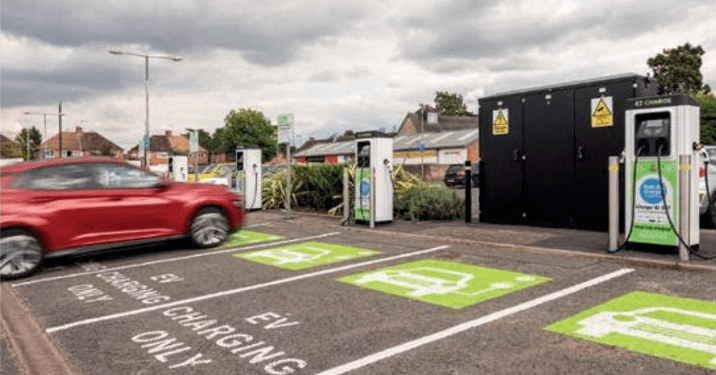
- Special thanks to Matt Page EV Business Development Manager at Lucy Zodion for the kind permission to republish.
Specifying a EV Feeder Pillar
What Do You Need To Consider?
The unsung hero of EV infrastructure is not sexy chargers; the unsung hero of great EV infrastructure is the feeder pillar. Used to distribute power safely and efficiently, whilst ensuring charging speed reliability – correctly specifying an EV feeder pillar will provide secure, dependable, and compliant electrical connections, says Matt Page, EV Business Development Manager at Lucy Zodion.
Lucy Zodion manufacture a wide range of products suitable to provide Low Voltage Electrical Power Distribution for EV charge points – from distribution network operator (DNO) accredited cut-outs and isolators for on-street chargers, to feeder pillars for electrical vehicle charging.
Due to the growing demand for Electric Vehicles (EV) around the world and the resulting strain that the charging infrastructure has on our electrical network, a wide range of safe and compliant electrical power and connection solutions are needed.
▶ Thorne & Derrick together with Lucy Zodion are able to offer a range of feeder pillar enclosures and cabinets that are robust, durable and secure providing weatherproof and padlockable vandal resistant protection.
As the electrification revolution continues, robust electrical infrastructure is crucial. Electrical enclosures and cabinets serve as frontline defences, safeguarding components and ensuring system reliability. But how does one specify the correct enclosure amidst various materials and standards?
With decades of experience in electrical connection solutions, Lucy Zodion is here to guide contractors. Here’s an overview of key considerations:
EV Feeder Pillars Considerations
Electrical Supply
The first thing to consider is the electrical supply. Will it be a new point of connection provided by the DNO or ICP, or will it be a private supply routed from a supply elsewhere? If the former, then consideration must be given to the space that the DNO/ICP will need to install its service head/cut-out and any metering requirements.
Earthing
You must decide whether your EV feeder pillar will use Protective Multiple Earthing (PME), O-PEN technology, or TT earthing. The choice depends on various factors, such as existing infrastructure, preservation orders on trees and not forgetting resistance levels that would need to be guaranteed all year round in the event of a TT installation.
TT installations, where an earth rod is installed to provide the earth, are the most common. However, fitting PEN detection technology is a well-recognised alternative where it is impossible to fit an earth rod
or earth mat.
Charge Points
How many EV charge points is the feeder pillar powering and what are their ratings? Outgoing devices include single-phase and three-phase, enabling EV chargers to be powered from 7kW to 150kW.
Current Rating and Load Balancing
What current reading is the incoming supply of 100A, 200A, 400A, and 630A?. Understanding your current rating requirements is essential.
How much power does your feeder pillar need to deliver, and how many charge points (in kilowatts) will it supply? Consider load balancing within charge points to optimise your supply connection and get the most value from your electrical infrastructure.
Residual Circuit Protection
There is a requirement to protect cables supplying the charge points, and to do this, Lucy Zodion installs a 300 mA protection. If the charge points do not have this local protection, the company offers 30 mA protection to cover it.
This is generally seen on the 7-22W charge points, but Lucy Zodion EVIS range offers both solutions to protect your installation requirements.
Futureproofing
Anticipate future needs by allocating space within your feeder pillar for additional equipment or charge points that may be installed later. This proactive approach ensures your infrastructure can adapt to evolving EV demands without costly modifications.
Location & Planning Requirements
Carefully consider the location of your EV feeder pillar. Are there specific planning requirements or access needs for maintenance and testing? Proper planning ensures seamless integration into your site or development.
Aesthetics
In some cases, aesthetics play a vital role. Does your EV feeder pillar need to blend into its surroundings? Standard enclosures are hot-dipped galvanised, but opting for a painted finish can help maintain the integrity of your site or development while ensuring that your infrastructure is functional and visually appealing.
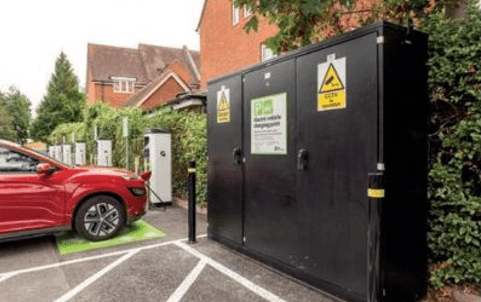
EV Feeder Pillar
Compliance and standards
When specifying an EV feeder pillar, you need to make sure it is tested to the following standards:
- BS7671- IET Wiring Regulations – Covers the electrical installation of buildings, including the use of surge protection
- BS7671- IET Code of Practice for Electric Charging
- BS EN 61439 – Low Voltage Switchgear and Control Gear Assembly
Considering these key points will ensure that your EV feeder pillar is designed to deliver efficient and reliable power distribution for electric vehicle charging, contributing to a sustainable and greener future.
Lucy Zodion | Fortress Feeder Pillars | Pre-Wired Feeder Pillars | Street Lighting Cut-Outs | DNO Cut-Outs | Electrical Power Distribution Enclosures
EV Charge Points | A Government Viewpoint on Infrastructure Requirements
January 16th, 2023
EV Charging Pillars
EV Charge Points
With a key driver for the electrification of vehicles being the environmental benefits they promote, electric vehicles (EV) are becoming pivotal parts of urban regeneration.
Reducing emissions and improving the carbon footprint of both individuals and communities, EVs and their supporting infrastructure, such as EV Pillars, are now vital assets for cities and towns throughout the world.
From DNO accredited cut-outs and isolators for on-street chargers, through to larger ‘heavy duty’ EV feeder pillars for fast, rapid and super chargers, Lucy Zodion’s products and design team can solve your connection requirements.
Lucy Zodion manufacture a wide range of products suitable to provide Low Voltage Electrical Power Distribution for EV charge points – from distribution network operator (DNO) accredited cut-outs and isolators for on-street chargers, to feeder pillars for electrical vehicle charging.

Government Viewpoint
EV Charging Pillars
A UK Government Policy Paper on accelerating our EV infrastructure states that “the UK must have an electric vehicle (EV) chargepoint network that works for everybody, everywhere”.
Yet, it’s still commonplace news to hear of driver frustrations as they compete for a limited number of public charging points.
For Local Authorities and CPOs looking to improve their EV infrastructure, here are our top 5 recommendations:
1. Plan Properly – Anticipate that the process will take longer than expected and, given the increasing demand for new connections, timescales will only get longer
2. Follow The Process – Check with your DNO when ordering a new connection that you are using the right process. Many have fallen foul by not checking first, resulting in an installation that will not get approved
3. Install Quality Products – Installing high-quality products will reduce potential issues that may arise in the future. Ensure all your products comply to the appropriate regulations and are tested regularly
4. Consider Oversizing – Consider oversizing your supply and include some spare capacity in your EV connection and supply pillar. By making your system scalable, you can add to the number of charge points or upgrade the rating of your charge points in the future, when technology supersedes current equipment
5. Maintain Regularly – In order to keep your equipment in good working order test and inspect it regularly. It is pointless having stranded assets that aren’t serving customers and/or earning revenues
Due to the growing demand for Electric Vehicles (EV) around the world and the resulting strain that the charging infrastructure has on our electrical network, a wide range of safe and compliant electrical power and connection solutions are needed.
➡ Blog Feeder Pillars – Electric Vehicle (EV) Power Supply Pillars
Lucy Zodion | Fortress Feeder Pillars | Pre-Wired Feeder Pillars | Street Lighting Cut-Outs | DNO Cut-Outs | Electrical Power Distribution Enclosures
THORNE & DERRICK SPECIALIST ELECTRICAL DISTRIBUTOR
T&D distribute the most extensive range of LV, MV & HV Cable Jointing, Terminating, Pulling & Installation Equipment – we service UK and international clients working on underground cables, overhead lines, substations and electrical construction at LV, 11kV, 33kV and EHV transmission and distribution voltages.
Key Products: MV-HV Cable Joints & Terminations, Cable Cleats, Duct Seals, Cable Transits, Underground Cable Protection, Cable Jointing Tools, Feeder Pillars, Cable Ducting, Earthing & Lightning Protection, Electrical Safety, Cable Glands, Arc Flash Clothing & Fusegear.