Use Of SF6 Gas In The Electrical Transmission Industry
SF6 Gas
In The Electrical Transmission Industry
Bluefield
Sulphur Hexafluoride (SF6) gas circuit-breakers have been a critical technology under review by the European Union (EU) for some time. Bluefield applied our collective knowledge and learnings to inform and recommend an alternative the use if SF6 gas-type switchgear.
Problem
A site required upgrades to its existing High Voltage (HV) electrical switchboards. The site’s aim was to reduce all arc flash hazard categories to ‘everyday work clothing’ or less.
Bluefield identified that the existing switchboard equipment utilised the SF6 gas-type circuit-breakers
SF6 gas circuit-breakers have been a critical technology under review for some time.
Bluefield further investigated the risks of use, possible alternatives, and opportunities for the site to reduce its arc flash hazards.
Investigation
- The European Union EU regulation 517/2014, due to be reviewed in 2020, will potentially declare the complete phasing out of the use of SF6 gas type equipment.
- SF6 is the greenhouse gas with the most significant global warming potential (GWP) – 22,800 times more than CO2.
- SF6 decomposes under electrical stress, forming toxic by-products; this by-product, disulphur decafluoride (S2F10), has a toxicity on a par with phosgene gas, and is extremely hazardous to employees.
- Only licensed or authorised hazardous waste managers are permitted to handle, transport, and recycle SF6 (OPSGG 1989)
- A significant number of assets in the site’s HV electrical infrastructure utilised SF6 gas type circuit breakers.
Results
Bluefield recommended the use and future change out to Vacuum-type circuit-breakers.
Service experience shows them to be reliable, almost maintenance-free, and safe under operating conditions. They have negligible global warming potential (GWP), with no reporting required under the Synthetic Greenhouse Gas Management Act, no suffocation or poisoning risk due to toxic by-products or leakage, and no fire hazards or explosion risk due to over-pressurisation or overheating of the gas.
Bluefield also recommended the installation of remote or wireless switching of circuit breakers to remove the arc flash hazards associated with this task.
The site subsequently changed its business philosophy on the use of SF6 gas-type circuit-breakers. They implemented the use of Vacuum circuit-breakers, and utilised remote switching to achieve their target for arc flash reduction and risk mitigation.
About Bluefield

Bluefield believes that: –
- Equipment reliability starts with the quality execution of the lifecycle maintenance plan
- Software solutions should make it easier and less labour intensive to operate equipment within design limits and execute quality maintenance to a defined lifecycle plan
- Maintenance management is about managing maintenance and reliability, whereas asset management is about making sure the physical assets deliver the best bottom line outcomes for the business
We have proven our ability to assist our clients in mining, rail and gas industries to sustainably get more from their assets; more throughput, more reliability, more uptime, more productivity and more cost reductions. Our methods ensure that the site teams own the improvements and therefore they actually get implemented. We use the latest technology to get results faster.

Specialist Suppliers of High Voltage Electrical Equipment & Cable Accessories
LV, MV & HV Jointing, Earthing, Substation & Electrical Eqpt
Thorne & Derrick International are specialist distributors of LV, MV & HV Cable Installation, Jointing, Duct Sealing, Substation & Electrical Equipment – servicing UK and global businesses involved in cable installations, cable jointing, substation, overhead line and electrical construction at LV, 11kV, 33kV and EHV.
THORNE & DERRICK Product Categories: Duct Seals | Cable Cleats | Cable Glands | Electrical Safety | Arc Flash Protection | Cable Jointing Tools | Cable Pulling | Earthing | Feeder Pillars | Cable Joints LV | Joints & Terminations MV HV

Thorne & Derrick | Stockists & Suppliers | Joints Terminations Connectors up to 66kV
Images Courtesy: Sjoerd Keijzer
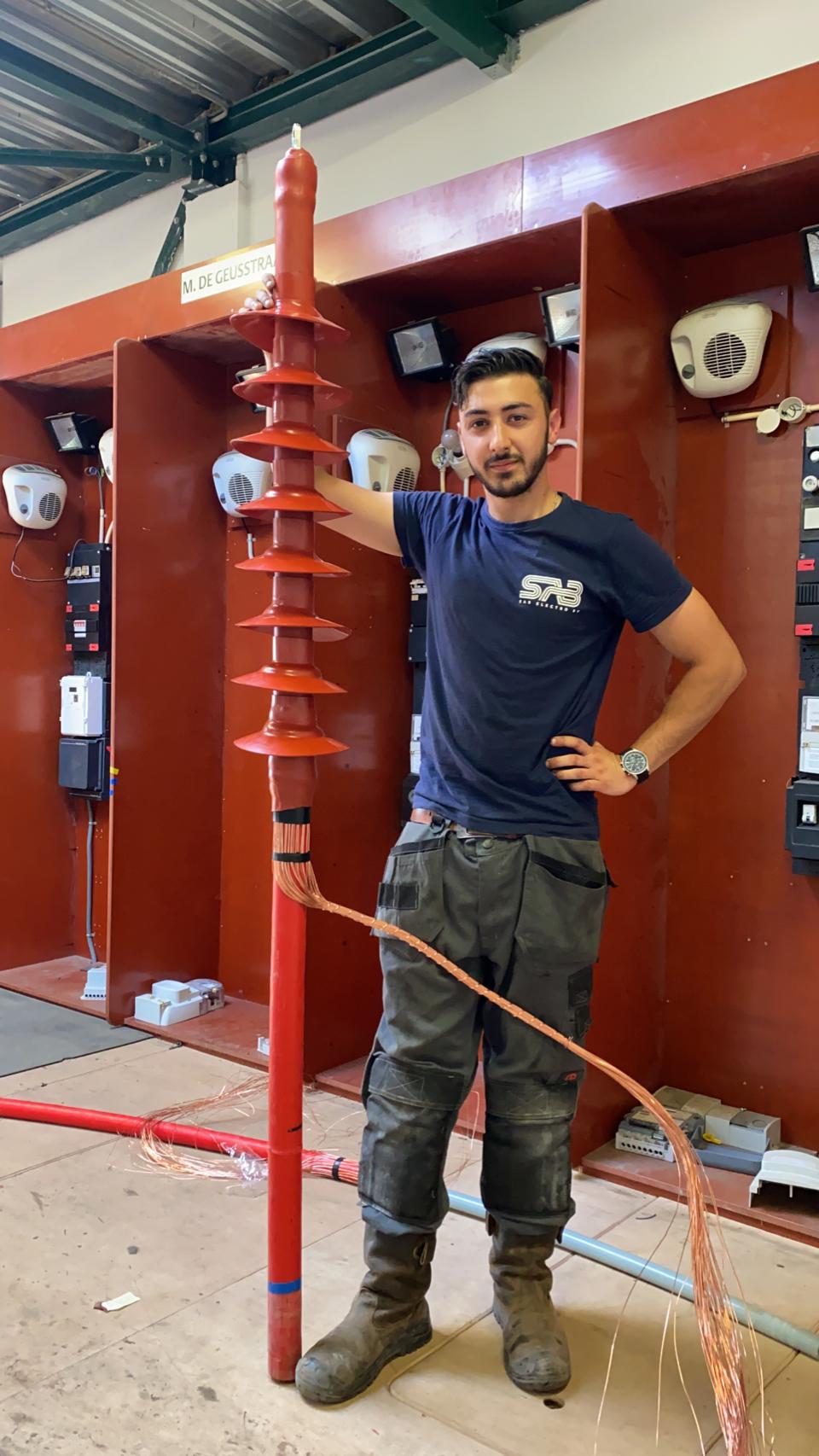
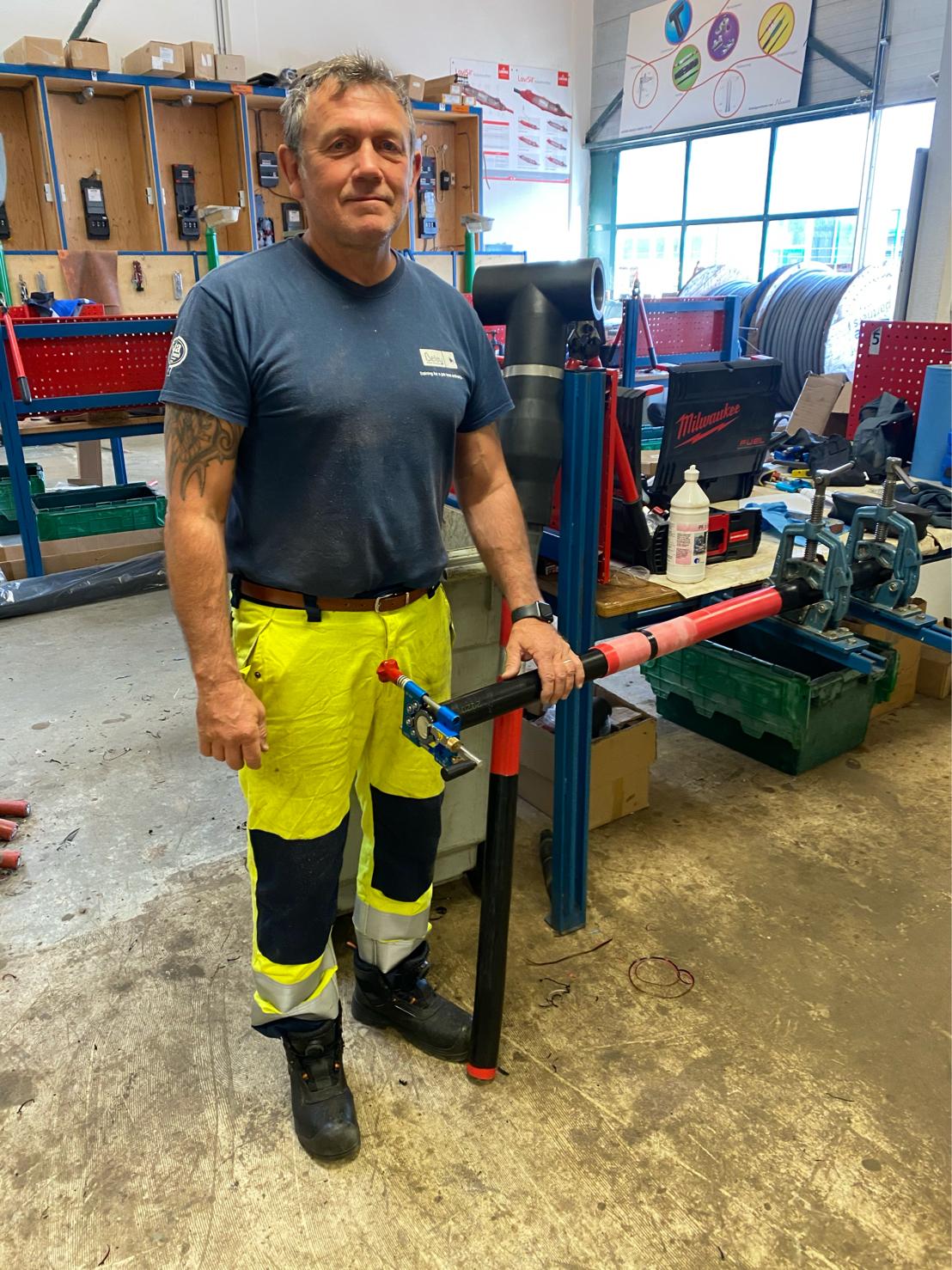
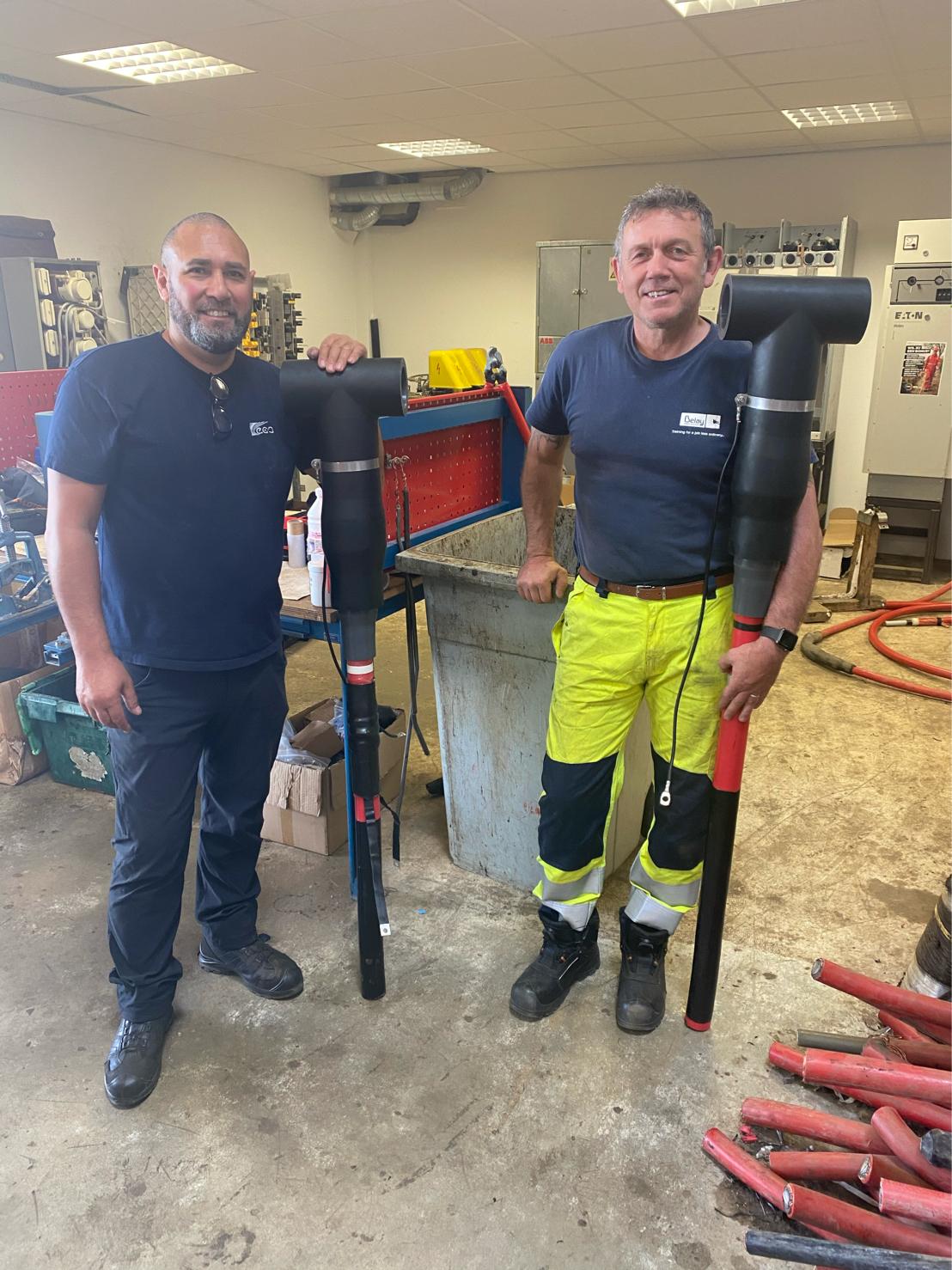
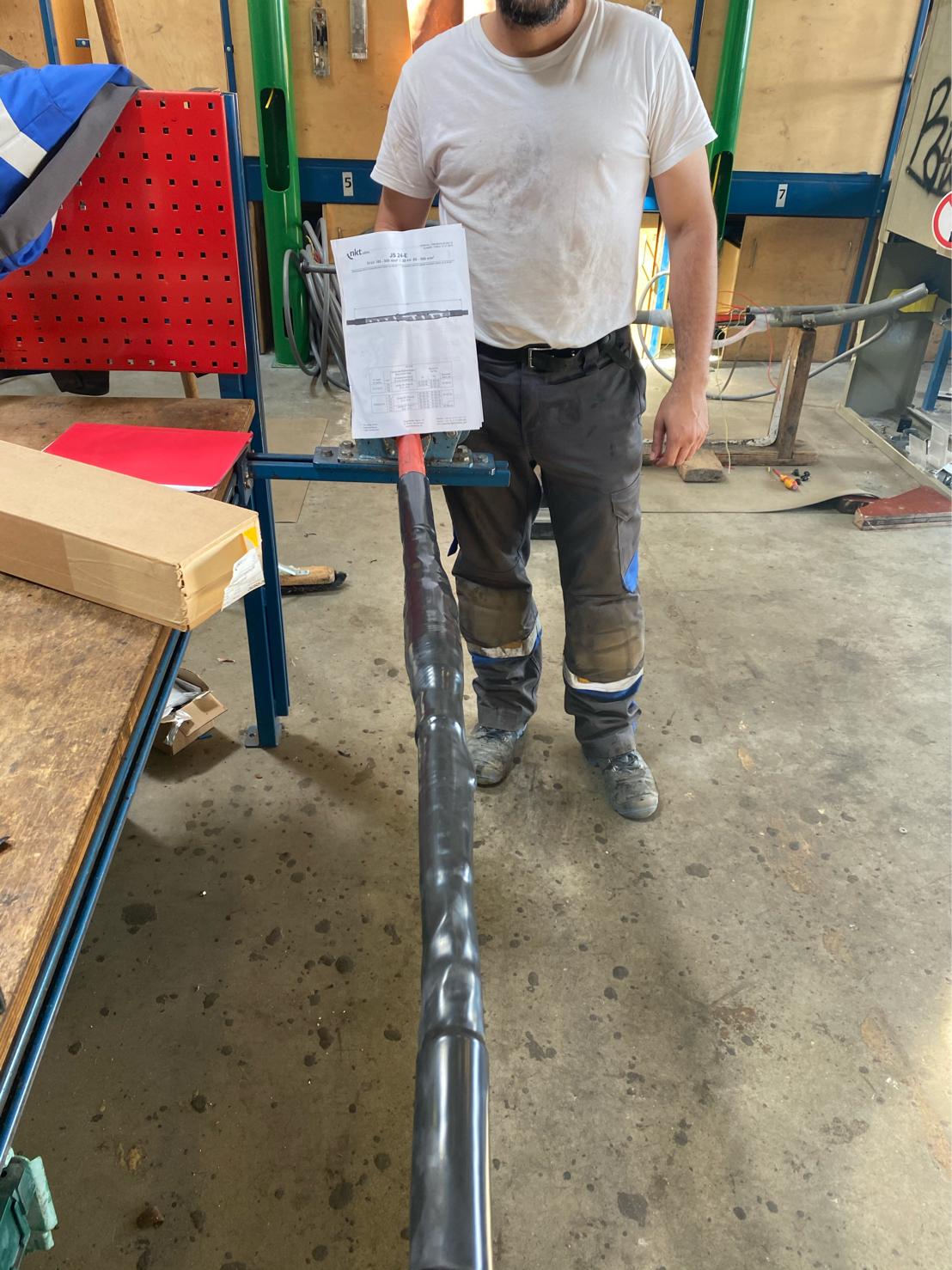
A following sequence of photographs document a day of medium voltage training by some participants in the Jointer Training Center of GOA Leidingtechniek, The Netherlands.
The cable accessories used included NKT 72kV Cable Termination & Joint, Elcon Megarad 72kV Heatshrink Termination, SPS Heatshrink Joint, 3M Coldshrink Joint and Screened Separable Connector from Nexans Euromold.
Some things went very good, some went reasonable, and some things went completely wrong. But the motivation to learn and to do a very good job is perfect. And I told them again, you can’t learn experience, for that you need a lot of practice.
Nobody can be a cable jointer with a training course of 5 or 6 days.
For quality you need a lot of training and experience but I promise everyone that these guys will get there. You are going to be a great jointers. You only need time, motivation, practice, more time, more practice and love for your work.

Jointers blog
Subscribe now to our POWER NEWSLETTER– a monthly email circulation packed with news, projects, videos, technical tips, training information, promotions, webinars, career opportunities and white papers.
Includes access to our popular JOINTERS BLOG with contributions from utility professionals, linesmen and cable jointers working on MV HV EHV cables and overhead lines typically at 11kV, 33kV, 66kV and up to 132kV.
15,000+ Subscribers. ➡ 
Republished with the Kind Permission of Sam Soady
Eccentricity Pty Ltd Director /HV Operator / Cable Jointer
Jointer Training & Certification
With cables and cable accessory technology on the rise, high voltage cables are becoming easier and easier to work with.
There was once a time where underground cable joints on old paper insulated cables was an incredibly involved task.
Some joints you had to pour melted solder into a lug connector to make an electrical connection. These days manufacturers have developed a much easier approach to jointing and terminating high voltage cabling.
Plastic XLPE cables are at the forefront of the industry, providing a more adaptable approach to the varying types of installations in the industry.
With a wide variety of cable accessories which now range from heat shrink, cold shrink or slide on components it has opened the door for unqualified personnel trying their luck with terminating and jointing high voltage cables.
Basic electricians on construction jobs around Australia were attempting to join and terminate these cables with minimal training or experience. This resulted in a multitude of cable failures once energized.
Contractors were trying to claim their manufacturer warranties under the assumption that the cable accessories were the cause for the failures. Once manufacturers began to dissect the installations it became evident that poor workmanship of the cable preparation for termination was the cause of the failures.
This put a lot of stress on the industry as it diminished the integrity of quality jointers and their high standards of workmanship.
Manufacturers began to provide training on cable preparation techniques suitable for specific types of cable accessories. No longer was it a requirement to have a jointers license to work on high voltage cables.
This had a severe negative effect on the industry as the quality of installations became worse and worse over time and more and more failures were occurring.
This forced some regulation into the industry requiring not only jointers to be fully qualified by obtaining a jointers license but also have manufacturer specific training on the cable accessories to be used on an installation. This then ensured that contractors utilising suitably qualified and trained personal would not void their warranty with the manufacturer.
For already fully qualified jointers this was a frustrating scenario as it forced them to obtain manufacturer specific training for products even when their licenses already proved their competency. Manufacturer training generally was not a cheap process however it did clean up the shotty workmanship in the industry rather quickly.
Contractors now generally do not consider training general electricians for specific tasks but rather hire suitably qualified and competent personal to ensure the integrity of their installation is maintained.
See further information about Jointer Training & Certification | 66kV Training | 11kV 33kV Jointer Training Nexans | 33kV MV HV EHV Training Pfisterer CONNEX
About Eccentricity

Eccentricity is a specialised Brisbane based company with a team of dual trade electricians and cable jointers. Our technicians are fully qualified to work on cables up to 66kV, including XLPE, PILC and EPR cables, backed by over a decade of industry experience.
With a modern and fully compliant fleet of industry vehicles, we are capable of accessing any high risk environment to perform works with a wide range of major MV HV cable jointing projects including, mining, oil, gas, renewable energy, and high voltage transmission networks.
Eccentricity has the capacity for small or large scale projects, providing reliability of power networks wherein client satisfaction is a top priority. We provide a high level of quality with all aspects of both installation and commissioning, ensuring we comply with all relevant regulations and legislative provisions.
Specialist Suppliers of High Voltage Electrical Equipment & Cable Accessories
Jointing, Earthing, Substation Electrical & Safety Equipment Distributors
Thorne & Derrick International are specialist distributors of LV, MV & HV Cable Installation, Jointing, Duct Sealing, Substation & Electrical Equipment – servicing UK and global businesses involved in cable installations, cable jointing, substation, overhead line and electrical construction at LV, 11kV, 33kV and EHV.
THORNE & DERRICK Product Categories: Access Chambers | Duct Seals | Cable Cleats | Cable Glands | Electrical Safety | Arc Flash Protection | Cable Jointing Tools | Cable Pulling | Earthing | Feeder Pillars | Cable Joints LV | Joints & Terminations MV HV
All Images Courtesy Of: Douglas Page (Instructor & Cable Splicer at Hydro One Training and Development Services) 
High Voltage Cables
Fluid Filled Cable Leak Detection
33kV 66kV 132kV 245kV 400kV
Fluid filled high voltage cables have been used for over 80 years with some circuits installed in the 1930’s still operating successfully today without any deterioration.
The fluid contained within a fluid filled cable has to be kept at a positive pressure under all conditions of loading and ambient temperature change.
Fluid filled cables rely on the presence of pressurised cable fluid to work efficiently – if the circuit suffers an oil leak the cable network is compromised.
The pressure used depends on a number of factors:
- Voltage and size of cable
- The length of the cable
- The route the cable follows
- Whether the cable has a leak
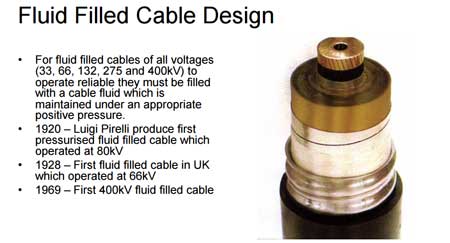
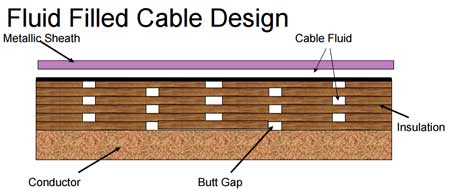
The fluid forms an integral part of the high voltage cable insulation and prevents the formation of voids in the lapped papers around the conductor – also the cable fluid aids the conduction of heat away from the conductor allowing the cable to be run efficiently than a cable without it.
The following photo sequence shows how to find a single drip of oil in approximately 12km of Single Core LPOF PILC 115KV direct buried cable.
LPOF Low Pressure Oil Filled
PILC Paper Insulated Lead Covered
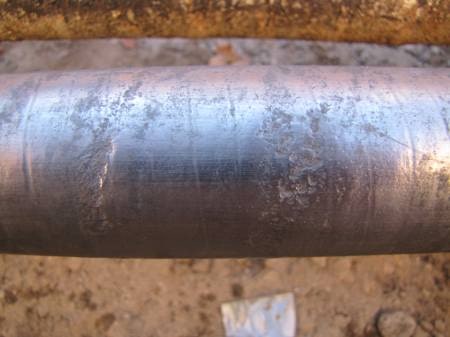
1. Cathodic lead erosion is clearly visible on the EHV power cable – this is usually caused by ground factors such as gas mains, neighbouring cable circuits, water mains etc. The aged underground EHV cable is suffering natural degradation and overtime a deterioration in the cables normal cathodic protection has caused service issues with the cable circuit – the cable becomes the sacrificial anode and starts to break down.
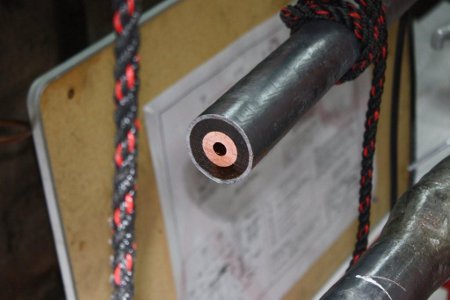
2. Cable type: Transmission & Distribution Voltage – 115kV LPOF PILC Single Core.
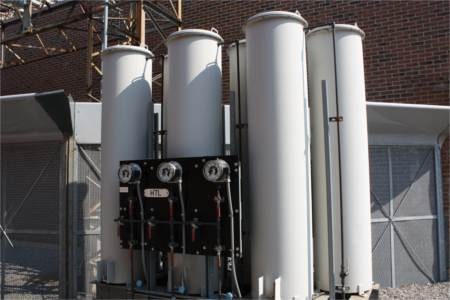
3. LPOF EHV cables are monitored by gauges and pressurised by pre-pressurised tanks with internal baffles, that expand and contract with the cable, maintaining a constant pressure. If the pressure cannot be maintained, an alarm is triggered.
4. To find the oil leak in 10, 15, 20, or 100km of cable, it all starts the same way. Find the approximate centre of the cable circuit, excavate safely and install a cable freeze.
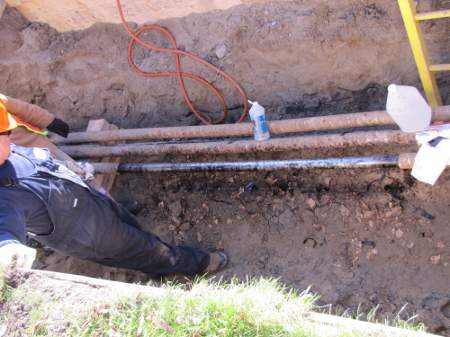
5. Very similar to a pipe type freeze, the coil must be installed on the bare lead.
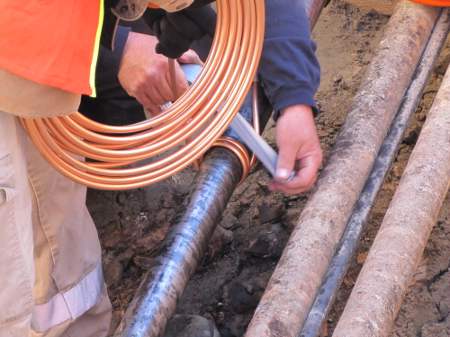
6.
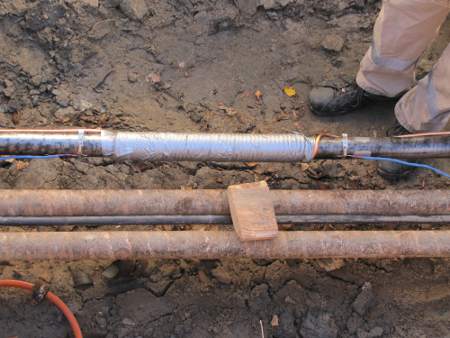
7. Along with a freeze, to monitor the temperature, the EHV jointer/splicer must install thermocouple temperature monitors which consist of two conductors of dissimilar metals that react to the temperature change differently allowing the monitors to display the actual temperature.
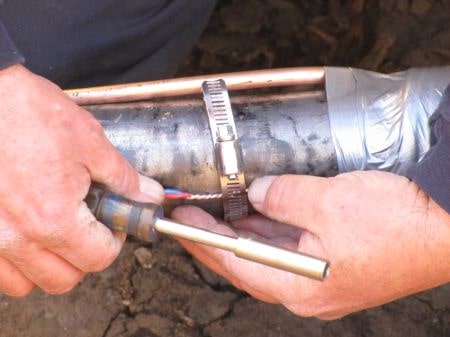
8. Then the freeze is insulated by the EHV cable/splicer.
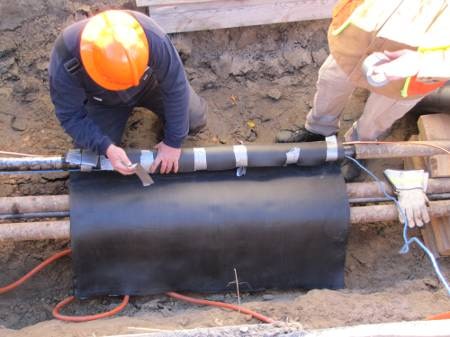
10.
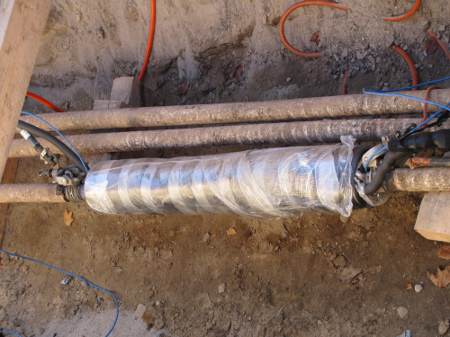
11. Once the freeze has been initiated, the gauges are monitored, the side that loses pressure, is flagged and deemed the side that requires further attention.
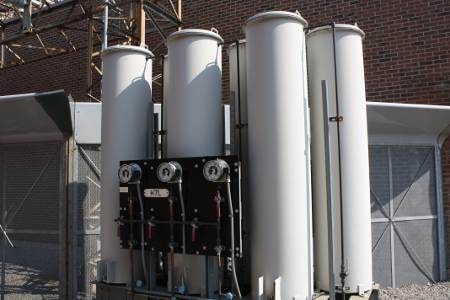
12. Freeze pit – once the leak has been narrowed to 50-100m length, the final excavation begins. Until signs of leaking cable oil are found.
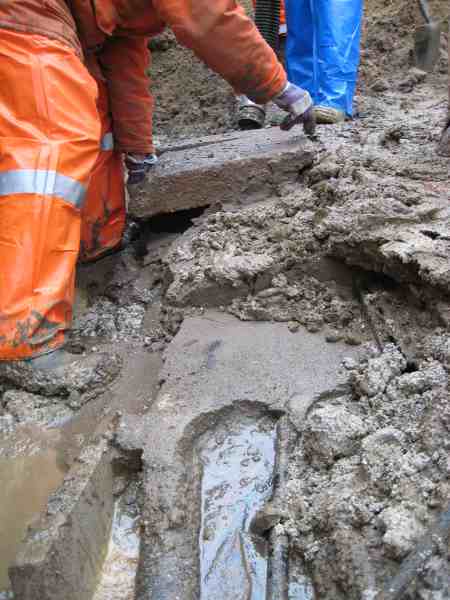
14. After a lengthy search, this is what you are looking for, although opinions vary, constant drip can yield various amounts of accumulation. Some say it could fill a bathtub in 72 hours.
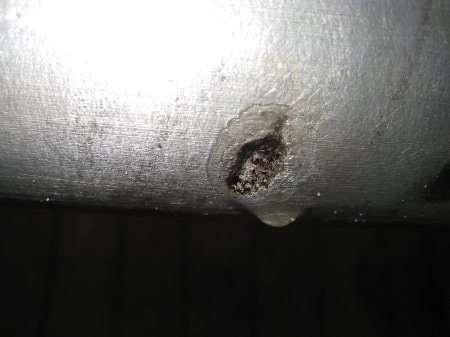
15. Once located a temporary EHV cable repair is made, while environmental remediation is done.
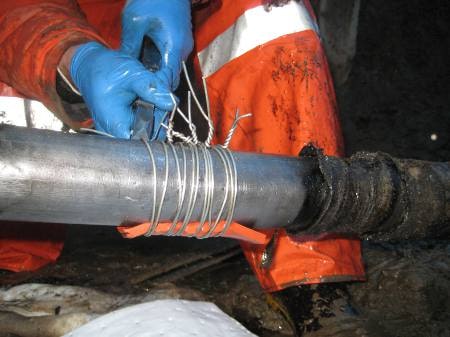
16. “Tinning” of the cable repair, so the lead will adhere to the cable.
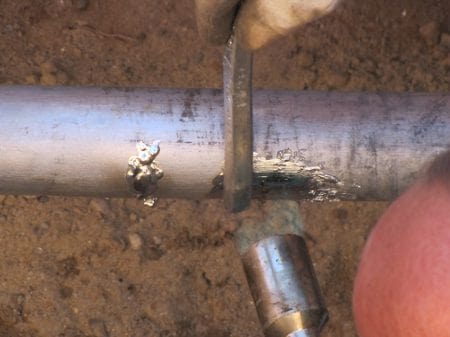
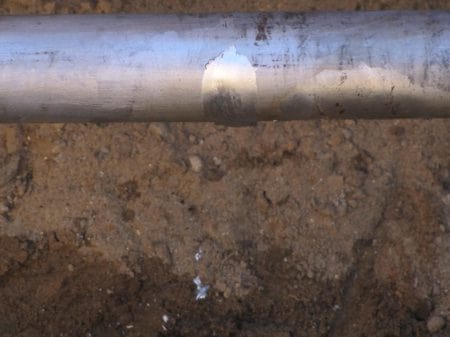
17. The EHV cable repair is complete – after this the jointer must solder a copper lead connected to a sacrificial “anode” that erodes before the cable.
Jointers blog
Subscribe now to our POWER NEWSLETTER– a monthly email circulation packed with news, projects, videos, technical tips, training information, promotions, webinars, career opportunities and white papers.
Includes access to our popular JOINTERS BLOG with contributions from utility professionals, linesmen and cable jointers working on MV HV EHV cables and overhead lines typically at 11kV, 33kV, 66kV and up to 132kV.
15,000+ Subscribers. ➡
Thorne & Derrick supply 3M, Prysmian, Filoform and SPS low voltage cable joints suitable for connecting and jointing single and multi-core/pair power, control and instrumentation cables up to 600/1000V (3.3kV) in industrial and hazardous area locations – specialist applications include fire resistant, low smoke zero halogen, hydrocarbon resistant and utility cable joints.
Cable joints are available from stock in several technologies to suit the low voltage (LV) installation application and cable type to be repaired or jointed; this includes i) Cold Shrink ii) Heat Shrink and iii) Resin.
This includes Jointing Instrumentation Cables with Mylar Screen.
For the connection and jointing of the instrumentation cable conductors we can recommend Scotchlok 314 type Insulation Displacement Connector.
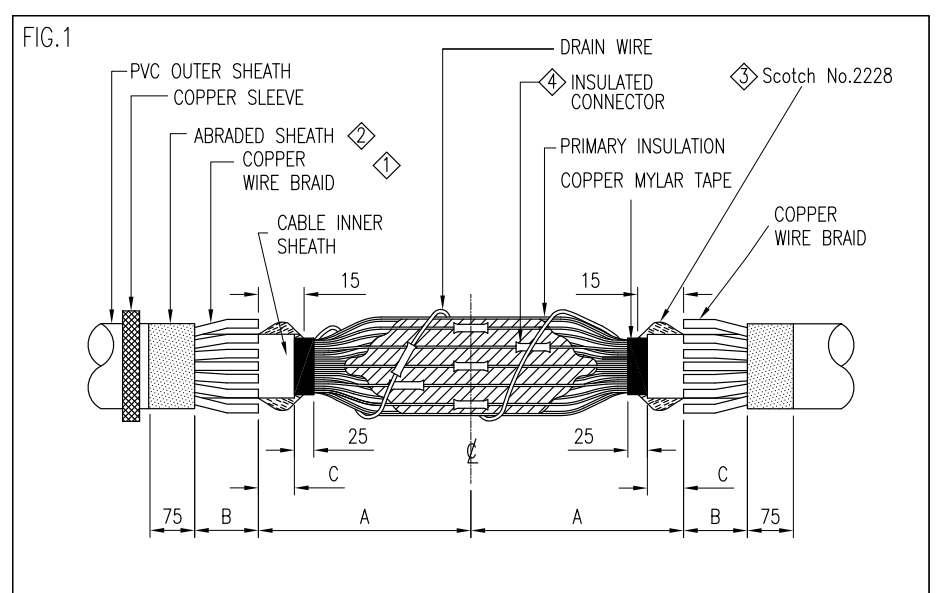
Jointing Instrumentation Cables with Mylar Screen
Cable Joints LV Low Voltage | Cold Shrink | Heat Shrink | Resin | 600/1000V 3.3kV
THORNE & DERRICK
SPECIALIST ELECTRICAL DISTRIBUTOR
Thorne & Derrick distribute the most extensive range of Cable Installation & Electrical Distribution Equipment to the Power Transmission & Distribution industry in the onshore and offshore wind, solar, rail, oil/gas, data centre, battery storage and utility sectors.
We service UK and international clients working on underground cables, overhead lines, substations and electrical construction at 11kV and up to and EHV transmission and distribution voltages.
- Key Products: MV-HV Cable Joints & Terminations, Cable Cleats, Duct Seals, Cable Transits, Underground Cable Protection, Copper Earth Tapes, Cable Jointing Tools, Feeder Pillars, Cable Ducting, Earthing & Lightning Protection, Electrical Safety, Cable Glands, Arc Flash Protection & Fusegear.
- Distributors for: 3M Cold Shrink, ABB, Alroc, Band-It, Catu, Cembre, Centriforce, CMP, Elastimold, Ellis Patents, Emtelle, Furse, Lucy Zodion, Nexans Euromold, Pfisterer, Polypipe, Prysmian, Roxtec.

LV – Low Voltage Cable Joints, Glands, Cleats, Lugs & Accessories (1000 Volts)

MV HV – Medium & High Voltage Cable Joints, Terminations & Connectors (11kV 33kV EHV)