Stephen Harrison – Training & Technical Manager at Current Training Service Pty Ltd
When using a pulling sock whilst pulling cables through pits or open trenches, it generally pulls in-tight onto the cable end cap attached to the cable when force is applied.
I found when I have pulled cables, the pulling sock can damage the end cap causing water to penetrate the cable. Water is one of the most destructive elements and introducing it to a piece of cable can reduce the cables service life. The biggest cause of water in cables, is storage or pulling the cable in through pits, ducts, or open trench incorrectly capped.
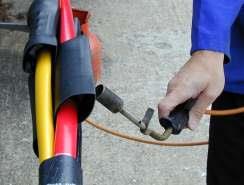
When pulling cables with a pulling sock, the use of a triple end seal is a safe option. The triple end seal consists of two end caps, mastic and a heatshrink tube. It is a simple kit which helps resist the cable from getting water ingress around the pulling sock area.
Abrade the cable first and remove dirt or mud allowing for the mastic and first end cap to seal onto the cable. Mastic is applied at pre-determined length, and a piece of medium wall tubing is shrunk down over the end cap and mastic onto the cable. This piece of heatshrink is around 200-240mm long and is the strength of this kit.
More mastic is applied, with the last end cap installed over the medium wall heatshrink and inner end cap completing the triple end seal. Caution must be observed, do not pull the cable until the heatshrink has cooled.
Why So Many Components?
The top end cap is sacrificial and might be damaged by the pulling sock or other pulling gear, but the inside end cap is not disturbed.
The inside cap is sealed to the cable and will not get damaged when the cable is under tension whilst being installed. The medium wall tubing and mastic help with mechanical strength for the inner end cap, preventing the pulling sock from biting into the inner end cap or pulling the external end cap off whilst sealing the cable.
The triple end seal is also good for cables which require storage underground or in pits until they are ready for joining or terminating. As there are mastic seals in the kit, these create a water seal on the cables. I have personally seen triple end seals on cables in water up to 3 meters deep, and they have not leaked water.
At every cable pull and storage installation, stop and ask, have the cable ends been sealed correctly? Which kit should I use for the application?
Part 3 will explain about water getting into cables whilst drums of cable are outside not capped correctly.
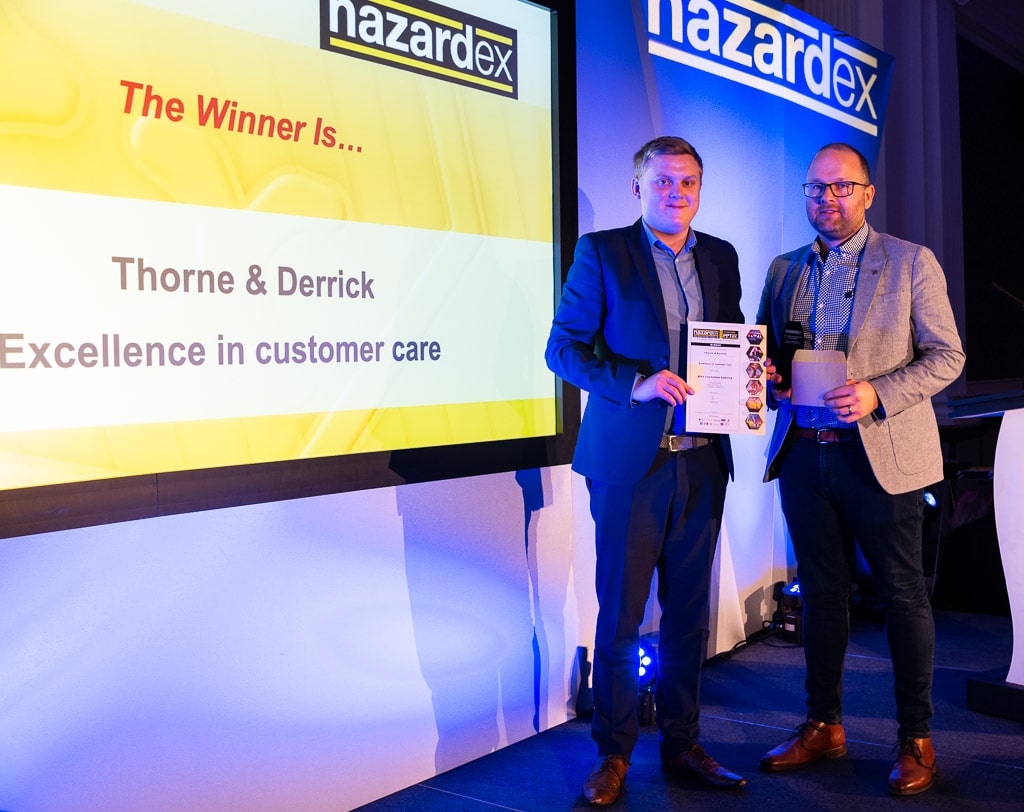
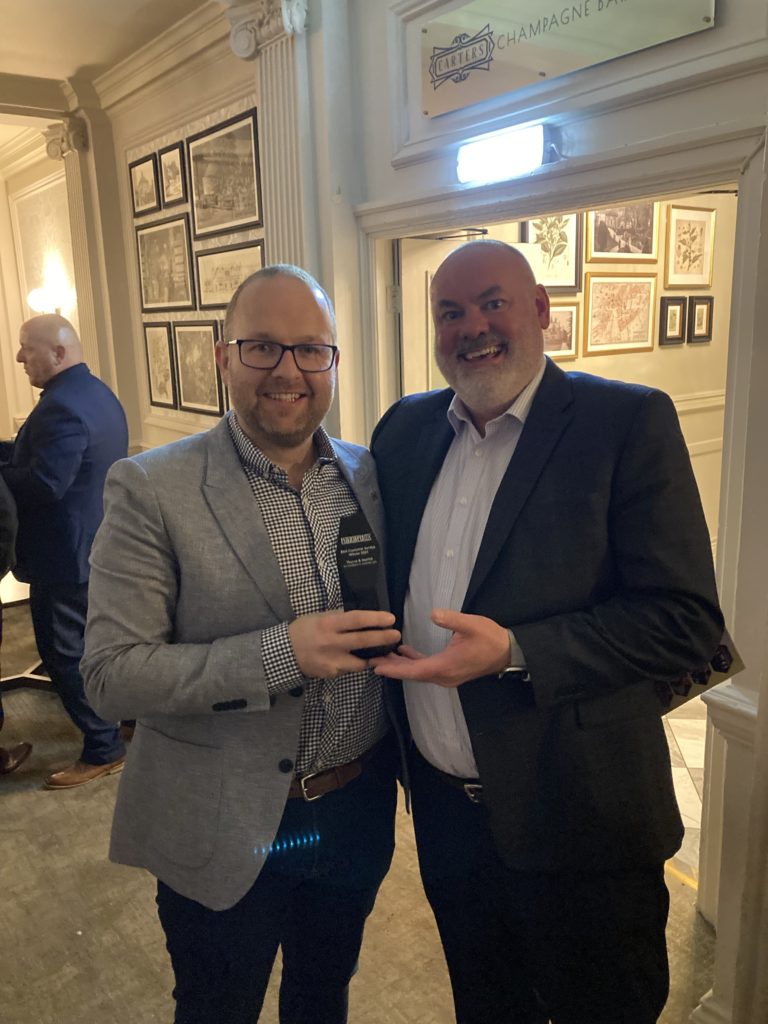
Terry McDonald (Sales & Business Development Manager) collecting the Winners Award on behalf of Thorne & Derrick from Alistair Hookway (Editor, HazardEx).
Best Customer Service
Thorne & Derrick International, based in the UK, are delighted to announce that we have been voted Winners of the Award for ‘Best Customer Service’ at the annual HazardEx Gala Dinner on 6th October 2021. The competitive Award category at the prestigious event was for providing excellent customer service over the last two years.
Terry McDonald said, “It was an honour to collect the award for Excellence in Customer Service on behalf of Thorne & Derrick – we have a robust reputation for supporting our customers with the replacement and upgrade of end-of-life equipment to deliver significant operational safety and process improvements to their project or plant.
We proactively solve problems for customers.
We are experienced in succession planning, often providing customised products and engineered solutions to complex challenges in the provision of LV-HV electric power, lighting, heating and ventilation.
We design systems.
Whether it be complex multi-kilometre, major-project heat tracing systems for process pipework, cable jointing solutions for high voltage power networks or compliant lighting systems for explosive atmospheres.
Thorne & Derrick have been at the forefront of many critical national infrastructure projects supplying customers with world-class cable accessory productsto build new high voltage electrical systems; powering the renewable energy revolution and data centre sectors across numerous UK, European and international projects.
We are passionate about Customer Care – service levels are subject to continuous improvement by ongoing investment in professional and technical training for the staff by our supply chain and outsourced providers, such as CompEx and Just Williams.
Working closely with Northern Skills Group and their Apprenticeship Programmes we have successfully employed 5 new staff into our business over the last 2 years – the Apprentices have successfully achieved City & Guilds Distinction grade certificates and support our customers across sales, marketing and business administration roles.
We would like to thank everyone who took the time to vote for Thorne & Derrick and all Delegates, Speakers, Exhibitors and Visitors that attended Hazardex2021.
Innovation, sAFETY, Design
& Customer Service
Introducing Innovation & Improving Safety |in 2019 Thorne & Derrick, the Exclusive Distribution Partner for Dynaco, launched their World’s First ATEX Certified High-speed Roller Doors into the UK – providing the customer with economic benefits through reduced energy costs with carbon footprint reductions and Health & Safety improvements.
Over the last 2 years, Thorne & Derrick the Leaders in ATEX Innovation, have introduced several products which have led to improved efficiency, reliability and productivity in the hazardous area and process industries.
The Dynaco product range was selected as Highly Commended in the Contribution To Safety Categoryat Hazardex 2021. Pictured : Yves Degroote (Dynaco, Business Development Manager).
Designing Customer Service Excellence | Pictured: Barry Thompson (Director of Hazardous Area Lighting Division at Raytec) congratulates Terry on the evening of the Awards ceremony. Raytec, world leaders in the manufacture of LED lighting for explosive atmospheres, won the HazardEx 2020 Award for “Best Customer Service” for their Lighting Design Service.
Thorne & Derrick are a Preferred Stockist & Distributor for the Raytec SPARTAN range providing customised lighting design services and competitive product supply from extensive stocks – we have successfully supplied and upgraded multiple customers facilities to SPARTAN brilliant bright-white LED technology, providing hazardous area lighting systems with significantly reduced annual energy consumption and lower carbon emissions.
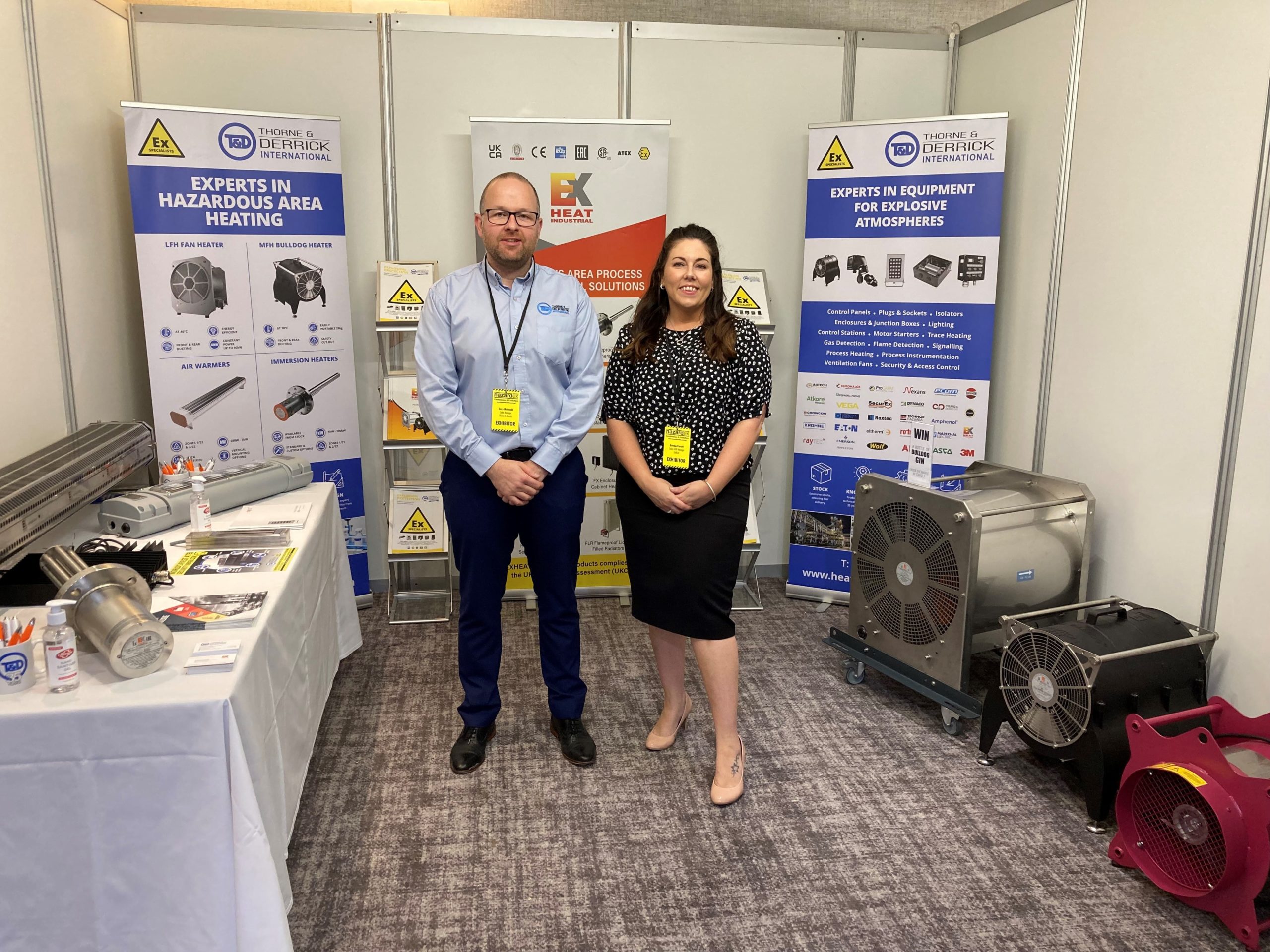
Terry McDonald with Katrina Parrot (Sales & Business Development Manager | EXHEAT) displaying the most extensive range of Hazardous Area Electrical Heating products including their Bulldog, The World’s First Portable ATEX Heater, at Hazardex 2021. To maintain the highest levels of customer service Thorne & Derrick hold the largest stocks of electrical heating products for explosive atmospheres in the UK.
Pegasus Cable Hangers
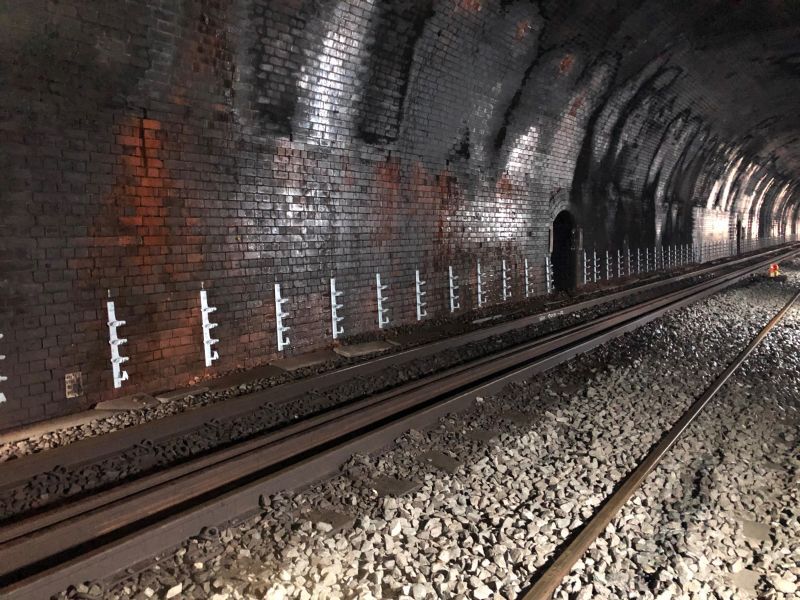
Manufacturer of cable cleats and industry innovator, Ellis Patents has secured an order that has seen its Pegasus cable hangers hung at one metre intervals throughout the 1.6-mile length of one the world’s oldest railway tunnels.
The Summit Tunnel, which runs beneath the Pennines between Littleborough in Greater Manchester and Walsden near Todmorden in West Yorkshire, was constructed between 1838 and 1841.At the time of its opening, it was the longest railway tunnel in the world.
Ellis Patents’ Pegasus cable hangers were installed as part of a track renewal project being carried out in conjunction with Network Rail under the auspices of the Central Rail System Alliance (CRSA).
Ellis Pegasus | Non Metallic Cable Hangers
Kelly Brown, Ellis Patents’ Head of Sales, said: “The size of the railway structure in the UK is staggering. There’s over 20,000 miles of track, 30,000 bridges, tunnels and viaducts and many thousands of signals, level crossing and stations – and huge swathes of it date back to the 19th century.”
“With that in mind every product we design and manufacture for the rail industry is developed with longevity as well as ease of installation, maintenance and renewal very much to the fore.”
As with all its products, Pegasus was designed and developed completely in-house by Ellis Patents. Featuring an aluminium spine that can support any number and combination of plastic cable hangers, the modular cable hanging system is stronger and lighter than any other similar products – and because it’s been designed to be made to order it’s also the most flexible solution available.
“Traditionally cable hanging systems have been anything but convenient,” continued Kelly. “They have come in set sizes and configurations; have weighed so much they needed at least two people to install them; and because they have been manufactured from galvanised steel they are subject to corrosion. In contrast, Pegasus is light, but exceedingly strong, corrosion and fire resistant and has all the necessary rail industry approvals.”
Pegasus Non Metallic Cable Hangers
The cable hanger material is a high strength nylon especially formulated to meet the requirements of the London Underground 1-085 Specification.
Independent testing is carried out to prove conformance to the standard including toxicity, limited oxygen and smoke emission. The extruded aluminium spine is marine grade and its specially shaped profile has been designed to offer high strength rigidity.
Resistance to ‘self-corrosion’ and ‘bi-metallic corrosion’ are considered in the design and the non-metallic nature of the materials ensures that corrosion would not occur even in the harshest of environments.
Cable Hangers – Non Metallic Cable Hanging Systems (LV MV HV Cable) – Dimensions
Thorne & Derrick International are specialist distributors of LV, MV & HV Cable Installation, Jointing, Duct Sealing, Substation & Electrical Equipment – servicing UK and global businesses involved in cable installations, cable jointing, substation, overhead line and electrical construction at LV, 11kV, 33kV and EHV.
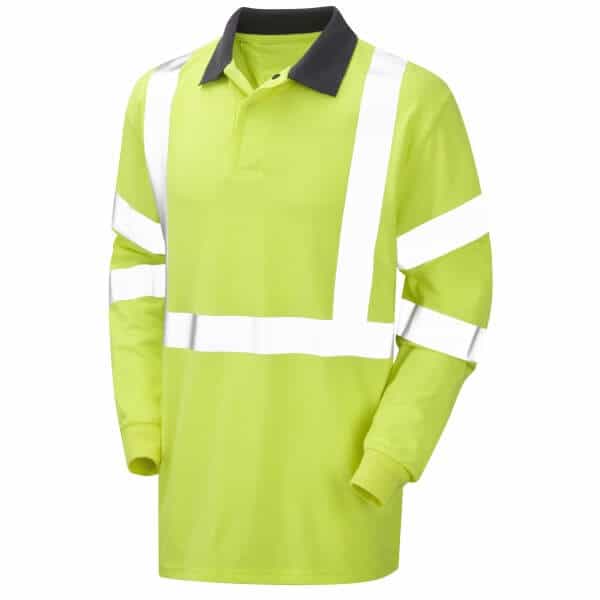
For many decades, flame-resistant clothing has helped to reduce the risk of severe burn injuries to workers. These types of garments are either made from treated cotton or, more often nowadays, self-extinguishing materials – both of which provide managers with a reliable option for keeping their teams safe when selecting arc flash resistant or flame-resistant clothing.
However, while most health and safety professionals are confident about fire and electrical safety protection, they may be less knowledgeable about the dangers posed by an arc flash incident.
Contrary to popular belief, flame-retardant PPE can’t protect against burns in an arc flash incident, as these burns aren’t caused by fire, but by thermal energy. This means that protecting a team against an arc flash incident requires more specialist garments.
This image shows the jacket worn by Jason Brozen when he was subjected to an arc flash incident. Read his story | Arc Flash Survivor Story
What is an arc flash?
Hotter than the sun and louder than a bullet being shot, an arc flash is when an arcing fault releases dangerous levels of radiant energy, which vaporises metal that spews from the arc. The air is super-heated, causing pressure waves that can throw individuals across rooms and create deadly molten shrapnel. They can be caused by voltage spikes, worn connections, cable strikes or gaps in insulation, and are a risk even in low-voltage setups.
Treatment for those that survive an arc flash incident can require years of skin grafts, hospital stays and rehabilitation – and they may never recover sufficiently to regain their lifestyle. So, it’s safe to say that choosing the appropriate PPE is key when it comes to arc flash safety.
How is FR different from AF?
Flame Retardant & Arc Flash Resistant
Unfortunately, although flame-resistant clothing meets acceptable industry standards for the risks associated with fires, unless they are specifically designed and certified, they are not designed also to withstand an arc flash incident.
There are, in fact, separate safety standards for arc flash clothing, which go further than the ones for fire resistance. This means that the level of protection provided by FR clothing does not match that of arc-resistant PPE. Indeed, the fabric used in arc-resistant garments must meet higher tear resistance and tensile strength than those used for fire-resistant clothing.
This is because arc flash-protective clothing is designed not only to protect operatives from fire, but from the thermal energy generated by an arc flash, which can also cause external and internal burns.
While the threads used for the structural seams must be fire resistant, under IEC 61482, arc flash-resistant clothing has various standards that separate it from fire-resistant clothing. Each arc-resistant garment must be designed in a way to allow the wearer to remove the item quickly, must always have long sleeves rather than short sleeves, and feature no exposed metal.
However, it is not just the fabric that needs to be arc flash resistant; to provide the ultimate protection, every stitch, button, popper, zip and press-stud in a garment should be flame resistant, in order to provide enhanced and effective arc flash protection, as well as durability.
When searching for appropriate arc flash PPE, safety experts should keep their eyes peeled for SafetyICON marking or equivalent, which allows workers to see what type of protection they offer, as well as suitable, arc-resistant components, which have been safety approved and tested to withstand an arc flash incident.
Protecting Workers Against the Dangers of Arc Flash
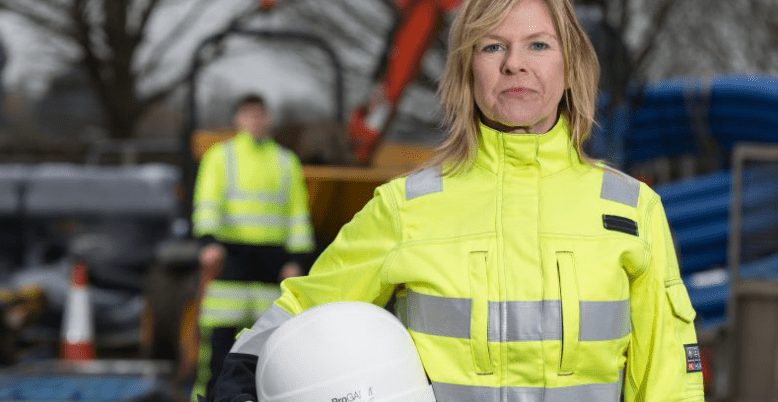
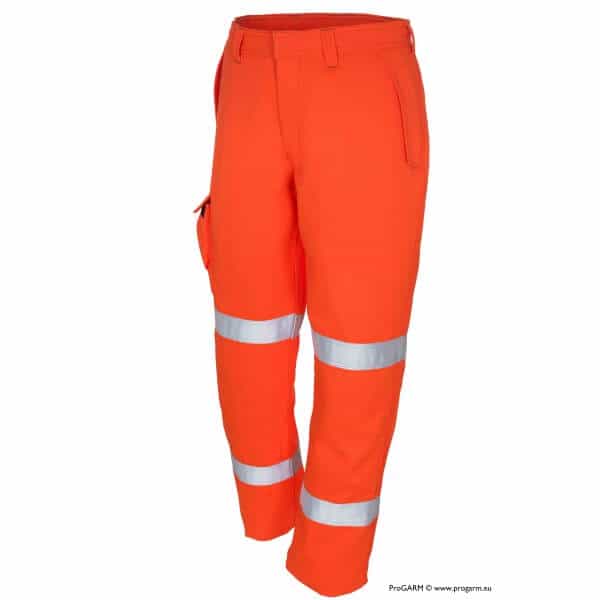
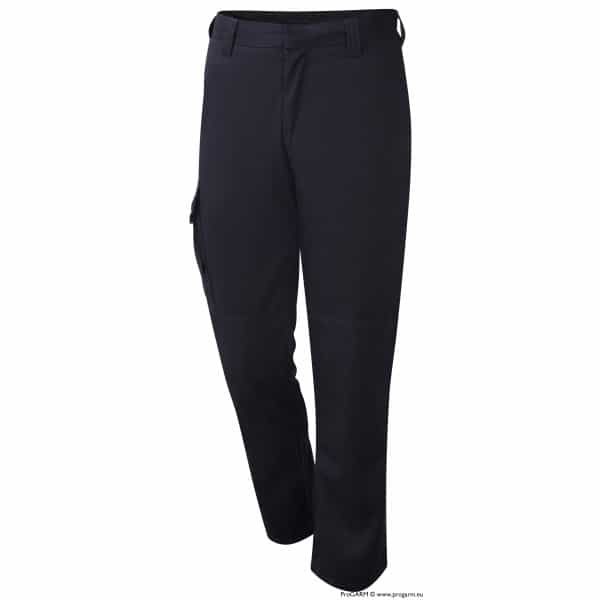
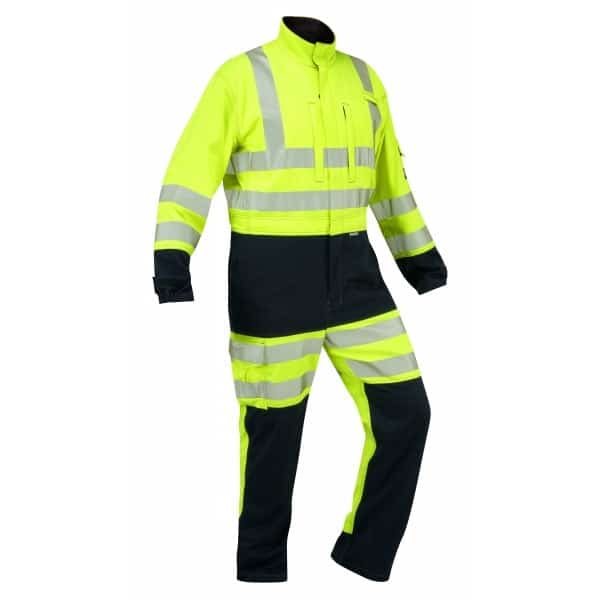
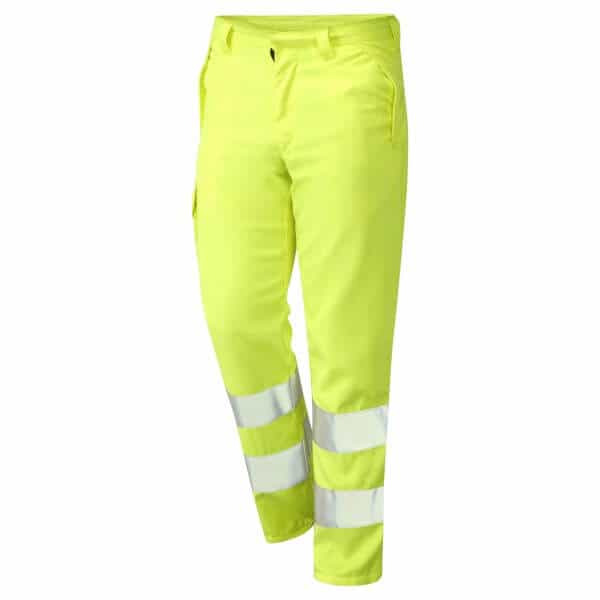
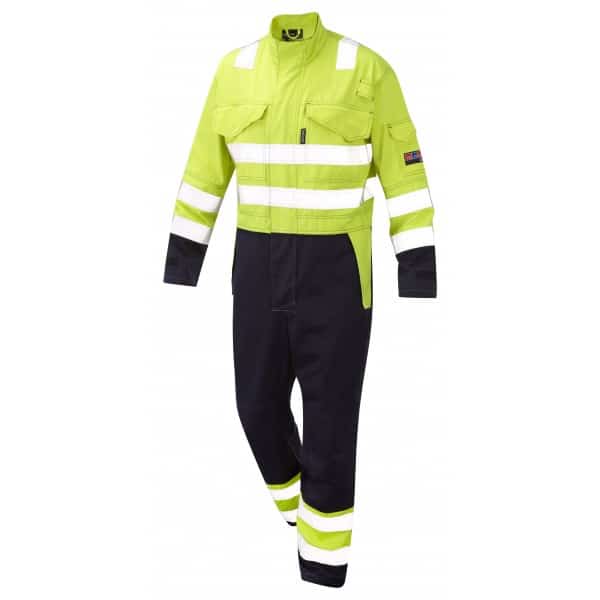
Thorne & Derrick stock and supply the most extensive range of Arc Flash PPE, Clothing & Protective Garments – should you require any further information, sample garments for field test and trial or a quotation please do not hesitate to contact us.
Thorne & Derrick International supply arc flash clothing and protection equipment including coveralls, gloves, helmets, face shields and general head-to-toe PPE is used to protect against flashover – complete range of insulating matting is also available for worker protection when exposed to energised electrical switchgear and transformers.
Typical applications include LV, HV & EHV cable jointing and terminating, fuse pulling, switchgear commissioning, racking circuit breakers, electrical switching and live working on medium and high voltage electricity networks.
T&D are national distributors LV, MV & HV Cable Installation, Jointing, Substation & Electrical Equipment – we service UK and global businesses involved in cable installations, cable cleating, cable jointing, substation, overhead line and electrical construction at LV, 11kV, 33kV and EHV.
Since 1985, T&D have established an international reputation based onSERVICE | INTEGRITY | TRUST.
Electrical Safety Equipment & Cable Accessories for the Maintenance of Low, Medium & High Voltage Power Systems
Cable Pulling & Installation
Stephen Harrison – Training & Technical Manager at Current Training Service Pty Ltd
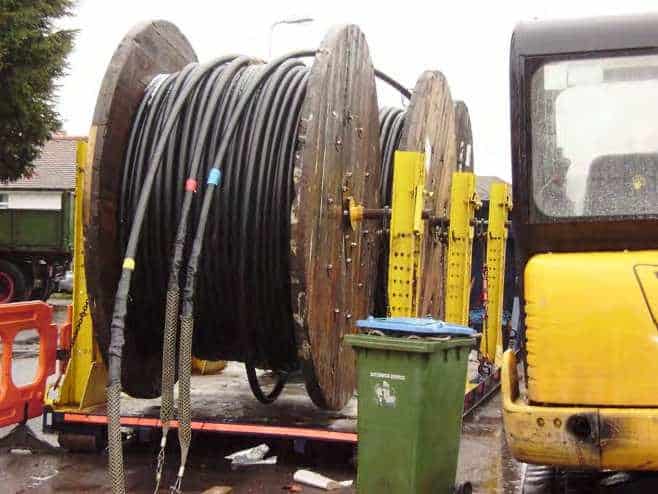
Pulling cables is an art, with bending radii, side wall pressures to consider whilst pulling the cables and loadings of cables, the list goes on. All cable pulling data is available from the cable manufacturer on these values, before pulling cables please check and verify the cable pulling calculations and values.
Water is devastating to cables and when a cable does start to let water in, it can diminish the life span of that cable causing so many problems. Some of the problems maybe treeing and or oxidisation etc.
How many times do people pull cables into installations without correctly sealing the cable ends and finding out that water has penetrated the cables whilst under installation?
The humble end cap will not work alone on the cable a few things have to be done before it is effective and seals your cables;
Select the correct end cap for the installation, either storage, pulling. (There are several types)
When the selection has been made, prepare the cable outer sheath. This will require abrading and cleaning any mud off, so when mastic, glue or hot melt adhesive attaches the outer sheath it creates a seal.
The cap, depending on the manufacturer may need mastic under for extra sealing especially when installing the cable and leaving it for a period buried or in a pit in water, or 2 caps mastic and a heat shrink sleeve maybe required.
In Part 2, I will explain the different types of cable end caps which have been designed for pulling cables and storage.
Compound Box Filling Compound end boxes rarely get attention — until one fails. Across ageing networks, replacement of compound-filled end boxes is becoming more frequent, particularly where original insulation systems have deteriorated and air insulation is not practical because...
Nexans 240–300mm² Multi-Joint – Medium Voltage Cable Joint Installation Medium voltage cable jointing requires reliability, consistency and safe installation practices. The Nexans 240–300mm² Multi-Joint is designed to simplify medium voltage jointing while maintaining high electrical performance for demanding power...










 Pegasus Cable Hangers