Jointers Blogs
3M Silicone Wet Type Cable Terminations 115kV
August 17th, 2020Image Courtesy of : Glen Cambri (Technical Services Engineer at 3M Philippines Inc).
Pictured : 3M Silicone Wet Type Cable Terminations 115kV
Thorne & Derrick stock an extensive range of 11kV-33kV 3M Electrical Cold Shrink Joints & Cable Terminations for the jointing, terminating and abandonment of MV medium voltage power cables.

Electrical Products
Thorne & Derrick are 3M UK’s largest stockist of their range of Scotchcast and Cold Shrink cable joints, terminations and abandonment kits for industrial and hazardous area installations.

Description • Self-supporting, outdoor cable termination with silicone insulator.
Applications • Conductor size up to 2,000 kcmil (1,200sqmm) • Can accommodate a variety of pollution classes and lengths • Maximum installation angle of 30°.
Features • One-piece pre-molded silicone stress cone • Light-weight construction, approximately 1/3 the weight of most porcelain high voltage cable terminations • Easier handling, transportation and installation than porcelain insulator • Hydrophobic silicone materials provide excellent environmental performance • Smooth surface enables self-cleaning properties • Less sensitive to earthquakes, vibrations and thermal variations • Internal shear bolt connection eliminates need for crimp-type connections.
Further Reading
- Confined Spaces Cable Jointing Using 3M Cold Shrink Straight Joint Splice (25kV)
- Terminating 11kV Cables With 3M Cold Shrink Terminations Into Schneider GenieEvo MV Switchgear
- 3M QTIII Cold Shrink Cable Terminations (33kV/6.6kV Step-Down – XLPE Single)

Jointers blog
Subscribe now to our POWER NEWSLETTER– a monthly email circulation packed with news, projects, videos, technical tips, training information, promotions, webinars, career opportunities and white papers.
Includes access to our popular JOINTERS BLOG with contributions from utility professionals, linesmen and cable jointers working on MV HV EHV cables and overhead lines typically at 11kV, 33kV, 66kV and up to 132kV.
15,000+ Subscribers. ➡ 
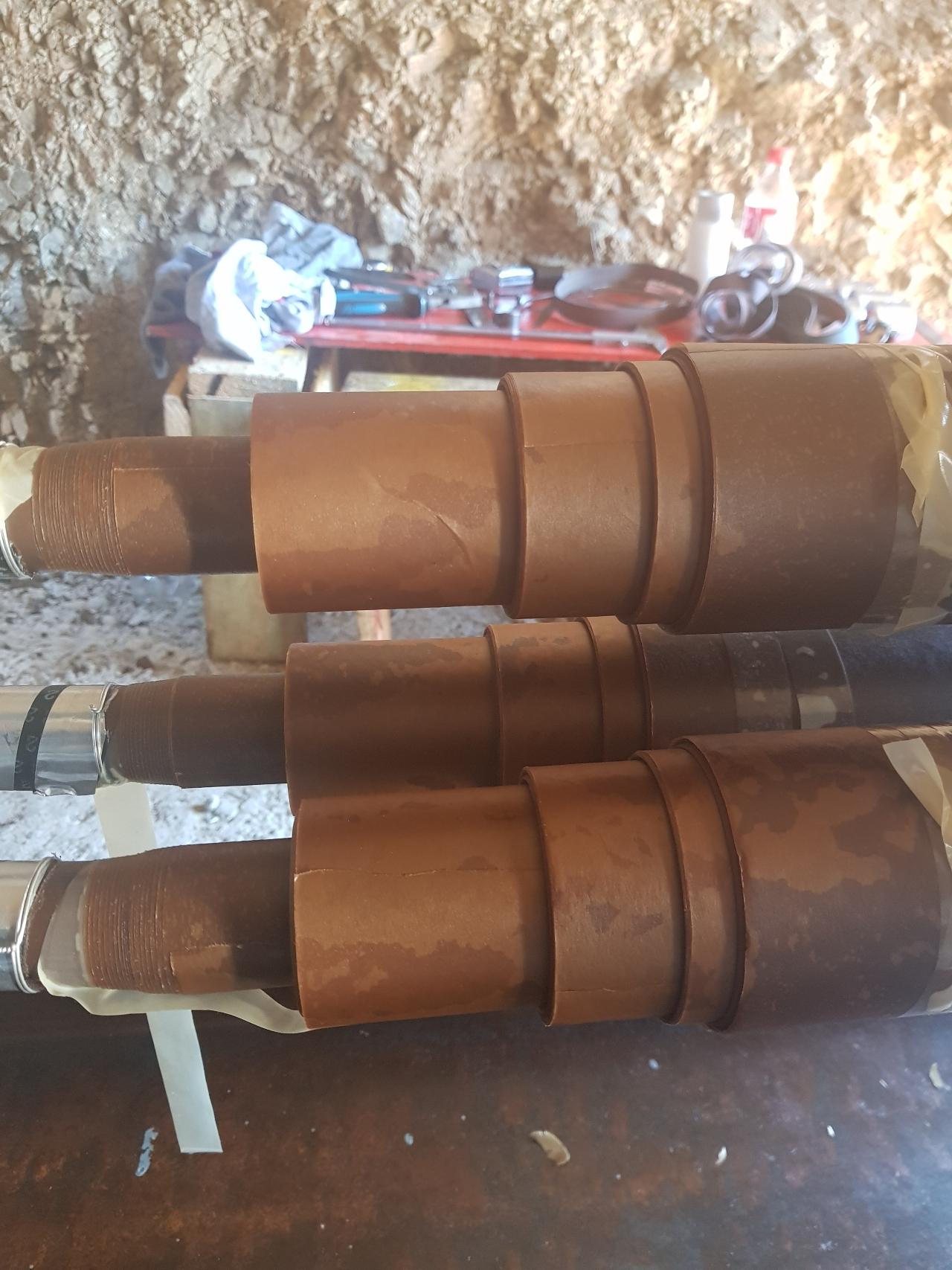
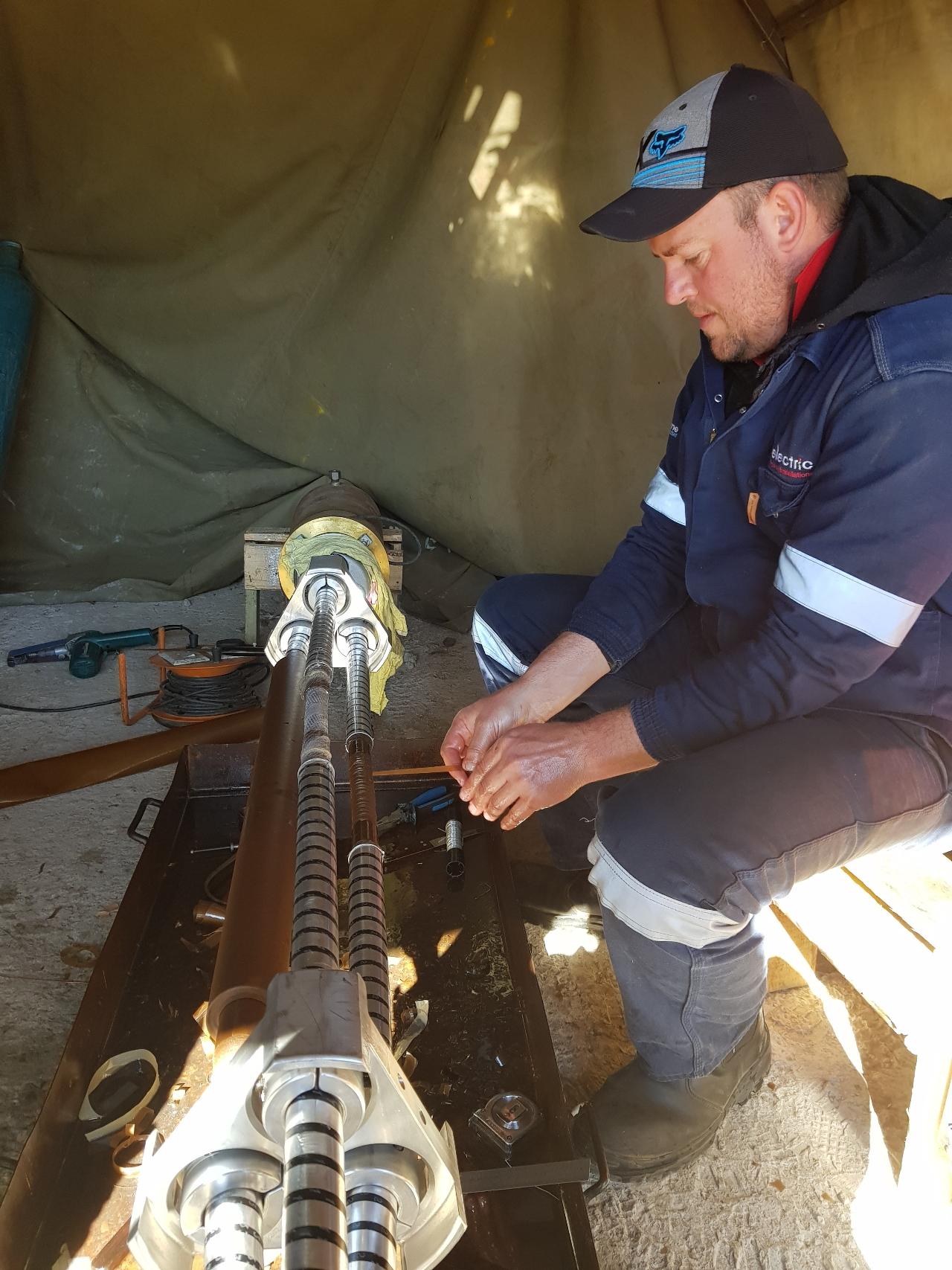
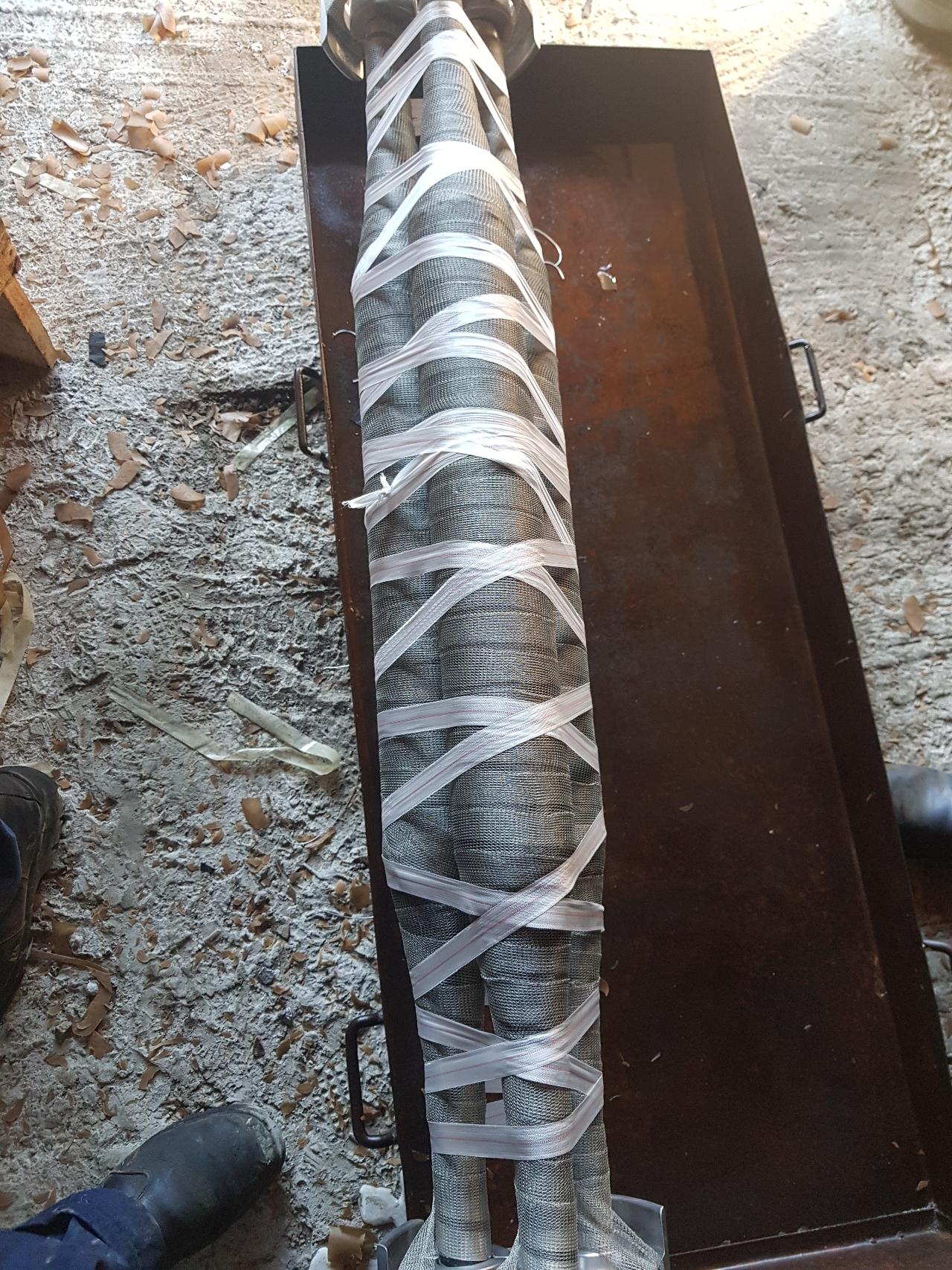
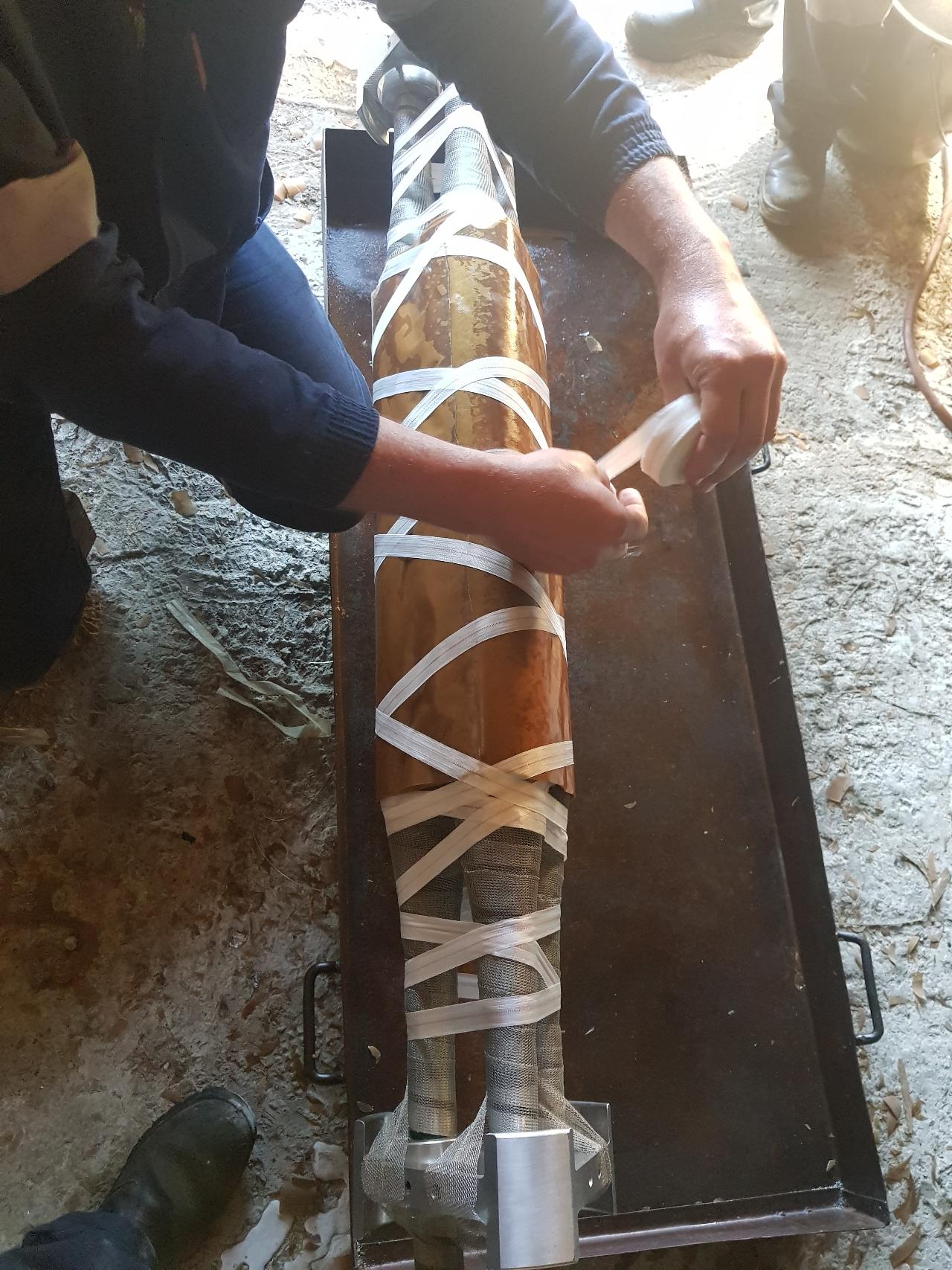
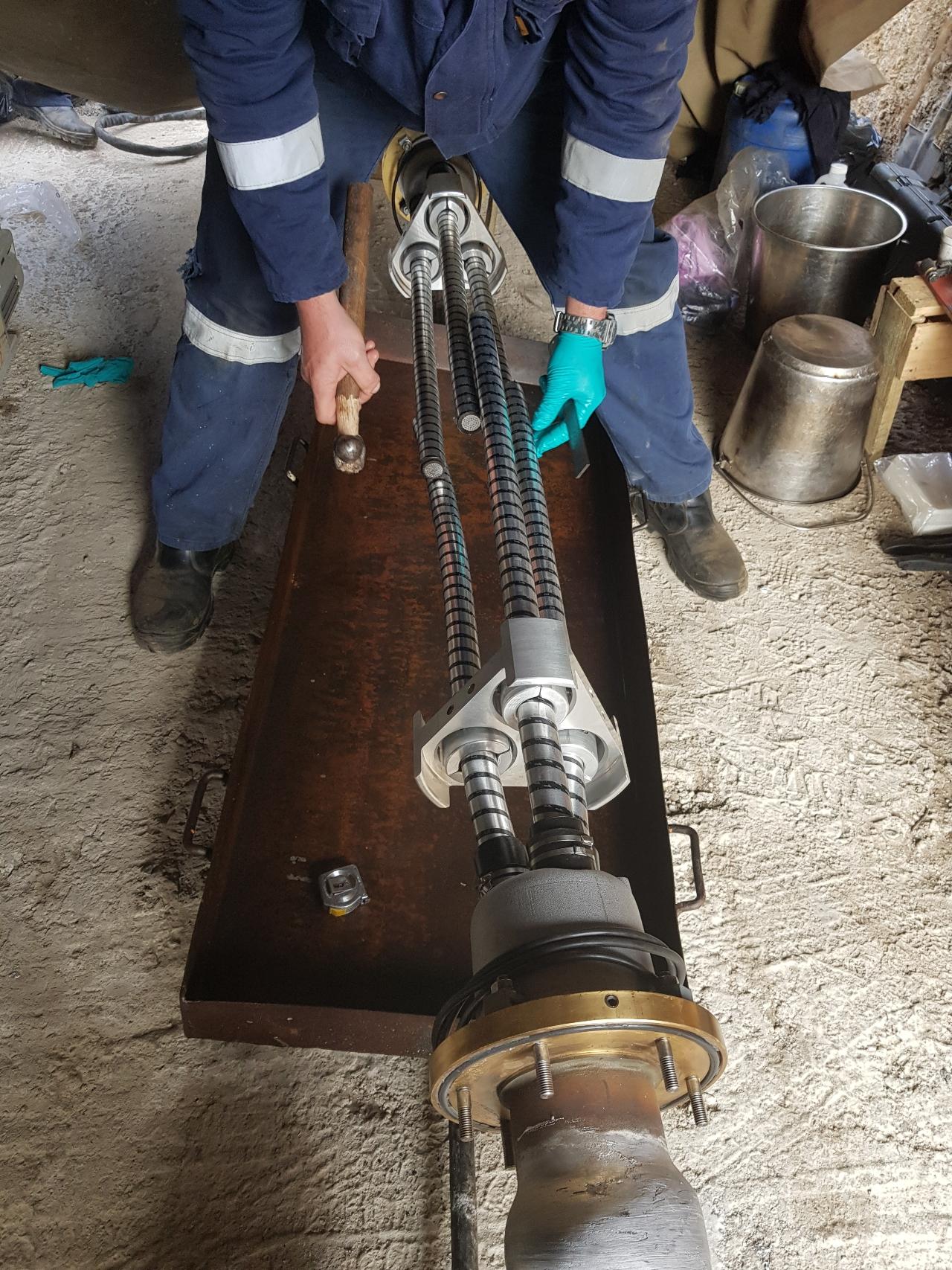
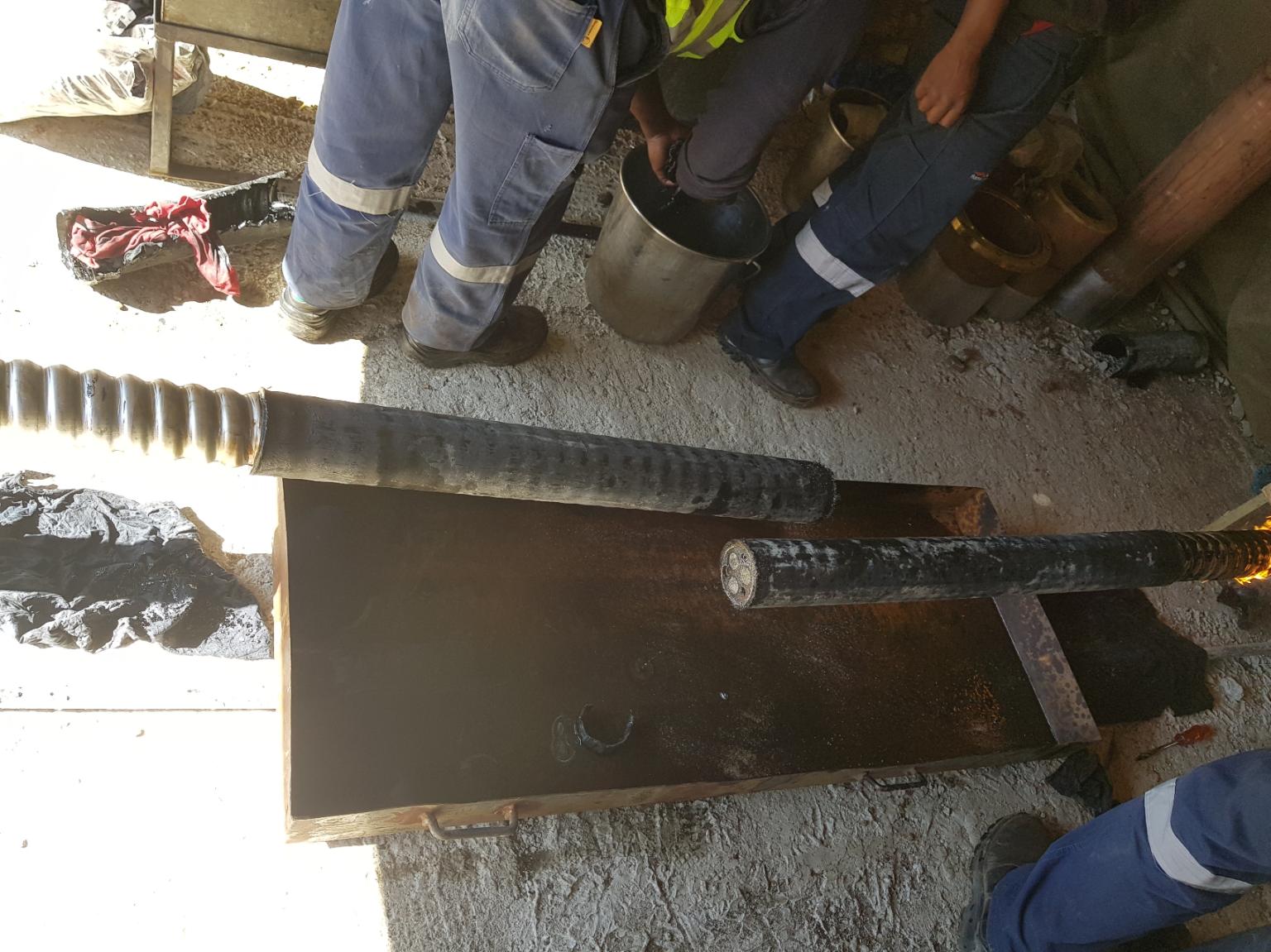
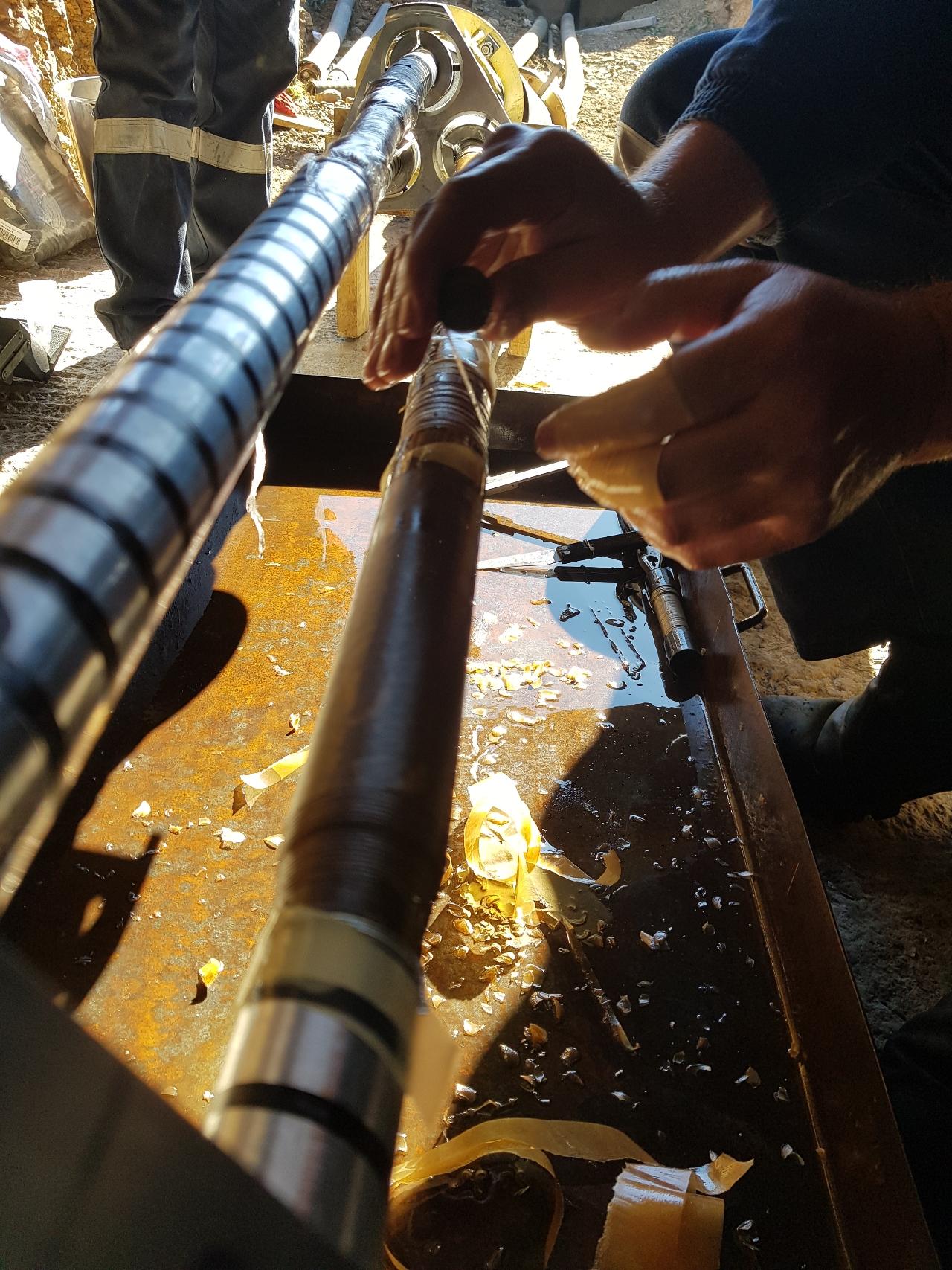
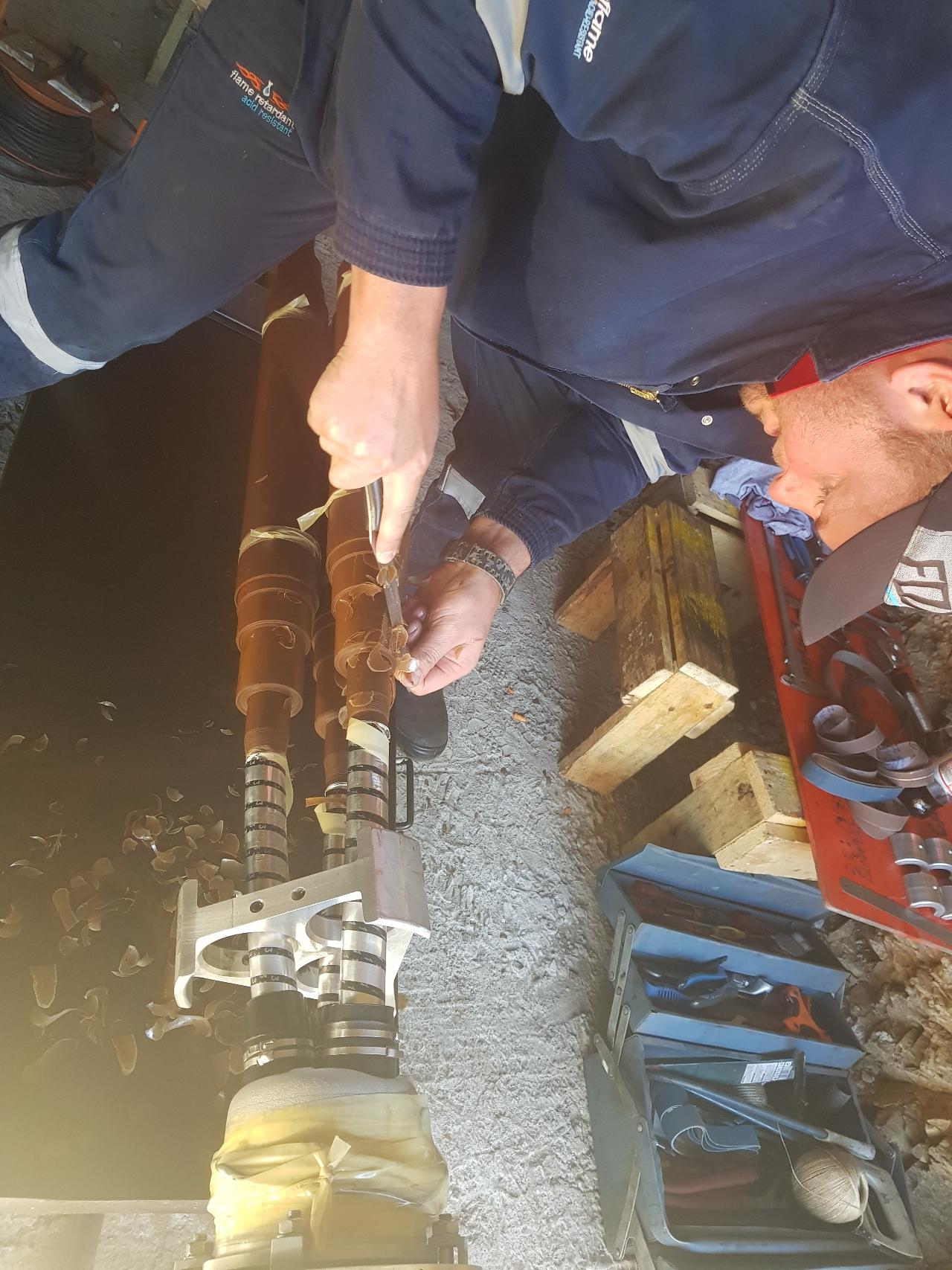
66kV Oil Filled Cable Joints | 3 core 400sqmm | Prysmian
August 17th, 2020
MV HV Cable Accessories | Glands Joints Terminations Connectors Resins | Prysmian
Images Courtesy: Frikkie Pieterse (High Voltage Cable Jointer)
- 66kV Oil Filled Cable Joints
- 3 core 400sqmm 66kV Cables
- Prysmian
Jointers blog
Subscribe now to our POWER NEWSLETTER– a monthly email circulation packed with news, projects, videos, technical tips, training information, promotions, webinars, career opportunities and white papers.
Includes access to our popular JOINTERS BLOG with contributions from utility professionals, linesmen and cable jointers working on MV HV EHV cables and overhead lines typically at 11kV, 33kV, 66kV and up to 132kV.
15,000+ Subscribers. ➡
A Day of Medium Voltage Jointer Training
August 10th, 2020Images Courtesy: Sjoerd Keijzer
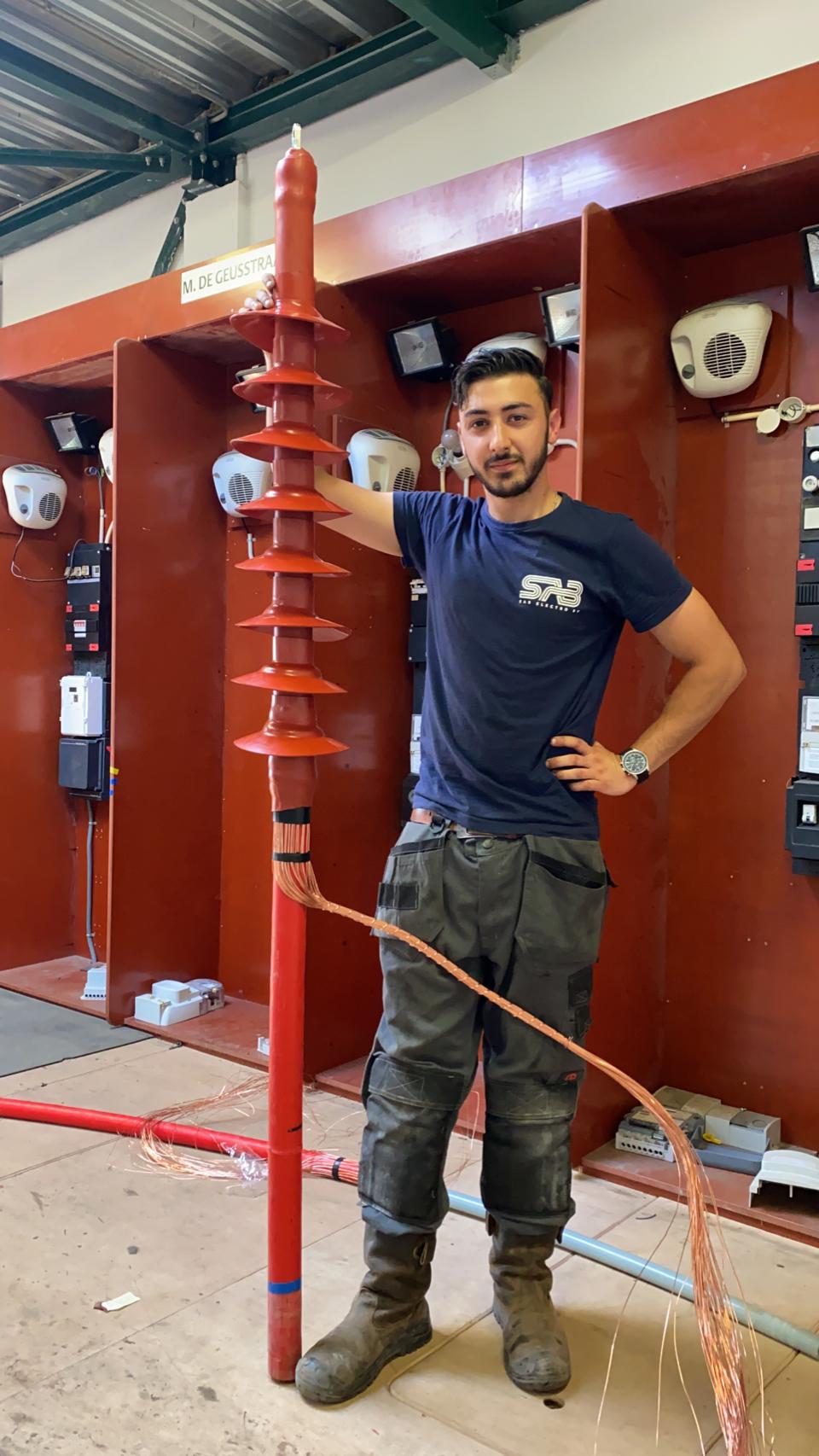
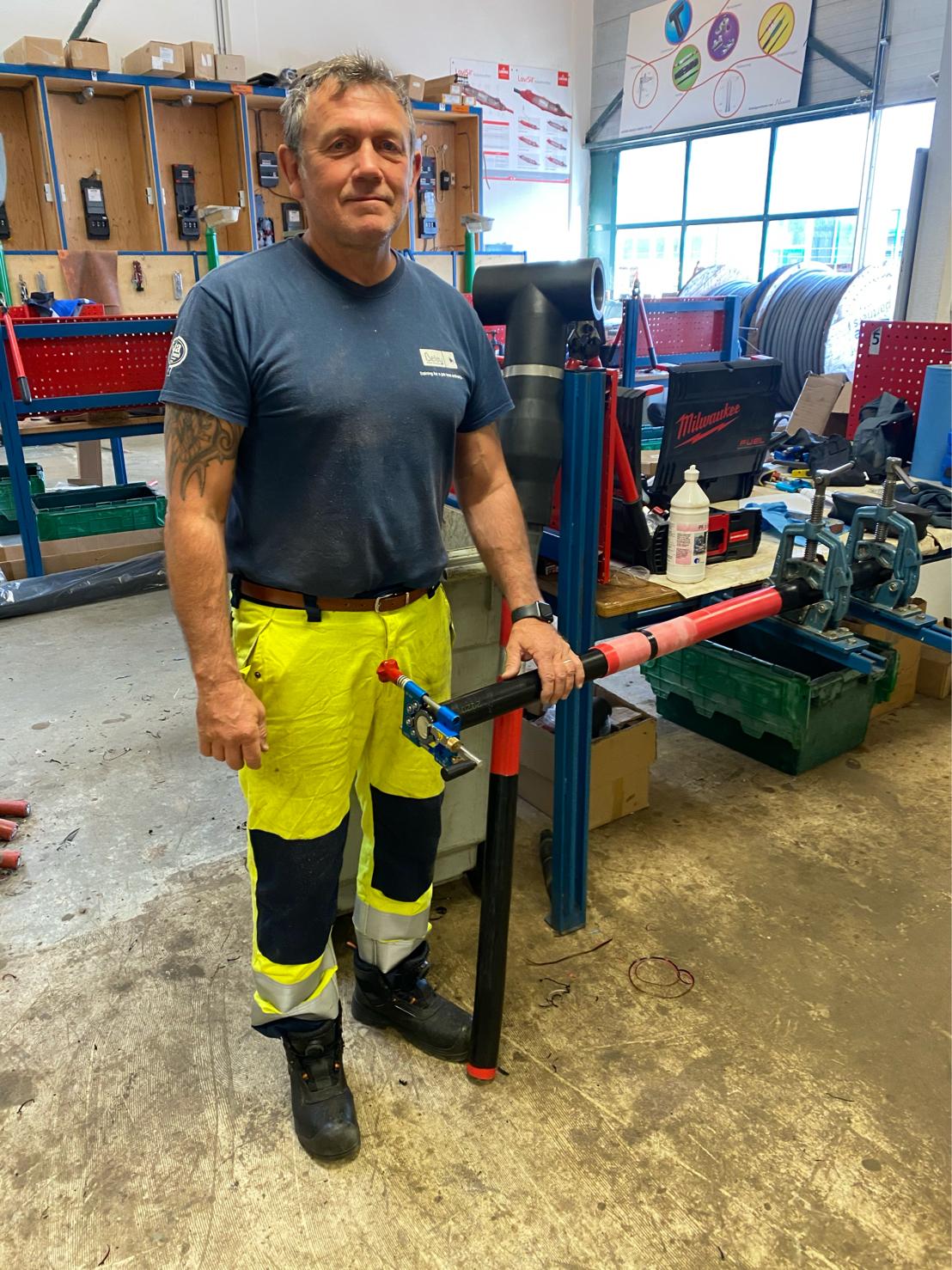
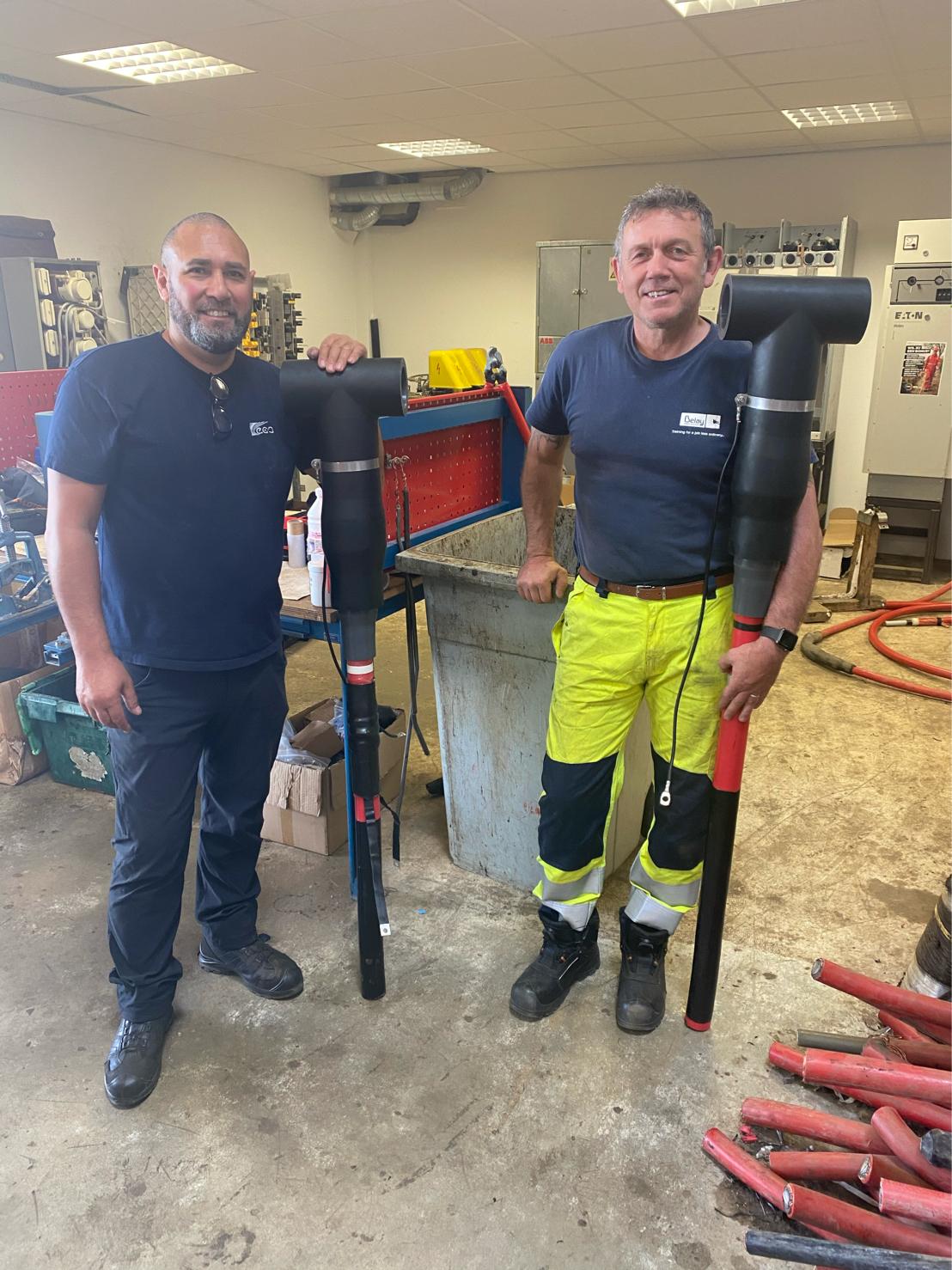
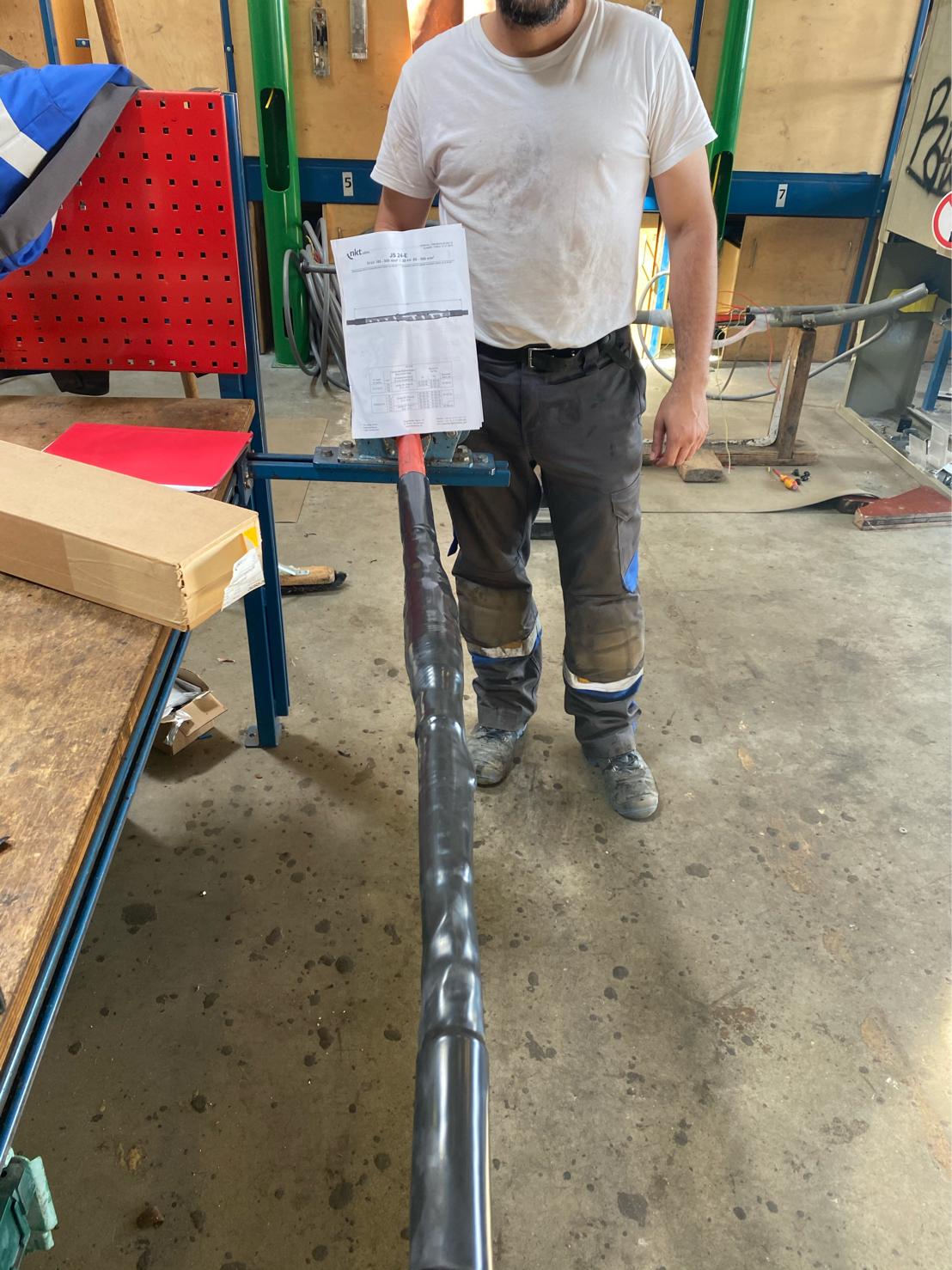
A following sequence of photographs document a day of medium voltage training by some participants in the Jointer Training Center of GOA Leidingtechniek, The Netherlands.
The cable accessories used included NKT 72kV Cable Termination & Joint, Elcon Megarad 72kV Heatshrink Termination, SPS Heatshrink Joint, 3M Coldshrink Joint and Screened Separable Connector from Nexans Euromold.
Some things went very good, some went reasonable, and some things went completely wrong. But the motivation to learn and to do a very good job is perfect. And I told them again, you can’t learn experience, for that you need a lot of practice.
Nobody can be a cable jointer with a training course of 5 or 6 days.
For quality you need a lot of training and experience but I promise everyone that these guys will get there. You are going to be a great jointers. You only need time, motivation, practice, more time, more practice and love for your work.

Jointers blog
Subscribe now to our POWER NEWSLETTER– a monthly email circulation packed with news, projects, videos, technical tips, training information, promotions, webinars, career opportunities and white papers.
Includes access to our popular JOINTERS BLOG with contributions from utility professionals, linesmen and cable jointers working on MV HV EHV cables and overhead lines typically at 11kV, 33kV, 66kV and up to 132kV.
15,000+ Subscribers. ➡
How To Locate An Oil Leak In A 12km Circuit Of LPOF PILC 115KV Direct Buried Cable
August 10th, 2020All Images Courtesy Of: Douglas Page (Instructor & Cable Splicer at Hydro One Training and Development Services) 
High Voltage Cables
Fluid Filled Cable Leak Detection
33kV 66kV 132kV 245kV 400kV
Fluid filled high voltage cables have been used for over 80 years with some circuits installed in the 1930’s still operating successfully today without any deterioration.
The fluid contained within a fluid filled cable has to be kept at a positive pressure under all conditions of loading and ambient temperature change.
Fluid filled cables rely on the presence of pressurised cable fluid to work efficiently – if the circuit suffers an oil leak the cable network is compromised.
The pressure used depends on a number of factors:
- Voltage and size of cable
- The length of the cable
- The route the cable follows
- Whether the cable has a leak
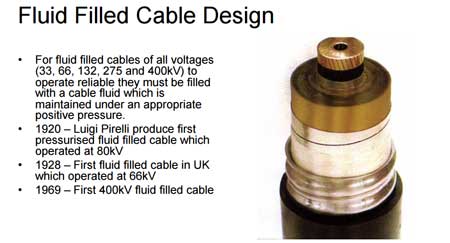
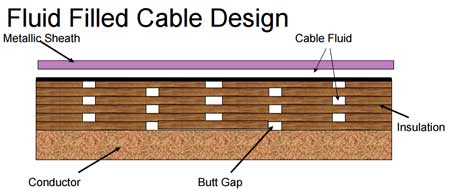
The fluid forms an integral part of the high voltage cable insulation and prevents the formation of voids in the lapped papers around the conductor – also the cable fluid aids the conduction of heat away from the conductor allowing the cable to be run efficiently than a cable without it.
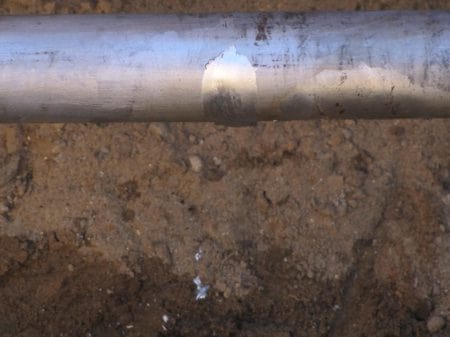
The following photo sequence shows how to find a single drip of oil in approximately 12km of Single Core LPOF PILC 115KV direct buried cable.
LPOF Low Pressure Oil Filled
PILC Paper Insulated Lead Covered
1. Cathodic lead erosion is clearly visible on the EHV power cable – this is usually caused by ground factors such as gas mains, neighbouring cable circuits, water mains etc. The aged underground EHV cable is suffering natural degradation and overtime a deterioration in the cables normal cathodic protection has caused service issues with the cable circuit – the cable becomes the sacrificial anode and starts to break down.
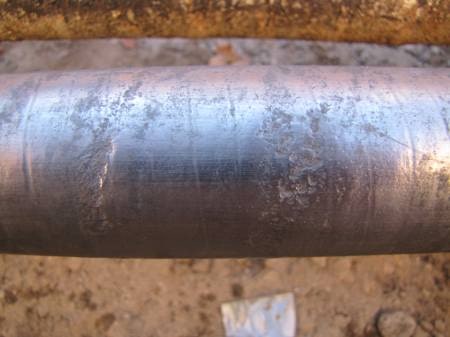
2. Cable type: Transmission & Distribution Voltage – 115kV LPOF PILC Single Core.
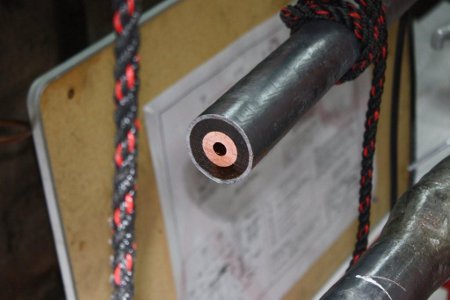
3. LPOF EHV cables are monitored by gauges and pressurised by pre-pressurised tanks with internal baffles, that expand and contract with the cable, maintaining a constant pressure. If the pressure cannot be maintained, an alarm is triggered.
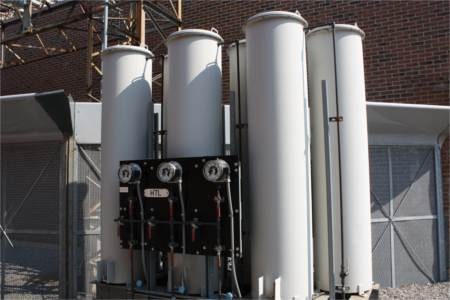
4. To find the oil leak in 10, 15, 20, or 100km of cable, it all starts the same way. Find the approximate centre of the cable circuit, excavate safely and install a cable freeze.
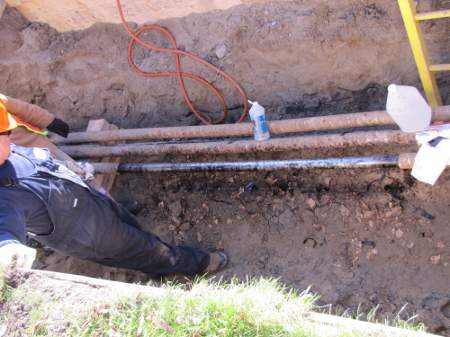
5. Very similar to a pipe type freeze, the coil must be installed on the bare lead.
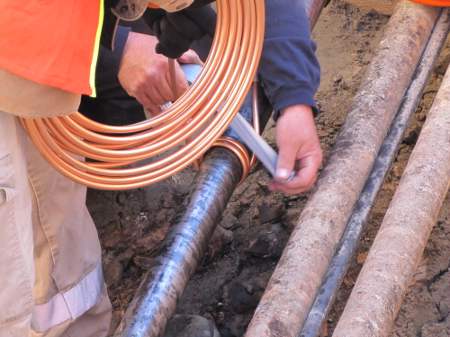
6.
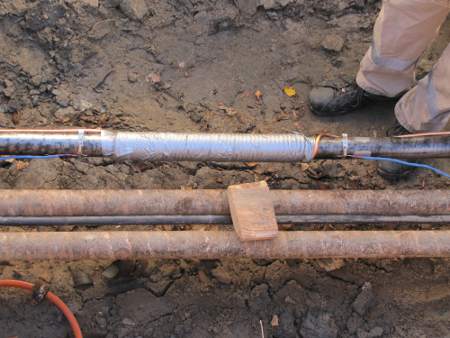
7. Along with a freeze, to monitor the temperature, the EHV jointer/splicer must install thermocouple temperature monitors which consist of two conductors of dissimilar metals that react to the temperature change differently allowing the monitors to display the actual temperature.
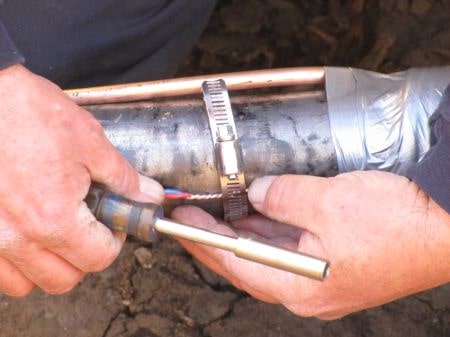
8. Then the freeze is insulated by the EHV cable/splicer.
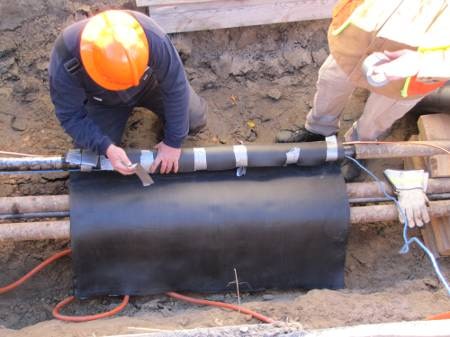
10.
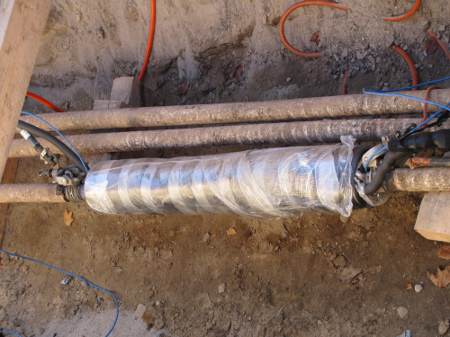
11. Once the freeze has been initiated, the gauges are monitored, the side that loses pressure, is flagged and deemed the side that requires further attention.
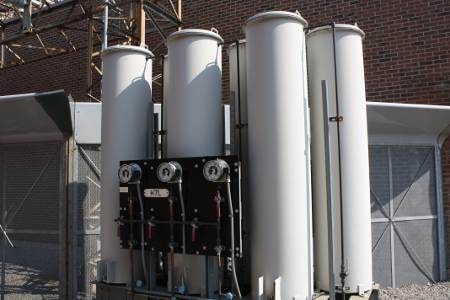
12. Freeze pit – once the leak has been narrowed to 50-100m length, the final excavation begins. Until signs of leaking cable oil are found.
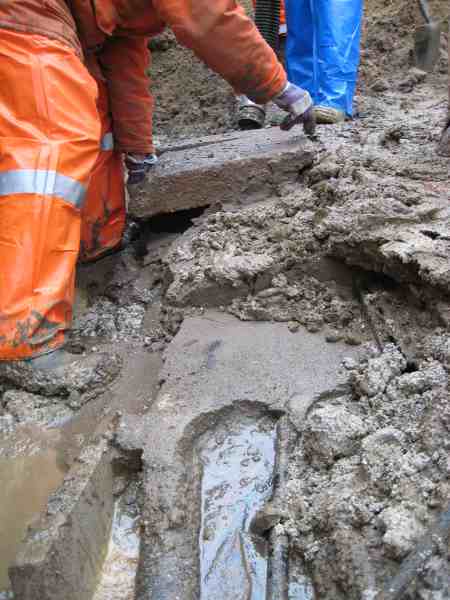
14. After a lengthy search, this is what you are looking for, although opinions vary, constant drip can yield various amounts of accumulation. Some say it could fill a bathtub in 72 hours.
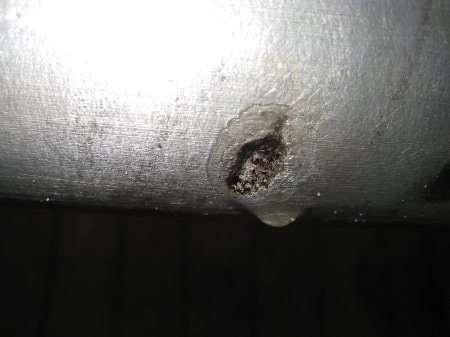
15. Once located a temporary EHV cable repair is made, while environmental remediation is done.
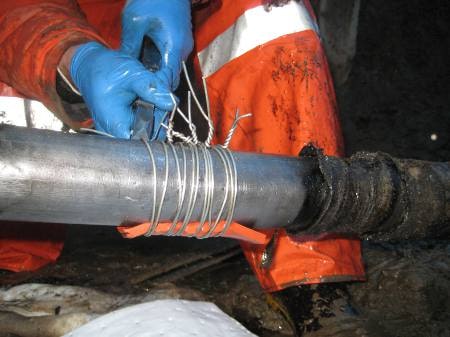
16. “Tinning” of the cable repair, so the lead will adhere to the cable.
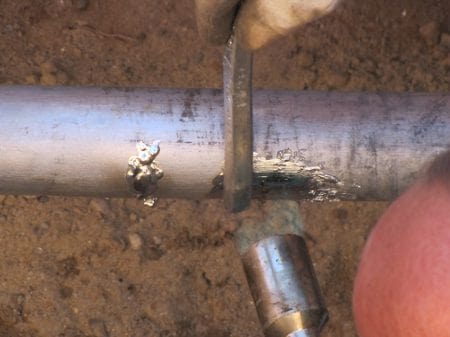
17. The EHV cable repair is complete – after this the jointer must solder a copper lead connected to a sacrificial “anode” that erodes before the cable.
Jointers blog
Subscribe now to our POWER NEWSLETTER– a monthly email circulation packed with news, projects, videos, technical tips, training information, promotions, webinars, career opportunities and white papers.
Includes access to our popular JOINTERS BLOG with contributions from utility professionals, linesmen and cable jointers working on MV HV EHV cables and overhead lines typically at 11kV, 33kV, 66kV and up to 132kV.
15,000+ Subscribers. ➡
Lead Cable Jointing – Where Craftmanship Becomes Artistry
June 11th, 2020-
uploaded by Chris Dodds | Thorne & Derrick Sales Marketing Manager
Andy O’ Malley is a world-class EHV Jointer with a skill set encompassing both traditional and modern cable splicing and jointing techniques. Andy is a rare breed – expertly Competent and comfortable jointing oil, gas or polymeric cables up to 420kV.
Ticketed by todays market leading manufacturers of EHV polymeric cable accessories such as 3M, JPS, ABB, Elastimold, LS Cables and Pfisterer while acknowledging a debt of gratititude to former BICC and Prysmian (Pirelli) Cable Jointers. A great jointer, a great guy.
“I’m nothing without my great crew and on transmission I owe everything to those whom have trained me – they know who they are. I have had a great team mate, thank you James Nicklin,” Andy comments.
In the following Blog, Andy demonstrates expert lead cable jointing skills.

Tools Of The Trade
“Tools Of The Trade”
Top left: propane/gas torch (underneath plumbing/wiping pad). Andy makes his own pads (from a roll of moleskin).
Double burner (left side: oil tape pot, right hand side: hot pour compound bucket).
Bottom left to right: hammer, hack knife, small hack knife, lead scraper, small paper knife, knife (made by Andy), pipe to set cable cores, ladles, sweating pot and lowering hook (above ladles).
The tube next to the orange gas line is used to help set paper cores on larger sized cables.

1. Lead Sleeve Ready To Prepare

2. One End Scraped & Protected From Oxidizing Using Styrene

3. One End Dressed

4. Sleeve Prepared For Placement Onto Cable
Before & After Lead Cable Jointing

1. Before Y Splice/Breach Joint To Be Broken Down

2. Straight Splice/Joint Complete
Jointers blog
Subscribe now to our POWER NEWSLETTER– a monthly email circulation packed with news, projects, videos, technical tips, training information, promotions, webinars, career opportunities and white papers.
Includes access to our popular JOINTERS BLOG with contributions from utility professionals, linesmen and cable jointers working on MV HV EHV cables and overhead lines typically at 11kV, 33kV, 66kV and up to 132kV.
15,000+ Subscribers. ➡