Blog
100 Years of PFISTERER – Connecting Power For The Future
January 11th, 2022
Thorne & Derrick | Distributed from Stock | Approved Supplier
100 Years of Engineering Innovation
Since 1921, PFISTERER has developed innovative solutions for the changing energy industry.
Over the past century, the company has built extensive engineering expertise and introduced patented technologies that support electricity generation, transmission and distribution.
Today, PFISTERER operates across 70 countries, with 21 locations throughout Europe, North and South America, Asia and the Middle East. Their task is to find solutions for safe and reliable energy transmission, on both small and large scales, and often unnoticed, in overhead lines and substations, or home power connections and also in trains and wind turbines.
Furthermore, its 2,100 employees combine technical knowledge, modern manufacturing processes and quality management to develop reliable energy solutions.
As a result, PFISTERER continues to support the development of modern energy infrastructure worldwide.
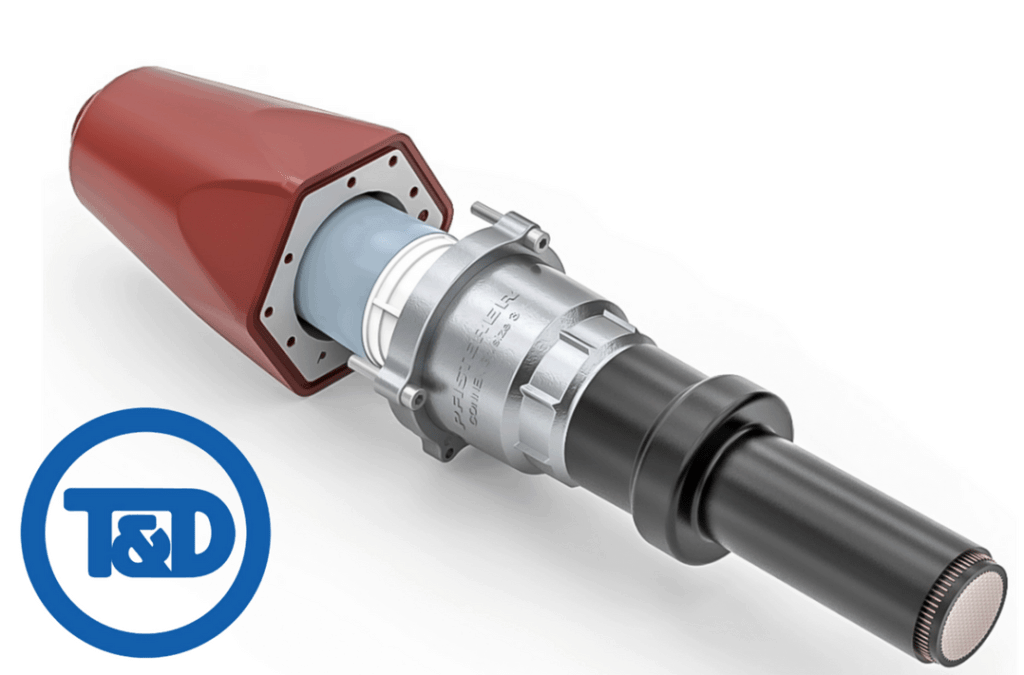
➡ Thorne & Derrick supply the market-leading range of CONNEX type MV HV cable plugs and terminations manufactured by PFISTERER that are suitable for all voltage levels and applications where medium or high voltage power cables must be reliably connected, terminated and distributed within the electricity supply industry.

CONNEX Medium Voltage & High Voltage | Connectors | Bushings | Surge Arresters
The History of PFISTERER
Karl Pfisterer founded the company in 1921 with a clear ambition: to develop safer and more efficient electrical connection technology.
Over the past 100 years, PFISTERER has grown into one of the world’s leading independent manufacturers of cable accessories, insulators and overhead line solutions.
Today, the family-owned business develops products that support every stage of energy infrastructure, from electricity generation to transmission and distribution.
PFISTERER technology supports railway networks, electrical substations, overhead power lines and underground cable systems.
Meeting the Energy Demands of Growing Cities
Global electricity demand continues to increase as cities expand and industries rely more heavily on reliable power supplies.
Growing populations place greater pressure on electricity networks. Energy suppliers must transport electricity over longer distances to connect renewable energy projects, homes and industrial facilities.
PFISTERER helps meet these demands with advanced connection technology and silicone composite insulators for high voltage transmission lines.
The company also develops connection solutions for offshore wind farms, battery storage facilities and solar power plants.
PFISTERER provides emergency connection systems that help energy suppliers restore power quickly after network damage. These systems also support maintenance, testing and network upgrades.
Innovation in MV and HV Cable Connections
PFISTERER developed SEANEX as a dry, pluggable inner-cone connection system for renewable energy and offshore high voltage applications.
The technology builds on the established PFISTERER CONNEX system and supports offshore installations up to 72.5kV.
DNV GL certified the system for lifetime performance, and it meets the offshore standard IEC 63026.
PFISTERER brings the power to the people
above and below ground
PFISTERER has supported the energy industry with overhead line technology, cable systems and components for power distribution since 1921.
Initially for the newly developing local networks, then from 1937 also in the high voltage (HV) sector. The first products were steel components like cable hangers. Later, high voltage overhead line clamps and tension fittings were manufactured at the Gussenstadt plant by PFISTERER, established in 1946.
These successful solutions quickly gained an international reputation. In the 1960s, the expansion of HV transmission networks in Europe was in full swing.
Since then, solutions by PFISTERER have been tried and tested in the construction of overhead lines in extreme Alpine terrain, in the South African desert, in the Gulf region and at the Guri Dam in Venezuela – from 110 V to 1,100 kV. As a pioneer in HV cable connection technology, PFISTERER also offers accessories and solutions for submarine and underground cable systems, including turnkey cable installation. Smart accessories for collecting operating data will play an increasingly important role in the future.
Innovation as a business driver
PFISTERER meets future challenges with the knowledge that comes from one hundred years of experience. This expertise has developed continuously with advances in technology – and technology has advanced thanks to PFISTERER’s expertise.
Numerous innovations and patents continuously drive our growth.
Their success has turned PFISTERER into a globally active company – with a distribution network in 70 countries and 21 locations in Europe, North and South America, Asia and the Middle East. With a workforce of 2100 employees worldwide, state-of-the-art manufacturing processes and a seamless quality management system, all ensure that we will continue to provide the right solutions into the future.
Thorne & Derrick provide competitive prices and fast delivery for the complete range of LV MV HV Power Products manufactured by PFISTERER – this includes the CONNEX MV range of inner-cone cable plugs and terminations up to 33kV.
THORNE & DERRICK
Thorne & Derrick are national distributors of LV, MV & HV Cable Installation, Jointing, Substation & Electrical Equipment – servicing businesses involved in cabling, jointing, substation, earthing, overhead line and electrical construction at LV, 11kV, 33kV, 66kV and EHV. Supplying a complete range of power cable accessories to support the installation and maintenance of low/medium and high voltage cable systems:
Key Product Categories: Duct Seals | Cable Cleats | Cable Glands | Electrical Safety | Arc Flash Protection | Cable Jointing Tools | Cable Pulling | Earthing | Feeder Pillars | Cable Joints LV | Joints & Terminations MV
Aclara Sensors | WPD | Transitioning to a Low Carbon Future with Smart Grid Sensors
December 15th, 2021
Transitioning to a Low Carbon Future
Aclara Smart Grid Sensors – Western Power Distribution Case Study
Distributed Generation and Low Carbon Electricity Networks | United Kingdom
Western Power Distribution (WPD) was one of six electricity Distribution Network Operators (DNOs) in the United Kingdom. Its network covered the Midlands, South Wales and South West England.
At the time of this case study, WPD supplied electricity to more than 7.7 million customers across a service area of approximately 55,300 square kilometres.
As electricity networks evolved, the company began exploring technologies to support a lower-carbon future. In particular, WPD wanted better visibility of its distribution network and improved planning capabilities.
Consequently, the company worked with Aclara to introduce smart grid monitoring technology through Project FALCON.
The Low Carbon Networks Fund
The Low Carbon Networks Fund was introduced by the UK energy regulator, Ofgem. Its purpose was to support innovative projects that prepared electricity distribution networks for low-carbon technologies.
Through this initiative, network operators could investigate new methods of managing electricity infrastructure. In addition, the programme encouraged the development of reliable and affordable solutions for customers.
Western Power Distribution participated in several projects supported by the fund.
These initiatives explored how electricity networks could accommodate changing demand and new generation technologies. As a result, WPD aimed to develop a more flexible and efficient distribution network.
Supporting the Electricity Network of the Future
The electricity distribution network plays a central role in delivering power to homes and businesses.
However, changing electricity demand and increasing use of low-carbon technologies create new challenges for network operators.
For example, the growth of electric vehicles and heat pumps can affect electricity consumption patterns.
In addition, distributed generation changes how electricity flows through local networks.
Therefore, network operators need better information to understand these conditions and plan future investment.
Ben Godfrey, Innovation and Low Carbon Networks Engineer at WPD, highlighted the importance of the distribution network in supplying electricity to customers.
Improving Electricity Network Reliability and Planning
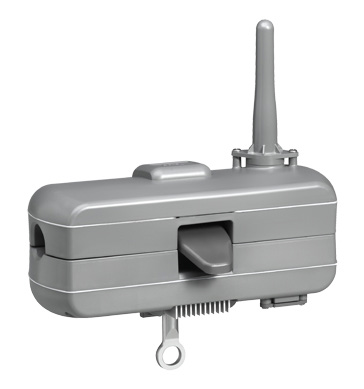
The Aclara Grid Monitoring platform was introduced to provide Western Power Distribution with greater visibility of its electrical network.
Through real-time monitoring, the system supplied information about operating conditions across the distribution grid.
As a result, WPD could use more detailed measurements to support network planning and operational decisions.
Furthermore, improved visibility offered opportunities to identify inefficient operating conditions and potential network problems.
How Low-Carbon Technologies Affect Electricity Networks
Electricity distribution networks were traditionally designed around predictable power flows. However, the growth of low-carbon technologies has introduced new operating requirements.
For example, electric vehicles can increase electricity demand when large numbers of vehicles charge at similar times.
Likewise, heat pumps can affect demand during colder weather.
Meanwhile, distributed generation allows electricity to enter the network from multiple locations.
Consequently, network operators must understand changes in voltage, load and electricity flow.
Accurate monitoring information therefore supports better planning and helps utilities manage evolving network conditions.
Project FALCON – Flexible Approaches to Low Carbon Optimised Networks
Project FALCON stands for Flexible Approaches to Low Carbon Optimised Networks.
The initiative was funded through a UK regulatory innovation programme. Its aim was to improve understanding of the infrastructure required for a lower-carbon electricity system.
In particular, the project explored how distribution networks could accommodate changing demand and distributed generation.
Western Power Distribution worked with smart grid technology specialists, including Aclara, to investigate potential solutions.
As a result, the project combined practical network monitoring with new approaches to electricity distribution planning.
Why WPD Selected Aclara Grid Monitoring
WPD selected Aclara because its monitoring platform could provide more detailed information about network conditions.
According to Ben Godfrey, the technology offered better data for planning and improving electricity network reliability.
Furthermore, the monitoring system supported the company’s wider transition towards low-carbon electricity distribution.
To deliver the platform, Aclara partnered with Powerline Technologies Limited, a UK supplier of smart grid equipment.
Together, the companies supported the deployment of Aclara technology as part of Project FALCON.
Real-Time Visibility with Aclara Smart Grid Sensors
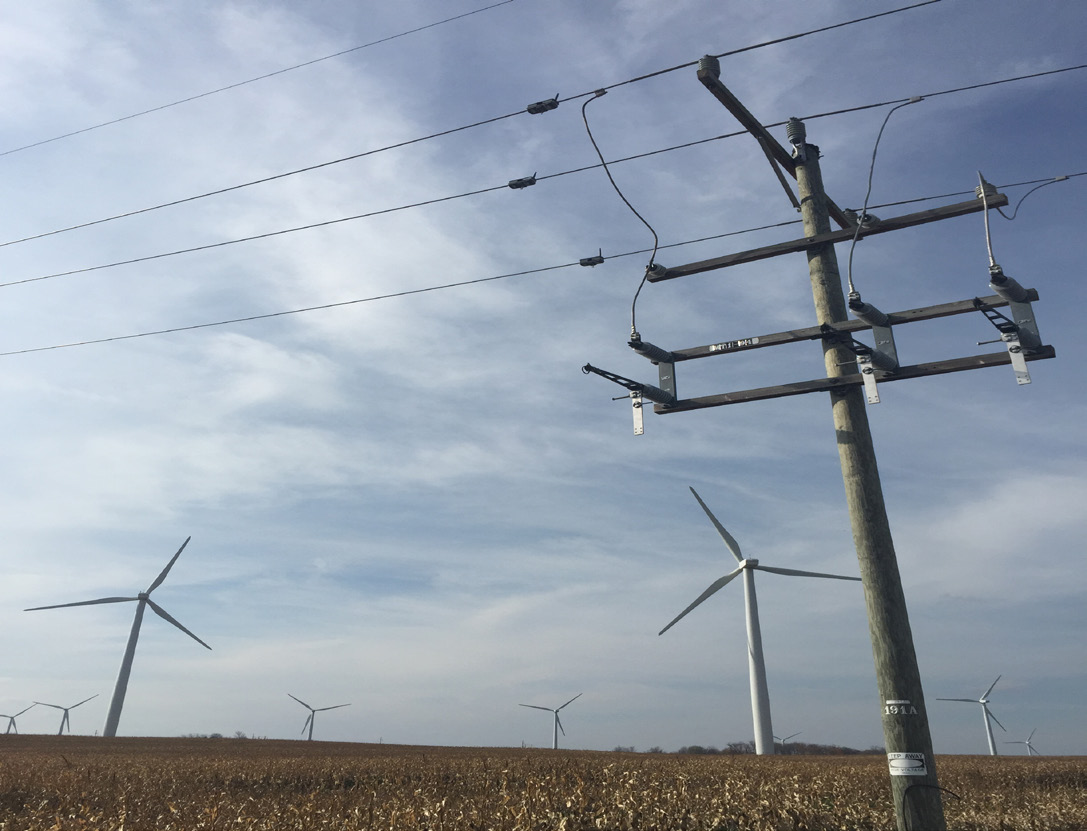
Aclara Smart Grid Sensors provide real-time information about operating conditions across electricity distribution networks.
The sensors use inductive power and can operate in low-current locations. According to the original case study, they support monitoring at current levels down to 3A.
In addition, their lightweight construction allows relatively straightforward installation on suitable overhead electricity lines.
Once installed, the sensors collect measurements that help utilities understand local network conditions.
Consequently, operators gain access to more detailed information about electricity load and power quality.
Monitoring Load and Power Quality
Aclara sensors monitor electrical conditions across the distribution grid.
For example, the system provides information about network load and power quality.
Furthermore, the recorded measurements can reveal changes in operating conditions over time.
This helps engineers understand how electricity demand and generation affect different sections of the network.
As a result, utilities can use the data to support switching decisions and long-term planning.
Fault Detection and Predictive Analytics
Unlike traditional fault indicators, Aclara combines line sensors with predictive analytics software.
As well as monitoring electrical conditions, the system supports fault and outage detection.
For example, configurable software rules can identify operating conditions that may indicate developing network problems.
These include:
- Potential outages: Electrical conditions that could indicate developing faults.
- Load imbalances: Uneven electrical loading across monitored network sections.
- Technical losses: Operating conditions that may contribute to inefficient electricity distribution.
- Power quality changes: Variations that could affect network performance.
Furthermore, the software links recorded events to geographical map displays.
Consequently, utilities can identify likely problem locations and investigate them more efficiently.
Aclara Grid Monitoring Software Integration
The Aclara platform can exchange information with several types of utility monitoring and management systems.
These include:
- SCADA: Supervisory Control and Data Acquisition systems.
- OMS: Outage Management Systems.
- DMS: Distribution Management Systems.
- Data Historians: Systems used to collect and store operational data.
As a result, utilities can incorporate sensor measurements into existing monitoring arrangements.
Alternatively, the platform can operate as a standalone solution.
Depending on the application, the software can be hosted by Aclara or within the utility’s own data centre.
Therefore, operators have flexibility when selecting a suitable monitoring architecture.
Benefits of Integrated Grid Monitoring
Combining smart sensors with analytical software gives network operators a clearer understanding of electricity distribution conditions.
In addition, automated monitoring can highlight changes that require attention.
For example, unusual loading or power quality conditions may indicate a developing network issue.
Consequently, operational teams can investigate potential problems using recorded information.
Over time, this data can also support network investment decisions and infrastructure planning.
Supporting the Transition to Low-Carbon Electricity Networks
Project FALCON explored how monitoring technology could help electricity networks adapt to new operating conditions.
As consumers adopt electric vehicles, heat pumps and distributed generation, network demand and power flows can change.
Therefore, utilities need accurate information about how their infrastructure performs.
Aclara’s monitoring platform offered WPD a way to improve visibility across its distribution network.
Furthermore, the system could support planning decisions based on measured electrical conditions.
As a result, the project demonstrated the potential value of smart grid monitoring in preparing electricity networks for lower-carbon technologies.
About Aclara
Aclara develops smart infrastructure solutions for utility networks.
Its product portfolio includes electricity meters, edge devices, advanced metering infrastructure and analytical software.
In addition, the company provides installation and monitoring technologies for electricity, gas and water utilities.
These solutions help operators collect and analyse information about network conditions.
For example, monitoring data can support fault detection, infrastructure planning and operational decisions.
Consequently, utilities can make better use of available network information.

Western Power Distribution – UK Electricity Networks
Western Power Distribution (WPD) was responsible for electricity distribution across the Midlands, South Wales and South West England.
At the time of the original case study, its network served more than 7.7 million customers.
In addition to maintaining electricity infrastructure, the company supported projects focused on network innovation.
Project FALCON formed part of this work by exploring how smart monitoring could support future distribution requirements.
The case study therefore provides an example of early investment in technologies designed for changing electricity networks.
Further Reading
Explore another Aclara grid monitoring case study:
Aclara Sensors | UKPN | Detecting Transient Faults on Overhead Networks
Thorne & Derrick – LV, MV and HV Electrical Equipment
Thorne & Derrick are specialist distributors of electrical equipment for cable installation, substations and power distribution infrastructure.
Our product range supports the installation, operation and maintenance of LV, MV and HV electricity networks.
In addition, we supply cable accessories, jointing equipment, electrical safety products and specialist installation tools.
We support utilities, electrical contractors and infrastructure companies across the UK and international markets.

LV, MV and HV Jointing, Earthing, Substation and Electrical Equipment
Explore Our Electrical Product Categories
Thorne & Derrick supply specialist products for electrical installation, maintenance and network protection.
- Duct Seals
- Cable Cleats
- Cable Glands
- Electrical Safety Equipment
- Arc Flash Protection
- Cable Jointing Tools
- Cable Pulling Equipment
- Earthing and Lightning Protection
- Feeder Pillars
- LV Cable Joints
- MV and HV Cable Joints and Terminations
For technical advice, product information or availability, contact Thorne & Derrick to discuss your electrical infrastructure requirements.
Aclara Sensors | UKPN | Detecting Transient Faults on Overhead Networks
December 15th, 2021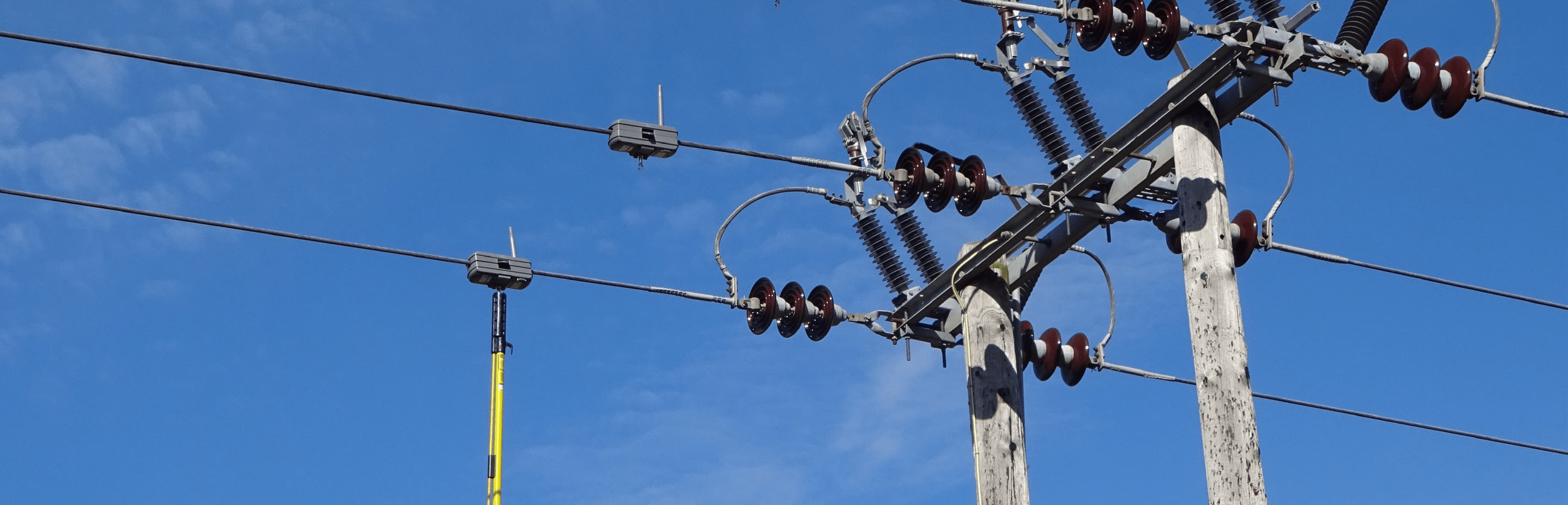
Detecting Transient Faults on Overhead Networks
Aclara Grid Monitoring – UK Power Networks Case Study
Medium and High Voltage Electricity Networks | United Kingdom
UK Power Networks operates electricity distribution networks across London, the East and South East of England. At the time of this case study, the company supplied electricity to more than eight million homes and businesses.
As part of its network development strategy, UK Power Networks began moving from a traditional Distribution Network Operator (DNO) towards a Distribution System Operator (DSO) model.
This transition aimed to create a smarter and more flexible electricity network. In addition, the company wanted to improve how its infrastructure responded to changing customer requirements.
However, maintaining reliable supplies across an extensive overhead network presented several challenges. In particular, transient faults could cause temporary power interruptions and require lengthy investigations.
To address these challenges, UK Power Networks selected Aclara Grid Monitoring technology. The project focused on detecting electrical disturbances, locating faults and improving network visibility.
Transient Fault Outages on Overhead Electricity Networks
The Business Challenge
Reducing the frequency and duration of power outages was a key objective for UK Power Networks.
At the time of the project, the company operated more than 46,000km of overhead electricity lines. However, these networks were exposed to environmental conditions that could cause electrical faults.
For example, high winds, falling branches, bird strikes and contact with trees could interrupt electricity supplies.
As a result, UK Power Networks needed a more effective way to identify and locate faults across its overhead networks.
What Are Transient Faults?
Transient faults are temporary electrical disturbances that occur on power networks. Unlike permanent faults, they may clear without requiring extensive repair work.
For example, a tree branch may briefly contact an overhead conductor before moving away. This can cause a temporary change in fault current.
In some cases, circuit-breakers or reclosers automatically clear the disturbance through a short interruption. These incidents are known as momentary fault events.
Although the electricity supply may recover quickly, repeated disturbances can indicate developing network problems.
Consequently, detecting transient faults can help engineers identify potential issues before they cause permanent failures.
Why Are Overhead Line Faults Difficult to Locate?
Locating a transient fault can be difficult, especially across long overhead electricity circuits.
According to the original case study, identifying the exact fault location could take an average of 6–10 hours.
Furthermore, engineers could face additional challenges when faults occurred at night or in remote locations. Severe weather could also make access more difficult.
Once the fault was located, repairs could require another 1–2 hours.
Therefore, reducing the time needed to locate and repair faults was important for improving network reliability.
Faster fault identification could also help reduce customer minutes lost during electricity interruptions.
Limitations of Traditional Fault Passage Indicators
UK Power Networks traditionally used fault passage indicators (FPIs) to identify electrical faults.
These devices are also known as fault current indicators (FCIs) in the United States.
Although FPIs can help identify fault activity, conventional equipment has several limitations.
For example, traditional indicators may struggle to detect momentary disturbances or developing faults. In addition, some devices do not capture the electrical waveforms needed for detailed analysis.
The case study also identified problems with false alarms and inaccurate fault location indications.
Consequently, engineers sometimes needed to investigate overhead circuits manually.
Manual Fault Location and Network Inspections
When fault information was insufficient, operational staff followed a systematic investigation process.
First, engineers opened manually operated overhead line switches along the affected circuit. They then energised selected sections to narrow down the fault location.
In addition, teams could physically inspect the overhead line. This process is often described as walking the line.
However, manual inspections require considerable time and resources.
As a result, UK Power Networks wanted more accurate fault information to help engineers identify the most likely problem areas.
Reducing Power Interruptions with Aclara Grid Monitoring
The Solution Overview
UK Power Networks undertook an innovation project to improve fault detection across its overhead electricity networks.
The project received funding through the Network Innovation Allowance (NIA), an Ofgem funding mechanism.
One objective was to develop algorithms that could predict fault locations on overhead circuits.
In addition, the technology needed to distinguish genuine outages from false alarms and temporary disturbances.
Therefore, UK Power Networks selected the Aclara Grid Monitoring platform.
The solution combined smart grid sensors with Predictive Grid analytics software to provide detailed information about electricity network conditions.
How Aclara Smart Grid Sensors Work
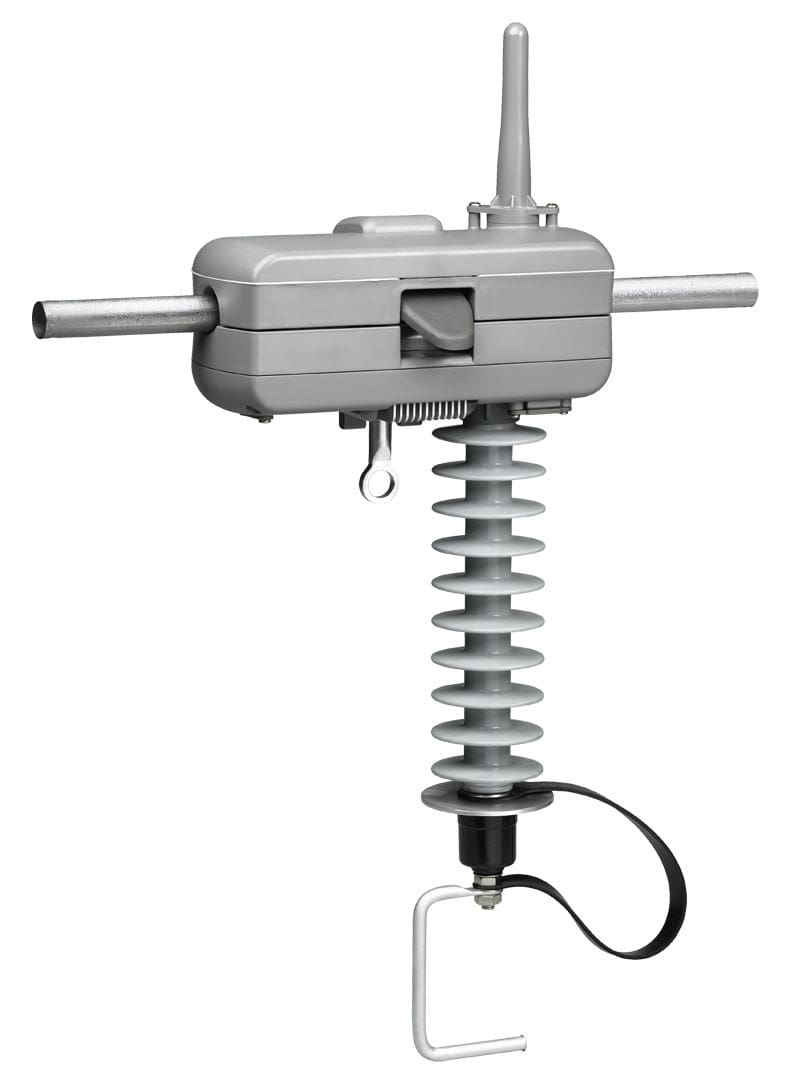
Aclara power sensors are installed directly onto overhead electricity lines using suitable insulating hot sticks.
As a result, the sensors can be deployed across different sections of an overhead network, including remote locations.
The devices collect information about electrical conditions, including voltage and load measurements.
Furthermore, the recorded data supports the development of a real-time impedance model during fault events.
This allows engineers to estimate the distance to a fault and identify its likely location.
Consequently, operational teams can reduce the need to inspect an entire overhead circuit manually.
Improving Electricity Supply Restoration Times
Peter Lang, UK Power Networks’ Project Manager, explained that the project aimed to reduce supply interruption times.
In particular, the company wanted to direct linesmen towards the most likely fault locations.
The trial was designed to demonstrate Aclara’s distance-to-fault algorithm. Furthermore, UK Power Networks intended to use sensor data within its wider quality-of-supply improvement programme.
By identifying developing network conditions earlier, the company hoped to reduce future interruptions and improve restoration times.
Aclara Smart Grid Sensors on 11kV Overhead Lines
As part of the original project, UK Power Networks installed more than 400 Aclara power sensors.
These sensors were deployed across 45 overhead line feeders operating at 11kV.
The installations covered the company’s East and South East operating regions.
In addition, the sensors were positioned on circuits where recurring faults had affected electricity supply reliability.
The monitoring platform was designed to collect information about load, voltage and power quality continuously.
According to the case study, the battery-free sensors could measure real-time voltage with an accuracy of 0.5%.
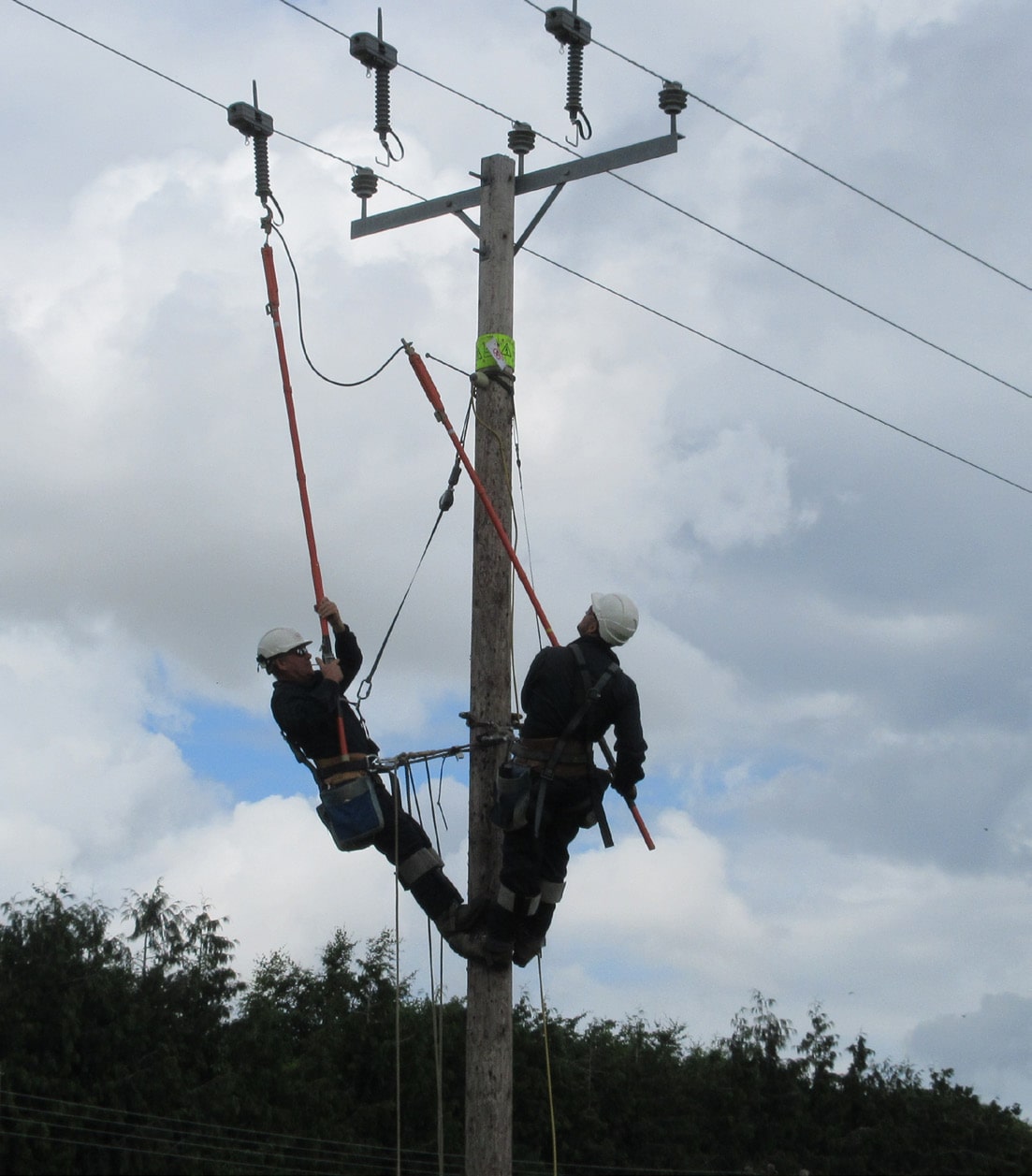
Aclara power sensors can be installed using hot sticks without additional pole-mounted equipment or field calibration.
Three Objectives of the Sensor Installation
The original project identified three main reasons for deploying smart grid sensors.
- Improve network visibility: Identify faults on overhead line spurs and between sectionalised points more accurately.
- Detect developing faults: Monitor temporary disturbances caused by tree contact, bird strikes, animals and defective equipment.
- Reduce interruption times: Direct engineers towards likely fault locations and support faster electricity supply restoration.
Together, these objectives aimed to improve fault detection and reduce reliance on manual inspections.
Predictive Grid Analytics and Fault Location
Aclara combines smart grid sensor measurements with analytical software to assess network conditions.
The sensors capture electrical measurements and fault events. Meanwhile, the associated sensor management system (SMS) processes the recorded information.
In addition, fault location algorithms use the measurements to estimate where electrical disturbances have occurred.
Consequently, engineers can receive more detailed information about likely fault locations.
This approach supports faster investigations and helps operational teams prioritise their response.
Detecting Developing Faults Before Network Failure
Not every electrical disturbance causes an immediate power outage.
For example, temporary contact between a tree branch and an overhead line may produce a short fault event.
Although the disturbance may clear, repeated events can indicate a developing problem.
Aclara’s Predictive Grid analytics software classifies these disturbances and records their characteristics.
Furthermore, engineers can review patterns across individual circuits or specific periods.
As a result, recurring fault activity may provide an early warning of future network failures.
Analysing Fault Waveforms
Fault waveforms contain valuable information about electrical disturbances.
By analysing these recordings, engineers can investigate the characteristics of individual fault events.
In addition, the software helps distinguish temporary disturbances from more serious network problems.
Consequently, operational teams can use the information to support preventative maintenance planning.
This provides an opportunity to investigate developing faults before they cause sustained supply interruptions.
Monitoring Low-Current Overhead Line Feeders
Fault detection becomes more challenging towards the ends of long overhead line feeders.
In these locations, electrical currents may be significantly lower than those found closer to the substation.
According to the original case study, Aclara sensors could operate in locations where current levels were as low as 3A.
By comparison, the case study reported that certain alternative battery-powered devices required current levels of 10A–30A.
Therefore, Aclara’s battery-free sensors provided an additional monitoring option for low-current sections of the network.
Furthermore, installation towards feeder ends and spurs helped improve visibility across previously difficult-to-monitor areas.
Understanding Load and Voltage Conditions
Continuous monitoring also provides useful information beyond fault detection.
For example, Aclara sensors collect data about voltage and load conditions at different points along a circuit.
As a result, engineers can develop a clearer picture of the network’s operating characteristics.
In addition, the information can support switching decisions and long-term network planning.
Better visibility helps operators understand how electricity demand varies across overhead feeders.
Consequently, the monitoring platform can support both day-to-day network operations and future infrastructure planning.
Grid Monitoring – Business Benefits for UK Power Networks
Improving Fault Detection and Network Reliability
Deploying Aclara smart grid sensors gave UK Power Networks greater visibility of faults and electrical disturbances.
Previously, engineers could spend considerable time locating faults through manual inspections.
However, the monitoring system provided information about likely fault locations.
As a result, operational teams could target their investigations more effectively.
The system also demonstrated how transient faults and developing network problems could be identified through monitoring.
Supporting Preventative Maintenance
Early detection of electrical disturbances can support a more proactive approach to network maintenance.
For example, recurring transient events may indicate problems with nearby vegetation or electrical equipment.
By examining fault waveforms and event patterns, engineers can investigate these conditions.
Furthermore, maintenance activities can be directed towards areas showing repeated disturbances.
Consequently, the information may help prevent some developing faults from becoming permanent failures.
Reducing Operational Costs and Customer Interruptions
Accurate fault location can also reduce the resources required for overhead line investigations.
Instead of inspecting long sections of a circuit, engineers can focus on the most likely fault locations.
As a result, the system can reduce time spent on manual fault-finding activities.
In addition, better network visibility supports faster response planning.
The original project aimed to reduce the number and duration of customer power interruptions.
Overall, Aclara Grid Monitoring provided another tool to support electricity network reliability and operational efficiency.
About Aclara
Aclara develops smart infrastructure technology for utility networks.
Its portfolio includes metering equipment, monitoring devices, advanced metering infrastructure and software solutions.
In addition, the company provides installation services and data-driven technologies for utilities.
These solutions support the management of electricity, gas and water distribution networks.
For example, smart sensors and analytical software can help utilities understand system conditions and identify potential problems.
Consequently, network operators can use the information to support planning, maintenance and operational decisions.
Aclara’s approach combines monitoring technology with analytical tools to help utilities predict, plan and respond to changing network conditions.
UK Power Networks – Electricity Distribution
UK Power Networks operates electricity distribution infrastructure across London, the East and South East of England.
The network includes overhead lines, underground cables and electrical substations.
In addition, the company maintains equipment that supports electricity supplies to homes and businesses.
As electricity demand and network requirements change, monitoring technology plays an important role in infrastructure management.
For this reason, projects such as the Aclara Grid Monitoring trial explored new ways to improve fault detection and network reliability.

Further Reading
Explore another Aclara smart grid monitoring case study:
Aclara Sensors | WPD | Transitioning to a Low Carbon Future with Smart Grid Sensors
Thorne & Derrick – LV, MV and HV Electrical Equipment
Thorne & Derrick are specialist distributors of electrical equipment for cable installation, substations and power distribution infrastructure.
We supply products for the installation, operation and maintenance of LV, MV and HV electricity networks.
Our product range includes cable accessories, jointing equipment, electrical safety products and specialist installation tools.
In addition, we support utilities, electrical contractors and infrastructure companies across the UK and international markets.
LV, MV and HV Jointing, Earthing, Substation and Electrical Equipment
Explore Our Electrical Product Categories
Thorne & Derrick supply specialist products for power distribution, underground cable installation and electrical network maintenance.
- Duct Seals
- Cable Cleats
- Cable Glands
- Electrical Safety Equipment
- Arc Flash Protection
- Cable Jointing Tools
- Cable Pulling Equipment
- Earthing and Lightning Protection
- Feeder Pillars
- LV Cable Joints
- MV and HV Cable Joints and Terminations
For technical advice, product information or availability, contact Thorne & Derrick to discuss your electrical infrastructure requirements.
Greenlee Cable Pulling Equipment | Cable Laying Products for LV MV HV Underground Cables
December 14th, 2021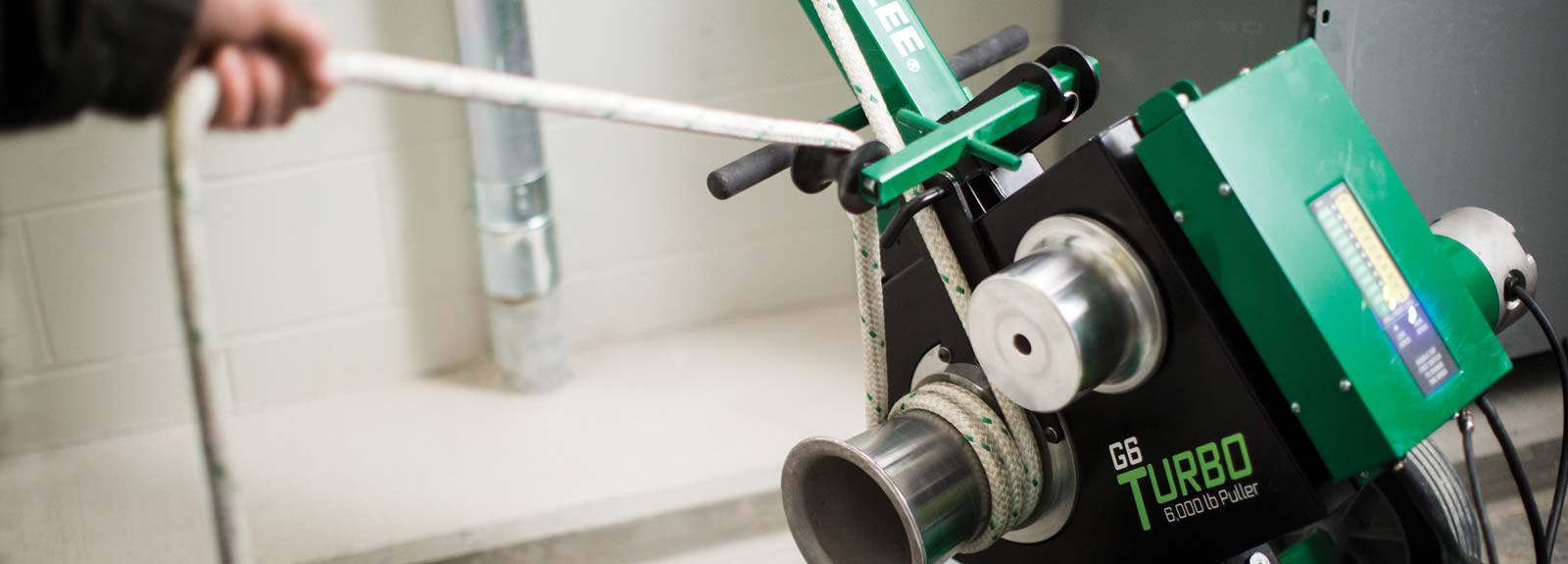
Cable Pulling Equipment | Greenlee
Greenlee
In 1996, Klauke the leading manufacturer of cable cutting and crimping tools expanded its electrical product portfolio with the acquisition of the Greenlee brand – with the focus on punching tools and cable management, Greenlee supports the safe and reliable installation of electrical cables and equipment to provide power distribution at LV MV HV networks.
Speedy Spinner | Cable Pulling Device
Easy Rollers | Cable Drum Rollers
Polyester Butler & Smart Bulter | Fibreglass Cable Pulling System
Fish Tapes | Conduit Rod Tapes
Cable Installation Lubricant | Electrical Cable Lubrication
Contact Thorne & Derrick for competitive prices, stock availability and technical customer support on the complete range of Greenlee products for Pulling & Laying cables.
Thorne & Derrick distribute the most extensive range of Low & High Voltage Cable Installation & Electrical Distribution Equipment to the Power Transmission & Distribution industry in the onshore and offshore wind, solar, rail, oil/gas, data centre, battery storage and utility sectors – this includes the most extensive range of Cable Pulling & Cable Laying Equipment to enable the installation of low, medium and high voltage power cables into underground trench or duct.
We service UK and international clients working on underground cables, overhead lines, substations and electrical construction at LV, 11kV/33kV and up to EHV transmission and distribution voltages.
Key Products: MV-HV Cable Joints & Terminations, Cable Cleats, Duct Seals, Cable Transits, Underground Cable Protection, Copper Earth Tapes, Cable Jointing Tools, Feeder Pillars, Cable Ducting, Earthing & Lightning Protection, Electrical Safety, Cable Glands, Arc Flash Protection & Fusegear.
Distributors for: 3M Electrical, ABB, Alroc, Band-It, Cembre, Centriforce, CMP, Elastimold, Ellis Patents, Emtelle, Furse, Greenlee, Lucy Zodion, Nexans Euromold, Pfisterer, Polypipe, ProGARM, Prysmian, and Roxtec.
Specialist Distributors | LV MV HV Jointing, Earthing, Substation & Electrical Eqpt
NEW Arc Flash Coveralls | ProGARM 3100 Treated Coverall
December 13th, 2021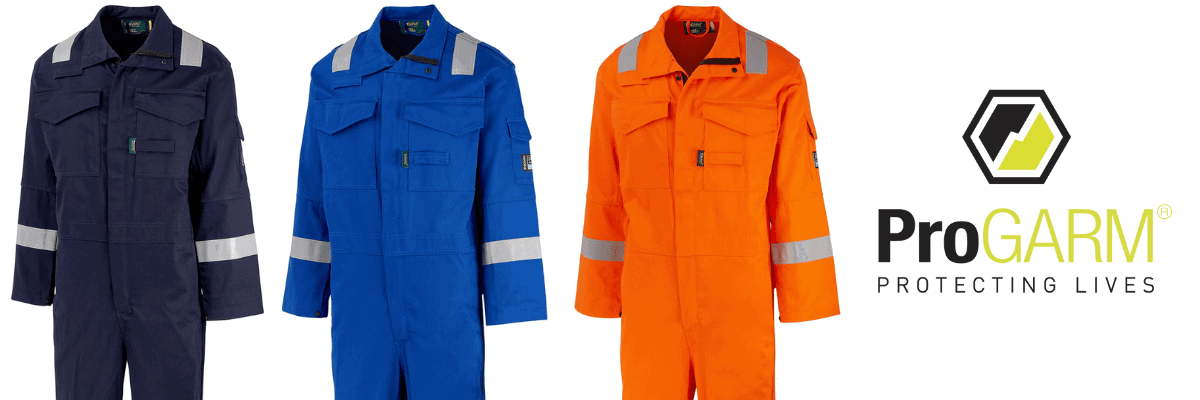
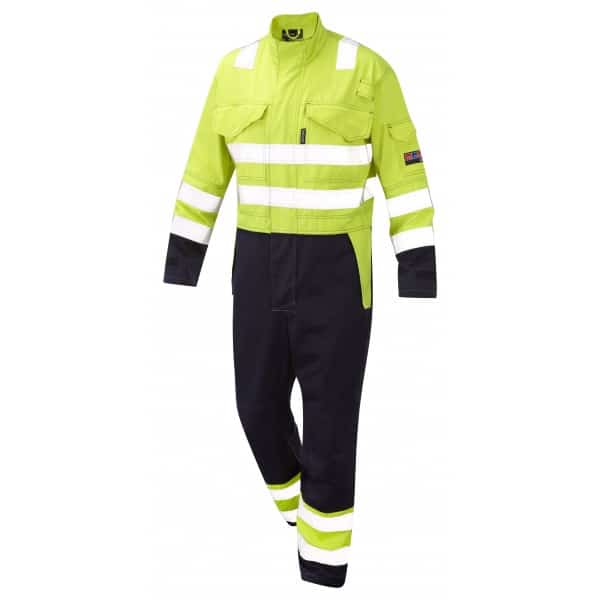
ProGARM 3100 Treated Coverall
The ProGARM range of protective garments deliver ultimate Arc Flash clothing and protection, conforming with the relevant industry and EN standards ensuring protection from Arc Flash incidents.
Introducing the new 3100 Flame Resistant treated coverall that is certified to last 2x longer than any other competitor product. In stock and ready to ship in Navy, Orange and Royal Blue – contact Thorne & Derrick for more information.
The ProGARM 3100 Arc Flash Coverall provides Category 2 Protection against arc flash with 13cal/cm2 according to IEC 61482-2:2020 ‘open arc’ test method.
With VXT+ 350gsm woven treated antistatic fabric, the coverall is suitable for use in the electrical, petrochemical and utilities industries.
The arc flash coverall also has antistatic properties and provides protection for heat, flame and welding. It has been designed with unrivalled comfort and fit and is certified to 100 x industrial wash cycles capable of up to 75°C, ensuring long lasting protection and product durability. The garment has various pockets for extra and secure storage.

ProGARM 3100 Treated Arc Flash Coverall
Arc Flash Coverall
Features & Benefits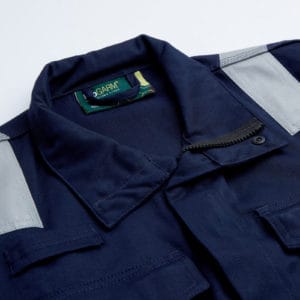
- Mandarin collar shape with hanger loop // Maximum neck protection
- Two way zip // Easier donning and doffing
- 2 chest pockets with zipper closure // Secure storage
- 1 radio loop on right chest and 1 radio loop attached on left chest // Extra storage
- 1 sleeve pocket with Velcro® closure // Extra storage
- Internal adjustable waist band // Increased comfort and mobility
- 2 side pockets with inner access opening // Extra storage
- 2 back pockets with flap and Velcro® closure // Extra storage
- Ruler Pocket // Extra storage
- Studs adjustable cuff hems // Increased comfort
- Gusseted crotch // Increased comfort and durability
- External kneepad pocket // Ease of use
- Action back // Wearer comfort
- 50mm double stitched reflective tape // Industrial wash capable up to 100 wash cycles
- Garment has been tested after 100x industrial wash cycles and passes 11612 both A1 and A2 // Increased durability
- Industrial wash capable up to 75°C // Washing flexibility
Arc Flash Learning & Resources

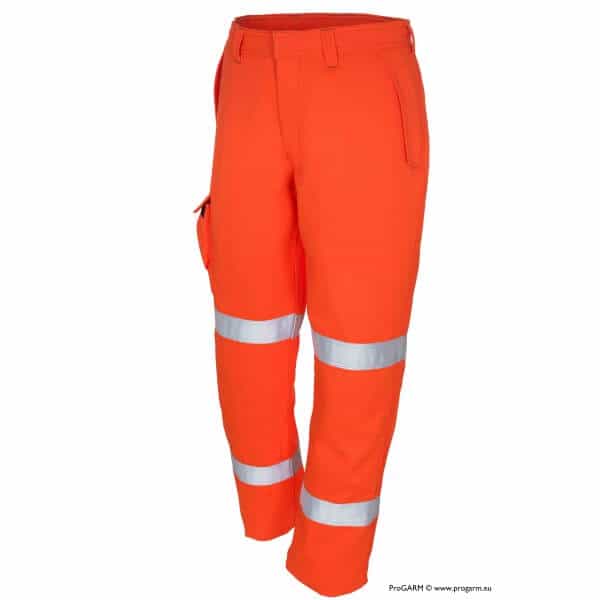
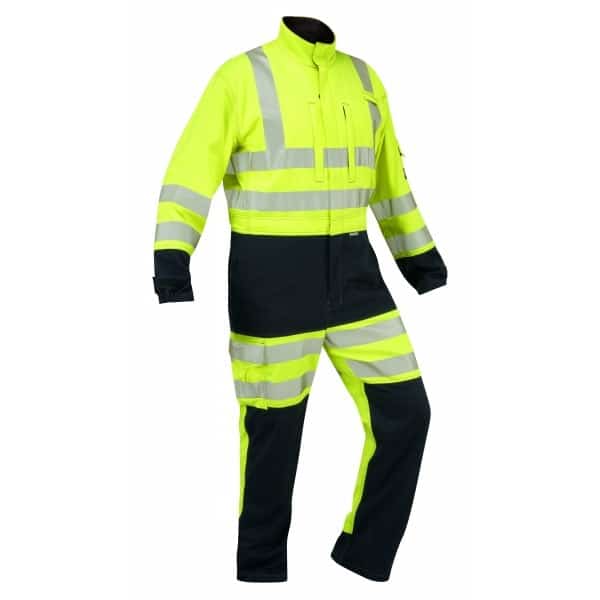
Thorne and Derrick are proud to be distributors of ProGARM arc flash coveralls and protection.
We can help – should you require arc flash calculators or advice on the type of clothing and protection available please do not hesitate to contact us.








Thorne & Derrick
Thorne & Derrick are national distributors of LV, MV & HV Cable Installation, Jointing, Substation & Electrical Equipment – servicing businesses involved in cabling, jointing, substation earthing, overhead line and electrical construction at LV, 11kV, 33kV, 66kV and EHV. Supplying a complete range of power cable accessories to support the installation and maintenance of low/medium and high voltage power systems:
- Slip-on Cable Terminations
- Cold-shrink Cable Terminations
- Heat-shrink Cable Terminations
- Cable Joints – Heat & Cold-shrink
- Separable Connectors (Euromold)
- Surge Arresters & Switchgear/Transformer Bushings
Key Product Categories: Duct Seals | Cable Cleats | Cable Glands | Electrical Safety | Arc Flash Protection | Cable Jointing Tools | Cable Pulling | Earthing | Feeder Pillars | Cable Joints LV | Joints & Terminations MV