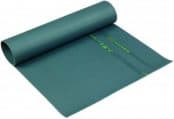
ASTM D178 Insulating Matting 7.5kV Type 1 Class 1 Electrical Mats

ASTM D178 Type I Class 1 Electrical Insulating Matting – 7.5kV
ASTM D178 Insulating Matting – 7.5kV Class 1
ASTM D178 insulating matting provides an insulating floor covering for electrical safety applications. It helps protect workers from specified electrical hazards when they follow appropriate safe working procedures.
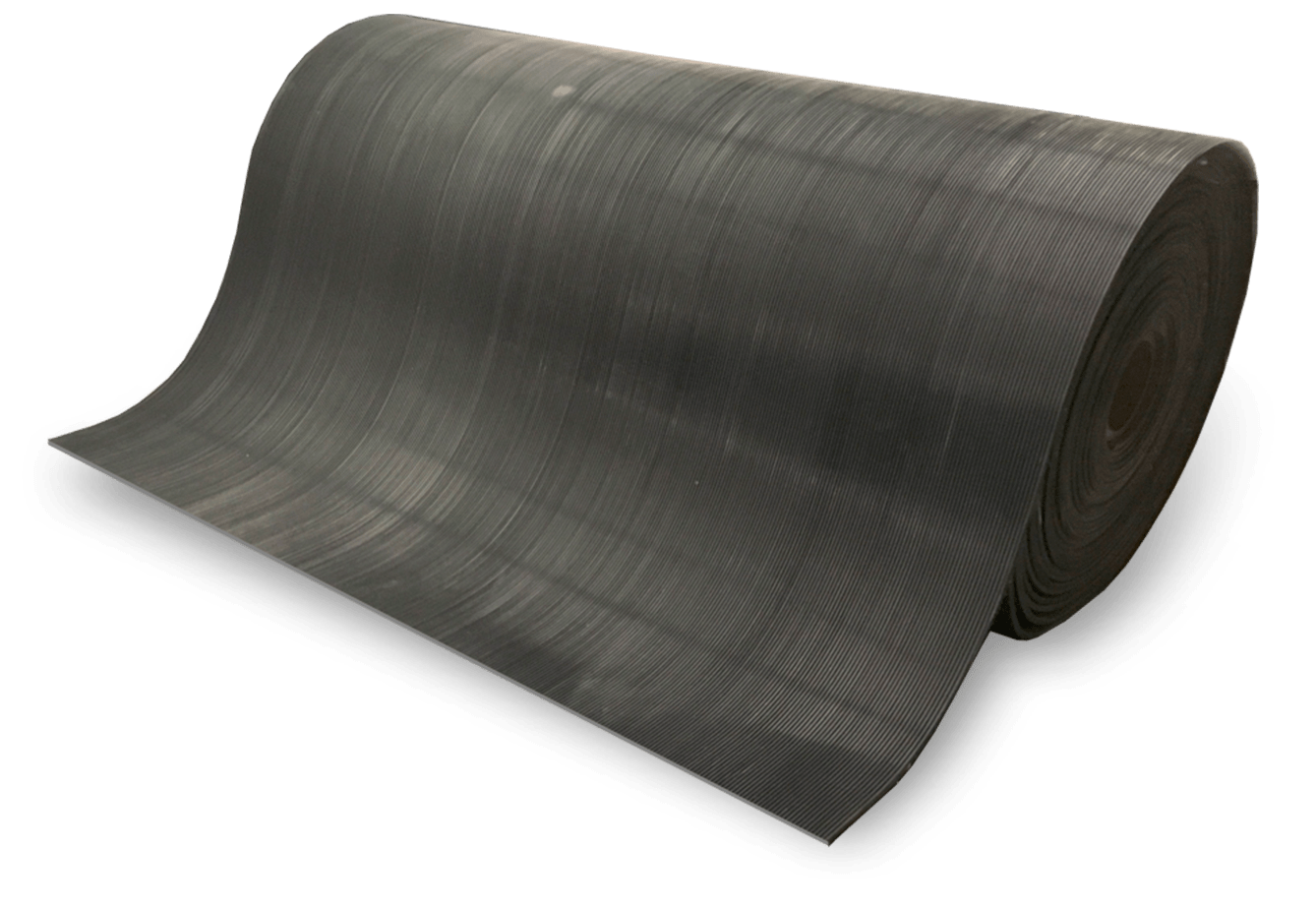
The SM552 is a fine-ribbed rubber insulating mat manufactured to the ASTM D178 Type I Class 1 specification.
According to the original product information, the matting has a 7.5kV maximum working voltage and undergoes electrical testing at higher voltages.
In addition, its ribbed surface helps provide grip underfoot. The reverse side features a cloth-impression finish.
Thorne & Derrick supply specialist electrical insulating matting for LV, MV and HV applications.
What Is ASTM D178 Class 1 Matting?
ASTM D178 covers rubber insulating matting used for electrical protection.
For example, electrical operators may place suitable matting in front of switchboards, electrical panels or other equipment.
However, the matting must match the applicable electrical safety requirements.
Furthermore, workers must use it alongside the necessary isolation, testing and safe working procedures.
SM552 Insulating Matting – Key Features
- Standard: ASTM D178 Type I Class 1.
- Product Reference: SM552.
- Maximum Working Voltage: 7.5kV, as stated in the original product specification.
- Dielectric Test Voltage: 20kV.
- Surface Proof Test Voltage: 10kV.
- Material: Natural rubber compound.
- Thickness: 4.5mm.
- Surface: Fine-ribbed anti-slip pattern.
- Reverse: Cloth-impression finish.
- Standard Colour: Black.
- Roll Widths: 0.91m and 1.2m.
In addition, the original range included several roll lengths and optional material variations.
SM552 Rubber Insulating Matting – Construction
The SM552 uses a solid rubber construction for electrical insulation applications.
Furthermore, the matting includes a fine-ribbed surface to help reduce slipping.
The reverse side has a cloth-impression pattern.
As a result, the product offers two different surface finishes within the same mat.
Fine-Ribbed Anti-Slip Surface
The raised rib pattern provides additional texture underfoot.
For example, it can help operators maintain grip while working near electrical equipment.
However, users should keep the surface clean and dry as required by the site safety procedures.
Natural Rubber Construction
The original SM552 specification identifies an NR natural rubber compound.
Natural rubber offers useful flexibility and insulating characteristics.
Nevertheless, the material must meet the relevant electrical and physical performance requirements.
Available Colours and Material Options
Black is the standard colour in the original specification.
However, the article also identifies other colours as available on request.
In addition, it mentions optional flame-retardant and low-emission material grades.
Customers should confirm the specification and availability of any non-standard version before ordering.
ASTM D178 Class 1 Matting – Roll Sizes
SM552 insulating matting is available in several standard roll dimensions.
The original range includes two widths and two lengths.
Furthermore, all listed versions use a nominal thickness of 4.5mm.
Standard SM552 Roll Dimensions
| Roll Length | Roll Width | Thickness |
|---|---|---|
| 10m | 0.91m | 4.5mm |
| 10m | 1.2m | 4.5mm |
| 22.86m | 0.91m | 4.5mm |
| 22.86m | 1.2m | 4.5mm |
In addition, the original product information identifies cut lengths as an option on request.
Therefore, customers should specify their required length and width when enquiring.
Thorne & Derrick – Electrical Insulating Matting for UK and Export Applications
SM552 ASTM D178 Insulating Matting – Technical Specifications
The following table contains the technical information supplied in the original SM552 article.
It covers electrical ratings, physical properties and operating temperatures.
SM552 Product and Electrical Specifications
| Product Reference | SM552 |
| Application | Electrical Safety, General Purpose, Health & Safety |
| Product Description | ASTM D178 Type I Class 1 Anti-Slip Electrical Insulating Matting |
| Thickness | 4.5mm |
| Colour | Black; other colours on request |
| Insert Required | No |
| Construction | Solid |
| Drainage Holes | No |
| Dielectric Test Voltage | 20kV |
| Surface Proof Test Voltage | 10kV |
| Working Voltage | 7.5kV |
| Weight | 5.20kg/m² |
SM552 Physical and Mechanical Properties
The rubber compound must provide suitable mechanical performance.
For example, tensile strength and elongation describe how the material responds to applied force.
In addition, abrasion resistance provides information about wear performance.
| Compound | NR |
| Hardness | 65 Shore A |
| Specific Gravity | 1.25 |
| Tensile Strength | 5MPa |
| Minimum Elongation | 300% |
| Abrasion Resistance | 180mm³ |
| Minimum Temperature | -20°C |
| Maximum Temperature | +70°C |
These figures reflect the original SM552 product specification.
However, customers should confirm current manufacturer documentation before selecting the matting for an electrical safety application.
What Is ASTM D178?
ASTM D178 is a specification for rubber insulating matting used as a floor covering for electrical protection.
The standard sets requirements for electrical performance and physical properties.
Furthermore, it classifies matting according to its electrical protection characteristics.
ASTM D178 Electrical Safety Requirements
The specification addresses several electrical tests and performance requirements.
For example, these include:
- Maximum permitted use voltage.
- AC and DC proof-test requirements.
- Dielectric breakdown testing.
- Electrode arrangements and clearances.
In addition, the standard addresses material characteristics and mechanical performance.
For further information, consult the ASTM D178 specification.
ASTM D178 Physical Properties
Rubber insulating matting must also satisfy relevant physical requirements.
These can include tensile strength, elongation and resistance to ageing.
Furthermore, certain types include additional requirements for oil, ozone or flame resistance.
Therefore, electrical classification is not the only consideration when choosing insulating matting.
ASTM D178 Type I vs Type II Insulating Matting
The original article describes two material types under ASTM D178.
These types differ according to the required chemical and physical characteristics.
ASTM D178 Type I
Type I insulating matting uses a suitably vulcanised elastomeric material.
The SM552 product is identified as Type I Class 1.
Therefore, its specification relates to the electrical requirements of Class 1 matting and the applicable Type I material properties.
ASTM D178 Type II
Type II matting has additional specified material characteristics.
According to the original article, these may include:
- Ozone resistance.
- Flame resistance.
- Oil resistance.
However, customers must check the exact Type II specification to determine which properties apply.
ASTM D178 Insulating Matting Classes Explained
ASTM D178 identifies five electrical classes, from Class 0 to Class 4.
Each class has different electrical protection requirements.
For example, Class 1 matting has a lower maximum use voltage than Classes 2, 3 and 4.
Therefore, installers must select a class that meets the relevant electrical safety requirements.
ASTM D178 Class 1–4 Voltage Comparison
The following figures reproduce the Class 1–4 values in the original article.
| Matting Class | Dielectric Test Voltage | Surface Test Voltage | Maximum Working Voltage |
|---|---|---|---|
| Class 1 | 20kV | 10kV | 7.5kV |
| Class 2 | 30kV | 20kV | 17.5kV |
| Class 3 | 40kV | 20kV | 26kV |
| Class 4 | 50kV | 40kV | 36kV |
Important: These are the values published in the original article. Verify the current ASTM D178 edition, test method and applicable voltage classification before using this table for safety-critical specification.
ASTM D178 Class 1 – 7.5kV
Class 1 insulating matting has a maximum working voltage of 7.5kV in the original specification.
The article also identifies a 20kV dielectric test voltage and a 10kV surface test voltage.
For example, SM552 provides a Class 1 option for suitable electrical safety applications.
ASTM D178 Class 2 – 17.5kV
Class 2 matting has a stated maximum working voltage of 17.5kV.
In addition, the original article lists a 30kV dielectric test voltage.
Explore ASTM D178 Class 2 Insulating Matting.
ASTM D178 Class 3 – 26kV
Class 3 matting has a stated maximum working voltage of 26kV.
Furthermore, the original specification identifies a 40kV dielectric test voltage.
Explore ASTM D178 Class 3 Insulating Matting.
ASTM D178 Class 4 – 36kV
Class 4 matting has the highest maximum working voltage among the classes listed in this article.
The original information states a maximum working voltage of 36kV.
In addition, it lists a 50kV dielectric test voltage.
Explore ASTM D178 Class 4 Insulating Matting.
ASTM D178 vs IEC 61111 Insulating Matting
Electrical insulating matting is available under different standards.
For example, ASTM D178 covers insulating rubber matting for specified electrical applications.
Meanwhile, IEC 61111 addresses electrical insulating matting under a different classification system.
Therefore, customers should not assume that the voltage ratings and classifications are interchangeable.
Choosing the Correct Insulating Matting Standard
The applicable standard depends on the project requirements and operating environment.
For example, an electrical utility may specify a particular insulating matting class.
In addition, the purchaser may need to consider material properties, thickness and inspection procedures.
Thorne & Derrick supply IEC 61111 Class 1 insulating matting alongside ASTM D178 products.
Furthermore, our wider range includes 11kV switchboard matting and other electrical safety matting options.
Where Is Electrical Insulating Matting Used?
Rubber insulating matting supports electrical safety arrangements across a wide range of installations.
For example, operators may use suitable matting near switchboards and electrical control equipment.
However, the correct installation depends on the specified electrical hazards and protective measures.
Switchboards and Electrical Panels
Electrical switchboards contain switching and protective equipment.
In some installations, insulating matting forms part of the designated operator protection arrangements.
Furthermore, anti-slip surface patterns can provide a more secure standing surface.
Substations and Power Distribution Equipment
Substations operate at different voltage levels.
Therefore, the selected insulating matting must suit the relevant electrical safety specification.
In addition, workers must follow the site’s approved isolation and access procedures.
Industrial Electrical Installations
Industrial facilities often contain electrical distribution and control systems.
For example, maintenance personnel may work near switchboards and control panels.
Consequently, suitable insulating matting may support the wider electrical safety arrangements.
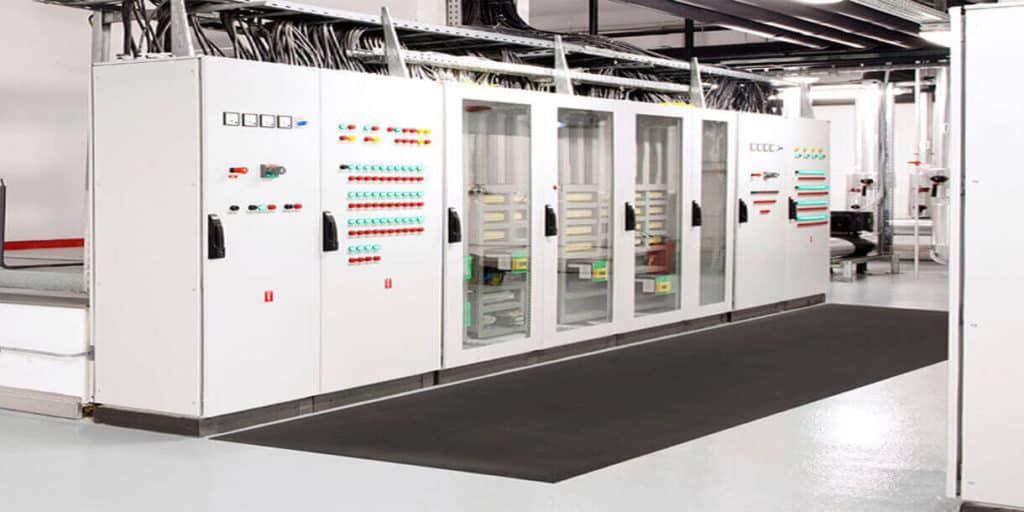
Electrical Insulating Matting – Safety Equipment for LV, MV and HV Installations
How to Select Electrical Insulating Matting
Selecting insulating matting requires several important checks.
First, identify the relevant electrical safety standard and matting classification.
Next, confirm the operating voltage and any other applicable electrical requirements.
In addition, consider the installation environment and required dimensions.
Electrical Insulating Matting Selection Checklist
- Standard: Confirm ASTM D178, IEC 61111 or the project-specified standard.
- Electrical Class: Select the required insulation classification.
- Working Voltage: Confirm the permitted maximum use voltage.
- Test Requirements: Review the applicable electrical testing provisions.
- Thickness: Check the required matting dimensions.
- Surface: Select an appropriate texture and grip pattern.
- Material: Consider natural rubber or other approved compounds.
- Environment: Assess temperature, moisture and chemical exposure.
- Roll Size: Specify the required length and width.
- Inspection: Follow the relevant condition checks and replacement criteria.
Furthermore, insulating matting must remain suitable throughout its service life.
Therefore, users should inspect the material and follow the applicable maintenance requirements.
Related Electrical Safety Equipment
Electrical insulating matting is one part of a wider electrical safety arrangement.
For example, electrical contractors may also require insulated gloves, dielectric footwear and voltage detection equipment.
In addition, some tasks require arc flash protection and portable earthing equipment.
Insulating Gloves and Dielectric Boots
Thorne & Derrick supply electrical insulating gloves for suitable electrical applications.
Furthermore, our range includes dielectric safety boots.
However, users must select each item according to its own electrical rating and approved application.
CATU Electrical Safety Equipment
Thorne & Derrick also distribute specialist CATU electrical safety equipment.
For example, the range includes products for electrical testing, protection and maintenance.
In addition, suitable equipment supports utility engineers and electrical contractors working on LV, MV and HV networks.

CATU Arc Flash Clothing for Electrical Utility and Maintenance Applications
Voltage Detectors and Portable Earthing
Electrical maintenance may require specialist testing and safety equipment.
For example, technicians use suitable voltage detectors when following approved procedures to verify the absence of voltage.
Furthermore, portable earthing equipment can form part of specified electrical safety arrangements.

Thorne & Derrick – Electrical Insulating Matting
Thorne & Derrick supply specialist insulating matting for electrical safety applications.
Our range includes products for LV, MV and HV electrical infrastructure.
In addition, we offer other electrical safety equipment for utility and industrial customers.
Enquire About SM552 ASTM D178 Class 1 Matting
Need ASTM D178 Type I Class 1 SM552 insulating matting?
Our technical sales team can assist with product specifications, dimensions and availability enquiries.
For example, customers can specify the required roll length, width and electrical classification.
Furthermore, we can discuss suitable alternatives where the project specifies a different insulating matting standard.
VIEW ELECTRICAL INSULATING MATTING
VIEW ELECTRICAL SAFETY EQUIPMENT
 ASTM D178 Insulating Matting 7.5kV Type 1 Class 1 Electrical MatsDownload