Blog
Convex Cable Hangers | Supporting Rail Cables & Tunnel Wall Applications
March 8th, 2021
Convex Cable Hangers
Thorne & Derrick distribute a range of Cable Hangers, including convex cable hangers from Ellis, for low, medium and high voltage electrical systems; typically distributing LV 6.6kV-11kV-33kV electrical power.
Our cable hangers and accessories range include:
- Cable Hangers – Galvanised Steel Cable Hanging Systems (LV MV HV Cable)
- Cable Hangers – Non Metallic Cable Hanging Systems (LV MV HV Cable)
- Cable Hooks – LV MV HV Cable Suspension Hooks
Cable hangers support single or multiple cables – hangers are available in both galvanised steel and nylon and are used to support horizontal cable routes to building and tunnel structures. A complete range of steel cable hooks are also available compliant with 18th Edition of the IET Wiring Regulations (BS7671) is effective as of January 1, 2019.
CABLE hangers IN THE RAIL INDUSTRY
Convex Cable Hangers | Supporting Rail Cables & Tunnel Wall Applications
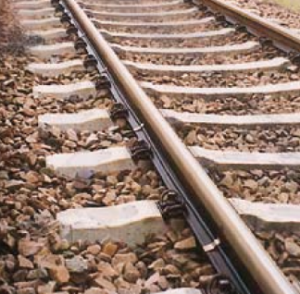
Investment in the rail sector has grown rapidly over the last decade and much greater funding is expected going forward. Both UK and worldwide, there is a growing ambition for more modern, reliable and sustainable mass transit systems.
Ellis has the most extensive range of cable cleat designs and accessories on the market which are suitable for all applications within the rail industry. Overground and underground rail sectors use an extensive range of cable types including telecoms, alarm and control cables, signalling and data, and a range of power delivery and electrification cables. Many rail cables are installed using cable hangers. Ellis has improved the design of the basic galvanised steel hanger with reduced weight, radiused corners (to reduce damage to cables during installation) and a convex hanger profile for cable sagging.
Cable hangers are curved to fit the profile of a tunnel to assist with tunnel wall applications.
These reduce the level of supporting steel structures necessary as the hangers can attach directly to the tunnel profile. Where the kinematic envelope of trains is tight and space is restricted, these profiled hangers provide an effective solution.
NEW convex cable hangers | ellis Patents
Ellis has now enhanced a cable hanger product that has been one of its best-sellers for over 20-years. The technical team have taken the company’s cable hangers, which are used primarily in the rail industry and made them stronger and, remarkably cheaper.
Stephen Walton, Ellis’ Technical Director, said: “We’ve been successfully manufacturing and selling our cable hangers for two decades, and it’s fair to say that the design is tried, tested and completely trusted by all those who use it.”
Ellis achieved this by looking at every aspect of the product and looking at ways to improve on it. The first key development is that there are two different versions of the new Ellis cable hanger – a standard Mk2 cable hanger, and a convex hanger; the latter designed specifically for use in tunnels, where the mounting surface is often curved.
Benefits of the new Mk2 cable hangers include:
- Rounded corners that reduce snagging points
- Spin galvanized (55µm or 150µm thickness) to protect against erosion
- Only 6mm thick, leading to reduced product and shipping costs
- Wide range of sizes available
- Suitable for cables up to 100mm diameter
- Custom designs available
- Rolled designs for tunnels available
Meanwhile, the convex cable hanger has all the benefits of Mk2, plus:
- The removal of all sharp edges presented to the cable by traditional hangers
- Through innovative design, it’s the same strength as Mk2, but only 5mm thick
Convex Cable hanger
Technical Information
Material: Galvanised Mild Steel
Application: Hang cables on walls and support structures
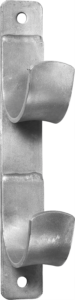
The NEW convex cable hanger are manufactured in Galvanised Mild Steel and have a curved back plate to suit tunnel wall applications. The convex profile of this hanger reduces the risk of cable damage and facilitates cable sag. The main use of these hangers is to hang cables on walls and support structures in the rail industry.
*Special designs available on request – e.g. Girder Hanging, 90° Twist, side by side cables.
*sample available on request
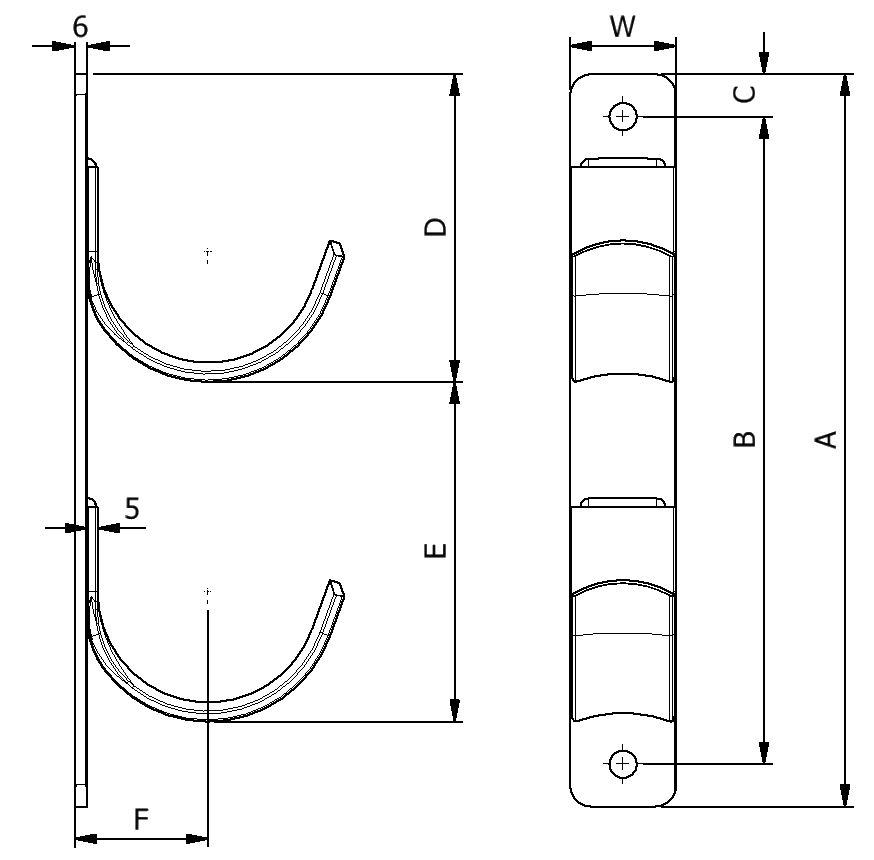
Convex Cable Hanger – Dimensions

RAIL CABLE ACCESSORIES, ELECTRIFICATION
& INSTALLATION EQUIPMENT
Thorne & Derrick supply an extensive range of 400V-33kV Rail Cable Accessories & Power Distribution Sytems including feeder pillars to contractors undertaking Low Voltage Power Distribution, HV Electrification & Substations, DC Traction & Networks, OLE and Track Feeder Cable Renewals – a complete range of Network Rail PADS approved track terminations, cable joints, cable repair and connection products up to 25kV, including 3M Cold Shrink, Pfisterer CONNEX and Nexans Euromold products.
Full range of Cable Pulling Equipment & Products to ensure safe and efficient of rail cables in to cable ducts and containment infrastructure including cable troughs.

Cable Cleats | Cable Hangers | Cable Joints | Cable Glands | Cable Lugs | Cable Transits | Arc Flash Clothing
Denso Bore-Wrap | Prevent Coating Damage During Pipeline Installations
March 8th, 2021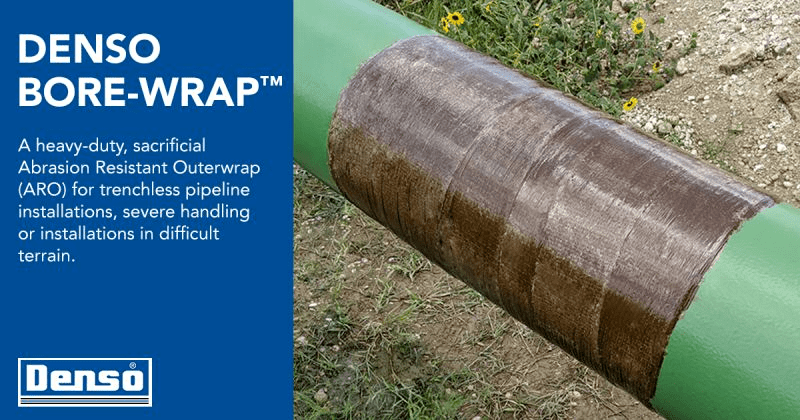
Denso Bore-Wrap – A heavy-duty, sacrificial Abrasion Resistant Outerwrap (ARO) for trenchless pipeline installations, severe handling of installations in difficult terrain.
Denso bore-Wrap
We are excited to announce the launch of the latest innovation from Denso.
The Denso Bore-Wrap is an Abrasion Resistant Outerwrap (ARO) which has outstanding performance against impact, gouge, abrasion, and fracture.
Bore-Wrap creates a superior sacrificial outer laminate layer, which protects both pre-approved field joint coatings and mainline coatings. These coating include liquid epoxy coating, heat shrink sleeves, 3LPE, 3LPP and FBE coatings; which are protected from damage during pipeline installations with Bore-Wrap, in difficult terrain or by means of trenchless installation methods, such as directional drilling, HDD or boring.
Denso Bore-Wrap is easily applied in the field.
With no mixing required, it is simply wrapped over the existing pipeline coating and cured with water. Due to its flexibility and exceptional level of mechanical protection, Bore-Wrap minimises the need for costly spot repairs or re-pulling pipe from damage.
Bore-Wrap Features & Benefits

- Prevents coating damage during trenchless pipeline installations, severe handling or difficult terrain
- Outstanding impact, gouge, abrasion and fracture resistance
- Minimises the need for spot repairs or re-pulling pipe from damage
- Easy to apply with no mixing and a rapid cure time
- Resistant to water, acid, salts, or soil organics
- Excellent flexibility, hardness and adhesion
- VOC free
ABOUT DENSO
Denso North America Inc. is a subsidiary of Winn & Coales International, a leading manufacturer of anti-corrosion coatings that include Protal liquid epoxies, Denso petrolatum tapes, mastics (Densoseal 16a), primers, bitumen tapes, butyl tapes, hot applied tapes, and a full line of marine pile protection systems. Winn & Coales was originally established as a business in London, England, in 1883, and the first petrolatum tape manufactured in the UK was Denso tape, manufactured under license by Winn & Coales (Denso) Limited.
Denso tape was developed over 80 years ago for the “Long Life Protection” of buried steel pipelines against corrosion. The Denso SeaShield Marine Systems include fiberglass forms, epoxy grouts, underwater epoxies, injectable epoxies, petrolatum tape and wrap systems.

Densoseal 16A – Self-supporting & Non-setting Mastic for Sealing Cable Entries & Ducts
LV, MV & HV Jointing, Earthing, Substation & Electrical Eqpt
Thorne & Derrick International are specialist distributors of LV, MV & HV Cable Installation, Jointing, Duct Sealing, Substation & Electrical Equipment – servicing UK and global businesses involved in cable installations, cable jointing, substation, overhead line and electrical construction at LV, 11kV, 33kV and EHV.

THORNE & DERRICK Product Categories: Duct Seals | Cable Cleats | Cable Glands | Electrical Safety | Arc Flash Protection | Cable Jointing Tools | Cable Pulling | Earthing | Feeder Pillars | Cable Joints LV | Joints & Terminations MV HV
Would You Trust A Voltage Indicator With Your Life & Your Business? | Safe Electrical Isolation 2 of 2
March 8th, 2021
Safe Electrical Isolation Using A Voltage Indicator
Electrical Safety
Guest Article by Paul Wilson from Martindale Electric
UKs Leading Manufacturer of Safe Isolation & Voltage Detection
Promoting Electrical Safety

Importance of Safe Electrical Isolation
Safe isolation procedures are in place to ensure that workers on site are not exposed to danger when working on or near live electrical systems and equipment. Both the standards for the equipment and the potential penalties for non-compliance have changed in recent years. With around 1,000 serious accidents in the workplace each year and 16% of all fatalities linked to electricity, it’s clear to see how following simple safe isolation procedures and using the correct electrical test and isolation equipment can keep your team safe and avoid heavy penalties.
If you are already using voltage indicators as part of your electrical safety processes, then you are creating strong foundations for a robust and safe isolation procedure, but it does not end there.
With electricity cited as the root cause of about 1000 accidents at work each year, along with increasing financial penalties and custodial sentences extending to employees as well as Directors, as per section 37 of the Health and Safety at Work Etc Act, developing safe isolation processes to guarantee a more rigorous electrical infrastructure that safeguards people and assets has never been more vital.
The best voltage indicators (VI) for safe isolation are fully compliant with the current standards and have been engineered with safety in mind, eliminating batteries and switches that could lead to false indications. Whilst VI’s are designed with inherent reliability, it is still vital to verify the performance of the voltage indicator itself.
If you are relying on the voltage indicator to prove dead, how are you verifying the voltage indicator?
The importance of confirming that the test instrument is working correctly is as important as confirming that an appliance or piece of equipment being tested is dead – and that there is no possibility of it becoming live while you are working.
The criticality of this cannot be overemphasised. VIs should be proved using a known source or preferably a proving unit – both before and after testing the circuit.
GS38 compliant VI13800 and VI15000 voltage indicators from Martindale Electric have been designed to work without the need for a battery; but if you are currently relying solely on a battery-operated device to provide a positive indication and that battery is flat, then you may not be able to prove that a circuit is dead. Equally, you may not hear the buzzer alert due to background noise. A lack of positive indication does not always prove absence, which is why the cross-check with a proving device could quite literally be a lifesaver.
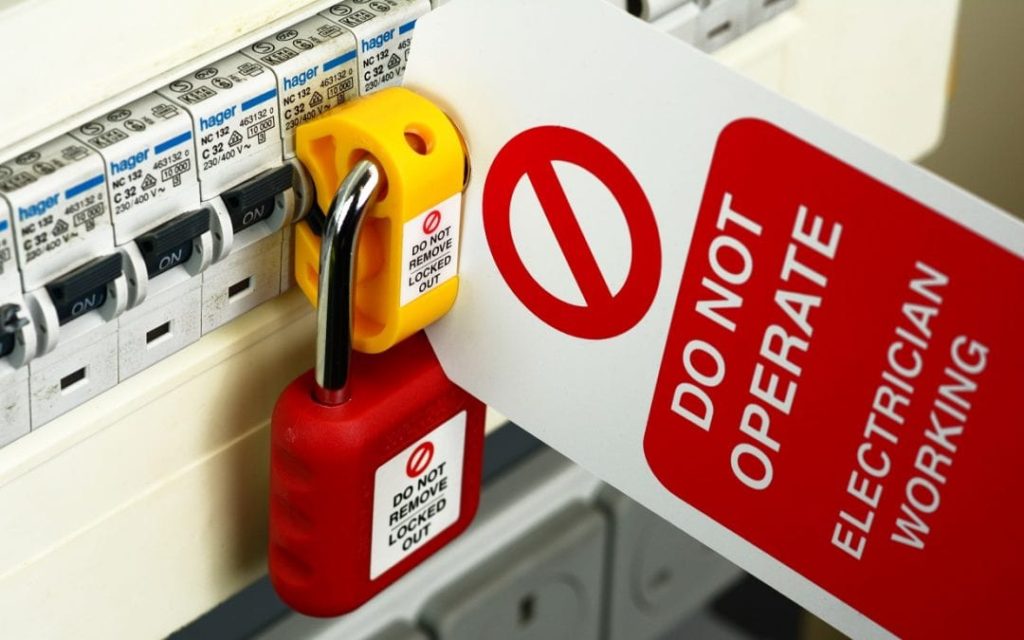
Safe Electrical Isolation | Ensuring Compliance Around Electrical Safety
How can you be sure of safe isolation and proving dead?
To prove dead, it is vital to test the voltage indicator against a known source – such as a proving unit – then test the circuit, then test the VI against the known source once again to prove that the tester is functioning properly. The proving unit will verify the performance of the voltage indicator.
It is recommended to use a dedicated proving unit matched to the VI in order to fully test that all LEDs on all ranges of the VI are working – safeguarding against incorrect readings due to a faulty LED, for example. A proving unit is safer than the mains and provides a live source wherever you are working – with no need to leave the working area.
Furthermore, it is important not to over-prove: a three-phase VI should be proved at 440V whereas a common 2 pole indicator with a 690V range should be proved at 690V.
By incorporating a proving device into an electrical safety process, that process becomes inherently more robust and reliable. Although a relatively simple addition to the process, when working with or near electrical systems and equipment a proving device can significantly reduce the risk of electrical injury to you and others around you.
There have, tragically, been many instances of injury and loss of life where personnel were working on circuits that were believed to be dead when they were not or had been inadvertently re-energised. As an industry, we have a responsibility to educate as broadly as possible. It is entirely possible to minimise these risks and develop safer working practices through relatively simple changes and the introduction of safe isolation procedures.
As a result, we invest in ongoing development work to make it easier than ever to keep yourself safe. Our proving devices are available as individual units to supplement existing devices but we have also created a package, together with voltage testers and lamps, which we hope will encourage the routine testing of indicators every time they are used. We want to help the industry create new – safer – habits when it comes to electrical safe isolation, whilst always ensuring compliance.
➡ First Blog Of Series – Proving Dead To Keep You Safe | Safe Electrical Isolation 1 of 2
Safe Isolation Procedure
This chart is published with the kind permission of the JIB and shows the safe isolation procedure that you should use when working on electrical systems and equipment.


LV MV HV Jointing, Earthing, Substation & Electrical Eqpt
The UK’s Leading Electrical Safety Equipment Distributors
Thorne & Derrick provide competitive prices and fast delivery from UK stock for the complete range of Electrical Test Equipment, Voltage Detection & Safe Electrical Isolation manufactured by Martindale Electric.
T&D are the UK’s largest stockis of CATU Electrical Safety Equipment of products for underground, overhead line and substation safety at LV, MV and HV cable networks.
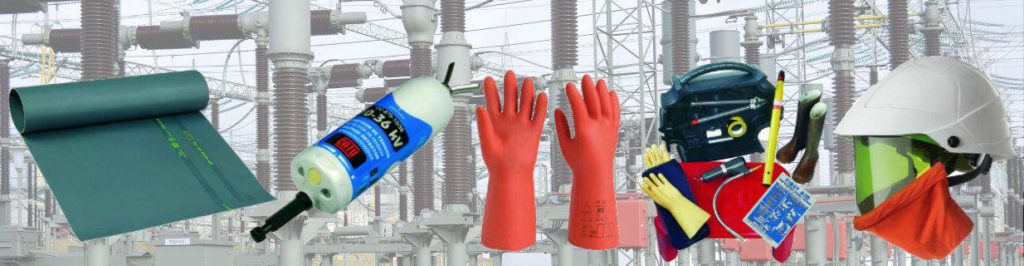
Insulating Gloves | Insulating Matting | Voltage Detectors | Arc Flash Clothing | Substation Safety | Portable Earthing LV MV HV
Water Treeing in High Voltage Cables | A 230kV HPPT Termination Repair
March 2nd, 2021
This series of excellent photographs taken from site have been kindly provided by: Douglas Page | Instructor & Cable Splicer at Hydro One Training and Development Services
As Ontario’s largest transmission and distribution electricity provider, Hydro One is committed to providing homes and businesses across the Canadian province with safe, affordable and reliable electricity.
Water Treeing
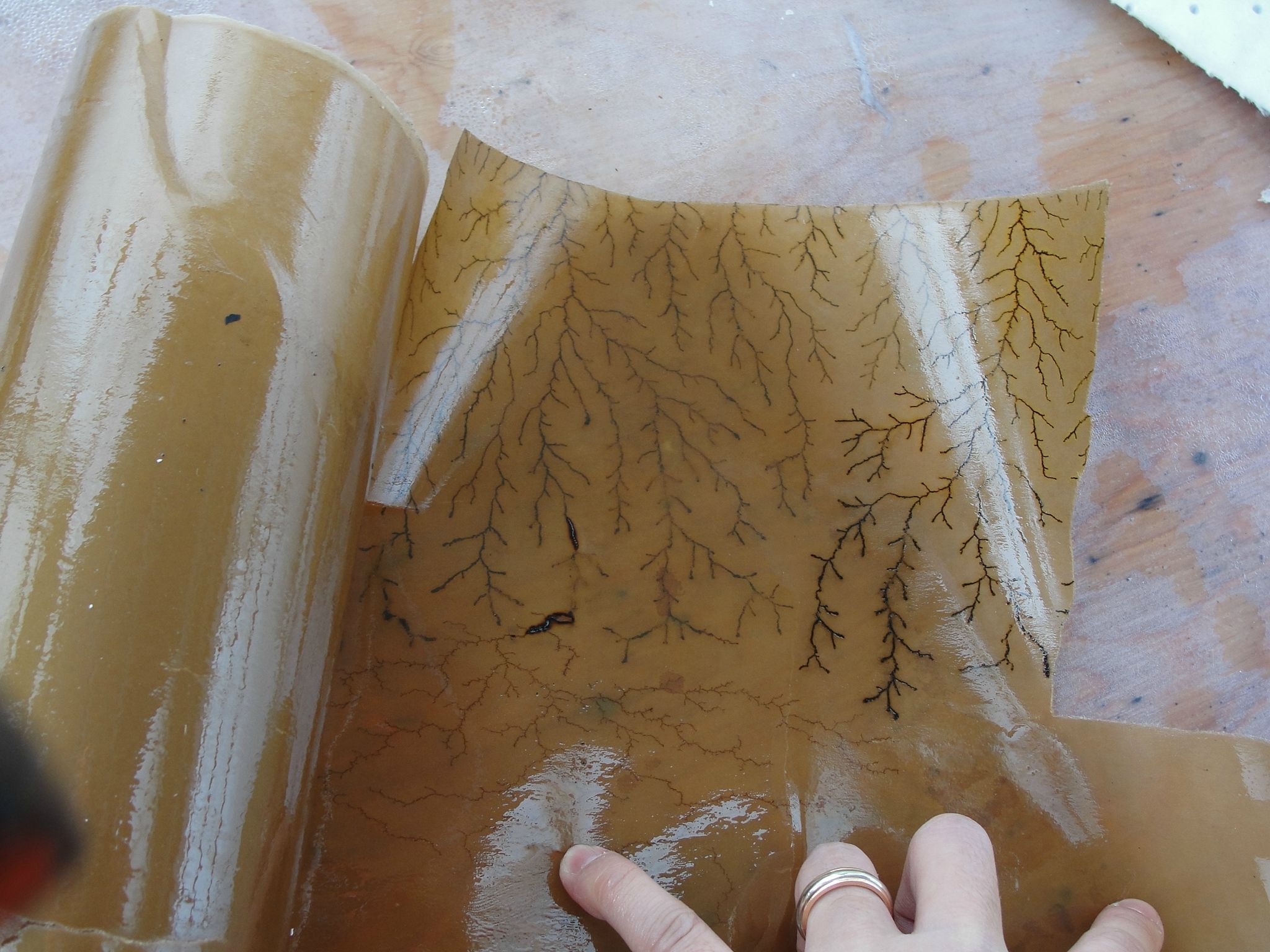
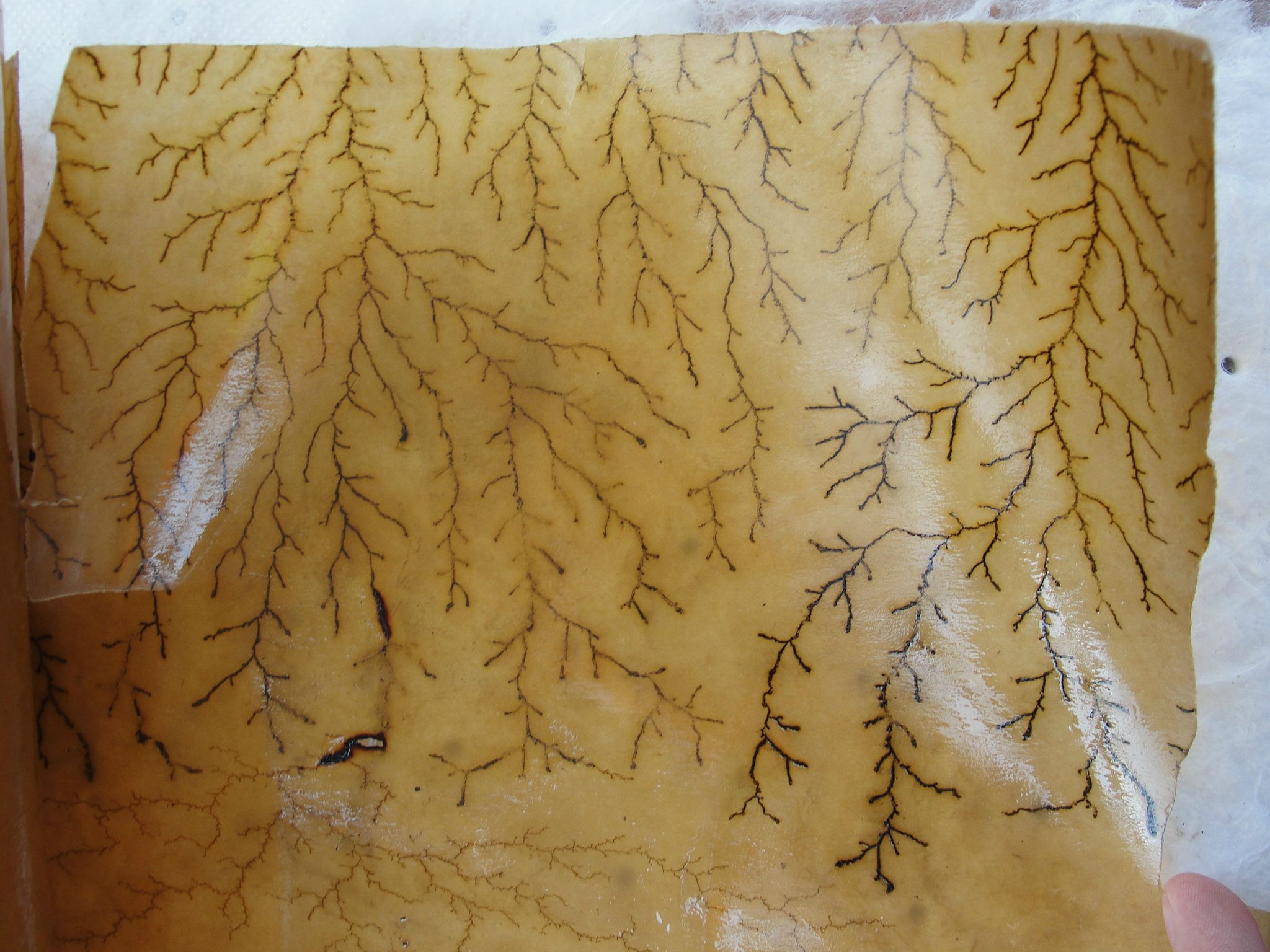
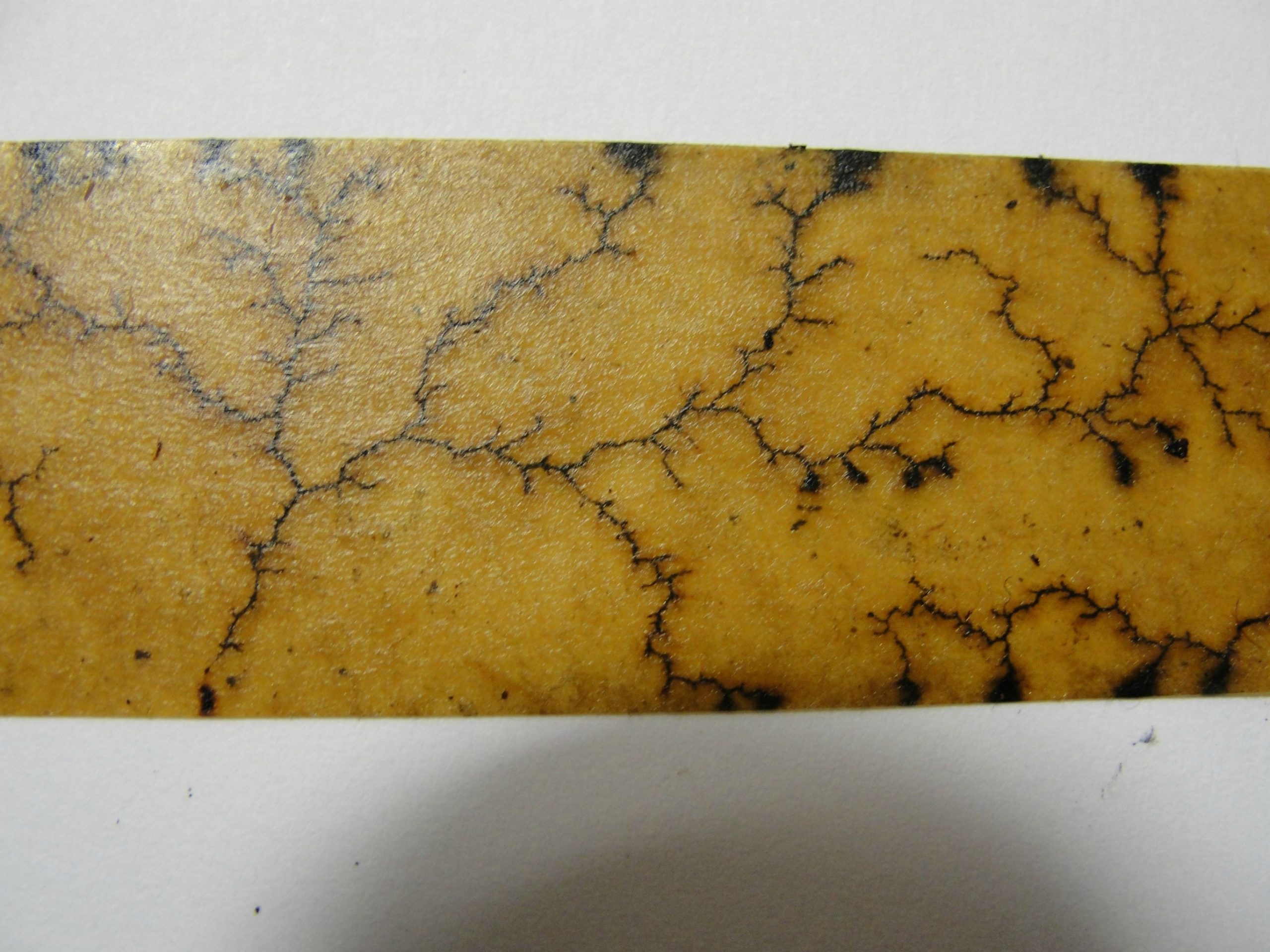
Water treeing is one of the major causes of premature failure of medium, high and extra high voltage power cables. Water-trees increase cable insulation losses and in some cases can initiate electrical trees that lead to breakdown. High voltage cables are exposed to water and moisture in general condition. Water action on cable insulation systems causes changes in their properties and creates such water-trees.
The electrical degradation process of ‘treeing’ in cable polymers occurs in the presence of electrical stress and moisture. This is acknowledged as a serious cause of non-mechanical insulation degradation and cable failures.
The water tree issue is considered by most people as solved and indeed due to improvements in the design, the manufacturing process and the insulation compound the growth of water trees in new cables has been drastically reduced.
Water tree retardant cross-linked polyethylene power cables (TR-XLPE) have extended medium voltage primary distribution cable reliability and lifetime.
Longer-life TR-XLPE cables have been successfully installed by North American utilities for over 25 years using advanced performance XLPE insulations on ‘wet’ designs for underground distribution systems.
Water-treeing and the expected remaining lifetime of aged cables on high voltage power networks provides serious challenges and requires a high-skilled response by HV cable splicers – asset managers often have to maintain and service kilometres of first generation cable requiring traditional cable jointing and repair skills that are often no longer taught in today’s modern utility jointing schools.
Accelerated aged tests conducted on new cables in laboratory conditions by CIRED have concluded, ” bow-tie trees seem to represent an image of contaminants present in the insulation and vented trees seem to be related to the impurity content of the semi-conductive layer.”
Further reading: New Test Results With 3kHz Accelerated Growth Of Water Trees In Medium Voltage Power Cables (2011).
Water-Treeing
Images Courtesy: Douglas Page
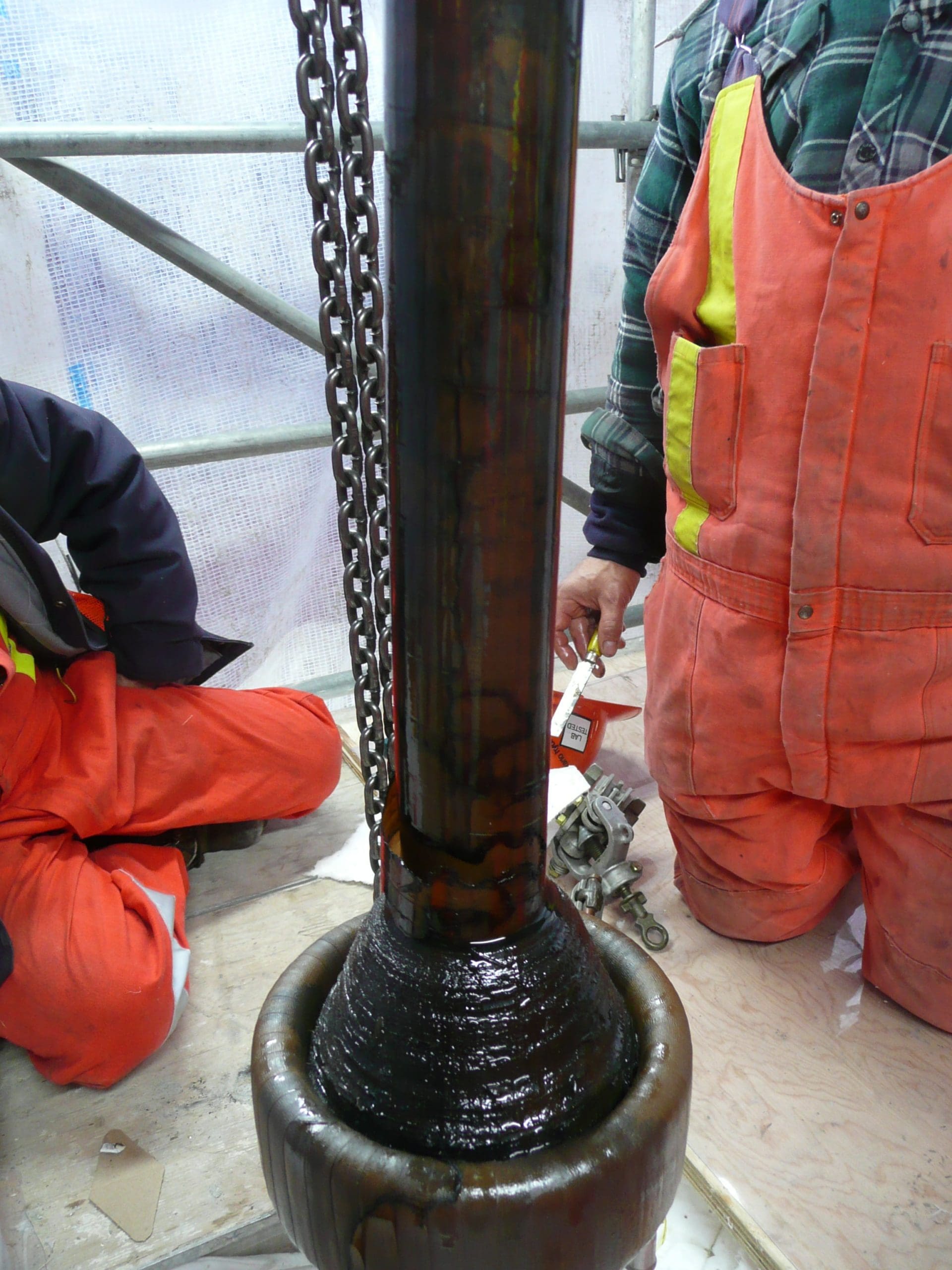
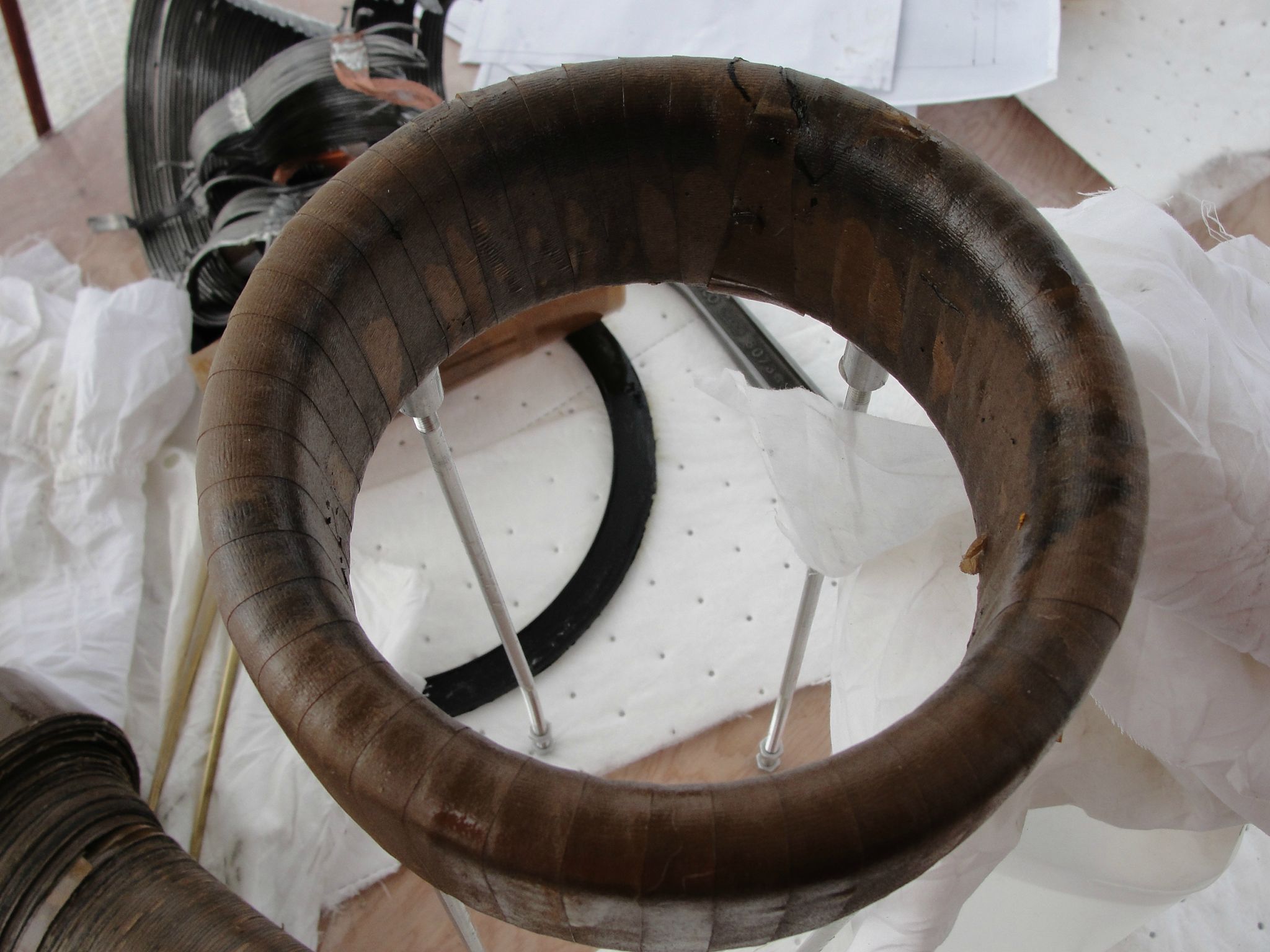
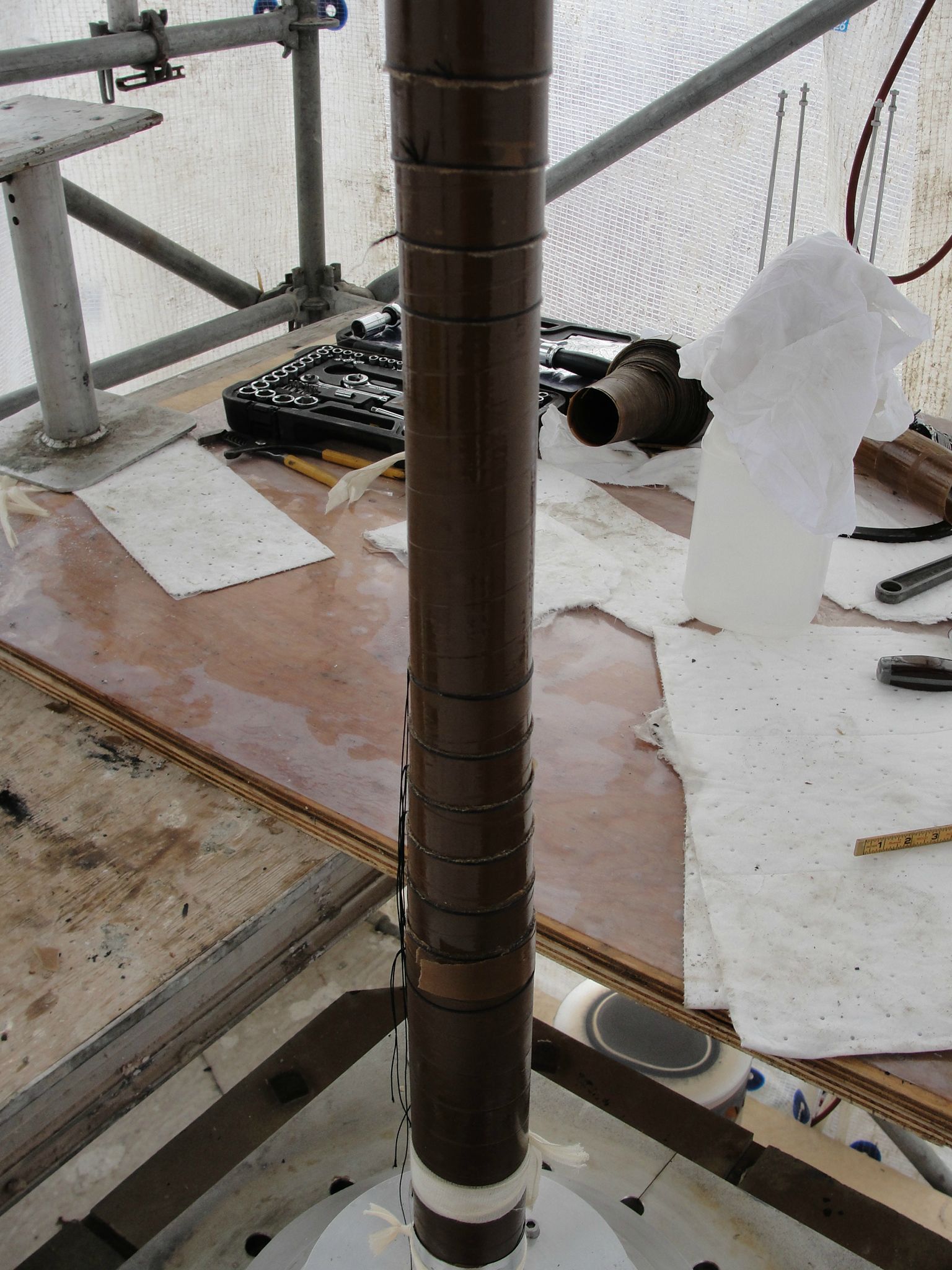
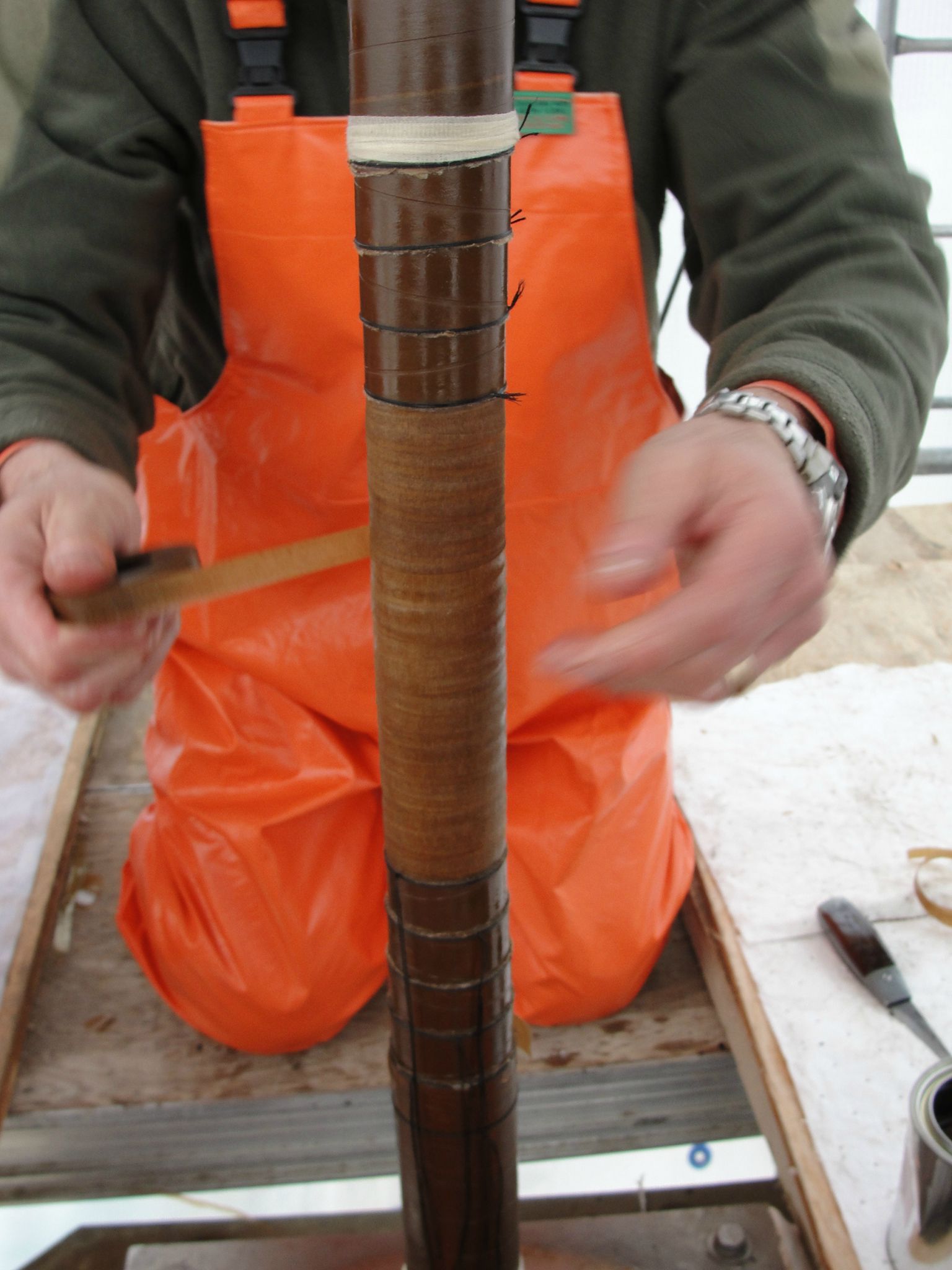
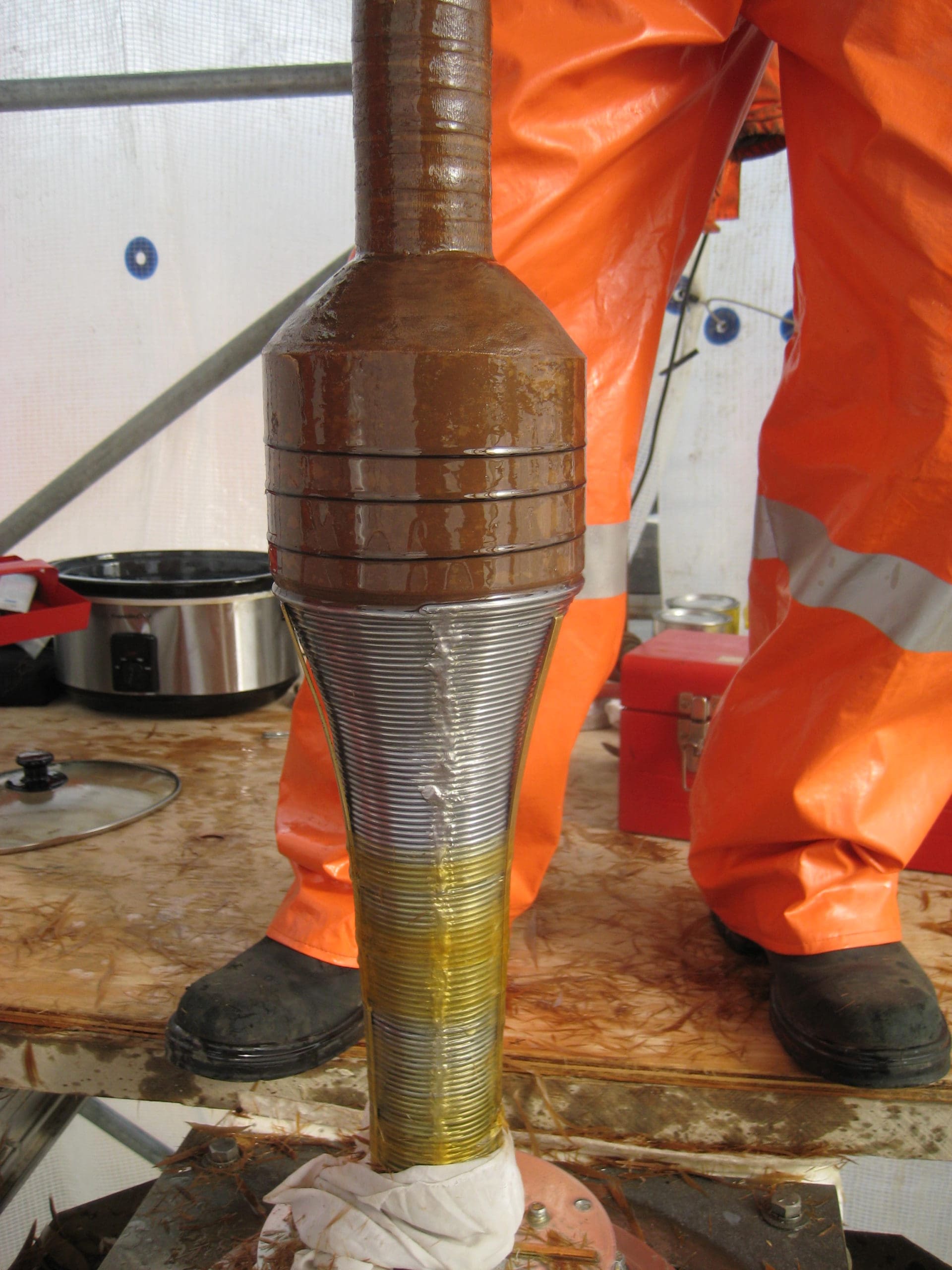
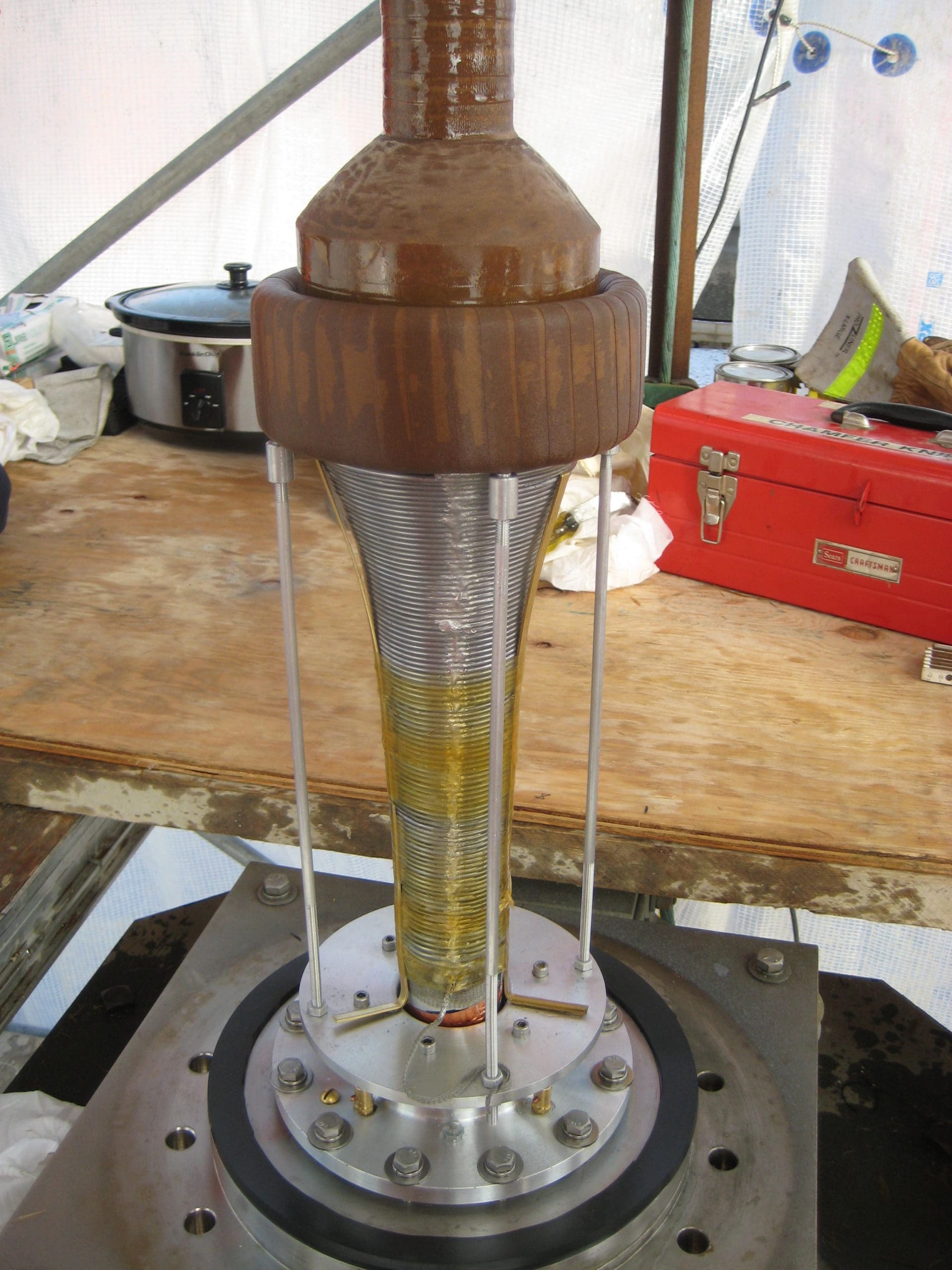
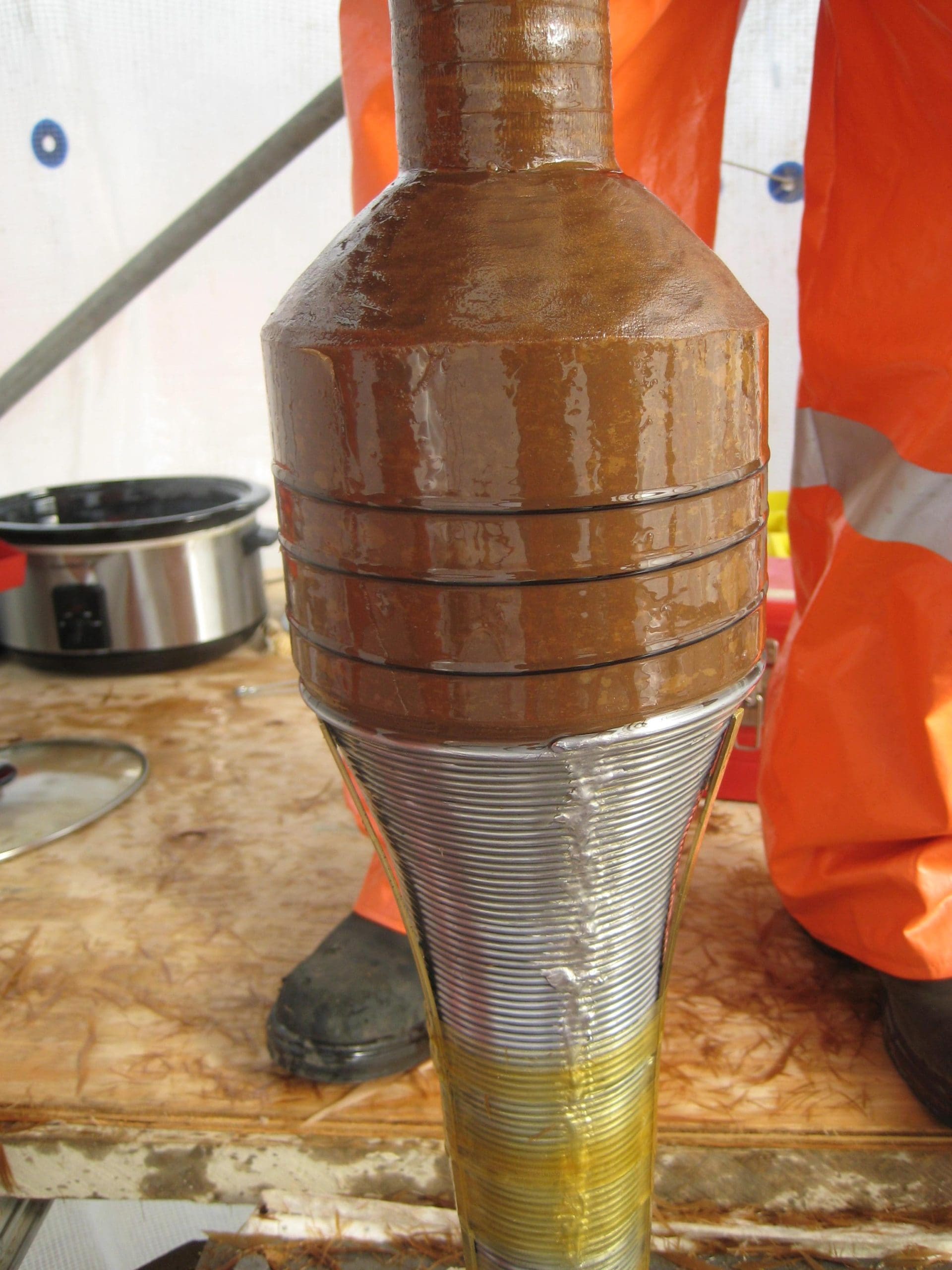
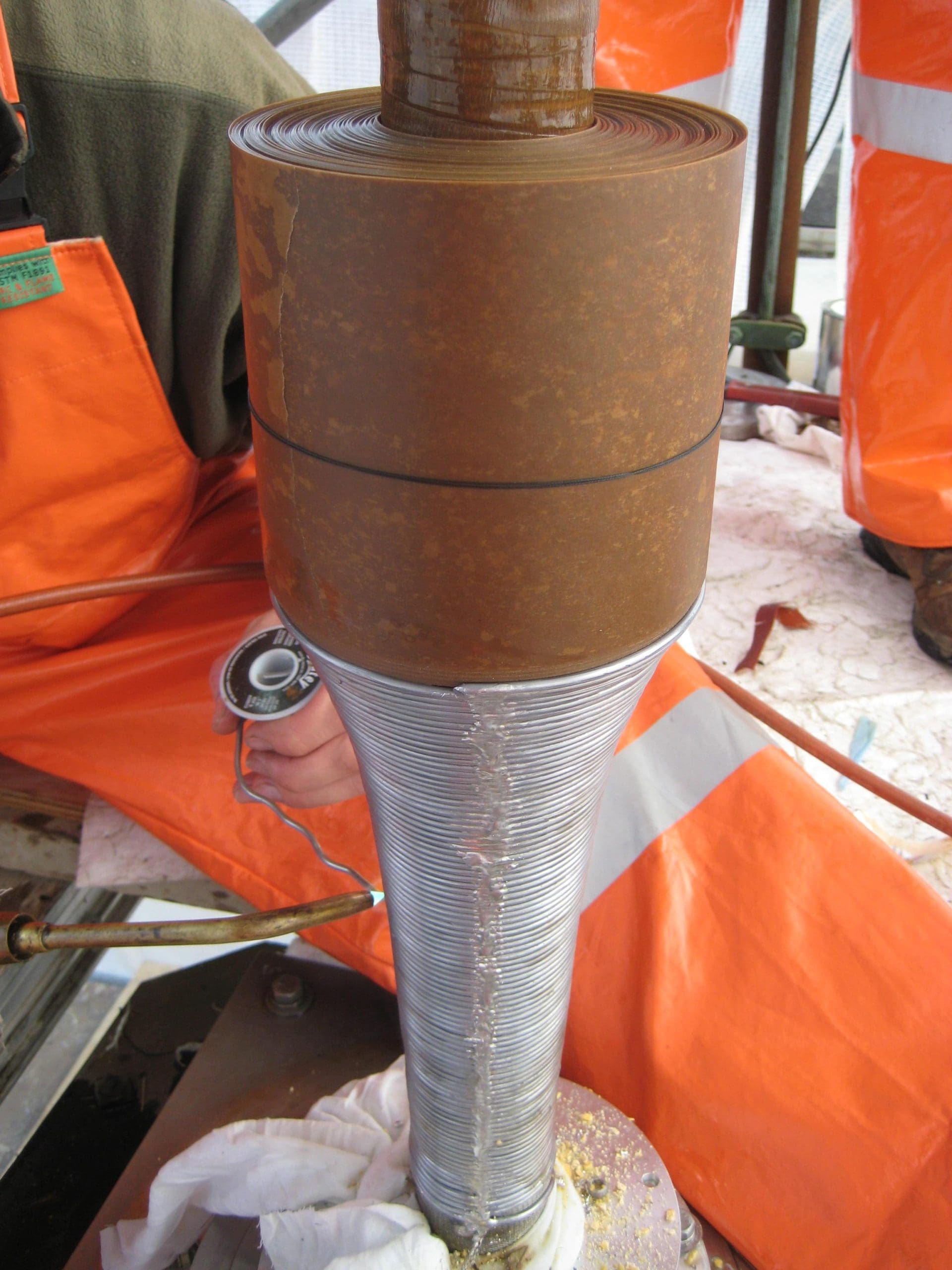
The following sequence of images convey water-treeing or arcing inside a high voltage cable termination. This a 230kV HPPT (High Pressure Pipe Type) Cable Termination or (Pothead). These images show the importance of routine oil sampling, which detected acetylene in the samples, which in turn indicates arcing or burning.
The cable splicers froze the cable below the pothead, removed the porcelain and found a high voltage cable very near failure. Then the cable splicers basically removed everything that been damaged and rebuilt the cable first, then rebuilt the stress cone. It was later found that a rubber gasket had a small imperfection that allowed contaminants (moisture debris) into the pothead, which as it accumulated had created a conductive path on and in the paper insulation, which would eventually have lead to cable failure.
The following images portray the process described above.
1.
2.
3.
4.
5.
6.
7.
8.
9.
10.
11.
Jointers blog
Subscribe now to our POWER NEWSLETTER– a monthly email circulation packed with news, projects, videos, technical tips, training information, promotions, webinars, career opportunities and white papers.
Includes access to our popular JOINTERS BLOG with contributions from utility professionals, linesmen and cable jointers working on MV HV EHV cables and overhead lines typically at 11kV, 33kV, 66kV and up to 132kV.
15,000+ Subscribers. ➡ 
132kV Prysmian Oil Filled Stop Joint & 132kV Straight Joint
March 2nd, 2021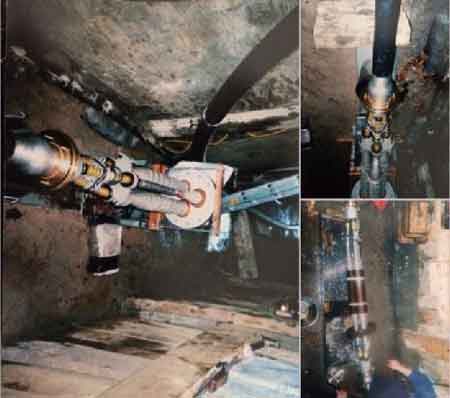
Pictured : 132kV Prysmian Oil Filled Stop Joint & 132kV Straight Joint
Image : Simon Chapman (Cable Jointer – Balfour Beatty plc).
Prysmian HV Cable Accessories – Overview
- Straight Joints
- Stop Joints
- Outdoor Terminations (ODSE)
- SF6 – Immersed Terminations (SF6-OISE)
- Transition Joints

Prysmian Group
T&D are Distributors for the Prysmian Components range of cable joints, terminations, cleats, glands and lugs for use on LV, 11kV and 33kV cable networks.
Jointers blog
Subscribe now to our POWER NEWSLETTER– a monthly email circulation packed with news, projects, videos, technical tips, training information, promotions, webinars, career opportunities and white papers.
Includes access to our popular JOINTERS BLOG with contributions from utility professionals, linesmen and cable jointers working on MV HV EHV cables and overhead lines typically at 11kV, 33kV, 66kV and up to 132kV.
15,000+ Subscribers. ➡