Blog
Masterclass – 132kV ABB Cable Termination
January 22nd, 2020By Chris Barker EHV Jointer
ABB 132kV Cable Terminations
Before we start, let us establish Chris Barker is an international class EHV Jointer conversant with the skills and techniques required for the safe jointing and terminating of cables using ABB, NKT, Tyco, Pfisterer, Prysmian, Ericsson and Nexans. 
Whether you are reading this as a recruiter, jointer, friend or follower of Chris you can review his skill set in the following Photo Blog collection.
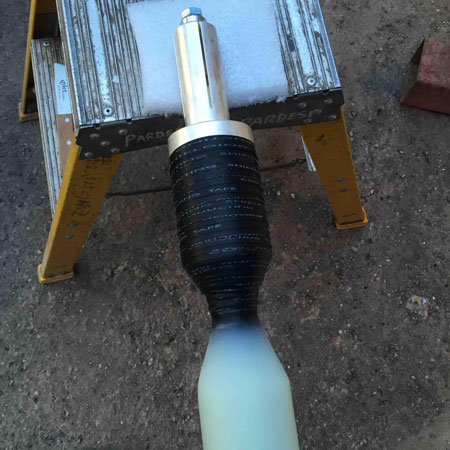
1, Stress Cone & Connector Taped Up – tinned copper mesh is carefully applied to the stress cone by the Jointer, then 5 layers of self-amalgamating tape are overlayered with two layers of PVC electrical insulation tape.
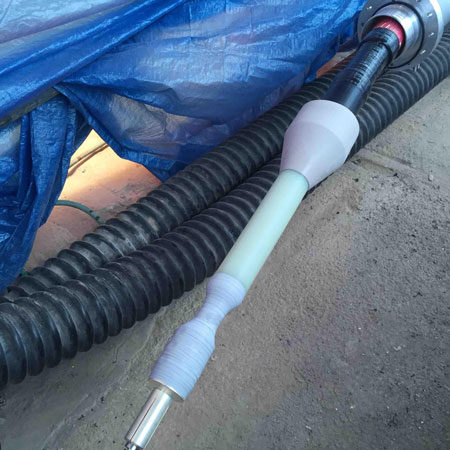
2. Ready For Insulator To Be Bolted Up – notice the highest level of care and attention is required by the cable jointer while the cable termination installation progresses, at each stage of the process the jointer is delicately padding the cable to remove any dirt, debris or particles that will potentially cause damage to the cable or accessory.
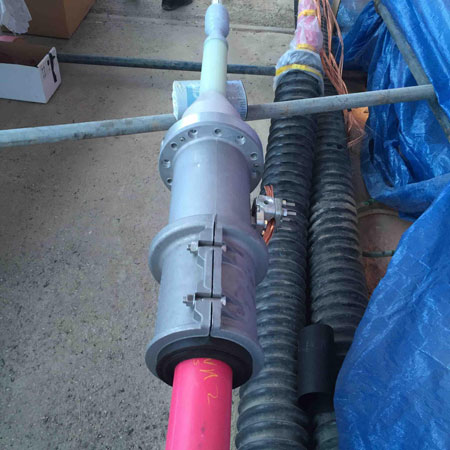
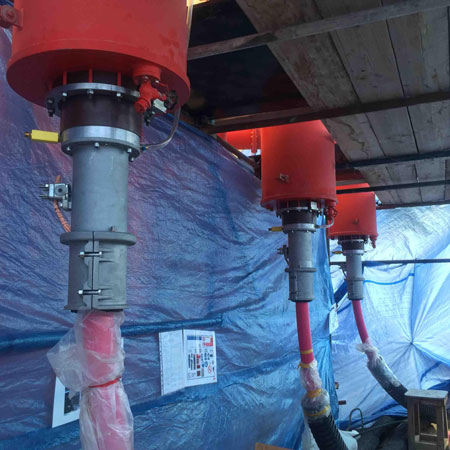
3. 3 x ABB 132kV Cable Terminations Plugged In Without Problems – next stage is to install the copper pipework and fill with insulating oil.
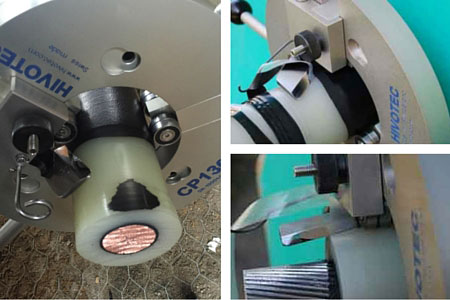
4. Preparation Of Semi- Conductive Screen Cut On 132kV XLPE EHV Cable – also known as “glassing”, this highly dexterous and skillful task is a key step in the EHV cable preparation process. Chris is pictured using microscope slides for cable glassing, although some jointers prefer welding glass mask inserts.
This basic staple of the EHV jointers tool kit is also complemented by the use of latest precision engineered cable jointers tools. In this application, the semi-conductive screen was accurately removed by a Hivotec peeling and stripping tool to 100mm from the actual mark, the remainder was removed with traditional glass.

Hivotec CP90 & CP130 cable jointing tools are used by EHV jointers for peeling the semi-conductive screen and for stripping the main XLPE insulation from high voltage power cables.

5. Old Cables Cut, New Cables Heated & Straightened – ready for cable terminations. ABB 132kV cable terminations with be installed horizontally, plugged in and then filled with electrical insulating oil. Although the existing cables had not suffered a cable fault the client upgraded the circuits to extend the service life of the 132kV power distribution system – cable heaters were used to provide straightening to the HV cables.

6. Taping Up Connector With Semi-Conductive Electrical Tape (3M Scotch 13 Tape) – a screw connector to a torque of 45NM is applied. Once insulator is installed the cable jointer fits a cap on the top which is then plugged in with bolts directly to the top cap. When the 132kV cable termination is completed it is filled with polybutene oil and sealed up prior to final connection to transformer.
7. 132kV Cable Termination Plugged-in & Filled – ready for final connection the 132kV cable termination is installed to the transformer side and insulated with oil. The connection is made via a flexible section of copper braid bolted to the cable termination inside the 132kV transformer.

8. 132kV ABB Cable Termination Completed.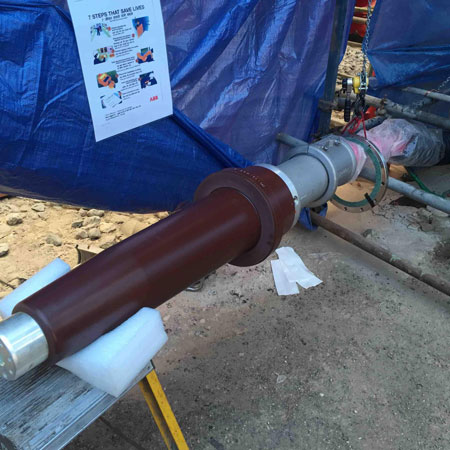
9. Hometime
Jointers blog
Subscribe now to our POWER NEWSLETTER– a monthly email circulation packed with news, projects, videos, technical tips, training information, promotions, webinars, career opportunities and white papers.
Includes access to our popular JOINTERS BLOG with contributions from utility professionals, linesmen and cable jointers working on MV HV EHV cables and overhead lines typically at 11kV, 33kV, 66kV and up to 132kV.
15,000+ Subscribers. ➡ 
Nexans AFN 33kV Substation Cable Termination With GPH Mechanical Shearbolt Lugs
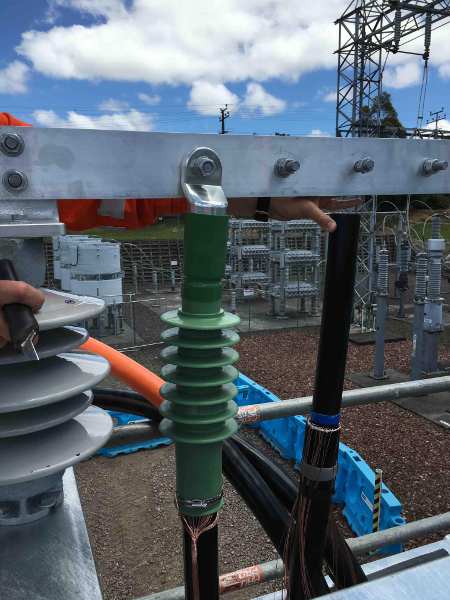
January 22nd, 2020Image: Phil Elliott Chief Executive Officer at Cuthbert Stewart Ltd
Pictured: Nexans AFN 33kV Substation Cable Termination With GPH Mechanical Shearbolt Lugs
Kristof Rottiers (Area Technical Customer Manager – Asia Pacific at Nexans Power Accessories) commented, “this type of cable termination installation is common in New Zealand. The Nexans AFN series of outdoor slip-on termination is the preferred technology due to its harsh climate and closeness to the coast line.”
Nexans AFN 10/AFN 20/AFN 30/AFN 36 outdoor slip-on cold applied cable terminations are tested to International Standard HD 629.1 S2 providing exceptional service and reliability in heavily polluted and condensation locations.
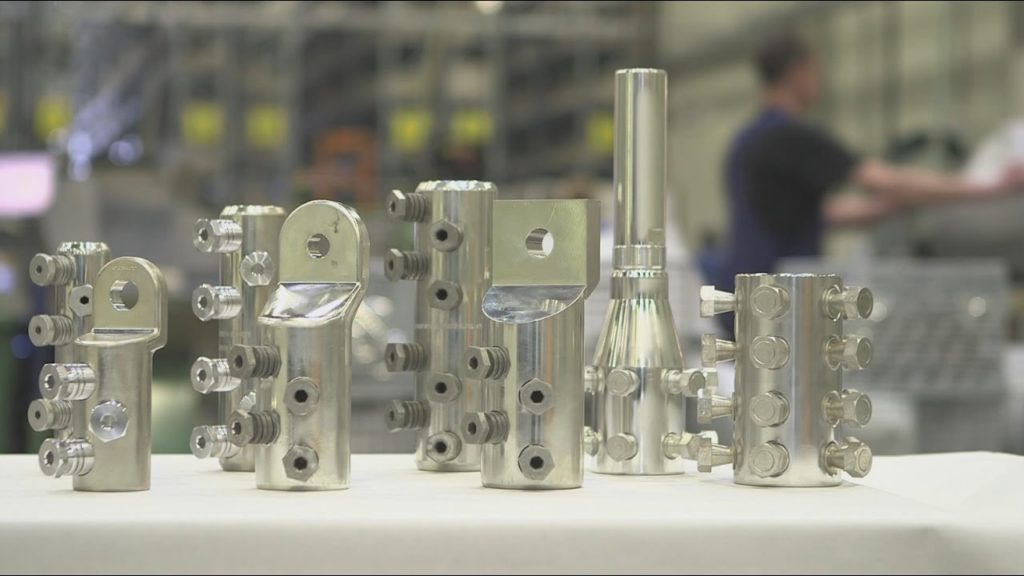
Nexans GPH | See more information about GPH mechanical connectors and lugs
Thorne & Derrick
Nexans Main UK Stockist & Distributor
Contact us for Competitive Prices & Fast Delivery from Stocks for Heat Shrink, Cold Shrink & EPDM Rubber Connectors, Joints & Terminations up to 66kV.
Go to our Price List and contact us with your enquiries.
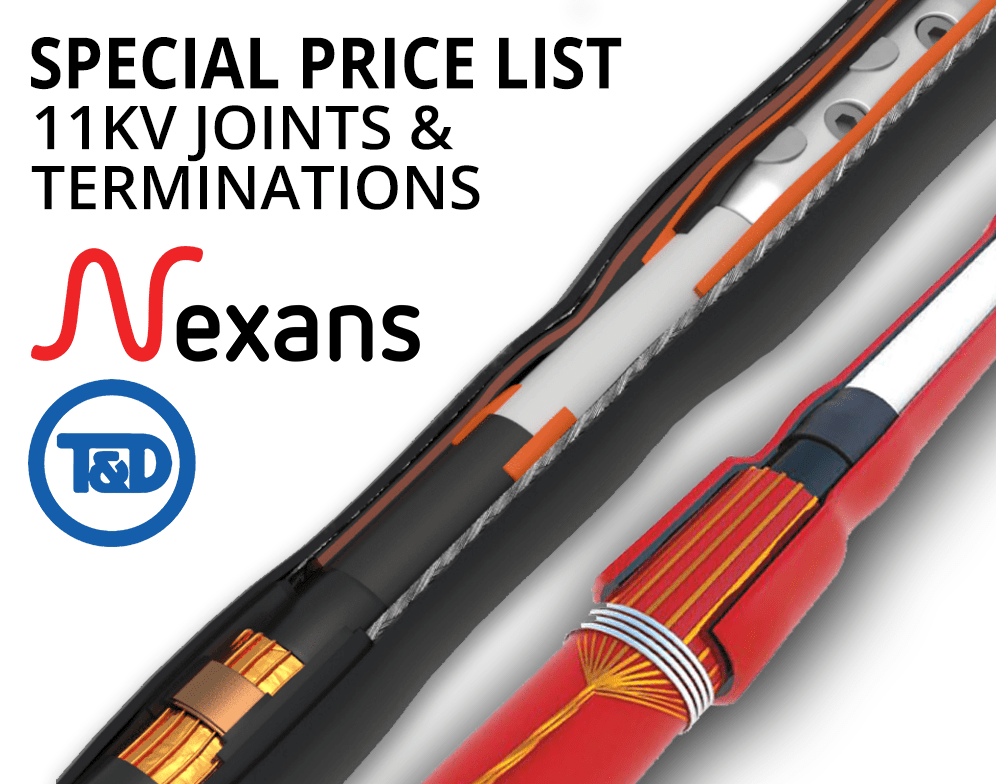
Heat Shrink Cable Accessories for 11kV Triplex Cables
Thorne & Derrick International are specialist distributors of LV, MV & HV Cable Accessories, Jointing, Substation & Electrical Equipment – servicing UK and global businesses involved in cable installations, jointing, substation, overhead line and electrical construction at LV, 11kV, 33kV, 66kV and EHV.
Stocking & Supplying | Duct Seals | Cable Cleats | Cable Glands | Electrical Safety | Arc Flash Protection | Jointing Tools | Cable Pulling Eqpt | Earthing & Lightning Protection | Feeder Pillars | Cable Joints LV | Joints & Terminations MV HV

Euromold MV HV | Cable Terminations, Connectors, Elbows & Joints
Jointers blog
Subscribe now to our POWER NEWSLETTER– a monthly email circulation packed with news, projects, videos, technical tips, training information, promotions, webinars, career opportunities and white papers.
Includes access to our popular JOINTERS BLOG with contributions from utility professionals, linesmen and cable jointers working on MV HV EHV cables and overhead lines typically at 11kV, 33kV, 66kV and up to 132kV.
15,000+ Subscribers. ➡
Pirelli Joint | 132kV Oil Filled Cable Joint with Wipe & Chamfer
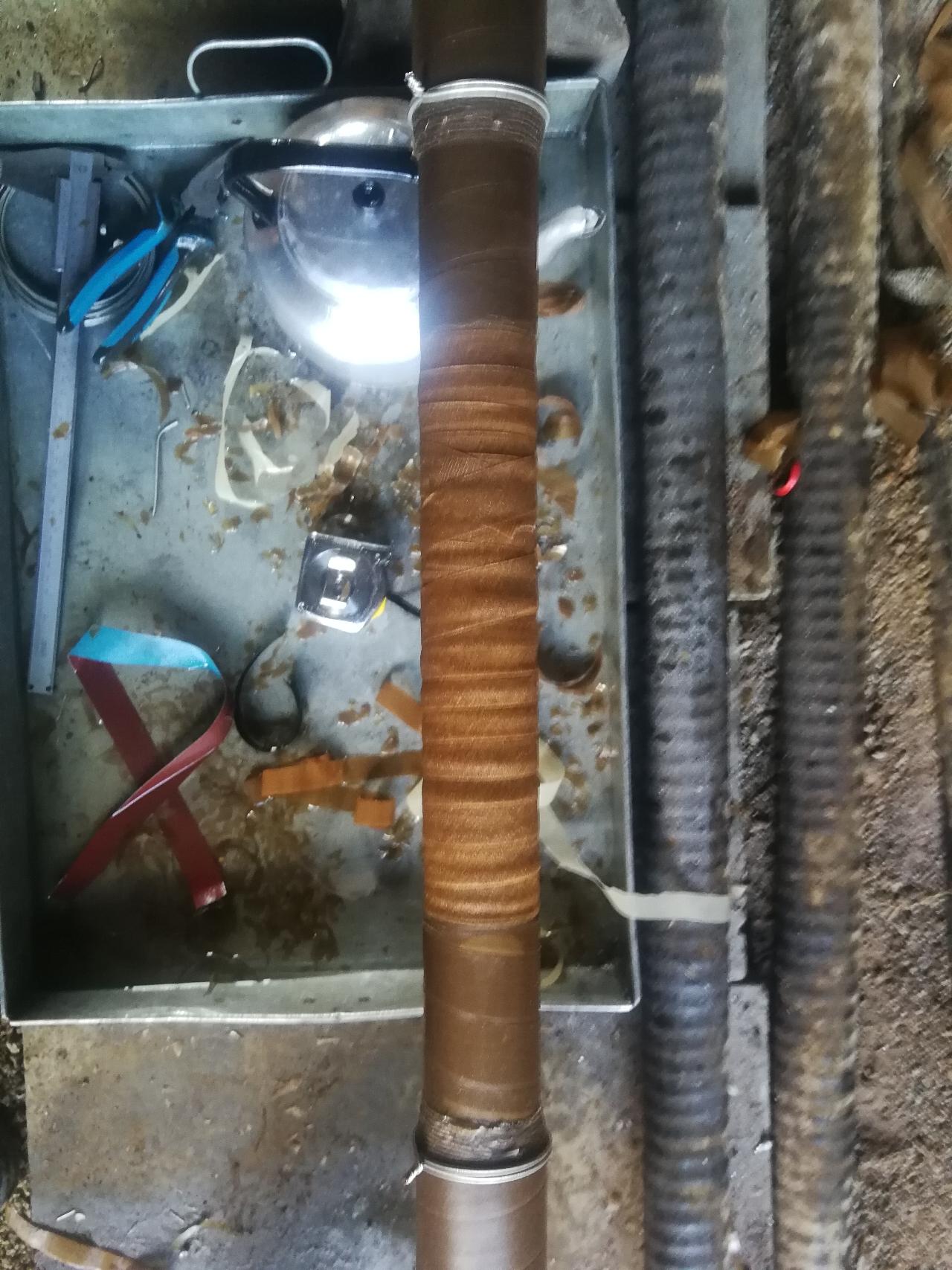
January 22nd, 2020Pictured: 132kV Pirelli Oil Filled Cable Joint with Wipe & Chamfer.
Image Courtesy of: Tiann Mong – High Voltage Cable Jointer at CBi-Electric: African Cables.
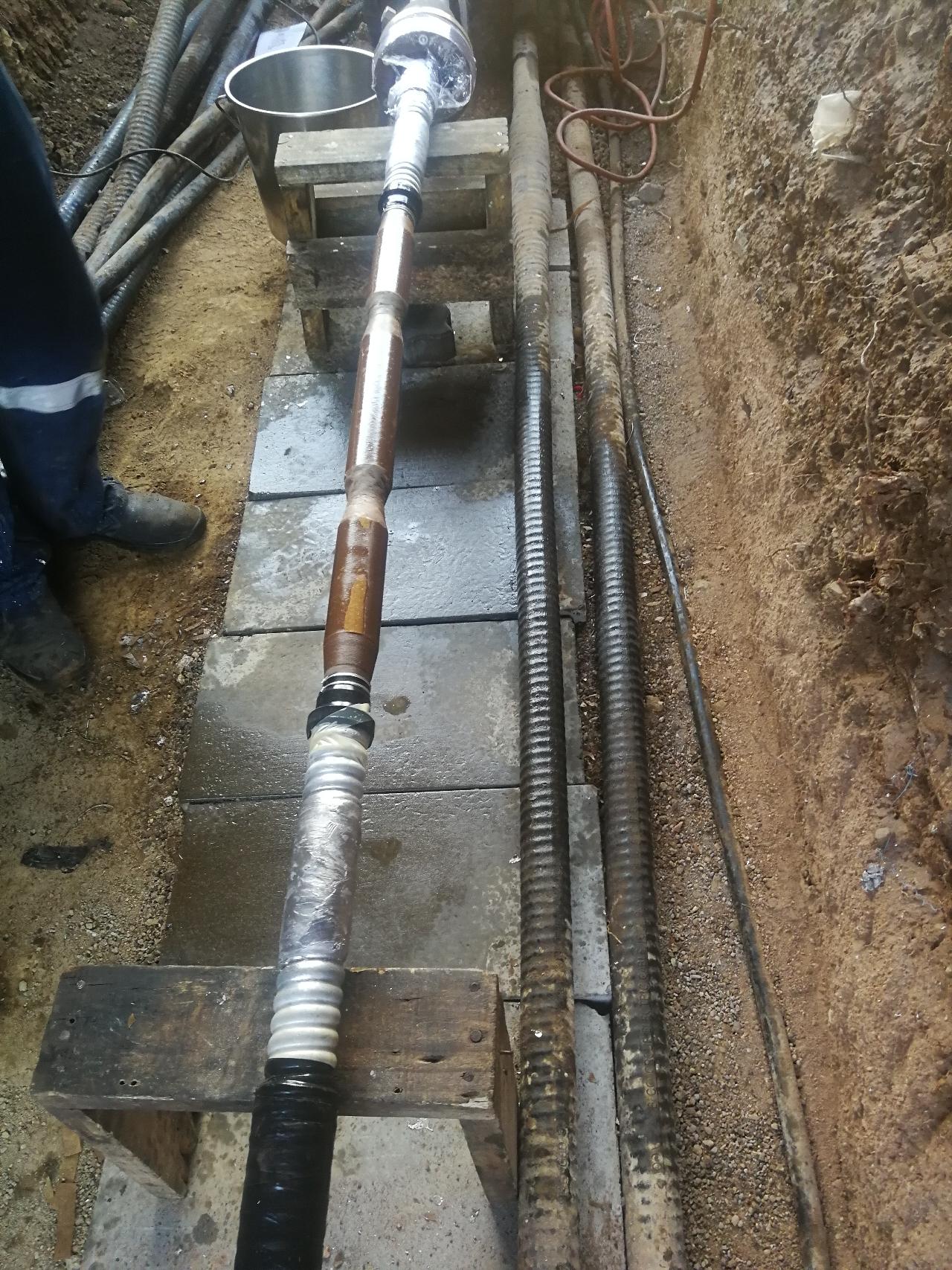
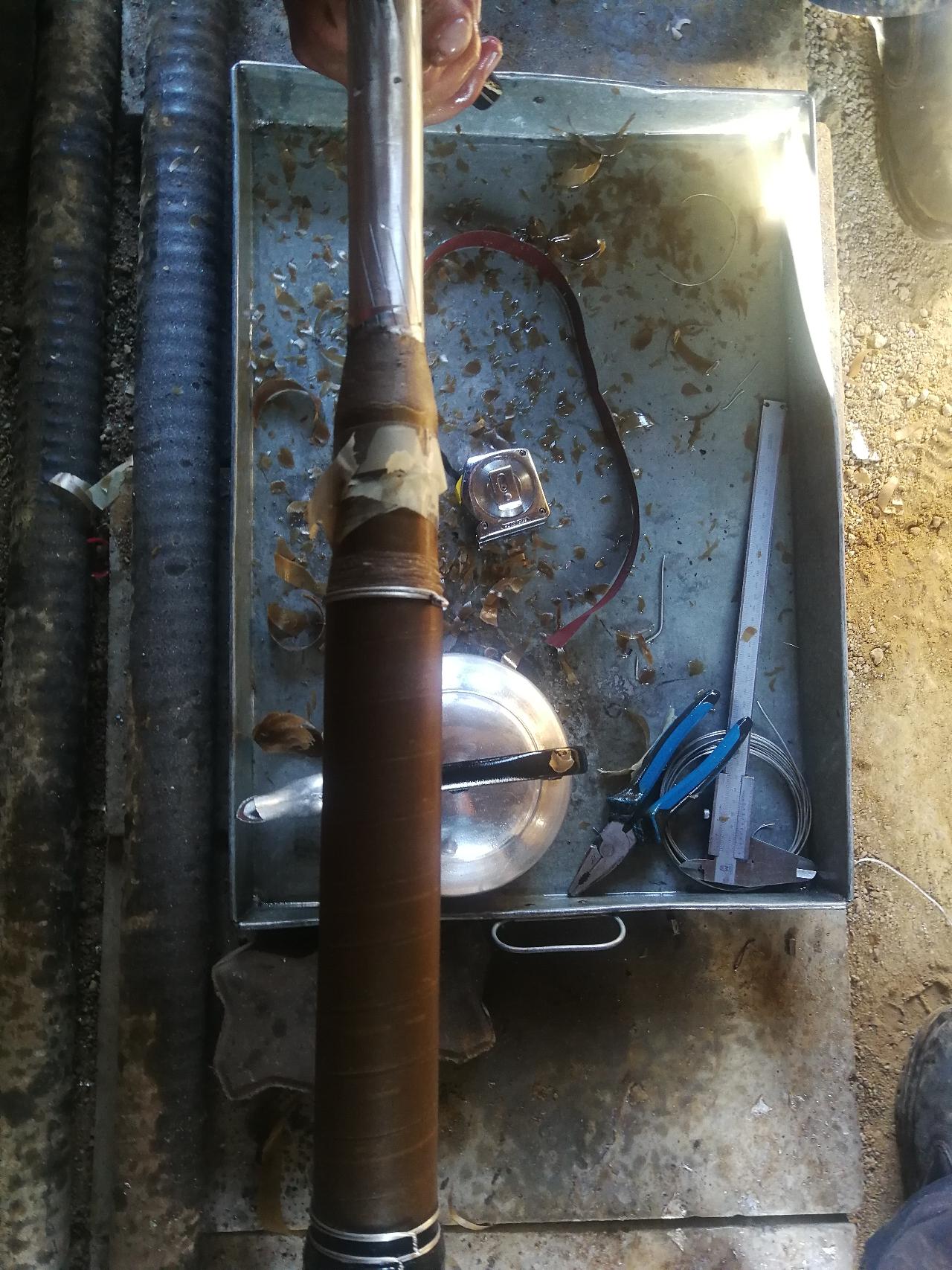
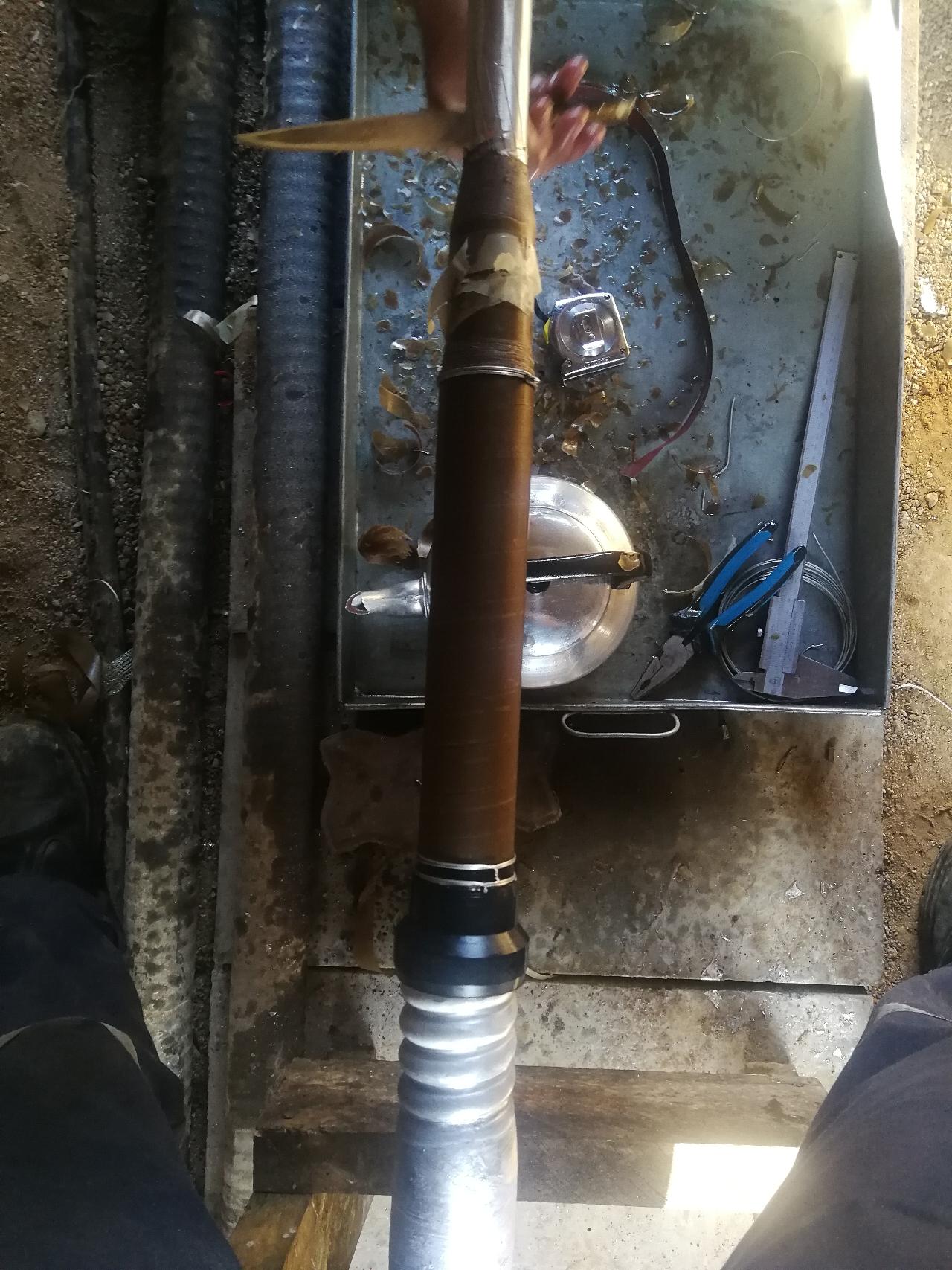
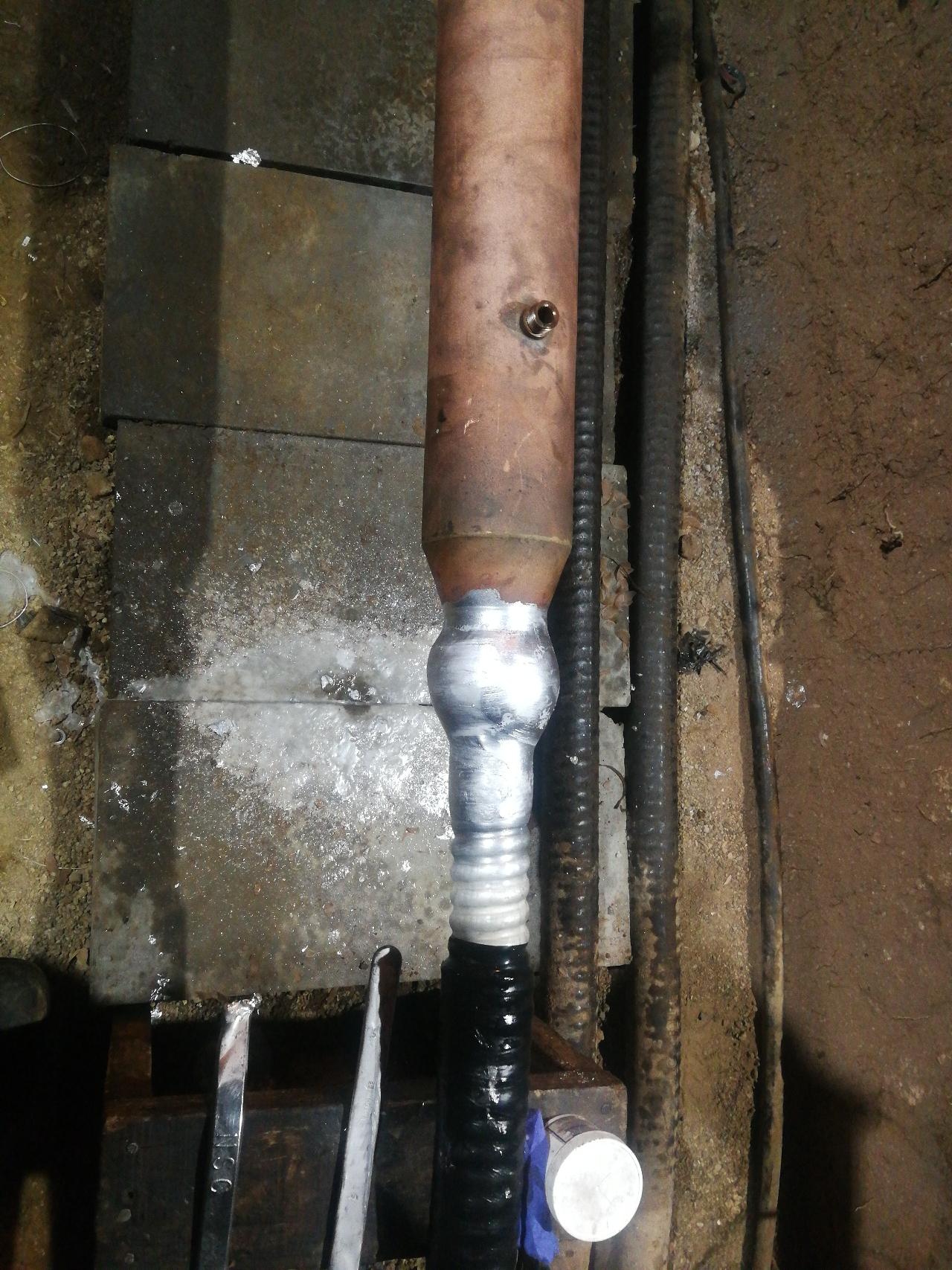
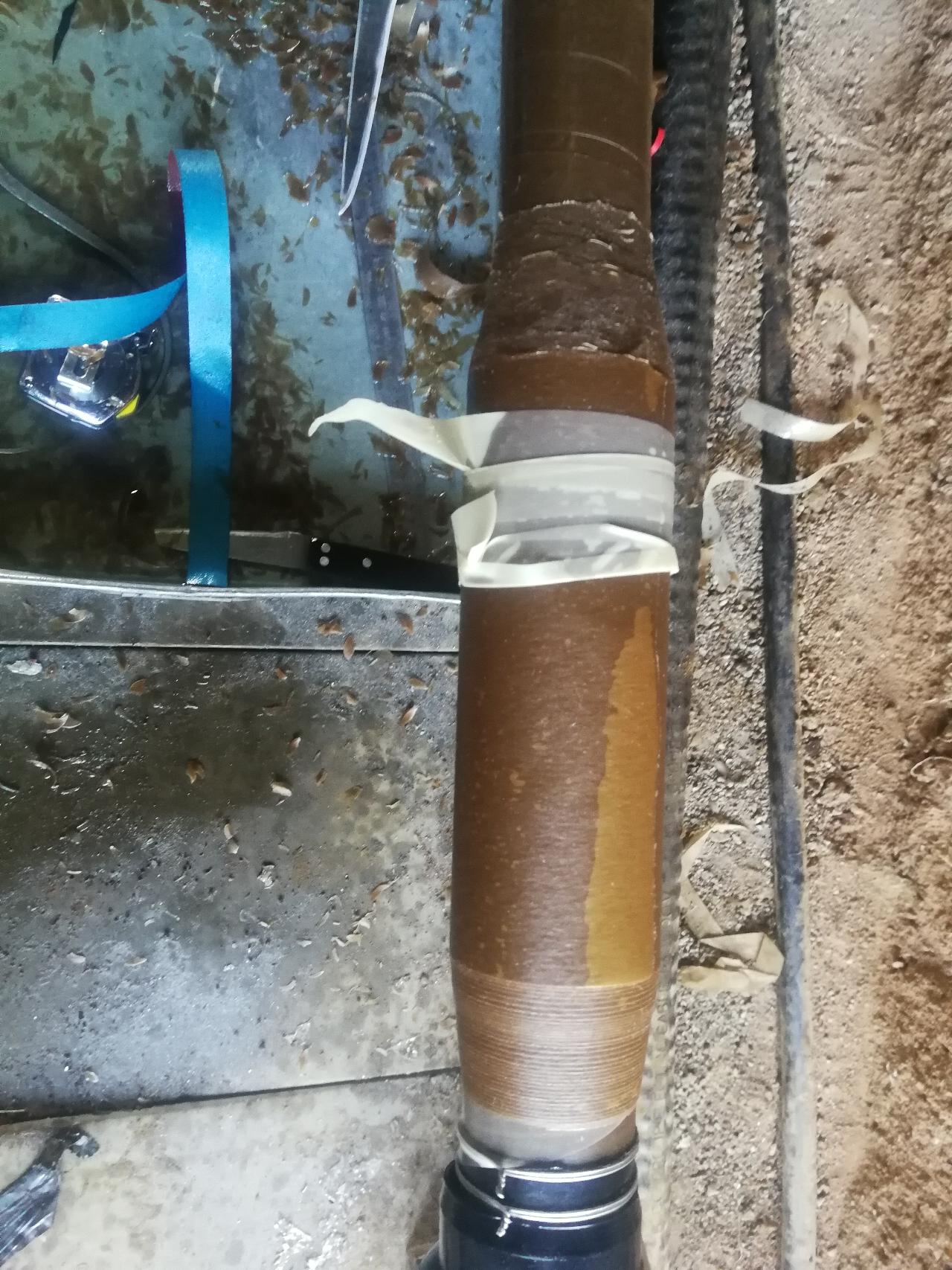
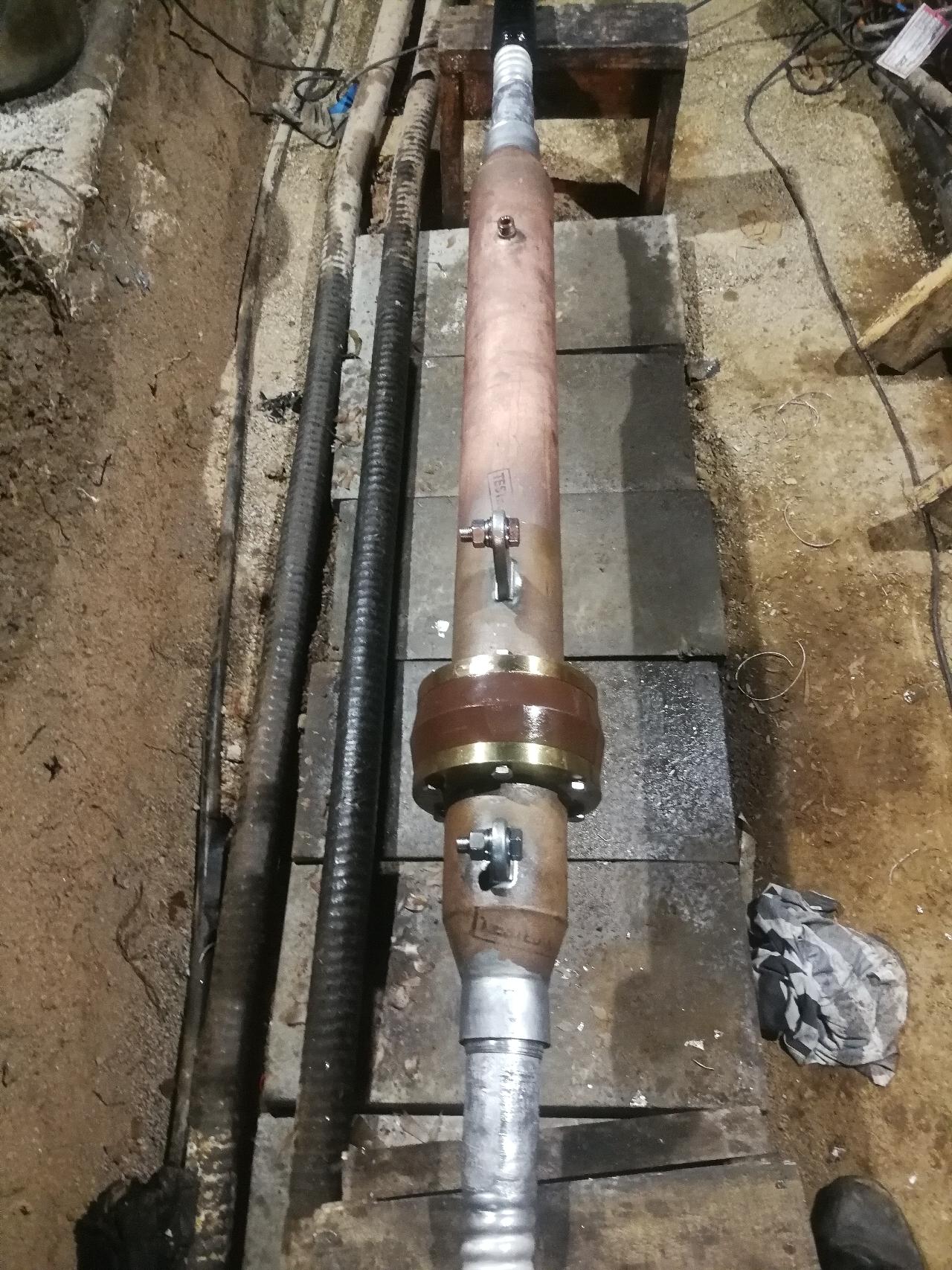
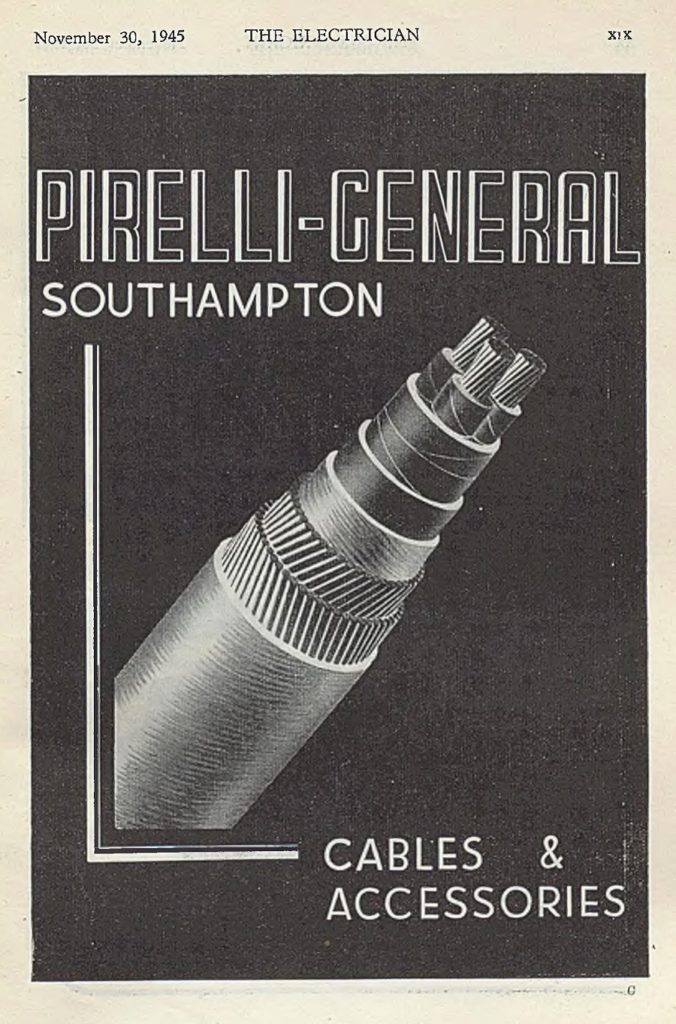
Prysmian – formerly Pirelli Cables – celebrated 100 years in Southampton in 2014
Jointers blog
Subscribe now to our POWER NEWSLETTER– a monthly email circulation packed with news, projects, videos, technical tips, training information, promotions, webinars, career opportunities and white papers.
Includes access to our popular JOINTERS BLOG with contributions from utility professionals, linesmen and cable jointers working on MV HV EHV cables and overhead lines typically at 11kV, 33kV, 66kV and up to 132kV.
15,000+ Subscribers. ➡
Arc Flash The Basics
January 22nd, 2020-
By Cameron G. Clark: GE Specification Engineer. Contributed by GE Industrial Solutions
Do you know what an arc flash is?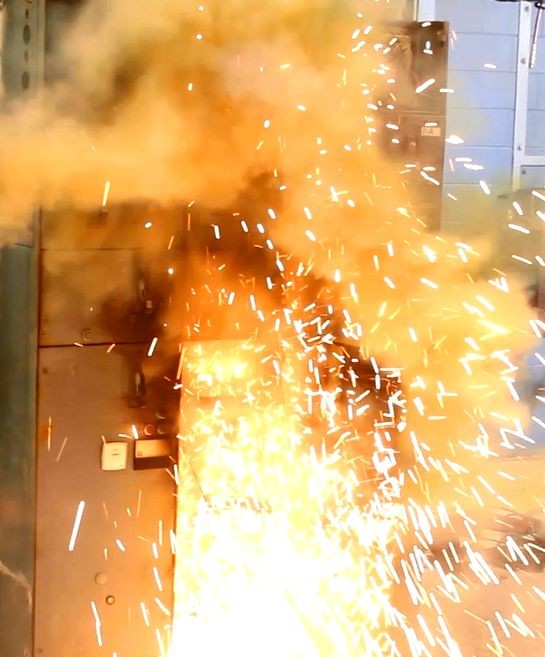
If not, keep reading.
The goal of this article is to give the reader a basic understanding of what occurs during an arc flash incident, and an understanding of some of the terms used in qualifying the danger associated with such events.
What is an Arc?
Most of us are familiar with an arc. The dictionary describes an electric arc flash as “a luminous bridge formed in a gap between two electrodes”.
An Arc Flash occurs during a fault, or short circuit condition, which passes through this arc gap. The Arc Flash can be initiated through accidental contact, equipment which is underrated for the available short circuit current, contamination or tracking over insulated surfaces, deterioration or corrosion of equipment and, or parts, as well as other causes.
An Arc Flash event can expel large amounts of deadly energy.
The arc causes an ionization of the air, and arc flash temperatures can reach as high as 35,000 degrees Fahrenheit. This is hotter than the surface of the sun.
This kind of temperature can set fire to clothing and severely burn human skin in fractions of a second at a significant distance from the event. The heat can also result in ignition of any nearby combustible materials.
Arc Flash temperatures can also liquefy or vaporize metal parts in the vicinity of the event such as copper, aluminum conductors or steel equipment parts. This material rapidly expands in volume as it changes state from a solid to vapor, resulting in explosive pressure and sound waves. The pressure wave can knock workers off balance or off ladders and even throw them across the room against walls or other equipment.
The sound blast can cause eardrums to rupture resulting in temporary or permanent hearing loss. Molten metal can be sprayed by the blast throughout the vicinity. Solid metal debris and other loose objects, such as tools, can be turned into deadly projectiles by the explosion. The bright flash from the event can result in temporary or permanent blindness.
All of these will most likely result in equipment damage as well as personnel injury, and possibly death.
“An Arc Flash event can expel large amounts of deadly energy. The arc causes an ionization of the air, and arc flash temperatures can reach as high as 35,000 degrees Fahrenheit. This is hotter than the surface of the sun”
Code Description
Section 110.16 of the 2008 National Electrical Code requires that electrical equipment be marked to warn qualified personnel of potential arc flash hazards. In order to accurately evaluate the dangers associated with arc flash we must quantify the hazard. The measure, which has been developed to assess arc flash events, is incident energy. This is the energy measured on a surface at a specified working distance from the arc flash location.
For low voltage equipment this is 24 inches, and approximately corresponds to the arm length of a typical worker. The unit used to quantify this energy is cal/cm2. A value of 1.2 cal/cm2 results in 2nd degree burns to bare skin, and 8 cal/cm2 in 3rd degree burns. The incident energy is inversely proportional to the square of the working distance, and directly proportional to the available fault current and duration of an arc flash event.
Some of the other factors which affect incident energy of an arc flash event are the short circuit current available, both from the utility and at specific bus locations in the distribution system, cable size and length, the type of over current protective devices, and the settings of those over current protective devices. The device settings directly influence the duration of thefault for a given value of arc fault current. For this reason there is interest by many, these days, in a temporary second group of setting which reduce the time a breaker takes to clear a fault when a person is working on energized equipment. This can often reduce the hazard significantly. General Electric offers this capability in the Reduced Energy Let Through mode (RELT) of the Entelliguard® TU trip unit.
“Those involved with the design, implantation and evaluation of electrical distribution systems mush have an understanding of arc flash hazards and how to evaluate the hazards as well as minimize or mitigate the hazard to the electrical worker.”
Arc Flash Studies
In order to identify the specific arc flash hazard at a given piece of equipment within a facility, an arc flash study must be performed. There are several software packages available, similarly to short circuit study and coordination study software packages, to facilitate this analysis by a qualified professional electrical engineer. In order to perform the arc flash study a short circuit and coordination study must first be performed or the results of these studies must be available to the engineer performing the arc flash study.
The result of the arc flash study will categorize the hazard at specific equipment based on the incident energy, as well as identify the Arc Flash Protection Boundary (this is the closest approach allowed before PPE must be worn). Inside the Arc Flash Protection Boundary a worker must be wearing the proper clothing, or Personal Protective Equipment (PPE). The main objective of the PPE is to limit the burns to the body resulting from an arc flash event, to a survivable level. (i.e .2nd degree or less).
“Those involved with the design, implantation and evaluation of electrical distribution systems must have an understanding of arc flash hazards and how to evaluate the hazards as well as minimize or mitigate the hazard to the electrical worker.”
Hazard Risk Categories as outlined in NFPA 70E are as follows:
| Hazard Risk Category | Clothing | Cal/cm² |
| 0 | Non-melting, flammable materials (ie untreated cotton, wool, rayon, or silk, or blends of these materials with a fabric weight of at least 4.5oz/yd² | N/A |
| 1 | FR shirt and FR pants of FR coverall | 4 Cal |
| 2 | Cotton underwear – conventional short sleeve and brief/shorts , plus FR shirt and FR pants | 8 Cal |
| 3 | Cotton underwear plus FR shirt and FR pants plus FR coverall, or cotton underwear plus two FR coveralls | 25 Cal |
| 4 | Cotton underwear plus FR shirt and FR pants plus multilayer flash suit | 40 Cal |
| Extreme Danger | No PPE available | >40 |
Arc flash gloves, arc flash boots and arc flash face protection appropriate to the hazard risk category must be used as well.
Arc Flash Hazard is a subject that is undergoing increased discussion and scrutiny in today’s safety conscious environment. The intent of the standards in this area is to provide an increased level of safety for the electrical worker.
Those involved in the design, implantation and evaluation of electrical distribution systems must have an understanding of Arc Flash Hazards and how to evaluate the hazards as well as minimize or mitigate the hazard to the electrical worker.
Further Reading
Electrical Safety – Arc Flash Accidents & Electrocution In LV-HV Installations
Arc Flash Calculation – Selecting Clothing & PPE To Protect Lives Against Arc Hazard

Arc Flash Clothing | Polo Shirts | Jackets | Coveralls | Trousers | Sweatshirts | Helmets
Thorne & Derrick
Thorne & Derrick are national distributors of LV, MV & HV Cable Installation, Jointing, Substation & Electrical Equipment – servicing businesses involved in cabling, jointing, substation, earthing, overhead line and electrical construction at LV, 11kV, 33kV, 66kV and EHV. Supplying a complete range of power cable accessories to support the installation and maintenance of low/medium and high voltage power systems:
- Slip-on Cable Terminations
- Cold-shrink Cable Terminations
- Heat-shrink Cable Terminations
- Cable Joints – Heat & Cold-shrink
- Separable Connectors (Euromold)
- Surge Arresters & Switchgear/Transformer Bushings
Key Product Categories: Duct Seals | Cable Cleats | Cable Glands | Electrical Safety | Arc Flash Protection | Cable Jointing Tools | Cable Pulling | Earthing | Feeder Pillars | Cable Joints LV | Joints & Terminations MV
Arc Flash Learning & Resources

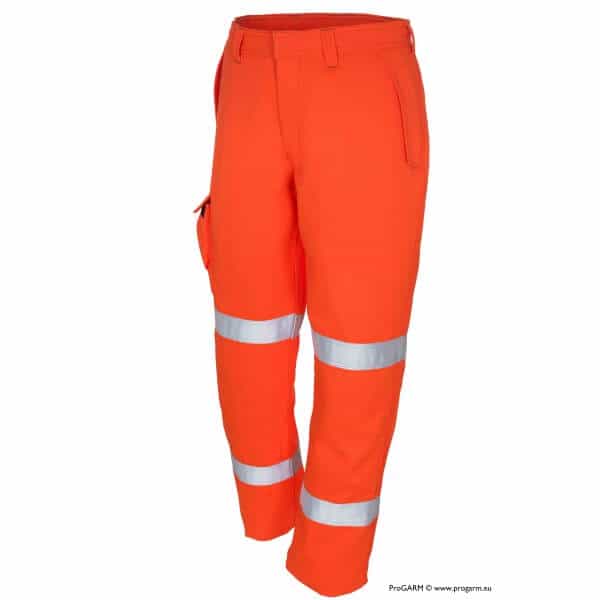
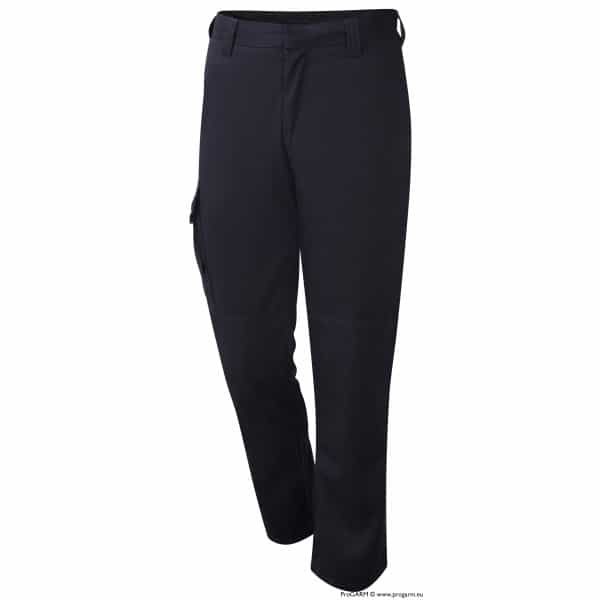
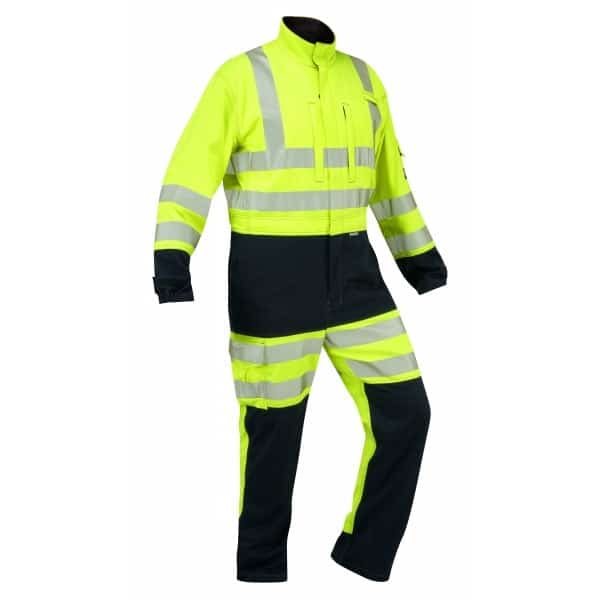
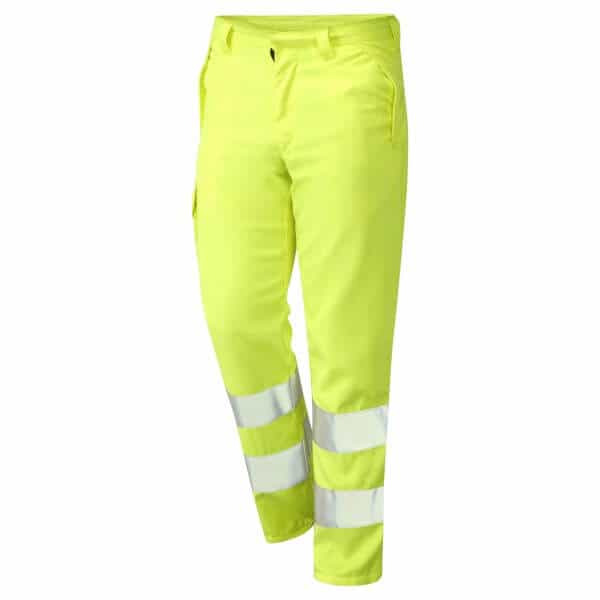
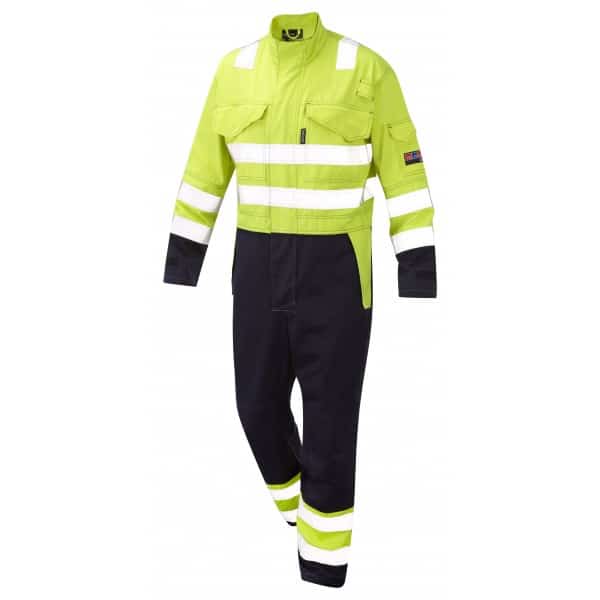
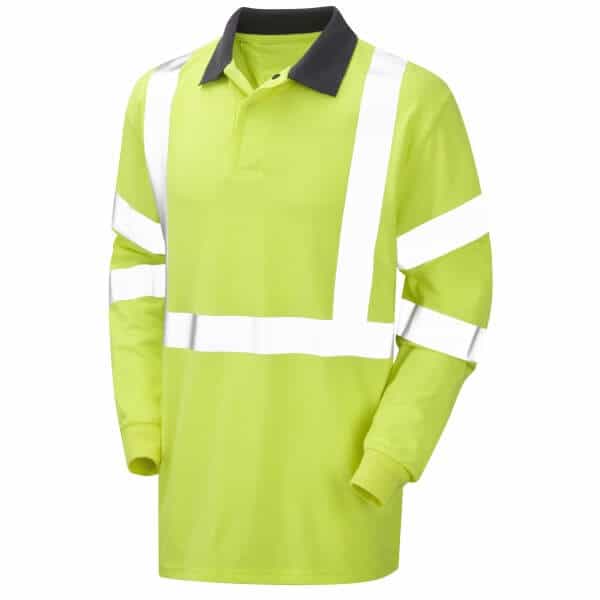
Thorne and Derrick are proud to be distributors of ProGARM arc flash coveralls and protection.
We can help – should you require arc flash calculators or advice on the type of clothing and protection available please do not hesitate to contact us.





Cable Laying, Installation & Support Products | Offshore Oil & Gas Cables
January 22nd, 2020
Cable Laying, Installation & Support Products | Offshore Oil & Gas Cables
Cable Laying
Courtesy Slingco – Manufacturer of Cable Pulling & Support Products
As a leading specialist supplier to the offshore industries for many years, Slingco has developed a range of cable pulling products designed to meet the demanding performance requirements of the oil and gas industry.
The Slingco ranges are extensive, covering everything from stainless steel or non-metallic cable socks for installing and/or supporting cable (or pipes) of diameters from 3mm-300mm, to down-hole cable protectors from 2 3/8” to 7” in diameter. Slingco take immense pride in delivering engineered solutions of the highest quality and performance.
This focus on quality extends across every aspect of the cable laying and installation operation.

Cable Laying, Installation & Support Products
Slingco was founded on innovation and quality and we continue to supply a varied range of cable-related products to customers throughout the world.
The cable pulling products are renowned for high performance in quality-critical applications across industries as varied as oil and gas, civil engineering, aerospace, transport, public utilities, marine and offshore, the military, performing arts, vehicle building, construction and more.
Cables and their associated supports are by definition, safety-critical components and Slingco recognises it places them in a real position of responsibility. Hence all of products are designed, manufactured and tested to exacting standards to ensure safe and dependable operation under even the most challenging conditions. Slingco operate a total quality management system and are accredited to ISO 9001.
An integral part of the manufacturing facility is the dedicated in-house design engineering team. As well as being focused on their own design and development projects, the engineering team’s skills – employing cutting-edge 3D modeling and finite element analysis software – are available to our customers.
From initial product design and manufacture to technical support and customer service, the strength of the business lies in the skills and commitment of the people. They are here to serve you and Slingco are confident that this shows in everything we do.
Thorne & Derrick’s aim isn’t simply to sell you a product; it’s to be your preferred supply partner.
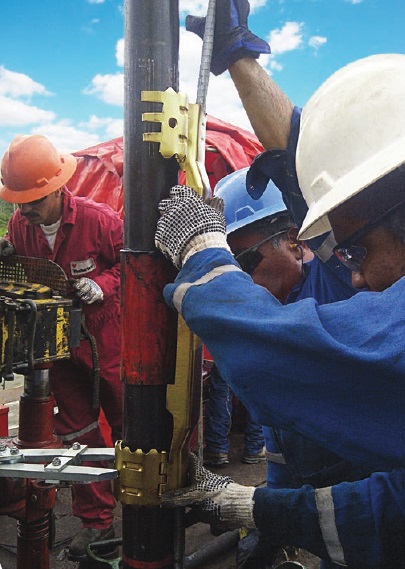
All Slingco products are designed, manufactured & tested to exacting standards – ensuring safe & dependable operation under even the most challenging conditions

Slingco Cable Socks
CABLE PROTECTORS
Cable Support & Guidance in Vertical, Deviated & Horizontal Wells
Slingco’s cable protectors provide a safe, quick and efficient way of conveying and securing downhole cables into well-bores while eliminating the risk of compression-induced damage. A full range of products is available to suit ESP cables, control lines, umbilicals and encapsulated bundles of all sizes, and a streamlined design prevents hang-ups downhole.
Standard Cable Protectors
The Slingco Cable Protector has been purpose-designed for use on the wide range of cables, lines and umbilicals that have to be conveyed in and out of well-bores. Its innovative, streamlined form minimises the risk of downhole hang-ups to ensure maximum operational productivity. Each protector features an eight-point friction pad gripping system that provides a secure, reliable grip to enable the safe, quick and effective conveying and securing of ESP cables, control lines, umbilicals and encapsulated bundles.
Its design and innovative engineering deliver the required grip without risk of either compression-induced damage to cables, or damage to the protector itself, enabling it to be re-used (subject to all necessary safety checks).
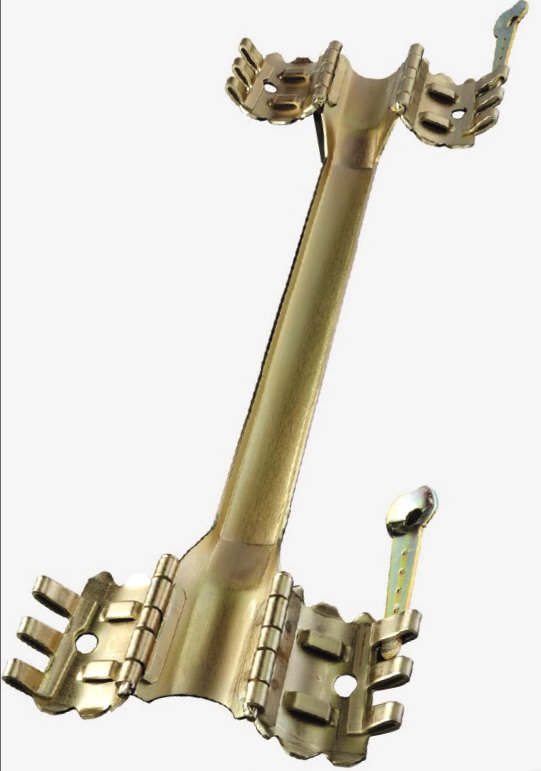
Standard Cable Protectors
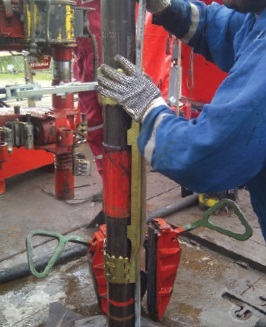
Slingco Cable Protector Advantages
- Custom design and development – any size, any shape, any quantity
- Zinc plating at no extra charge
- Flexible and easy to work with, fast quotes, customised drawings, special requests
- Custom materials: Stainless; Super Duplex; Inconel Alloy 625

Banded Cable Protectors

Mid-Joint Cable Protectors

Centralising Cable Protectors
Cable Socks
Cable socks provide a quick and efficient means of installing/controlling or heavy-duty or electrical cables, and can also be used to support or pull any cylindrical object within their grip diameter and load carrying capacity.
Slingco offer a wide selection of cable socks to match standard applications and can manufacture woven-to-order products to meet special requirements (e.g. socks with diameters over 400mm and breaks exceeding 50 metric tonnes).
Our cable socks are complemented by a growing range of associated products, including swivels, rollers and feed tubes, all manufactured to the same exacting standards.
- Custom availability
- Any size, any specification
- Class-leading performance
- Unrivalled strength

Cable Socks – a comprehensive range designed and engineered for installation of cables and pipes through ducts, conduits and trenches
Hose Resistant Cable Socks
The specialist oil and gas product range encompasses a selection of extremely heavy duty grips. These double eye, multi-weave restraints are manufactured in 316 stainless steel and designed for use as high pressure hose restraints or for large underwater pulls.
Marine Cable Socks
Slingco also manufacture specialist marine cable grips in a wide range of sizes and lattice lengths, and these can be supplied as single eye, double eye or lace up double eye products. All are suitable for use for use as high pressure hose restraints or for large underwater pulls.
Non-Metallic (Aramid) Cable Socks
The extensive portfolio of cable socks includes a range of non-metallic products offering an outstanding weight to break ratio.
Manufactured using a high-strength, non-metallic aramid fibre, they are suitable for pulling both single cable and cable bundles and are ideal for offshore applications.
- High-strength aramid
- Suitable for single cable and cable bundles
Slingco offers a range of support grips, in 304 Stainless Steel, designed to support the cable weight as it hangs vertically or horizontally. They are the ideal solution for taking the strain off connectors, terminators and wall sockets and are available in various designs to suit most applications.

Non-Metallic (Aramid) Cable Socks
Rigid & Bow Spring Centralisers
For Vertical Deviated & Horizontal Wells
Slingco manufacture a range of centraliser products (also referred to as casing spacers) suitable for use in vertical, deviated and horizontal wells. Designed to deliver reliable centralising and spacing of piping within larger diameter pipes, they are available in rigid and bow string options.
Bow Spring Centralisers
Specially designed for vertical wells where low principal forces and high restoring forces are required, this one-piece design simplifies installation onto casings.
The Bow Spring Centraliser is available in multiple sizes and blade configurations.

Bow Spring Centraliser
Rigid Centralisers
Designed to ensure concentricity and standoff in deviated and horizontal wells, this one-piece centraliser minimizes differential sticking.
As with other centralisers in our range the Rigid Centraliser is available in multiple sizes and blade configurations.

Rigid Centralisers
➡ Slingco together with Thorne & Derrick offer a wide range of cable installation and support products developed for the Oil & Gas market, covering everything from stainless steel or non-metallic cable grips for installing and/or supporting cable (or pipes) of diameters from 3mm-300mm, to down-hole cable protectors.

Press Release | Thorne & Derrick Appointed Approved Stockist for UK Leading Cable Pulling Equipment Manufacturer
CABLE SOCKS & PULLING PRODUCTS LV MV HV
Complete range of LV, MV and HV cable pulling products for installation and enabling cable jointing in trench or ducts including LV, 11kV/33kV medium voltage (MV), 66kV/132kV high voltage (HV) and EHV transmission and distribution cables up to 400kV.
➡ See Also Cable Laying, Installation & Support Products | MV HV Windfarm

Cable Rollers | Duct Rods | Cable Socks | Cable Lubricant | Duct Seals | Cable Duct