Blog
Are Your Cable Cleats Fit for Data Centres? Rethinking High-Density Cable Management
April 10th, 2026
Rethinking Cable Cleats for High-Density Data Centres
Global demand for cloud computing, AI workloads and digital services is accelerating the construction of data centres at an unprecedented scale. Hyperscale facilities are now being developed across Europe, North America and Asia, placing increasing pressure on electrical infrastructure.
Inside these environments, power distribution systems are becoming larger, denser and more complex. Electrical energy must move efficiently from substations to switchgear, generators, UPS systems and distribution panels through extensive networks of large single-core power cables.
These cables carry significant electrical loads and must be properly restrained using Band-IT manufactured cable cleats as part of safe and effective data centre cable management.
Why Cable Cleats Matter More Than Ever
In modern data centres, cable routing is no longer straightforward. High-density tray systems, parallel feeder arrangements and evolving layouts create increasingly complex installation environments.
As outlined in our guide to cable cleats, these devices are specifically designed to secure and restrain power cables, particularly during short-circuit events where mechanical forces can be extreme.
Without proper restraint, cables can shift or whip under magnetic forces, risking damage to insulation, equipment and power continuity.
The Installation Challenges Behind Traditional Cable Cleats – Installation Friction
Traditional cable cleats are often installed before cable pulling begins. This requires installers to pre-stage hardware and predict exact cleat locations in advance.
In practice, this approach introduces several issues:
- Cleats can interfere with cable rollers, increasing friction during pulling
- Parallel feeder installations become more difficult in dense tray systems
- Installers must work around heavy cables in confined spaces after pulling
- Multi-component systems increase handling time and installation errors
In high-density environments, these challenges can significantly slow down installation.
Engineering Complexity
Many traditional systems require multiple cleat sizes such as single way cable cleats to match different cable diameters and configurations. :contentReference[oaicite:1]{index=1}
This creates additional work for engineering teams, including spacing calculations, SKU selection and adapting designs as routing evolves.
Project Impact
What appears to be a minor component can have a wider impact across the project:
- Increased material costs
- Extended installation time
- Programme delays from rework or inefficiencies
Why Cable Cleats Are Critical for Electrical Safety
Cable restraint is essential for maintaining safety under fault conditions.
During a short-circuit event, extremely high currents generate powerful magnetic forces between conductors. These forces occur rapidly and can cause uncontrolled cable movement if not properly restrained.
Cable cleats are specifically designed to prevent excessive movement caused by fault-current magnetic forces, helping protect both equipment and personnel.
To ensure performance, cleats should comply with international standards such as IEC 61914, which defines testing requirements for short-circuit restraint capability.
WHAT TO LOOK FOR
- Short-circuit restraint capability
- IEC 61914 compliance
- Mechanical strength under electromechanical forces
- Suitability for high-density and high voltage installations
How Cable Cleat Requirements Are Changing in Data Centres
In high-density data centres, cable cleat selection is no longer based on performance alone. Engineers must now balance:
- Electrical performance
- Physical integration
- Installation practicality
As explored in our article on cable cleats in data centres, these systems are essential for maintaining safety, airflow and operational efficiency in modern facilities.
Post-pull installation methods are increasingly preferred, helping reduce friction during cable pulls and improving installer access in dense tray environments.
A Simpler Approach to Cable Cleats
Modern data centre projects require solutions that simplify both engineering and installation while maintaining compliance.
One approach is the use of post-pull cable cleat systems, designed to improve installation efficiency and reduce complexity.
Key Benefits
- Reduced obstruction during cable pulling
- Improved access in confined tray systems
- Lower SKU requirements
- Faster installation across large projects
High-performance solutions such as stainless steel or aluminium cable cleats are often specified depending on environmental conditions, corrosion resistance and required short-circuit ratings.
Why Installation Speed Is Now Critical
Modern data centre construction is driven by tight schedules, labour constraints and supply chain pressures.
In this environment, even small improvements in installation efficiency can deliver significant benefits. Where thousands of cleats are required, reducing installation time per unit can result in substantial labour savings.
Efficient cable cleat solutions can help maintain project timelines while supporting low voltage and high voltage electrical safety and compliance.

What We Learned from 3M Cable Accessories Training | Thorne & Derrick
April 10th, 2026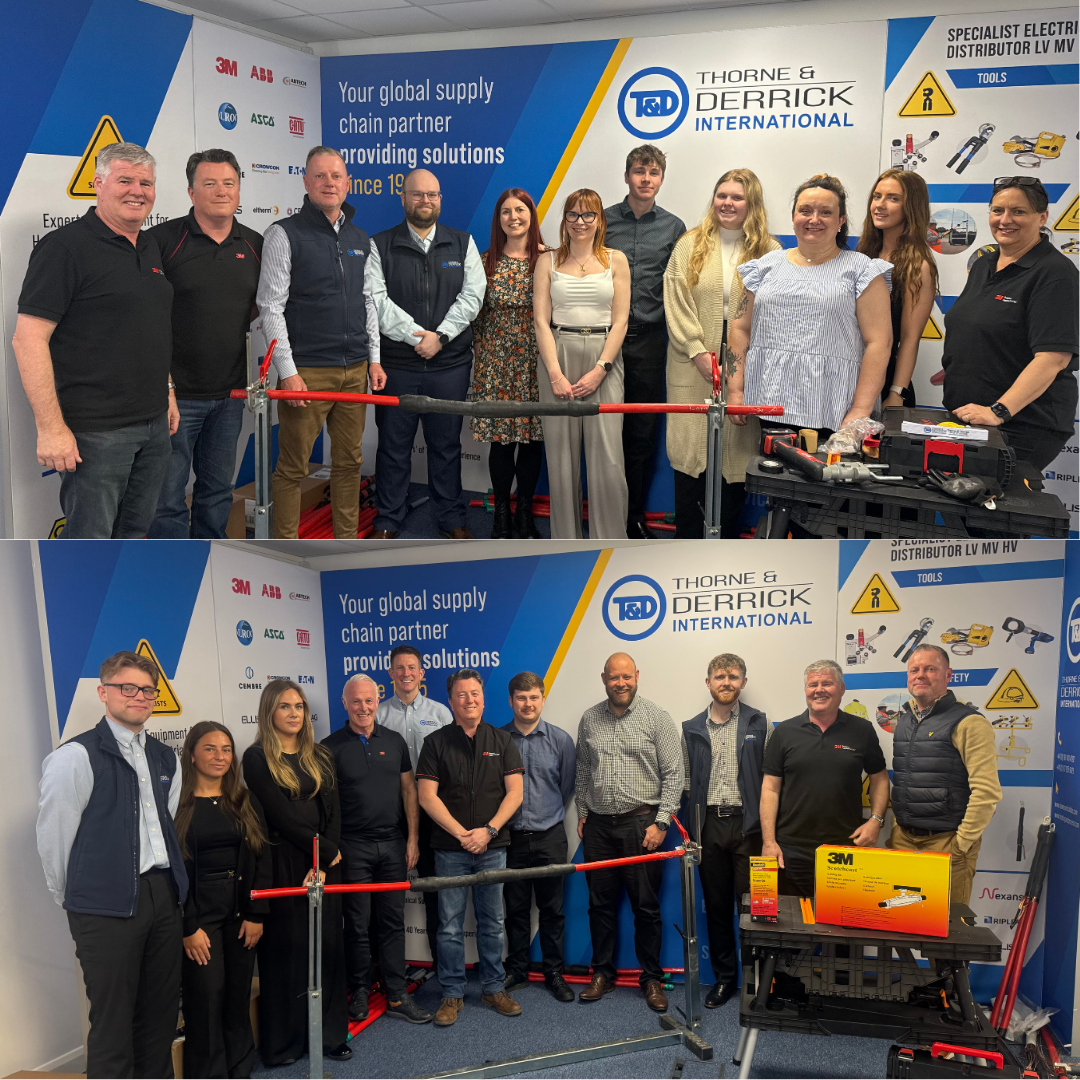
Thorne & Derrick Team Takes Part in 3M Cable Jointing Training
Continuous learning and hands-on experience are essential in the electrical industry especially when working with critical infrastructure across LV and MV systems.
Recently, the Thorne & Derrick team took part in an in-depth 3M cable jointing training session, focusing on improving technical knowledge, product understanding and real-world application.
The session brought together team members from across the business, combining theory with practical demonstrations to strengthen confidence in specifying and supporting cable jointing and termination solutions.
3M cable jointing training with the Thorne & Derrick Team
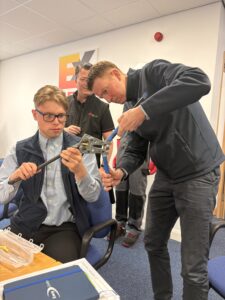
The training session provided an excellent opportunity for the team to step away from day-to-day roles and engage directly with the products and techniques used in the field.
From working with jointing materials to observing installation methods, the day focused on building a deeper understanding of how solutions perform in real-world environments.
Covering everything from tapes and Scotchcast resins to LV & MV Joints and Terminations, the session offered both technical insight and practical experience—bridging the gap between product knowledge and real-world application.
Understanding Cable Jointing in LV & MV Systems
Cable joints and terminations are critical points within any electrical network. Whether connecting sections of cable or safely terminating them at equipment, these components must maintain electrical integrity under demanding conditions.
During the training, key focus areas included:
- Preparation of cables prior to jointing and termination using correct cable jointing tools
- Selection of appropriate materials for insulation and sealing
- Installation techniques for both LV and MV systems
- Common installation errors by HV Jointers and how to avoid them
For those specifying or supplying equipment, understanding these processes is essential when recommending solutions such as LV cable joints and MV cable joints.
The Role of Tapes & Resins in Cable Jointing
A significant portion of the session explored the use of electrical tapes and resins, which play a vital role in insulation, protection and environmental sealing.
- Insulating tapes are used to rebuild insulation layers and provide dielectric strength
- Sealing tapes help prevent moisture ingress and contamination
- Resin systems provide robust encapsulation for joints, particularly in harsh environments
These materials are commonly used alongside cable jointing systems to enhance performance and durability. For example, Scotchcast resin-based solutions are widely applied in underground or submerged installations where environmental protection is critical.
Heat Shrink vs Cold Shrink: What’s the Difference?
One of the most valuable parts of the training was understanding the difference between heat shrink and cold shrink technologies—two of the most widely used methods for cable jointing and termination.
Heat Shrink Technology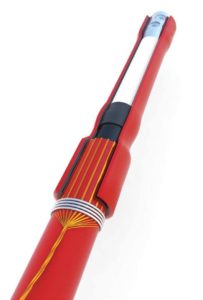
Heat shrink products are installed using controlled heat (typically via a gas torch), causing the material to shrink tightly around the cable.
- Provides a strong, durable seal
- Excellent mechanical protection
- Widely used across LV and MV applications
However, installation requires trained personnel and careful handling of heat sources, particularly in sensitive environments.
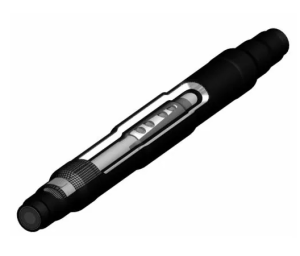 Cold Shrink Technology
Cold shrink products are pre-expanded and mounted onto a removable core. Once positioned, the core is removed and the material contracts automatically.
- No heat required – safer for hazardous or confined environments
- Faster installation time
- Consistent application with reduced risk of error
This makes cold shrink ideal for applications where speed, safety and repeatability are critical.
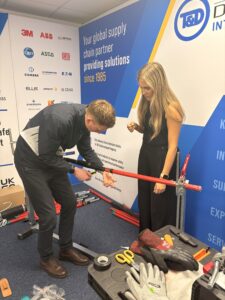
Terminations: Ensuring Safe Connections at End Points
While joints connect cables together, terminations are responsible for safely connecting cables to equipment such as switchgear, transformers and panels.
The training demonstrated how proper termination:
- Prevents electrical stress at the cable end
- Maintains insulation integrity
- Reduces the risk of partial discharge and failure
Both heat shrink and cold shrink technologies are widely used in cable termination systems, depending on the application and installation environment.
Why Product Training is Essential in the Electrical Industry
With increasing demand for reliable power across industries, the margin for error in cable installation continues to shrink. Training plays a key role in ensuring:
- Correct product selection for the Jointing, Termination & Abandonment
- Safe installation practices
- Compliance with industry standards
- Improved long-term performance of electrical systems
Key Takeaways from 3M Cable Jointing Training
- Understanding the difference between heat shrink and cold shrink is critical for correct product selection
- Tapes and resins play a vital supporting role in insulation and protection
- Proper jointing and termination directly impact system reliability and safety
- Hands-on experience significantly improves technical understanding
- Training ensures confidence when specifying and supplying electrical solutions

Layering Up: Why What’s Underneath Your Arc Flash Kit Really Matters
April 9th, 2026
layering up: why what’s underneath your arc flash kit really matters
When workers think about arc flash PPE, the focus usually lands on the visible outer layer – the coverall, jacket, trousers that carries the certification label and takes the brunt of the hazard. But that is only part of the story.
What sits underneath that outer garment can have a major effect on the overall outcome in the event of an incident. If the wrong underlayer is worn, even good outer protection can be compromised. That is why layering is not simply about comfort or warmth, it is a critical part of the protective system.
For teams working around electrical hazards, choosing Progarm manufactured arc-rated baselayers instead of ordinary everyday clothing can make a meaningful difference to protection, comfort and confidence on site.
the hidden risk of everyday underlayers
A worker may appear fully protected because the outer garment is compliant, correctly fitted and worn properly. However, underneath that outer kit there is often a standard T-shirt, sports layer or thermal garment that was never designed for arc flash exposure.
This is where the problem begins. Everyday clothing is chosen for convenience, not for its behaviour under extreme thermal conditions. In an arc flash event, heat can still transfer through the outer layer. If the garment underneath is not suitable, it can contribute to burn injury rather than help reduce it.
- Standard underlayers are not selected as part of an arc-rated PPE system
- Workforces often mix protective outerwear with everyday clothing underneath
- This creates inconsistency from one worker to another
- It can weaken the effectiveness of the overall clothing solution
That is why layering should be treated as a deliberate safety decision, not a personal clothing preference.
why arc-rated baselayers are different

Arc-rated baselayers are designed specifically to sit close to the skin as part of a layered protective system. Their purpose is not simply to add warmth. They are chosen to support the overall garment performance while helping the wearer remain comfortable throughout the working day.
A good baselayer strategy helps create a more complete barrier between the wearer and the hazard. It also gives specifiers and safety managers greater control over what staff are actually wearing beneath certified outer garments.
For organisations trying to standardise PPE across multiple teams, baselayers offer a practical way to reduce guesswork and improve consistency.
protection starts from the skin outwards
One of the most important ideas in arc flash clothing selection is that protection should be built from the inside out. The outer garment may be the first thing seen, but the inner layer is the closest to the body and therefore directly relevant to comfort and injury reduction.
This is particularly important in environments where workers need to wear PPE for long periods, move between indoor and outdoor tasks, or manage variable temperatures through the day. In those situations, baselayers can support both wearability and compliance by making it easier to dress correctly without improvising with unsuitable clothing.
If a PPE system is uncomfortable, workers are more likely to adapt it. If the system is wearable, breathable and clearly specified, compliance usually improves.
layering is not just for winter
It is easy to assume that baselayers are only useful in cold conditions, but that is too narrow a view. In electrical safety clothing, layering is primarily about system performance, not just insulation against the weather.
A well-planned baselayer approach can be relevant year-round because it supports:
- consistent protection across shifts and seasons
- better garment management and standardisation
- reduced reliance on ad hoc personal clothing choices
- improved comfort where breathable PPE is required for long hours
In other words, the right baselayer is not an optional extra. It is part of making the outer garment work as intended.
certifications and standards that matter
When specifying an arc flash clothing system, certification matters because it provides a framework for comparing garments against recognised requirements. Depending on the job, sector and wider hazard profile, several standards may be relevant.
The exact combination of standards required will depend on the application, but the key point is that a compliant outer garment should be supported by a compatible layering approach rather than undermined by unsuitable clothing underneath.
what a good layering policy looks like
For employers, the challenge is not only choosing good garments, but making sure the full clothing system is easy to understand and easy to follow. A practical layering policy should remove ambiguity and make the correct choice the obvious choice.
- Specify approved arc-rated baselayers as part of the PPE issue
- Explain why everyday underlayers are not acceptable
- Match clothing choices to the task risk assessment
- Consider comfort and wearability to support real-world compliance
- Train teams to view PPE as a complete system, not separate items
This approach helps bridge the gap between product certification and how garments are actually worn in the field.
from compliance to real-world protection
There is a difference between owning compliant PPE and achieving effective protection in practice. Real-world safety depends on how garments are combined, worn and maintained.
That is why baselayers deserve more attention in procurement and safety planning. They are not the most visible part of the kit, but they are one of the easiest ways to strengthen the integrity of the full clothing system.
For safety professionals, contractors and electrical teams, the message is clear: arc flash protection is not only about the outer shell. The right underlayers matter too.
Klauke EKM60UNV Universal Tool | Cutting, Crimping & Punching in One Compact Solution
March 25th, 2026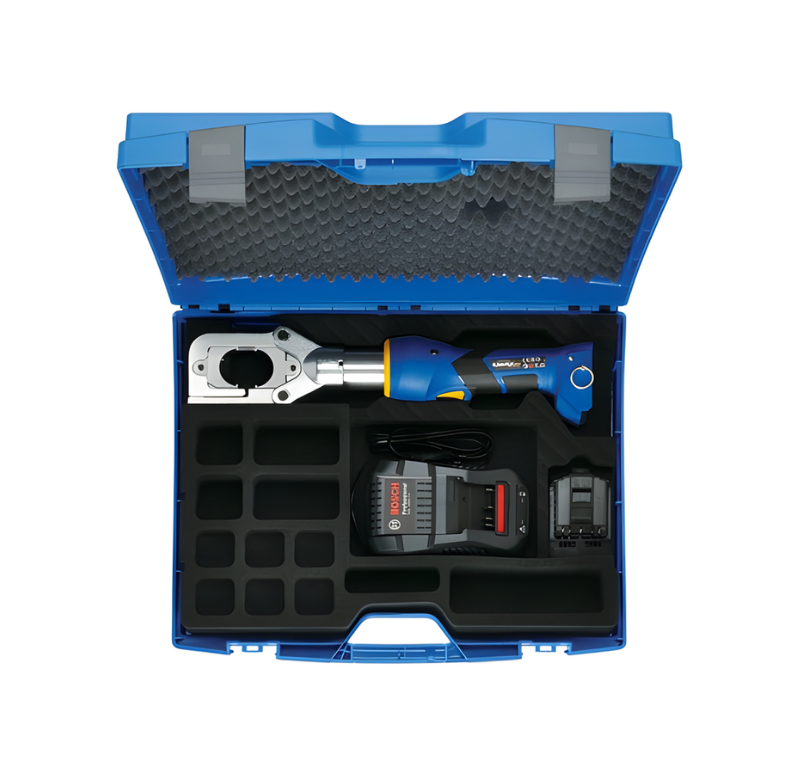
klauke ekm60unv – universal cutting, crimping & punching tool
The Klauke EKM 60 UNV is a versatile battery powered hydraulic universal tool engineered that can be used as a battery powered cable crimping tool and battery operated cable cutting tools that comes with one head for crimping, cutting and punching – one tool for all applications.
By combining multiple functions into a single tool, the Klauke EKM 60 UNV tool helps streamline workflows and ensures consistent, high-quality results across a wide range of electrical applications.
compact, portable & powerful Tools
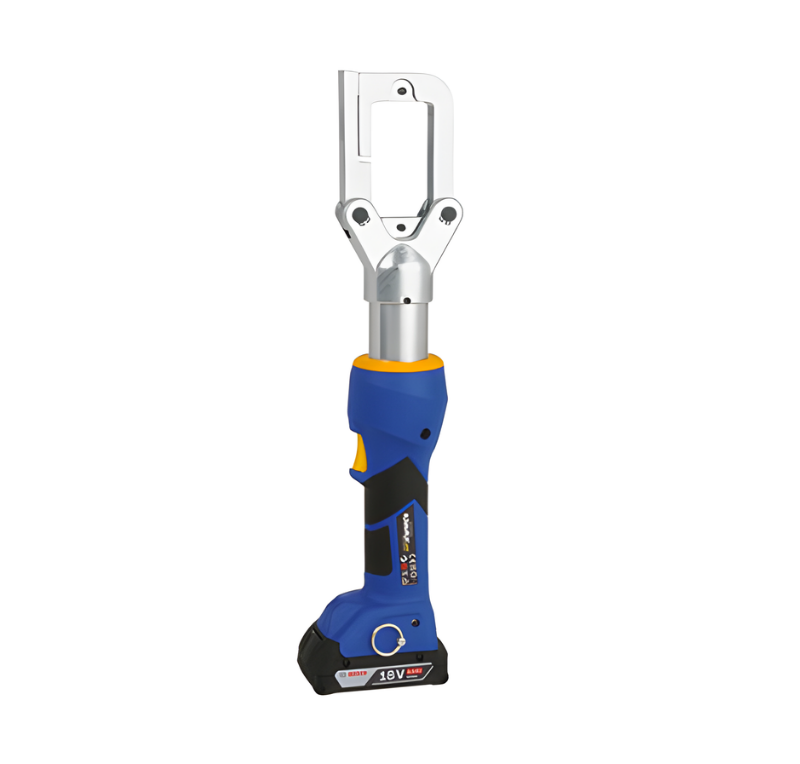
Despite its compact size, the Klauke EKM60UNV delivers powerful hydraulic performance, ensuring consistent results across all applications. Its ergonomic design allows for comfortable one-handed operation, even in confined or overhead working conditions.
The cordless, battery-powered tooling system removes the limitations of manual tools, enabling faster task completion and improved productivity on-site.
reduce equipment – improve efficiency
Carrying multiple tools can slow down installation and maintenance work. The EKM60UNV eliminates this issue by combining three key functions into one device.
- Reduces the number of tools required on-site
- Speeds up installation and maintenance tasks
- Minimises downtime between operations
- Improves workflow efficiency for engineers
For contractors and industrial teams, this results in faster project completion and increased productivity.
built for professional electrical applications
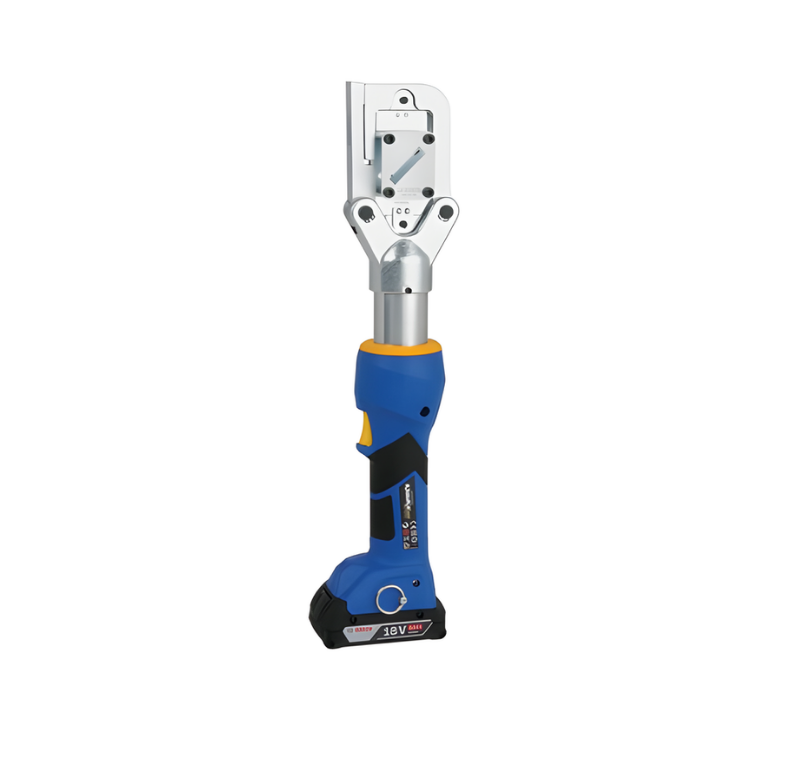
The Klauke EKM60UNV is designed for demanding environments including industrial installations, utilities and panel building. It provides the reliability and precision required for modern electrical systems where performance and safety are essential.
Whether used for installation or maintenance, the tool ensures consistent, repeatable results across all applications.
Compared to larger tools like the EK120UNV, the EKM60UNV offers a more compact and portable solution, making it ideal for everyday use across a wide range of applications.
Industrial Label Printing Solutions – Cembre MG4 & ROLLY3000 Guide
March 18th, 2026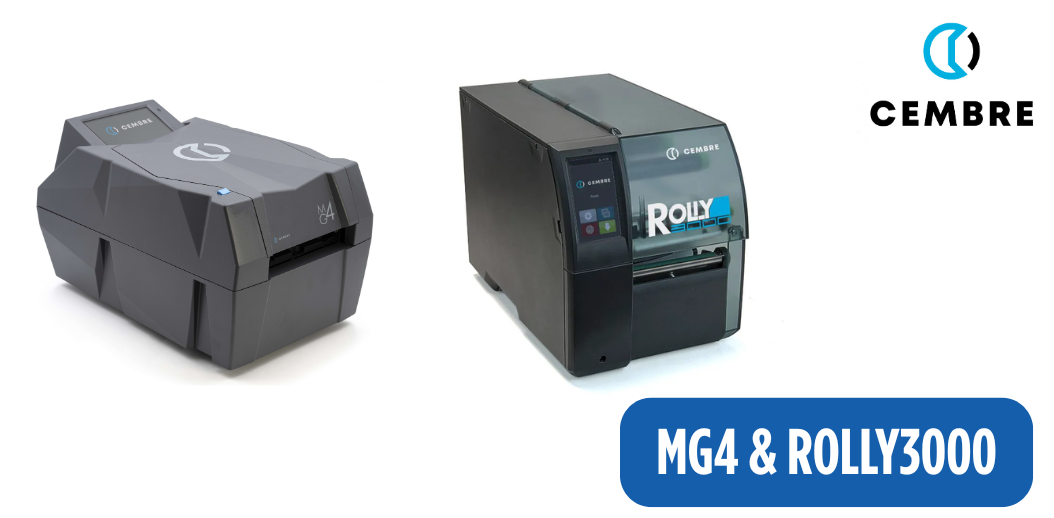
INDUSTRIAL LABEL PRINTING SOLUTIONS
When clear, durable and professional identification is required across control panels, cable systems, production facilities and industrial installations, print quality, reliability and ease of use are critical.
Cembre industrial label printers are designed to support fast, accurate and long-lasting identification for electrical, industrial and automation applications. The Cembre MG4 and ROLLY3000 provide dependable thermal transfer printing solutions for different labelling requirements, helping contractors, panel builders and maintenance teams improve organisation, traceability and installation standards.
From sheet-based labelling for flexible workshop and site use to roll-based high-volume industrial printing, these Cembre printers support professional marking systems for cables, terminals, components, electrical panels and industrial equipment.
Need Help Selecting The Right Cembre Printer?
Choosing the correct printer depends on print media format, production volume, portability requirements, installation environment and the type of identification system being produced. Speak to our team for guidance on the most suitable Cembre printing solution for your application.
- Professional thermal transfer printing for industrial identification
- The Cembre MG4 sheet printer with display, Wi-Fi and battery capability
- ROLLY3000 roll printer designed for robust, high-production environments
- Suitable for electrical panels, cable marking, terminal identification and industrial labels
- Reliable print performance for text, symbols, logos, QR codes and technical marking
- Supports organised, durable and professional identification systems

Why Industrial Label Printing Matters
- Helps provide clear and durable identification for cables, terminals and equipment
- Supports safer, more organised electrical and industrial installations
- Improves efficiency during installation, maintenance and fault finding
- Enhances traceability across panels, machinery and infrastructure
- Supports a professional finish for industrial and commercial projects
Designed For Reliable Industrial Identification
Industrial labelling systems must do more than simply print text. In demanding environments they also help:
- Produce durable identification that remains legible over time
- Support fast, efficient workflows in workshop and production settings
- Enable accurate marking of components, conductors and equipment
- Improve consistency across large-scale wiring and panel projects
- Support professional standards in electrical, automation and industrial systems
These requirements are especially important where identification needs to remain clear and dependable across production departments, electrical panels, infrastructure systems and maintenance operations.

MG4 Or ROLLY3000 – Which Printer Is Right For Your Application?
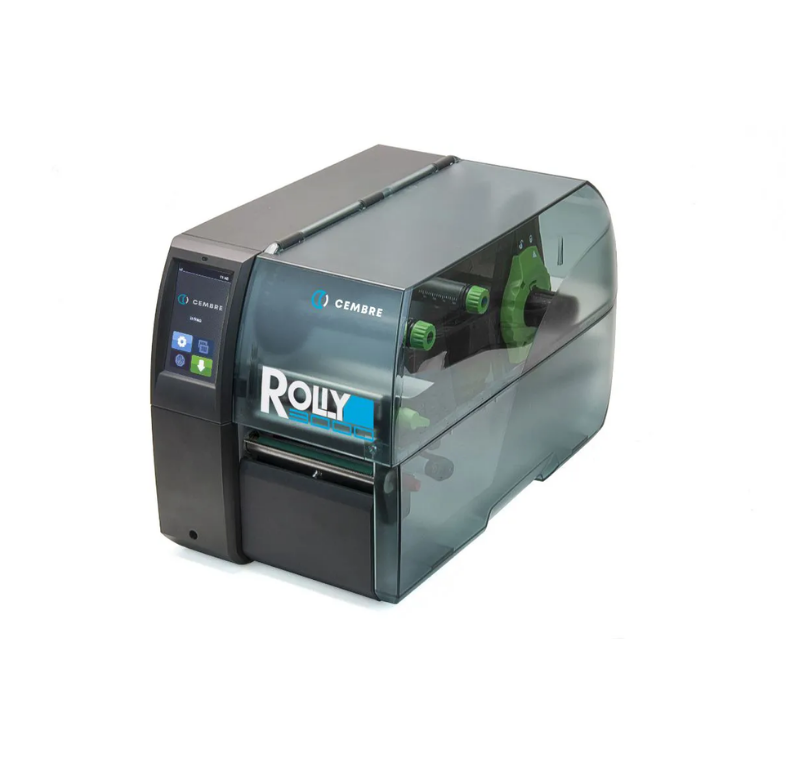
- Choose MG4 where portability, sheet-based printing and flexible use across office, workshop and site environments are important
- Choose ROLLY3000 where robust roll-fed printing is needed for production departments and higher-volume industrial marking
- Consider print media type, installation workflow and working environment before selecting your printer
- Both solutions support professional identification for industrial and electrical applications
Applications For Cembre Industrial Printers
- Electrical panel building
- Cable and conductor identification
- Terminal and component marking
- Industrial production facilities
- Automation and control systems
- Maintenance and retrofit projects
- Infrastructure and utility applications
- Workshop and site-based labelling operations
Key Benefits Of Cembre Printing Systems
- Professional print quality for technical identification
- Reliable thermal transfer technology for durable results
- Flexible connectivity for modern industrial workflows
- Suitable for demanding industrial and electrical environments
- Supports efficient and consistent marking across projects