Cable Pulling & Laying
Techlube | Cable Pulling Lubricants for Power & Telecom Cables
October 28th, 2021
Cable Pulling Lubricants | Techlube
Cable Pulling Lubricants
Techlube by Socomore
Techlube is a range of water-based underground Power & Communication cable pulling lubricants designed to provide superior friction reduction and reduce the risk of cable damage during cable installation, which is the primary cause of 90% of cable damage.
All Techlube cable lubricants share similar chemistries and characteristics:
- ‘Cling & String’ consistency of Techlube ensures strong adhesion to the duct wall/ cable
- Perfect adhesion to cable in wet weather
- Resistance to wash off, allowing lubrication even in flooded ducts
- Slow drying, leaving a thin film which keeps its lubricating potential assisting with cable pulls to the same duct, preventing ‘cementing’ of the cable
- Substantially biodegradable* & non-flammable
- Water polymer lubricants with low conductivity

Cable Lubricants By Socomore
Cable Pulling Lubricant Product Benefits
- Reduced friction & risk of damage
- Compatible with cable jackets & jointing accessories
- Regular pulling tension
- Temperature stability
- Retains lubricating potential
- Improved efficiency
- Environmentally responsible
- Several formulations available
Friction Reduction
The ability to reduce friction between the cable jacket and the conduit provides the means to evaluate performance of cable lubricants.
Friction Theory:
The coefficient of friction, µ is a dimensionless value that is a proportionality constant between the frictional force, F, and the normal force, N.
µ=F/N
µs : the static coefficient of friction, is defined as the minimal force required to start an object in motion divided by the normal force.
µk :the kinetic coefficient of friction, is defined as the minimal force required to keep an object in motion divided by the normal force.
Note: laboratory measured coefficients may not be accurate when used to predict actual cable pulling tensions.
Compatibility
Techlube does not contain any salt, detergent, paraffin or grease which can degrade cable jackets or cause hot spots, and has passed compatibility testing with materials commonly used in power cable accessories, joints & cable jackets including HDPE, LLDPE, Natural Rubber, CPE, CSPE, EPR, XLPE, PVC and Neoprene.
Cable Pulling Lubricants Techlube Range
| Techlube Range | Cable Lubricant Description | Viscosity (cPs) | Uses |
| HD | Heavy duty cable lubricant for heavy cables & difficult cable pulls | 5400-7400 | Cable Pulling Installations Cable Duct Pre-lubrication |
| PHD | Pourable lubricant for lighter cable installations | 2000-3500 | |
| MULTI | Multi-purpose cable lubricant | 5400-7400 | |
| FO | Fibre optic & sub duct installation lubricant with high elasticity for reduced consumption | 2000-3500 | |
| M | Cable lubricant with microspheres, specially designed for Telecom industry | 1800-2800 |
*Excluding microspheres in Techlube M
Directions For Use
Techlube products are easy to apply through a variety of methods:
- Hand
- Manual Pouring
- Pumping
- Cone Feeder Systems
Recommended Cable Pulling Lubricant Quantity
These quantities are given for reference and guidance only. Every installation is different depending on complexity, route, cable and duct variables.
- For plastic conduit (PVC, Polyethylene) use the following equation:
Q = 0.0064 x L x D (HD, PHD, MULTI)
Q = 0.0080 x L x D (FO)
Q = 0.0004 x L x D (M) - For multiple concrete, clay tile, fibre cement, fibre filled & wooden conduit use the following equation:
Q = 0.0098 x L x D (HD, PHD, MULTI)
Q = 0.0120 x L x D (FO)
Q= 0.0006 x L x D (M)
Q = Quantity of Techlube
L = The total length of the pull in meters
D = The inside diameter of the conduit in centimeters
Physical Properties
Appearance: Viscous liquid
VOC: 0% or O g/1
PH: >=5.0 – <8.0
Health & Safety
- Substantially biodegradable*, non-toxic & water-based
- Non-flammable
- Not irritating to the skin under normal use
- No unpleasant odour
- Protective clothing not required under normal use
- No threat to the environment
Temperature Stability
Standard grade Techlube will not lose performance qualities in hot weather or after undergoing freeze/thaw cycles.
Clean Up
Good working practice in accordance with local & EU regulations.
Standard Packaging
- 20 litre buckets / 24 buckets per pallet
- 1 litre bottles (PHD only)/ 12 bottles per case/ 36 cases per pallet
- 2 litre pre-lube bags (HD only) / 10 bags per bucket
Storage & Shelf-Life
Store tightly sealed in adequately ventilated premises. Shelf life is one year from the manufacturing date.
General Requirements for Cable Lubricants
- Cable & Duct Compatibility: prolonged exposure to the lubricant should not adversely affect the cable or duct performance for the life of the cable
- Friction Reduction: the initial installation should not expose the cable to excessive pulling forces or generate damaging heating effects and when completely dried, the lubricant should not ‘cement’ the cable in place
- Environmental Safety: the chemical consistency of the lubricant should not adversely affect the users or environment into which it is placed
- Fire Resistance: the lubricant deposits should not continually burn or spread a flame along the length of the duct/ cable
- Electrical Considerations: the lubricant should not affect the volume resistivity of the semi-conducting cable jacket when used in conjunction with power cables
The below video shows the Socomore Techlube HD heavy duty water-based cable pulling lubricant in use. Suitable for underground cable installations and is designed for heavy power and difficult cable routes and pulls (LV HV).

Cable lubricants manufactured by Socomore are recommended when installing LV-HV power, fibre optic and telecoms cables into cable duct.
CABLE PULLING & CLEANING PRODUCTS
Thorne & Derrick International are the UK’s leading stockist and supplier of Cable Pulling & Cable Laying Equipment for the installation of underground land and subsea power cables and overhead lines up to 400kV – the products support cable pulling teams to install LV MV HV cables into trench, cable duct, risers and all forms of cable containment.
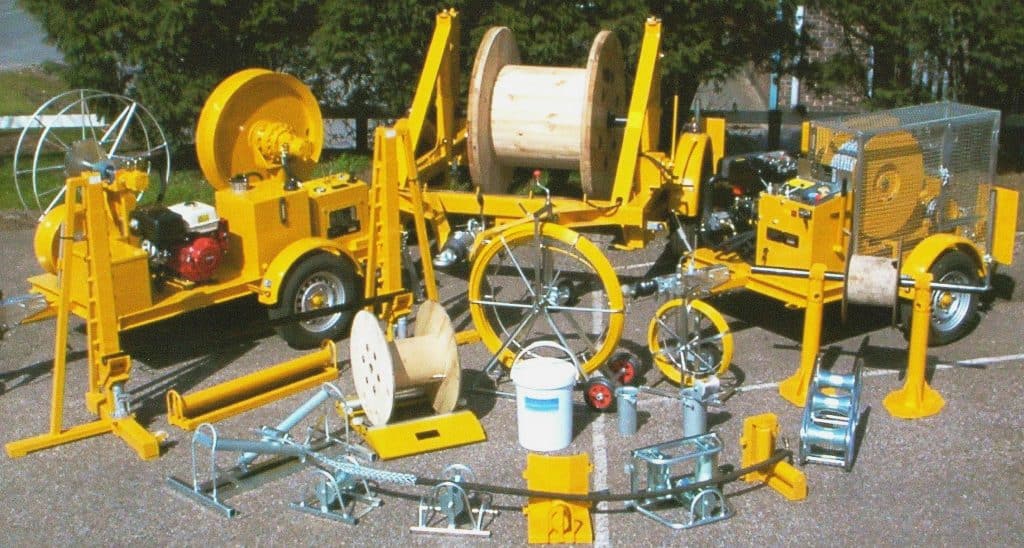
T&D distribute the complete range of LV-HV Cable Pulling and Laying Equipment including cable rollers, cable socks, cable jacks, cable drum trailers, cable lubricant, underground cable protection and conduit duct rod.

Cable Pulling & Laying | Sealing Cables Whilst Installing | Part 1
September 23rd, 2021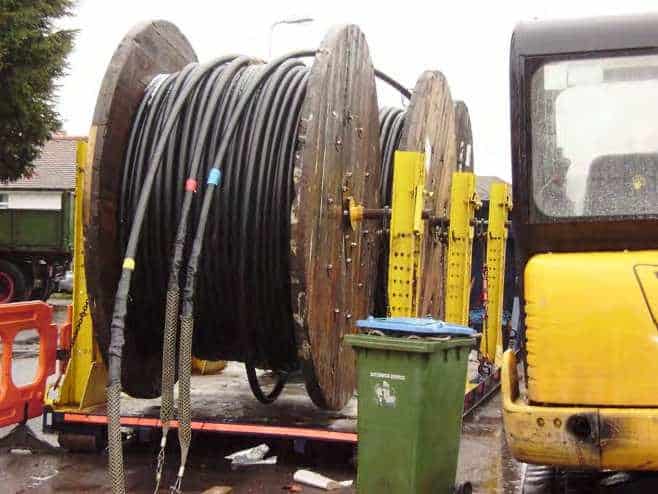
Cable Pulling & Installation
Stephen Harrison – Training & Technical Manager at Current Training Service Pty Ltd
Pulling cables is an art, with bending radii, side wall pressures to consider whilst pulling the cables and loadings of cables, the list goes on. All cable pulling data is available from the cable manufacturer on these values, before pulling cables please check and verify the cable pulling calculations and values.
Water is devastating to cables and when a cable does start to let water in, it can diminish the life span of that cable causing so many problems. Some of the problems maybe treeing and or oxidisation etc.
How many times do people pull cables into installations without correctly sealing the cable ends and finding out that water has penetrated the cables whilst under installation?
End caps are designed to seal the cable either whilst being installed or being left for periods of time awaiting terminating or jointing.

The humble end cap will not work alone on the cable a few things have to be done before it is effective and seals your cables;
- Select the correct end cap for the installation, either storage, pulling. (There are several types)
- When the selection has been made, prepare the cable outer sheath. This will require abrading and cleaning any mud off, so when mastic, glue or hot melt adhesive attaches the outer sheath it creates a seal.
- The cap, depending on the manufacturer may need mastic under for extra sealing especially when installing the cable and leaving it for a period buried or in a pit in water, or 2 caps mastic and a heat shrink sleeve maybe required.
In Part 2, I will explain the different types of cable end caps which have been designed for pulling cables and storage.
➡ Read part 2 here Cable End Caps | Cable Pulling & Storage | Part 2

Cable Pulling Cable Laying Equipment
Further Reading
Cable Pulling Calculation Example From Brugg Cables
Secure Spiking of Underground LV & HV Cables | Cable Spiking & Cutting Tools

Cable Pulling & Cable Laying Equipment
Onshore Cable Pulling Starts At Seagreen Offshore Wind Farm
September 6th, 2021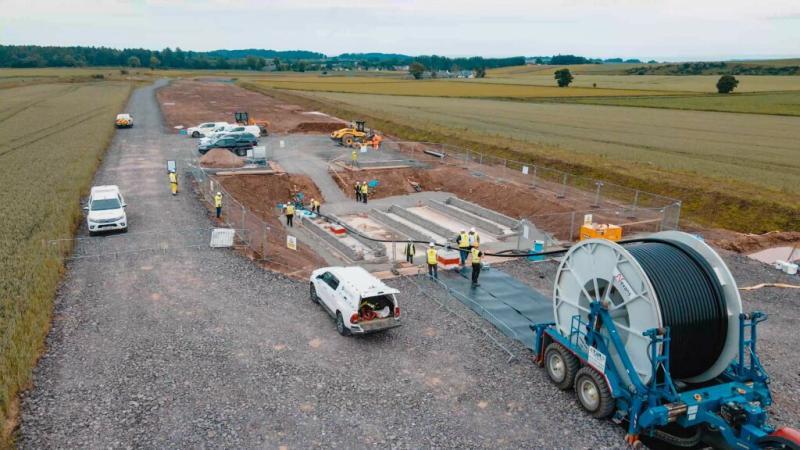
Cable Pulling & Laying
Work is underway to pull cabling through 19.5 kilometres of underground ducts which will connect the GBP 3 billion Seagreen Wind Farm to the Scottish National Grid.
The cable pulling is the latest stage in the cable installation process and another milestone in the construction of the 1,075MW 114-turbine development 27 kilometres off the coast of the county, which when operational, will power up to 1.6m homes throughout the country.
Once finished, the cabling will reach from where the project makes landfall in Carnoustie to a new dedicated substation currently under construction in Tealing.
Onshore Electrical Infrastructure Project Manager, Steven Reid from SSE Renewables is responsible for the cable installation project.
”The start of the cable pulling process marks an important achievement in the delivery of the onshore electrical transmission infrastructure following significant efforts from the Project Team and the support of various stakeholders,” Reid said.
”Again, I‘d like to express our thanks to all who live along the route for their co-operation and understanding as the project has progressed up to this stage of delivery. Working with our Contractor Nexans, we now look forward to continue to deliver the installation of the 19km of cabling safely and with the least amount of disruption possible to the surrounding community.”

Electrical Arc Flash Protection for Offshore Wind Farm WorkersSeagreen is a joint venture between SSE Renewables and Total.
First power at the wind farm is expected by early 2022 with full power coming on stream in 2022/23.
Seagreen selected Montrose Port as the home for the operations and maintenance base for the 114-turbine development in October 2019.

See how T&D support, supply and service the Renewable Energy industry.
Cable Pulling & Cable Laying Equipment
Concrete Trough for Rail Industry Cables | A Case Study
August 20th, 2021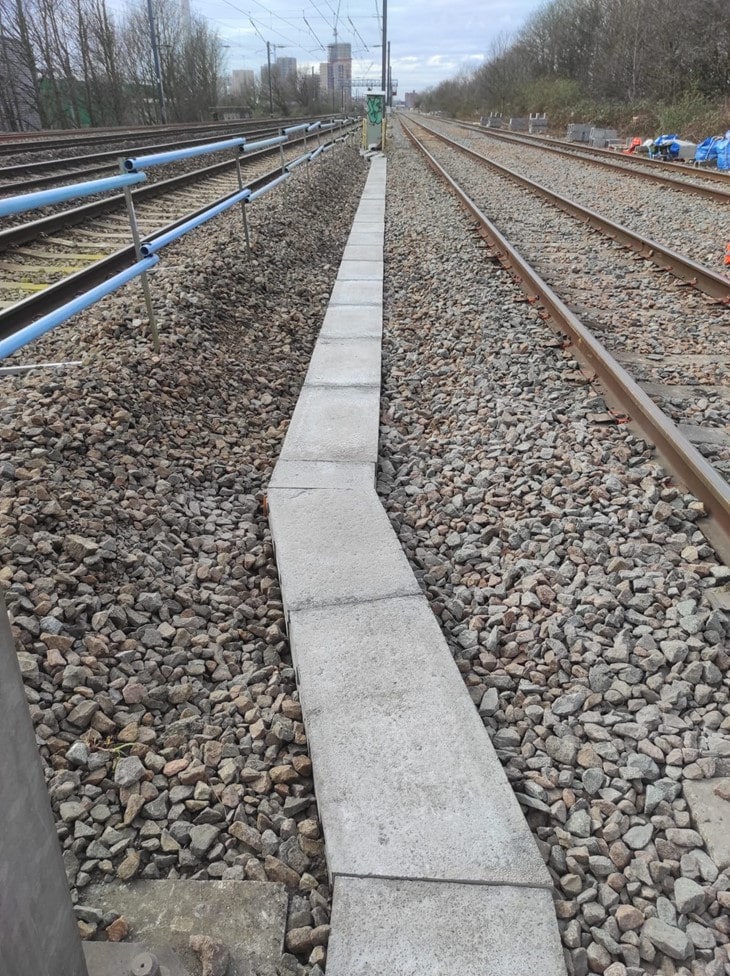
Concrete Cable Trough
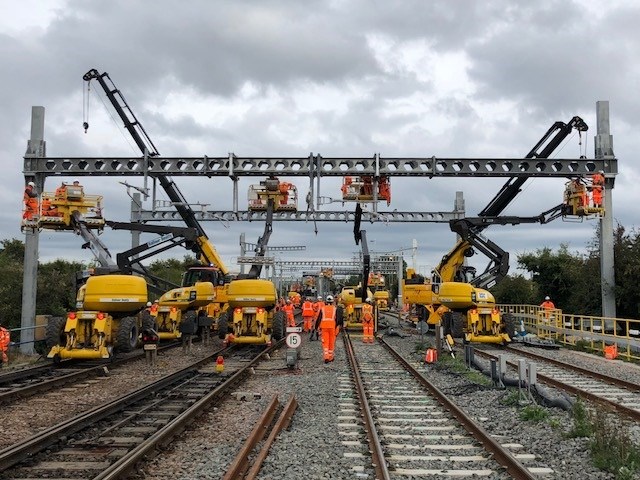
As part of Network Rail’s substantial Railway Upgrade Plan to increase capacity across the Great Western Main Line, the significant re-signalling project between Paddington and Reading is continuing to make significant progress.
New cabling is currently being installed as part of a variety of infrastructure projects between Paddington and Heathrow junction. These infrastructure projects include Crossrail works on the Elizabeth Line, the upgrading of the signalling infrastructure from track circuits to axle counters and the safer faster isolation works.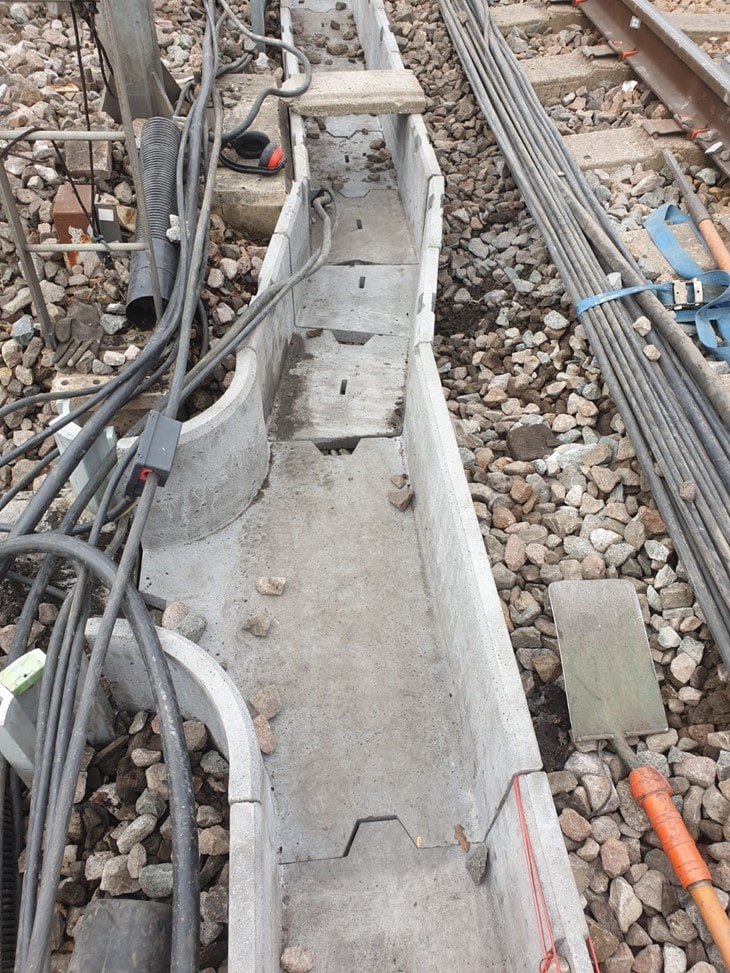
➡ See our range of Insulated Rail Track Tools
Upgrading Cable Routes
Colas Rail is supporting the signalling infrastructure upgrade works through telecoms, civils, electrification and power support. The project aims to deliver a more reliable railway for London and all passengers travelling to the West and Wales, ultimately putting the passenger first. Many of the cable routes on this section of the infrastructure are reaching capacity and therefore are being upgraded by Colas Rail to accommodate the extra cable required.
As part of the cable installation process, Colas Rail has commissioned Anderton Concrete, market leader in the supply of cable protection products to the UK’s rail industry, to supply over 6000 metres of precast concrete troughing to successfully increase cabling capacity.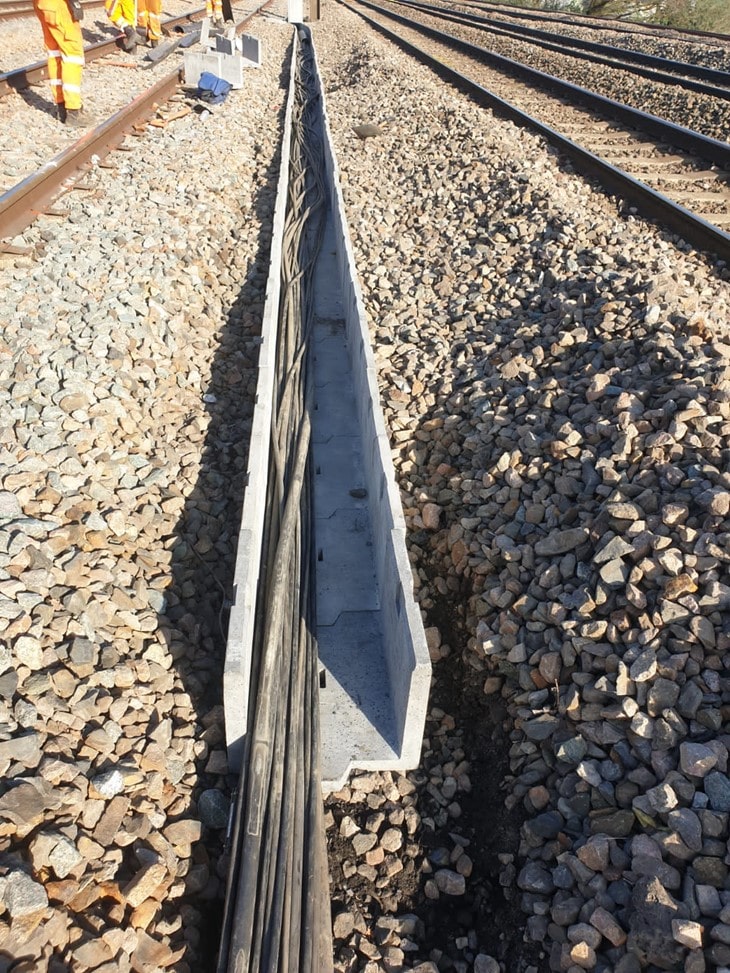
Facilitating the seamless transition from existing ground routes to new routes, the Anderlite straight concrete troughs have been manufactured in half lengths of 500mm to increase on-site efficiencies. The troughing lids have been manufactured at a standard length of 1metre to provide further cost and resource benefits.
Over 3000 metres of troughing has already been installed by Colas Rail’s engineers, with the project predicted to be finalised by this summer.
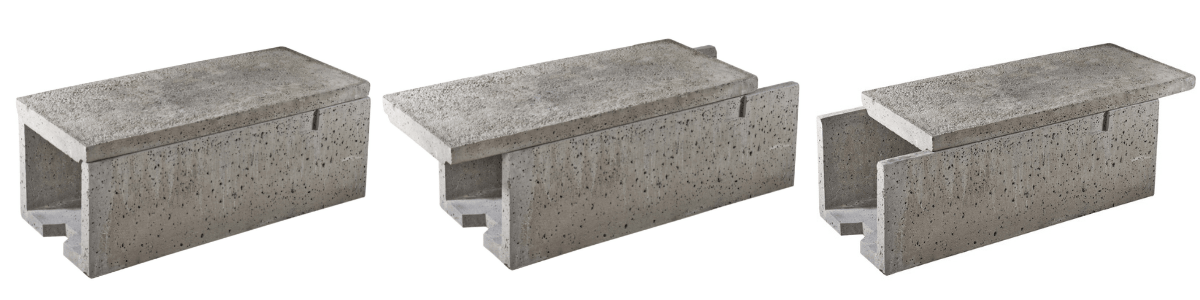
Anderlite 500 Concrete Trough
Daniel Clouth, Project Manager at Colas Rail Ltd., said: “A project of this scale and nature requires optimum communication and collaboration from all parties to ensure its successful delivery. It is therefore crucial that the level of materials we require are on site at the key access points, when we need them.
“Having worked with Anderton Concrete across previous rail projects, we were confident that the team could deliver the volume of troughing we required, whilst also taking a bespoke approach to the specification of the product to ensure on-site efficiencies were increased.”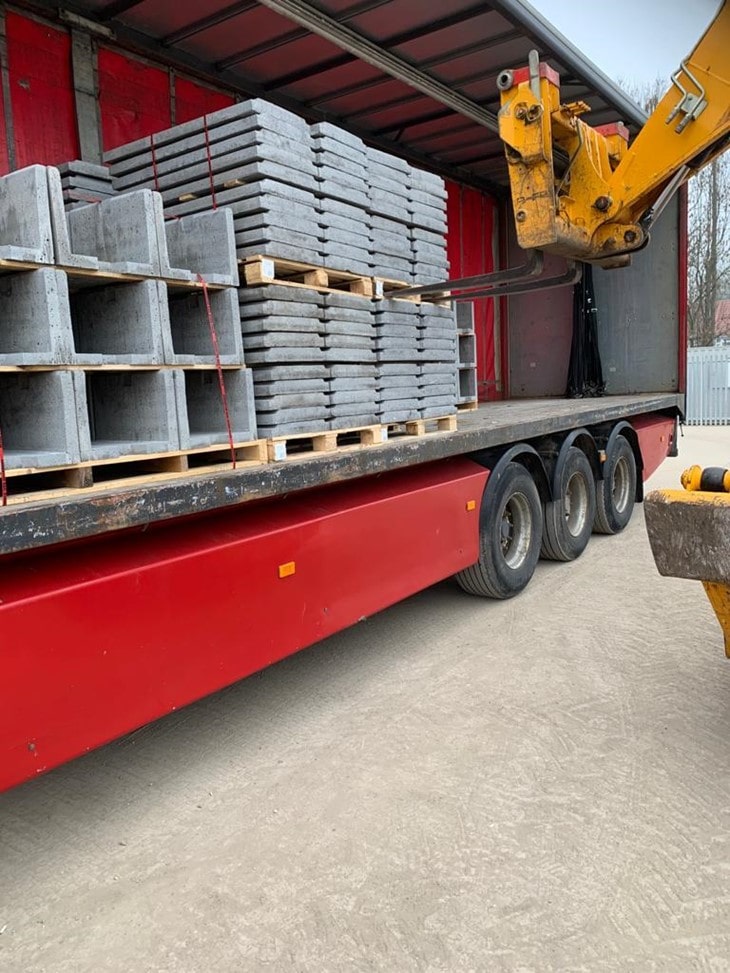
With the UK’s railway network experiencing a doubling of passenger levels over the last 20 years, Network Rail’s Railway Upgrade Plan will deliver a more reliable railway that ensures new trains can run alongside existing rail services to deliver quicker and easier journeys for passengers.
Neil Cross, National Sales Manager for Anderton Concrete, said: “As a longstanding partner of Colas Rail, it has been fantastic to collaborate with them for the re-signalling of the Great Western Main Line.
“With this project, it was imperative we could meet tight deadlines and supply high volumes of product with just a few days’ notice. As Anderton Concrete is at the heart of building for the UK, our extensive range of precast concrete products are manufactured at our headquarters in Cheshire, which places us in a strong position to guarantee that our troughing solutions can be on site in the shortest lead times, without compromising on quality.”
Anderton Concrete’s extensive portfolio of troughing, signal bases and complementary rail products are designed to comply with Network Rail standards and as a result, have full Network Rail Approval status, Certificate No. PA05/00318 & PA05/05810 and RISQS accreditation.
As the durable Anderlite concrete cable trough range is up to 30% lighter than traditional materials, it offers increased installation and sustainability benefits to reduce manual handling concerns, associated cost and resource implications and the overall environmental impact of the project.
Colas Rail
A subsidiary of the Colas Group, Colas Rail are part of over a hundred years of experience in delivering major innovations across our sector. Every day, thousands of trains run on tracks built or maintained by Colas Rail.
Colas Rail is a leading provider of railway infrastructure services – providing design, engineering, project management, construction and maintenance solutions for the light rail, metro, mainline and high-speed markets.
LV MV HV Jointing, Earthing, Substation & Electrical Eqpt
Thorne & Derrick are leading Specialist Distributors & Stockists of LV, MV & HV Cable Installation, Jointing, Substation & Electrical Equipment to the Rail industry. Low, Medium & High Voltages
Power Products ♦ Cables & Accessories ♦ Electrical Equipment
 Product Categories: Duct Seals | Cable Cleats | Cable Glands | Electrical Safety | Arc Flash Protection | Cable Jointing Tools | Cable Pulling | Earthing | Feeder Pillars | Cable Joints LV | Joints & Terminations MV HV
Cable Drum Handling | A Guide by LEONI Cables
July 30th, 2021
Guidelines for cable drum handling during transport and storage
Transport
Cable drums must be handled with care.
Improper handling procedures or cable drum handling equipment can easily cause damage like broken drums or visible or invisible damage of the cable itself.
Main danger comes from invisible damages leading to unusable cables.
Therefore some base guidelines shall be followed. The cable itself must always be protected and may not be touched improperly during transport and storage. A drum, damaged by handling or showing signs of wear or rotting must be checked. Special handling procedures may be necessary.
If a wooden drum is handled and/or stored properly as described in this document LEONI Kerpen GmbH gives warranty for stability and usability for a period of up to 18 months after delivery. In case of wooden drums show signs of damage from transportation any warranty obligation given for cable drums and any subsequent cable problems resulting from it are null and void.
Beside the general guidelines, please refer to the cable data sheet for additional information regarding temperature range and possible special requirements for transport and storage.
- Lifting cable drums with a fork lift is only allowed from the “flange side”. The fork may never touch the cable or its protective cover to avoid damage. The fork must support both flanges while lifting.
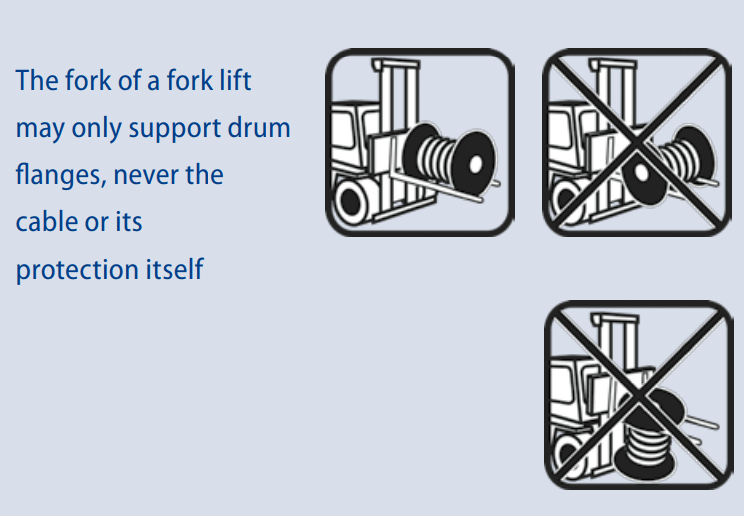
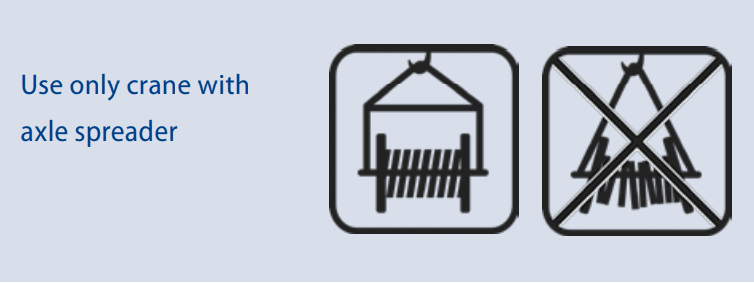
- If lifting a drum with a crane an axle or a spreader beam must be used to avoid lateral pressure on flanges.
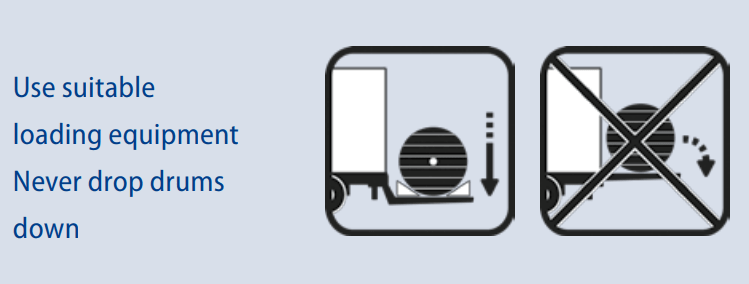
- Suitable devices must be used for loading and unloading in order to avoid damage to the cable and the drum. Drums may never be dropped from a truck, ramp or container.
- Cable drums should only be transported with suitable vehicles and must be fixed, so that they cannot shift during transportation. The same applies in case cables are transported in a container.
- During transport and storage drums shall always be in upright position.
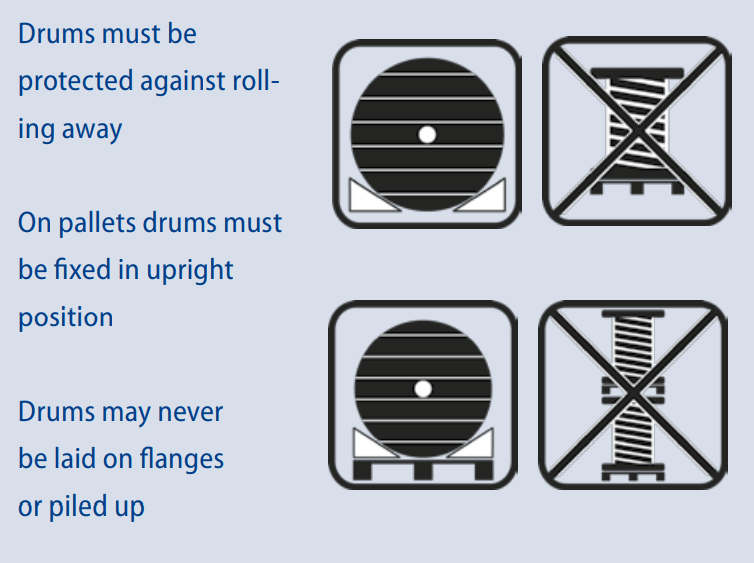
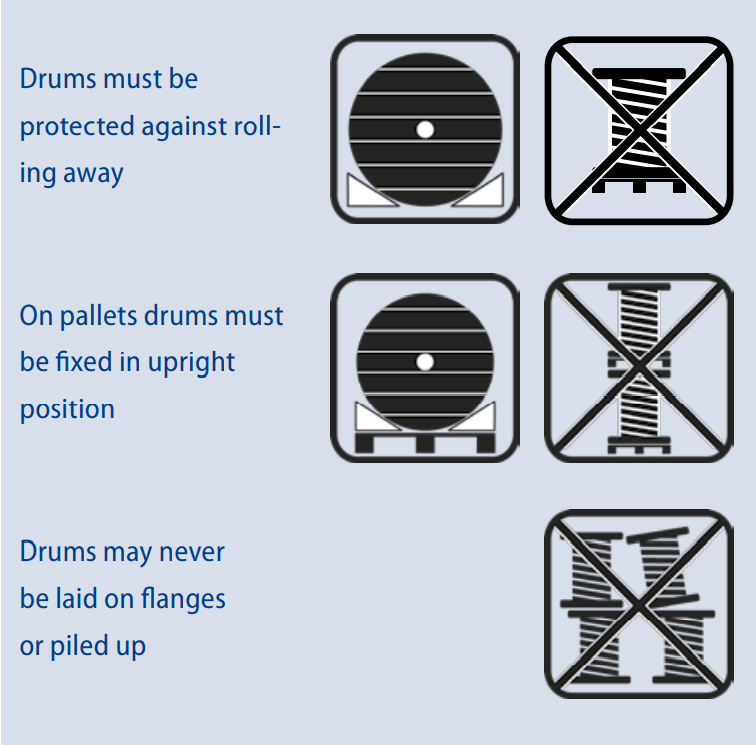
Drums must be protected against rolling away. On pallets drums must be fixed in upright position. Drums may never be laid on flanges or piled up.
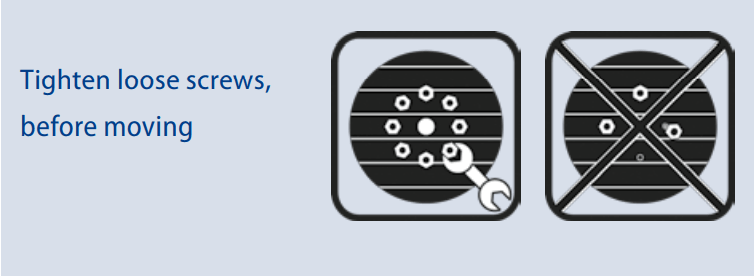
- All screws holding the flanges must be checked and tightened before moving the drums.
- In case of dry and hot weather conditions screws have to be tightened as required to compensate for shrinking of wood. Tightening of screws shall be done with a torque wrench. The force shall be as mentioned on the drum or as follows:
| Drum Size | Force |
| 700–1400 mm | 80 Nm |
| 1600–2200 mm | 100 Nm |
| 2500–2800 mm | 120 Nm |
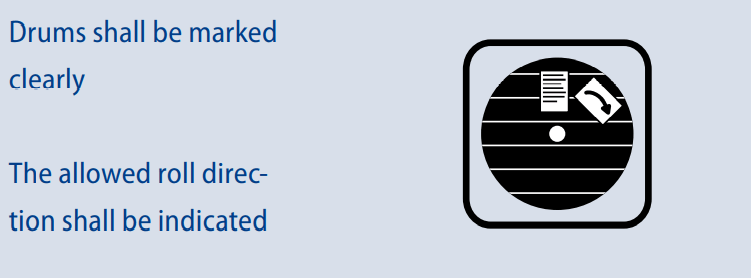
- Drums with cables may only be rolled over short distances and on a firm and even surface in the direction which is indicated on the drum (label with arrow and inscription “Roll This Way”).
- Each drum is identified by an unique drum number. In case a cable or part of it is rewound onto another drum, it is recommended to note the original drum number, otherwise backtracking is impossible.
- Drums must be labelled to allow easy and quick identification of the cable:
– identification labels showing cable type, length, code no., etc.
– other markings.
- The maximum temperature for transportation is indicated in the data sheet, section “Transport and Storage”.
- Due to interdicted stress during transportation, nails used to fix the two layers of a flange might be forced to shift into the inner side of a drum. Drums damaged or overstressed (e.g. dropped on a flange) needed to be checked carefully from the outside. Nails in question have to be removed by pliers before rolling or turning the drum to avoid continuous damages of outer sheath by rotating cable layers.
It is always a sign of incorrect cable handling, when hats of nails are sticking out of the inner flange of a cable drum. This movement is caused by shifts of the 2 wooden flange layers against each other under interdicted force while moving the drum.
In addition, multiple damages might occur by such a nail hat, due to unavoidable but “normal” movements of a cable on a cable drum while being un-drumed.

Cable Rollers
Cable Drum Storage
Cable drums shall be stored safely. Improper storage conditions can easily cause damage to cable drums or cables themselves. Therefore some base guidelines shall be followed.
The cable itself must always be protected and may not be touched improperly during transport and storage.
Check drums before moving. Check for nails, which might have shifted out of the inner side of the flange. Remove it from the surface before rolling or moving the drum.
A damaged drum must be checked. Special procedures may by necessary, like rewinding on a new drum.
If a wooden drum is handled and/or stored properly as described in this document LEONI Kerpen GmbH gives warranty for stability and usability for a period of up to 18 months after delivery. In case wooden drums show signs of damage from handling and/or storage any warranty obligation given for cable drums and any subsequent cable problems resulting from it are null and void.

Cable Protection | LV MV HV
Beside the general guidelines, please refer to the cable data sheet for additional information regarding temperature range and possible special requirements for transport and storage.
- Cables for indoor use shall be stored indoor.
- Cables for outdoor use may be stored outside. Their allowed temperature range for storage should cover the conditions defined for storage. See cable data sheet, section “Transport and Storage”, for any details.
- All cables on drums shall be protected with suitable protection package, such as black plastic sheeting, lagging, etc.
- Cables (especially with black sheath) exposed to direct sunlight will become warmer than the ambient temperature. It must be ensured that the temperature of the cable will not exceed the allowed maximum temperature for storage. See cable data sheet, section “Transport and Storage”, for any details.
To avoid direct exposure to sunlight the cable shall be protected with suitable package, such as a dark foil, and/or by storage in shadow.
- Cable ends must be fixed on the drum to avoid getting loose during transport, handling or storage.
- Cable ends shall be sealed with caps against ingress of water.
- Drums must be labelled to allow easy and quick identification of the cable and of main handling issues:
– identification labels showing cable type, length, code no., etc.
– a label to indicate the allowed roll direction (“Roll This Way”)
- Drums must be handled and stored always in upright position, standing on the flanges. The ground must be firm, even, well-drained and stable, so that the flanges cannot sink in. Pressure on flanges must be equal on complete flange surface in contact with ground.
- Drums must be protected against rolling away while stored.
- The drums shall not be standing in direct contact with water or damp soil to avoid rotting of the drum.
- Drums may never be transported or stored lying on a flange. Damages to cable or drum are likely in this case. Lying and handling horizontally is only acceptable for small drums and light weight cables.
- Cables shall be stored in areas without influence of high heat or close to (open) fires. Areas where chemicals, petrol, etc. could be spilled over them must be avoided.
- If stored in a secure and suitable area, periodical inspections of the drums are recommended, at least quarterly. In case of direct exposure to weather, sunlight, etc. the interval between inspections should be shortened.
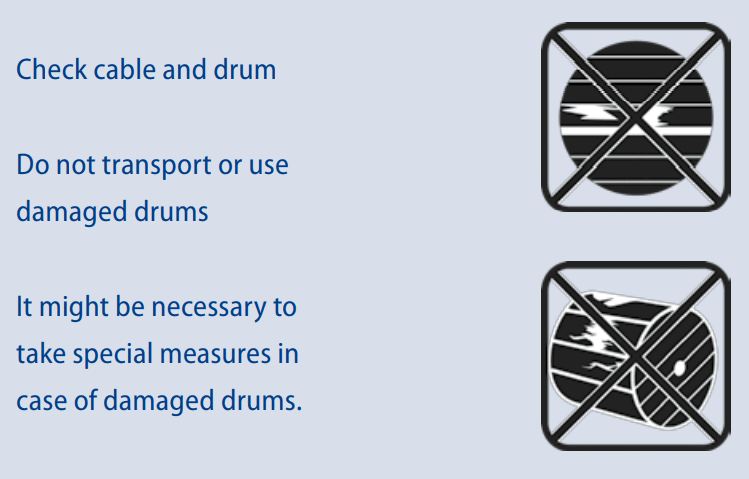
- Damaged drums must be checked carefully. It might be necessary to take special care during transport or installation or to rewind the cable on another drum.
Further Reading
Cable Drum Handling | Halogen Free Shipboard Cables Recommendations
HV Cables | Underground Cable Tunnel Pull 400kV By ABB
Cable Drum Handling | Jack Towers for LV to EHV Power Cable Lifting & Site Handling
Cable Drum Handling & Laying Cables | A Guide from Nexans
Cable Pulling | 37km Offshore Cable to Connect NnG to Onshore Substation
Press Release | Thorne & Derrick Appointed Approved Stockist for UK Leading Cable Pulling Equipment Manufacturer
CABLE SOCKS & PULLING PRODUCTS LV MV HV
Complete range of LV, MV and HV cable pulling products for installation and enabling cable jointing in trench or ducts including LV, 11kV/33kV medium voltage (MV), 66kV/132kV high voltage (HV) and EHV transmission and distribution cables up to 400kV.
Further Reading | Cable Drum Handling & Laying Cables | A Guide from Nexans

Cable Rollers | Duct Rods | Cable Socks | Cable Lubricant | Duct Seals | Cable Duct | Cable Grips