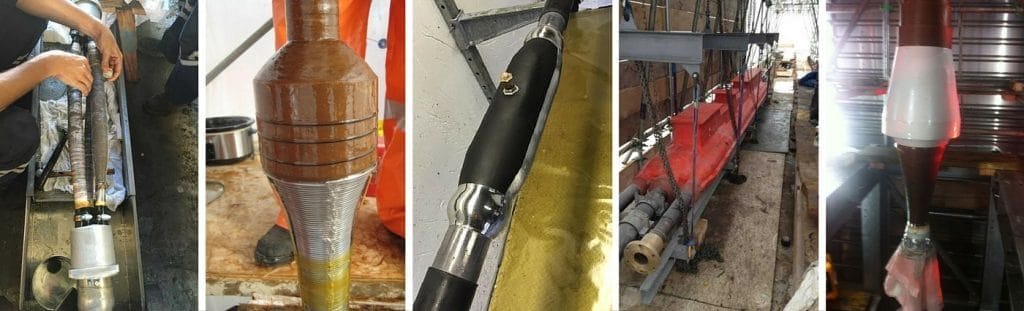
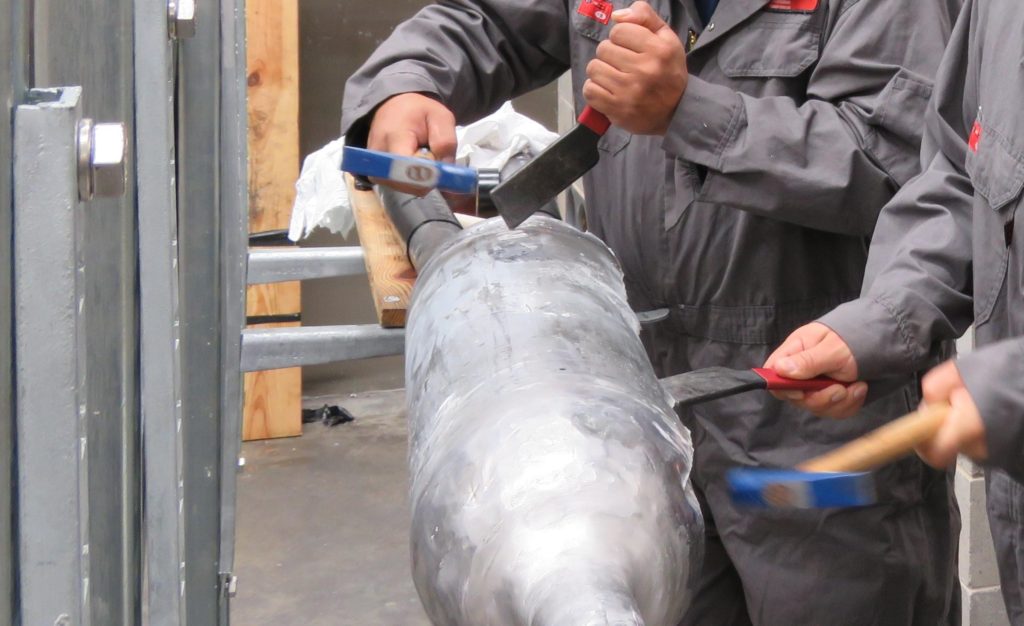
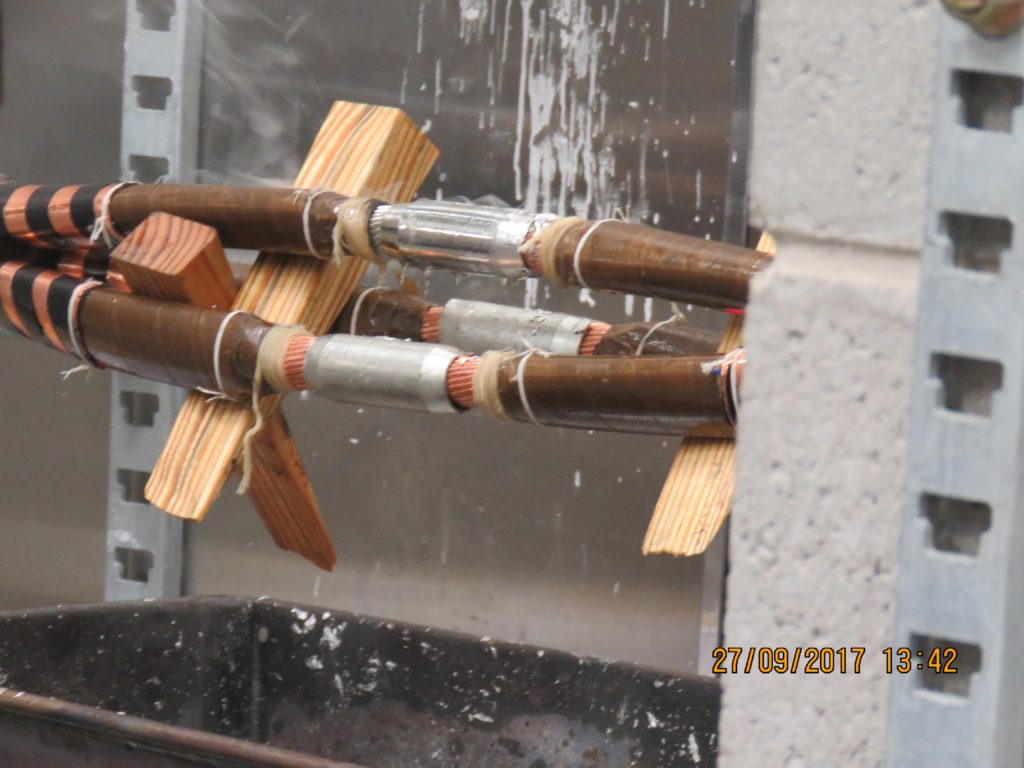
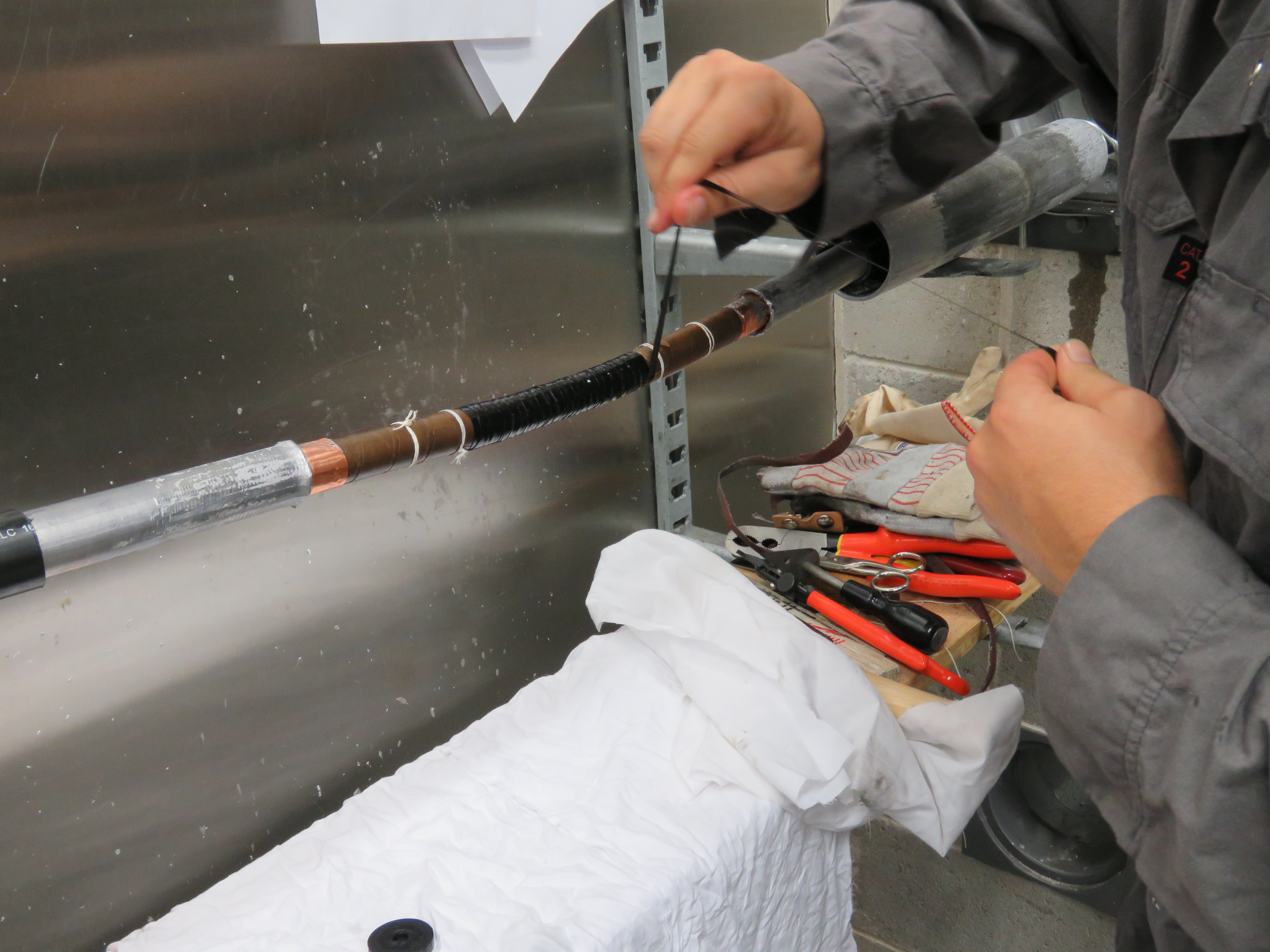
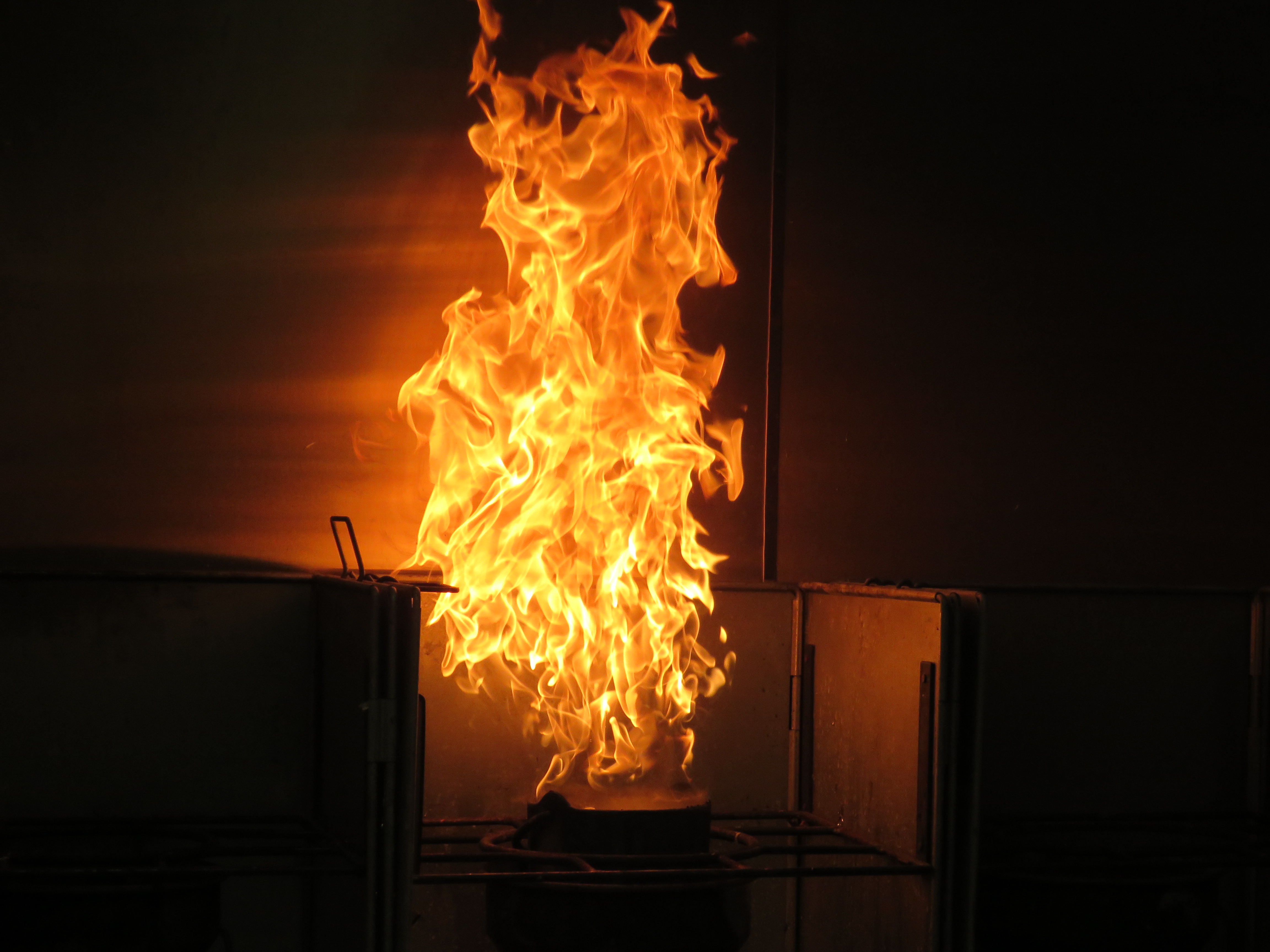
The following sequence of photographs provide a behind the scenes glimpse of Splicer Training at the Quanta Services Lazy Q Ranch, a state-of-the-art facility where the Art & Craft of Cable Splicing is alive and kicking. Nestled in the small town of La Grange where the Colorado River rolls and the Texan rattler hisses, the next generation of Cable Splicers are forged in the fires of their scorching hot pots of lead.
At the 2,200-acre campus Quanta employees receive hands-on instruction from passionate Master Trainers in a controlled environment focusing on safety, skill development and certifications. Quanta has even partnered with a local university to create a curriculum specific to their industry.
Setting Splicing Standards
Workmanship Rules OK!
Quanta do not set the standards – they raise the standards and lift the bar higher and then higher. There is no wriggle-room for the slightest splice error or even the most minor of measurement misdemeanour. Excellence is expected and why not?
James and the Lazy Q crew are changing the industry.
All practice splices and test splices are completely dissected as part of the curriculum – the test splices are actually cut into up to 10 or more pieces. The Splicer Assessor forensically checks the students submission – analysing tape application, scrutinizing measurements, checking connector and studying the lead seal and end wipes of the lead sleeve.
All images of cable splices and workmanship in this article were built by students.
RIP PILC?
Traditional cable Splicing skills are not dead or even dying out. PERIOD.
At least not Stateside.
Out on the range at Lazy Q, trainees are perfecting soldering, wiping and the complex intricacies of PILC Cable Splicing. Despite the 21st Century fashion for the grid to “Go Unleaded” as modern medium voltage power networks adopt polymeric cables there remains a demand for PILC Splicers with competent taping, soldering, wiping and compound pouring skills.
Yes, the prolific rise of Cold Shrink Splices has necessitated Jointer Training Centres to keep pace with cable manufacturing technology and introduce modules to cover the requirement to joint, splice and terminate MV cables using cold shrink as well as heat shrink accessories.
However, like it or not, with documented service lives of 60-80 years, PILC is here to stay.
Cable Splicing
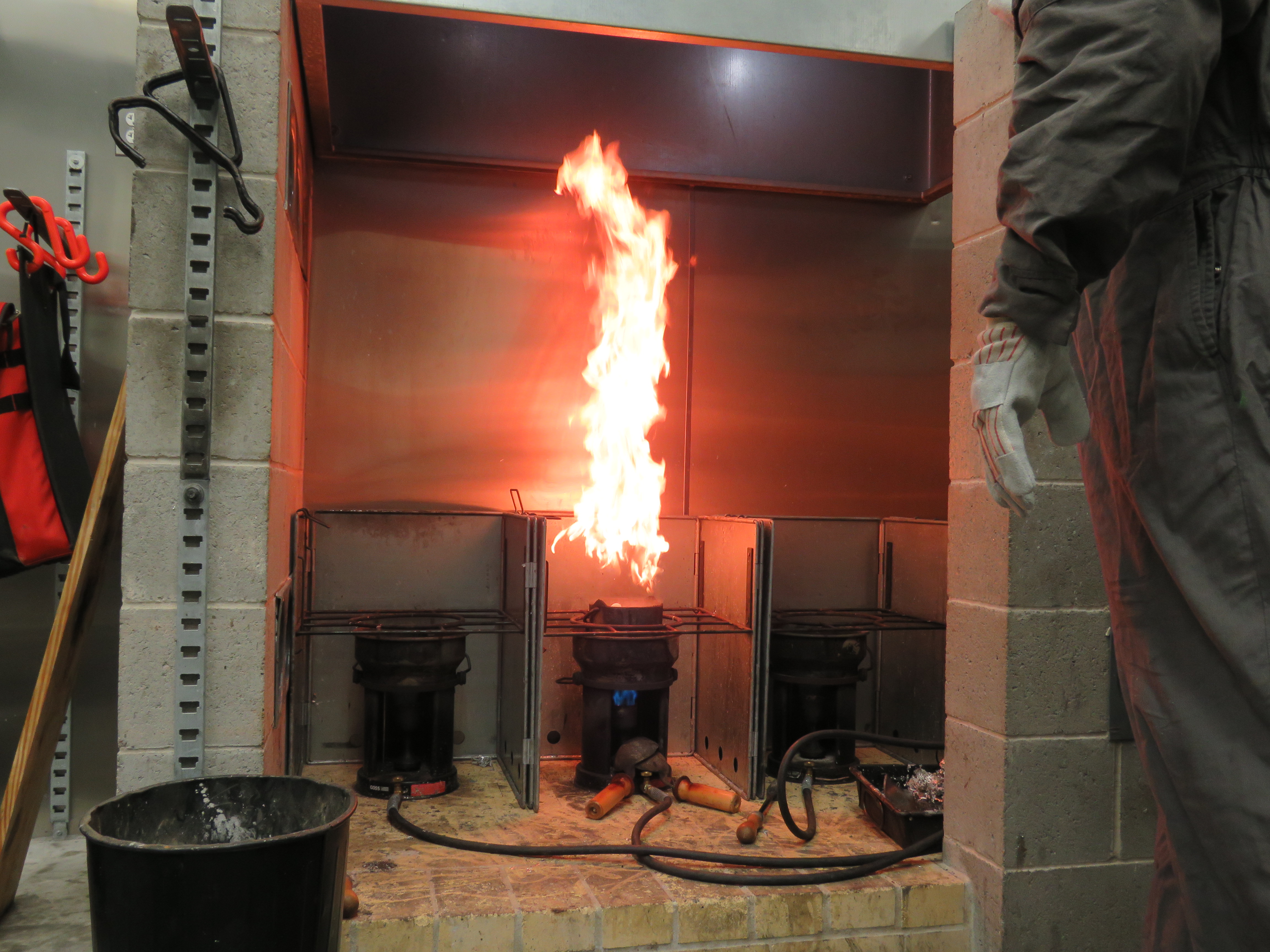
Student Splicers – here the trainees are cleaning down their lead pots in preparation for the 1/c 250 MCM lead splice. Using specialised cable splicing tools including soldering irons, melting pots, pouring ladles, tallow wiping cloths, lead ringers, compound kettles, stearine candles and paraffin dippers to perfect the wipe.
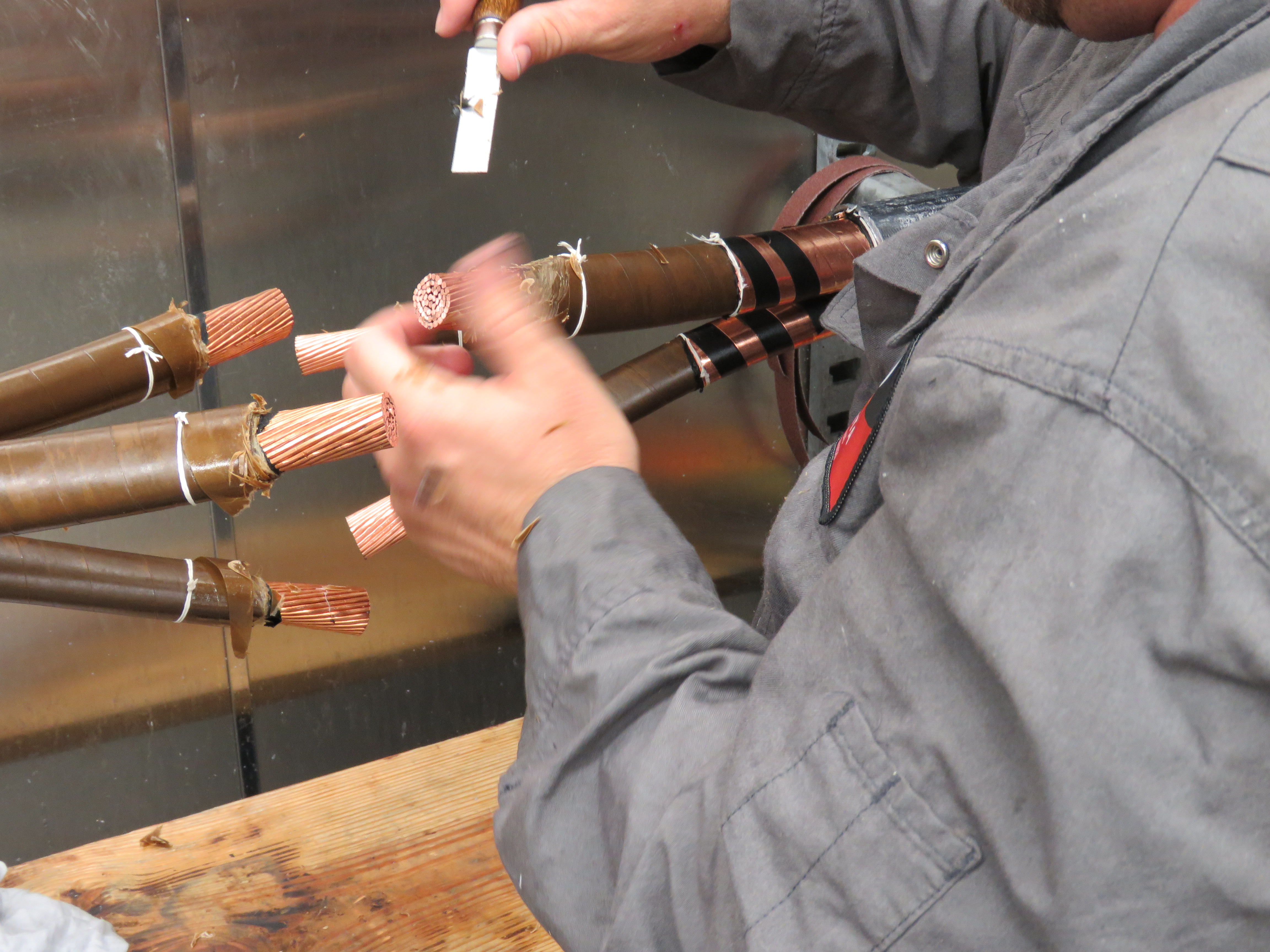
Pencilling Preparation – a student performs the cable pencilling in preparation for the 3 conductor sweat onto the practice cable splice. Safe knifework requires a steady hand, cool concentration and the manual dexterity of a surgeon. Because the power they’re supplying is electrifying and the Splicer must not lose control.
First, build the splice. Second, break the splice. Third, make the “Y” into a “V”.
With the insulators in place, the “Y” is now a “V”.
Image: John Perez (Quanta Underground Power Services)
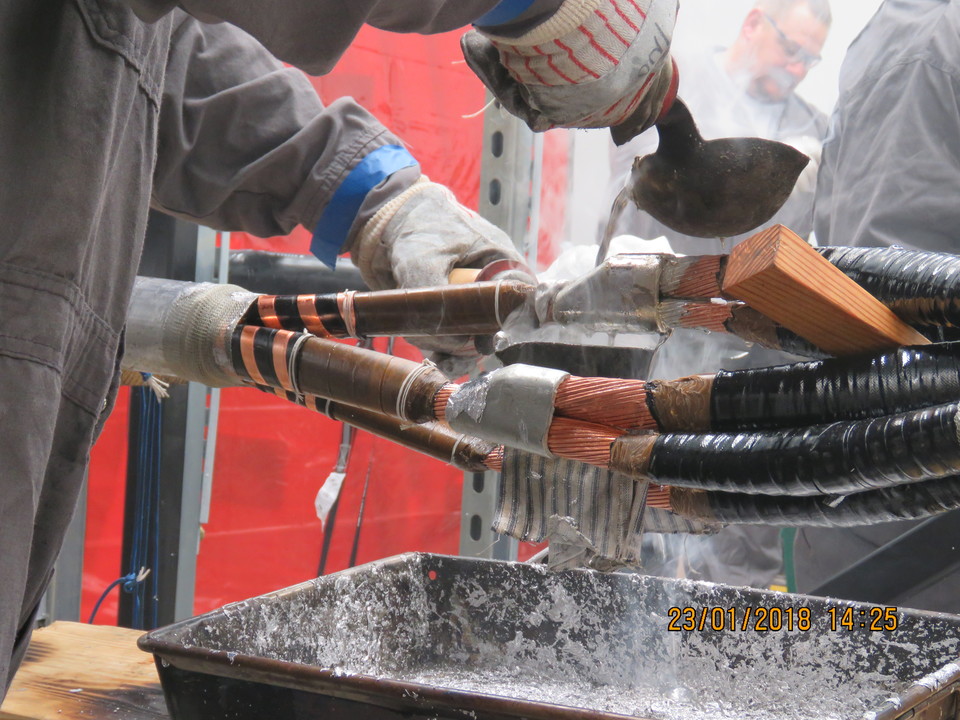
Practice Makes Perfect– a practice cable splice by one of the student Splicers that was done in preparation of the test splice – 3/c 500 MCM PILC cable splice. Splice integrity is crucial – localised lead corrosion permitting moisture ingress into cable insulation through cracks in the wipe area being a main precipitation of cable failure.
Student practicing cable preparation and set up for sweating the connector.
PILC Splicing – here the student is pre-taping to fill in the insulation layer across the core connector.
Lead Splicers Night Light – a hot pot of lead that is being cleaned with Stearine. Stearine is a product used to cool the lead and to help remove impurities.
About Quanta Services
Quanta Services has the knowledge and expertise to handle a full spectrum of MV HV Power projects. From the most straightforward, single-component installation to the most complex, multi-state project, Quanta can handle the job safely, efficiently and cost-effectively.
For Quanta, safety is the core that all their values centre around. Quanta will find a solution for every customer, but they will also find the option that protects their people, their customers and their communities.
Safety – Core Principal of Quanta Services
Lazy Q Ranch – Training facility
John Colson, founder of Quanta Services opened a training facility known as Lazy Q Ranch in August 2015 where the industry workforce could be trained under the strictest safety measures.
The Lazy Q Ranch is a world class training facility situated on over 2,100 acres focusing on safety education, skill development and certifications.
Training is available for electric power lineman on cutting-edge technology for all transmission structure types and up to 345kV. This area is powered by its own substation, completely separate from the power provided for the Ranch. Quanta Energized Services oversees this portion of the training facility, bringing proprietary technology techniques to the workforce.
The oil and gas section houses pipelines in all major diameters, a flow loop and underground testing capabilities. The pipeline area was designed to be flexible and allow for various diameter pipes to be brought in for integrity testing and training, making this a custom-solution for training on a challenging project.
The telecommunications village features a small town with homes at various stages of construction. This enables development training at all milestones of a project.
The Lazy Q Ranch evolves with the industry and was designed to mirror Quanta’s growth. As Quanta Services expand their service capabilities, so will the training facility.
Currently Quanta are offering the following training courses:
T&D distribute the most extensive range of LV, MV & HV Cable Jointing, Terminating, Installation & Cable Pulling Equipment – we service UK and international clients working on underground cables, overhead lines, substations and electrical construction at LV, 11kV, 33kV and EHV transmission and distribution voltages.
uploaded by Chris Dodds - Thorne & Derrick Sales & Marketing Manager
Cable Jointer Training
Requirements, Expectations & Rewards
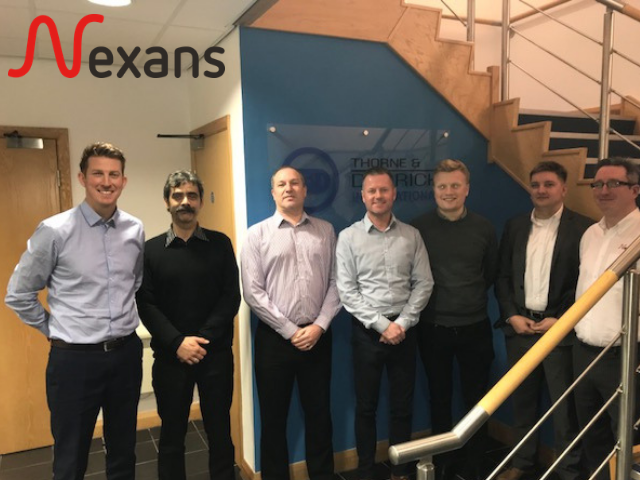
Thorne & Derrick, the International Distribution Partners of Nexans Power Accessories, have united to provide an industry commitment to ensuring the safe and reliable installation of MV-HV Cable Accessories – a series of 10 Training Modules are available to support the training requirements for Cable Jointers upskilling from LV to MV to HV with tailored courses at 11kV, 33kV and 66kV voltage levels.
These Jointer Training Coursesare not introductory “Familiarisation”courses – each prospective candidate will be vetted prior to acceptance onto the course. If suitably qualified and experienced the candidate will be accepted onto the course – they will be required to undertake MV cable preparation and submit a test piece of cable with their cable termination, joint or separable connector installed. The submission will then be tested for AC withstand and partial discharge (PD) in the new “state-of-the-art” Nexans Test Laboratory.
Upon successful completion of the Laboratory Test the candidate will be presented with a 3 Part Certificate of Competency.
MV Cable Terminations & Separable Connectors
Module 1
The 1 day Training Course will be targeted on product application only – requiring the candidate to install the product Competently. No cable preparation training will be provided. Attendees will be expected to be able to prepare MV cables for a range of Medium Voltage Cable Accessories.
Training Framework
Plan
Training Mode
Single Core XLPE Polymeric Power Cable
Duration
1 Day 9am-5pm
Attendees
Min 2 Max 6
Goals & Learning Objectives
Time Frames, Measurability, Observability. Less than 10pC @ 2Uo
Equipment Included
Cable, Accessories, PPE, Training Boards & Lunch
Equipment Requirements
Cable Prep & Jointing Tools – Steel Toe Cap Boots
Jointer Training Schedule
Training Schedule
Course Contents
Introductions
Welcome
Health & Safety
Training Acknowledgements – Privacy Policy
PABG
Competency
Understanding Equipment
MV Cable Construction & Cable Preparation
Electrical Stress & Stress Control
MV Cable Termination Failures
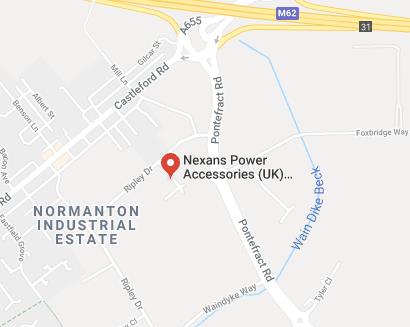
NexansTraining Centre Units 1 & 2 Good Hope Close, Normanton Industrial Estate, Normanton,
West Yorkshire, WF6 1TR
THORNE & DERRICK
T&D are Specialist Distributors to UK Distribution Network Operators (DNO’s), NERS Registered Service Providers, ICP’s and HV Jointing Contractors of an extensive range of LV, MV & HV Cables, Jointing, Earthing, Substation & Electrical Eqpt – this includes 11kV/33kV/66kV cable joints, terminations and separable connectors.
Contact our UK Power Team for competitive quotations, fast delivery from stock and technical support or training on all LV-HV products.
uploaded by Chris Dodds - Thorne & Derrick Sales & Marketing Manager
Thorne & Derrick are Specialist Distributors of Battery Operated Cable Crimping & Cutting Tools – this is supported by a range of battery type torque guns specified to reduce worker injury and improve Health & Safety with a reduction in hand-arm vibration related injuries associated with the use of conventional hand-held power tools.
Battery Operated Torque Gun
Lithium Series battery operated torque guns are the ultimate solution for portability and convenience on industrial bolting jobs. With the world’s first 36-volt industrial battery system, these tools are ready for heavy industrial use. The lightweight design of the torque tools and dual speed capability make this system the go-to choice for industrial maintenance, contracting and production environments worldwide.
The Lithium Series was designed from the ground up using aerospace-grade materials to provide a compact design with industrial durability and power. The metal frame cut from a solid piece of aluminium alloy protects the tool from damage on industrial jobs. The 36-volt battery provides sufficient power to get through the toughest bolted joints.
Industrial-Grade Power
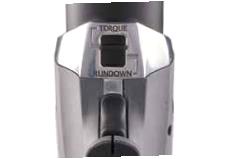
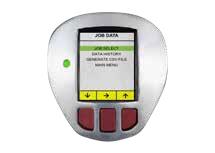
With a simple switch, the Lithium Series goes from high speed rundown mode to accurate final torque mode eliminating the need for multiple systems on a job. The precision machined gearbox provides constant power without the vibration and noise found in impact guns. Adjust the power through the digital readout on the back of the gun to fine-tune the torque output for any job.
Dual Speed Bolting
The Lithium Series makes torque and angle bolting simpler than ever before. The desired torque can be entered in Imperial or Metric followed by the desired angle. When the trigger is pulled the tool will automatically apply the torque, pause, and then apply the programmed angle. When complete the light on the back of the tool will turn green and a short beep will be heard.
Data Recording
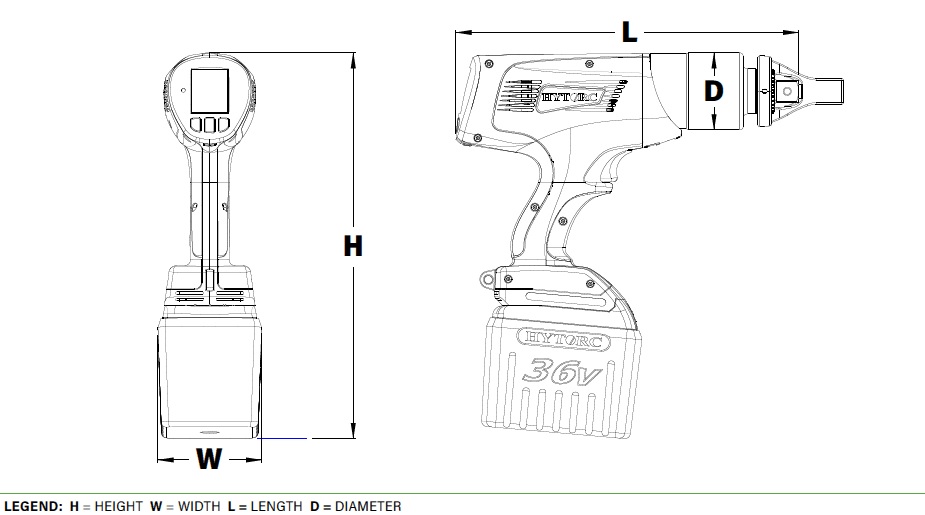
Battery Operated Torque Gun – Dimensions
Lithium Type Industrial Bolting Tool
Specification
Should you require any further information or advise in order to select or purchase the most suitable Battery Operated Torque Guns & Tools please do not hesitate to contact us.
Thorne & Derrick are Specialist Distributors of leading manufacturers of Cable Accessories, Jointing & Installation Equipment.
LV MV HV cable accessories used to joint, terminate, connect, cleat and gland power cables to air and gas insulated substations, transformers, switchgear and overhead line networks.
Hover over our Interactive Electricity Grid to learn more about our product ranges.
LV 600/1000V ◊ MV 11kV 33kV ◊ HV 66kV 132kV
T&D are Main Stockists of Cutting & Crimping Tools manufactured by Cembre
Substation & Overhead Line Electrical Safety Equipment
Manufactured by CATU Electrical to enable the safe construction, maintenance and repair of underground cables and overhead lines network up to EHV (400kV).
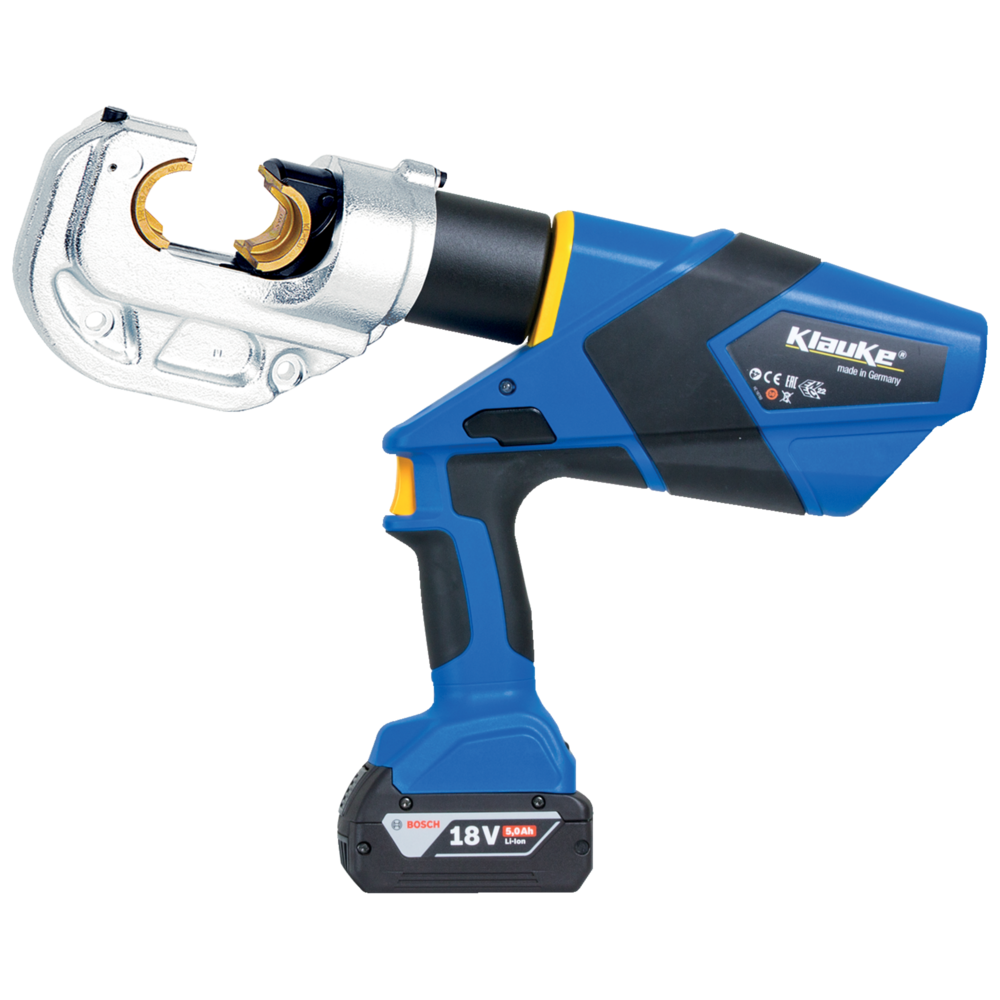
Electromechanical Crimping Tools Manufactured by Klauke
uploaded by Chris Dodds - Thorne & Derrick Sales & Marketing Manager
Thorne & Derrick International, based in the UK, are leading suppliers of cable crimp lugs and associated crimping tools for Low, Medium & High Voltage Cables and Power Systems – this series of articles by Klauke discusses the theory and practise of installing compression type cable lugs and connectors using ratchet, hydraulic, battery-operated or electromechanical crimping tools.
Klauke cable lugs and crimping tools are used by Jointers, Linesmen, Panel Builders and Electrical Engineers to install underground cables and overhead line conductors on power, transmission and distribution networks including LV MV & HV systems, 11kV-33kV.
It usually begins innocuously: first a numb feeling in the thumbs, index and middle fingers during the night. But then later, pain and sensory disorders throughout the day too. The hand becomes less sensitive, the fine motor skills start to dwindle and the hand gets weaker.
Day-to-day tasks become increasingly difficult and certain professional activities are difficult or even impossible to accomplish. This is caused by what is known as carpal tunnel syndrome. A nerve in the hand is permanently trapped against a constricted area that is inflamed – here are the typical signs and symptoms:
Carpal Tunnel Syndrome – Cable Crimping
One suspected cause of this widespread condition is one-sided strain, which is often encountered in the electrical trade for example. There is a good case here for taking measures to guard against such conditions and prevent expensive employee absences.
Choosing the correct electromechanical crimping tools can help reduce workplace injuries and improve site and worker Health & Safety.
One of the most commonly recurring tasks in switch cabinet construction and installing LV cable joints is the crimping of cables. This task is usually carried out using mechanical type, ratchet crimping tools and in most cases, is completed without any problem at all. It can be become critical, however, when it has to be carried out by employees on a recurring basis. With a manual force of up to 20 kilograms per crimp, excessive strain in the wrist and forearm can occur over time.
Employee Health & Safety – less physical effort with electrically-driven cable crimping tools
One key factor is considered to be the number of cable crimp operations that are carried out on a regular basis. While a young and healthy employee who has not previously experienced excessive strain can easily achieve 100 to 150 crimps per day without their health being adversely affected, the use of a cable crimping tool with motorised drive is recommended for higher numbers of repetitive crimps.
Leading manufacturers now recommend tools that allow work to be carried out much more comfortably with far less physical strain.
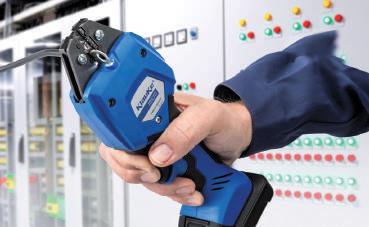
The electromechanical crimping tool Klauke Micro with 10.8 V lithium-ion battery, for example, requires a manual force of just two kilograms per crimp.
In other words: the force that needs to be delivered from the hand and forearm is around 90% less than that required for a crimping tool operated purely by hand.
“When we developed our Electromechanical Micro, the aim was to manufacture a cable crimping tool that is easy to use and would allow ergonomic and health-promoting work, thereby combining the benefits of a manual crimping tool with the ease of a cordless one in a single cable tool device”, explains Lutz Remmel, Product Manager at Klauke.
To make the day-to-day tasks of a qualified electrician easier and benefit from the time-saving, the selected crimping tool should cover the broadest range of tasks possible.
The electromechanical tool from Klauke is able to process cable cross-sections from 0.14 to 50sqmm with a cable crimping force of up to 15KN, with a long-term time saving compared to the mechanical crimping tool.
Because, in terms of the system concept, the electromechanical crimper tool is designed to take the interchangeable die sets from Klauke’s 50 series, it is also suitable for crimping various cable types, cable end-sleeves, and also tubular cable lugs, insulated solderless terminals and pin cable lugs.
This not only makes the cable tool a versatile companion for switch cabinet construction, it is also gentle on the installer physicals joints and allows consistently fast operations for numerous other manual, industrial and high voltage cable crimping applications.
The sequence is always the same: first, the manual pre-clamping. When the operating lever is actuated, the crimping jaws of the tool close in order to fix the electrical cable connectors.
During this particular step, the cable lug or connector material can be precisely aligned and positioned. In the second step, the cable crimp is achieved by the force of the motor.
The operating lever simply needs to be depressed fully and the crimping tool automatically starts the crimp process, which takes no more than 1.5 seconds, depending on the material.
Once the cable crimp has been made, the operating lever is released to initiate the return movement, also fully-automatic, into the original position.
Electromechanical Crimping Tool Operation
Electromechanical crimping tools reduce the physical effort, and offer the following advantages: they achieve the best crimping results for minimum force, they also guarantee the consistently high quality of these electrical connection results for years afterwards.
This is because a suitable cable crimping tool in faultless condition (properly maintained) is crucial to avoiding under-crimps and over-crimps. Otherwise, the consequences can be hazardous: incorrectly-made crimps can, for example, increase joint resistance which can in turn cause temperature rises and ultimately trigger cable fires.
When choosing a crimping tool, simple and reliable operability is the key to ensuring safety.
Cable Tools & Costs v Benefits
When Is Investment Returned?
Profitability, of course, is the question posed by any investment. The cost of a branded electromechanical crimping tool is around 180 Euro (?), or more for a manual crimping tool.
Any concerns about the durability and reliability of the electrical variant of crimping tools are unfounded. For its Micro model, for example, Klauke states a long service life if the service intervals are maintained (at 35,000 press or crimp cycles).
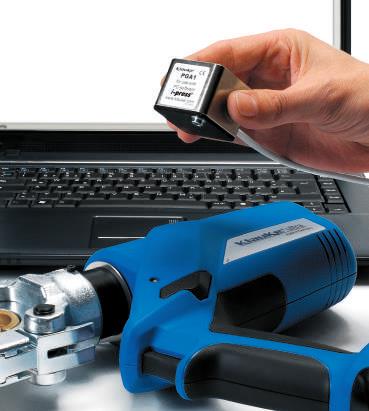
The cable crimping tool is equipped with a multi-function LED for maintenance display and data transfer, which can also be used to transfer crimp and tool data to a PC via a USB adapter from the tool accessories range. Test reports showing date and time can readily be created as a PDF for recording completed crimp operations. An effective way of demonstrating a safe and correct working method.
Purely mechanical manual crimping tools do not offer this option of displaying wear and creating documentation.
And also the lithium-ion batteries now used in most cable crimping tools give no cause for technical concern. These energy sources conform to a perfected technical standard that applies today in practically all sectors in which rechargeable batteries are used. Lithium-ion batteries are set apart by short charging times without memory effect and a constant, uniform power output.
DIN 46234
The charging time for the battery installed in the Klauke tool is around 40 minutes. A fully-charged battery, can then achieve some 300 crimps on copper cables with a cross-section of 10sqmm in accordance with DIN 46234. Despite this high efficiency, the total weight of the tool, including the battery, is just 960 grammes.
DIN 46234 Standard – Terminal Ends For Solderless Connections, Ring Type, Without Insulating Sleeve (Copper Conductors)
Yet a far more important factor for assessing profitability, is sustaining the employee’s physical strength. The cost of sick leave due to carpal tunnel syndrome, which is mentioned at the beginning, tendinitis or tennis elbow, far outweigh those of procuring electromechanical crimping tools in the short-term.
Electromechanical crimping tools are preferred by panel builders for carrying out the termination and connection of LV MV HV cable conductors into electrical control panels.
Conclusion
Electromechanical Crimping Tools
The decision to invest in an electromechanical crimping tool should be made according to economic calculations. For specialist operations in which large numbers of electrical cable connections or cable lugs have to be processed quickly, purchasing such cable tools makes is clear sense.
Electromechanical crimping tools not only increase the efficiency of work processes but also protect the health of employees. Since maintaining good health also means sustaining physical strength, such an added investment can benefit employer and employee in equal measures. Especially in light of demographic change and the shortage of specialists this brings about, physical fitness has become an economically valuable asset which must be sustained for as long as possible.
Contact Thorne & Derrick to discuss the optimum Electromechanical Crimping Tools for your budget, application or to arrange a product demonstration.
Further Reading
Review other Blogs in this series of articles about Cable Lugs, Crimping Cables & Tools:
Thorne & Derrick are Specialist Distributors of leading manufacturers of Cable Accessories, Jointing & Installation Equipment.
LV MV HV cable accessories used to joint, terminate, connect, cleat and gland power cables to air and gas insulated substations, transformers, switchgear and overhead line networks.
Hover over our Interactive Electricity Grid to learn more about our product ranges.
LV 600/1000V ◊ MV 11kV 33kV ◊ HV 66kV 132kV
Substation & Overhead Line Electrical Safety Equipment
Manufactured by CATU Electrical to enable the safe construction, maintenance and repair of underground cables and overhead lines network up to EHV (400kV).
DIN Standard – Crimping & Compressing Aluminium Cable Lugs & Connectors
uploaded by Chris Dodds - Thorne & Derrick Sales & Marketing Manager
Thorne & Derrick International, based in the UK, are leading suppliers of cable crimp lugs and associated crimping tools for Low, Medium & High Voltage Cables and Power Systems – this series of articles by Klauke discusses the theory and practise of installing compression type cable lugs and connectors.
Klauke cable lugs and crimping tools are used by Jointers, Linesmen, Panel Builders and Electrical Engineers to install underground cables and overhead line conductors on power, transmission and distribution networks including LV MV & HV systems, 11kV-33kV.
Hexagonal crimping: the most common type of crimp for cable lugs and connectors
Indent crimps – the traditional electrical cable crimp profile
Intensive indent crimping – permanent and “deep acting” connection will be achieved
Quad point crimps: centric force application and no crimping dies are needed
Gastight oval crimps are being used predominantly in aggressive environments
Aluminium Cable Lugs & Crimping According To DIN
Best Practise for Installation
Material properties of aluminium cable are very different from those of copper cables and conductors. For safe electrical connections, solely compression cable lugs or connectors manufactured from aluminium are to be used. In addition, due to certain specific material properties the installation procedure has to be carefully observed.
The advantages of aluminium are increasingly coming to the fore in LV MV HV power distribution applications, due to the lower material weight and simple handling.
Power utilities tend to install more and more aluminium cables, for instance medium/high voltage ring main units for urban power supplies.
In principle, it is recommended to use solely high quality aluminium compression cable lugs with tube dimensions according to DIN Standard & DIN 46329 and aluminium connectors with tube dimensions according to DIN 46267 Part 2. Products of renowned cable lug and connector manufacturers such as Klauke are made from premium electrolytic aluminium alloy.
DIN 46329 Cable Lugs – Compression Connections, Ring Type, For Aluminium Conductors. Standard by Deutsches Institut Fur Normung E.V. (German National Standard), 07/01/1983.
The barrier design with oil stop prevents leakage of oil from the paper insulated conductor.
These cable lugs feature a constant material thickness, exact diameter and a correct fit which ensures simple installation and absolute safety. Standard cross sections range from 10sqmm up to 500sqmm.
Installation of compression cable lugs and connectors for aluminium conductors is very different from installation of copper conductors. Failure of vital installation procedures can lead to a severe lack of safety and power outages.
Special sized cross sections are available up to 1000sqmm, for instance for subsea cables with high transmission capacities in the onshore and offshore wind and renewable energy sectors. Aluminium compression cable lugs feature a barrier design (according to DIN 46239) which allows installation on oil impregnated, paper insulated cables and consequently provides a firm water/oil block.
Aluminium Conductors & Cables
Aluminium conductors are available in four different types which in some cases require special installation procedures. These are as follows – should you require technical guidance, clarification or advice on crimping of aluminium cables and correct cable lugs and relating tools to use please do not hesitate to contact us:
RE = Solid Round Conductors
SE = Solid Sector Conductors
RM = Round Stranded Conductors
SM = Sector Stranded Conductors
Different types of aluminium conductors
These abbreviations can be found on aluminium compression cable lugs to make sure the correct cable lug is used with the appropriate aluminium conductor.
All markings on aluminium compression cable lugs are in conformity with those on copper cable lugs and indicate the manufacturer, dimensions and type of product.
For example marking “KL 18 10-70 /rm/sm 95 re/se” denotes:
KL: manufacturer (in this case Klauke)
18: die set code
10: metric bolt size (bolt M 10)
• 70: nominal cross section of conductor in sqmm
rm/sm: for round stranded and sector stranded conductors
95: nominal cross section of conductor in sqmm
RE/SE: for solid round conductors and solid sector conductors
Important:The nominal cross sections of SE and RE conductors are always one cross section size above the cross sections of SM and RM aluminium conductors.
This is due to solid conductors having a smaller diameter than their stranded equivalent type. Special attention should be given to the crimp tool and die set code.
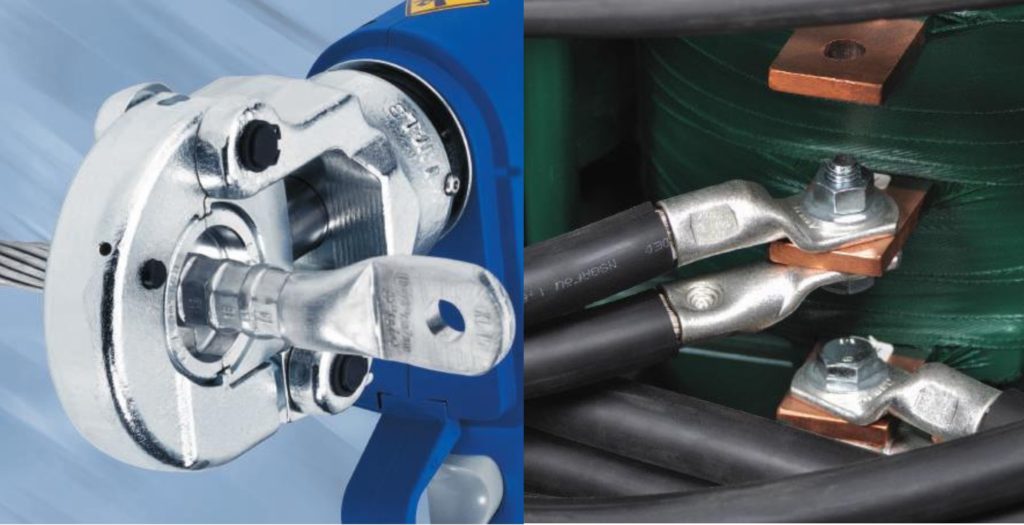
For a professional installation the crimping dies of the appropriate crimping tool must be matched with the code of the cable lugs. Die codes on crimping dies are mirror-inverted – after the crimping operation the die code is clearly visible for quality control and documentation.
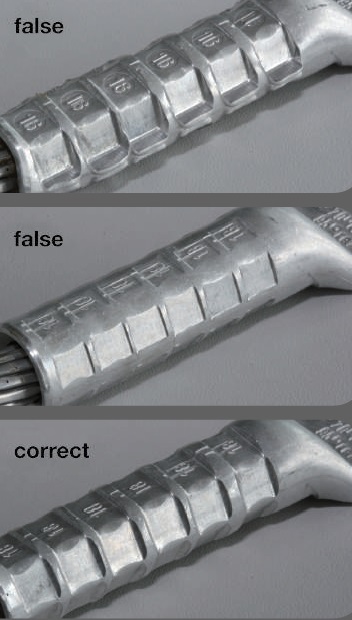
Imprint of die code “18” on the cable lug (above) indicates the crimping die used. Completed crimp (below) with marking “18” on the cable lug refers to the correct crimping die.
For a professional installation hexagonal crimping dies (according to DIN 48083 Part 4) are recommended.
Over compression (above) is the result of a crimping die which is too small, whilst under compression (middle) is caused by the use of a crimping die which is too large. The picture below shows a correct crimp using an appropriate crimping die.
The visible signs of a correctly crimped lug are the same for copper connectors as they are for aluminium.
In order to achieve a professional installation – with no over or under-crimping – the use of the appropriate cable crimping tool is essential.
An incorrect installation can result in increased joint resistance and even in fire.
To avoid such consequences Klauke recommends to use the same manufacturers tool as the lug or connector. This ensures a Matched Crimping System.
For instance the specific dies for aluminium cables have a crimping ‘bite’ width of 7mm, which is 2mm wider than for copper lugs and connectors.
The contact surface (bite width) of crimping dies for aluminium cable lugs (left) are 2 mm wider than their copper equivalent (right).
The reason for this is that wider compression areas result in better conductivity and therefore compensate for the poorer electrical properties of aluminium. In order to determine the different dies required Klauke manufacture the aluminium dies in silver and the copper dies in a yellow gold colour.
Compound for Aluminium Connectors
Cable lugs and connectors for aluminium are supplied with a special compound within the barrel.
Compounds with additives like corundum generate a “grinding effect”.
During crimping, this compound destroys the non-conductive oxide layer on the aluminium in the crimping area increasing the contact properties and ensuring the correct electrical connection. In addition the cable lug compound prevents entry of oxygen and consequently avoids any further oxidation.
The compound seals the joint and prevents oxidation.
To maintain the functional properties brand-name cable lugs are sealed with a plastic plug to prevent the compound from drying out and leaking from the cable lug.
Plastic plugs prevent compound from drying-out and leaking during storage.
Compounds for aluminium connectors contain additives such as corundum, a material similar to sand, which exhibits high resistance and hardness, temperature stabilising properties and extreme wear and corrosion resistance. A grinding effect is generated during crimping which cracks the hard oxide layer on the cable.
In addition, the compound aids the dynamic friction between the cable conductor and sleeve, which prevents jamming of materials and helps to provide a clean contact surface. When used on stranded conductors, the oxide inhibitor compound is distributed between the individual wires or cable strands during the crimping process and seals them against oxygen and moisture ingress.
It is also important to understand that aluminium crimp connections installed using compound perform much better when subjected to high current loads than those without compound.
To guarantee a safe connection, at high or low loads, Klauke recommends compression cable lugs and connectors with compound.
Installation of Aluminium Compression
Cable Lugs & Connectors
In order to accommodate the special characteristics of aluminium material, the following five installation steps are essential:
Remove insulation of aluminium conductor
Clean the blank conductor ends with a wire brush to remove an oxid film and to provide a clean surface
Insert the conductor into the cable lug or connector to the recommended length
Some compound will emerge from the mouth of the cable lug or connector which is now hermetically sealed to prevent further oxidation of the conductor
Start the hexagonal crimping operation with a suitable crimping tool
Important: Sector shaped conductors need to be pre-rounded with appropriate crimping dies
Remove any excess compound emerging from the lug or connector
Please note: All DIN compression cable lugs show markings on the outside of the lug barrel for the correct crimp position and consequently number of crimps required. This is dependent on if the installer is using narrow or wide crimping dies.
Markings on the cable lugs indicate number and position of crimps as per manufacturers recommendation.
Always crimp in the direction of the conductor.
Start the first crimp at the lug end and progress towards the conductor to ensure that compacted material expands in this direction.
Aluminium & Copper Cable Lugs
A further important technical issue is the correct method of connecting aluminium and copper conductors – contact us for the jointing, connection and splicing of dissimilar conductor cables.
Further Reading
Review other Blogs in this series of articles about Cable Lugs, Crimping Cables & Tools:
Thorne & Derrick are Specialist Distributors of leading manufacturers of Cable Accessories, Jointing & Installation Equipment.
LV MV HV cable accessories used to joint, terminate, connect, cleat and gland power cables to air and gas insulated substations, transformers, switchgear and overhead line networks.
Hover over our Interactive Electricity Grid to learn more about our product ranges.
LV 600/1000V ◊ MV 11kV 33kV ◊ HV 66kV 132kV
Substation & Overhead Line Electrical Safety Equipment
Manufactured by CATU Electrical to enable the safe construction, maintenance and repair of underground cables and overhead lines network up to EHV (400kV).
Celebrating Charlie & Ella’s Level 4 Sales Executive Apprenticeships At Thorne & Derrick International, we are proud to champion talent development and recognise the dedication required to achieve professional growth. We are therefore delighted to congratulate Charlie Baines and...
Thorne & Derrick will be Exhibiting at Solar & Storage Live UK 2026 at the NEC Birmingham from 22nd–24th September, showcasing our support for HV Cable Accessories, Joints, Terminations, Separable Connectors, Cable Tooling and Grid Connection Products used across...