CSD’s Technical Services were contracted to carry out water and gastight sealing of cable entry points across the site including the BESS, LVAC and NGET units. The NOFIRNO Duct Seal system, manufactured by CSD Sealing Systems and distributed by Thorne and Derrick, was the favoured solution for sealing HV cables.
A site suffered from significant water ingress and required external excavation to some of the buildings to ensure the required watertight seal would be obtained. CSD’S Aquastop system was also used on several internal seals.
Sealing Cables Using NOFIRNO For BESS Projects
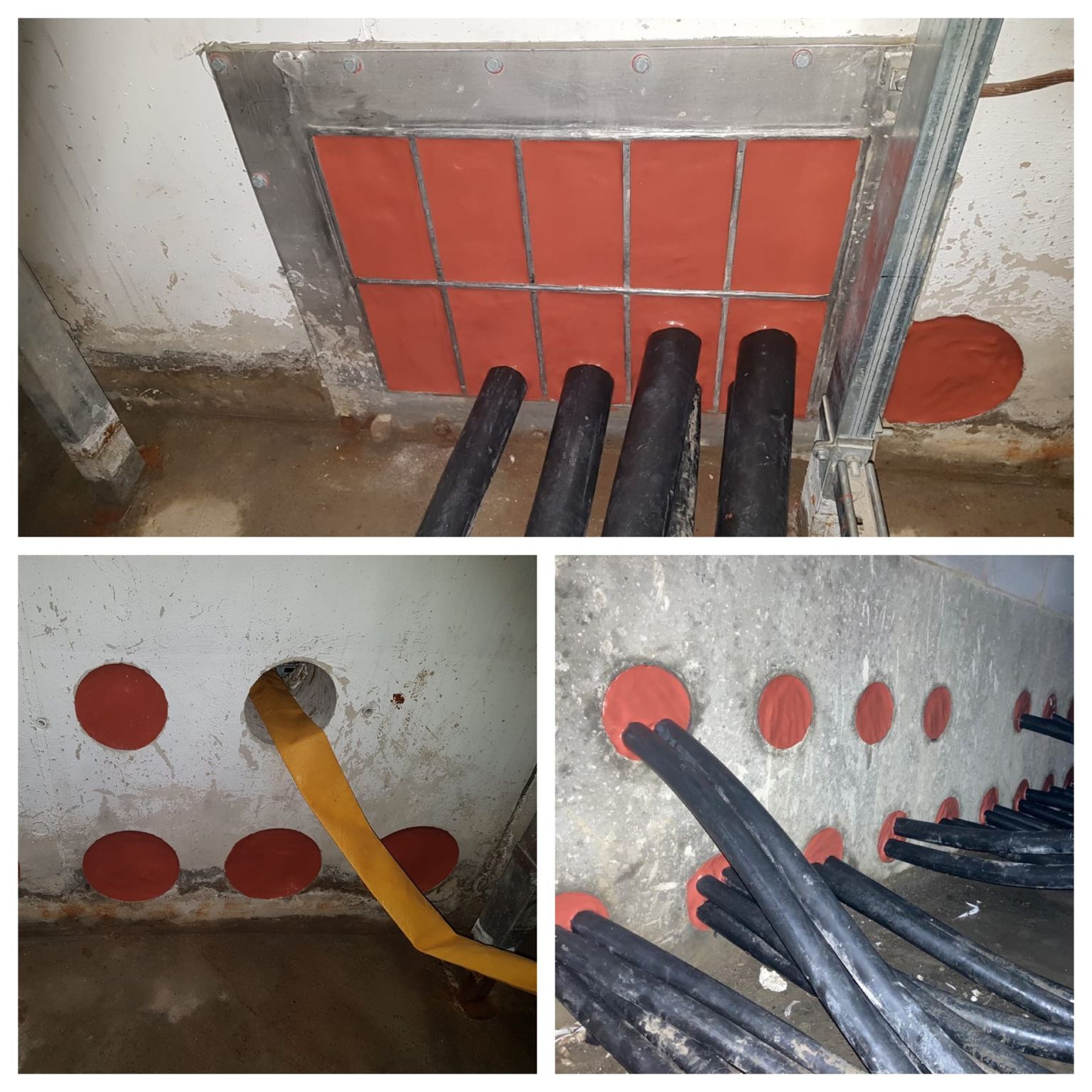
All entry points were successfully sealed across the site using CSD’s NOFIRNO Duct Seal System. All buildings are now water and gastight helping to prevent water ingress and reduce the risk of equipment damage.
nofirno Duct Seal
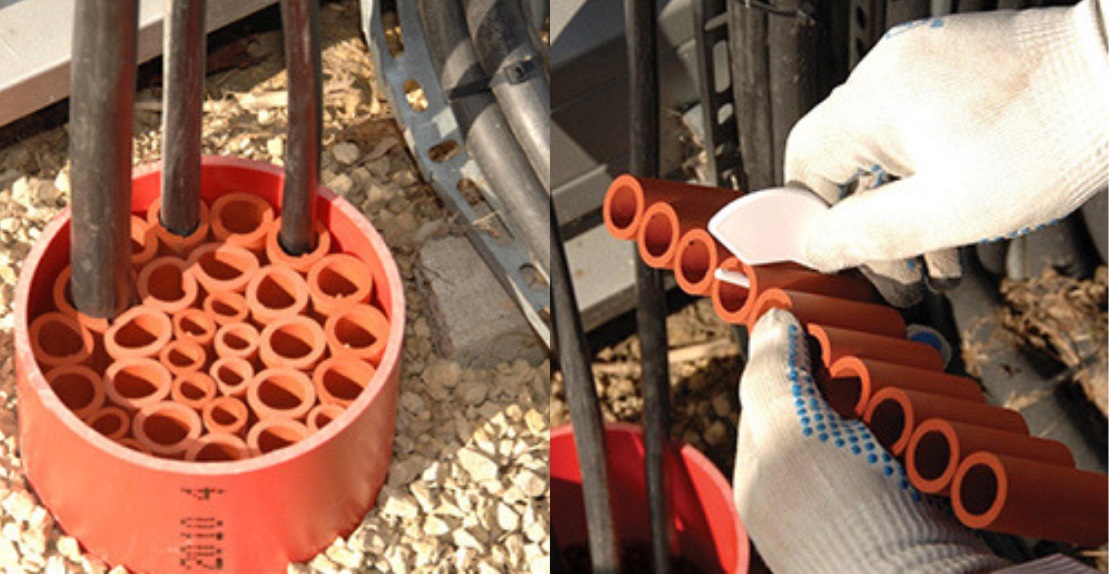
The NOFIRNO Duct Seal system comprises of two components; 60mm rubber NOFIRNO multi-sleeves which provide cable support, ensure cable separation, and provide a backing for the second component, which is a 20mm layer of NOFIRNO Sealant.
To ensure the NOFIRNO Sealant adheres correctly, the areas where the sealant is to be applied, should be clean and dry before application i.e., the cables and any frames/structures.
The NOFIRNO multi-sleeves are then installed which provides cable separation and a firm backing for the NOFIRNO Sealant layer.
Outcome of using a NOFIRNO Duct Seal
All entry points were successfully sealed across the site using CSD’s NOFIRNO duct seal systems.
All buildings are now water and gastight helping to prevent water ingress and reduce the risk of equipment damage.
Key Benefits Of Duct Seals
• Tested to prove no deterioration in performance for more than 50 years
• Provides flood protection and prevents water and gas ingress – pressure rated up to 2.5 from the front and back of the seal
• Quick and easy to install
• Easy re-entry for adding, removing or replacing cables
NOFIRNO Duct Seal | Cable Sealing Solutions from CSD
THORNE & DERRICK are national distributors of LV, MV & HV Cable Installation, Jointing, Duct Sealing, Substation & Electrical Equipment – we service UK and global businesses involved in cable installations, cable jointing, copper earth tapes and substation earthing at LV, 11kV, 33kV and EHV.
Since 1985, T&D have established an international reputation based on SERVICE | INTEGRITY | TRUST.
Contact us for 3M Electrical, ABB, Alroc, AN Wallis, CATU Electrical, Cembre, Centriforce, CMP, CSD, Elastimold, Ellis Patents, Emtelle, Euromold, Filoform , Furse, Lucy Electric & Zodion, Nexans, Pfisterer, Polypipe, Prysmian, Roxtec, Sicame, WT Henley.
Stockists & Suppliers | UK & International Projects
NOFIRNO | Sealing Substation Cables | 400kV High Voltage (HV)
Water & Gastight Cable Sealing
CSD Sealing Systems were recently contracted to carry out water and gastight sealing of cable ducts on a newbuild High Voltage substation project where the previously installed seals were leaking.
The NOFIRNO® Duct Seal System was used to successfully seal all entry points so that all buildings were water and gastight, helping to prevent water ingress, reduce the risk of equipment damage and ensure the site remains operational.
CSD Technical Services were contracted to carry out water and gastight sealingof cable entry points on this new build substation project. This substation would prove to be one of the largest built substations built across the UK and would ensure the transmission of renewable energy generated from a new offshore windfarm.
The NOFIRNO Duct Sealis designed to provide simple and effective long term building entry sealing protection. The system can be used in new build projects or in retrofit applications to replace existing failing seals. It can be installed directly in to concrete openings, plastic ducting or into any existing transit frames.
Sealing Substation Cables
The previously installed seals were leaking and therefore the client was concerned regarding the damages these leaks could bring to their assets. The NOFIRNO Duct Seal system, manufactured by CSD Sealing Systems and distributed in the UK by Thorne & Derrick, was the preferred solution to prevent flood damage to the high voltage (HV) cables and electrical infrastructure.
Outcome of Using Duct Seal Systems
All previous sealing materials were carefully removed ensuring that no cables were damaged during the removal. Following removal of the failing seals our team thoroughly cleaned all cables and the duct openings to remove all old sealant and any dirt, dust, and concrete.
All entry points were successfully sealed across the site using CSD’s NOFIRNO Duct Seal system. All buildings are now water and gastight helping to prevent water ingress and reduce the risk of equipment damage and ensure the site always remains operational.
nofirno seal system
The NOFIRNO Duct Seal system comprises of two components; 60mm rubber NOFIRNO multi-sleeves which provide cable support, ensure cable separation, and provide a backing for the second component which is a 20mm layer of NOFIRNO Sealant.
To ensure the NOFIRNO Sealant adheres correctly, the areas where the sealant is to be applied should be clean and dry before application i.e., the cables and any frames/structures. The NOFIRNO multi-sleeves are then installed providing cable separation and a firm backing for the NOFIRNO Sealant layer. The system will provide a water and gastight seal to certified levels of 2.5 bar and has been shown to provide protection for a period of at least 50 years.
Key benefits of duct seal systems
• Tested to prove no deterioration in performance for more than 50 years
• Providing flood protection and preventing water and gas ingress – pressure rated up to 2.5 from the front and back of the seal
• Quick and easy to install
• Accessible re-entry for adding, removing or replacing cables
Specialist Distributors to the UK and international Offshore Wind & Renewable industry to provide safe and reliable LV HV Electrical Cable & Power Distribution Systems up to 66kV – we are highly customer responsive and absolutely committed to providing a world-class service. Contact our UK Power Team for competitive quotations, fast delivery from stock and technical support or training on all LV-HV products.
Safety is a top priority in any industrial setting, and one crucial aspect of ensuring a secure working environment is the installation of heavy-duty Dropped Objects Prevention Safety Nets. These robust nets provide an effective secondary solution to catch objects in case the primary fixings fail.
The primary purpose of safety netting is to prevent injuries and protect workers and equipment from falling objects. Safety nets act as a vital secondary measure, providing a reliable barrier to catch objects that may accidentally fall or be dislodged from primary fixings. By installing heavy-duty safety nets, industries can significantly reduce the risk of accidents, minimise property damage, and enhance overall workplace safety.
Thorne & Derrick stock and distribute an extensive range of Confined Space Entry Products and Equipment to mitigate potentially life-threatening dangers such as flammable gases, dangerous chemicals and other hazards – this ensures people are safe at all times and also provides the correct rescue equipment to meet the legislative requirements.
In this blog, we will explore various examples of safety netting installations, along with the assembly instructions for safety nets, highlighting the importance and purpose of these essential safety measures.
Safety netting comes in different forms, tailored to meet the specific needs of various industries. One prominent example is the stainless steel net, commonly used as a dropped objects prevention safety net. These nets are designed to catch falling objects, preventing potential hazards and protecting workers and equipment below. Stainless steel nets offer exceptional strength, durability, and resistance to corrosion, making them ideal for industrial environments
Safety Net Rolls: These versatile nets come in rolls, making them easy to transport and install. They are ideal for covering large areas quickly and effectively, offering reliable fall protection and containment.
Safety Net Fit-to-Size: custom-fit stainless steel nets are available in situations where precision is paramount. These nets are tailored to specific measurements, ensuring a perfect fit for any industrial setting. They provide maximum safety without compromising on aesthetics or functionality.
Safety Net Roll
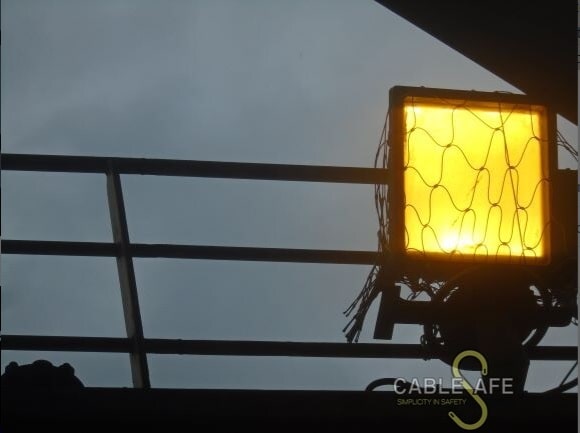
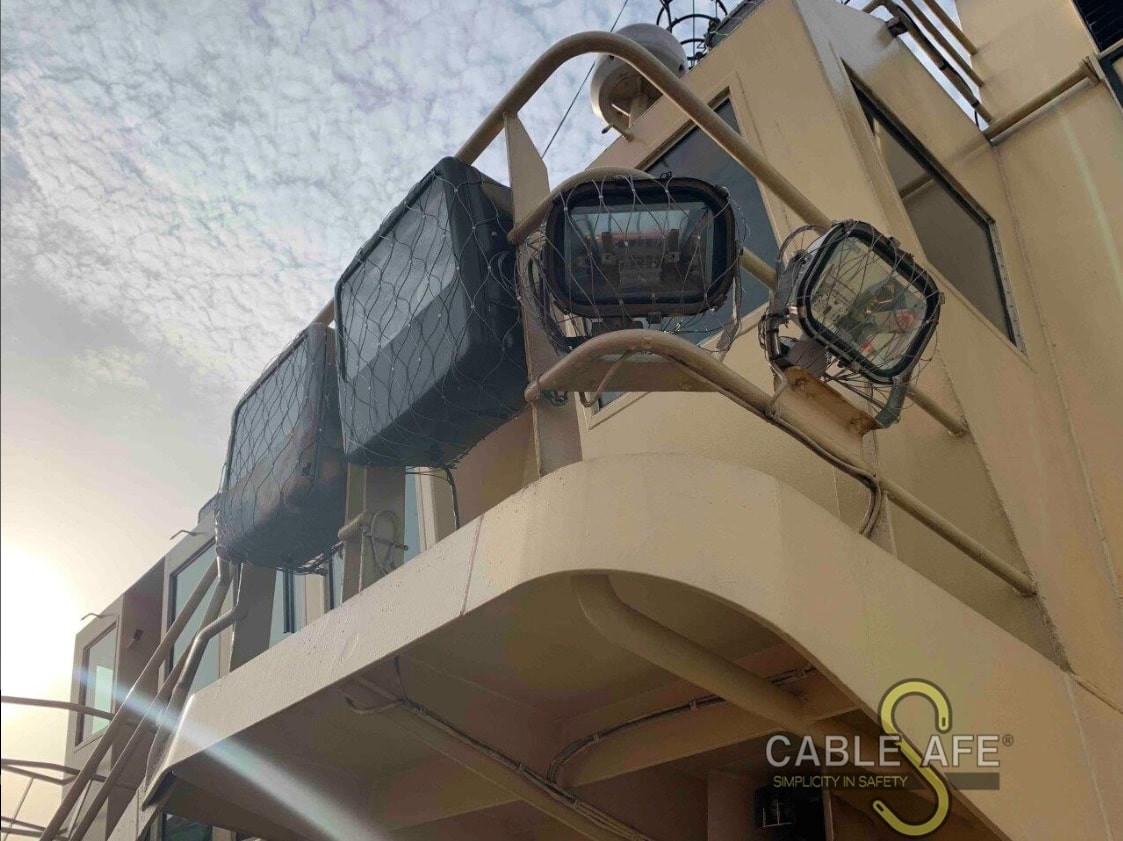
The Safety Net Roll is cut in smaller sections with simple hand tools and wrapped around equipment at height. A steel lanyard is used to attach the net to a structure as a secondary retention method to prevent dropped objects. The Safety Net Rolls are suitable for onshore and offshore conditions and are chemical treated.
To prevent objects from falling from height the safety nets are wrapped around the objects. The size of the object determines the size of the Safety Net Roll required. A strong lanyard is supplied to weave through the netting and wrap and lock the ends of the safety net to the solid structure. This secondary retention method is commonly applied to protect the lives of the workers and pedestrians.
Safety Net Rolls Around Light Fittings
How do you install a safety net?
Proper installation is crucial to ensuring the effectiveness of safety nets. Here are some key steps to follow when installing industrial safety nets:
Planning and Assessment: Begin by conducting a thorough assessment of the area where the safety net will be installed. Identify potential hazards, determine the required dimensions and strength of the net, and assess the attachment points.
Preparation: Prepare the area by removing any debris or obstacles that may hinder the installation process. Ensure the attachment points are secure and capable of withstanding the load.
Net Assembly: Follow the manufacturer’s instructions for assembling the safety net.
Attachment Points: Depending on the specific installation requirements, safety nets can be attached to existing structures such as beams, walls, or specially designed frames. Ensure the attachment points are robust and capable of supporting the net’s load.
Tensioning:Proper tensioning is essential to maintain the integrity of the safety net. Carefully adjust the tension to ensure a taut and secure installation. Be mindful of the net’s sag, as excessive sag may reduce its effectiveness.
Testing and Inspection: Once the safety net is installed, conduct thorough testing to ensure its stability and load-bearing capacity. Regularly inspect the net for any signs of wear, damage, or degradation, and replace or repair as necessary.
Conclusion
Industrial safety nets, particularly stainless steel nets used as dropped objects prevention measures, play a critical role in maintaining a safe work environment. By understanding examples of safety netting, following proper installation procedures, and recognising the purpose of safety netting, industries can effectively mitigate potential hazards and ensure the well-being of their workforce. Implementing these heavy-duty safety measures demonstrates a commitment to safety and provides peace of mind to employees and employers alike.
Remember, when it comes to safety, investing in reliable safety netting is a worthwhile endeavour that pays dividends in accident prevention and overall workplace safety.
FAQ – Dropped Object safety Nets
What Are Safety Nets?
Safety nets for fall protection are generally used at high-rise building construction sites in order to prevent objects from falling on the worksite. These nets are different from oil nets or other safety net systems in that they are a form of secondary protection in case the primary safety fails. We have two options available. One option is a safety net roll, which can be cut and used according to what size is needed. Another option we offer is custom sized nets, which is implemented fast as it requires no modification and is made for the object itself.
What Is Secondary Retention?
Safety Nets Fit-to-size are used for secondary retention. It secures, encloses and tethers overhead fixtures to prevent dropped objects to the work floor when its primary attachment (or installation bracket) fails.
Why Dropped Objects Prevention?
The accidental dropping of toolsand equipment poses a safety threat to workers operating at elevated heights. It is therefore important to take precautionary measures to reduce the frequency of such accidents. Tools, equipment and mounted objects in an elevated location have the potential to fall due to movement.
These nets are designed to protect employees from severe injuries in a wide range of working environments. The dropped object prevention safety net will catch the equipment at height when brackets corrode or connections to structure fails (e.g. impact by crane, fatigue, etc). The nets are designed for onshore and offshore installations.
Best practices & recommendations
Portable Equipment
All portable equipment used where there is a risk of the equipment falling to an underlying level must be secured against being dropped
Carrying pouches must always be used for radios and any other portable equipment without certified securing points
Locks on pouches must have a double securing mechanism to prevent unintentional opening
Belt clips that allow equipment to become detached when turned 180º should not be used
Belts with snap fasteners are not suitable for securing equipment at height
Battery compartments and covers on portable equipment must be secured to prevent internal components from falling.
Remember even small items falling from significant heights can cause injury and distractions. Ensure all personal equipment (tally books, pens, calipers, cameras, water bottles etc.) is secure in a fastened pocket or carry pouch. If the item is not required for the task, do not carry it at height – leave it at ground level.
Securing Tools >5kg / 11lbs
All use of heavy tools and hand-held machinery where equipment may fall to an underlying level must be risk assessed
All heavy tools and hand-held machinery used at height must be secured against being dropped, both when in use and while being transported
Securing points for tools and machinery must be in place above the work site, attached to the surrounding structure, not to scaffolding
Tools heavier than 2kg should not be secured to the body, secure them to the adjacent worksite structure
One piece sledge hammers (forged construction with secured head) should be used at height
The attachment points / devices on tools shall be documented and all securing wires inspected in accordance with the manufacturers recommendations
The securing wire must be as short as possible to reduce shock loading effect
Energy absorbing lanyards and tethers can stretch beyond the safe calculations or drop distance, therefore fixed securing wires should be used on heavy tools at height, according to the work environment
Only certified lifting equipment shall be used as securing devices (where appropriate)
Tools used at height should be checked out / in (see Page 54) to ensure that nothing is left behind.
Securing of Personnel
The choice of equipment to be used must be made after evaluating the work place environment
Established control procedures must be followed before, during and after use
Anyone using personal protective equipment against falls from height must have documented training (including rescue method training)
Nobody shall work alone or unattended when using fall arrest equipment
Everyone involved in the work scope must have sufficient training and awareness of the equipment and safety procedures
A ‘Buddy’ check of all fall arrest, rigging and other equipment must be carried out
The necessary rescue equipment and trained personnel must always be available at the workplace
Fall arrest equipment must have CE approval, incorporate an anti-trauma safety device and comply with an accepted standard
The equipment shall be checked EVERY TIME before use and must be checked at least every 6 months by a competent person
The date for next inspection must be clearly shown on the equipment
The anchor point for suspension must be rated to 5000 lbs (22kN) – OSHA.
CABLE SAFETY EQUIPMENT
CableSafe® Safety solutions are critical cable essentials and are well proven construction safety products. The CableSafe® range of cable hooks can be used during maintenance, turnaround, outages, shutdowns, construction work to suspend cables and hoses and other work gear and equipment from the working space.
Thorne & Derrick stock and distribute a range of Safety Tools including Push Pull Tools from Hand Safety Tool Company designed to minimise hand injuries by keeping hands out of the line of fire.
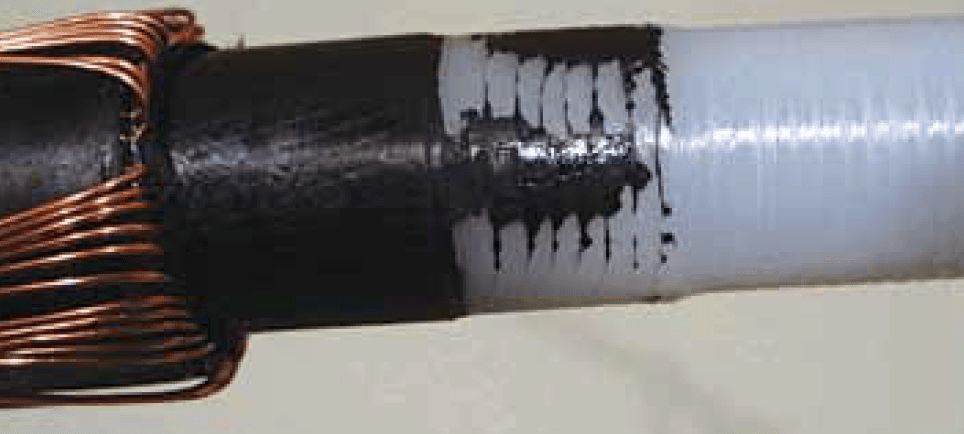
THE MOST CRITICAL POINT IN ANY MV CABLE JOINT, TERMINATION OR CONNECTOR
In this Article you can read about The F-Word, Jointer Competency, “Pick-off”, Bevelling, PD, Semicon Perfection, Circumferential Grooving, Delamination, “Cut-back” and how appropriate tools from ALROC and Ripley Tools available from Thorne & Derrick | LV HV Cable Jointing & Electrical Equipment create resilient MV Power Systems.
Thorne & Derrick
MV HV High Voltage Cable Joints | Cable Terminations | Cable Connectors | Distributed from Stock | UK & Export Sales
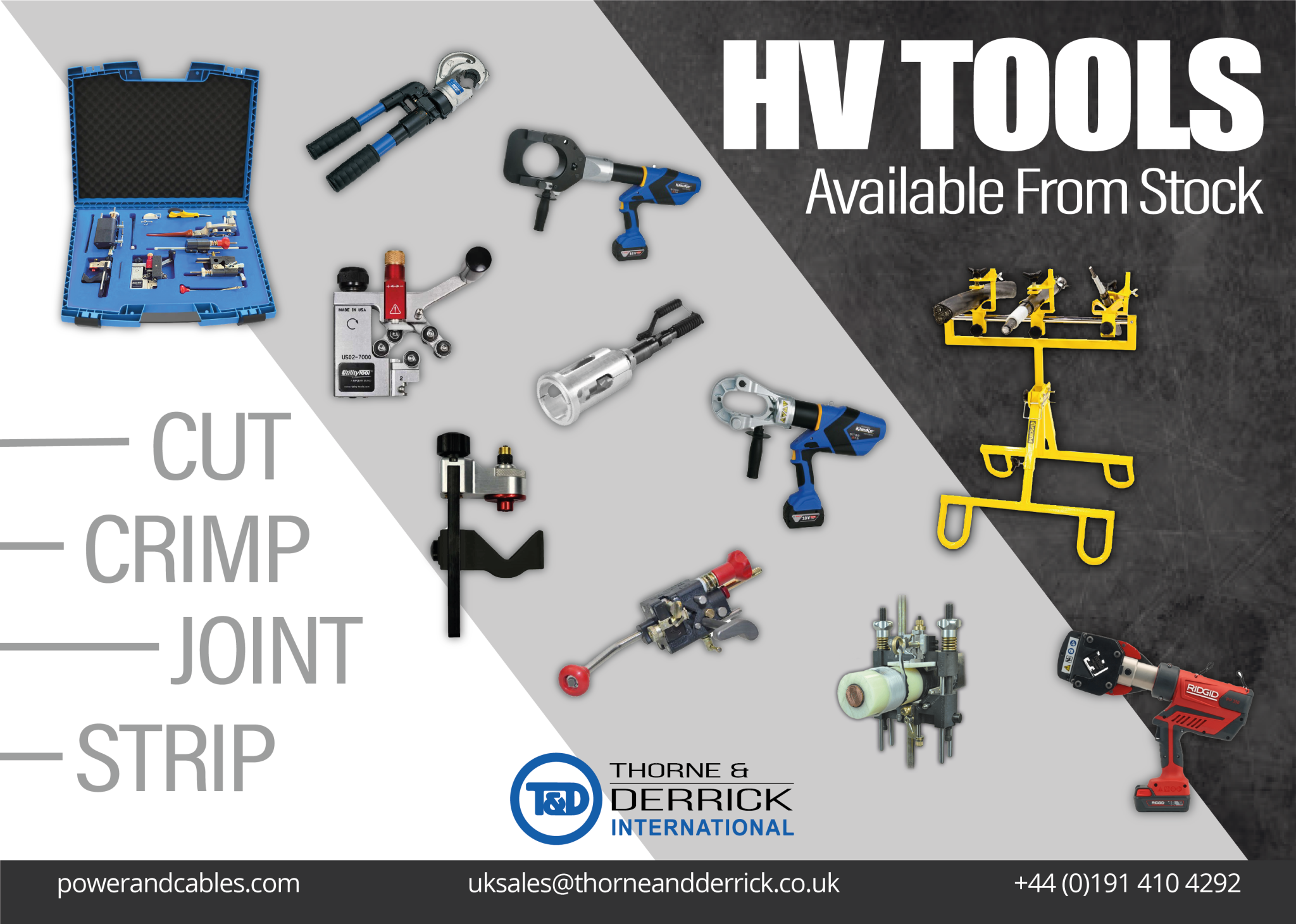
Cable Innovation Tools & Accessories for Low & High Voltage Power Systems | THORNE & DERRICK are Specialist Distributors of LV HV Cable Jointing, Earthing, Substation & Electrical Eqpt up to 66kV – this includes the most extensive range of Ex Stock Innovation Tooling to facilitate safe and reliable preparation, termination and installation of cables.
The team at Thorne & Derrick are looking forward to exhibiting at Offshore Wind North East in November! Hosted by NOF, this industry leading event explores opportunities in the offshore wind sector; bringing together an impressive line-up of speakers and supply chain opportunities.
Thorne & Derrick International are Specialist Suppliers to the UK and international Offshore Wind Industry of products to provide safe and reliable LV HV Electrical Cable Termination, Jointing, Installation & Power Systems up to 66kV.
📍Location: Beacon of Light Sunderland
🕑Date: 8th & 9th November
We will be showcasing and demonstrating a range of our innovative products and solutions at the Event including LV-HV Cable Joints, Terminations, Connectors, Tools & Accessories, Arc Flash Safety and Voltage Detection. Thorne & Derrick will also be delivering a LIVE Demo of the Picoup 400 Spiking Tool from PENTA P&B (formerly P&B Weir).
Come and visit us at Stand D02 and let’s explore how we can work together to make your offshore wind projects a success✨
About The Event
Offshore Wind North East (OWNE) is a national event in a pioneering offshore wind region of the UK. Since 2000 the North East of England has been involved in offshore wind, using its experience and expertise in other industries to diversify and create a new and vibrant offshore wind supply chain. It now leads the way in the green energy revolution, playing a key role in energy security and the UK journey to net zero 2050. The industry here has now contributed significantly to the creation of new jobs, economic growth and the regeneration of coastal communities.
With first-class infrastructure, including six highly-active ports, its prime location on the east coast of England with world class offshore wind farms on its doorstep, including Dogger Bank Wind Farms and the Sofia Offshore Wind Farm, the region maintains its enviable track-record with its supply chain cluster contributing a lion’s share to the UK and the Global offshore wind farms.
“RWE’s Sofia has been a strategic partner for Offshore Wind North East every year since 2018, which means this year’s event will be the sixth time we have had a major presence there. As one of the major offshore wind developers projects in the region, RWE and the Sofia project team sees it as an excellent opportunity to meet colleagues and suppliers and find out what is happening in the sector locally. Companies from the North East have been integral to the success of the UK’s offshore wind evolution and having access to the wealth and depth of experience in one place makes it a really worthwhile two days in November. This applies not just for Sofia but for the wider RWE portfolio including those upcoming projects such as Dogger Bank South and its numerous operational projects in the North Sea and around the UK.”
Matthew Swanwick Project Director, Sofia Offshore Wind Farm
NOF
NOF is a UK wide, business development membership organisation, helping to make valuable connections between businesses in the global energy sector. They work on behalf of members and their network of partners to put companies of all sizes in touch with the best and most innovative supply chain businesses in the UK.
The organisation offers an annual membership with four core services: Business Development, Industry Introductions, Events and Supply Chain Engagement. Your NOF membership can be enhanced with access to the Offshore Wind Projects Database.
Thorne & Derrick
Specialist Distributors of High Voltage Jointing & Electrical Safety Equipment
Thorne & Derrick International are Specialist Suppliers of products to provide safe and reliable LV HV Cable Termination, Jointing, Installation & Power Systems up to 66kV.
Thorne & Derrick distribute the most extensive range of MV HV Medium & High Voltage Cable Joints, Terminations & Connectors from manufacturers including 3M, Prysmian, Nexans Euromold, Elastimold, Pfisterer CONNEX & SEANEX.