Blog
Earthing | An Introduction To Earthing & Earthing Designs | Part One
August 19th, 2019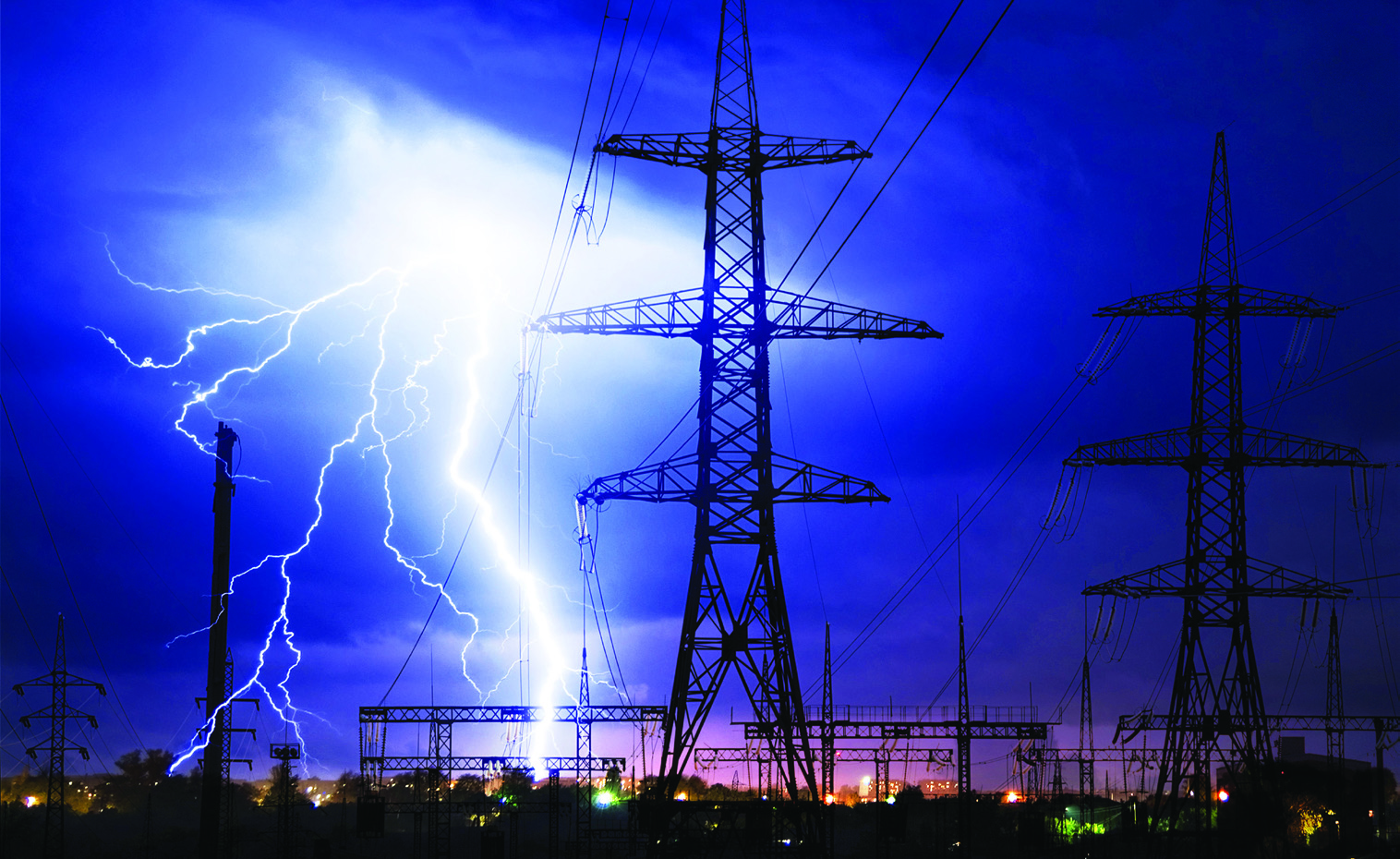
An Introduction To Earthing & Earthing Designs
-
uploaded by Chris Dodds - Thorne & Derrick Sales & Marketing Manager
Earthing
Earthing & Earthing Designs
AN Wallis
In this 2 part series of articles AN Wallis introduces earthing system designs including earth electrode systems designed to safely dissipate fault current or other unwanted electrical current to the general mass of earth and also an introduction to lightning protection focusing on systems, strategies and earth terminations and networks.
An earth electrode system, professionally designed by competent Engineers, is essential to ensure the safety of personnel and the protection of equipment from dangerous voltages in and around LV MV HV substations.
AN Wallis are able to offer earth electrode system designs and associated testing services using the most up-to-date equipment and design software ‘CDEGS’. All this is carried out by competent and highly experienced Electrical Engineers and Technicians.
All design works are carried out in accordance with BS 7430:2011 — The code of practice for protective earthing of electrical installations and BS EN 50522:2010 — Earthing of power installations exceeding 1 kV a. c. amongst other specifications.
All materials supplied by A. N. Wallis have been tested and certified by an independent body ensuring the highest quality materials are made available to you.
➡ Lightning | An Introduction To Lightning Protection | Networks, Strategy & Systems | Part Two
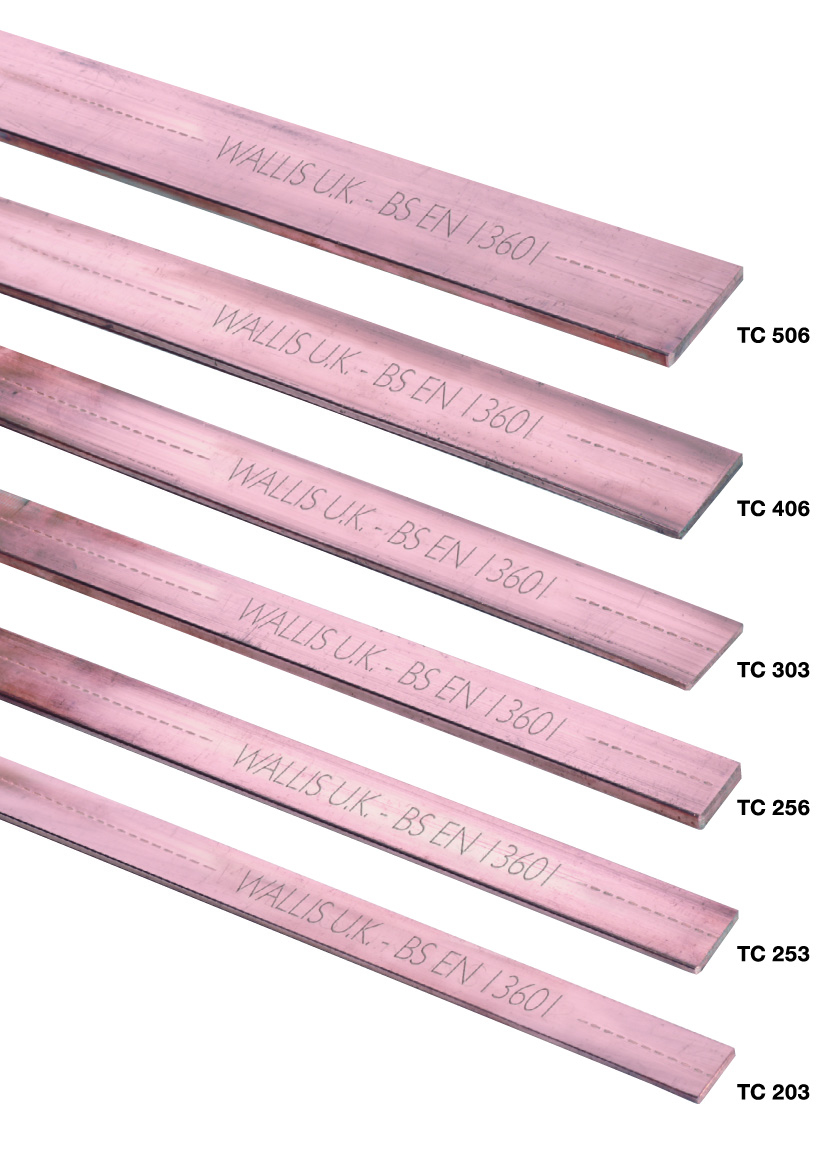 Earthing System Design
Considerations
 An earth electrode system should be designed to safely dissipate fault current or other unwanted electrical current to the general mass of earth. This could include power transmission and distribution, static dissipation, lightning protection as well as other associated systems.
The main considerations of an earth electrode system design should be:
- Is the system safe and suitable for the purpose for which it is intended?
- Is the system rated to carry the design fault currents?
To achieve this a number of steps are required and are detailed below.
Soil Resistivity Surveys
BS 7430:2011 states that ‘on-site resistivity testing should always be carried out prior to carrying out an earth system design and installation’.
The soil resistivity survey is the first step in ensuring the correct design of an earth electrode system. It is essential that accurate measurements are taken at this stage as this data is used to determine what conductors are required in the finished earthing system to give a safe and suitable design. Corrupt data taken with inadequate test equipment could lead to a vastly over- or under-engineered solution.
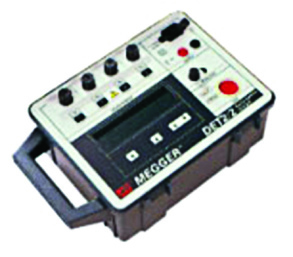
AN Wallis use high specification test equipment to carry out soil resistivity testing, gaining data from tried and tested methods. This raw data is then analysed using CDEGS software to produce a representative electrical equivalent soil model which can then be used in the earthing design process.
Earth Electrode System Design
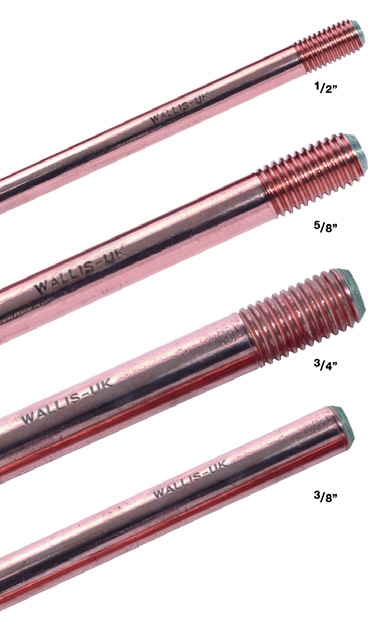
Earth Rods
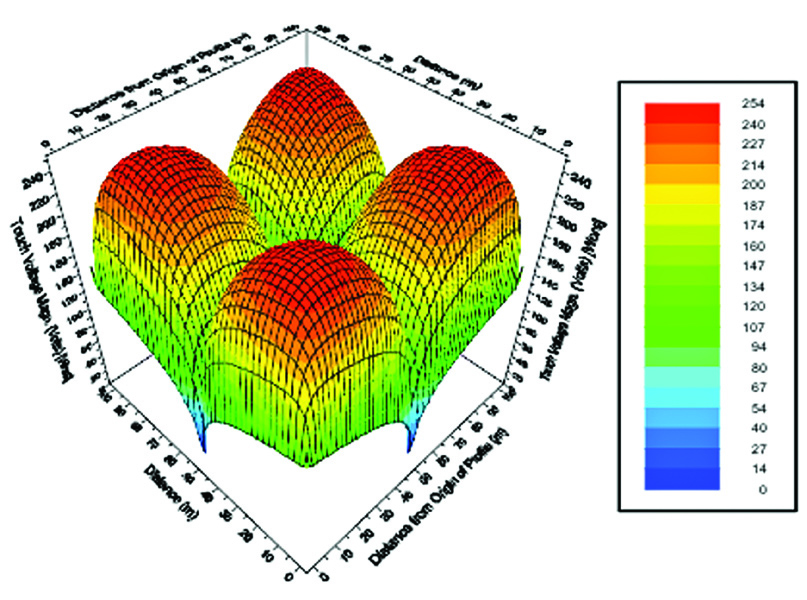
There are many factors that go into producing a compliant earth electrode system design: fault current levels, fault duration, ground make up and interconnected sites are but a few.
All of the parameters are analysed using the CDEGS software to ensure Touch, Step and Rise of Earth Potentials are within safe levels.
Our team of competent Engineers consider all of the above and more to ensure the final design is not only safe and suitable for its purpose, but also to ensure the system can be installed using the most economic processes giving you the most cost effective solution.
Overall System Testing
BS 7430:2011 states that ‘all work should be carried out under the control and direction of a competent person.’
AN Wallis are able to offer test and inspection services for both new and existing installations. All works are carried out in accordance with BS 7430:2011 by our trained and competent Engineers and Technicians.
The period between periodic inspection and tests can only be determined by the environment that the system is installed in, for example the harsher the environment the more regular the inspection.
Please feel free to contact us to discuss your particular requirements.

Earthing – Copper Earth Tapes | Bars | Clamps | Rods

THORNE & DERRICK
T&D are Specialist Distributors to UK Distribution Network Operators (DNO’s), NERS Registered Service Providers, ICP’s and HV Jointing Contractors of an extensive range of LV, MV & HV Jointing, Earthing, Substation & Electrical Eqpt – this includes 11kV/33kV/66kV cable joints, terminations and connectors for both DNO and private network applications.
Contact our UK Power Team for competitive quotations, fast delivery from stock and technical support or training on all LV-HV products.
Key Product Categories: Duct Seals | Cable Cleats | Cable Glands | Electrical Safety | Arc Flash Protection | Cable Jointing Tools | Cable Pulling | Earthing | Feeder Pillars | Cable Joints LV | Joints & Terminations MV HV

Arc Flash | 3 Articles from a High Voltage Specialist
August 1st, 2019
“30,000 Arc Flash Incidents per year” Source: ISHN
Arc Flash Articles
Thorne & Derrick International would like to thank Pat Mynett for allowing us to publish his series of Arc Flash articles – over the course of these articles we have discussed the definitions, dangers, statistics, causes, prevention and protection against arc flash.
Pat is CEO at HV Training and Consulting Pty Ltd and is a High Voltage Specialist.
➡ Read More:
PROGARM THE ARC FLASH SPECIALISTS
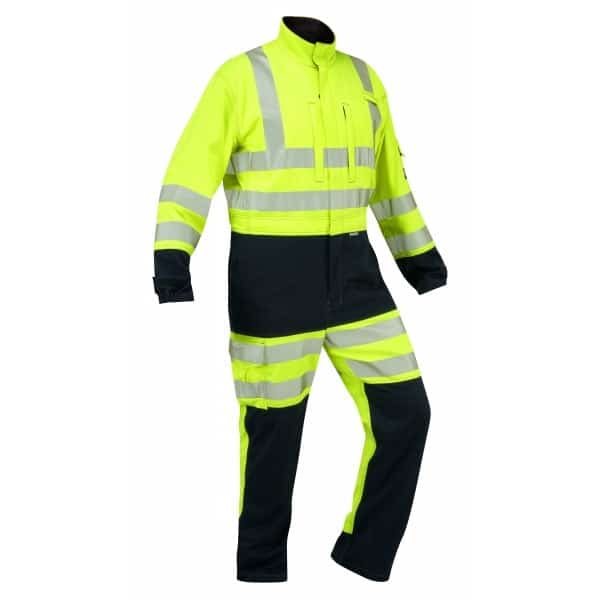
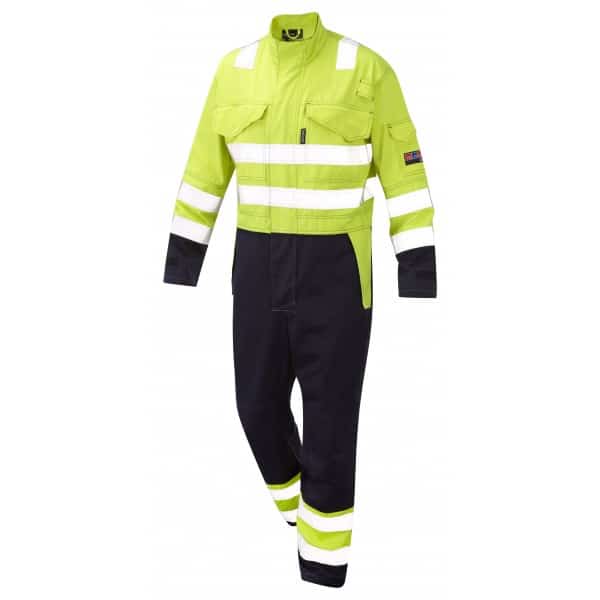
ProGARM are the leading UK manufacturer of high quality Arc Flash Clothing, Garments & Workwear – Thorne & Derrick work successfully with them Protecting Lives.
Thorne & Derrick are leading Specialist Distributors & Stockists of LV, MV & HV Cable Installation, Jointing, Substation & Electrical Equipment.

THORNE & DERRICK SPECIALIST ELECTRICAL DISTRIBUTOR
LV ♦ MV ♦ HV
Thorne & Derrick International, based in the UK, distribute the most extensive range of LV, MV & HV Cable Jointing, Terminating, Pulling & Installation Equipment – we service UK and international clients working on underground cables, overhead lines, substations and electrical construction at LV, 11kV, 33kV and EHV transmission and distribution voltages.
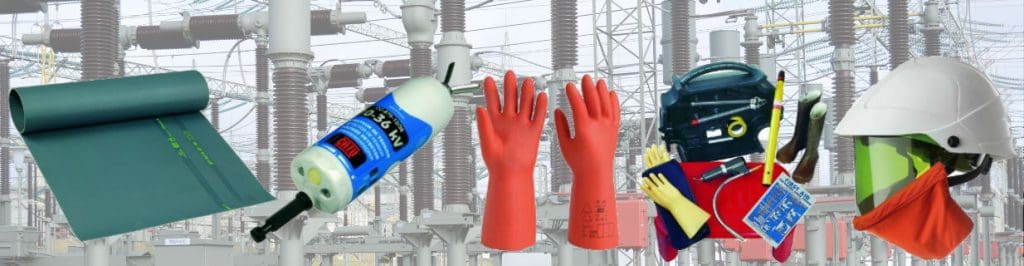
T&D, CATU Electrical Safety & Arc Flash Protection Specialists for SAP’s, Linesmen, Jointers & Electrical Engineers – Largest UK Stockist
INVITATION
Thorne & Derrick invite you to join LinkedIn’s largest LV-HV Electrical Discussion Group : Low & High Voltage Power, Cabling, Jointing & Electricals. Discussion subjects include cable installations, cable jointing, substation, overhead line and electrical construction at LV, 11kV, 33kV and EHV. Network, engage and promote your profile, company or products with over 10,000 influencers.


Arc Flash – The Electrician’s Insidious Companion
July 31st, 2019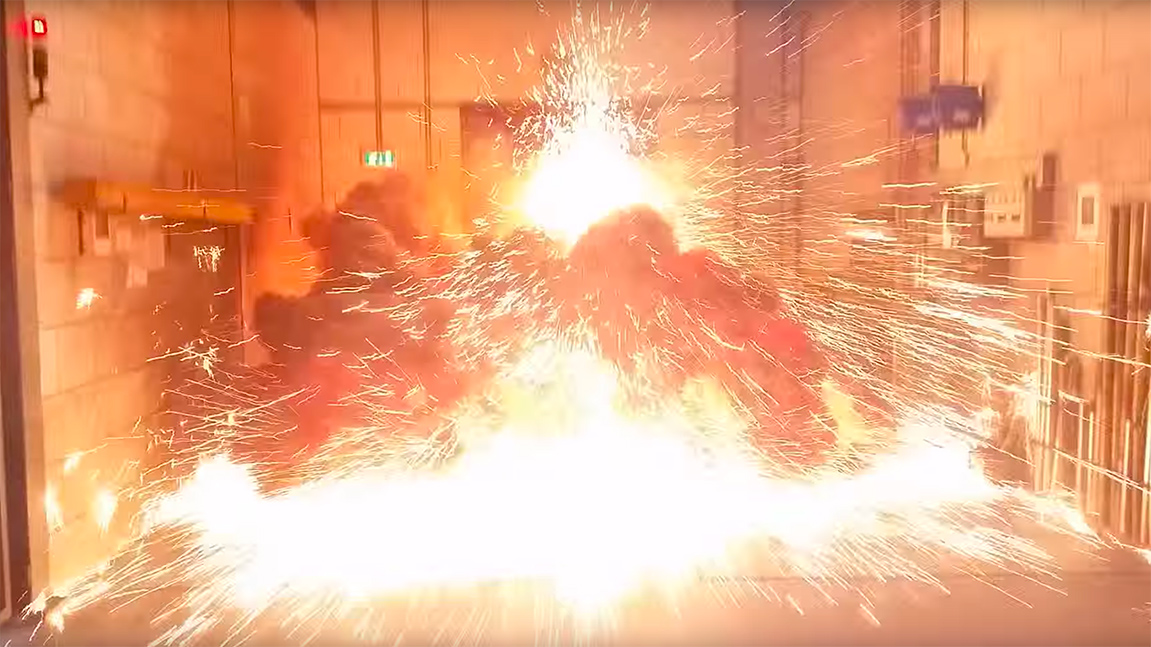
Arc Flash – The Electrician’s Insidious Companion Image: Safety Management Services, Inc.
Arc Flash
-
Blog Written By Patrick Mynett -
CEO / High Voltage Specialist at HV Training and Consulting Pty Ltd
Thorne & Derrick International would like to thank Pat Mynett for allowing us to publish his article Arc Flash – The Electrician’s Insidious Companion.
Pat is CEO at HV Training and Consulting Pty Ltd and is a High Voltage Specialist.
In 2014, Pat Mynett decided there was room in the market for another RTO to provide quality electrical training. Especially from a person with recent industry experience, whose main interest was in the electrical safety of workers and the welfare of the plant. Arc flash safety training was a glaring omission in the industry so he developed, wrote and registered a nationally accredited arc flash course for those who work in an arc flash hazard zone.
This is Part 2 in a series of 3 articles about the dangers of arc flash – over the course of these articles we have discussed the definitions, dangers, statistics, causes, prevention and protection against arc flash.
- Introduction to Arc Flash
- Arc Flash – The Electrician’s Insidious Companion
- Overcoming Arc Flash Hazards
The Electrician’s Insidious Companion
Your insidious companion is always lurking there in the background, looking to pounce on people who take short cuts, ignore rules or do not understand how to ban him from the worksite. If your insidious companion pays you a visit you may receive serious burns or pass on to the next world. Do not let this happen to you.
What is an uncontrolled Arc Flash?
A type of electrical explosion that results from a low-impedance (Short Circuit) connection to earth or another voltage phase in an electrical system.
It is the light and heat produced from an electrical arc supplied with Sufficient Electrical Energy to cause fatalities, serious injury, substantial damage, fire, or worse.
What is Sufficient Electrical Energy
In rough figures, a 125kVA transformer 400V (LV) supply would have a fault current capacity of over 3600amps. This just gives an illustration of the current available at the transformer LV terminals.
At the main switchboard this could have dropped considerably, depending on the impedance of the mains, but will always significantly exceed the switchboard load rating.
Padmount transformers can be 20 times the capacity of the above example.
Severity of an arc flash
The severity of an arc flash depends on the amount of fault current available and the duration (Time) the fault is on the system. The system’s voltage is only significant at LV where the volt drop across the arc can be up to 60% of the Low Voltage, so it appears to the protection as a high impedance fault, which therefore clears slowly.
This delay may mean the difference between serious and fatal burns. The careless worker is therefore completely dependent on the distance from and size of, the feeding transformer and most importantly, the switchboard and protection design, commissioning and ongoing maintenance (including tripping batteries) being done correctly.

Overcoming Arc Flash Hazards
Energy received from an arc flash
The energy produced by an arc flash and the energy received from an arc flash are two different things. The energy received from an arc flash is measured in Incident Energy (cal/cm2) depends on the distance from the arc flash. The further you are away from the arc flash source the less the incident energy.
What events can cause an arc flash?
An arc flash initiated when the system is static, no movement of system devices. These events can be caused through vermin (rats, mice, etc.) and hot joints. These events generally occur without injury to personnel as no work is being carried out in the vicinity. However, these events can and do cause significant damage to equipment.
An arc flash initiated when there is movement in the system.
The movements can be;
- working live,
- operator error,
- closing, opening and racking of circuit breakers,
- operating switches/isolators live,
- inappropriate operation of switchgear,
- trying to operate damaged switchgear,
- dropping tool/ equipment on live conductors/busbars,
- circumventing interlocks etc.
When arc flash events are due to movement, fatalities or significant injuries can occur, as well as major damage to equipment.
What can you do to protect against an arc flash incident?
- Do not take short cuts!
- Do not work live!
- Do not operate faulty equipment!
- Get an understanding of arc flash, its causes, its hazards and how to mitigate the hazards!
- Know when it is not safe to proceed with the work!
- Know the correct PPE to select and wear!
- Get training in arc flash hazards and mitigation!
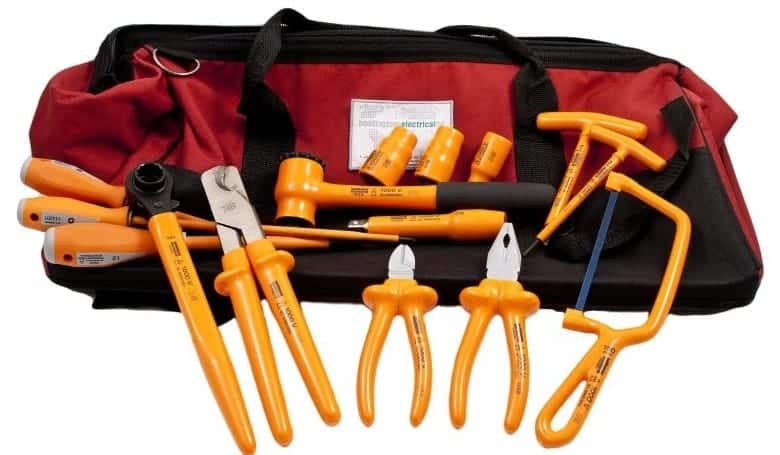
arrow: Protecting Cable Jointers & Electrical Engineers When Working Live On Cables & Switchgear – comprehensive ranges of insulating matting and insulated tools.
Training to recognise Arc Flash Hazards
Now there is training available for people who work at the coal face and operate electrical equipment. This arc flash training imparts the knowledge to recognise, risk assess, mitigate, select the correct PPE for arc flash hazards and know when it is not safe to proceed with the work.

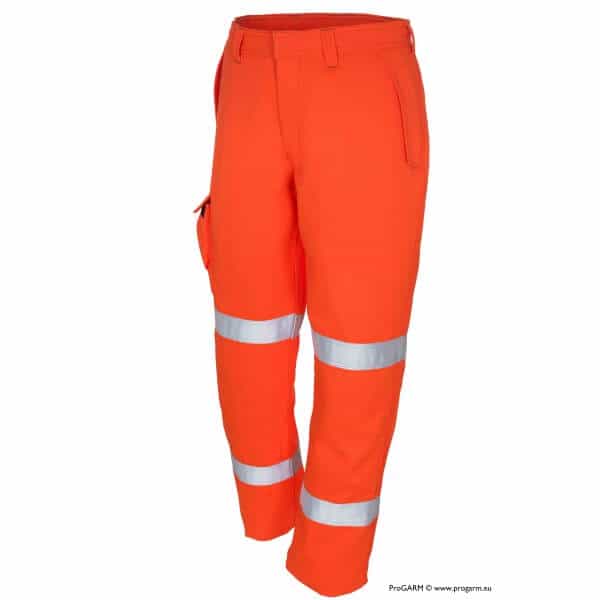
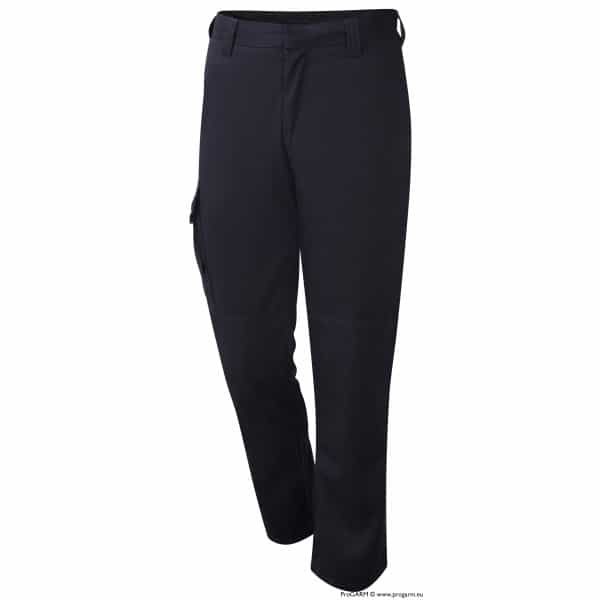
Arc Flash | Jackets | Coveralls | Trousers | Sweatshirts | Helmets | Gloves ProGARM
Selecting appropriate PPE
Wearing the correct type of PPE when working in an arc flash environment is imperative. If an arc flash occurs, without PPE you may not go home for a long time or you may not go home at all.
➡ Further Reading
- Arc Flash Clothing & Protection For Safe Windfarm & Wind Turbine Working
- Arc Flash Clothing – PPE To Protect Highways, Street Lighting & Utility Contractors
- Eliminate Arc Flash To Minimise Downtime & Repair Costs At The Circuit Breaker
- Do Insulating Gloves Provide Arc Flash Protection?
- Can Arc Flash Clothing Save Utility Workers Lives?
- Electrical Safety – Arc Flash Accidents & Electrocution In LV-HV Installations
- Arc Flash Calculation – Selecting Clothing & PPE To Protect Lives Against Arc Hazard
THORNE & DERRICK SPECIALIST ELECTRICAL DISTRIBUTOR
LV ♦ MV ♦ HV
T&D distribute the most extensive range of LV, MV & HV Cable Jointing, Terminating, Pulling & Installation Equipment – we service UK and international clients working on underground cables, overhead lines, substations and electrical construction at LV, 11kV, 33kV and EHV transmission and distribution voltages.
- Key Products: MV-HV Cable Joints & Terminations, Cable Cleats, Duct Seals, Cable Transits, Underground Cable Protection, Cable Jointing Tools, Feeder Pillars, Cable Ducting, Earthing & Lightning Protection, Electrical Safety, Cable Glands, Arc Flash Protection & Fusegear.
- Distributors for: 3M, ABB, Alroc, Band-It, Catu, Cembre, Centriforce, CMP, Elastimold, Ellis Patents, Emtelle, Furse, Lucy Zodion, Nexans Euromold, Pfisterer, Polypipe, Prysmian, Roxtec.

LV – Low Voltage Cable Joints, Glands, Cleats, Lugs & Accessories (1000 Volts)

MV HV – Medium & High Voltage Cable Joints, Terminations & Connectors (11kV 33kV EHV)

Cable Laying – Underground Cable Covers, Ducting, Seals & Cable Pulling Equipment
T&D, CATU Electrical Safety & Arc Flash Protection Specialists for SAP’s, Linesmen, Jointers & Electrical Engineers – Largest UK Stockist
INVITATION
Thorne & Derrick invite you to join LinkedIn’s largest LV-HV Electrical Discussion Group : Low & High Voltage Power, Cabling, Jointing & Electricals. Discussion subjects include cable installations, cable jointing, substation, overhead line and electrical construction at LV, 11kV, 33kV and EHV. Network, engage and promote your profile, company or products with over 10,000 influencers.
Arc Flash Learning & Resources

Thorne and Derrick are proud to be distributors of ProGARM arc flash coveralls and protection.
We can help – should you require arc flash calculators or advice on the type of clothing and protection available please do not hesitate to contact us.





Introduction To Arc Flash
July 31st, 2019“30,000 Arc Flash Incidents per year” Source: ISHN
Arc Flash
-
Blog Written By Patrick Mynett -
CEO / High Voltage Specialist at HV Training and Consulting Pty Ltd
Thorne & Derrick International would like to thank Pat Mynett for allowing us to publish his article Introduction To Arc Flash.
Pat is CEO at HV Training and Consulting Pty Ltd and is a High Voltage Specialist.
In 2014, Pat Mynett decided there was room in the market for another RTO to provide quality electrical training. Especially from a person with recent industry experience, whose main interest was in the electrical safety of workers and the welfare of the plant. Arc flash safety training was a glaring omission in the industry so he developed, wrote and registered a nationally accredited arc flash course for those who work in an arc flash hazard zone.
This is Part 1 in a series of 3 articles about the dangers of arc flash – over the course of these articles we have discussed the definitions, dangers, statistics, causes, prevention and protection against arc flash.
- Introduction To Arc Flash
- Arc Flash – The Electrician’s Insidious Companion
- Overcoming Arc Flash Hazards
What is an Arc Flash?
An electric arc occurs whenever a circuit breaker, switch or isolator (Device) is opened and when there is current is flowing in the circuit. However, most devices under normal operating conditions are designed to control the arc when opening or closing.
An arc flash may occur when the arc is uncontrolled and there is sufficient energy released to cause harm or damage.
Arc flashes occur both at high voltage and at low voltage. There is little discrimination, low voltage arc flashes injuries are just as damaging at high voltage injuries.
An arc flash is the light and heat produced from an electrical arc supplied with sufficient electrical energy to cause substantial damage, harm, fire, or injury.
What is sufficient electrical energy, lets look at two situations, firstly a domestic situation and then a commercial, industrial or mining situation.
A domestic situation: In most domestic dwellings, even though the risk of electric shock is present, the risks of an arc flash are only minor, as there is normally insufficient energy to cause a serious arc flash. The main switch / main circuit breaker is normally quite a distance from a transformer. The distance and smaller cables sizes results in much higher circuit impedance and lower fault current.
A commercial, industrial or mining situation: This is a different story, as the results of an arc flash can be catastrophic. The main switch / main circuit breakers may be only a few meters from a transformer, fed by busbars or large cables. This results in extremely low impedance and very high fault currents.
What can initiate an Arc Flash?
There are many things that can initiate an arc flash, they can be divided into two groups.
- Group 1: An arc flash when the electrical system is static and
- Group 2: An arc flash when there is movement in the electrical system
Group 1: An arc flash can occur and be caused by items such as vermin, hot joints etc. In these cases, there can be substantial damage to equipment, but injury to people is extremely rare. Vermin avoid areas when people are around.
Group 2: An arc flash can occur and be caused or initiated by items when there is movement in the system, such as closing or opening of circuit breakers, switches or isolators, applying earths, opening enclosures, dropping tools, inappropriate use of tools etc.
This is where the majority of arc flash injuries occur.
Arc flash can be caused by; switching devices being operated that are faulty or damaged, circuit breakers racked when closed, isolators opened on load, applying earths to energised conductors, closing a switch onto an earthed conductor, inadvertent contact through working close to live conductors, dropping tools onto live conductors, drilling into enclosures and the drill contacts an energised conductor.
Many of these causes are due to human error, working live, complacency, lack of training, lack of maintenance, taking short cuts etc.
Who are the people that get hurt
from an Arc Flash?
Nearly all arc flash injuries occur to people in two distinct groups.
Electrical workers and non-electrical workers.
Injuries to electrical workers make up the majority of arc flash injuries. They are the people that generally operate electrical switchgear, work on or close to energised conductors.
Injuries to electrical workers occur due a to lack of understanding, lack of training, complacency and ignoring or short cutting safety rules. There is tremendous pressure on electrical workers to keep electricity supply on when working on or close to energised conductors.
This pressure is applied by people who do not have any understanding of electrical hazards. Legislation in Australia only allows work on or close to energised conductors under strict conditions. Yet many electrical workers still work on or close to energised conductors.
Non- electrical workers who operate industrial switchgear is the other group where arc flash injuries occur.
There are many non-electrical workers in industry that switch industrial electrical low voltage loads on and off.
There are some that operate high voltage switchgear to create an isolation point for non-electrical work. Most of these non-electrical workers would not know what an arc flash is.
How many people get hurt in Australia
through Arc Flash and what can we learn in the UK?
Arc flash injury statistics are hard to acquire and quantify. In many cases this is due to arc flash injuries recorded at electrical injuries.
About three years ago figures were obtained from one Australian state’s hospitals on the number of people admitted with serious electrical (arc flash) burns. When these figures are extrapolated out to cover all of Australia. On average (30) thirty people each year get admitted to hospital with arc flash burns and (1) one fatality occurs every two years.
These figures can be backed up by the fact that in NSW/QLD and WA for the three months ending in November 2018, there was one fatality and 7 people who received serious burns.
In 2014 two fatalities occurred in WA.
It is unfortunate, that many arc flash injuries do not get reported and in some cases the information gets suppressed due to legal reasons.
The UK has 3 times the population of Australia, so it can be reasonably assumed that the numbers of injuries in the UK are 3 times greater.
90 people hospitalised and 1.5 fatalities each year.
What are the costs from an Arc Flash?
There are human costs and financial costs.
Human costs: It is not just the injury, it’s the trauma of recovery (burns take a long time to heal and scar for life), the family trauma (living with someone who is in constant pain and disfigured), loss of income (many burns victims never return to work). The divorce rate of burn victims is extremely high.
Financial costs: Loss of supply can be from an hour to several weeks. A single piece of equipment may only be damaged and easily replaced or a whole switchboard/transformer etc. may be damaged beyond repair. The costs can be from a few dollars up to millions of dollars. I would suspect that arc flash incidents cost Australian industries many millions of dollars each year.
In Conclusion
Arc flash is a real and present hazard.
Yet, it is often ignored or given the pretence to comply by industry.
The majority of electrical workers do not have an understanding of Arc Flash or its hazards, if they did we would not have the number of arc flash injuries that we do have at present. Arc flash training is available, but few companies take it up due to the lack of understanding of the subject.
arrow: Protecting Cable Jointers & Electrical Engineers When Working Live On Cables & Switchgear – comprehensive ranges of insulating matting and insulated tools.
Protect Yourself Against Arc Flash
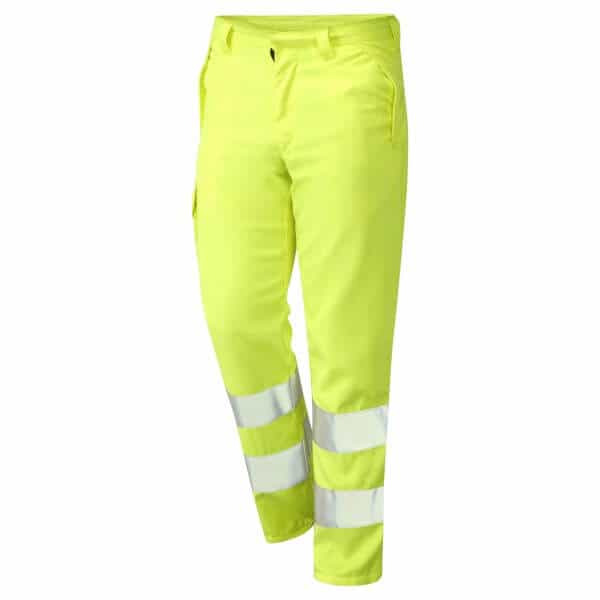
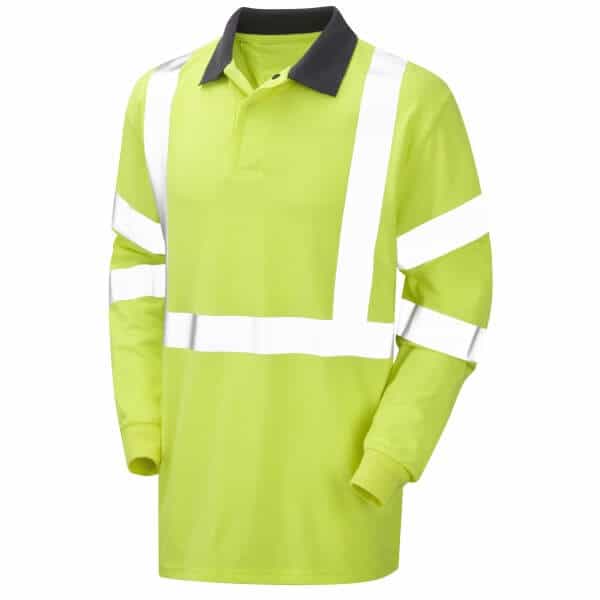
Arc flash protection is provided by specialist clothing and garments for “head-to-toe” protection.
Enhanced and effective arc flash protection is safely achieved by wearing layers of protective clothing and garments manufactured from inherent fibres and which feature specific Arc Flash resilient components. Without the correct high-quality garments arc protection levels will be compromised.
➡ Further Reading
- Arc Flash Clothing & Protection For Safe Windfarm & Wind Turbine Working
- Arc Flash Clothing – PPE To Protect Highways, Street Lighting & Utility Contractors
- Eliminate Arc Flash To Minimise Downtime & Repair Costs At The Circuit Breaker
- Do Insulating Gloves Provide Arc Flash Protection?
- Can Arc Flash Clothing Save Utility Workers Lives?
- Electrical Safety – Arc Flash Accidents & Electrocution In LV-HV Installations
- Arc Flash Calculation – Selecting Clothing & PPE To Protect Lives Against Arc Hazard
THORNE & DERRICK SPECIALIST ELECTRICAL DISTRIBUTOR
LV ♦ MV ♦ HV
T&D distribute the most extensive range of LV, MV & HV Cable Jointing, Terminating, Pulling & Installation Equipment – we service UK and international clients working on underground cables, overhead lines, substations and electrical construction at LV, 11kV, 33kV and EHV transmission and distribution voltages.
- Key Products: MV-HV Cable Joints & Terminations, Cable Cleats, Duct Seals, Cable Transits, Underground Cable Protection, Cable Jointing Tools, Feeder Pillars, Cable Ducting, Earthing & Lightning Protection, Electrical Safety, Cable Glands, Arc Flash Protection & Fusegear.
- Distributors for: 3M, ABB, Alroc, Band-It, Catu, Cembre, Centriforce, CMP, Elastimold, Ellis Patents, Emtelle, Furse, Lucy Zodion, Nexans Euromold, Pfisterer, Polypipe, Prysmian, Roxtec.
LV – Low Voltage Cable Joints, Glands, Cleats, Lugs & Accessories (1000 Volts)
MV HV – Medium & High Voltage Cable Joints, Terminations & Connectors (11kV 33kV EHV)
Cable Laying – Underground Cable Covers, Ducting, Seals & Cable Pulling Equipment
T&D, CATU Electrical Safety & Arc Flash Protection Specialists for SAP’s, Linesmen, Jointers & Electrical Engineers – Largest UK Stockist
INVITATION
Thorne & Derrick invite you to join LinkedIn’s largest LV-HV Electrical Discussion Group : Low & High Voltage Power, Cabling, Jointing & Electricals. Discussion subjects include cable installations, cable jointing, substation, overhead line and electrical construction at LV, 11kV, 33kV and EHV. Network, engage and promote your profile, company or products with over 10,000 influencers.
Arc Flash Learning & Resources
Thorne and Derrick are proud to be distributors of ProGARM arc flash coveralls and protection.
We can help – should you require arc flash calculators or advice on the type of clothing and protection available please do not hesitate to contact us.
Overcoming Arc Flash Hazards
July 30th, 2019Overcoming Arc Flash Hazards
Arc Flash Hazards
-
Blog Written By Patrick Mynett -
CEO / High Voltage Specialist at HV Training and Consulting Pty Ltd

"Every worker can go home at night after a day at work"
Thorne & Derrick International would like to thank Pat Mynett for allowing us to publish his article Overcoming Arc Flash Hazards.
Pat is CEO at HV Training and Consulting Pty Ltd and is a High Voltage Specialist.
In 2014, Pat Mynett decided there was room in the market for another RTO to provide quality electrical training. Especially from a person with recent industry experience, whose main interest was in the electrical safety of workers and the welfare of the plant. Arc flash safety training was a glaring omission in the industry so he developed, wrote and registered a nationally accredited arc flash course for those who work in an arc flash hazard zone.
This is Part 3 in a series of articles about the dangers of arc flash – over the course of these articles we have discussed the definitions, dangers, statistics, causes, prevention and protection against arc flash.
- Introduction to Arc Flash
- Arc Flash – The Electrician’s Insidious Companion
- Overcoming Arc Flash Hazards
Arc Flash
An arc flash can cause minor injuries, third degree burns and potential death as well as other injuries including blindness, hearing loss, nerve damage and cardiac arrest. Fatal burns can occur when the victim is several feet from the arc. Serious burns are common at a distance of 10 feet – arc flash can generate heat 4 times greater than the surface of the sun.

The Energy In An Uncontrolled Arc Flash
Arc Flash is the result of a breakdown in insulation which in turn causes an excessive flow of current between phase and earth, phase to neural or phase to phase. This current flow may be thousands of amps, that is why arc flash fault current is measured in kilo Amperes (kA).
The energy released from an arc flash is governed by the systems voltage, the generation capacity available, the impedance to the source and the time the fault is on the system.
Arc flash is made up of molten metal, plasma, intense heat, intense light, gas, intense sound, and pressure waves, all released in milliseconds.
Arc Flash Energy In Perspective
To get some idea of the energy that can be released: a 415 volts system with 5000 amps/ 5kA of fault current flowing for 500 milliseconds or 2500 amps/2.5kA flowing for 1 second, it would have a similar energy release as one stick of explosive.
A 200kVA transformer’s fault current at the 415-volt terminals can be up to 6170 amps.
A 100kVA transformer’s fault current at the 415-volt terminals can be up to 3085 amps.
Both having the capacity to produce the energy shown in the paragraph above.
How Is The Energy From An Arc Flash Measured?
Firstly, the energy at the arc flash source, is different from the energy received from an arc flash. It all depends on where you stand. So, the energy received depends on the distance to the arc flash source.
The energy received from the arc flash is called Incident Energy.
It is measured in calories per centimetre squared, (cal/cm2).
Incident Energy is: The amount of energy impressed on a surface, a certain distance from the source, generated during an electrical arc event.
So What Actions Can Initiate An Arc Flash
You will notice that all of the below, are actions that happen very frequently but only a very few ever initiate an arc flash. They are not normally the cause, there is usually other contributing factors,
1: Opening or closing a circuit breaker
2: Racking a circuit breaker in or out (see picture below)
3: Working live
4: Opening or closing a switch
5: Opening or closing an isolator
6: Dropping tools
7: Testing
8: Replacing parts
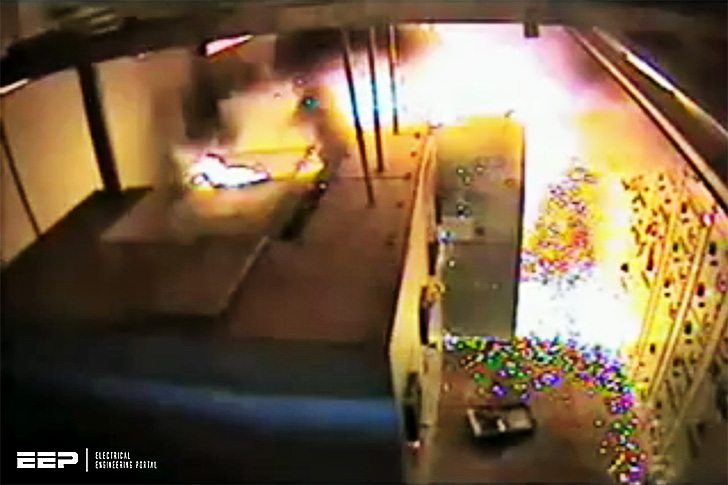
What Initiates & What Causes An Arc Flash
Are Different In Many Cases
Because the initiating actions, are actions that are all part of normal operations carried out frequently by many electrical workers, very little thought is given to the action itself.
Just as an example: A circuit has been modified. (AS/NZS 3000 specifies the circuit must be tested before re-energisation) yet many ignore this testing. The circuit breaker is closed without thought and there is a fault with the modification. The closing of the circuit breaker initiates an arc flash at the modification. If the circuit breaker has not been maintained, it may not clear the fault as per the trip settings time, it may not clear the fault at all, or another arc flash may occur at the circuit breaker.
Initiation Causes
1: Closing a circuit breaker – Closing onto a short circuit, the circuit breaker is under rated
2: Racking a circuit breaker in – Racking in a closed-circuit breaker onto a load
3: Closing a switch – Closing onto a short circuit and the upstream protection is incorrect
4: Opening an isolator – Opening an isolator with load on the circuit
5: Dropping tools – Working in a live switchboard with uninsulated tools
6: Testing using a non-rated multimeter with the settings on the wrong function
7: Replacing parts – Long tails make contact with live parts
8: Working live ignoring legislation, such as peer pressure not to turn the supply off
➡ Protecting Cable Jointers & Electrical Engineers When Working Live On Cables & Switchgear – comprehensive ranges of insulating matting and insulated tools.
Causes Can Often Be Traced To Human Performance
Let’s look at some human performance issues.
Not concentrating, “I’ve always done it this way,” rushing to finish the job, taking short cuts, ignoring standard procedures, lack of knowledge etc.
One of the biggest issues with arc flash, is the lack of knowledge. Most electrical workers have heard of arc flash and have some idea of the results but have little understanding of arc flash hazards and mitigation of the hazards.
A few years ago, it was taken as an occupational hazard that electrical workers would occasionally get injured or die from exposure to an arc flash. This should not be the case today as arc flash is now a recognised foreseeable occupational hazard.
Where Do We Stand Under Law?
Australian Health and Safety law is quite specific about occupational hazards.
Australian Model Work Health and Safety Regulations: Chapter 3 General Risk and Workplace Management
34 Duty to identify hazards
A duty holder, in managing risks to health and safety, must identify reasonably foreseeable hazards that could give rise to risks to health and safety.
35 Managing risks to health and safety
A duty holder, in managing risks to health and safety, must:
(a) eliminate risks to health and safety so far as is reasonably practicable; and
(b) if it is not reasonably practicable to eliminate risks to health and safety—minimise those risks so far as is reasonably practicable.
As arc flash is now a foreseeable occupational hazard, so there is a duty to manage these hazards. Yet many companies choose to either ignore or play lip service to arc flash hazards.
Understanding Arc Flash Comes From Quality Training
Training workers is one area where little is happening.
Some large companies consider a familiarisation session of one hour as adequate training.
To cover training adequately takes 5 to 7 hours to cover what is required. Training should include; what arc flash is, Legislation & Standards, definitions, incident energy, causes of arc flash, PPE selection and requirements, arc flash risk management.
Protect Yourself Against Arc Flash
Arc flash protection is provided by specialist clothing and garments for “head-to-toe” protection.
Enhanced and effective arc flash protection is safely achieved by wearing layers of protective clothing and garments manufactured from inherent fibres and which feature specific Arc Flash resilient components. Without the correct high-quality garments arc protection levels will be compromised.
➡ Further Reading
- Arc Flash Clothing & Protection For Safe Windfarm & Wind Turbine Working
- Arc Flash Clothing – PPE To Protect Highways, Street Lighting & Utility Contractors
- Eliminate Arc Flash To Minimise Downtime & Repair Costs At The Circuit Breaker
- Do Insulating Gloves Provide Arc Flash Protection?
- Can Arc Flash Clothing Save Utility Workers Lives?
- Electrical Safety – Arc Flash Accidents & Electrocution In LV-HV Installations
- Arc Flash Calculation – Selecting Clothing & PPE To Protect Lives Against Arc Hazard
THORNE & DERRICK SPECIALIST ELECTRICAL DISTRIBUTOR
LV ♦ MV ♦ HV
T&D distribute the most extensive range of LV, MV & HV Cable Jointing, Terminating, Pulling & Installation Equipment – we service UK and international clients working on underground cables, overhead lines, substations and electrical construction at LV, 11kV, 33kV and EHV transmission and distribution voltages.
- Key Products: MV-HV Cable Joints & Terminations, Cable Cleats, Duct Seals, Cable Transits, Underground Cable Protection, Cable Jointing Tools, Feeder Pillars, Cable Ducting, Earthing & Lightning Protection, Electrical Safety, Cable Glands, Arc Flash Protection & Fusegear.
- Distributors for: 3M, ABB, Alroc, Band-It, Catu, Cembre, Centriforce, CMP, Elastimold, Ellis Patents, Emtelle, Furse, Lucy Zodion, Nexans Euromold, Pfisterer, Polypipe, Prysmian, Roxtec.
LV – Low Voltage Cable Joints, Glands, Cleats, Lugs & Accessories (1000 Volts)
MV HV – Medium & High Voltage Cable Joints, Terminations & Connectors (11kV 33kV EHV)
Cable Laying – Underground Cable Covers, Ducting, Seals & Cable Pulling Equipment
T&D, CATU Electrical Safety & Arc Flash Protection Specialists for SAP’s, Linesmen, Jointers & Electrical Engineers – Largest UK Stockist
INVITATION
Thorne & Derrick invite you to join LinkedIn’s largest LV-HV Electrical Discussion Group : Low & High Voltage Power, Cabling, Jointing & Electricals. Discussion subjects include cable installations, cable jointing, substation, overhead line and electrical construction at LV, 11kV, 33kV and EHV. Network, engage and promote your profile, company or products with over 10,000 influencers.
Arc Flash Learning & Resources
Thorne and Derrick are proud to be distributors of ProGARM arc flash coveralls and protection.
We can help – should you require arc flash calculators or advice on the type of clothing and protection available please do not hesitate to contact us.