

“During my time as an Apprentice Sales Engineer at Thorne and Derrick, I have developed a solid understanding of how our technical products and solutions support customer needs. The apprenticeship has enabled me to expand my knowledge of engineering and sales practices while improving my digital skills, organisation, and communication.
Blog
Giving Back in 2025: Organisations We’ve Supported
December 22nd, 2025Giving Back in 2025
Throughout 2025, we have been proud to support a wide range of charities, community groups, and voluntary organisations working across our region. Our donations have helped strengthen local communities, improve wellbeing and ensure vital services continue to reach those who need them most.
We’re continually inspired by the dedication of these organisations and grateful for the opportunity to contribute to their meaningful work. Below, we highlight the initiatives we’ve supported not as a measure of our giving, but as recognition of their invaluable community impact.
Alington House Community Association
Alington House Community Association provides a welcoming space for local residents to access essential services, activities and support. Our funding helped cover vital roof repairs, preventing further water damage and ensuring the building can continue to operate safely as a hub for community programmes and groups.
Darlington Football Club Foundation CIO
The Foundation uses football as a tool to engage people of all ages, promoting health, inclusion, and positive life skills. Our donation supported weekly community football sessions, covering coaching, equipment, pitch hire and an end-of-season awards event celebrating participation and achievement.
Endeavour Woodcrafts CIC
Endeavour Woodcrafts CIC works with vulnerable individuals, offering practical skills training and supportive activities in a safe environment. Funding contributed to the installation of high-security roller shutters, protecting the premises and helping ensure services can continue without disruption.
Consett & District Cricket Club
Consett & District Cricket Club plays an important role in bringing people together through sport, supporting both junior and adult players. Our support helped purchase new cricket sightscreens, improving safety, visibility and overall playing standards.
Pelton Fell Community Partnership
This partnership focuses on improving opportunities and outcomes for local residents, particularly young people. Our donation helped launch a new Friday night youth club, providing a safe, structured space with positive activities and support.
Burnmoor Cricket Lawn Tennis Club & Institute
Serving as a long-standing community sports venue, the club supports physical activity and social connection. Funding helped purchase essential grounds maintenance equipment and new seating, improving accessibility, sustainability and comfort for users.
Shildon Methodist Church
Shildon Methodist Church provides a wide range of community activities beyond worship, including groups, events and support services. Our funding supported the renewal of the community hall roof, protecting the building and ensuring it remains available for local use.
Durham Association Boys & Girls Clubs
This organisation supports young people across the region through structured activities and development opportunities. Our donation contributed to a large-scale wellbeing programme offering sport, outdoor learning and residential experiences for more than 350 young people.
Sacriston Community Association
Sacriston Community Association works to reduce isolation and improve quality of life for older and vulnerable residents. Funding helped expand outreach, befriending services and transport support, allowing the organisation to reach more people in need.
The Allotment Project CIC
The Allotment Project CIC focuses on mental health and wellbeing through community gardening. Our support helped deliver an allotment-based programme that encourages physical activity, social connection, skill-sharing and shared meals in a supportive environment.
Durham Fringe CIC
Durham Fringe delivers an annual arts festival that supports local creatives and brings cultural activity into the city. Funding contributed to volunteer subsistence, skills development and artist progression linked to the Durham Fringe Festival.
Sedgefield Out of School Fun Club
Providing inclusive childcare and play opportunities, the club supports children and families throughout the year. Our donation funded the construction of an outdoor canopy, enabling safe, year-round outdoor play, including for children with additional needs.
Framwellgate Moor Youth & Community Association
This association delivers a range of activities aimed at improving wellbeing and community engagement. Funding supported the continuation of the ‘Wellbeing Tuesdays’ programme, covering staffing, specialist instructors, materials and safe facility use.
Wellbeing 4 Men CIC
Wellbeing 4 Men CIC supports boys and young men through education, discussion and practical wellbeing activities. Our funding helped deliver a structured programme addressing mental health, identity, resilience and positive masculinity.
Dare North East CIC
Dare North East CIC uses dance and social learning to support adults with mental health needs. Funding enabled delivery of a year-long ballroom dance and social skills programme focused on confidence, connection and wellbeing.
Live Well North East CIO
Live Well North East provides holistic support to individuals and families through physical activity and wellbeing services. Our donation supported weekly sessions across North Durham, combining mental wellbeing, exercise and family support.
Pelton Community Association
The association provides a base for youth activities and wider community support. Funding contributed to a major refurbishment of the youth centre kitchen, improving safety, efficiency and opportunities for life-skills learning.
Ushaw Historic House, Chapels & Gardens
Ushaw delivers cultural, heritage and community engagement programmes. Our donation supported community activities linked to the Summer of Stories programme and the Festival of Books, helping widen access to arts and heritage.
South Stanley Partnership
South Stanley Partnership supports residents through advice, activities and community-led initiatives. Funding helped cover core running costs following a loss of income, ensuring vital services could continue.
Edenhill People Centre
Edenhill People Centre provides welcoming activities aimed at reducing isolation. Our support funded arts, crafts and community meal sessions designed to improve mental health, wellbeing and social connection.
South Moor Methodist Church
The church acts as an important community space for events and support services. Funding contributed towards roof repairs, helping ensure the building remains warm, safe and accessible for local residents.
Chester-le-Street Amateur Rowing Club
The rowing club supports fitness, discipline, and teamwork for young people and adults. Our donation helped purchase specialist fitness equipment for a new training space used by both junior and adult athletes.
Coxhoe Village Hall Association
Coxhoe Village Hall provides inclusive community space for activities and support services. Funding helped cover staffing, energy and activity costs, ensuring continued access for older people and disabled residents.
North East Dance CIC
North East Dance CIC supports young people through creative movement and mentoring. Our donation funded a year-long programme combining dance, fitness and mentoring for boys and young men, promoting confidence and positive identity.
Stronger Together
Stronger Together works with communities to develop local support networks and peer-led groups. Funding contributed to a part-time Project Officer role, supporting planning, coordination and delivery of community groups.
Muscletone Gym and Fitness CIC
Muscletone Gym and Fitness CIC supports young people through structured physical activity and mentoring. Our funding supported the ‘Gym Heroes’ programme, combining fitness sessions with mental health support and positive role models.
Barnard Castle Football Club
Barnard Castle Football Club plays a key role in community sport and volunteering. Funding helped cover operational costs, volunteer support and equipment, strengthening long-term sustainability.
Medomsley Parochial Church Council
The church supports a wide range of community activities and local events. Our donation helped sustain its role as a community hub, ensuring continued access to support and shared space.
Burnhope Community Centre
Burnhope Community Centre provides essential space for activities, groups and services. Funding contributed towards running costs, helping maintain this important local facility.
Learning Library
Learning Library delivers outreach education and learning opportunities across the community. Our support helped cover core running costs, including staffing, vehicle use and outreach delivery.
The Just Love Project
The Just Love Project focuses on strengthening relationships and improving wellbeing. Funding supported targeted work with individuals and communities to build healthier, more resilient connections.
Wheatley Hill Community Association
Wheatley Hill Community Association supports a wide range of local activities and services. Our donation provided core funding to help sustain community programmes and vital local support.
Looking Ahead
These donations reflect our continued commitment to supporting communities, improving wellbeing and investing in organisations that make a real difference. We are grateful to all the groups we supported in 2025 and look forward to continuing this work in the future.
Thorne & Derrick International are UK based and are the leading specialist distributors of LV, MV and HV cable accessories and tooling from 600V to 132kV complemented by an extensive range of hazardous area certified electrical equipment (ATEX and IECEx) to provide compliant, safe and optimised power, heating and lighting. Thorne and Derrick International supports critical infrastructure projects across power, utilities, rail, construction, oil & gas, marine, and process industries.
With over 40 years of industry expertise, Thorne & Derrick International delivers trusted products, technical support, and tailored solutions to meet the evolving needs of the energy and industrial process markets.
Overcoming Underground Cable Jointing Challenges
December 19th, 2025Overcoming Underground Cable Jointing Challenges
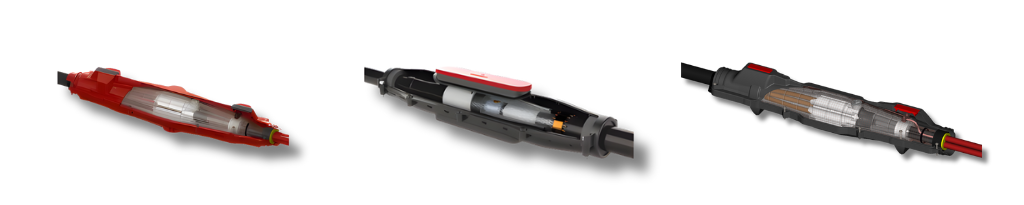
Lovink is a global leader in medium- and high-voltage (MV / HV) cable jointing technologies, delivering industry-proven cable connection solutions for utilities, transmission networks, renewable energy, industrial and infrastructure projects. The range of Lovink cable joints such as LoviX® R and LoviSil emphasise high performance, long-term reliability, simplified installation and full lifecycle support.
Underground cable jointing is a crucial yet complex component of modern electrical infrastructure. Unlike overhead systems, underground joints are hidden beneath layers of soil and subject to moisture, temperature fluctuations, confined spaces, and unexpected site conditions, all of which make reliable jointing essential to network performance and longevity.
Battling the Elements: Moisture and Soil Conditions
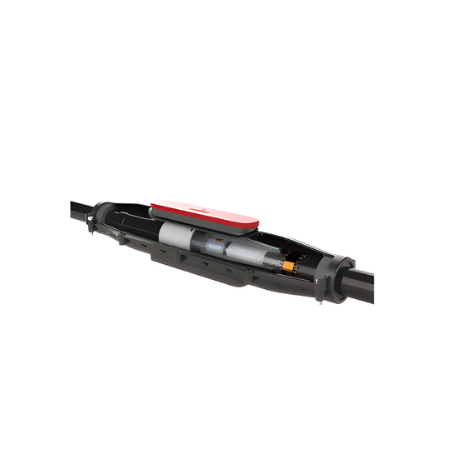
One of the most common obstacles in underground jointing is moisture ingress. With saturated soil conditions becoming increasingly common across the UK particularly in coastal and low-lying areas waterlogged ground, high water tables, and unstable soil can all accelerate joint failure if sealing systems are not robust.
Traditional jointing methods often struggle in flooded or contaminated environments, leading to insulation breakdown and long-term reliability issues.
During a recent hands-on workshop trial, Stephen Davies, UK Account Manager at Lovink Enertech, saw firsthand how the new LoviX® R joint addresses these challenges. The system’s sealing method, combined with high-quality Protolin® resin, delivered a reliable and consistent seal.
The resin was noted for being easy to mix, uniform in application, and setting solid a crucial advantage when installers are working against time, weather, and water exposure. Additionally, the cable joints are “flame-free” and therefore safe for installation in potentially explosive atmospheres, as no heating source or naked flame is required for the installation.
Working in Confined Spaces
Urban environments and congested infrastructure often mean limited access and reduced excavation areas. Traditional jointing systems can be difficult to install when working around existing utilities such as gas, water, and telecommunications services.
Modern joint designs are increasingly focused on compact assemblies that can be installed in small pits without compromising performance. This is especially valuable for UK sites where excavation space is often restricted.
One standout feature highlighted during the LoviX® R trial was its compact size. According to Stephen Davies, this proved to be a “game-changer” for installations in tight pits and confined access areas. The reduced footprint made handling and positioning easier, improving both safety and efficiency on site.
Extreme Temperatures: Heat and Cold
Temperature extremes are another challenge underground cables and joints must endure:
- High temperatures can degrade insulation, increase electrical resistance, and accelerate material aging.
- Low temperatures can make insulation brittle and more difficult to handle during installation.
Selecting jointing solutions that remain flexible across a wide temperature range helps ensure stable long-term performance. Consistent material behaviour regardless of weather conditions reduces thermal stress and minimises the risk of premature failure.
Installation Challenges and Field Simplicity
Even with advanced materials, installation technique matters. Complicated procedures increase the risk of misalignment, improper sealing, and costly rework. Installers need systems that are intuitive, repeatable, and forgiving in difficult site conditions.
The LoviX® R system was particularly well received for its quick and intuitive installation process. Features such as the self-centring spiral tube help ensure accurate alignment, reducing the chance of errors during assembly. Clear instructions without unnecessary complexity further support reliable installations on site.
The all-in-one kit approach was also praised during the trial, keeping components organised and simplifying logistics for contractors. Even details such as the professional black and red design were noted positively, reinforcing confidence in the quality of the product.
Installer Feedback and Real-World Confidence
Following the workshop trial with experienced UK contractor JK Jointing Ltd, feedback was overwhelmingly positive. Company owner Justin Hay described the joint as “a step ahead,” highlighting the overall build quality, dependable resin system, and thoughtful design that eliminates common weak points — particularly around sheath areas.
This installer-focused approach is what sets modern jointing systems apart: designs that not only perform technically, but also make life easier for those installing them in challenging conditions.

Looking Ahead: Proven Performance in the Field
As underground infrastructure faces increasing environmental and logistical pressures, reliable, installer-friendly jointing solutions are no longer a luxury — they’re essential. Innovations like LoviX® R demonstrate how thoughtful design and practical performance can help overcome the toughest underground cable jointing challenges.
Lovink is a global leader in medium- and high-voltage (MV / HV) cable jointing technologies, delivering industry-proven cable connection solutions for utilities, transmission networks, renewable energy, industrial and infrastructure projects. The Lovink product ranges such as LoviX® R and LoviSil emphasise high performance, long-term reliability, simplified installation and full lifecycle support.
Thorne & Derrick are the UK Authorised Distributor for Lovink Enertech and provide stock supply, technical support, project specification assistance, and global export logistics for Lovink’s cable jointing solutions.
Lovink Enertech products are proven in service worldwide for network resilience, ease of installation, and long-term reliability.
Stokbord | Protection of HV Cables Up to 33kV In Underground Trenched Applications
November 28th, 2025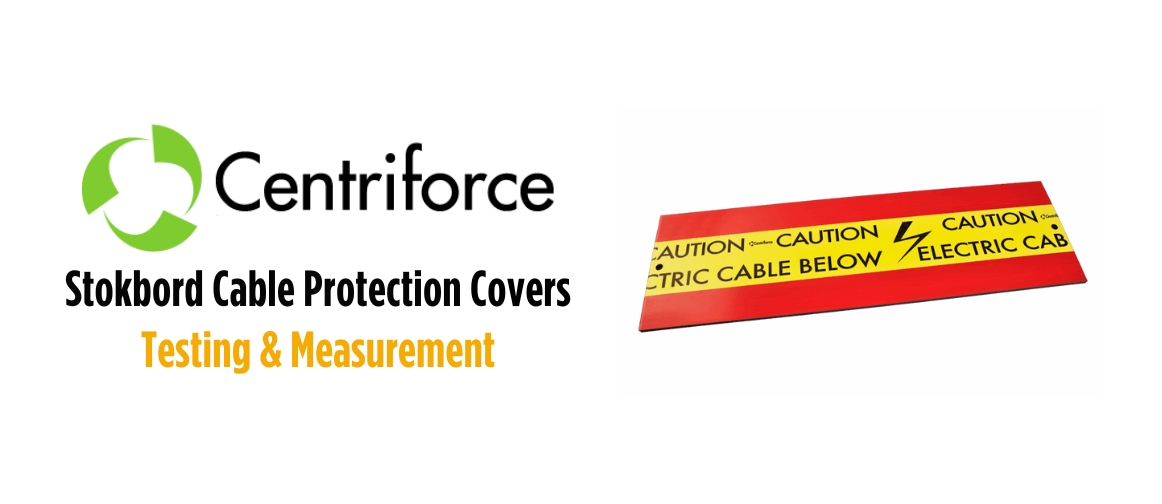
Stokbord cable protection covers are rigid HDPE protection boards designed to be installed above buried cables in trenches. They are manufactured and designed by Centriforce to provide strong mechanical protection against impact, backfill pressure and accidental excavation strikes.
The cable covers are available in a range of distinctive colours and feature bold warning text to ensure that they are visible during maintenance and construction projects – optional colours and preferred text sizes are available when placing an order, with personalised text options also possible but dependent on minimum order quantities. Contact T&D for more information.
Not only are Stokbord Cable Covers highly visible and able to withstand large impacts, they are also waterproof and rot proof regardless of acidic or alkaline soil types. Cable covers are fully jointed, laid overlapped and held firm with plastic jointing pegs – a direct replacement for concrete cable covers and steel plate.
Centriforce together with distributor UK Thorne & Derrick Tapetile and Stokbord underground cable protection tiles and covers are the market leading, heavy duty utility protection system for protecting underground cable and pipes – this includes low voltage, medium voltage and high voltage power networks working at 11kV and 33kV.
stokbord cable protection covers
Stokbord covers provide a durable, lightweight protective barrier for buried cables and joint bays, reducing mechanical damage risks and simplifying long-term asset management. This guide walks installers and supervisors through a safe, repeatable workflow for installing Stokbord in a standard utility trench.
How to Install Stokbord Utility Protection in a Trench: A Step-by-Step Guide
Before you start: Materials, tools & checks
Pre-installation checks
- Confirm design drawings and cable routes, depths and separations
- Verify presence and condition of cable bedding and formation
- Check that the correct Stokbord product/spec is available for the voltage and mechanical requirements (Stokbord covers suitable for up to 33 kV where specified)
- Book any required utility isolation or testing with the site electrical team
Step-by-Step Installation
Step 1: Excavate and prepare the trench
- Excavate the trench to the specified depth and width. Keep side slopes stable and safe. Follow excavation safety rules and shoring requirements
- Create a uniform bedding layer to the depth specified (often sand or fine granular material). Remove large stones or debris that could damage cables or covers
- Compact bedding lightly where required, but maintain cable manufacturer’s bedding requirements
Step 2: Lay the cables
- Place cables on the prepared bedding, maintaining the required separation between circuits and other services
- Observe minimum bending radii and cable handling best practice. Use cable rollers or spreaders for long pulls
- Secure temporary supports or spacers where required to keep cables in the correct alignment before placing covers
Step 3: Place Stokbord covers
- Start at one end of the trench. Carefully place the first Stokbord panel so it fully covers the cables in that bay section
- Ensure covers are laid flat and centered over the cable run. Avoid trapping cables between covers maintain clearance and avoid point loads on cable sheaths
- Join adjacent covers using the supplied clips/fixings. Where protection covers need trimming, use the recommended cutting tool and deburr any sharp edges
- For joint bays or irregular sections, use pre-cut pieces or joint bay kits to achieve continuous coverage
Step 4: Secure and seal
- Fit any required edge seals, mechanical fixings, or locking clips per the Stokbord installation guide
- If specified, place geotextile separation layer over covers to prevent stone migration and protect the panel surface
- Lay warning tape (detector tape) at the specified distance above the covers to alert future excavators
Step 5 — Backfill and compact
- Backfill the trench in layers (lifts) with the approved material. Avoid using large clods or stones directly above the panel
- Compact each lift to the specification but avoid over-compaction directly on top of the covers/cables which could cause point loading
- Maintain records of backfill material and compaction trials as required by project QA
Step 6 — Final checks and handover
- Visually inspect the installed protection covers for gaps, poorly joined seams or damage
- Confirm as-built cable positions and panel extents on the site drawings / GPS records
- Provide the client with the installation checklist, any spare covers supplied and recommendations for future maintenance or marker locations
Quality & testing
Common checks:
- Make sure the covers are continuous and joints are fully engaged, small gaps can allow ingress of sharp objects during backfilling
- If covers are damaged during handling, replace the damaged section rather than attempting a field repair unless allowed by the manufacturer
- Ensure warning tape is clearly visible and at the correct depth to aid future excavators

THORNE & DERRICK are national distributors of LV, MV & HV Cable Installation, Jointing, Duct Sealing, Substation & Electrical Equipment – we service UK and global businesses involved in cable installations, cable jointing, substation earthing, overhead line and electrical construction at LV, 11kV, 33kV and EHV.
Since 1985, T&D have established an international reputation based on SERVICE | INTEGRITY | TRUST.
Contact us for 3M Electrical, ABB, Alroc, AN Wallis, CATU Electrical, Cembre, Centriforce, CMP, CSD, Elastimold, Ellis Patents, Emtelle, Euromold, Filoform , Furse, Lucy Electric & Zodion, Nexans, Pfisterer, Polypipe, Prysmian, Roxtec, Sicame, WT Henley.
Powering the Solar Revolution: How Klauke Tools are supporting the Solar industry
November 28th, 2025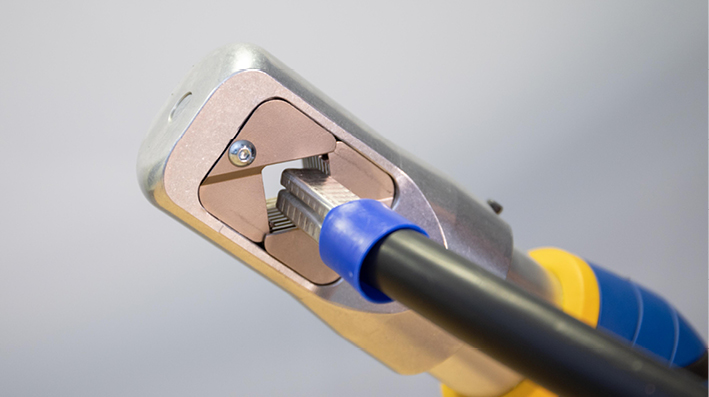
Powering Solar Installations with Klauke – Now Featuring the EK WF 120 ML
In the fast-growing solar sector, every connection matters. As panel installations scale and systems go to higher currents, installers need tools that combine precision, speed and robustness. At Thorne & Derrick, we’re excited to highlight the Klauke EK WF 120 ML, a powerful addition to our solar tool offering and how it complements the rest of our Klauke range.
EK WF 120 ML – High-Quality Crimping for Solar Park Installations
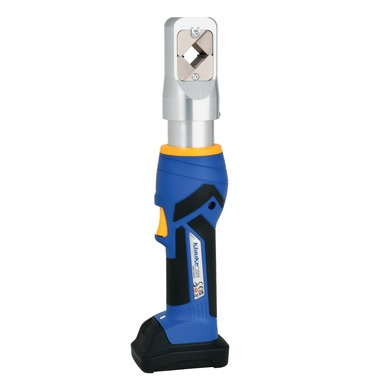
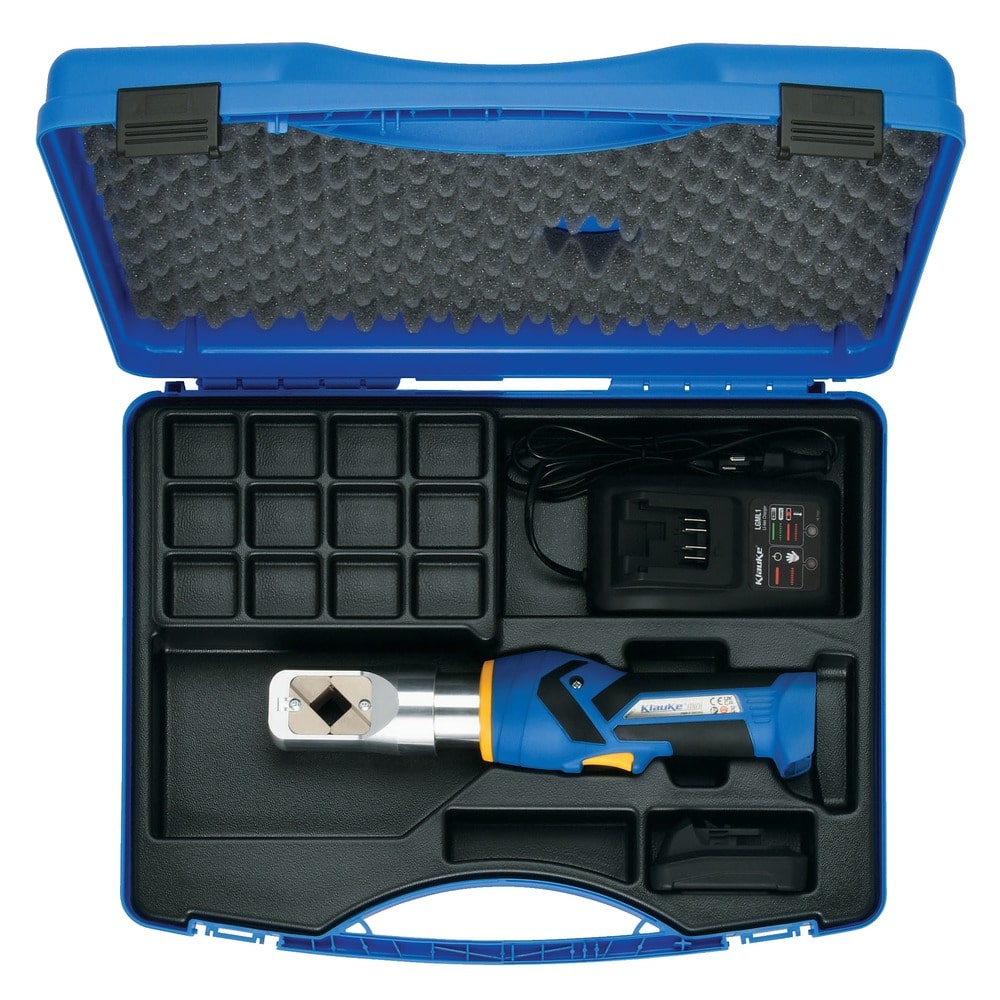
When constructing solar parks, including transformer installation – secure, reliable connections are essential. With the battery-powered Klauke EK WF 120 ML Crimping Tool, installers can optimise workflows: faster, easier and with consistently high quality.
Thanks to its innovative square-comb mechanism, the EK WF 120 ML effortlessly crimps DIN-compliant, insulated, twin and insulated twin cable-end sleeves all without needing press inserts. The tool automatically adapts to the cable-end shape, ensuring even force distribution and a perfect crimp every time.
The result is clean, precise crimping across 6–120 mm². For cable end sleeves up to 32 mm in length, one single crimping operation is enough, allowing installers to complete most connections in just one step.
With the EK WF 120 ML, solar installers can rely on maximum efficiency and DIN 46228-compliant quality, helping keep solar park projects smooth, consistent and on schedule.
Klauke EK WF 120 ML
The EK WF 120 ML is a battery-powered hydraulic crimper perfect for larger solar DC conductors.
Key benefits for PV work:
-
Crimps 6–120 mm² with no die changes
-
Square-cam mechanism for consistent, reliable crimps
-
Lightweight + portable for rooftop and field installations
SOME EXTRA Klauke Tools Perfect for Solar InstallATIONS
Battery powered hydraulic cutting tools 32 mm dia.
- The ES32FML is ideally suited for cutting fine and superfine stranded copper cables
- The ES32ML is designed for cutting multi-stranded copper and aluminium cables
- Both tools have a slim cutting head – ideal when space is critical
Battery powered hydraulic cutting tool 50 mm dia. for copper and aluminium cable
- High cutting power for cutting copper and aluminium cables (fine stranded also)
- Saves time with multiple cuts thanks to the manual retract stop (MRS)
- Very low weight (3kg)
- Optimum center of gravity
Battery powered hydraulic crimping tool, 6 – 300 mm²
- The EKM6022 has a very large crimping range of up to 300 mm²
- Interchangeable crimping dies of the 22 series can be used
Electromechanical crimping tool 0,14 – 50 mm²
- With the multitude of available crimping dies, the Klauke micro offers a very wide range of applications
- Excellent crimping results with minimum effort
Battery powered hydraulic crimping tool 10 – 240 mm²
- Extra large crimping area due to innovative 2-stage telescopic cylinder
- Indent crimping – no change of crimping dies required
Why Klauke Tools Make a Difference in Solar
-
Designed for clean, consistent DC terminations
-
Reduce installation time on connectors, strings and terminations
-
Improve long-term reliability of PV systems
-
Safer, repeatable crimping with minimal user effort

Thorne & Derrick
Thorne & Derrick International are UK based and are the leading specialist distributors of LV, MV and HV cable accessories and tooling from 600V to 132kV complemented by an extensive range of hazardous area certified electrical equipment (ATEX and IECEx) to provide compliant, safe and optimised power, heating and lighting. Thorne and Derrick International supports critical infrastructure projects across power, utilities, rail, construction, oil & gas, marine, and process industries. With over 40 years of industry expertise, Thorne & Derrick International delivers trusted products, technical support, and tailored solutions to meet the evolving needs of the energy and industrial process markets.
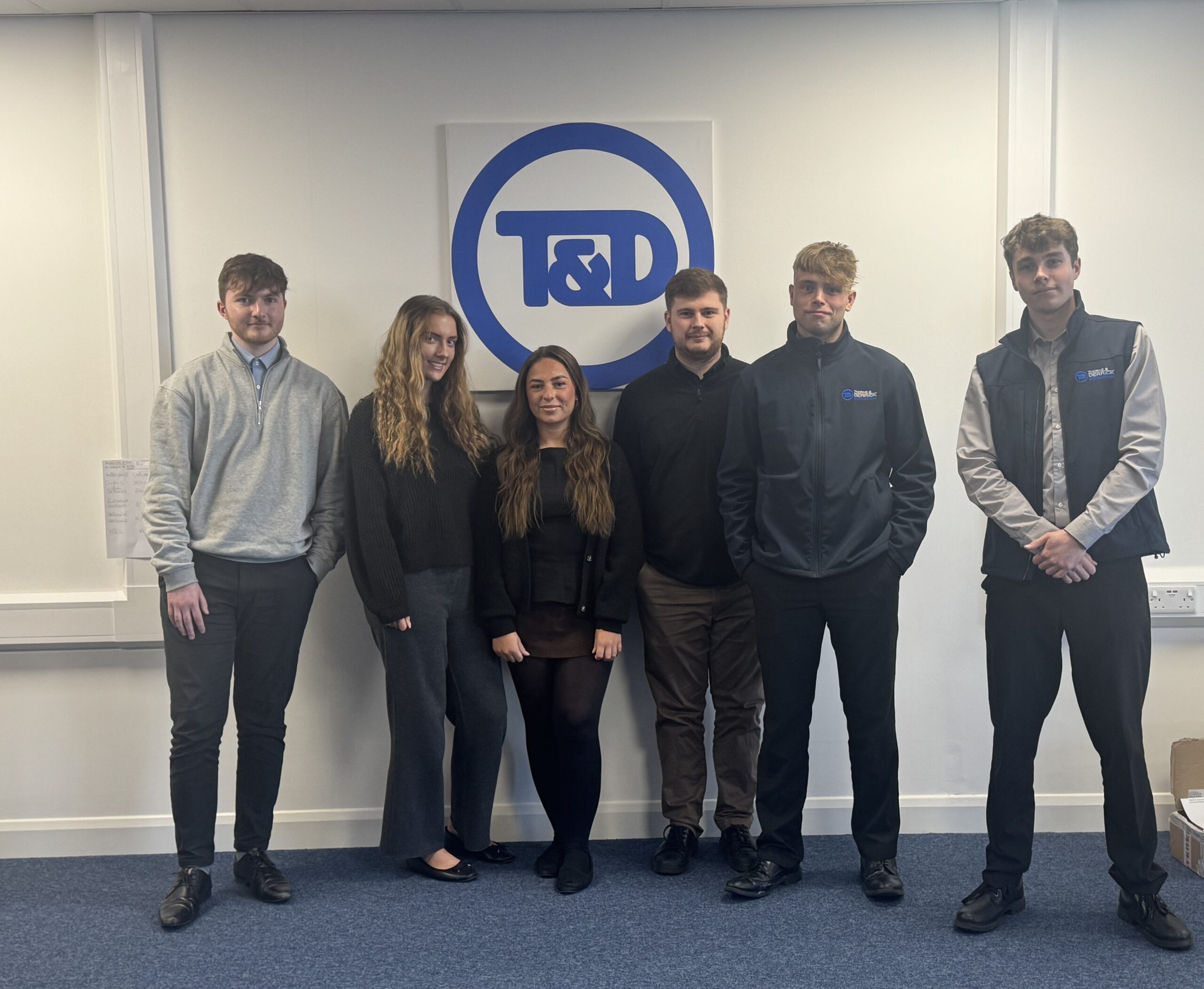
Thorne & Derrick: Celebrating our Class of 25🎓
November 26th, 2025Meet the Class of 2025
At Thorne & Derrick, we take great pride in developing future talent through our apprenticeship programme. This year, we are delighted to celebrate the success of our Class of 2025 – a group of bright, ambitious individuals who have completed their apprenticeships and are now embarking on the next stage of their professional journeys.
Our apprentices bring energy, innovation, and a fresh perspective to the business. Each has demonstrated resilience, adaptability and a commitment to excellence throughout their training. Together, they represent the future of our industry.
Joseph thane – Business administrator apprentice – level 3
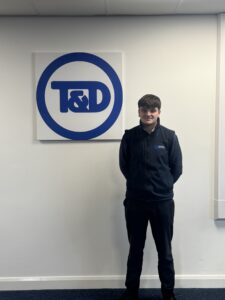 “During my time as a Business Administrator apprentice at Thorne and Derrick, I have developed a strong understanding of how the company operates and supports its customers. The apprenticeship has allowed me to broaden my knowledge of business practices while improving my digital skills, organisation, and professional communication. It has also helped me grow more confident in handling daily tasks, prioritising my workload, and contributing effectively to a busy team environment”
dylan white – apprentice sales engineer – level 4

Harvey andrews – Business administrator apprentice – level 3

“During my time as a Business Administrator apprentice at Thorne and Derrick, I have developed a strong understanding of how the company operates and supports its customers. The apprenticeship has allowed me to broaden my knowledge of business practices while improving my digital skills, organisation, and professional communication. It has also helped me grow more confident in handling daily tasks, prioritising my workload, and contributing effectively to a busy team environment”
CHLOE JOHNSTON – APPRENTICE SALES ENGINEER – LEVEL 4
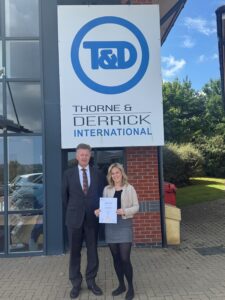
Millie temple – content creator apprentice – level 3

Thorne & Derrick
Thorne & Derrick International are UK based and are the leading specialist distributors of LV, MV and HV cable accessories and tooling from 600V to 132kV complemented by an extensive range of hazardous area certified electrical equipment (ATEX and IECEx) to provide compliant, safe and optimised power, heating and lighting. Thorne and Derrick International supports critical infrastructure projects across power, utilities, rail, construction, oil & gas, marine, and process industries. With over 40 years of industry expertise, Thorne & Derrick International delivers trusted products, technical support, and tailored solutions to meet the evolving needs of the energy and industrial process markets.