Nexans Power Cable Accessories For Wind Energy Projects
by Chris Dodds T&D - estimated reading time 5 minutes
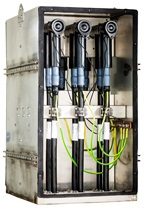
Nexans Offshore Junction Cabinet (OJC)
Offshore MV Junction Cabinets (Medium Voltage Up To 42kV)
T&D are UK Distributors for Nexans Power Accessories – this includesa range of medium and high voltage accessories including cable joints, terminations and connectors suitable for wind turbines on offshore and onshore energy projects.
Nexans Offshore Junction Cabinets (OJC) are designed to improve revenue streams for offshore wind power developments – the offshore junction cabinets are used as a disconnecting point for internal tower cable to external subsea array cables.
This can be used as a demarcation point between tower, transition piece and array cable related parties – Nexans OJC junction cable chambers are used as a connecting point for internal tower cable to external subsea arrays cables.
Nexans OJC can provide a convenient test point and can help with the earlier generation of power to help create revenue sooner.
The marine grade stainless steel cabinets is specifically suitable to be installed in severe offshore conditions.
The split cable gland plates allow to use pre-terminated and tested jumpers, reducing the installation time and increasing the quality of the cable installation.
Up to 42 kV
1250 A
Robust design with IP66 degree of protection (BS EN 60529:1992).
Short circuit tested acc. to DIN VDE 0278-626-1(HD 629.1 S2:2006 + A1:2008): 2009-07: Thermal short-circuit 25kA/1s, Dynamic short-circuit 62.5 kA.
➡ There are also 33kV onshore junction cabinets known as Nexans ONJC-S that are designed, tested and manufactured for onshore renewable projects that can be used as a disconnecting point for branching between grid and applications – for applications with MV-HV separable connectors up to 42kV (630A) according to CENELEC HD 629.1 S2.
Also: 33kV Cabinets Onshore
Nexans OJC Benefits
Medium/High Voltage MV HV Cable Cabinets
Suitable to be installed in the severe conditions of the transition piece prior to installation of the tower
Simplified interface management, clear division of responsibility
The chamber design is specifically suitable to be installed in the transition piece of the tower
High accessibility for ease of installation
Ideal test and demarcation point
Possible use of pre-terminated and tested jumpers to tower equipment
Time saving
Distance involved between hang off and switchgear mean time/cost offshore for cable preparation
Pre-terminated MV HV cable leads also saves space/complexity
Prepared and tested onshore, ready to plug and play
Project critical path activity, no delays for installer
Efficiency of operation which can be highly beneficial for planning the installation of the collector cables from the array, thus creating additional potential cost benefit
Accommodation offshore on the OSS maybe limited
REDUCTION OF INSTALLATION TIME (30%)
Nexans OJC Offshore Cabinets/Junctions
Nexans Power Accessories have studied the installation of subsea array cables in the offshore towers and have developed a system that gives the developer and installer certain advantages over other medium/high voltage cable connection methods.
By employing pre-terminated cable leads that utilise less expensive flexible cables, a developer may save money and an installer can save time on the preparation and testing of the medium voltage cable link between the MV transformer to MV switchgear and/or MV switchgear to the array cable.
By using a cable termination point near to the hang-off rather than taking the array cable directly to the equipment, an installer may also save time on the preparation of the array cable and spend less time in the tower dealing with the inconvenience of stripping longer lengths of arrays.
This results in less reliance on the weather giving a cost saving to the developer due to the implications of the waiting on weather charges as more work can be done onshore preparing and testing the equipment.
By saving time on the installation offshore, this would in our opinion, give an earlier completion date and thereby earning the developer revenue sooner.
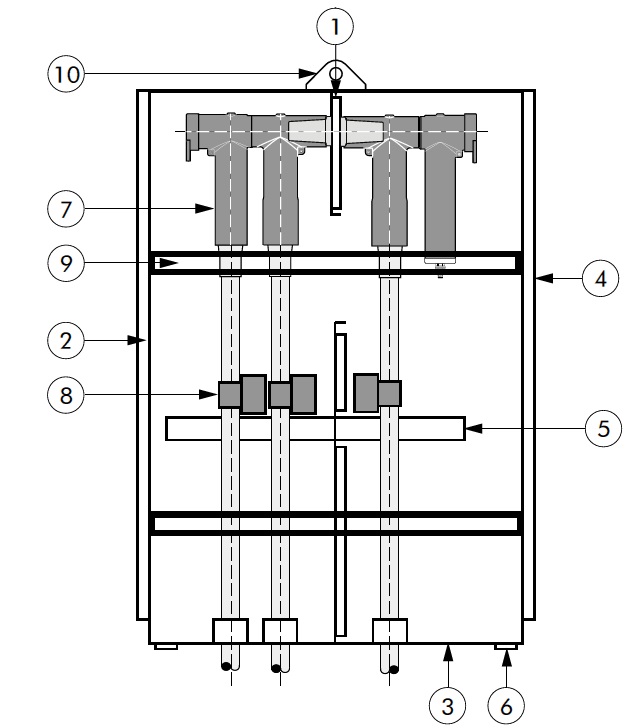
Aluminium bushing support plate to feed through switchgear/transformer bushings
Access panel for 2 array cable connections
Split cable gland plate incorporating 9 feed through sealed glands
Access panel for turbine connection
Earth bar on insulated standoffs
Cabinet secured by 4 x M16 internal base fixings
Different cable connectors and surge arrester combinations are possible
Cable cleats arrangement for 9 single core high voltage cables
Channels for mounting external accessories
Lifting eyes
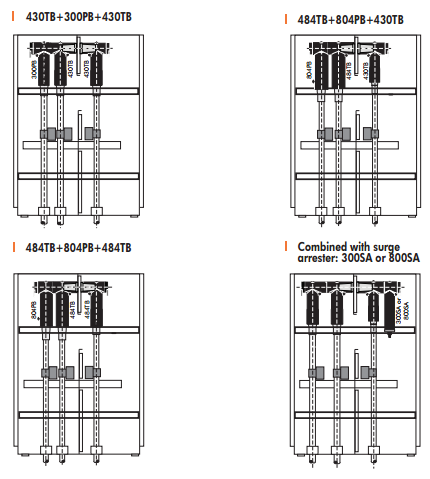
Nexans Junction Cabinets & Separable Connectors – Possible Arrangements
Extension to larger cable sizes and additional array cables possible.
Junction cabinet can be equipped with different connector combinations.
Spare room at turbine connection to add surge arresters to protect tower equipment from high voltage surges.
Pre-terminated and tested jumpers to connect junction cabinet with tower equipment.
Offshore Junction Chamber Type
Voltage Um (kV)
Outer dimensions of chamber (w x d x h)(mm)
Fixing points
Conductor sizes (sqmm)
min
max
Nexans OJC1
42
600 x 800 x 1125
4 x M16
50
630
Thorne & Derrick
Thorne & Derrick are national distributors of LV, MV & HV Cable Installation, Jointing, Substation & Electrical Equipment – servicing businesses involved in cabling, jointing, substation, earthing, overhead line and electrical construction at LV, 11kV, 33kV, 66kV and EHV. Supplying a complete range of power cable accessories to support the installation and maintenance of low/medium and high voltage voltage power systems:
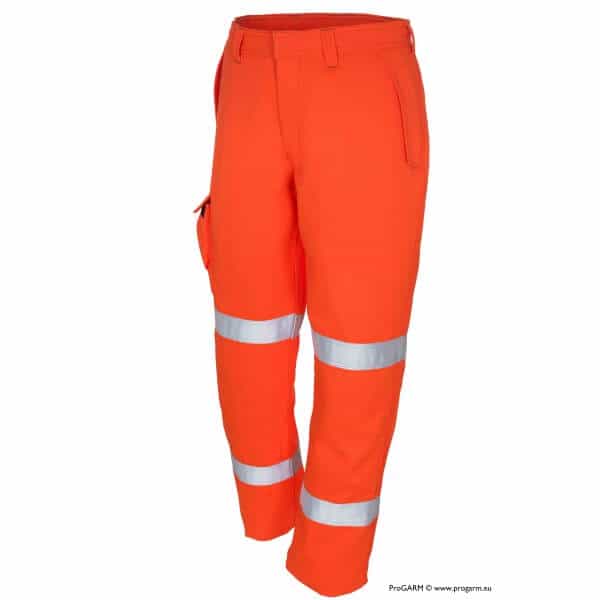
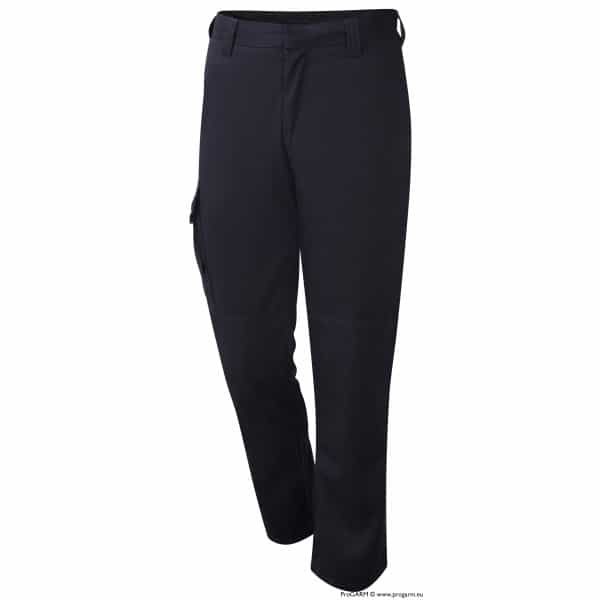
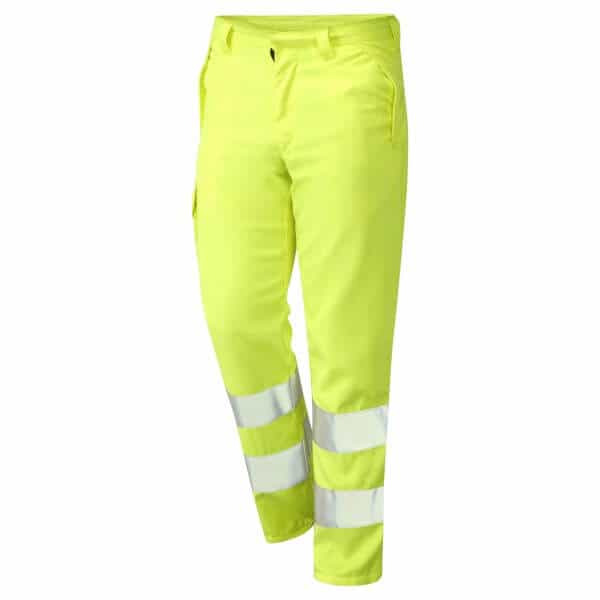
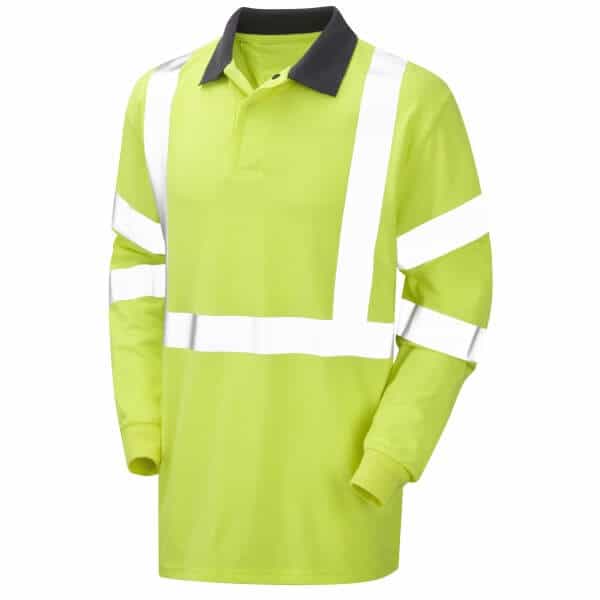
ProGARM is the leading UK manufacturer of high-quality Flame Resistant arc flash coveralls, garments and workwear – they work successfully with their UK Distributor Thorne & Derrick to save lives and reduce accidents.
The dangers of Arc Flash incidents and the importance of protection from these hazards has never been as significant as it is today. This prominence will continue to increase over the next few years.
Continuous research, development and user testing ensures that ProGARM garments are comfortable to wear. They offer the ultimate protection in hazardous industries such as utilities, power generation, renewables, petrochemicals and industrial electrical. Every garment is designed with exceptional quality and inherent properties to provide the ultimate wearer experience.
New Lightweight Arc Flash Resistant Clothing Range
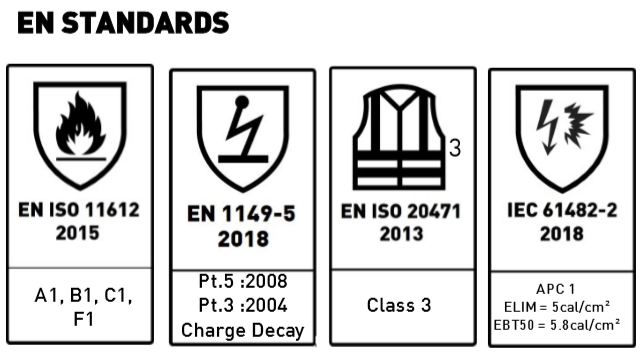
Arc Flash Standards
New garments are half the weight and more durable than existing products.
ProGARM, the UK’s leading Arc Flash resistant clothing & protection specialists, has announced an innovative new range with waterproof trousers, jackets and coveralls set for launch.
The new products are designed with the purpose of providing comfort and durability to the wearer, utilising an advanced composition technique that has been found to last longer than its previous iteration. With fire extinguishing properties, the new lightweight range also offers ultimate protection against Flame and Arc Flash Hazards.
All of the new products meet EN regulations and have been tested to 100,000 abrasion cycles – providing an ideal alternative to ProGARM’s existing range, with the key differences being that the new garments weigh half as much, have a seamless shoulder to offer more comfort when in a harness whilst crucially, still providing the same levels of protection against an Arc Flash.
Lightweight, waterproof and removable hoods mean these new products combine durability with comfort, ensuring workers can do their job with maximum protection and efficiency.
Managing Director of ProGARM, Tony Arnett said of the new products, “This new range shows just how committed ProGARM is to giving workers the best protection against Arc Flashes, whilst providing the ultimate comfort in fit.
“We are constantly innovating and trying to produce quality PPE that gives workers at risk the best possible protection as well as allowing them to do their jobs without their garments hindering movements.”
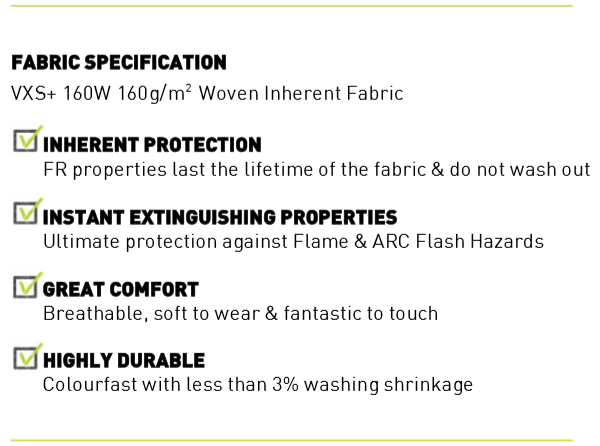
These new garments are the latest addition in ProGARM’s growing collection of PPE and will be used in many different industries that are at risk such as power generation, petrochemical, rail and utilities to prevent serious harm or death. The coverall is the lightest ever produced and features inherent VXS+ fabric, providing the same strength, tear and tensile as ProGARM’s 6458. The fabric is also highly durable, with less than 3% washing shrinkage; as well as breathable and soft to wear.
6460 ARC FLASH PROTECTION Coverall
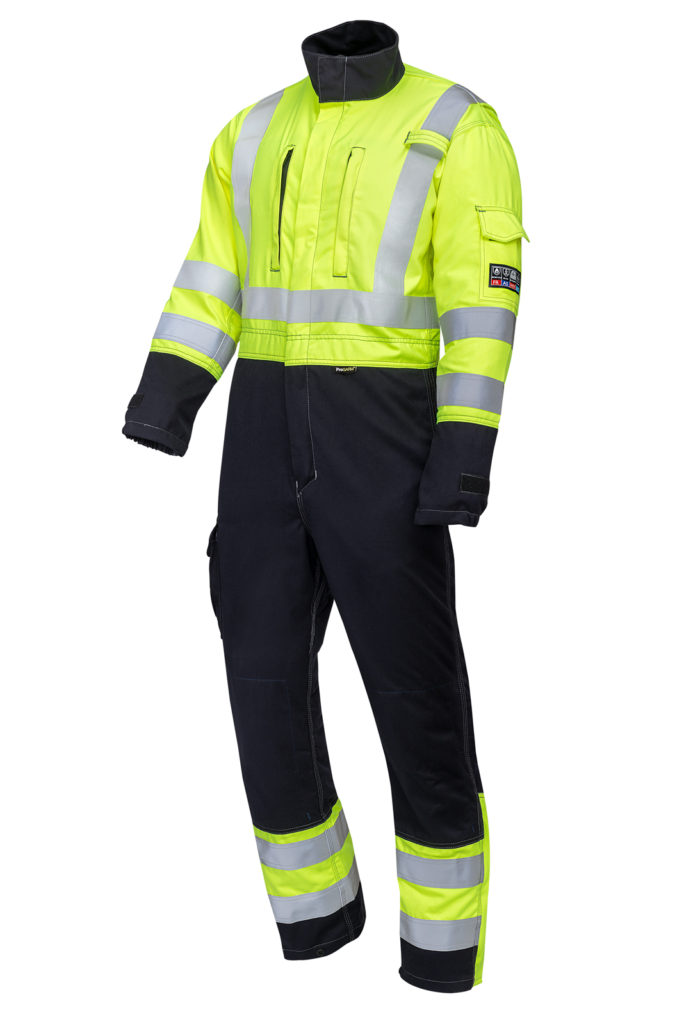
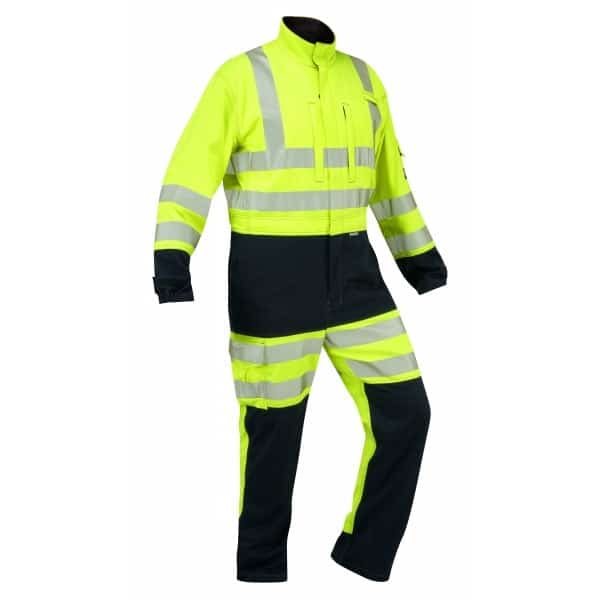
The latest Arc Flash resistant clothing release from ProGARM is the 6460 lightweight coverall.
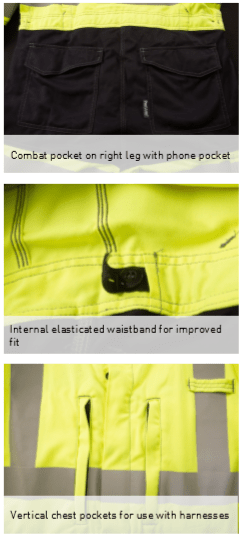
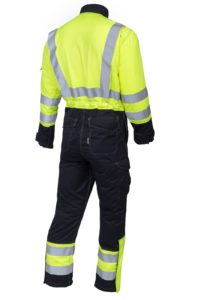
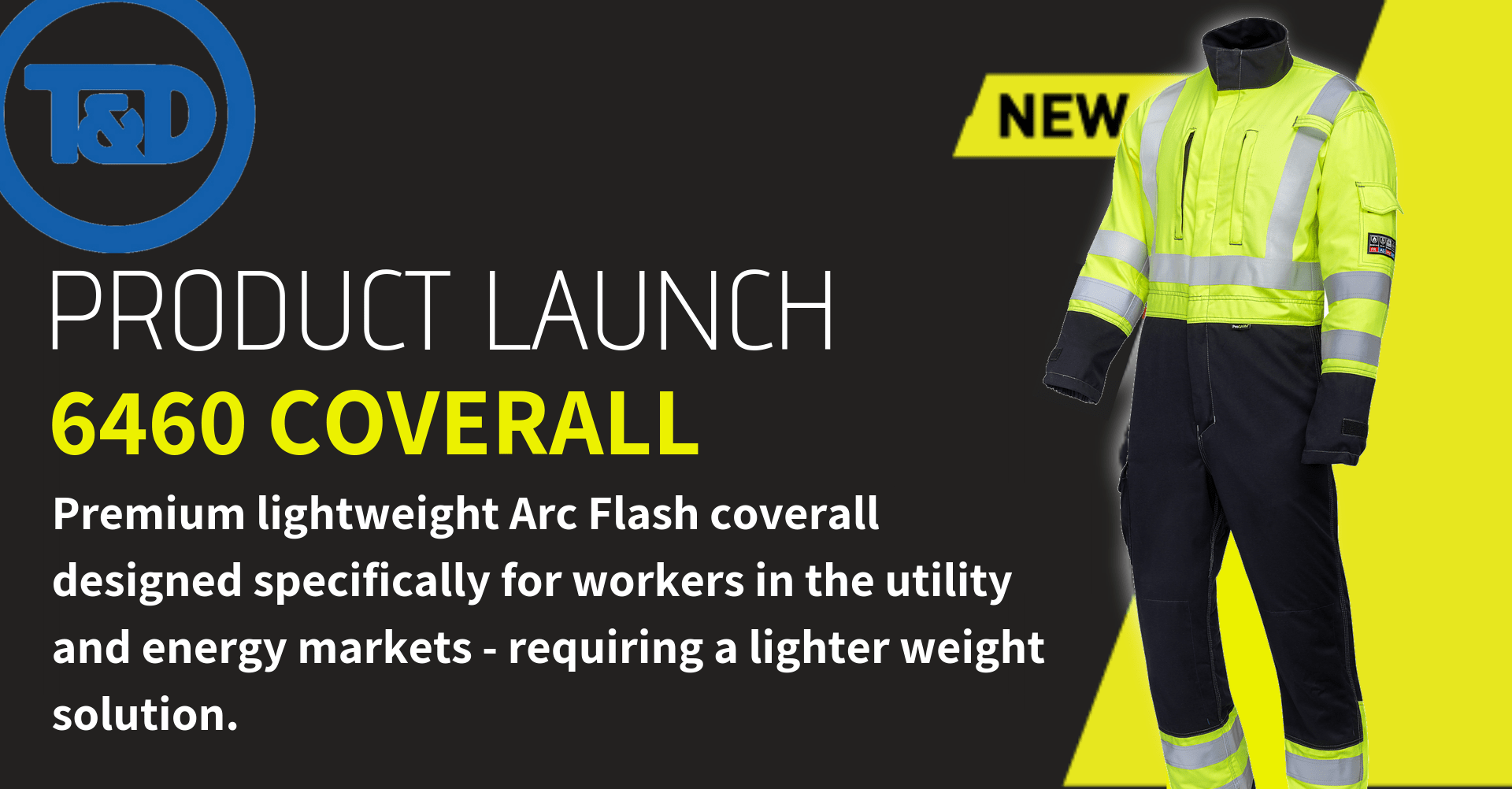
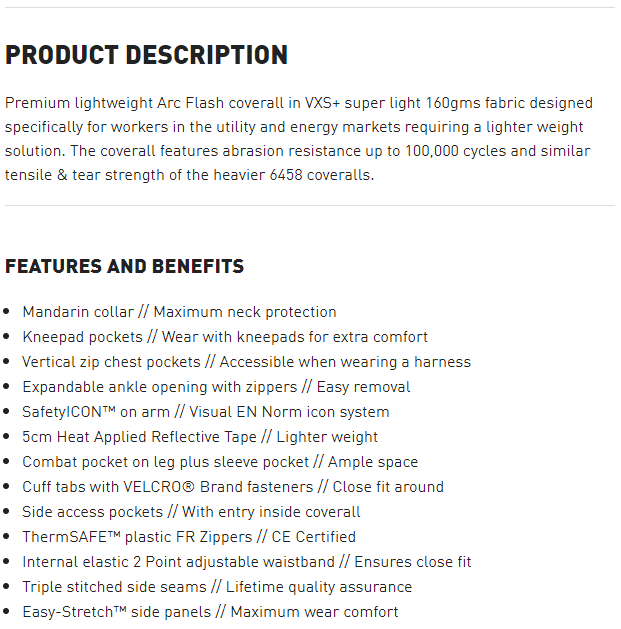
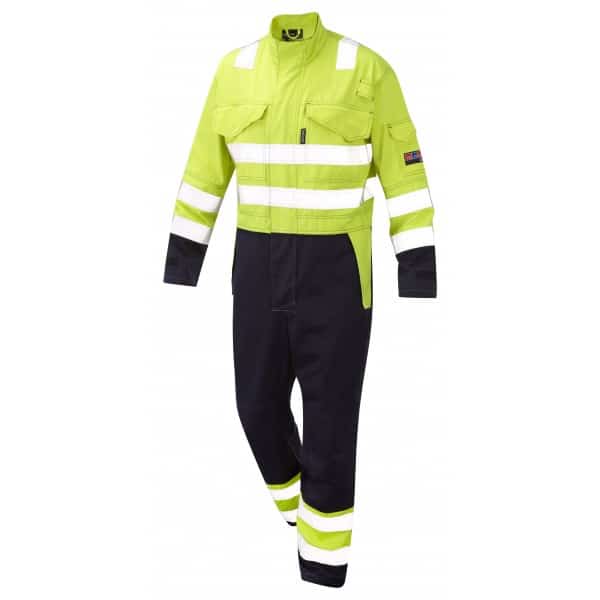
The 6460 premium lightweight Arc Flash coverall in VXS+ is super light with 160gms fabric. It is designed specifically for workers in the utility and energy markets requiring a lighter weight solution. The coverall features abrasion resistance up to 100,000 cycles and the same tensile & tear strength of the heavier 6458 coveralls.
ProGARM 6460 Lightweight Arc Flash Coverall
Arc flash coveralls compared
NEW 6460 Coverall
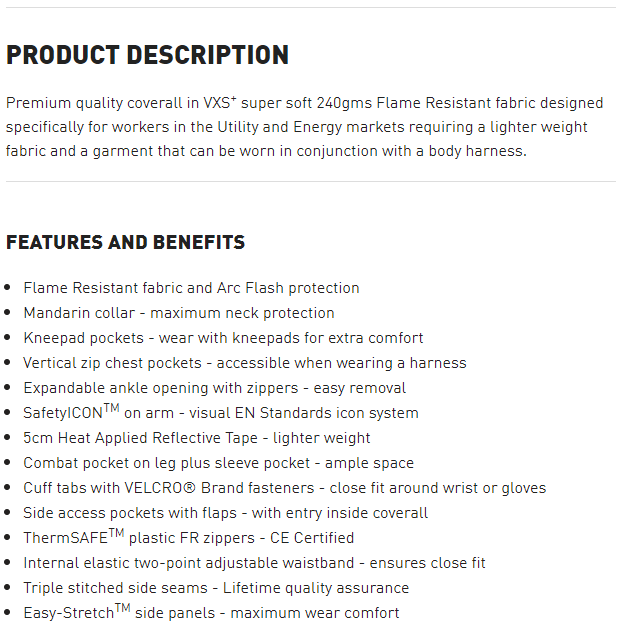
OLD 6458 Coverall
Weight
160gms
240gms
Industries
utility, energy
utility, energy
Body Harness
can be worn with a harness
can be worn with a harness
Fabric
VXS+
VXS+
NEW Lightweight 6460 Arc Flash Coverall
PREVIOUS 6458 Arc Flash Coverall
WHAT IS AN ARC FLASH?
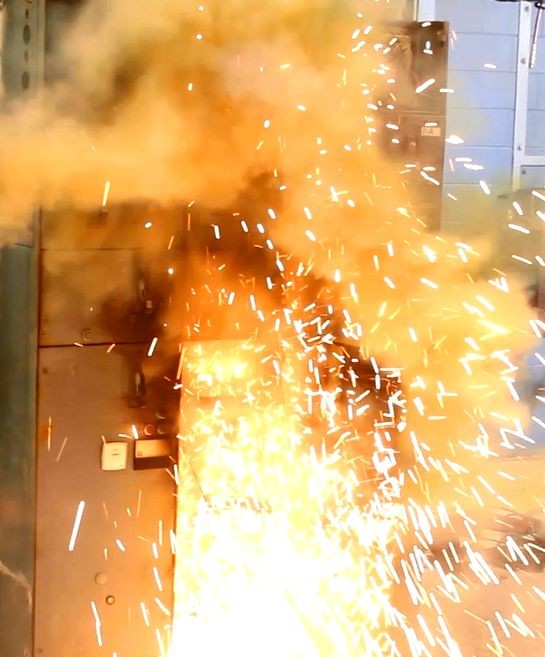
Put simply:An arc flash is the light and heat produced from an electrical arc supplied with sufficient energy to cause significant damage, fire or injury.
An electric arc occurs whenever a circuit breaker, switch or isolator (Device) is opened and when there is current flowing in the circuit. However, most devices under normal operating conditions are designed to control the arc when opening or closing.
An arc flash may occur when the arc isuncontrolled and there is sufficient energy released to cause harm or damage.
Arc flashes occur both at high voltage and low voltage. There is little discrimination: low voltage arc flashes injuries are just as damaging as high voltage injuries.
WHAT ARE THE DANGERS OF AN ARC FLASH?
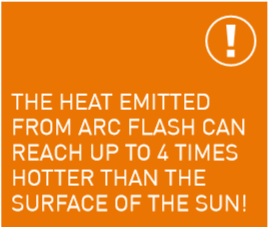
An Arc Flash can cause minor injuries, third-degree burns and potential death as well as other injuries including blindness, hearing loss, nerve damage and cardiac arrest. Fatal burns can occur when the victim is several feet from the arc. Serious burns are common at a distance of 10 feet – arc flash can generate heat 4 times greater than the surface of the sun.
The Need For Arc Flash Resistant Clothing & Protection
Arc Flash Learning & Resources
Thorne and Derrick are proud to be distributors of ProGARM arc flash coveralls and protection.
We can help – should you require arc flash calculators or advice on the type of clothing and protection available please do not hesitate to contact us.
Thorne & Derrick are national distributors of LV, MV & HV Cable Installation, Jointing, Substation & Electrical Equipment – servicing businesses involved in cabling, jointing, substation earthing, overhead line and electrical construction at LV, 11kV, 33kV, 66kV and EHV. Supplying a complete range of power cable accessories to support the installation and maintenance of low/medium and high voltage power systems:
The following article has been produced by TraffiGlove – Arc Flash Gloves Specialists. Special thanks for the permission to re-publish your article.
UNDERSTANDING ARC FLASH
The most common cause of all electrical injuries is arc flash – an incident which can change an employee’s life in the blink of an eye.
An arc flash is an electrical current that jumps from the intended path and travels through the air from one conductor to another. When an arc fault occurs, it causes the release of massive amounts of energy into the air, resulting in explosions which can reach up to 35,000 degrees Fahrenheit in an instant.
Such high temperatures can also vaporise metals, such as copper, which sustains the arc and amplifies its power.
WHAT ARE THE DANGERS?
Arc flashes only last for several milliseconds, but this is more than enough time for the superheated air and vapourised solids to cause significant injury to nearby workers. The intense light from an arc flash can also cause damage to the retina.
Not only this, but arc flashes are accompanied by a pressure wave and sound blast loud enough to damage hearing or even brain function. This so-called ‘arc blast’ also sends any loose debris, tools or equipment flying out from the fault at supersonic speeds causing further injuries.
WHAT ARE THE CONSEQUENCES?
An arc flash is a potentially fatal incident for any personnel in the vicinity.
Workers can suffer:
First, second and/or third-degree burns, not only on the front but also the back
Internal damage to vital organs from high amounts of voltage travelling through the body
Blunt force trauma from the blast
Shrapnel damage to the skin
Damage to their sight
Health effects from breathing toxic fumes
Hearing loss
The consequences of arc flash incidents are often life-changing for the individuals involved, with treatment for burns, in particular, involving years of skin grafts and surgery.
REDUCING THE RISKS WITH ARC FLASH GLOVES
When an arc flash occurs, hands are usually the first body part to catch fire due to their close proximity to the fault. As such, workers should not wear gloves which may easily burn, ignite or do not provide any protection from heat.
Rubber insulating gloves have long since been the norm for tasks that carry an arc flash risk.
However, rubber gloves can be incredibly bulky and limit dexterity, making them difficult to work in. Due to this, many non-rubber, lightweight arc flash gloves are now entering the market.
Such gloves are made from material which is innately flame-resistant (leather, aramid, coated nylon, and glass) or treated.
These types of arc flash gloves are far more comfortable than their rubber counterparts and often provide more protection. These seamless knit solutions can also increase the level of cut protection of the EN 388 standard. However, you should always discuss your requirements with a safety specialist to ensure you wear the correct safety glove for the job.
TraffiGlove September best seller
September’s best-seller was announced as TraffiGlove’s TG5140. The glove is a close-fitting and flexible Cut C glove with a high tech MicroDex Nitrile Foam coating that provides excellent grip in wet, dry and oily conditions. The durability and glove life is also excellent.
Thorne & Derrick are Specialist Distributors of Arc Flash protective clothing, garments and accessories – should you require advice on the type of clothing and protection available please do not hesitate to contact us.
Thorne & Derrick are national distributors of LV, MV & HV Cable Installation, Jointing, Substation & Electrical Equipment – servicing businesses involved in cabling, jointing, substation, earthing, overhead line and electrical construction at LV, 11kV, 33kV, 66kV and EHV. Supplying a complete range of power cable accessories to support the installation and maintenance of low/medium and high voltage power systems:
Thorne and Derrick are proud to be distributors of ProGARM arc flash coveralls and protection.
We can help – should you require arc flash calculators or advice on the type of clothing and protection available please do not hesitate to contact us.
What are your options for VERIFYING Absence of Voltage?
Safety is everything.
Workers MUST comply with safety regulations that require a voltage verification test when servicing electrical equipment
But how can you be safe and be sure the circuit is de-energized?
What if the only method is complex and exposes you to the very danger you’re trying to avoid?
Find out how a team of engineers with fresh thinking and years in the lab resulted in an entirely new product – theabsence of voltage testers (AVTs)– and positive proof the power is off.
Voltage Testers – Your Options
Portable Test Instruments– Portable voltage testers are usually a hand-held device used to detect the presence and absence of voltage. They require a manual and time-consuming process, increasing the risk of human error. They are susceptible to user misinterpretation and process failures, which may expose workers to electrical hazards.
Voltage Indicators – These are typically installed devices. When functioning properly, voltage indicators warn of the presence of voltage but do not guarantee its absence. When your voltage indicator is not illuminated, the system is de-energized. However, how can we be sure? There could be something wrong with the installation. There’s no way to know for sure that your equipment is de-energized with just a voltage indicator.
VeriSafe AVT– Verisafe AVT uses active indications to tell you when your equipment is de-energized, so you know that the absence of voltage has been verified. The push of a button activates VeriSafe AVT’s automatic absence of voltage test. Here’s what the colour indicators mean when using the VeriSafe Absence of Voltage Tester…
Red – There is a voltage present in your equipment
Yellow – The absence of voltage could not be confirmed, be careful
Green– Absence of voltage has been verified
For the task of verifying the absence of voltage, VeriSafe AVT is both a voltage tester + voltage indicator. Be sure the light is green with VeriSafe AVT.
Panduit VeriSafe – Absence of Voltage Tester
Verisafe is UNIQUE and safety is Important.
Panduit’s fully automated, permanently mounted and first-of-its-kind industry compliant tool, VeriSafe AVT – both indicates the presence and absence of voltage.
The VeriSafe absence of voltage tester minimizes risk by verifying the absence of voltage before equipment is accessed. VeriSafe’s automated process and single-step activation are standardized to avoid missteps in execution and sequence. It is further constructed to resist factors that could affect its accuracy and functionality – such as mechanical or electrical failures from wear, mechanical shock and environmental extremes.
Through years of development and collaboration with industry groups, the team was able to reach proof of concept and eventually create an absence of voltage tester that performed exactly as they hoped. All that was left was for the new AVT (absence of voltage tester) product category to be defined in an industry-standard and for the safety requirements to be published.
In 2016, UL published the first-ever AVT safety and listing requirements in UL 1436.
In 2017, the VeriSafe AVT was released and now offers workers an easy, safer way to get positive proof the system is de-energized before accessing or working on electrical equipment.
Now, all it takes is a press of the test button, and a moment to wait for the green light. And, as everybody knows, green means go.
With over 60 years of infrastructure experience, our team recognized the need for a safer – and easier – way to verify a circuit is de-energized. The change our engineers had in mind was to eliminate exposure to live circuits – either by accident or during an absence of voltage test. That would mean no more hand-held meters, and no need to interact with known-live circuits as part of the test.
T&D are Specialist Distributors to UK Distribution Network Operators (DNO’s), NERS Registered Service Providers, ICP’s and HV Jointing Contractors of an extensive range of LV, MV & HV Jointing, Earthing, Substation & Electrical Equipment– this includes 11kV/33kV/66kV joints, terminations and connectors for both DNO and private network applications.
Contactour UK Power Team for competitive quotations, fast delivery from stock and technical support or training on all LV-HV products.
uploaded by Chris Dodds | Thorne & Derrick Sales Marketing Manager
Accessing Phase, Neutral & Earth Conductors
3 & 4 Core Waveform Cables are in widespread service throughout the UK DNO network – these type of cables must be stripped in accordance with the appropriate Approved Cable Jointing Instruction issued by the network DNO.
Remove outer PVC cable sheath using insulated cable stripping knife
Remove the soft unvulcanised rubber, if present, in which the neutral/earth or earth wires are embedded using an insulated Sicame Hepnfy
Lift the neutral/earth or earth wires using an insulated core seperator from the inner rubber bedding
Remove the inner unvulcanised rubber from the cores using an insulated Sicame Hepnyf
Steps 1 to 4 are excerpted from SP Energy Networks, LWM Low Voltage Cable Jointing Issue 6 OPSAF-12-011 Manual. 2010.
Ad:Insulated Tools (Live Line & Cable Jointing Tool Sets) – T&D supply a full range of insulated tools kits for electrical engineers, cable jointers and overhead linesmen
The fully insulated Sicame Mini-Hepnyf has been developed to compliment the standard Hepnyf and has a particular beneficial application in the stripping of lead sheath from small PILC service cables by the cable jointer – the jointers knife can also be used for the removal of mastic bedding on all types of waveform cables.
Using the correct tools to prepare industrial and utility cables before cable jointing and terminating reduces catastrophic cable failures.
LV-HV cable jointing tools enable cable preparation, stripping and cutting of insulation (XLPE, EPR), semi-conductive screens (bonded and peelable) and cable sheaths (PVC, PE, EPR) from single and multi-core cables.
LV Cable Joints (Low Voltage Cables)
Thorne & Derrick stock and distribute LV Joints in Cold Shrink, Heat Shrink or Resin Cast technologies – multicore and multi-pair cable joints are available for immediate backfill and energisation of Low Voltage power, control and instrumentation cables 600V/1000V 3.3kV.
klauke ekm60unv – universal cutting, crimping & punching tool The Klauke EKM 60 UNV is a versatile battery powered hydraulic universal tool engineered that can be used as a battery powered cable crimping tool and battery operated cable cutting tools that comes...
INDUSTRIAL LABEL PRINTING SOLUTIONS When clear, durable and professional identification is required across control panels, cable systems, production facilities and industrial installations, print quality, reliability and ease of use are critical. Cembre industrial label printers are designed to support...