Special thanks to Paul Darlington from Rail Engineer for kind permission to republish this article
The Network Rail standard for enhanced unarmoured Signalling Power Distribution cables – NR/L2/SIGELP/27408 was introduced to tighten the specification for signalling power cables and support the introduction of Class II methodology.
The cable standard introduced several key requirements that drive the need to correctly specify the cable and the associated accessories – specifically the cable joints and jointing methodology used.
The cable standard re-introduces the use of aluminium as a conductor of choice alongside the traditional and more expensive stranded copper option. For the aluminium option NR/L2/SIGELP/27408 specifies solid conductors up to 95sqmm and allows both solid and stranded conductors for sizes equal or greater than 120sqmm.
To protect the cable from water and rodent-related degradation, the cable standard requires the use of water blocking tapes and fibreglass-woven rodent resistant tapes.
To supplement NR/L2/SIGELP/27408 and support the required target asset life of 35+ years, specific accessories standards have been written. NR/L2/SIGELP/27423 covers the requirement for cable joints and connectors. The standard says that, to achieve the target asset life, joints using resinous compounds are preferred.
Previous Cable Jointing History
The history of jointing signalling power cables is chequered – at one end of the scale there are manufacturer assembled, fully compatible and tested rail cable joints, which include connectors designed and tested to meet the Network Rail requirements of the day.
At the other end of the scale are cable joints assembled by third parties at the last minute to try to fulfil a particular urgent need, and which may or may not have been approved by Network Rail.
At both ends of this scale there would be a mix of technologies which may or may not produce a reliable installed joint capable of protecting the cable and meeting the Network Rail asset life expectations. This chequered history might have influenced the cautious approach of the industry related to the speed of the reintroduction of aluminium conductors.
Next generation cable joints
The standard NR/L2/SIGELP/27423 relates to joints intended for connecting signalling power cables, where the electrical system is either TN or IT and the nominal voltage is up to 650V AC. The cable types are defined as follows:
a) Enhanced unarmoured cable to NR/L2/SIGELP/27408.
b) B2 ethylene propylene rubber (EPR) cable to RT/E/PS/00005.
Within the joints standard, particular attention has been focussed on the conductor connectors or splices which requires full compliance with BS EN 61238-1 for both aluminium and copper conductors:
“Connector resistance, temperature, mechanical strength and short-circuit behaviour shall be in accordance with a Class A connector as specified in BS EN 61238-1.” (Network Rail, 2015)
In particular, connections between dissimilar metals, i.e., copper and aluminium, are specified to be made using bi-metallic connectors. These are required by NR/L2/SIGELP/27423 to be made by friction welding and similarly tested and approved to BS EN 61238-1.
Mixed experience
Network Rail has mixed experience with the aluminium conductor type cables leading to a previous preference for the copper conductors. However, driven by the recent high copper prices these cables are significantly more expensive and more liable to theft.
Looking outside of the rail sector it was noted that the UK power utilities had been using aluminium conductors and their associated joints and connections without significant problems for over 40 years. It was also recognised that the industry had tight product specification and training requirements in place.
To ensure an equivalent success rate on the product specification, the Network Rail joint standard sets out specific requirements for conductor connections and their installation:
“Unlike copper conductor based distribution systems, aluminium cable is very intolerant of poorly designed and badly made-up connectors. Failure of a connector can lead to loss of the power distribution system, which in turn can cause severe operational disruption. This specification has been developed to ensure that connectors used in signalling power distribution systems are made to a consistent standard and the measures identified in this standard, when adhered to, prevent premature failure.” (Network Rail, 2015)
Focussing on installation, the Network Rail accessory standard requires that all connectors supplied shall be suitable for installation in accordance with BS 7609. This is the ‘Code of practice for Installation and inspection of uninsulated compression and mechanical connectorsfor power cables with copper or aluminium conductors’ and covers installation methodology, tooling and the maintenance and calibration of tooling.
The Network Rail standard says that the preferred crimping tools are either battery-powered or electro-hydraulic and includes requirement for auto-checking. It also requires that manufacturers of connectors, such as Cembre or Klauke, provide the necessary training packages to support their use.
Wire electric cable on wooden coil or spool isolated
Prysmian Group
Prysmian Group has over 40 years’ experience in the development and testing of crimp connectors, including our in-house friction welding facility. To fulfil the Network Rail requirements the company has developed, tested, and qualified a completely new range of copper, aluminium, and bi-metallic connectors specifically to fully meet the Network Rail requirements.
These Network Rail-approved connectors are fully compatible with the new Prysmian Group joint range. This means that all of its signalling power joints are supplied with the correct connectors for their application.
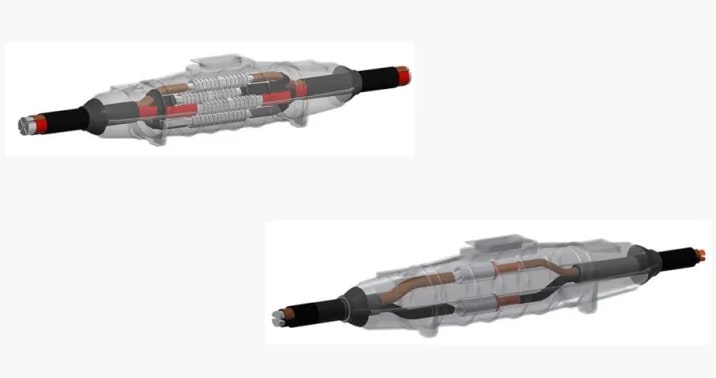
The Network Rail standard requires that all joints are compliant with BS EN 50393 and are classified as rigid Type II. As noted, in order to fulfil a target asset life of 35+ years, joints made using resinous compounds are preferred. In addition, to provide adequate flood resistance, the joints must demonstrate that they meet the water immersion tests defined in BS EN 50393. (Note: BS EN 50393 requires joints to function within their parameters after being subjected to immersion for 21 days with a 1 metre head of water.)
In order to ensure useability and safety the Network Rail standard specifically requires that the resinous compounds used shall be classification LMP/LI-LT (Low voltage, Mechanical Protection / Low voltage, Insulation protection and Low Temperature curing) as per the requirements defined in BS 7933-1. In a move to maintain the highest levels of health and safety, the standard requires that the resinous compounds and joint capsules used shall be non-toxic and non-hazardous.
Prysmian Group & Network Rail
Working in collaboration with the Network Rail approvals team, Prysmian Group has developed and fully product approved a completely new range of NR/L2/SIGELP/27423 and BS EN 50393 compliant joints. These joints utilise the company’s enhanced, low hazard, JEM jointing resin. Over 30 million litres of Prysmian Group JEM has been used extensively by many of the UK power utilities, with no electrical failures reported.
Prysmian Group’s JEM resin can be mixed and will cure at temperatures as low as -15°C, meeting the Network Rail low temperature curing requirements that may be encountered in the UK climate. It is also a low viscous material which makes it extremely easy to mix, and also extremely searching, minimising any voids that can occur with traditional resins.
Prysmian JEM Resin For Low Voltage Cable Jointing
JEM resin is supplied in clear pouches which allows mixing to be observed during the process enabling the jointer to ensure mixing is complete prior to filling the joints. Another benefit of the JEM system is that when poured the filled joints, if undisturbed, may be energised immediately. From a safety perspective JEM resin is non-volatile, non-flammable, non-irritating and non-sensitizing in line with Network Rail expectations.
In order to meet the Network Rail reliability requirements, the joint system was put through the Network Rail product approval process which not only required the product to be fully compliant to BS EN 50393 type II but, by using tools like DFMEA and reliability and maintainability analysis throughout the development process, looks at ensuring the robustness of the product.
In order to support this robust approach, it is a requirement that the joints are supplied with a detailed set of installation instructions which include stage-by-stage photographs and instructions of the installation.
Low Voltage LV Industrial Cable Joints – Prysmian MPJEM-U
Jointing System Training
As part of the Network Rail accessories standard NR/L2/SIGELP/27423, Network Rail has included a specific requirement for training and competence on the accessory:
“Manufacturers shall have a comprehensive training programme that supports their product range. Note: Human factors and good workmanship drive asset life, without which the risk of premature failure becomes increasingly high. Successful completion of the training course shall be recorded in the candidate’s parent company’s competence management system.” (Network Rail, 2015)
It is clear that in order to meet the +35 years life expectancy of Network Rail the approved joints must be installed exactly as those tested and approved. Therefore, the requirement for specific training on the approved jointing system makes perfect sense. For some this training will be a refresher but, for those new to the industry, this training will be an entry point into the world of cable jointing.
The Prysmian Group training course is designed to give the delegates the knowledge and practical skills to joint two core and four core aluminium and copper rail signalling power distribution cables using the approved Prysmian Group RPJ enhanced cold pour resin joint kits. The course includes both classroom theory and practical sessions to ensure that the trainees can correctly and safely specify and install the Prysmian Group RPJ joints.
The course includes transferable skills such as:
Electrical site safety.
Best practice for reliable jointing of 1kV power cables.
Identifying types of rail signalling power cable and understanding how to prepare them using the correct cable preparation tools and materials
The course also offers system specific skills such as:
Selection of the correct joint kit for a specific installation and cables.
Conductor preparation – particularly to overcome aluminium oxide build up prior to crimping.
Demonstrating the correct crimp and die selection to produce reliable compression connections.
Mixing and pouring of the approved JEM cold pour resin.
Construction of the RPJ series joint kits in accordance with the Network Rail approved Prysmian Group jointing instructions.
Over the two-day course, trainees will receive both classroom theory and hands on practical sessions whereby, following expert demonstrations, they will get the opportunity to practice making their own cable joints. The course is concluded with an assessed multiple-choice theory questionnaire and the preparation of an assessed cable joint. Successful participants will receive a certificate of competence and the commensurate level of CPD hours.
Vertical coils industrial wires. Many turns of main electrical cable is closeup. Roll of outdoor fiber optic signal shielded cables. Wooden Coils of powerful black telecommunications wire
Network Rail has developed a robust set of standards for cables and accessories for signalling power cables. These standards are ensuring the networks of the future are robust and live up to the high expectation of the UK travelling public and Network Rail itself.
With the direction of Network Rail, Prysmian Group has developed a range of cable joints that facilitate the requirement for a long lasting, robust, and easily maintainable signalling power network.
From training courses that have been completed to date, feedback suggests such an event adds value to the already approved product and enhances the probability of making better joints on the Network Rail system.
Rail Engineer is the leading independent quality monthly magazine for engineers, project managers, directors and leading rail executive decision makers.
Besides publishing the latest up-to-date rail engineering news, our team of engineer writers report on the engineering and technical aspects of many of the major projects being undertaken day in, day out, above and below ground, and across the globe.
In the UK we work in close consultation with Network Rail, Docklands Light Railway and the Underground, where our team of rail engineers actively visit the project sites, meet project engineers and provide in-depth analysis on the engineering skills being used and the latest innovations.
From trams and fleet refurbishment to new rolling stock and high speed rail, the rail engineer reports on the engineering and environmental challenges for manufacturers and operators. Our engineers visit factories and depots, meeting with specialist engineers to bring you the latest engineering updates on all aspects of rolling stock, whether onboard technology or mechanical enhancements focussing on safety, energy and the passenger experience.
Paul Darlington joined British Rail as a Trainee Telecoms Technician in September 1975. He became an instructor in telecommunications and moved to the telecoms project office in Birmingham, where he was involved in designing customer information systems and radio schemes. By the time of privatisation, he was a project engineer with BR Telecommunications Ltd, responsible for the implementation of telecommunication schemes included Merseyrail IECC resignalling.
With the inception of Railtrack, Paul moved to Manchester as the Telecoms Engineer for the North West. He was, for a time, the Engineering Manager responsible for coordinating all the multi-functional engineering disciplines in the North West Zone.
His next role was Head of Telecommunications for Network Rail in London, where the foundations for Network Rail Telecoms and the IP network now known as FTNx were put in place. He then moved back to Manchester as the Signalling Route Asset Manager for LNW North and led the control period 5 signalling renewals planning. He also continued as Chair of the Safety Review Panel for the national GSM-R programme.
After a 37-year career in the rail industry, Paul retired in October 2012 and, as well as writing for Rail Engineer, is the Managing Editor of IRSE News.
Thorne & Derrick are leading Specialist Distributors & Stockists of LV, MV & HV Cable Installation, Jointing, Substation & Electrical Equipment to the Rail industry.
RAIL CABLE ACCESSORIES, ELECTRIFICATION
& INSTALLATION EQUIPMENT
Thorne & Derrick stock and distribute an extensive range of 400V-33kV Rail Cable Accessories & Power Distribution Systemsincluding feeder pillars to contractors undertaking Low Voltage Power Distribution, HV Electrification & Substations, DC Traction & Networks, OLE and Track Feeder Cable Renewals– complete range of Network Rail PADS approved track terminations, cable joints, cable repair and connection products up to 25kV, including 3M Cold Shrink, Pfisterer CONNEXand Nexans Euromold products.
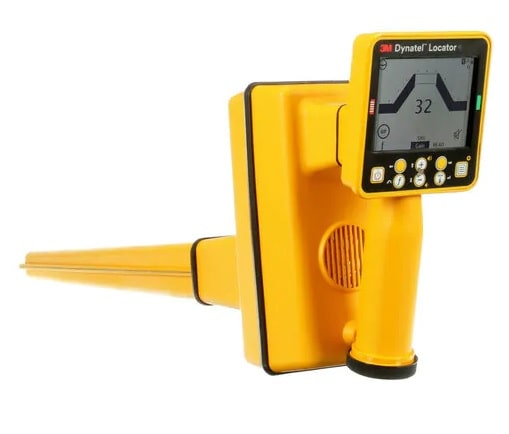
3M Dynatel Electronic Marker System Locator 1420X/XE
3M Dynatel
1420 Marker Locators for Underground Cables & Utilities
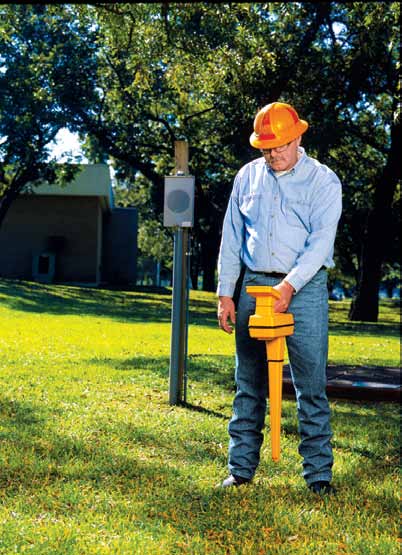
3M Dynatel Locators 1420X/XE Series determines exact location of underground 3M Electronic Marking System (EMS) Markers. There are two variations of the locators 1420-iD and 1420E-iD.
3M Dynatel Locators are microprocessor-based systems that incorporate advanced digital signal processing techniques to quickly and efficiently locate underground cables and utilities even years after construction or maintenance.
This locator reads, writes and locates 3M™ iD Markers.
It locates 2 different marker frequencies simultaneously. It features a lightweight design, large display with easy-to use interface, enhanced connectivity, internal GPS module, and includes Li-Ion battery with built-in charger.
Electronic Marker System Marker Locator | 3M Dynatel
Designed to be accurate, fast and integrated allowing you to accurately and easily:
Locate, read and write to 3M iD markers
Pinpoint the depth and location of all existing models of properly installed underground passive EMS markers
Conduct direct depth reading of markers
Locate two different marker frequencies simultaneously
Advanced Features
Detect Information About Underground Utilities
A feature exclusive to the 3M 1420-iD/1420E-iD locators is the ability to read, write and lock programmed information into the 3M™ Electronic Marker System iD Markers.
Information such as a pre-programmed unique identification number, facility data, owner information, application type placement date and other details from up to 100 markers can all be stored with date/time stamp and transmitted back to your PC for enhanced resource management.
Accurate Even In Congested Areas
The 3M 1420-iD/1420E-iD locators are unaffected by metal conduit or pipe, metallic conductors, fences, AC power or electronic markers for other utilities. Multiple markers located at close proximity can be read individually using this system.
A Simple, Easy-to-use System
Lightweight and compact, the locators are rugged, ergonomic and require very little operator training. A large bright backlit digital liquid crystal display screen and soft-key operation make them easy to understand and use for more precise locates.
A “memory” feature remembers operator set-up from the previous use. A standard RS232/USB communications port allows interface to an external computer for uploading/downloading of data, unit configuration and remote software upgrades. The system is estimated to operate for more than 25 hours on eight AA alkaline batteries.
Exclusive GPS System Adds Accuracy With Ease
The 3M™ Dynatel™ Electronic Marker System Marker Locators 3M 1420-iD/1420E-iD are now compatible with select GPS/GIS field mapping instruments for real-time mapping of marker placement.
The customized Dynatel interface commands the GPS/GIS device allowing even a generalist field technician to perform real-time mapping. It’s a simple system for mapping marker placement and saving information directly into CAD and GIS systems.
The electronic export of this information in GIS format creates an automated paperless system for records updating, making positive locates in the field easier than ever.
Additional Features Include
Large backlit, high-resolution graphic display
PC interface via standard RS232/USB
User-configurable features and interface
Detects all seven EMS marker frequencies
Locator PC tools software
iD marker read/write capability
Dual marker frequency search-simultaneous
iD Marker depth estimation
3M Dynatel Technical Specifications
Physical Specifications
Size (H x W x D) CM (in.)
Weight (including batteries)
Receiver
26,7 x 11,8 x 76,2
(10.25 x 4.7 x 30)
1,9 kg (4 lb.)
Shipping
N/A
5,3 kg (11.5 lb.)
Environmental Specifications
Operating temperature
-20° C to 50° C (-4° F to 122° F)
Storage temperature
-20° C to 70° C (-4° F to 158° F)
Regulatory
CE (Export Models Only)
Standard
IP54
Electrical Specifications
Marker compatibility
All 3M markers (telephone, gas, communication, power, water, wastewater and general purpose)
Dual marker mode
Any two marker frequencies simultaneously
Detection range
Exceeds maximum marker depth specifications
Marker read range
1420
Near Surface 3 ft. (.9 m)
Ball 5 ft. (1,5 m)
Full Range 8 ft. (2.4 m)
1420E
Near Surface 0.6 m (2 ft.)
Ball 1,2 m (4 ft.) telephone, gas, CATV, wastewater
1,0 m (3.3 ft) water, power
Full Range 2 m (6 ft.)
Marker write range
30 cm (1 ft.)
RFiD Marker depth measurement accuracy
+/- 10% +/- 5 cm (2 in.) up to marker depth specifications
Memory storage with date/time stamp
Read marker records 100
Written marker records 100
User defined iD templates 32
Standard RS232 serial with DB9 connector (USB adapter cable included)
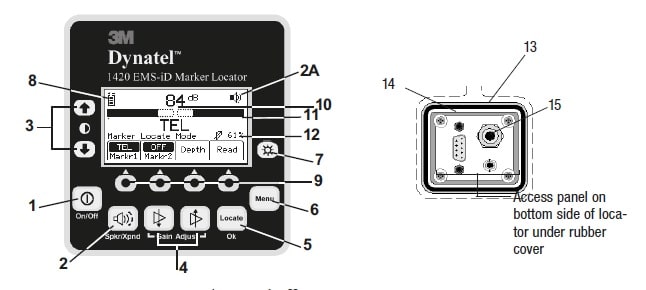
3M Dynatel 1420-iD
Keypad & Display Definitions
[1] On/Off (Power): Turns unit on and off. [2] Speaker Volume Control: [2] Adjusts the volume of the locator (off, low, medium, and high). [2A] Speaker Volume Icon: Indicates the relative volume level of the locator. [3] Contrast: The arrows located above and below the contrast icon will adjust the contrast of the display. [4] Gain Adjust: Adjusts the sensitivity of the locator either up or down to maintain a satisfactory signal level. [5] Locate/OK: Sets the locator to trace mode for locating markers. Also acknowledges setup entries (OK). [6] Menu: Displays setup screen for configuration of the unit, i.e.: clock, language, depth units, and marker data. [7] Backlight: Toggles the backlight low, high, and off. [8] Battery Icon: Indicates battery level. [SK] Soft Keys: There are four soft keys (yellow keys) on the locator. The function of each key is shown above the key on the display screen. The functions will change, depending on the operation mode of the locator. For instruction purposes in this manual, the display command is followed by [SK] to identify it as a soft key. [9] Soft Key Commands: Definitions for each of the four soft key functions. [10] Signal Strength:Digital reading of the signal strength that the locator is detecting from the marker. [11] Bar Graph:Graphical representation of the received signal. [12] Gain Level: Displays relative gain level. [13] External Jack: Not active on this model. [l4] Serial Port: RS232 port to connect the locator to a PC via serial cable or USB-to-Serial Adapter cable. [15] Earphone Jack: Will fit standard 1/8 inch (3.175 mm) mini-jack mono earphone plug (not included).
Ordering Information from 3M Electrical
3M Electrical Part Number
Description
3M 1420
EMS-iD marker locator with iD read/write
3M 1420E
EMS-iD marker locator with iD read/write (CE Approved Export Model)
Since 1985, Thorne & Derrick have been Approved Distributors for 3M Electrical Products (LV HV) including Cold Shrink and Scotchcast products – whilst the competitive supply of product from stock on short lead times is essential to the distributor it is equally vital that 3M product reputation is preserved through the correct installation of products in accordance with 3M recommendations.
Medium Voltage Cables Approval Scheme
BASEC are collaborating on knowledge and content sharing with Thorne & Derrick.
T&D have been Specialist Distributors of Medium Voltage Cable Accessories since 1985 and understand the criticality of specifying and supplying Type Tested products to international standards to ensure the safety, reliability and longevity of MV power systems.
The meteoric rise in demand for digitalisation coupled to the Green Energy revolution has further fuelled industry need for MV power – if electrical power is the lifeblood of a data centre or a wind farm then cables are the main arteries.
T&D together with BASEC have a shared passion and objective to enhance electrical safety through the education and encouragement of industry stakeholders to specify and buy accredited, tested and certified MV Cables & Cable Accessories, whatever the industry.
Medium Voltage (MV) cables are used in critical applications where major failures and injuries may occur. Regulatory bodies and governments’ specific safety requirements and compliance are vital in eliminating safety-critical system failure. Product quality is usually measured through the material tests of products.
Manufacturers must conduct tests following methods specified within international or industry standards to demonstrate compliance with their materials.
Understanding material properties enables manufacturers to use materials suitable for specific end-user applications. Maintaining the quality and reliability of the finished products is also essential.
BASEC certificationincludes mandatory annual material testing of cable compounds. This way, a BASEC certified manufacturer can demonstrate that the same compound formula has been used. If the manufacturer changes the materials, BASEC can pick this up in surveillance testing. For the continuity of quality, routine surveillance is needed regularly to check whether the materials used are identical or not.
As technology develops and continuous innovations in material knowledge take shape, the manufacturer may need to maintain alternative formulas and suppliers for their cable design. Additionally, global material shortage reinforces this requirement.
BASEC can list those suppliers and formulas under BASEC certificates to support manufacturers and provide peace of mind to end-users. With continuous surveillance testing and audits twice a year combined with an unannounced visit to the manufacturer at random and take samples for testing.
BASEC Medium Voltage Approval Scheme
BASEC MV Surveillance Scheme vs Non BASEC Scheme
With an increased demand for energy, medium voltage networks need to provide constant power for industries and end-users. To ensure reliable network operation, continuously maintaining quality MV and HV cable products is essential.
The market typically has been primarily a singular test report, in other words, an initial Type Test or Factory Acceptance Test (FAT) at the manufacturer. It is not uncommon to encounter 5 year and older Type Test reports demonstrating their compliance onsite.
Technological developments and economic reasons each year pressure manufacturers to seek alternative designs and suppliers. The old Type Test report only demonstrates the compliance of MV cable for that single batch which is not a good indicator for today’s energy network and end-user. Although the FAT test is performed in each batch on request by the client/purchasers, it is not done in a controlled environment.
The accuracy of the test results can be questionable. The cables must be validated by an independent third party and accredited body like BASEC.
For high quality and continuous operation, BASEC provides MV cable approval to comply with local and international standards and meet end-user specifications. This protects the end-user from failure and extra maintenance costs. BASEC approved cable tests are carried out regularly – mechanical, electrical, construction and material Testing take place annually and are used in projects to operate safely for extended periods.
By certifying cables with BASEC, cables are subject to rigorous recurring tests and audits.
Thanks to these annual surveillances and testing cables direct from the market, end-users and contractors ensure their systems’ reliability by specifying BASEC approved cables in their projects.
By doing the above surveillance, BASEC can certify a range of cables as specified in the standards, saving costs when getting the approval instead of testing each cable individually. Providing the cables pass the initial type tests and are under surveillance schemes such as BASEC approval.
The importance of accredited lab testing vs manufacturer own type tests and what this means to the market and users for safety
By accredited to ISO/IEC 17025 through an independent, impartial accreditation body, laboratories demonstrate their technical competency, laboratory quality, performance, reliability, and efficiency to ensure the accuracy of the test results. There is always the risk that unaccredited test laboratories can produce different test results.
This can be a result of equipment use, environmental factors, staff competency, and uncalibrated and unmaintained types of equipment. To avoid these different results and to ensure the test’s accuracy, ISO/IEC 17025 accreditation must be followed by labs as a regulating reference.
As mentioned above, in-house generated manufacturer test reports are more prone to uncertain human and equipment errors. BASEC’s ongoing surveillance scheme continuously checks the cables’ conformity to ensure the quality has not dropped from the first set of initial Type Testing. This gives the manufacturer product approval for a cable; before they can mark it with theBASEC Quality Mark. When placed on the market, this then gives purchasers confidence in the ongoing quality and conformity of the product.
BASEC labs are recognized under the European Accreditation Multilateral Agreement (EA MLF), the International Laboratory Accreditation Cooperation (ILAC), and the International Accreditation Forum (IAF), as well as being UKAS Accredited.
Testing your cables at BASEC accredited labs provides you with validated test results globally. Cables tested and approved by BASEC accredited to ISO/IEC 17025 are placed on the market and can be specified in projects confidently.
BASEC is a global leader in cable testing and certification services for power, energy, data/signal cables and ancillary products, alongside quality management systems.
Operating independently for over 45 years, the BASEC mark is trusted for quality, clarity and impartiality.
BASEC’s teams of highly skilled engineers, technicians and auditors possess extensive in-depth commercial, industrial and technical experience. As a result, BASEC has a reputation for professional and rigorous assessment processes which ultimately lead to the issuing of our highly respected product certifications and test reports.
In addition, BASEC offers a number of supporting services for cable makers, traders and users, including management system certification, bespoke type testing, impartial investigation of conformity issues and testing and reporting in the event of disputes. Furthermore, Certificates of Assessed Design are available for innovative cable products.
Thorne & Derrickare national distributors of LV, MV & HV Cable Installation, Jointing, Substation & Electrical Equipment – this includes 3M Cold Shrink, Nexans Euromold and Pfisterer CONNEX Cable Accessories for Medium Voltage Power Systems.
We service businesses involved in cabling, jointing, substation, earthing, overhead line and electrical construction at LV, 11kV, 33kV, 66kV and EHV. Supplying a complete range of power cable accessories to support the installation and maintenance of low/medium and high voltage voltage power systems:
JTS by Nexans | A modern generation ofMV Cable Joints have been developed by Nexans for the UK utility and contracting industry – the primary application of JTS Joints is for the jointing of 11kV 24kV and medium voltage power cables up to 33kV/42kV.
VOLTS is our first monthly round-up of industry news, projects, videos, technical tips, training information, promotions, webinars and career opportunities from Thorne & Derrick. Take a moment to Follow Us on LinkedIn to receive future VOLTS.
In The News
Net Zero Teesside
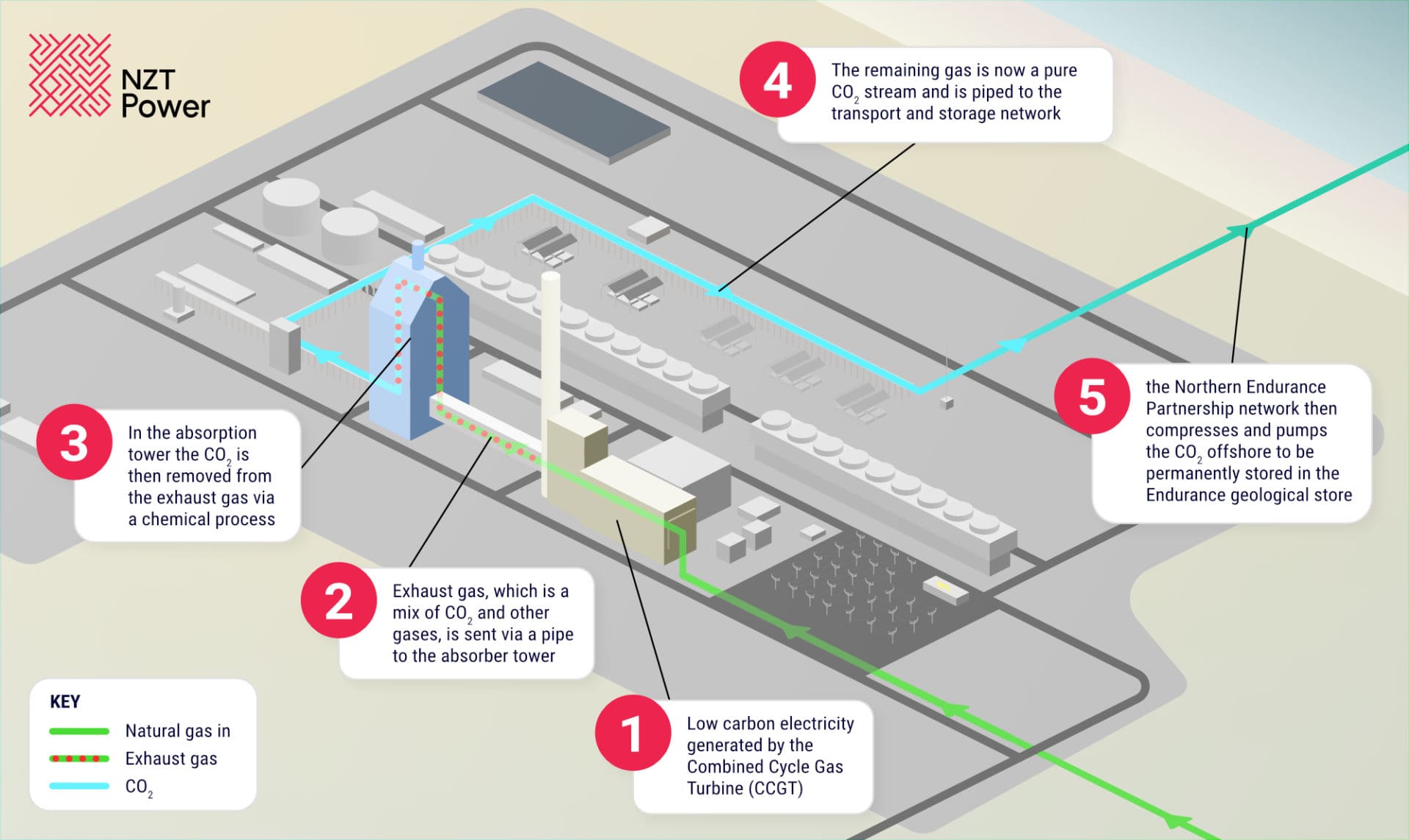
Net Zero Teesside Power (NZT Power) will be the world’s first commercial scale gas-fired power station with carbon capture, and the hub of a decarbonised group of industries on Teesside who will share the CO2 transportation and storage infrastructure being developed by the Northern Endurance Partnership to serve the East Coast Cluster.
Net Zero Teesside Power’s proposed combined cycle gas turbine electricity generating station will have an electrical output of up to 860 megawatts (MW) of low carbon electricity, enough to power up to 1.3m homes per year.
From the power plant alone, the proposed carbon transportation and storage infrastructure will capture and store up to two million tonnes of CO2 a year.
These proposals help support the UK government’s commitment to fully decarbonize the power system in the UK by 2035 and will help to enable greater deployment of renewable energy such as wind and solar by providing flexible, dispatchable low carbon electricity generation which backs up intermittent renewables – crucial for periods when the wind isn’t blowing, and the sun isn’t shining.
In January 2022, an exciting partnership was agreed with NOF, a regional business development specialist for the energy sector, to support supply chain engagement.
In this record sales year for Thorne & Derrick we have now signed Strategic Supplier Frameworks for MV/HV Cable Accessories & Tooling with 4 multinational power companies whom provide the global drive and expertise to continue the path to a sustainable Green energy future.
This week we have achieved Approved Supplier Status to Nordex Group and are now delivering a 33KV Cable Accessory & Electrical Safety packageto their Oweninny Wind Farm.
As a leading supplier to the electrical sectors of diverse industries, we support customers by providing specification and Jointer Training Services plus competitive product supply from extensive stocks to UK, EU and International projects.
pROJECTS & NEWS
T&D Deliver Essential Equipment With Same Day Turn Around
Thorne & Derrick are profficient in the supply of solutions that are best suited to the intended application, including the fast replacement of incorrect equipment where necessary, to ensure that clients are able to complete required jobs on time.
This month we organised same day delivery for some SPS outdoor terminations and 2 hole 630sqmm Cembre lugs to replace equipment that was not appropriate for the client’s application. The client previously ordered indoor terminations and single hole cable lugs which were incorrect for the job at hand. The fast delivery of equipment to the client enabled the workers on site to continue with work as normal without delay.
Cable Joints & Terminations
Thorne & Derrick distribute the most extensive range of MV HV Medium & High Voltage Cable Joints, Terminations & Connectors from manufacturers including 3M, Prysmian, Nexans Euromold, Elastimold, Pfisterer CONNEX & SEANEX and Shrink Polymer Systems for use up to 66kV.
Powering Power Stations
We are delighted to have assisted a combined cycle gas turbine power station this month with the specification and supply of Pfisterer Connex Connectors which were needed urgently to ensure energisation of the site on their deadline day. With extensive UK stocks, Thorne & Derrick were able to deliver the required products to the customer quickly.
Pfisterer MV HV cable connectors and terminationsare suitable for all voltage levels and applications where medium or high voltage power cables must be reliably connected, terminated and distributed within the electricity supply industry.
A Combined Cycle Gas Turbine
The CCGT Power Station comprises of a single natural gas fired turbine with an associated heat recovery boiler, a single steam turbine, an electrical generator and a steam condensing and cooling system. The latter uses water from the River Calder in a once through cooling system which discharges back to the river. The exhaust gases are discharged to atmosphere through 30 m tall stack. The station has a net thermal input of 106 MWth and provides an electrical output of 50 MWe in combined mode.
Park and Charge Oxfordshire is an innovation project, grant funded by the Office of Zero Emission Vehicles (OZEV).
The aim: to unlock the possibility of EV ownership for tens of thousands of residents by providing up to 250 new EV charge points, within 20 car parks, across Oxfordshire towns and villages.
Throughout the project, Lucy Zodion supplied a total of 20 EV pillars featuring O-PEN technology, a real game-changer for both operators and installers, as you don’t have to install earth rods – saving time and money! The Park and Charge is now officially open, to the delight of local residents, businesses and community groups who have been eagerly waiting for charging infrastructure in the town.
EV Charging Pillars
Thorne & Derrick design and supply feeder pillars to projects daily across the globe, including to EV projects to meet the increasing demand for accessible Electric Vehicle charging points.
Lucy Zodion manufacture a wide range of products suitable to provide Low Voltage Electrical Power Distribution for EV charge points – from distribution network operator (DNO) accredited cut-outs and isolators for on-street chargers, to feeder pillars for electrical vehicle charging. The standard range of pillars have been adpted to support EV charge point requirements that fall into the four categories of main current rating: 100 Amp, 200 Amp, 400 Amp and 630 Amp, providing a link between the DNO and EV charge points.
The configuration of all EV feeder pillars in this range can be upgraded once installed to meet future demand requirements. Contact Thorne & Derrick for further information.
EV Charging Feeder Pillars & Enclosures
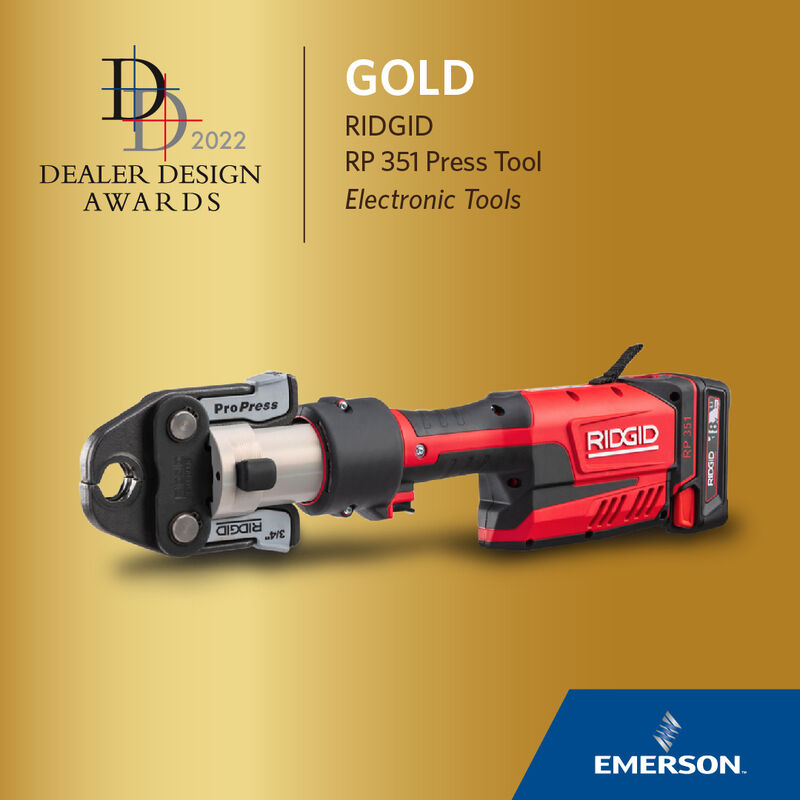
RIDGID RP 351 Press Tool Wins Award!
The Dealer Design Awards by ACHR NEWS recognise products used by professional contractors with features that assist in installation, maintenance, and service of installed products to the HVACR industry. RIDGID is honoured to have been awarded a Gold Dealer Design Award for the RP 351 Press Tool 🥇
The RP 351 Inline Design Press Tool is designed for speed and continued operation in the most confined spaces. Optimally balanced for one-handed use and reduced jobsite fatigue. Driven by the new RIDGID Brushless Motor Technology, RP 351 reaches over 100,000 press cycles and requires no scheduled maintenance.
STRUTSLAYR, The Strongest & Most Powerful Strut Channel Cutter – the first mobile-dedicated strut tool on the market, creates clean, square strut cuts free from chips and burrs with a single pull of the trigger, and in five seconds or less.
Compatible with RIDGID 32kN press tools*, the STRUTSLAYR strut cutter offers reduced risk sparking when compared to grinders and chop saws and still manages to produce a clean, consistent cut just by pulling the trigger.
A day in The Life Of An Electrical Engineer
STRATA, specialists in Arc Flash Clothing & Protection Kits, have been working behind the scenes, connecting and collaborating with their client base to create brand new content series that highlights the raw activities that go on each day within the Energy Sector.
They are proud to officially launch their new STRATA® Protection Series with ‘The Day in the Life of an Electrical Engineer’ in collaboration with Anesco Ltd.
Meet Gheorghe. Gheorghe works at Anesco as a High Voltage Appointed Person and Technician on solar farms and battery energy storages. Watch as we follow Gheorghe across the solar wind farm and see how a faulty inverter is replaced and much more.
Thorne & Derrick understand how critical it is to have reliable, highest quality personal protection equipment (PPE), clothing and workwear available from stock at competitive prices – protecting utility workers against arc flash dangers posed during maintenance on underground electric cables, overhead line conductors or electrical equipment.
Technical Tip
LIGHT UP ANY SITUATION WITH A PRACTICAL SOLUTION
The CEMBRE CBLIGHT (CBL)series offers a complete range of LED lights: highly practical and functional torches, lamps and portable spotlights.
Compact and easy to use, the CBLIGHT series lights are a practical solution in any situation where quick and efficient wireless lighting is required.
The range consists of COMPACT, PORTABLE, FLOOR AND TABLE TOP devices:
EFFICIENT, COB (chip on board) LED technology
BRIGHT, 150-3000 lumens
LOW CONSUMPTION, from 2.5-10h battery life and high energy rating
ERGONOMIC and lightweight, bi-component plastic handles
PRACTICAL, double light point, with adjustable magnetic support and built in suspension hook
ALWAYS READY with wireless charging
FUNCTIONAL as a power bank
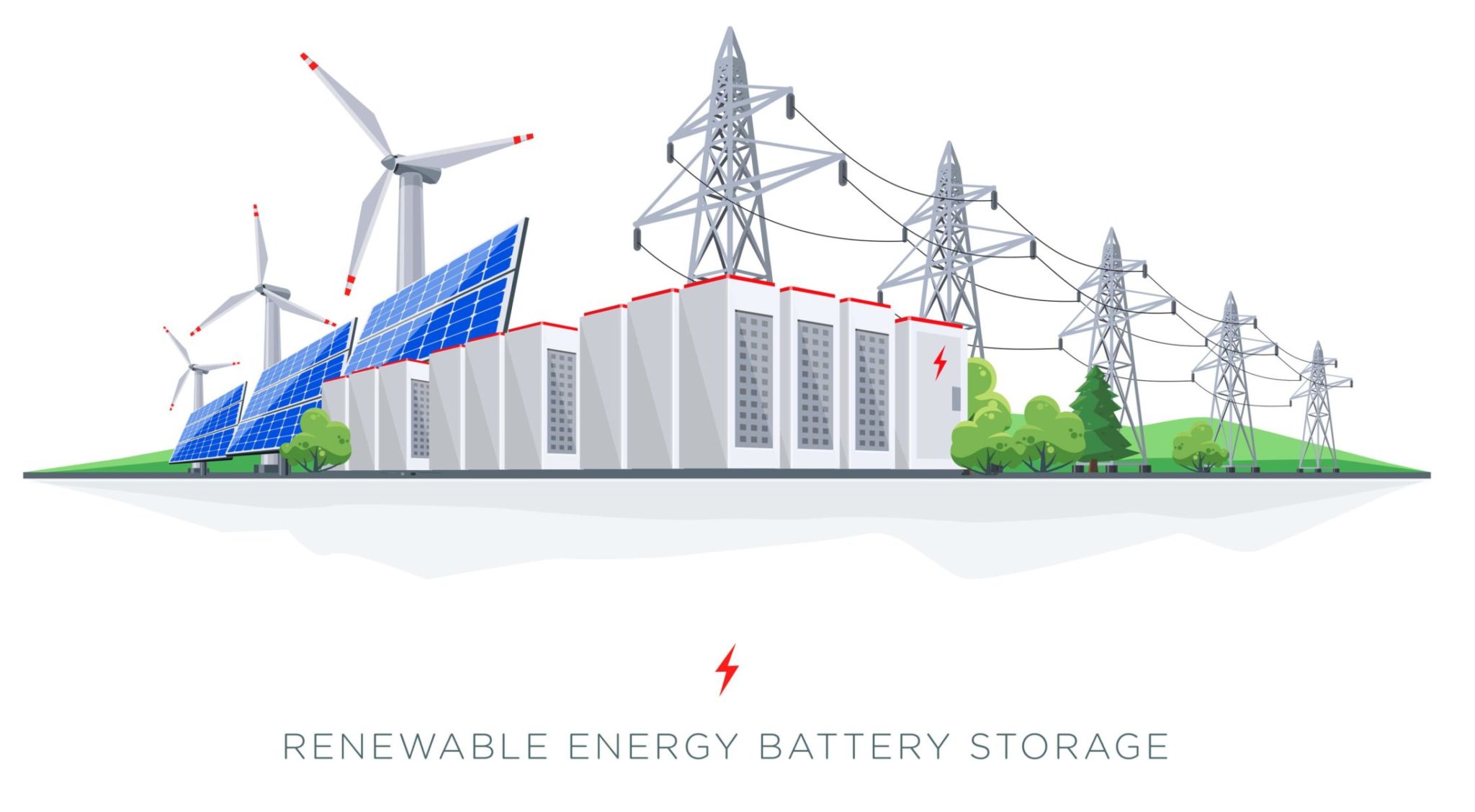
SECTOR SPOTLIGHT | BATTERY STORAGE
Thorne & Derrick, Specialist UK Distributors of LV HV Jointing, Earthing, Substation & Electrical Eqpt up to 66kV,provide expert technical specification, customer support and product supply from stock of an extensive range ofHazardous Area Electrical Equipment– this includes Power, Heating & Lightingproducts with ATEX Certification for installation in Substation Battery Rooms.
♦ Lighting – T&D can provide lighting designs to ensure lux levels are achieved in line with regulations, fittings are located correctly and meet certification requirements – we provide a comprehensive hazardous area lighting system design service.
♦ Heating – T&D can provide battery room heat loss calculations to ensure the correct heaters are specified and meet ATEX certification requirements to provide adequate comfort heating to the substation.
♦ Power – T&D can specify and supply from stocks Joints & Terminations for the connection and energisation of high voltage power cables to switchgear and transformers up to 66kV.
Pictured| Stocked by Thorne & Derrick, the SPARTAN WL168 Zone 2 Intelligent Emergency Linear Luminaires improve light levels on this substation battery room site. On this project, the lighting brief was to replace x 4 existing 2x58W fluorescent Zone 2 fittings. The customer originally requested 5ft LED Linear alternatives, but due to SPARTAN’s high lumen output and unique modular design – which would make any ongoing maintenance quick and easy – SPARTAN WL168 provided the ideal solution. Discuss your requirements with us.
Thorne & Derrick distribute the most extensive range of Low & High Voltage Cable Installation & Electrical Distribution Equipment to the Power Transmission & Distribution industry in the onshore and offshore wind, solar, rail, oil/gas, data centre, battery storage and utility sectors – this includes Joints, Terminations & Connectors to enable the installation of low, medium and high voltage power cables into underground trench or duct.
Main UK Stockists for: 3M Electrical, PFISTERER Connex, Nexans Power Cable Accessories (Euromold), Alroc, Ellis Patents, ABB, Roxtec, Cembre & CATU Electrical.
CEMBRE CBLIGHT
Cembre is a leading European manufacturer of electrical connectors, crimping tools, cutting tools and a variety of accessories for LV (Low Voltage), MV (Medium Voltage) and HV (High Voltage) power systems. Designed for switchgear and control panels, Cembre tools are ideal for installing low and medium voltage connectors.
The CEMBRE CBLIGHT (CBL) series offers a complete range of LED lights: highly practical and functional torches, lamps and portable spotlights.
Compact and easy to use, the CBLIGHT series lights, manufactured by Cembre, are a practical solution in any situation where quick and efficient wireless lighting is required.
The magnetic supports make CBLights useful for all outdoor activities, on construction sites and in emergency situations, ideal in the car, at home or in the office.
The built-in rechargeable battery guarantees durability and low consumption thanks to lithium polymer cells (Li-POLY), more advantageous than traditional lithium-ion (Li-ION) cells.
The high IP protection combined with the solid shockproof and non-slip rubber construction make the CBL series extremely robust and safe.
Min operating temperature range – 14 °F
Max operating temperature range – 104 °F
CEMBRE CBLIGHT (CBL) Range
WHY CHOOSE CEMBRE CBLIGHT?
The range consists of Compact, Portable, Floor & Table and Table Top devices.
EFFICIENT, COB (chip on board) LED technology
BRIGHT, 150-3000 lumens
LOW CONSUMPTION, from 2.5-10h battery life and high energy rating
ERGONOMIC and lightweight, bi-component plastic handles
PRACTICAL, double light point, with adjustable magnetic support and built in suspension hook
ALWAYS READY with wireless charging
FUNCTIONAL as a power bank
CBL01 POCKET TORCH
The handy Cembre CBL01 torch is the size of a pen and is equipped with a double light point to illuminate small work areas. The side light allows you to illuminate the area while leaving it in your pocket, while the front light allows you to inspect less accessible areas. The clip is equipped with a magnet allowing it to be attached to any metal surface, freeing the operator’s hands. Supplied with USB charging cable.
Ideal for any indoor or outdoor activity requiring localised lighting and freedom of action, the Cembre CBL02-W head torch is equipped with a touch sensor allowing operation even whilst wearing gloves. The light intensity can be modulated via the dimmer function helping to preserve battery life. The CBL02-W is a versatile head torch adjustable by means of an elastic band to fit work helmets of various sizes. Supplied with USB charging cable and charger.
CBL02-W HEAD TORCH
CBL03-W MULTIPURPOSE LAMP
The Cembre CBL03-W multi-purpose lamp is a mini-lamp that can be used on a table or hung on metal surfaces thanks to the handy magnet or the suspension hook. It is equipped with an ergonomic non-slip handle to make it easy to use. The 2 light points with dimmer function allow you to modulate the intensity and battery life as needed. The compact design makes it ideal as a pocket lamp for storage in a jacket pocket or work trousers. Supplied with USB charging cable and charger.
The most versatile of the family is the Cembre CBL04-W, which has a double light point, 2 dimmable light intensities, a rotatable and foldable stem and allows ideal lighting in all conditions. The double magnetic support and the suspension hook allow the lamp to be secured anywhere with ease. Designed to be easy to carry in a bag or trouser pocket whilst also offering excellent battery life and low weight portability. The compact design ensures the CBL04-W is the ideal solution for inspecting difficult to reach areas. Supplied with USB charging cable and charger.
CBL04-W SPACE-SAVING FLOOR LAMP
CBL05-W PORTABLE LAMP
An ergonomic bi-component plastic handle makes the Cembre CBL05-W the most comfortable and robust lamp in the series, particularly suited to lengthy inspection work. Featuring two light points, dimmer function and a long battery life. Equipped with magnetic table support with retractable suspension hook. Supplied with USB charging cable and charger.
The Cembre CBL06 portable spotlight meets the requirement of those who need to illuminate small-medium work environments. The magnetic table mount allows the spotlight to be secured to metal surfaces. The power bank function allows small devices to be charged via the USB output, useful for emergency situations. Supplied with USB charging cable and charger.
CBL06 PORTABLE SPOTLIGHT FOR SMALL-MEDIUM WORK ENVIRONMENTS
CBL07 PORTABLE SPOTLIGHT FOR LARGE WORK ENVIRONMENTS
The diffused light emitted by the Cembre CBL07 spotlight enables the illumination of large areas. Light, practical and sturdy, this spotlight is quick to install. The power bank function allows small devices to be charged via the USB output, useful for emergency situations. Supplied with charger.
The Cembre BCB1-W and BCB2-W charging bases make it possible to keep the lamps fully charged meaning they are always ready for use. The magnetic construction allows quick attachment to metal surfaces along with holding the lamps in place during charging. The BCB1-W single base is designed to recharge a single lamp. The BCB2-W allows 2 lamps to be charged at the same time. Supplied with USB charging cable and charger.
BCB1-W / BCB2-W WIRELESS CHARGING BASES
Cembre CBLIGHT Technical Data
Part Number
Lumen Front/ Flashlight
Duration Front/ Flashlight
Charging Method
Degree of Protection
Body Material
Lamp Material
Dimesions mm
Weight g
CBL01
150 / 70
2,5 / 3,5 h
USB
IP20
ABS
PC
160 x 15 x 20
38
CBL02-W
400 / 80
3 / 5 h
USB / Wireless
IP54
ABS+PC
PC
78 x 39 x 36
105
CBL03-W
300 / 100
3 / 6 h
USB / Wireless
IP65
ABS
PC
133 x 68 x 25
190
CBL04-W
600 / 100
2,5 / 8 h
USB / Wireless
IP54
ABS
PC
175 (325 max)
x 44 x 38
246
CBL05-W
600 / 100
2.5 / 10 h
USB / Wireless
IP65
PC
PC
205 x 55 x 40
300
CBL06
2000
3,5 / 7 h
USB
IP65
ABS
PC
195 x 125 x 48
800
CBL07
3000 / 1500
3 / 6 h
Power Plug
IP65
ABS
PC
277 x 213 x 86
1400
BCB1-W
–
–
USB / Wireless
IP20
ABS
–
105 x 106 x 18 (single)
190
BCB2-W
–
–
USB / Wireless
IP20
ABS
–
202 x 106 x 18 (double)
270
Contact Thorne & Derrick for more information.
THORNE & DERRICK
T&D are Specialist Distributors ofLV MV HV Cable Installation, Jointing, Substation & Electrical Equipment – we supply companies in the onshore and offshore wind, solar, rail, oil/gas, data centre, battery storage and utility sectors with products to enable the energisation, operation and maintenance of underground cables and overhead lines.
Compound Box Filling Compound end boxes rarely get attention — until one fails. Across ageing networks, replacement of compound-filled end boxes is becoming more frequent, particularly where original insulation systems have deteriorated and air insulation is not practical because...
Nexans 240–300mm² Multi-Joint – Medium Voltage Cable Joint Installation Medium voltage cable jointing requires reliability, consistency and safe installation practices. The Nexans 240–300mm² Multi-Joint is designed to simplify medium voltage jointing while maintaining high electrical performance for demanding power...