Earlier this year the UK government unveiled a total phase-out plan for coal-fired power plants. No big gasp there – cast your mind back to April 22nd 2017.
On that monumental date forever etched into the memories of energy analysts from Black Thunder to Kamuthi, Britain went 24 hours without turning on its coal-fired power stations for the first time in more than 130 years.
The share of power from the fossil fuel fell to zero for the first time since 1882 – the UK will be 100% coal-free by 2025.
King Coal has been unthroned and the new Clean & Green monarchs of UK Power have been coronated – bucket-wheel excavators please make way for the nacelle.
So welcome to the 21st Century – we are going greener faster with low carbon energy including wind and solar power generation overtaking both fossil-fuel and nuclear in the UK electricity source mix.
Despite this the engineering challenges facing Humankind of building, operating and maintaining LV HV power system infrastructures remain.
Without power distributed by electrical cables the wind turbine blades would stand as still as the motionless mine shuttle car.
Their common enemy is withdrawal of safe and reliable power distribution and this depends upon the integrity of electrical power and the monitoring and maintenance of cable condition and ensuring service is not disrupted by cable failure – the early warning system of potential looming power problems is the Cable Sheath or Jacket.
The cable sheath is the first line of moisture, mechanical, flame, fire, hydrocarbon and chemical defence for any cable – whether LV (low voltage), MV(medium voltage) or HV(high voltage), onshore or offshore, underground or overground.
Cable damage to the outer sheath is commonplace for aged or newly installed cables – whether unavoidable during normal service life or accidental strike by 3rd party.
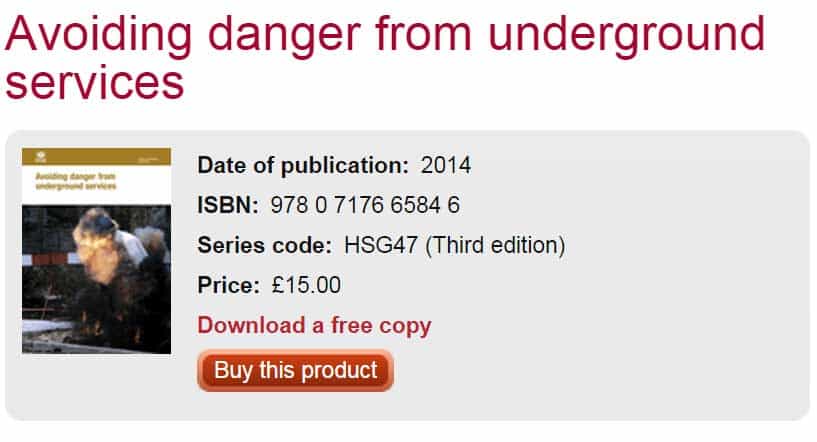
Cable strikes are generally caused by non adherence to HSG47 while excavating underground cables with digging machines such as JCB, track machine or mini excavator.
Multi-disciplined contractors failing to observe the separation between underground utilities (electrical cables, gas or water pipes) often leads to cable strike. Moling devices set in the direction of underground electricity cables (often waveform or PILC main cables) not only leads to loss of electricity supply but also serious injuries.
Failure to maintain and observe accurate cable records during utility upgrades such as installing drainage apparatus further impacts upon cable damage. In conclusion, most utility LV cable strikes could be avoided if strict adherence to HSG47 is implemented.
LV Power Cable Strike Caused By Excavator – highlights dangers of using mini excavator in close proximity to a low voltage cable. Image : Scottish Power Energy Networks (SPEN).
Purchase HSE HSG47 Avoiding Danger From Underground Services
Cables are often damaged during the cable pulling process as cable sheathing is vulnerable to “snagging” damage from cable containment – where cables are being pulled into underground cable trenches the cable sheath can be damaged by surface abrasion from stones and rocks.
Cable Repair Solution
However damaged cable sheaths and jackets can be repaired and re-instated on site using heat shrink cable repair sleeves – watch the following video to learn the step-by-step process for reinstating insulation and protection to repair damaged cables and sheaths.
Video : HellermannTyton RMS – Cable Repairs Sleeve For Damaged Cable
Hellermann Tyton Cable Repair RMS : Features & Benefits
Fast, moisture proof and permanent repair of cable jackets and sheath LV MV HV
Only 6 sizes for a wide range of cable diameters from 15 mm up to 160 mm
Available in 4 standard lengths and also available in custom lengths of heat shrink
RMS kit is ready for use with instruction sheet, abrasive strip and cable cleaner
Weather resistant and halogen free cable repairs
TCP spots indicate the repair sleeve has been sufficiently heated
Hellermann Tyton RMS cable repair sleeves suit cable sheath outside diameters from 15-160mm. The wrap around sleeves are a fast, labour saving and permanent cable repair and water-tight sealing system – this includes repairing damage to the cable sheaths and jackets of LV MV HV cables.
The sleeve is simply wrapped around the cable and held in place using a rail and steel channel closure to provide a quick and inexpensive repair to in-stu damaged cables – cable repair sleeves are especially useful for repair of long and buried cables where it would be difficult or impossible to use a heat shrink tubing.
The wrap-around design (“lay-flat”) of the cable repair sleeve enables mid-span or mid-circuit repairs without resort to disconnecting the remote end of cable circuit at the cable termination point and cable gland location.
Heating by a gas torch will shrink the repair sleeve and melt the adhesive inner coating resulting in a moisture-proof, insulating and tight-fitting repair. The cable sheath repair will be permanent and waterproof.
Damage to the red cable sheaths of 11kV high voltage power cables can be made quick and fast – cable sheaths can be further degraded due to exposure to gases and emissions from diesel generator exhaust systems and this can be averted by heat shrink sleeve repair.
Wrap heat shrink sleeve around the damaged cable.Install the steel closure channel over the raised profiles of the sleeve and centre the heat shrink sleeve over the damaged area before applying heat
➡ Some Installation Tips When Repairing Damaged Cables
to ensure excellent sealing of the heat shrink onto the cable jacket use abrasive cloth strip to roughen the cable sheath jacket
wrap heat shrink sleeve around the cable and install the steel closure channel over the raised profiles of the heat shrink sleeve and centre the repair sleeve over the cable damage section
use yellow flame tip of a suitable heat shrink propane torch – start heating the metal channel area first for about half a minute
start heat shrinking the sleeve at the centre working the flame around all sides of the cable sleeve to apply uniform heat.
keep heating flame moving consistently to avoid scorching cable – after the centre part has shrunk work the torch to one end of the heat shrink sleeve then to the opposite end
when selecting cable repair sleeves choose the sleeve length so that the cable next to the damaged area is covered by at least 40mm of heat shrink sleeve length
Heat Shrink Cable Repair Sleeves For Damaged Cables
Cable repair kits are commonly used to repair offshore cables and prevent corrosion effects to steel wire braided or wire armoured cables which can rust rapidly in humid conditions and accelerate with exposure to salt water atmosphere, splash or immersion.
Flexible and trailing cables for ROV equipment and offshore pump systems can be spliced, jointed or repaired using 3M Scotchcast submersible cable joints which are flexible, flame retardant with seawater resistant resins compatible with EPR, neoprene, hypalon, PVC and nitrile cable sheaths.
There is direct causation between the type of cable maintenance approach and unplanned downtime.
Careful monitoring of cable condition carves down unplanned downtime whether onshore or offshore – the predictive maintenance approach is better than routine or preventative maintenance and this trumps the reactive PANIC as a result of “sit back and wait”.
Offshore cables are exposed to extreme and continuous operating environments – this includes temperature extremes, mechanical stress, gassy chemicals, hydrocarbons, drilling mud and seawater atmospheres. Not to mention the Weather…..
…..and what about potentially explosive atmospheres where “hot-working” is precluded. Heat shrink cable repairs cannot be safely effected in the presence of naked flames and flammable gases.
In this instance you can benefit from reading our earlier Blog about repairing and jointing cables in hazardous areas as defined by the ATEX Directive.
Down well hole extraction systems are vital to crude oil production.
The reliability of electrical down well pump systems is directly dependent on the performance of the electrical power supply and cable integrity through to the wellhead, power cable, cable joint, termination and related equipment such as the pump and motor.
Unplanned downtime of essential assets caused by offshore power outages in the oil and gas sector as the result of maintenance oversight requires rapid intervention and power restoration at the lowest possible cost.
Financial hits to the bottom line as a result of cable outage inflicted by failure to repair damaged cables include the repair cost (calculable) as well as those consequential and often hidden costs associated with lost or deferred productions (often incalculable).
Heat shrink cable repair sleeves provide a low-cost, simple to install and use solution to damaged cable problems.
If electrical power is the lifeblood of an offshore platform then the cable must be the main artery.
If neglected overtime damaged cables lead to cable failure.
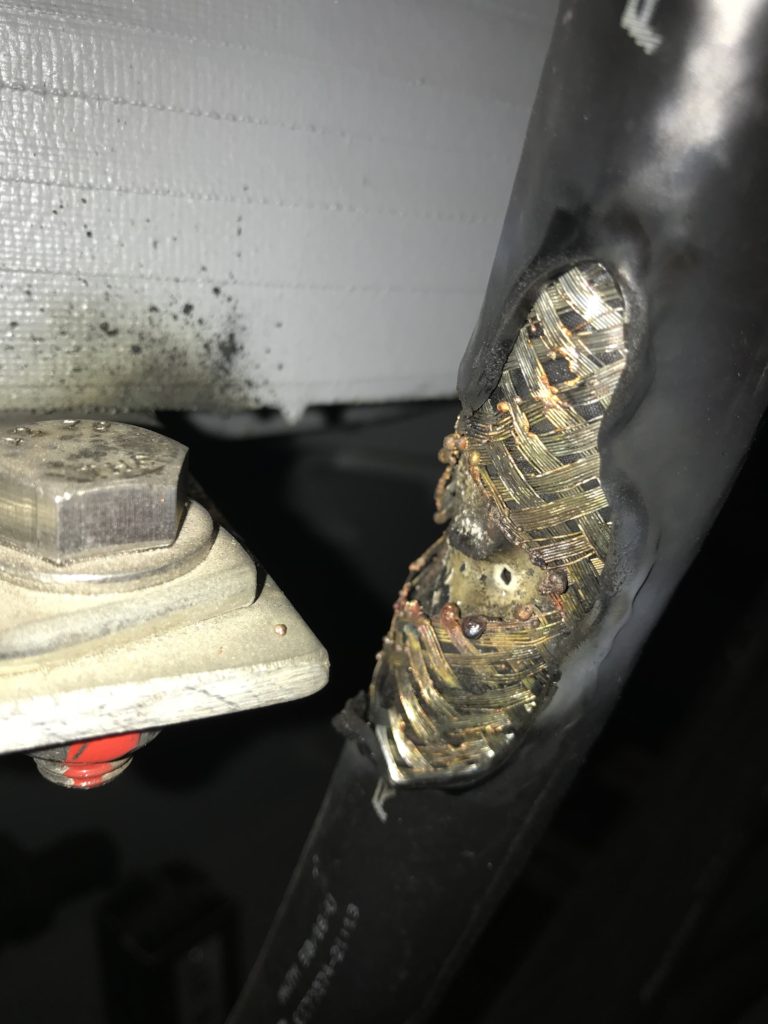
Here abrasion damage has been inflicted to the MV power cable sheath exposing the wire braid in an offshore transformer and is need of urgent cable repair or re-jointing.
Repair Or Replace Cable?
Answering the Cost Conundrum
Nose-diving global oil prices inevitably places downward pressure on operating margins and in turn operators dictate that maintenance work is conducted at the lowest possible cost.
The Big Conversation between North Sea operators, national regulators and industry experts in recent years has been consumed by a trend for declining production efficiency, lost revenues and questions over the long-term sustainability of oil and gas operations as costs continue to rise in one of the world’s most mature offshore regions.
Preventative maintenance would usually detect “wear and tear” on cable installations and depending on condition would be replaced, repaired or in worst cases scenarios jointed.
The hardening trend towards “cost-cutting” often delivers a patch-up repair in pocket areas of cable degradation and not scaled to complete circuits as part of a more holistic concept of cable care and repair.
Oil prices fell almost 50% between 2015 and 2014, averaging $52 per barrel in 2015 compared to $99 in 2014, according to the Energy Information Administration.
In 2015 US benchmark West Texas Intermediate (WTI) ended July on its biggest monthly fall since the 2008 financial crisis during July.
West Texas Intermediate (WTI), also known as Texas light sweet, is a grade of crude oil used as a benchmark in oil pricing.
How Much Does Downtime Cost
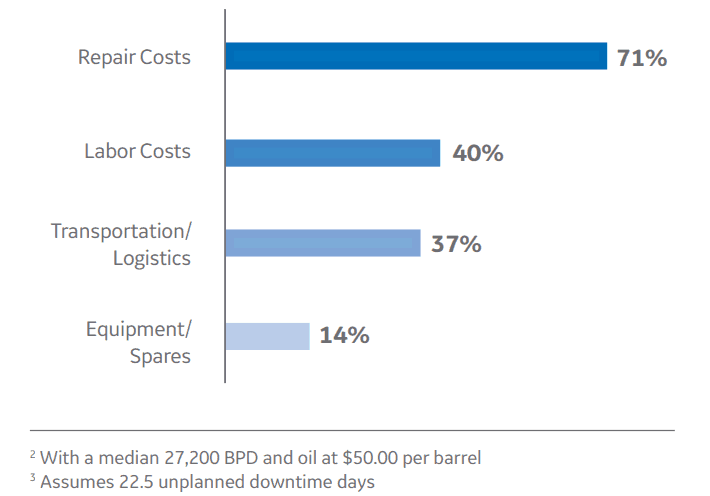
According to a recent report by GE Oil & Gas “The Impact of Digital on Unplanned Downtime” the major costs linked to unplanned downtime are shown below- the report informed “when looking at repair costs, the typical offshore oil and gas field worldwide most often incurs expenses resulting from unplanned downtime in the areas of repair costs (71%), followed by labour costs (40%) and transportation/logistics (37%).
Offshore high voltage cables (5kV ESP Cable) requiring outer sheath repair to damage caused by abrasion contact with adjacent pipe supports. The cables feed the platforms Electrical Submersible Pumps. Image : Statoil.
Damaged green cable duct and Virgin Media cables from the street cabinet feeder pillars.
Should you require any assistance with the jointing, termination or repair of power LV-HV cables please do not hesitate to contact us to discuss your application.
T&D distribute the most extensive range of LV, MV & HV Cable Jointing, Terminating, Pulling & Installation Equipment – we service UK and international clients working on underground cables, overhead lines, substations and electrical construction at LV, 11kV, 33kV and EHV transmission and distribution voltages.
uploaded by Chris Dodds - Thorne & Derrick Sales & Marketing Manager
Cable abandonment kits can be supplied for medium/high voltage cables if the cables are left in the ground but aren’t energised. From the outside, they look similar to live pot end kits, but internally, the phase or phases are connected to earth so that if a voltage is applied to the cables by mistake, an immediate earth fault occurs which trips the circuit breaker.
Please Note: The following Jointing Instructions should be used by a trained competent cable jointer only – contact us to discuss the availability of Cable Jointer Training Courses.
A Jointers gas torch is preferred method for heat shrinking these materials making sure all tubes and materials are kept clean, dry and are free from dust, sand or grease.
In the following post we reproduce the Cable Abandonment Kit installation instruction – should you have any questions or queries please do not hesitate to contact us.
Abandonment kits can be kitted from stock using heat shrink tubes to suit 11kV/33kV medium and high voltage cables with polyermic (XLPE EPR) or paper insulation (PILC) – single or 3 core cables accommodated with wire armour (SWA AWA), wire braid (PBSB GSWB) and lead cover sheaths.
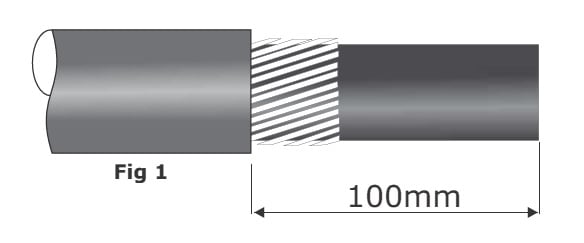
1. Remove the outer cable jacket using appropriate sheath stripping tools and expose approximately 100mm of the inner cable bedding with the cable cores beneath.
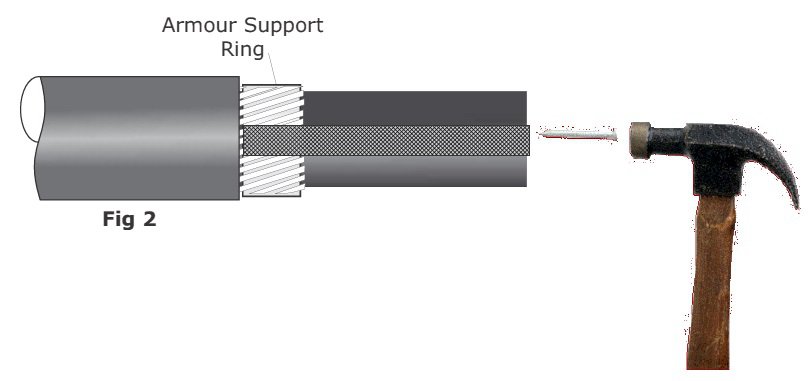
2. If cable is armoured (SWA) or has a braid screen, expose the cable armour wires or screen to the length of the armour support ring. Fit the support ring as shown in Fig 2.
3.As shown in Fig 2, position the copper earth braid upon each conductor and hammer a nail through the braid so that it is held securely in place. Do this on each core with the same copper earth braid.
Note: if solid aluminium conductor, remove some insulation on each core and use the copper mesh supplied to wrap around the MV HV cable conductors before taking this back to the armour wires.
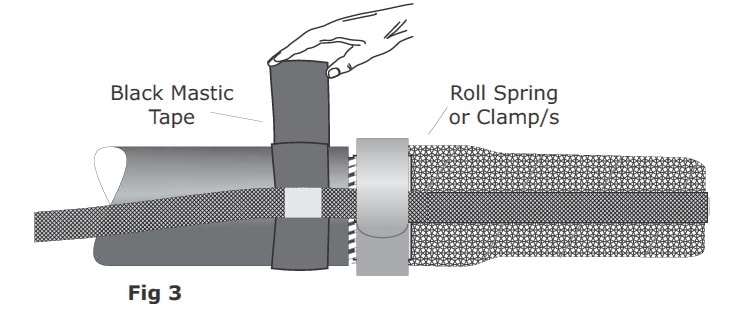
4. Wrap copper mesh all around the cable and secure along with the earth braid to the armour wires/braid screen with the worm drive clamp or constant force roll spring supplied as shown above in Fig 3. Apply black mastic tape over any sharp points.
Note:if non armoured cable and if specified, the cable abandonment kit can be supplied with a copper strap to bond to earth externally. Position the solder block on a turn of mastic tape and apply a further turn of tape as shown above in Fig 3.
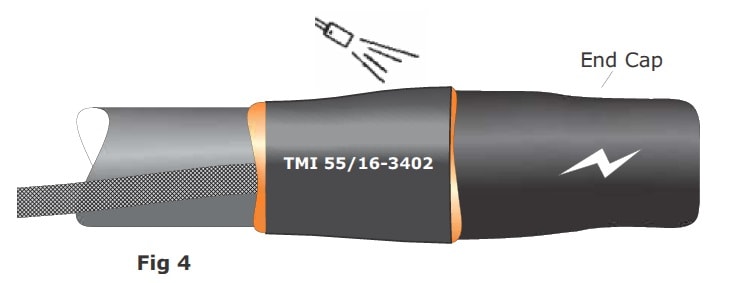
5.Position the heatshrink end cap over the cable and using a suitable heat source, heat shrink the cap into position.
If the cap does not cover the exposed earthing, position the additional heat shrink tube and shrink so that it overlaps onto the outer cable sheath and onto the cable end cap.
Note: clean and abrade the outer cable jacket before fitting.
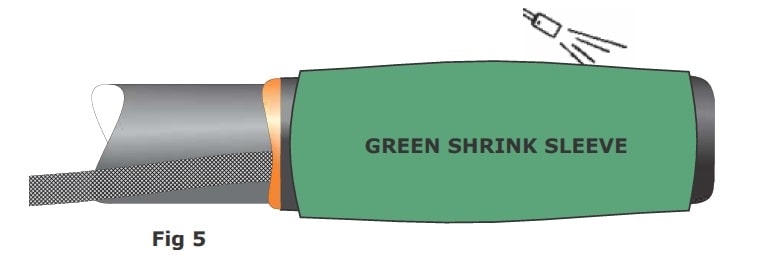
6.Additional green heatshrink sleeve can be supplied to fit onto the outside of the cable abandonment kit to comply with DNO specifications. Trim before fitting if necessary.
Low Voltage Cable Abandonment Using 3M Cold Shrink
For the abandonment of LV power and instrumentation cables located both onshore and offshore we can recommend 3M Cold Shrink cable abandonment kits.
THORNE & DERRICK are national distributors MV & HV Cable Jointing, Substation Earthing & Cable Installations – we service UK and global businesses involved in cable installations, cable jointing, substation, overhead line and electrical construction at LV, 11kV, 33kV and EHV.
LV Cable Accessory Distributors
T&D stock and supply cable accessories to Cable Cleat, Gland, Joint & Terminate armoured/unarmoured multicore (SWA) or single core (AWA) power cables into low and high voltage substations – the LV cable installation accessories support electricity distribution to main distribution switchgear, sub-distribution boards and transformers.
The following article confirms the current types and manufacturers brands of Separable Connectors that are approved to terminate medium/high voltage cables (11kV/12kV up to 24kV) into Ring Main Unit switchgear for application with Eaton Xiria 12kV/24kV medium voltage distribution networks.
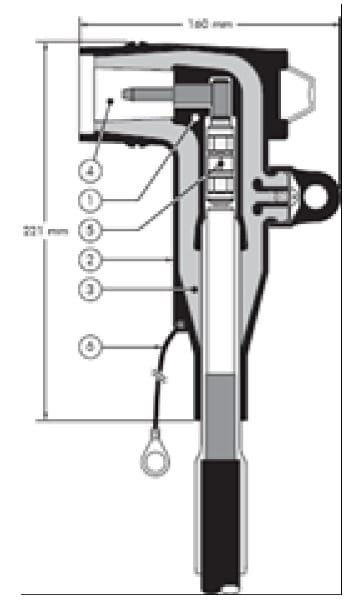
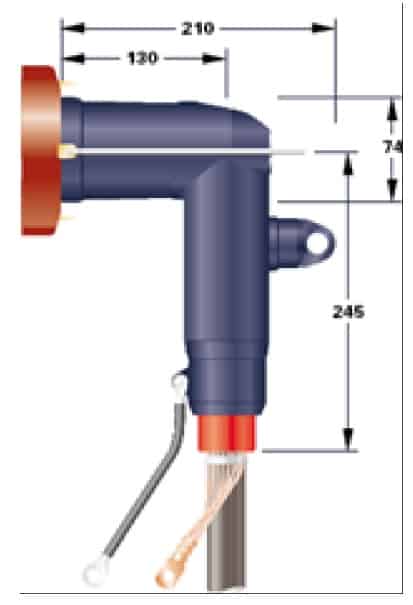
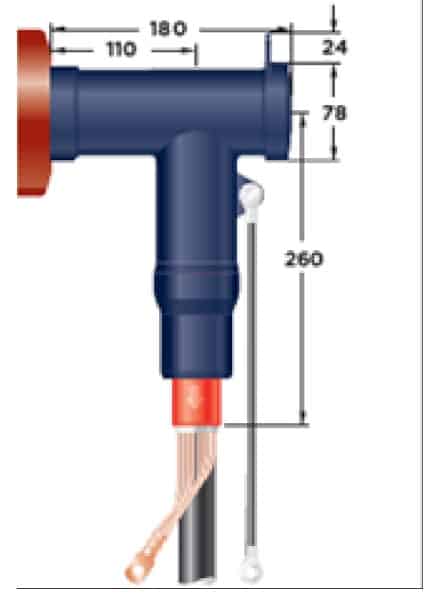
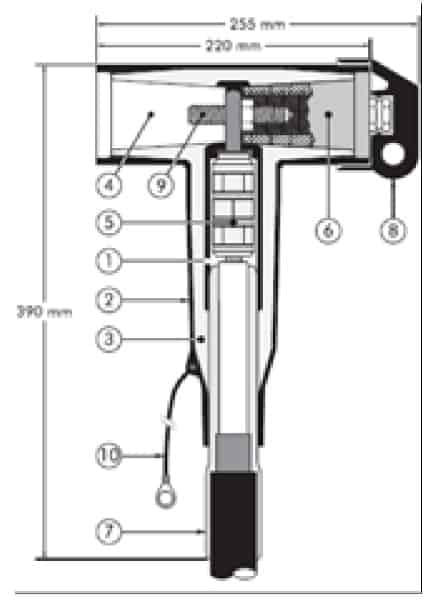
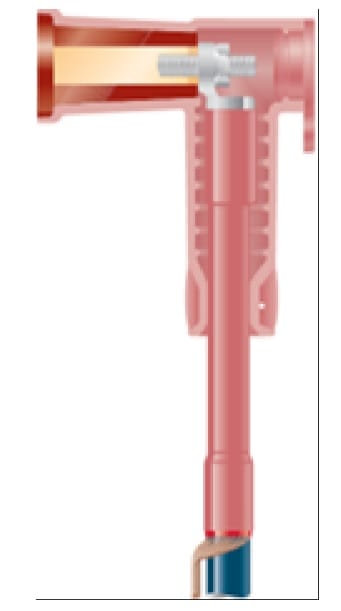
Separable connectors manufactured by Nexans Euromold are moulded from high quality EPDM rubber, fully insulated and sealed, widely installed onto medium/high voltage pad-mounted switchgear, transformers, sectionalising cabinets and used to terminate MV cables into switchgear up to 24kV.
Separable Connectors
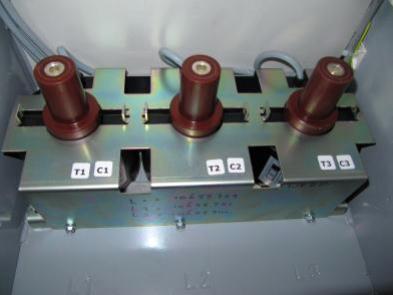
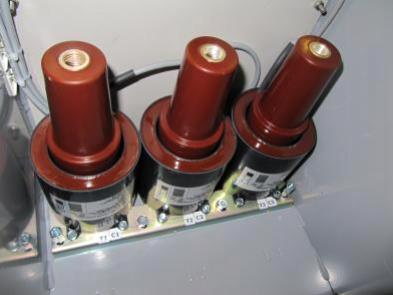
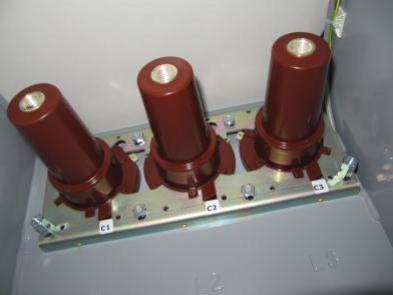
The MV switchgear manufactured by Eaton is provided with epoxy resin cable bushings or cones according to EN 50181 – the following types of separable connectors are manufacturer approved and compatible with their switchgear.
Cables are Polymeric Insulated XLPE type usually with operating voltages of 11kV/12kV up to 24kV
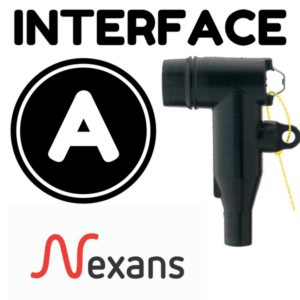
Interface A Circuit-breaker 200A including current transformers
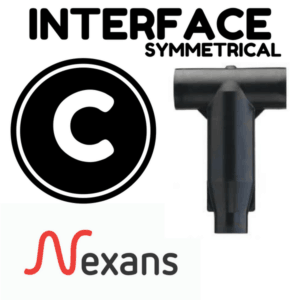
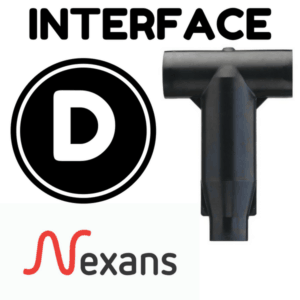
Interface C Circuit-breaker 500A including current transformers
Interface C Load-break switch 630A without current transformers
MV Cable connectors & Terminations
Cable connectors are not included with the switchgear and should be ordered seperately.
For 24kV connections separable connectors with an earthed layer on the outside must be used, for 12kV connections connectors without an earthed layer might be used also.
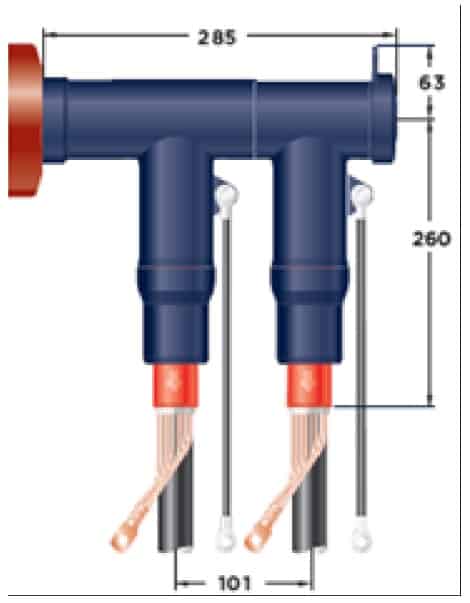
Both types of separable connectors may not exceed certain dimensions to avoid incompatibility of the MV connector with the switchgear panel.
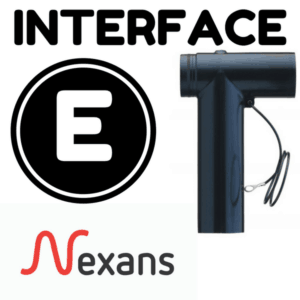
The interface bushings or switchgear cones in the Eaton medium voltage system are according to EN 50181. They can be of the Interface A (250A design, panel rating 200A) and Interface C (630A).
For connection of MV-HV cables into air insulated equipment or cable-end boxes we can provide a complete range of heat shrink cable terminations or for working on switchgear located in potentially explosive atmospheres such as offshore oil and gas platforms where it is not possible to use heat shrink type kits a cold shrink termination can be provided.
Full supporting range of MV-HV cable connectors to enable the termination and connection of copper or aluminium conductors onto busbar are available also from stock.
Euromold Type K158LR Xiria Circuit Breaker Outer Cone Type Interface A 200A Bushing
Euromold Type K430TB Xiria Circuit Breaker Outer Cone Interface Type C 500A Bushing
Tyco Type RSES Xiria Circuit Breaker Outer Cone Inerface Type A 200A Bushing
Tyco Type RSTI58 Xiria Load Break Switch Outer Cone Interface Type C 630A Bushing
Euromold Type K400TB Xiria Load Break Switch Outer Cone Interface Type C 630A Bushing
Tyco RSTICC58 Xiria Circuit Breaker Outer Cone Interface Type C 500A Bushing with double cable for metering (one primary cable and one cable for a voltage transformer)
Tyco Type RICS Xiria Load Break Switch Outer Cone Interface Type C 630A Bushing
Euromold
The Euromold range of Separable Connectors are suitable for the termination of power cables onto all MV-HV bushing interfaces:
THORNE & DERRICK are national distributors LV, MV & HV Cable Installation, Jointing, Substation & Electrical Equipment – we service UK and global businesses involved in cable installations, cable jointing, substation, overhead line and electrical construction at LV, 11kV, 33kV and EHV.
Since 1985, T&D have established an international reputation based on SERVICE | INTEGRITY | TRUST.
Thorne & Derrick invite you to join LinkedIn’s largest LV-HV Electrical Discussion Group : Low & High Voltage Power, Cabling, Jointing & Electricals. Discussion subjects include cable installations, earthing, cable jointing, substation, overhead line and electrical construction at LV, 11kV, 33kV and EHV. Network, engage and promote your profile, company or products with over 10,000 influencers.
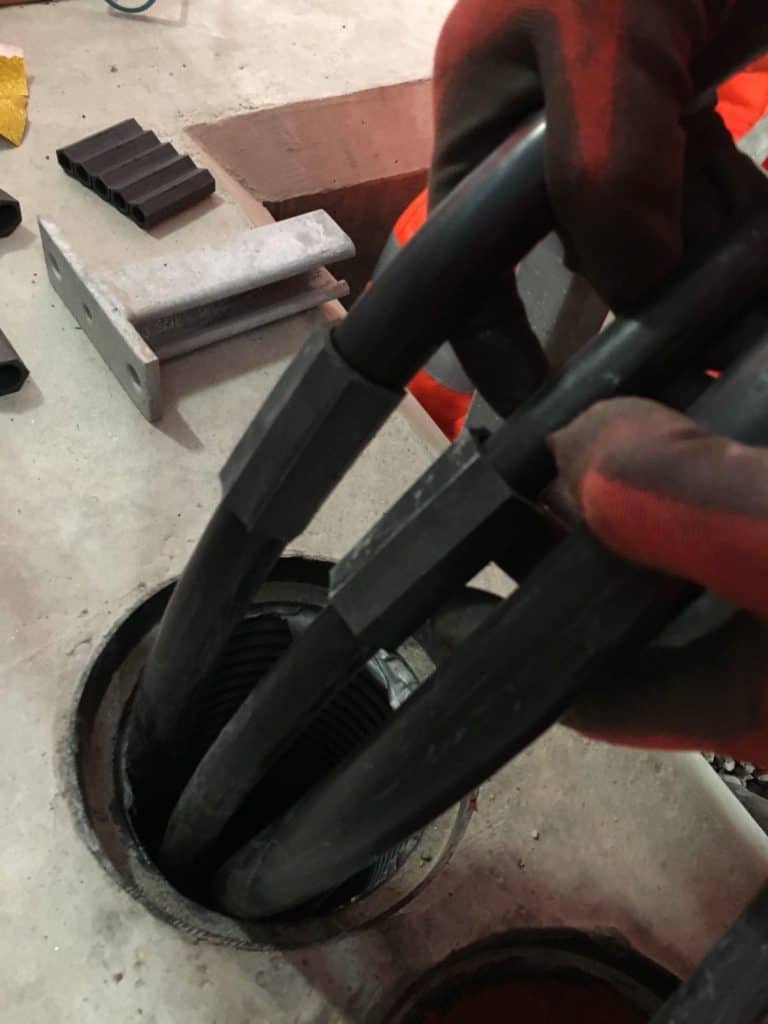
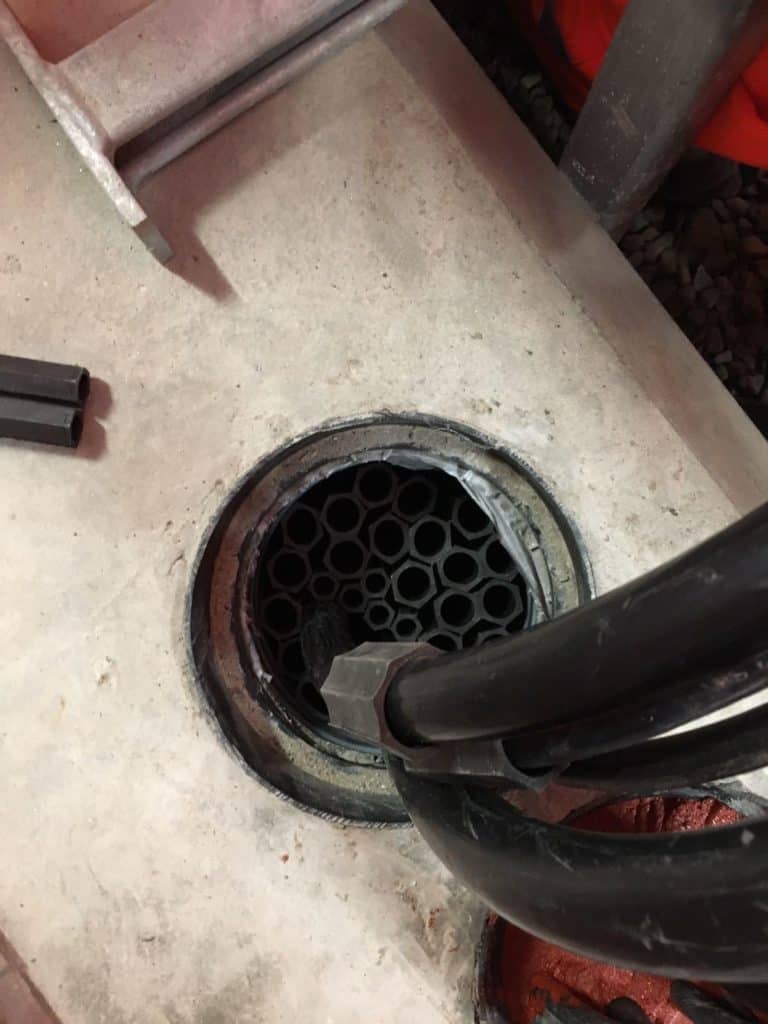
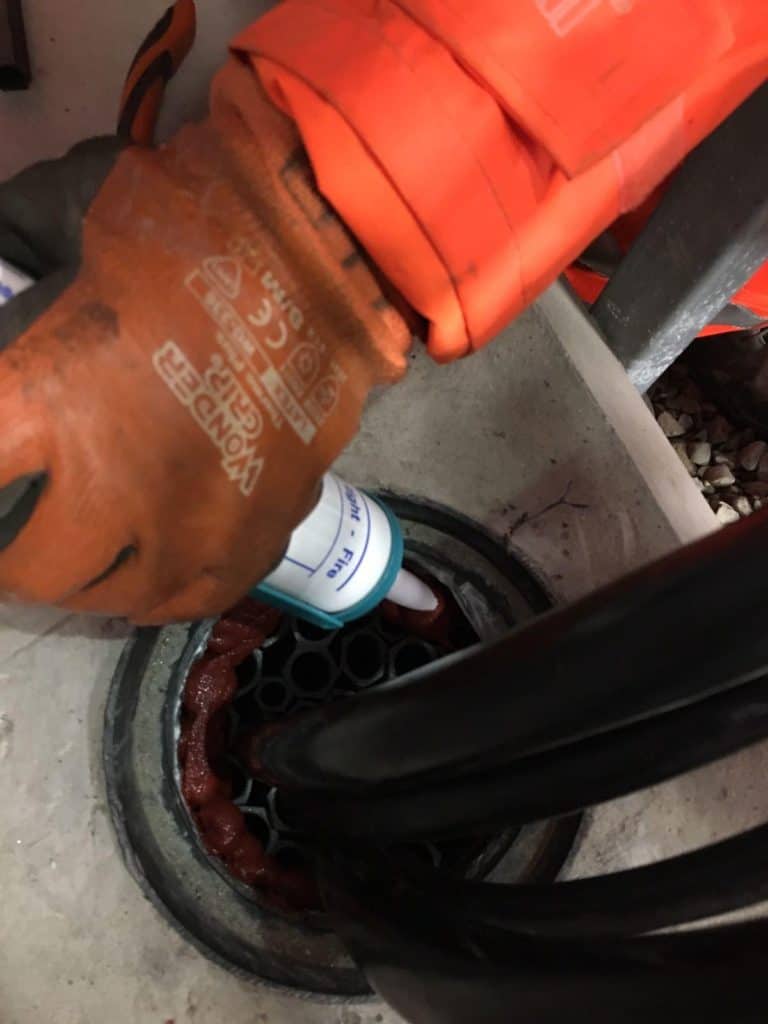
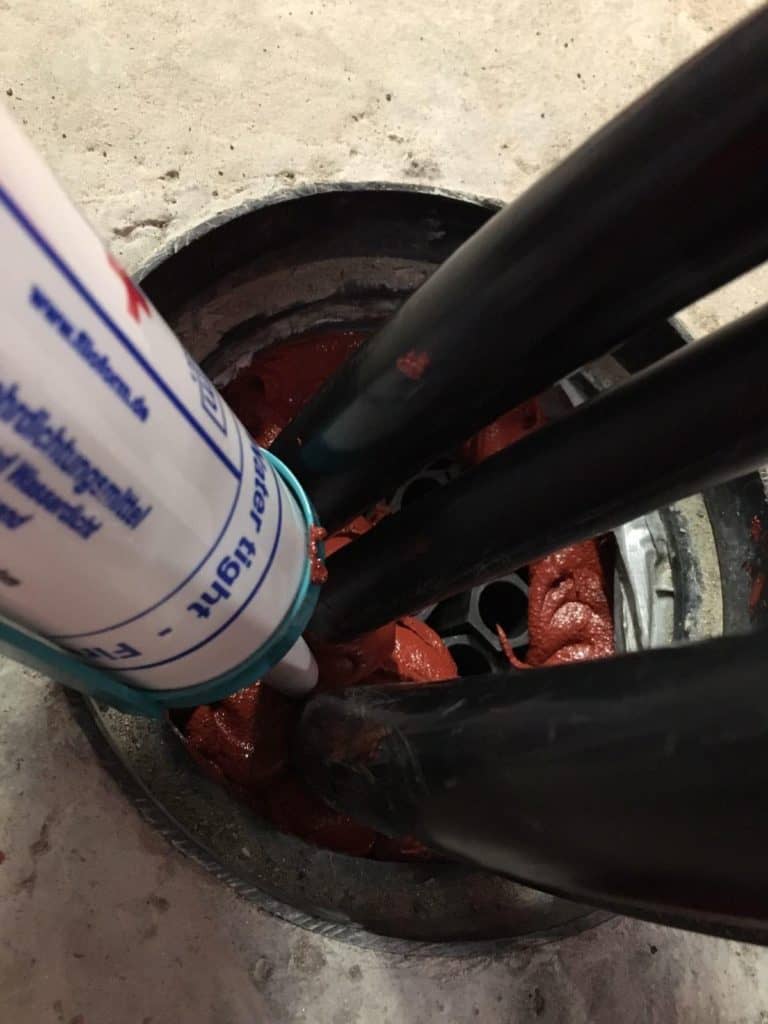
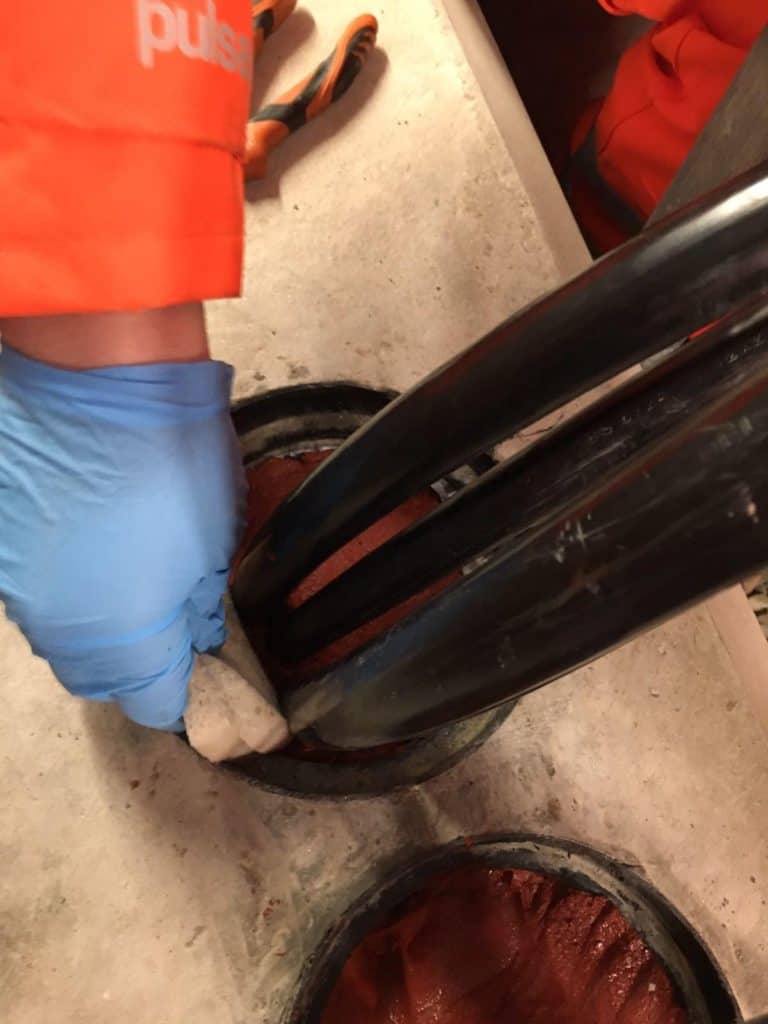
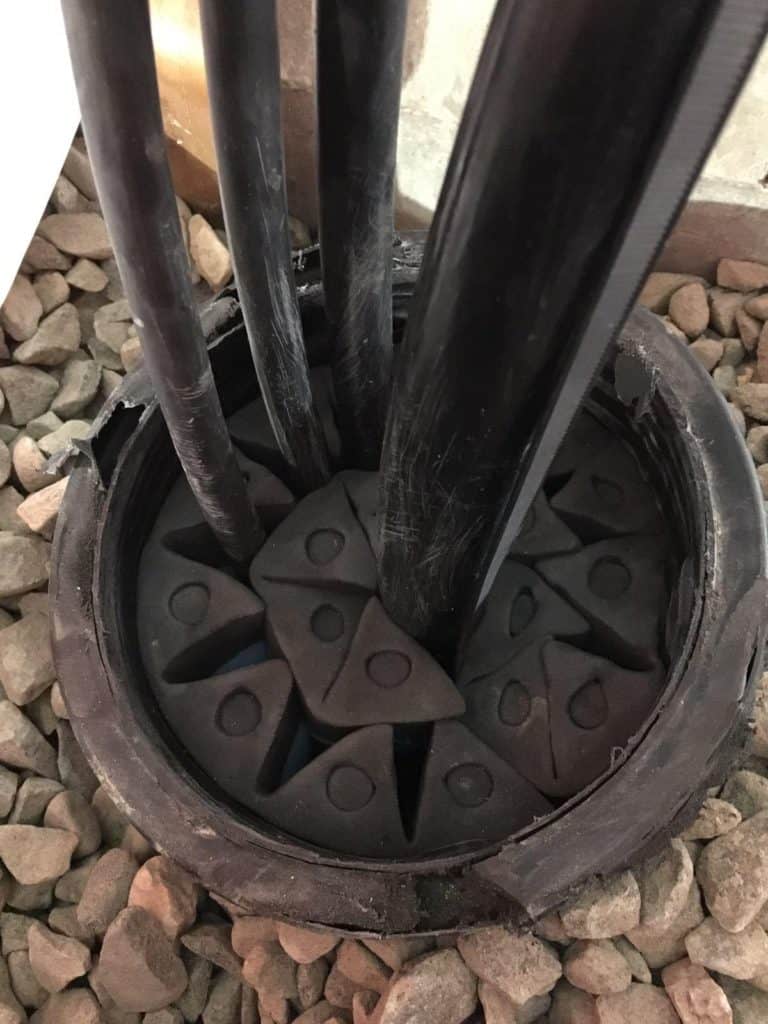
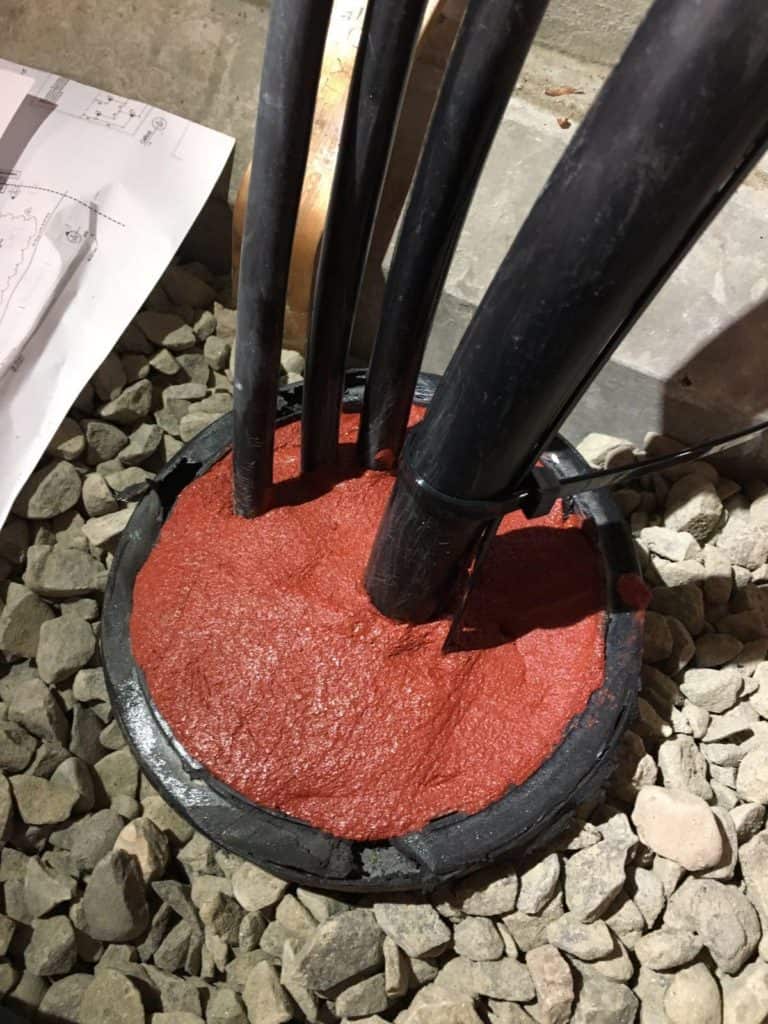
Application:Sealing Extra High Voltage Cables & Ducts Against Water, Gas & Fire
Voltage:High Voltage 132kV
Sector: Renewable Energy (Wind)
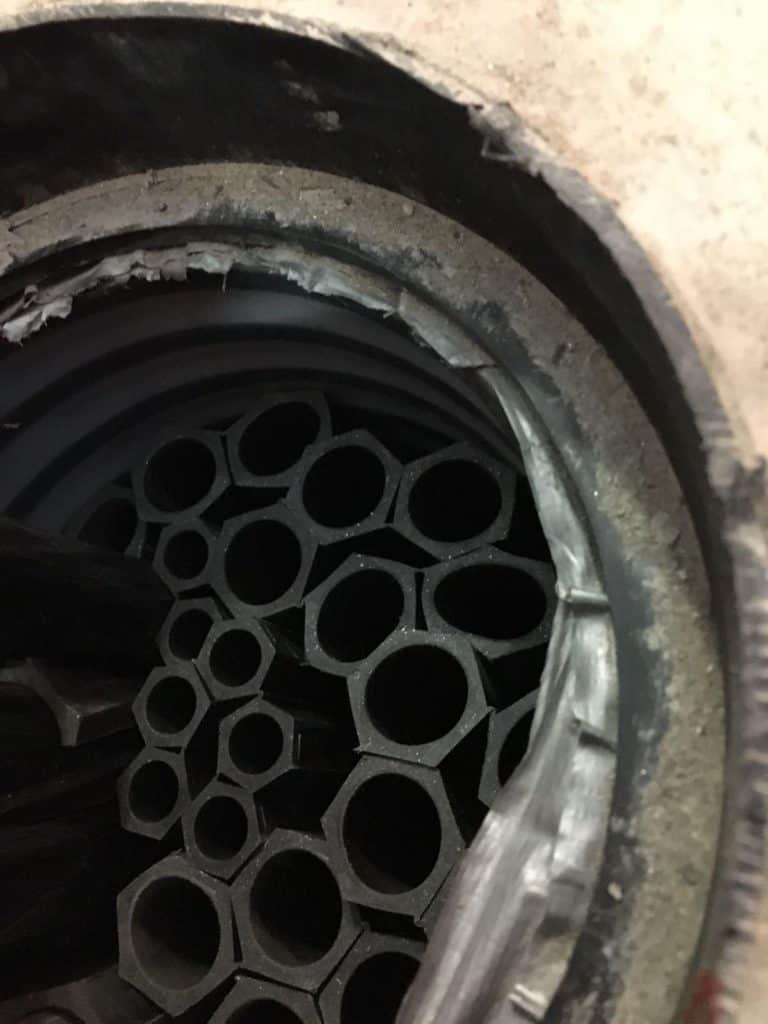
Product Installed: Filoseal+, Filoseal+HD and Filoseal+ HD Fire Cable Duct Sealing System
Project Information: All 3 types of Filoseal cable duct seal systems were required; original Filoseal+ with foam backing, newer Filoseal+HD for heavier cables and the newest seal type Filoseal+HD FIRE which adds BS EN1366 Part 3 with up to 4 hours of fire protection. All four cable duct seals were installed according to instructions whilst special guidance and tips were given on site by the manufacturer
Since 1985 Thorne & Derrick based in the UK have been specialist distributors of LV, MV & HV Cable Installation, Jointing, Substation, Arc Flash Clothing & Electrical Safety Equipment – customers include UK and worldwide contractors, specifiers, traders and end-users involved in medium and high voltage cable installations, cable jointing, substation, overhead line and electrical construction.
MV HV | Medium & High Voltage Power Products, Tools, Cables & Electrical Equipment
by Chris Dodds T&D - estimated reading time 3 minutes
Sealing Ducts
Wildlife induced power outages are increasingly caused by the invasion of rats and rodents into medium/high voltage electricity substations via unsealed and inadequately sealed cable ducts and then gnawing electricity power cables.
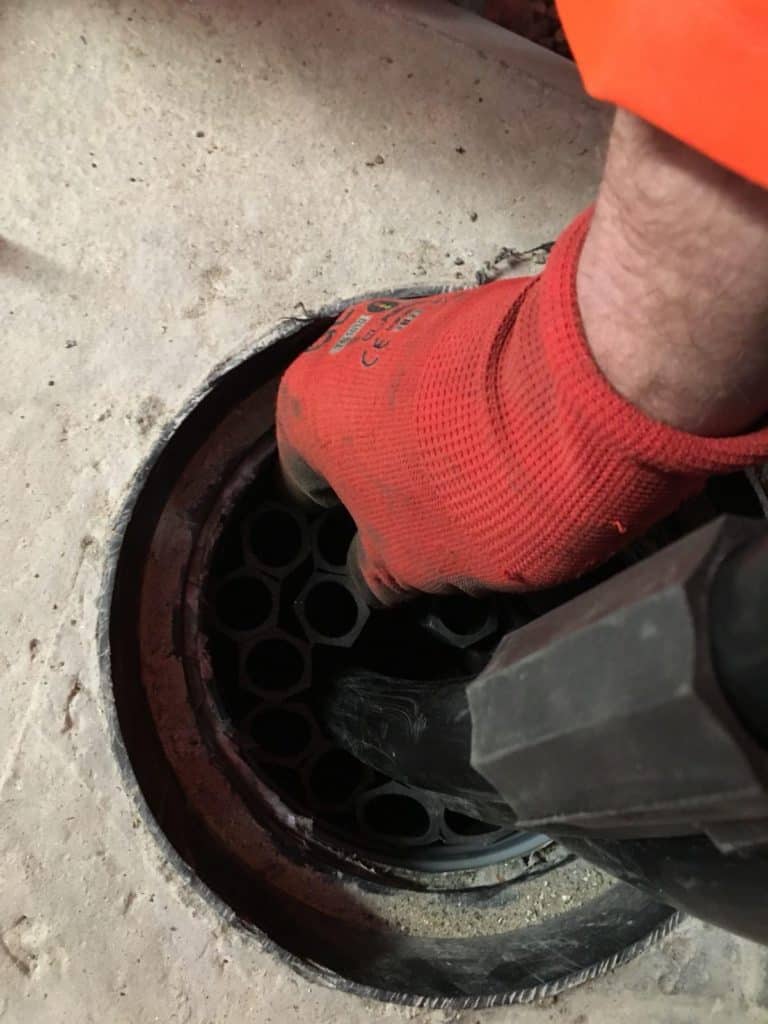
Filoform FiloSeal+HD is aduct sealing system that is able to seal large heavy armoured power (multicore XLPE SWA) and high voltage cables in ducts, bore holes or cable transit frames – providing a strong support system using hexagonal tubes building a re-enterable seal with honeycomb structure.
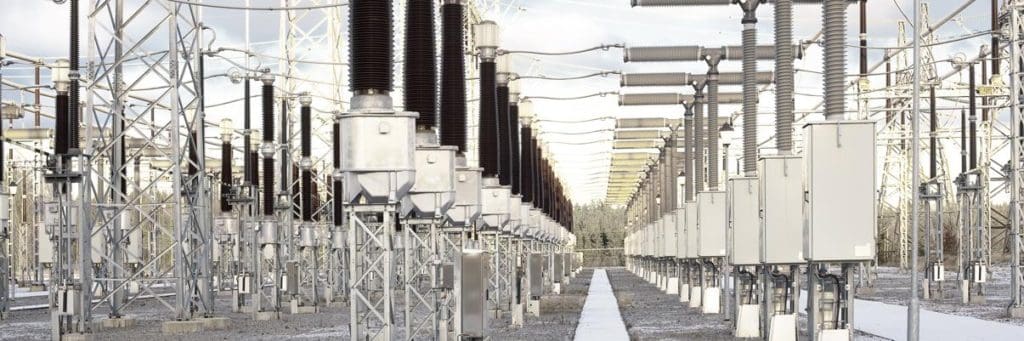
The duct seal system is extensively approved and used by UK utilities, DNO’s and their preferred ICP (Independent Connection Provider) to protect electrical assets and cables within substations typically operating at 11kV, 33kV, 66kV and up to 132kV from rat attack.
The cable duct seal kits have been extensively tested against pressure, pulling forces, chemicals, gases and hydrocarbons for adequate sealing of LV-HV cables against the danger of flood (water ingress) or gas migration.
Recently, testing was carried out to establish the ability of the duct seal system to resist, repel or prevent rat attack through cable ducts into electricity substations and the following post provides information about the test and their conclusions.
TalkTalk suffered a major outage caused by rodent damage to fibre optic cables in 2017.
Sealing Cables & Ducts
Rat & Rodent Testing
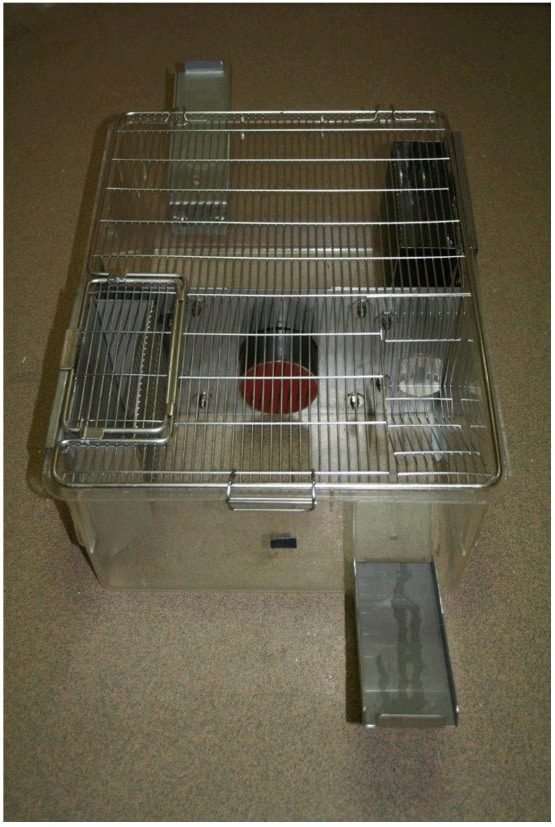
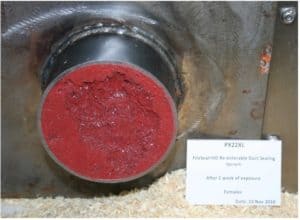
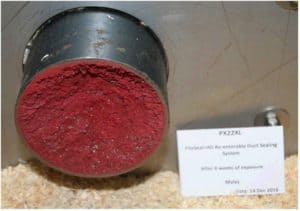
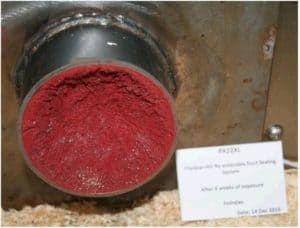
Filoform have carried out tests to assess the physical damage caused to the FiloSeal+HD cable sealing sealant by a group of four rats (two males and two females) which are given free access to the duct seal for a period of four weeks.
The FiloSeal+HD comprises of MD+ sealant with hexagonal tubes as the backing product which was positioned within a metal tube.
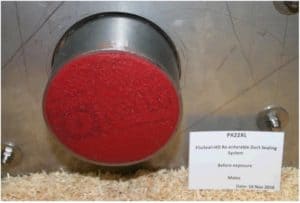
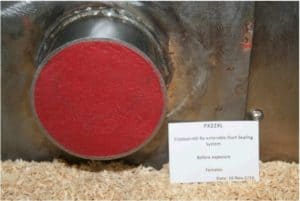
Each end of the tube was sealed with 25mm of MD+ sealant ensuring that access to the backing product could only be achieved by significant damage to the MD+ sealant.
This tube was mounted in the center of the cage and consequently, the male and female sides of the cage had access to opposite ends of the tube.
Test cage before start of study
Immediately before rats placed in cage – side exposed to males
Immediately before rats placed in cage – side exposed to females
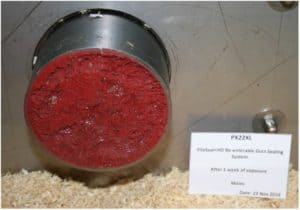
After one week of exposure – side exposed to males
After one week of exposure – side exposed to females
After four weeks of exposure – side exposed to males
After four weeks of exposure – side exposed to females
Duct Seals | Substations
Conclusion
The results at the end of the four week study indicated that there was no apparent difference in the damage caused by the male rats in comparison to the female rats and though the damage increased over the duration of the study the MD+ duct sealant was not penetrated by the rats and the hexagonal backing tubes were not exposed or damaged.
No abnormalities, ill health or behavioural changes occurred to the rats during the study and all four rats achieved satisfactory body weight gain during the exposure period.
Several hard red pieces were observed in the large intestines of one female and in the stomach of one male and one female. There were no other abnormalities observed at the post mortem macroscopic examination at study termination on Day 29.
In conclusion as the hexagonal tubes were not damaged after 4 weeks of exposure with direct access, therefore, it is reasonable to assume that different backing products will be protected to a similar degree, when enclosed by MD+ cable duct sealant.
THORNE & DERRICK are national distributors LV, MV & HV Cable Installation, Jointing, Substation & Electrical Equipment – we service UK and global businesses involved in cable installations, cable jointing, substation, overhead line and electrical construction at LV, 11kV, 33kV and EHV.
Since 1985, T&D have established an international reputation based on SERVICE | INTEGRITY | TRUST.
Contact us for 3M Electrical, ABB, Alroc, AN Wallis, CATU Electrical, Cembre, Centriforce, CMP, CSD, Elastimold, Ellis Patents, Emtelle, Euromold, Filoform , Furse, Lucy Electric & Zodion, Nexans, Pfisterer, Polypipe, Prysmian, Roxtec, Sicame, WT Henley.
Invitation
Thorne & Derrick invite you to join LinkedIn’s largest LV-HV Electrical Discussion Group : Low & High Voltage Power, Cabling, Jointing & Electricals. Discussion subjects include cable installations, cable jointing, substation, overhead line and electrical construction at LV, 11kV, 33kV and EHV. Network, engage and promote your profile, company or products with over 10,000 influencers.
klauke ekm60unv – universal cutting, crimping & punching tool The Klauke EKM 60 UNV is a versatile battery powered hydraulic universal tool engineered that can be used as a battery powered cable crimping tool and battery operated cable cutting tools that comes...
INDUSTRIAL LABEL PRINTING SOLUTIONS When clear, durable and professional identification is required across control panels, cable systems, production facilities and industrial installations, print quality, reliability and ease of use are critical. Cembre industrial label printers are designed to support...