Blog
Protect Your Electrical Equipment From Electromagnetic Threats | Roxtec ES Sealing System
September 7th, 2020
Roxtec Sealing Systems: Electromagnetic Shielding
Roxtec Cable Seals
Electromagnetic Shielding
Roxtec cable seals are used in cable vaults, duct banks, electrical substations, trenches and M&E building services protecting low, medium and high voltage power systems against numerous external risk factors including fire, gas, water, cables, pressure, electrical, particles and blast.
Electromagnetic shielding
Why do you have to protect critical LV MV HV infrastructure equipment against EMI, IEMI, EMP and HEMP? How can you both seal and secure the electromagnetic shield? There are many questions regarding electromagnetic threats.
Roxtec are happy to be able to provide answers – and cable transit solutions.
Their skills and expertise enable the correct solution to be chosen that has electromagnetic shielding alongside fire, gas and water ingress certification.
What is EMI, IEMI, EMP and HEMP?
EMC refers to good electromagnetic compatibility.
Disturbances can be attributed to electronics like computers and mobile phones.as well as war or acts of terror. They can majorly affect electrical equipment and critical power supply to hospitals, banks and server halls, and a blackout can be very expensive.
- EMI – electromagnetic interference
- IEMI – intentional electromagnetic interference
- EMP – electromagnetic pulse
- HEMP – high altitude electromagnetic pulse
The Roxtec ES sealing system
The Roxtec ES sealing system provides an effective protection when used in shielded environments. It diverts conducted disturbances, shields against radiated disturbances and provides a mechanical and environmental protection against fire, gas, water, dust, dirt and rodents.
HEMP protection
Roxtec can help you protect equipment against the effects of HEMP, a high-altitude electromagnetic pulse caused by a nuclear weapon far above the surface of the earth. HEMP causes chaos through electromagnetic pulses. It makes transformers explode and can cause breakdown of the entire power grid.
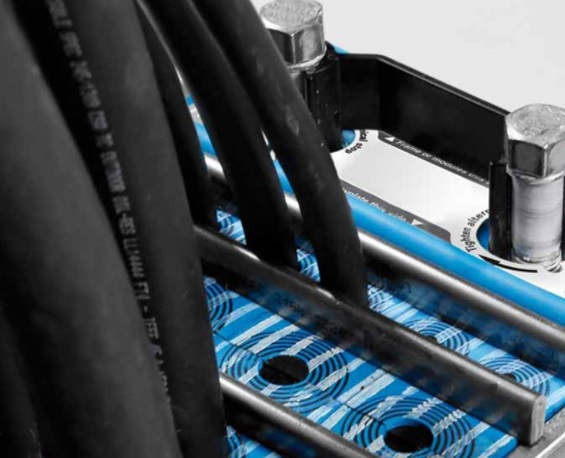
Verifying shielding effectiveness
At the Roxtec test lab, we use shielded rooms, antennas, transmitters and receivers to verify the ability of our seals regarding attenuation of radiated interferences. The cable seals have undergone numerous shielding attenuation and transfer impedance tests.

Thorne & Derrick Specialist Electrical Distributor
Established since 1985, T&D distribute the most extensive range of LV, MV & HV Cable Jointing, Terminating, Pulling & Installation Equipment – contact us today for a competitive quotation.
Key Products : MV Joints & Terminations, Cable Cleats, Duct Seals, Cable Transits, Underground Cable Protection, Jointing Tools, Feeder Pillars, Cable Duct, Earthing & Lightning Protection, Electrical Safety, Cable Glands, Arc Flash Clothing Protection & Fusegear.
Distributors for : 3M, Pfisterer CONNEX, Nexans Euromold, Elastimold, Catu, Roxtec, Emtelle, Centriforce, Lucy Zodion, Alroc, Hivotec, Cembre, Prysmian, Ellis Patents, ABB & Furse.
Some 3M Scotch Electrical Tapes Tips & Skills….
September 6th, 2020
3M Scotch Electrical Tapes
-
uploaded by Chris Dodds - Thorne & Derrick Sales Marketing Manager
3M Scotch Electrical Tapes
Once upon a time, 3M introduced a revolutionary electrical tape.
That was in 1946 when the vinyl electrical tape patent was issued and since then 3M Electrical have pioneered the role of electrical tapes for maintenance and repair jobs.
So the humble PVC insulation tape was born and named Scotch 33 – this tape evolved into the mass-market over the proceeding decades to become established as the Number 1 PVC Electrical Tape.
And the rest as they say is history…
- 1951 Improved aging, higher temperature performance and wet dielectric
- 1952 Improved cold weather handling characteristics
- 1953 Improved slitting and telescoping performance
- 1957 Flame retardant properties developed
- 1961 Improved adhesive anchorage to cables, joints and splices
Quickly No. 33 Tape manufactured by 3M and branded Scotch became the new standard for insulating electrical connections and cables.
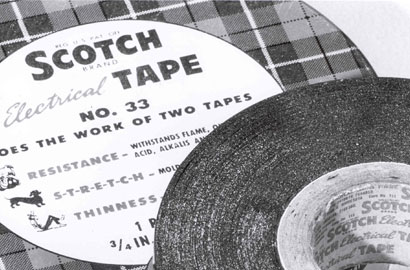
In 1966, when England were winning World Cups, the standard Scotch 33 tape became “Super” – the introduction by 3M of this new and improved electrical tape commonly called “Super 33” had a new operating temperature rating up to 176º F and was coloured black for UV resistance.
All Scotch electrical tapes exhibit smooth unwind and excellent handling characteristics.
 Essentially, 3 basic qualities must be carefully evaluated when choosing your tape:
- Shear Adhesion or “Holding Power”
- Peel Back or “Pull-off Strength
- Thumb Appeal or “Quick Stick”
Peel Back measures the adhesive resistance of the electrical tape to be peeled away from the surface to which it is adhered – the thumb appeal measures the quality of the adhesive to actually feel sticky and retain the bond strength without suffering departure from the surface.
This tendency for adhesive “creep” can lead to the need to remove and re-tape the application to maintain the electrical insulation and mechanical protection.
Additionally, consider the following factors when choosing an electrical tape: backing construction, tape thickness, and dielectric strength.

High tensile strength, excellent elastic memory and stable recovery – specify 3M Scotch
Taping Skills & Tips
Overtime the use of conventional electrical tapes has declined as modern product advances, such as 3M Cold Shrink Tubes, have replaced traditional taped solutions for effecting cable repairs, jointing and termination. Even though electricians are unlikely to consider “old-school” taping skills to be an important element in the engineers skill-set of today the importance of cable splice and termination taping skills for electricians, jointers and linesmen remain a focal element of training courses.
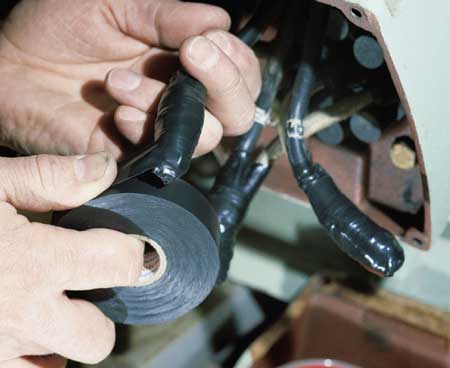
Watch the electrical taping techniques of an experienced cable jointer using 3M Scotch 33 tape to provide electrical insulation layers to the cable – neutral tails are taped up here with the cable splicer demonstrating the slick pass, stretch and apply method to the Scotch tape.

Here are several good reasons to master the craft of electrical taping.
When quick “on the spot” electrical and cable repairs are required and other products are simply not available, 3M Scotch Electrical Tapes can be real “day-savers”.
3M Electrical Tapes offer long-term performance, excellent adhesion, chemical resistance and temperature performance – their smooth unwind from the roll can provide “quick-fix” and simple solutions to electrical insulation tasks straight out the engineers pocket.
The primary 3M Scotch tapes used in electrical applications are vinyl, rubber, mastic, varnished cambric and corrosion protection.

Thorne & Derrick Stockists & Suppliers | 3M Scotch Tapes
Weatherproof & Watertight Taping
The function of moisture-sealing tapes such as vinyl, rubber, and mastic products is to exclude moisture from the insulation assembly and provide electrical insulation to cable, splices and terminations. One of these Scotch tapes — or alternatively a 3M mastic pad — generally forms the second layer of the insulation assembly. Rubber, mastic, and filler tapes are also used to pad the underlying surface by covering sharp edges.
LV Tapes
3M rubber tapes are generally non-adhesive and are either equipped with a liner (Scotch 23) or are linerless (Scotch 130C). Stretched and overlapped layers of the tape will fuse or bond together – “self amalgamating“ – to form an effective electrical insulation and moisture barrier. For low-voltage (1000V or less) applications, rubber tapes should be stretched during wrapping so that tape width is reduced to approximately 75%.
Similarly, low voltage inline splices, connectors and joints can be protected using Scotch tape by wrapping the installed connector with four half-lapped layers of rubber mastic tape or rubber splicing tape, and then over-wrapping it with two half lapped layers of premium vinyl electrical tape, such as Scotch 33.
MV & HV Tapes
For high voltage (HV) and medium voltage (MV) applications — where the electrical stresses are high (e.g. connector areas, cable lug areas and cable shield semicon cut-back areas) — electrical tape should be stretched just short of its breaking point.
3M Vinyl Tape forms the final outer layer and serves several important functions in addition to electrical insulation, including abrasion protection, corrosion resistance, UV resistance and protection from chemicals including alkalis and acids.
Conformable vinyl tape is tougher than the softer, stickier surfaces of rubber, mastic, and putty tapes it protects. Several grades of vinyl electrical tape are available — all of which differ in conformability, ease of unwinding, resistance of the adhesive to heat and cold, and loosening (flagging).
Brandname Scotch
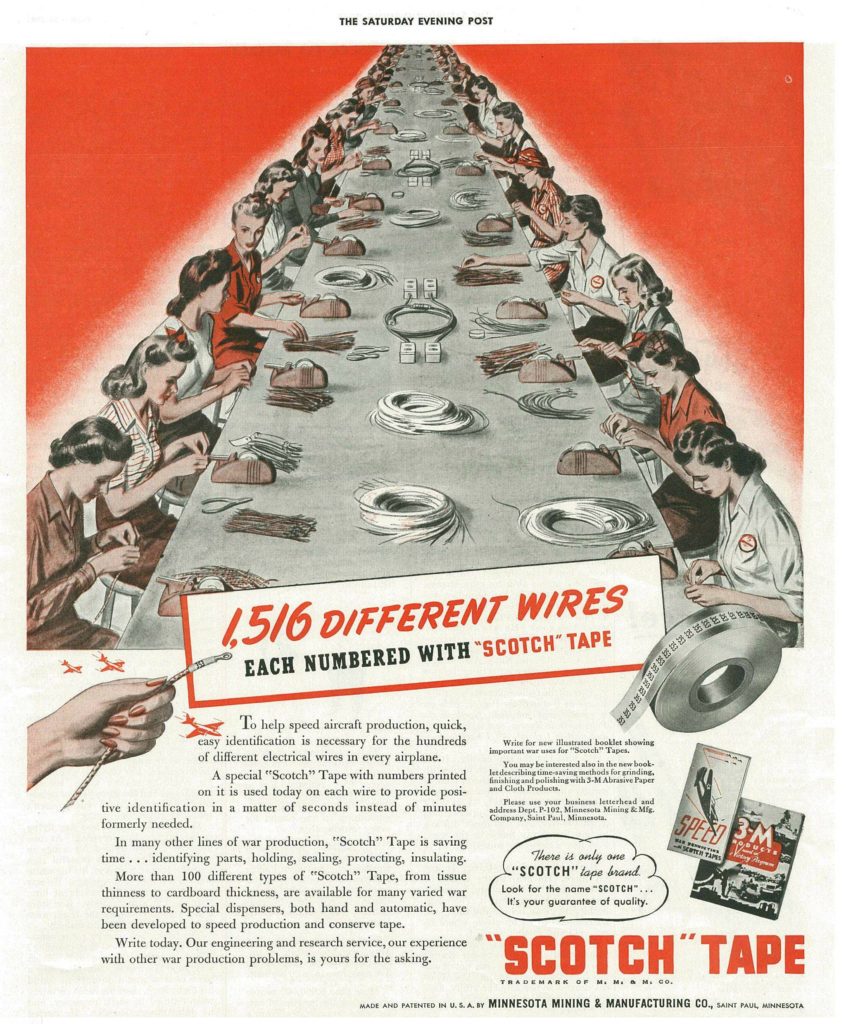
The Scotch brand is a registered trademark of 3M Electrical and is synonymous with the highest levesl of quality, performance and reliability. So much so, Scotch has became a language term for the entirety of the market niche that the respective brand dominates. But unlike some lapsed and generic trademarks such as Lollipop, Trampoline or Aspirin, the Scotch brand which recognises problem-solving as the ultimate creative act continues to pervade and guide customer choice and preference.
Insulating Cables
While general-use vinyl tapes are appropriate for bundling, wire pulling and other ancillary tasks, Scotch 35 premium-grade vinyl tape is the best choice for permanent insulation work as it handles the broadest range of environmental factors and functions, such as chemical resistance – available in a rainbow rich choice of colours.
The combination of elastic backing and aggressive adhesive provides moisture-tight electrical and mechanical protection with minimum bulk. For cold weather applications down to – 18°C, Scotch 88 tape is recommended.

3M Scotch 35 and Scotch Super 88 available ex stock
Electricians should use a minimum of two half-lapped layers of 3M vinyl tape to insulate and jacket low-voltage cables, cable sheaths and electrical components. A half-lap consists of overlaying each turn by one-half the width of the tape. The general rule of thumb calls for a tape thickness of 1.5 times the thickness of existing wire or cable insulation.

Two half-lapped layers of 3M vinyl tape
In every case, tension on the electrical tape should be sufficient to conform the 3M Scotch tape evenly to the surface. A slight reduction in tension is encouraged for the final wrap. Trim the Scotch tape end and allow it to return to shape before pressing down with the thumb to avoid lifting or flagging.
Further Reading
How To Repair A Damaged Cable Jacket With 3M Mining Cable Splice Kits 3100 Series
3M Scotch Tapes – PVC Vinyl Electrical Tapes
3M Scotch Tapes
Further details on the complete range of 3M Scotch Electrical Tapes can be found here:
- 3M Scotch Insulation Tapes
- 3M Scotch Self Amalgamating Tapes
- 3M Scotch Mastic Tapes
- 3M Scotch Corrosion & Fire Protection Tapes
- 3M Scotch Glass Cloth Tapes
- 3M Scotch 24 Tape – Electrical Shielding Earthing Tape
- 3M Scotch 25 Tape – Electrical Shielding Earthing Tape
➡ The following tape application table provides an overview of the standard uses of Scotch Electrical tapes:
| Scotch Electrical Uses | Vinyl Tapes | Rubber Tapes | Varnished Fabric Tapes | Mastic & Filler Putty Tapes |
| Protective Cable Jacketing | X | X | ||
| Electrical Insulation | X | X | X | X |
| Moisture Sealing | X | X | ||
| ID & Colour Coding | X | |||
| Cable Harness Bundling | X | |||
| Mechanical Padding | X | X | X | |
| Shaping | X | X | X | |
| Re-entry | X | X |
➡ Visit 3M Electrical for further information about joints, terminations, tapes and insulation to seal, repair, splice and connect LV MV HV cables.

Cold Shrink | Joint | Terminate | Seal | Repair | Splice | LV MV HV Cables | 3M
- 3M Electrical Products Stocked By Thorne & Derrick International
LV, MV & HV Jointing, Earthing, Substation & Electrical Eqpt
Thorne & Derrick International are specialist distributors of LV, MV & HV Cable Installation, Jointing, Duct Sealing, Substation & Electrical Equipment – servicing UK and global businesses involved in cable installations, cable jointing, substation, overhead line and electrical construction at LV, 11kV, 33kV and EHV.
THORNE & DERRICK Product Categories: Duct Seals | Cable Cleats | Cable Glands | Electrical Safety | Arc Flash Protection | Cable Jointing Tools | Cable Pulling | Earthing | Feeder Pillars | Cable Joints LV | Joints & Terminations MV HV
Arc Flash Protection | A Whitepaper on Clothing & Garment Selection
August 18th, 2020
Author: Hamilton Smith – Technical Sales Manager | 2020
Arc Flash Clothing and IEC 61482-2:2018 Explained
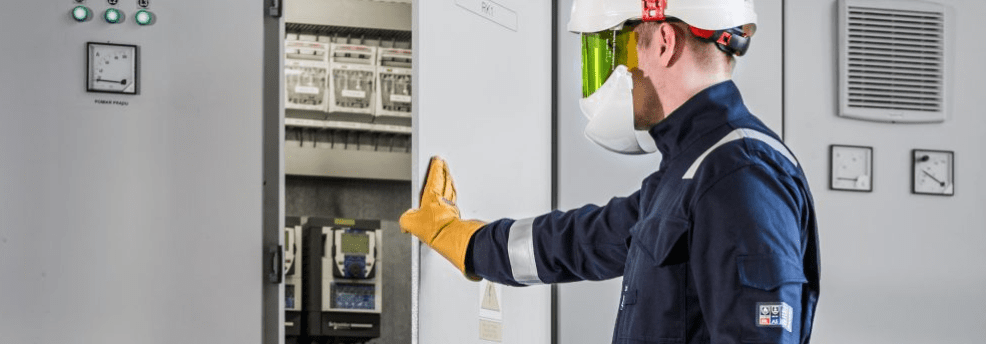
Arc flash protective clothing helps reduce the risk of serious thermal injuries when workers are exposed to electrical arc hazards.
However, selecting the correct clothing requires an understanding of arc flash risks, protective fabric performance and the relevant testing standards.
This technical article explains the principles behind IEC 61482-2:2018, including open arc testing, box testing and the different ratings used to describe protective clothing.
It also examines how fabrics, garment construction and clothing layers affect protection.
Originally published in 2020, the article includes technical guidance and product information from ProGARM, a manufacturer of arc flash protective workwear.
Why Is Arc Flash PPE Important?
An electrical arc can release intense heat in a fraction of a second. Workers exposed to this energy may suffer severe burns and other injuries.
Suitable arc flash clothing can help reduce thermal injury risks. However, PPE cannot prevent an electrical fault or eliminate every hazard.
For this reason, employers must assess the risks and implement appropriate safety controls before selecting protective garments.
What Is an Arc Flash?
An arc flash is the intense light and heat released during an electrical arc fault.
An arc can develop when electrical current passes through air between conductors or between an energised conductor and earth.
Depending on the fault conditions, this can release a large amount of energy very quickly.
Arc Flash Explained in Simple Terms
Electrical current normally travels through a conductor. However, an insulation failure or accidental contact can create an unintended path.
Under certain conditions, electricity can then arc through the surrounding air.
The resulting discharge may produce:
- Intense heat capable of causing serious burns.
- Bright light and ultraviolet radiation that can injure the eyes.
- Molten metal and hot particles released from electrical equipment.
- Pressure waves that may cause physical injuries.
- Fire and equipment damage resulting from the electrical fault.
The original article described arc temperatures reaching approximately 19,000°C. However, actual temperatures and energy exposure depend on the electrical fault and surrounding conditions.
Watch an Arc Flash in Slow Motion
The following video shows a 480V electrical arc flash event in slow motion.
It demonstrates how quickly an electrical fault can develop and why workers must follow suitable safety procedures.
Where and When Can Arc Flash Occur?
Arc flash hazards can arise wherever electrical equipment presents a risk of arcing.
For example, workers may encounter these hazards during installation, inspection, testing or maintenance.
Industries Exposed to Arc Flash Hazards
The original article identified several sectors where arc flash protection may be required.
- Manufacturing and industry: Electrical maintenance, machinery and power distribution systems.
- Power generation: Electrical equipment used in conventional and renewable energy installations.
- Utilities: Cable installation, excavation, street lighting and electrical distribution.
- Rail: Electrical infrastructure, electrification and maintenance activities.
- Petrochemical facilities: Electrical maintenance and operations involving relevant electrical hazards.
- Electric vehicle infrastructure: Electrical installation and maintenance work involving EV charging equipment.
Different tasks present different exposure levels. Therefore, PPE selection must reflect the actual work and electrical system.
Common Causes of Arc Flash
Several conditions can contribute to electrical arcing.
- Tools accidentally contacting live conductors.
- Incorrect or incomplete electrical isolation.
- Equipment failure or damaged insulation.
- Poor installation or deterioration over time.
- Dust, corrosion or other contamination.
- Accidental strikes on underground electrical cables.
These hazards reinforce the importance of inspection, maintenance and approved safe working procedures.

What Injuries Can an Arc Flash Cause?
The consequences of an arc flash depend on the incident energy, exposure duration and the worker’s position.
In severe cases, injuries can be life-changing or fatal.
Potential Arc Flash Injuries
- Thermal burns: Serious burns caused by intense heat or hot materials.
- Eye injuries: Damage caused by bright light, ultraviolet radiation or flying debris.
- Hearing damage: Injury associated with the sound and pressure effects of an electrical fault.
- Impact injuries: Harm caused by pressure waves, falls or flying objects.
- Molten metal injuries: Burns or wounds caused by hot particles.
- Secondary burns: Injuries from ignited clothing or other materials.
Arc-rated clothing primarily addresses specified thermal hazards. Other risks may require additional protective measures.
Consequently, employers must assess the complete work activity rather than relying on a garment’s arc rating alone.
How Can Employers Protect Workers from Arc Flash?
Employers must identify electrical hazards and put appropriate precautions in place.
This should begin before selecting PPE.
Three Key Steps for Arc Flash Risk Management
- Reduce exposure: Eliminate unnecessary contact with electrical hazards and use safe isolation wherever reasonably practicable.
- Establish safe working procedures: Assess electrical risks, introduce suitable controls and provide appropriate training.
- Select protective equipment: Provide PPE that matches the residual thermal hazards identified by the risk assessment.
Where appropriate, an arc flash assessment can help estimate potential incident energy and support PPE selection.
However, PPE remains the last line of defence. Protective clothing cannot replace electrical isolation, engineering controls or safe working methods.
IEC 61482-2:2018 – Arc Flash Protective Clothing Standard
IEC 61482-2:2018 specifies requirements for protective clothing used against the thermal hazards of an electric arc.
The standard addresses clothing performance and the assessment of materials and garments.
It is an important reference for electrical workers, employers and PPE specifiers.
How Is Arc Flash Clothing Tested?
The original article described two principal approaches to testing the thermal arc protection of clothing.
- Open Arc Test: Used to determine incident-energy-related arc ratings.
- Box Test: Used to assess clothing against specified directed arc test conditions.
These methods provide different forms of performance information.
Therefore, an open arc rating and a box test classification should not be treated as interchangeable.
Open Arc Testing – ATPV, EBT and ELIM Explained
The original article referenced BS EN IEC 61482-1-1:2019 for open arc testing.
This method assesses the response of clothing materials and protective garments to defined electrical arc exposure.
It provides ratings such as ATPV, EBT and ELIM.
What Is ATPV?
ATPV stands for Arc Thermal Performance Value.
It represents an incident energy level associated with a 50% probability of reaching the specified thermal burn injury criterion in the test.
ATPV is expressed in cal/cm².
For example, a garment with an ATPV of 8 cal/cm² has achieved that rating under the relevant test method.
However, the rating does not guarantee protection against every incident involving the same calculated energy.
What Is EBT?
EBT stands for Breakopen Threshold Energy.
It identifies an incident energy level associated with a 50% probability of the material breaking open under the test criteria.
Like ATPV, EBT is expressed in cal/cm².
The distinction is important because a material may break open before reaching the thermal transfer criterion used to determine ATPV.
What Is ELIM?
ELIM stands for Incident Energy Limit.
It is calculated from the test data using criteria that exclude recorded results reaching the specified thermal injury threshold or material breakopen within the relevant evaluation.
ELIM is also expressed in cal/cm².
However, an ELIM rating must not be interpreted as a guarantee of zero injury risk in an actual electrical incident.
ATPV vs EBT vs ELIM
| Rating | Meaning | What It Describes |
|---|---|---|
| ATPV | Arc Thermal Performance Value | Thermal energy transfer associated with the specified burn injury criterion. |
| EBT | Breakopen Threshold Energy | The energy level associated with the specified material breakopen criterion. |
| ELIM | Incident Energy Limit | An incident energy limit determined using the applicable test data criteria. |
These values help describe the tested thermal performance of protective clothing.
However, the correct PPE must be selected using the relevant risk assessment and product documentation.
Arc Flash Box Testing – APC 1 and APC 2
The second method discussed in the original article is the Box Test.
This assesses clothing using a directed electrical arc under specified conditions.
The original article referred to BS EN 61482-1-2:2014 and described two protection classes.
APC 1 – Arc Protection Class 1
The original article provided these test conditions:
- Test Current: 4kA.
- Test Voltage: 400V AC.
- Arc Duration: 500ms.
- Frequency: 50Hz or 60Hz.
These are controlled test conditions used to assess clothing performance.
APC 2 – Arc Protection Class 2
The original article described the following conditions:
- Test Current: 7kA.
- Test Voltage: 400V AC.
- Arc Duration: 500ms.
- Frequency: 50Hz or 60Hz.
APC 2 uses a higher test current than APC 1.
However, these classes are not equivalent to specific ATPV or ELIM values.
APC 1 vs APC 2 – Comparison
| Test Parameter | APC 1 | APC 2 |
|---|---|---|
| Test Current | 4kA | 7kA |
| Test Voltage | 400V AC | 400V AC |
| Arc Duration | 500ms | 500ms |
| Frequency | 50Hz or 60Hz | 50Hz or 60Hz |
The figures above reflect the original article’s test conditions. The permitted tolerances and current test requirements should be checked against the applicable standard.
Important: Neither APC 1 nor APC 2 indicates that a garment is safe for every electrical installation operating at 400V. The complete hazard assessment remains essential.
Learn more about IEC 61482-2 Arc Flash Protective Clothing Standards.
Arc Flash Fabrics – Treated vs Inherent Protection
The fabric used in protective clothing plays an important role in garment performance.
For example, some protective materials use chemical treatments to achieve specified flame-resistant characteristics.
Others use fibres with inherently flame-resistant properties.
What Are Treated Flame-Resistant Fabrics?
Treated fabrics receive a flame-resistant treatment during manufacturing.
The resulting performance depends on the material, treatment and garment care requirements.
For example, certain treatments may be affected by unsuitable washing or maintenance procedures.
However, not every treated fabric loses its protective performance after normal laundering.
Users should follow the garment manufacturer’s instructions and applicable certification requirements.
What Are Inherently Flame-Resistant Fabrics?
Inherent flame-resistant fabrics use fibres that possess flame-resistant characteristics as part of their material composition.
These properties are not dependent on a separately applied surface treatment.
However, the overall performance still depends on fabric construction, garment condition and proper care.
ProGARM VXS+ Fabrics
The original article introduced ProGARM’s VXS+ fabric technology.
ProGARM promoted this material as part of its inherent flame-resistant protective clothing offering.
The company’s emphasis was on combining protection, comfort and practical garment performance.
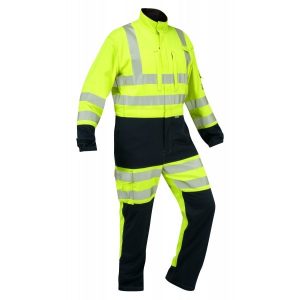
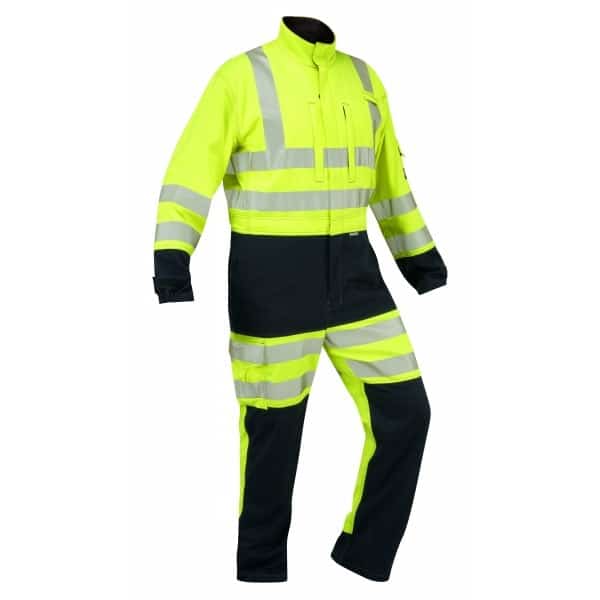
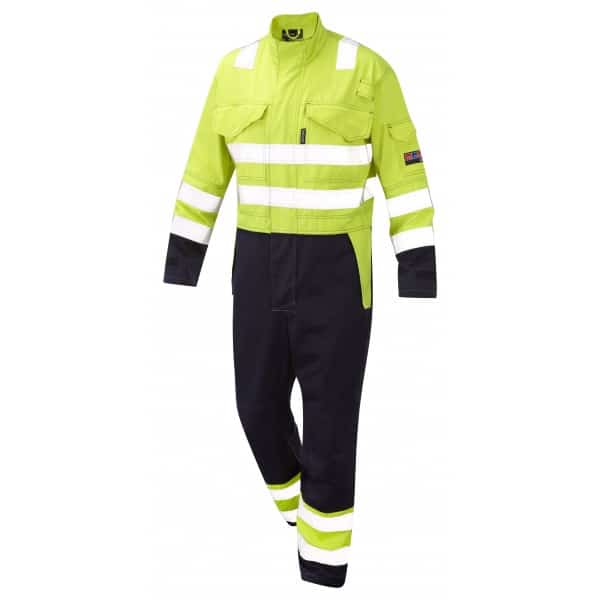
ProGARM 6458 Arc Flash Lineman Coverall
Arc Flash Clothing Layers – How Layering Works
Arc flash protective clothing may be worn as part of a layered garment system.
For example, a worker might wear an approved base layer beneath an arc-rated polo shirt or sweatshirt.
However, the protective performance of a combination depends on the specific garments being worn together.
Can Layering Increase Arc Flash Protection?
Suitable layers may provide greater thermal protection than individual garments.
The original article described this using the phrase “1 + 1 = 3”.
This illustrates the potential benefit of a tested layered system rather than a literal calculation of arc ratings.
However, workers must not simply add the arc ratings of individual garments together.
The complete combination should have appropriate evidence of its protective performance.
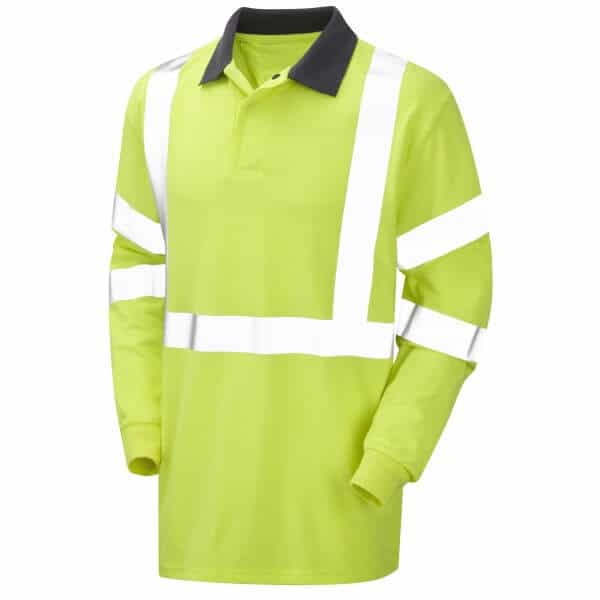
Example – ProGARM Polo Shirt and Sweatshirt
The original article featured a ProGARM polo shirt combined with a ProGARM sweatshirt.
This demonstrated how different protective garments could form part of a layered clothing arrangement.

ProGARM Arc Flash Clothing | Polo Shirts and Sweatshirts
Why Base Layers Matter
Incorrect underclothing can affect the protection provided by outer garments.
For example, some unsuitable synthetic materials may melt when exposed to heat.
Therefore, base layers must be compatible with the protective clothing system and relevant safety requirements.
The original ProGARM article also referenced protective garments ranging from underwear and thermal base layers to waterproof clothing.
However, current ratings and approved clothing combinations must be confirmed with the manufacturer.
What Makes a Good Arc Flash Protective Garment?
Protective fabric is important, but garment construction also influences performance.
For example, seams, fasteners, closures and pockets must be suitable for the garment’s intended use.
Comfort and fit also matter because workers may need to wear protective clothing for extended periods.
Arc Flash Clothing Design Features
The original ProGARM article identified several garment features.
- Triple-stitched seams for suitable garment construction.
- Inherent flame-resistant fabrics in selected products.
- Flame-resistant sewing threads where specified.
- ThermSAFE components designed for protective clothing applications.
- Adjustable wrist tabs and neck fastenings to help maintain garment coverage.
- Reflective tape for suitable high-visibility garments.
- SafetyICON markings to communicate product information.
- Internal labels and batch identification for traceability.
- Stretch panels for improved movement in applicable designs.
- Napoleon-style pockets for suitable applications involving harnesses.
- Different garment sizes to accommodate workers.
- Women’s garment options within the wider protective clothing range.
However, not every ProGARM garment includes all these features.
Customers should confirm the construction and certification of the exact product required.
Why Fit and Comfort Matter
PPE must provide appropriate coverage without unnecessarily restricting the worker.
For example, clothing that is excessively tight may restrict movement or compromise its intended fit.
Meanwhile, poor comfort can make protective workwear difficult to use throughout a working day.
Therefore, employers should consider garment sizing, mobility and the manufacturer’s wearing instructions.

ProGARM’s Approach to Arc Flash Protection
The original article highlighted ProGARM’s commitment to electrical safety education and protective clothing development.
Its stated priorities included:
- Educating workers and raising awareness of arc flash risks.
- Developing protective clothing and improving garment performance.
- Supporting customers with suitable product information.
- Maintaining a strong focus on worker safety.
These objectives reflect the manufacturer’s message at the time of the original 2020 publication.
However, effective protection still depends on suitable risk assessment, garment selection and correct use.
ProGARM Arc Flash Clothing and PPE
Thorne & Derrick supply ProGARM arc flash protective clothing for suitable electrical and industrial applications.
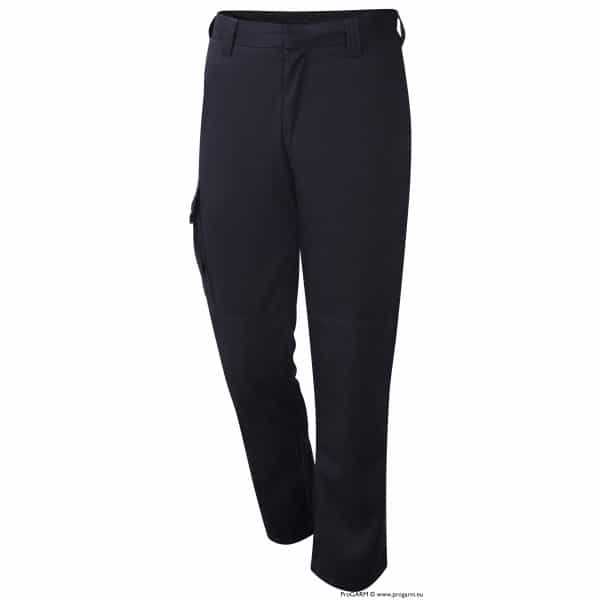
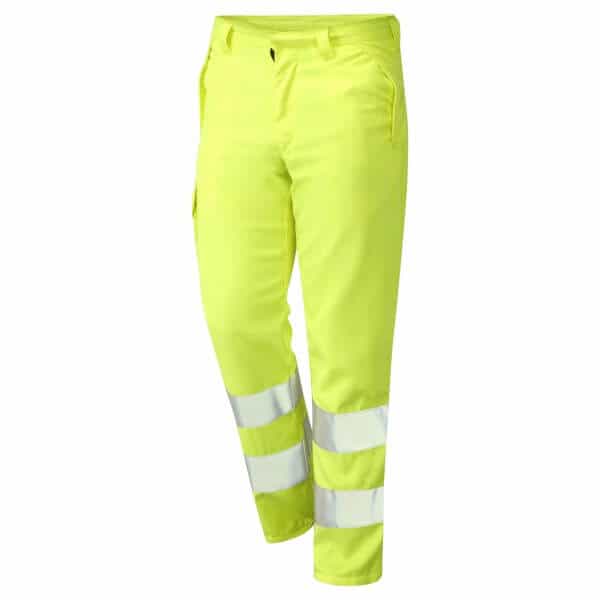
The range includes polo shirts, trousers, coveralls, sweatshirts, jackets, gloves and helmets.
However, the correct garment must match the protection criteria identified by the relevant electrical risk assessment.

Polo Shirts | Jackets | Coveralls | Trousers | Gloves | Sweatshirts | Helmets
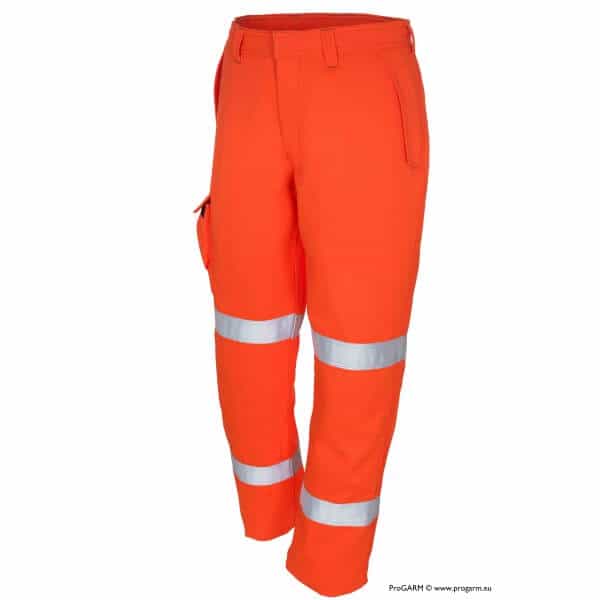
Featured ProGARM Arc Flash Clothing Products
The following products appeared in the original article.
We’ve retained the model references, images and links. Current garment ratings and availability should be confirmed before ordering.

|
|
|
|
|
|

|

|
|
|
Download Your Guide to Arc Flash Protection
Understanding arc flash hazards and PPE ratings is important when planning safe electrical work.
Our guide provides further information about protective clothing and electrical safety.

DOWNLOAD YOUR GUIDE TO ARC FLASH
Further Reading – Arc Flash Safety
Explore our related technical articles on arc flash hazards, electrical safety and protective clothing.
- Arc Flash Clothing for Highways, Street Lighting and Utility Contractors.
- Arc Flash Dexterity Gloves from ProGARM.
- ProGARM Arc Flash Coveralls.
- Arc Flash Legislation and Regulations.
- Arc Flash PPE – Seven Top Considerations.
Thorne & Derrick – Arc Flash Clothing and Electrical PPE
Thorne & Derrick International supply arc flash protective clothing and specialist electrical equipment for LV, MV and HV applications.
Our customers include utilities, electrical contractors, cable jointers and industrial maintenance teams.
We also supply equipment used in cable installations, substations and electrical infrastructure projects.
Electrical Installation and Safety Equipment
Our wider product range includes:
- Arc Flash Clothing and Protection.
- Electrical Safety Equipment.
- MV and HV Cable Joints and Terminations.
- Cable Duct Seals.
- Cable Cleats and Supports.
- Cable Glands.
- Cable Jointing Tools.
- Cable Pulling Equipment.
Enquire About Arc Flash PPE
Need protective clothing for electrical installation or maintenance work?
Contact Thorne & Derrick to discuss suitable garment options, product specifications and availability.
For accurate product selection, provide the protection requirements identified by your electrical risk assessment.
VIEW ARC FLASH CLOTHING AND PPE

MV & HV Cable Accessories | 3M Electrical | Nexans Euromold | PFISTERER | 11kV 33kV 66kV
HV VLF Testing 11kV IDNO Connection
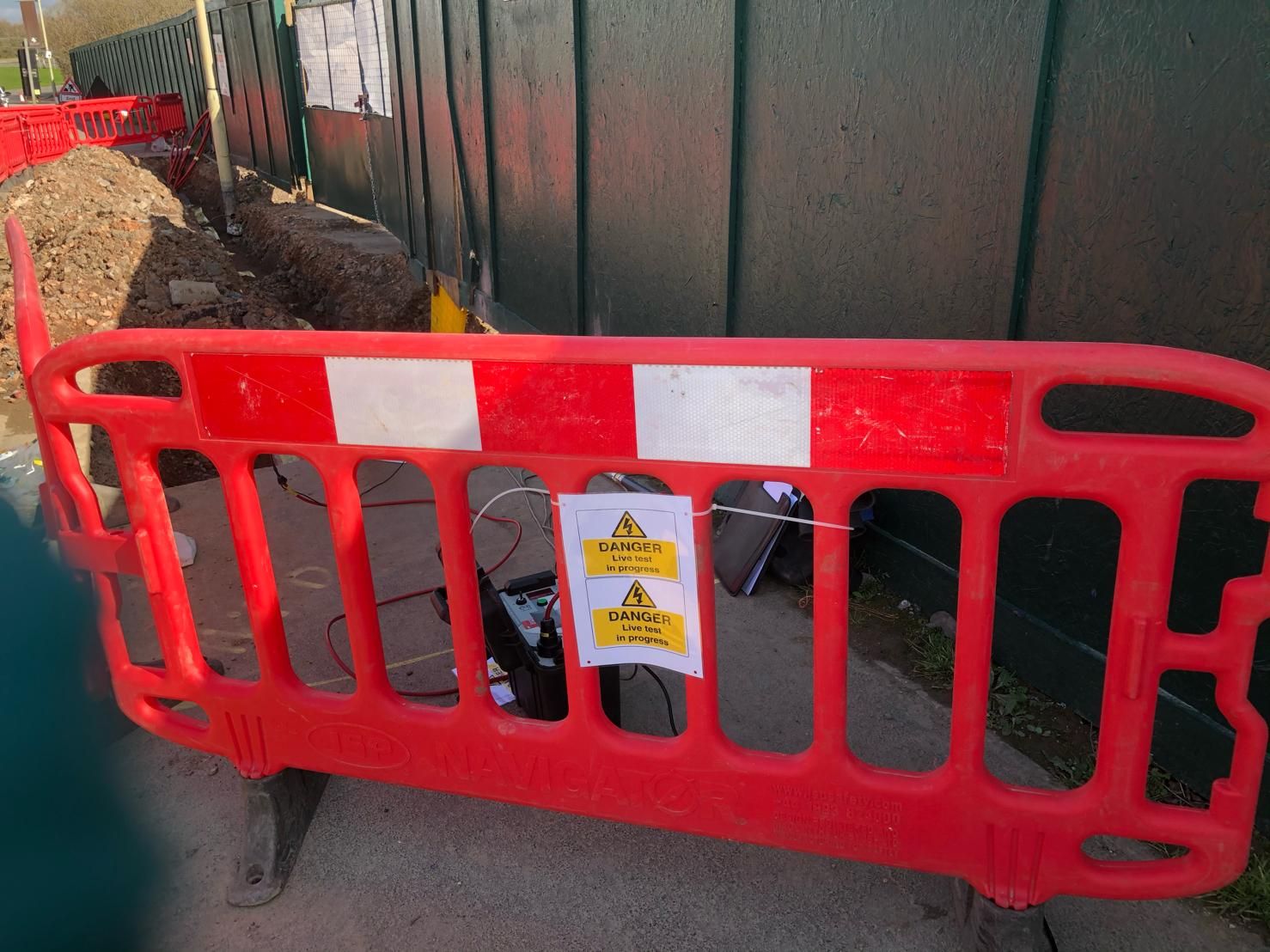
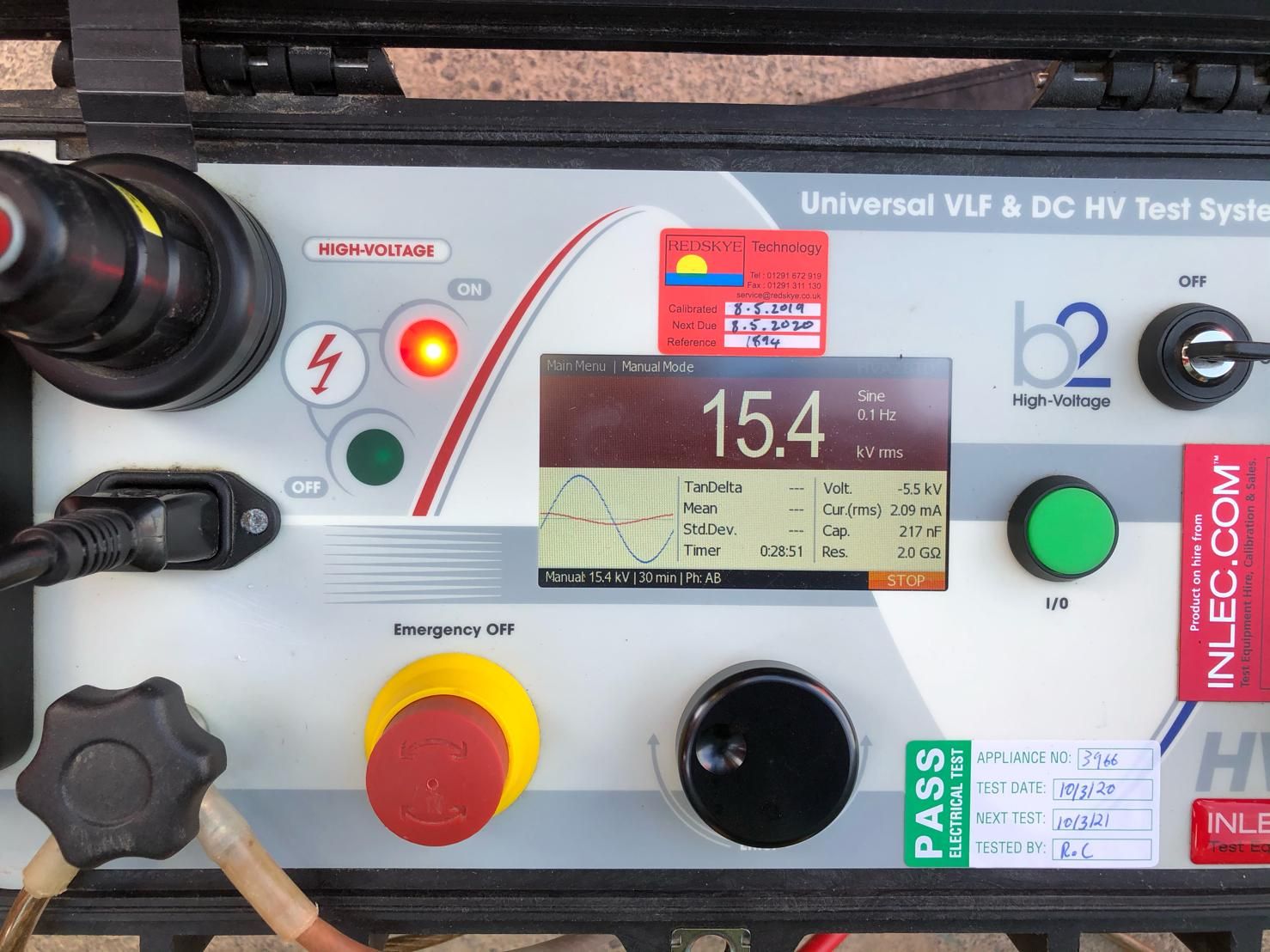
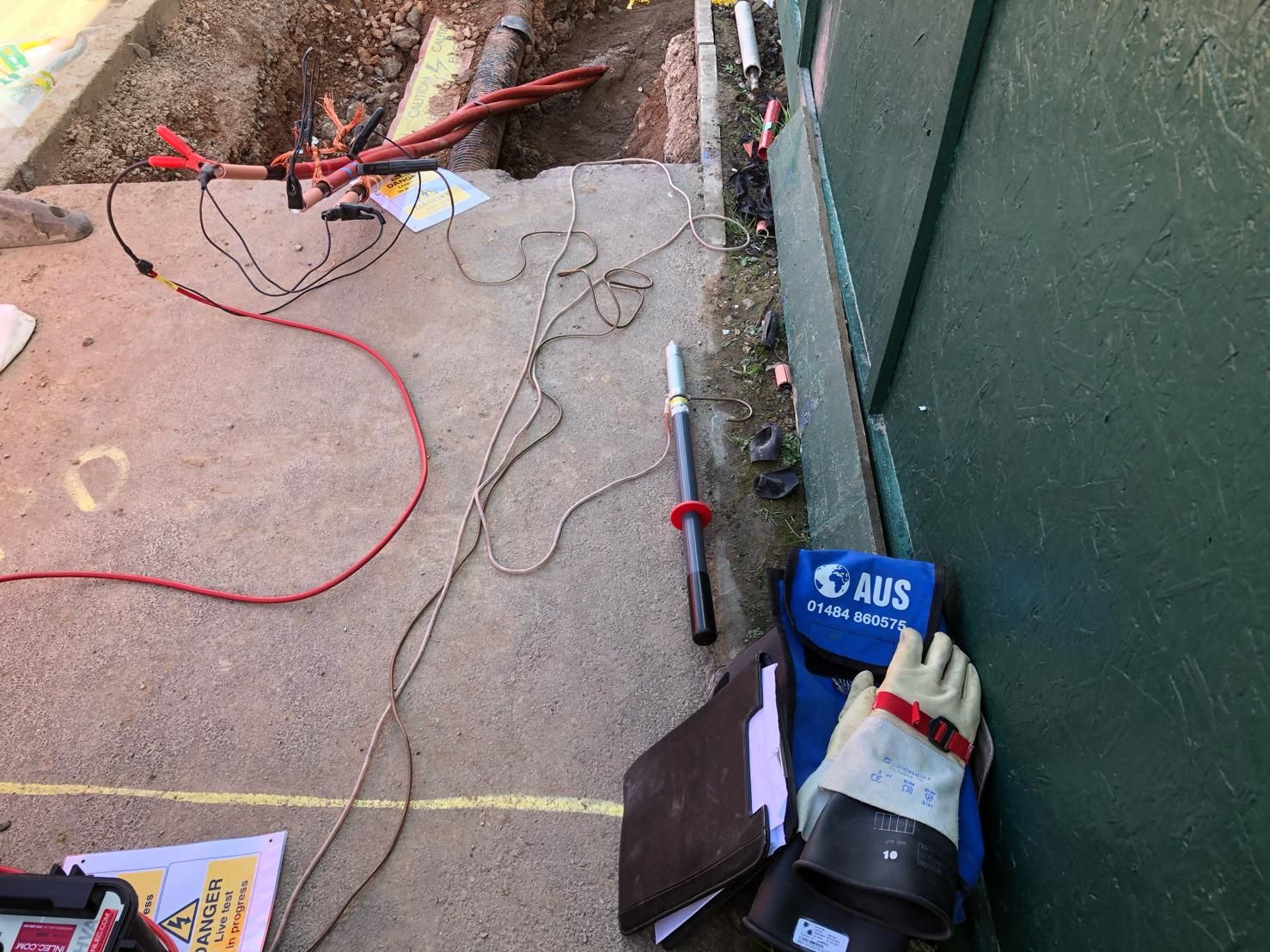
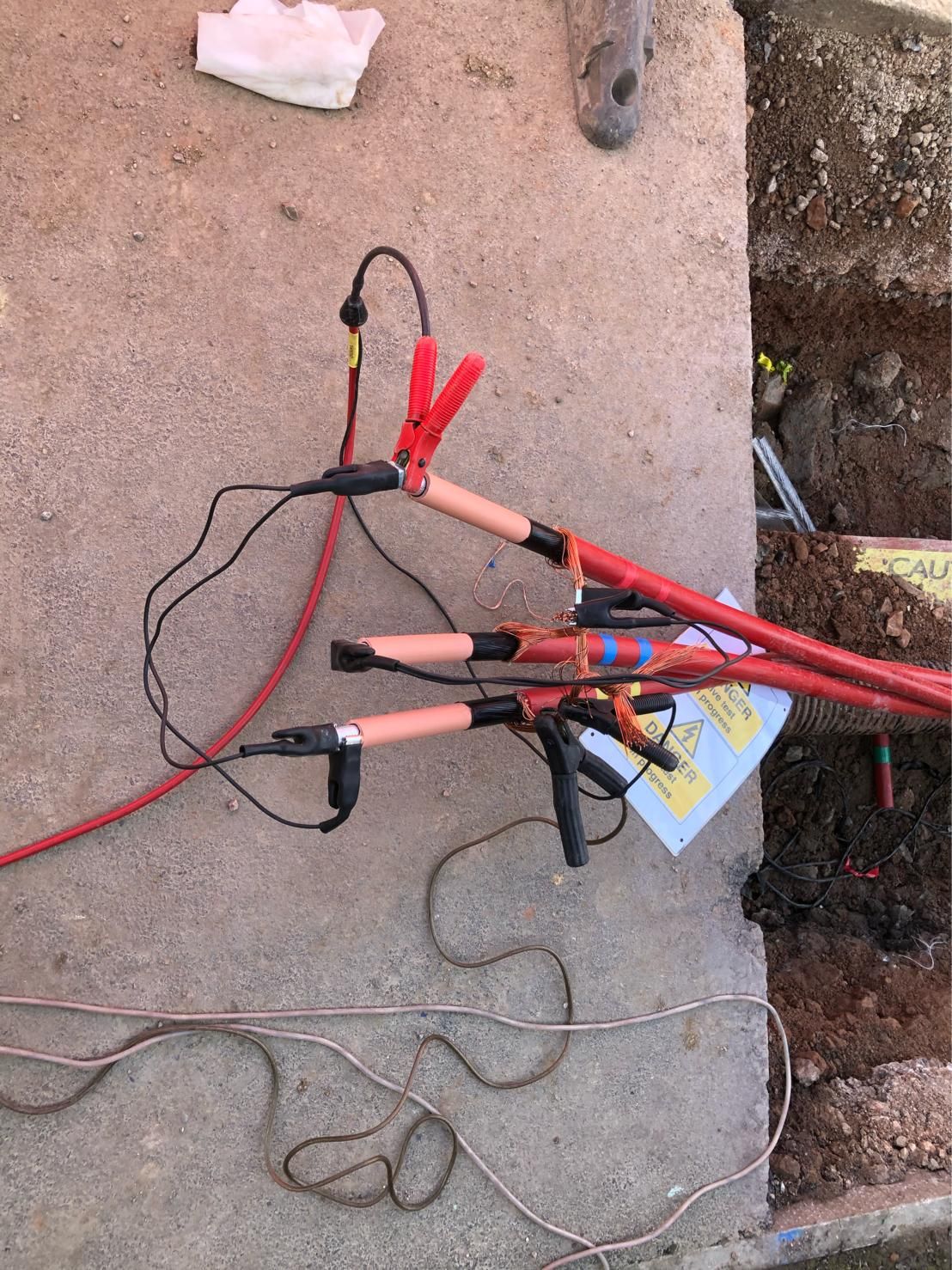
August 18th, 2020Pictured: HV High Voltage VLF Testing 11kV IDNO Connection
Images Courtesy of: Andy Dresser GCGI IEng MIET – Director at ASD Power Services Ltd
HV VLF Testing
Some HV VLF testing being carried out for a customer pre-connection of a new substation as part of a IDNO connection. ASD Power Services Ltd offer a wide range of work from VLF testing and sheath testing to SAP works.
asd power services ltd
ASD Power Services Ltd, established July 2016, are based in Newbury, Berkshire and offer the following services:
- (SAP) Senior Authorised Person (11KV)
- Auditing of Electrical Distribution Networks both LV and HV
- Maintenance inspections on electrical installations, including none intrusive IR Inspections
Director Andy Dresser is a Senior Authorised Person (SAP) and has over 25 years of experience in the Electricity Distribution business including network design, project management, auditing, people management, operational engineering, network construction, control engineering and procedure development.


Jointers blog
Subscribe now to our POWER NEWSLETTER– a monthly email circulation packed with news, projects, videos, technical tips, training information, promotions, webinars, career opportunities and white papers.
Includes access to our popular JOINTERS BLOG with contributions from utility professionals, linesmen and cable jointers working on MV HV EHV cables and overhead lines typically at 11kV, 33kV, 66kV and up to 132kV.
15,000+ Subscribers. ➡ 
LV Service & Mains Straight and Branch Cable Jointing
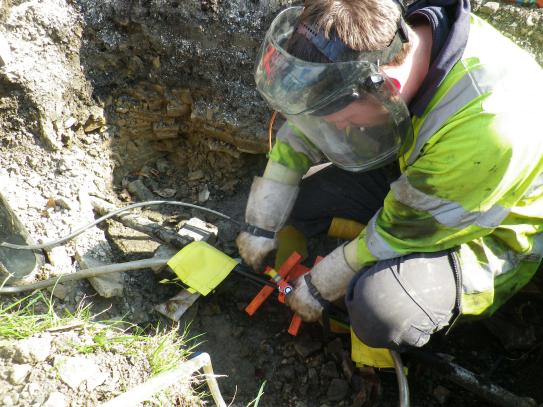
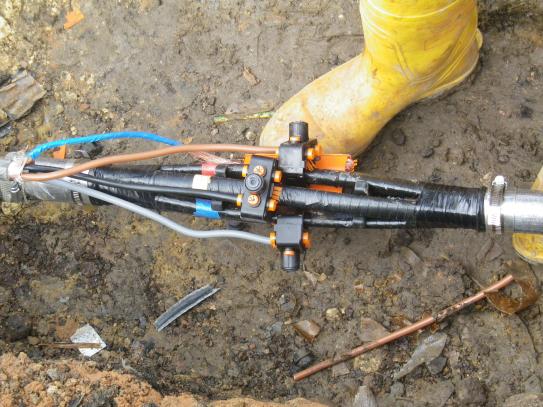
August 18th, 2020Images : James Weston – Cable Jointer at Linbrooke Services Ltd
- LV service to mains cable jointing
- Service cable jointing up to 35sqmm 3 Phase, including connections to waveform and PILC cables
- LV switching and fuse operation on all LV service equipment
- Insulated cut-outs renewal and changing
Single Service Cable Jointed Off .1 PILC Cable – Low Voltage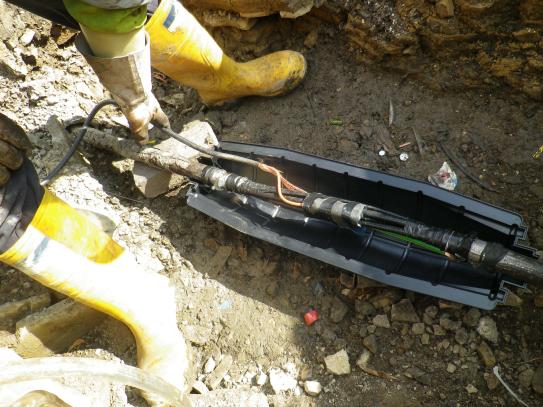
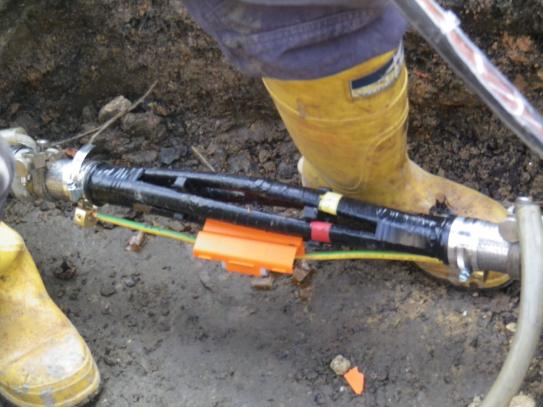 3 Phase Service Breech Cable Joint Off 5 Core .3 Cable
Jointers blog
Subscribe now to our POWER NEWSLETTER– a monthly email circulation packed with news, projects, videos, technical tips, training information, promotions, webinars, career opportunities and white papers.
Includes access to our popular JOINTERS BLOG with contributions from utility professionals, linesmen and cable jointers working on MV HV EHV cables and overhead lines typically at 11kV, 33kV, 66kV and up to 132kV.
15,000+ Subscribers. ➡