Blog
Cable Drum Handling & Laying Cables | A Guide from Nexans
July 5th, 2021
Handling Cable Drums
Extract from Instructions for Transportation, Handling, Storage of the Drums & Laying of the Cables | Sept 2014
Cable Drum Handling
Deformation of Cable Sheath Jacket
When Handling Cables
The following information provides advice on the handling of cable drums published by Nexans – always consult with your client or local electric utility to ascertain local preferences and procedures for the Laying, Pulling & Handling of Cable Drums (LV – EHV).
- The cable must not be pulled with a tension above the maximum pulling tension
- The cable must not be subjected to a bend smaller than the minimum bending radius (given as the “minimum bending radius during installation” and not to be confused with the “minimum bending radius after installation”)
- The cable must not be subjected to lateral pressure that exceeds the sidewall bearing pressure
A combination or action of any of the above three items, even without exceeding any of the manufacturers recommendations, can result in the elongation of outer layer of the cable and form a “rucking” or “corrugation” of the cable sheath during installation. Deformation of the sheath during installation is known to occur when the sheath material is softened by elevated temperatures, such as the range of PVC sheathing materials, particularly when the cable is installed in warmer ambient temperatures (near and above 30°C).
Note that actual cable surface temperature can be higher than ambient temperature. It is also known to occur when the outer layer is thinner than a full sheath, such as may occur when installing a Nylon covered cable, which is covered by a thin Sacrificial Sheath.
Such deformation should be monitored to avoid an escalation to very severe puckering, which could induce the tearing of the sheath. Rucking, corrugation, and puckering can be reduced by the use of lubricating substances which will reduce the friction experienced at turns or bends on fixed deflectors and on rollers and even on long straight sections.
Note that longer runs and heavier cables will experience this deformation more often.
Corrective action includes the pausing of the installation pull and the easing of tension and pulling the affected cable length past the bend or roller or friction point that is causing the effect. Once the affected area is moved along, there is often a re‐settling of the elongated sheath and the effect is reduced. Stopping and allowing the cable to cool, will tend to set the corrugations in place and they will not easily be removed. Where this deformation takes place, there is a small reduction of the thickness where the material is stretched, but such deformation as a whole is considered to be of minor consequence. Usually, no repair or corrective action is required on the cable itself. Repair is only necessary when there is a breaking or tearing of the sheath – should you have any technical or commercial enquiries on the subject of Cable Drum Handling please do not hesitate to contact us.
➡ Download the Document | Instructions for Transportation, Handling, Storage of the Drums & Laying of the Cables | Sept 2014
Thorne & Derrick are Official & Approved GMP4 Contracted Distributors for Nexans Power Accessories (UK) Ltd.

Press Release | Thorne & Derrick Appointed Approved Stockist for UK Leading Cable Pulling Equipment Manufacturer
Cable Pulling & Laying Equipment
Suppliers & Distributors
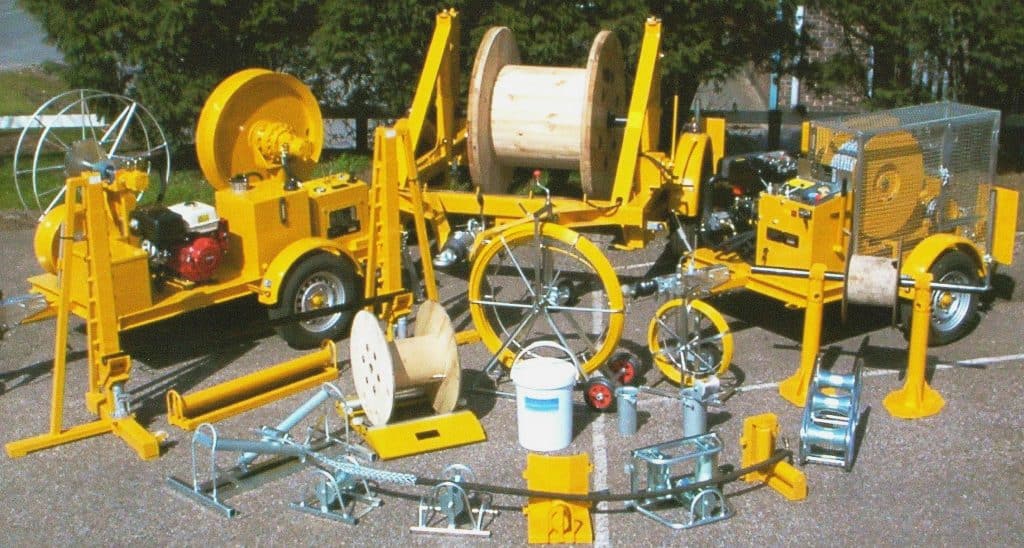
Thorne & Derrick distribute the most extensive range of Low & High Voltage Cable Installation & Electrical Distribution Equipment to the Power Transmission & Distribution industry in the onshore and offshore wind, solar, rail, oil/gas, data centre, battery storage and utility sectors – this includes the most extensive range of Cable Pulling & Cable Laying Equipment to enable the installation of low, medium and high voltage power cables into underground trench or duct.
We service UK and international clients working on underground cables, overhead lines, substations and electrical construction at LV, 11kV/33kV and up to EHV transmission and distribution voltages.
Key Products: MV-HV Cable Joints & Terminations, Cable Cleats, Duct Seals, Cable Transits, Underground Cable Protection, Copper Earth Tapes, Cable Jointing Tools, Feeder Pillars, Cable Ducting, Earthing & Lightning Protection, Electrical Safety, Cable Glands, Arc Flash Protection & Fusegear.
Distributors for: 3M Electrical, ABB, Alroc, Band-It, Cembre, Centriforce, CMP, Elastimold, Ellis Patents, Emtelle, Furse, Lucy Zodion, Nexans Euromold, Pfisterer, Polypipe, ProGARM, Prysmian, and Roxtec.
- Scope –single-source supply of extensive range of products
- Stock – a multi-million pound stock holding provides complete global supply solutions
- Staff – technical support from a trained, proactive and friendly team
- Delivery – UK stock turnaround with express logistics to all international destinations

Cable Drum Handling | Jack Towers for LV to EHV Power Cable Lifting & Site Handling
July 5th, 2021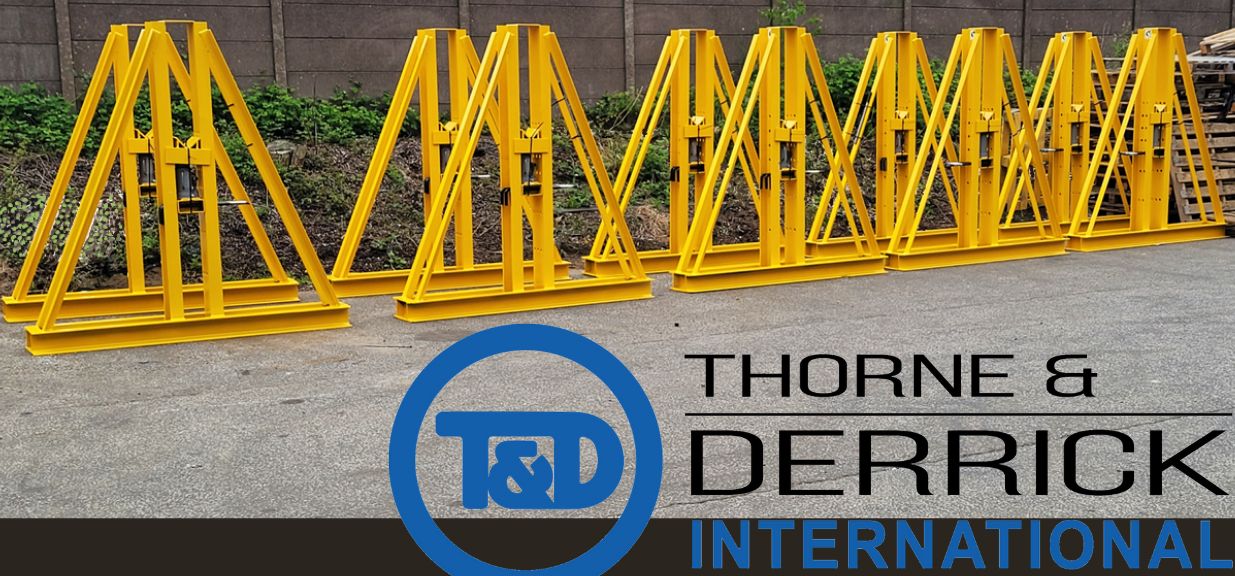
Cable Drum Handling
Cable Jack Towers
Pictured: Despatched last week 5 sets of cable jack towers – the JT20 Cable Drum Jack Towers to support the safe on-site handling of LV-EHV cable drums at Western Power Distribution. Robust engineered construction with hydraulic jacks and adjustable height spindle support blocks.
Drum Lifting Jack Specification | JT20 20 Tonne Capacity SWL Per Pair, Minimum Drum Dia 1480mm, Maximum Drum Dia 3400mm, Base Area 1830x285mm, Weight Per Pair 370Kgs.
Thorne & Derrick | LV HV Cable Jointing & Electrical Equipment and SEB service the Power Transmission & Distribution industry in the onshore and offshore wind, solar, rail, oil/gas, data centre, battery storage and utility sectors. For over a decade, we have provided competitive prices and technical support for the SEB range of exceptional quality, British manufactured Cable Pulling & Laying Equipment – this includes rollers, socks, jacks, winches and trailers to enable cables, umbilicals or pipes to be installed into ducts, trenches and tunnels up to 400kV.
Further Reading | Cable Drum Handling & Laying Cables | A Guide from Nexans
Press Release | Thorne & Derrick Appointed Approved Stockist for UK Leading Cable Pulling Equipment Manufacturer
Cable Pulling | 37km Offshore Cable to Connect NnG to Onshore Substation
July 2nd, 2021
Pictured | Singco Cable Grips – we produce cable socks for Boskalis, NKT, Nexans, DEME and other major cable laying contractors for the connection of wind farm projects globally.
-
Thank you to NnG Offshore Wind for their kind permission to republish this article
Offshore to Onshore
Cable Pulling
The first of two export cables, each 37 kilometres in length, has been installed at the nearshore of Thorntonloch Beach as part of construction of the Neart na Gaoithe (NnG) Offshore Wind Farm.
These electricity transmission cables will connect NnG’s two offshore platforms to its onshore substation located in the Lammermuir Hills.
The offshore cable was transported to the nearshore area of Thorntonloch Beach by Prysmian Group’s cable-laying vessel, the 124 metre long Cable Enterprise.
➡ Go to cable grips to learn about how Thorne & Derrick provide safe installation, support and pulling of cable in the wind energy sector.
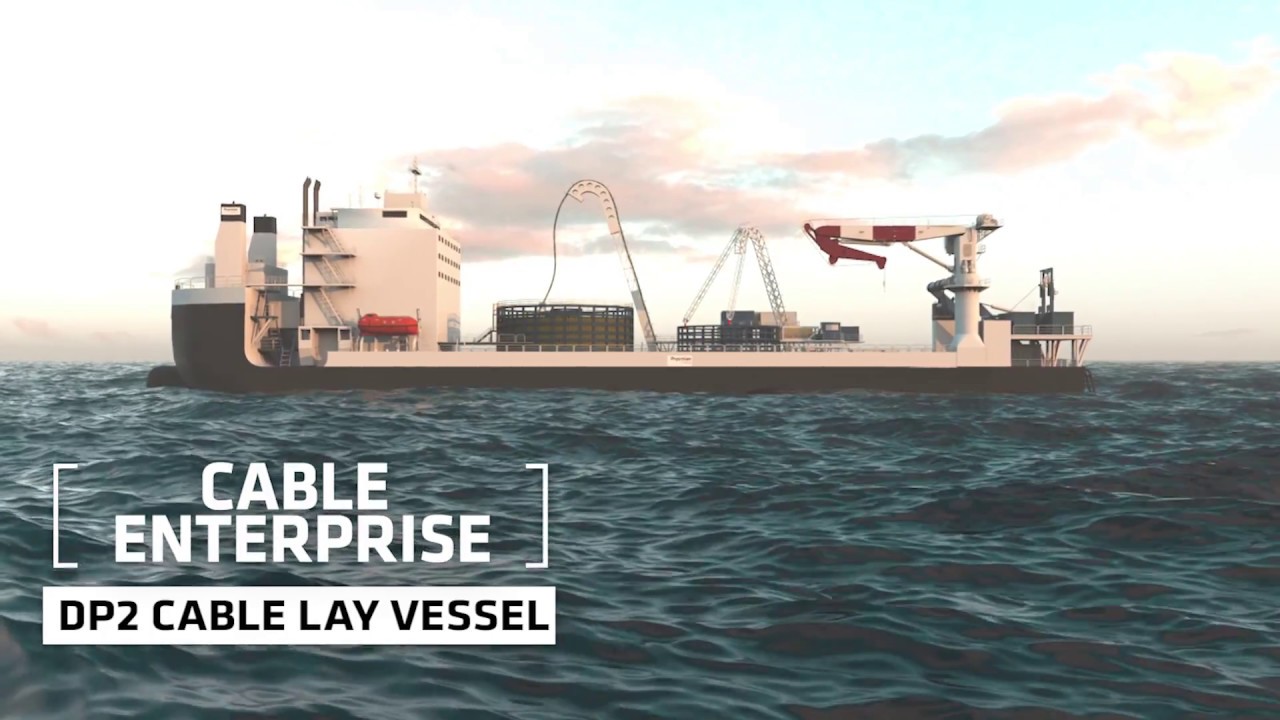
Cable Enterprise is Prysmian Group DP2 cable laying vessel that has been designed with almost 8 MW of power, allowing her to autonomously maintain position in harsh weather conditions. The vessel has the capability to undertake simultaneous lay and burial operations with any type of plough, including HD3 ploughs with up to 180 tons tensions. The vessel maintains her ability to ground out and to operate in very shallow waters with 7-point independent mooring system allowing her to meet stringent operational requirements. Wärtsilä NOx reducing system fitted to all 4 Wärtsilä engines to achieve 75% NOx reduction from base levels.
The onshore winch cable was pulled through a 650m long horizontal directional drill duct and connected to the offshore cable situated on the deck of the vessel, 1km from shore. The offshore cable was then directed back through the cable duct towards onshore where it will be connected to the onshore cables behind Thorntonloch Beach.
The Cable Enterprise will lay the offshore cable from the nearshore of Thorntonloch Beach to the site of NnG. The cables will be buried to protect them from damage. Prysmian, one of NnG’s tier one contractors, expect the second offshore cable to be installed in July.

NnG Offshore Wind
NnG, jointly owned by EDF Renewables and ESB, will supply enough low carbon electricity for around 375,000 homes and has a capacity of c. 450MW of low carbon energy and will offset over 400,000 tonnes of Co2 emissions each year.
Matthias Haag, NnG Project Director, said: “The installation of the first of our two offshore cables is a significant milestone in the construction of NnG.
“These two 37km cables will play a pivotal role in connecting our two offshore platforms to the onshore substation over in the Lammermuir Hills.
“We’re grateful to all our neighbours in and around the Throntonloch area for their patience as we carry out these vital construction works nearshore.”
Massimo Galletta, Project Director (NnG) at Prysmian Group, said: “We are proud of being selected for such a strategic project, proving our state-of-the-art cable technology, know-how and project execution expertise to support the growing renewable energy industry.”
Further reading
- How Do Cable Socks React To Salt Water?
- Cable Winch | Customised & Refurbished 5 Tonne Cable Pulling Winch
- Cable Socks – Technical Guide for Safe Cable Pulling Using Cable Socks
Press Release | Thorne & Derrick Appointed Approved Stockist for UK Leading Cable Pulling Equipment Manufacturer
CABLE SOCKS & PULLING PRODUCTS LV MV HV
Complete range of LV, MV and HV cable pulling products for installation and enabling cable jointing in trench or ducts including LV, 11kV/33kV medium voltage (MV), 66kV/132kV high voltage (HV) and EHV transmission and distribution cables up to 400kV.
➡ See Also Cable Laying, Installation & Support Products | MV HV Windfarm

Cable Rollers | Duct Rods | Cable Socks | Cable Lubricant | Duct Seals | Cable Duct
Surge Protection Devices | A Guide & Product Overview of Surge Protection Devices (SPD’s) with PADS Approval for Network Rail
June 30th, 2021
Surge Protection | with Network Rail PADS Approved Products
Surge Protection Introduction
Surges or Transients are short duration increases in voltage, measured between two or more conductors. These potentially harmful voltages can be induced into a building from various sources, from the direct and or secondary effects of lighting, to switching actions and equipment faults.
These events can generate thousands of volts across equipment leading to direct failure, undetected degradation and insulation faults leasing to premature failure.
An effective Surge Protective Device (SPD) should have a low let-through voltage, as this is the value of voltage that the protected equipment will be subjected to.
The lower the voltage the better the protection. the greater the voltage the higher the risk of distribution, degradation, damage to the equipment and the electrical network. As technology moves on, components within electronic equipment continue to become smaller and therefore more sensitive to these types of influences.
Surge Protection Device Definitions
Impulsive Discharge Current (for Type 1; Test Class I):
The maximum current of specified energy that a Type 1; Test Class 1 device must service during the type test.
Maximum Discharge Current; Imax:
The maximum current that a Type 2; Test Class II protective device will withstand.
Nominal Discharge Current (for Type 2; Test Class II):
In a measure of the longevity of a Surge Protective Device. It is determined by injecting multiple discharges into the SPD during its type test procedures. It is often specifies to be half of the maximum discharge current (Imax)
Voltage Protection Level / Let Through Voltage:
Is the maximum voltage across the Surge Protective Device terminals as a result of a specific discharge current. It is the maximum voltage that the equipment will see if it were positioned directly at the terminals.
Maximum Continuous Operating Voltage:
Is the maximum voltage that can be, safely, continuously applied to the terminals of the Surge Protective Device.
Surge Protective Device Types explained
Type 1 Surge Protection Devices (SPD’s)
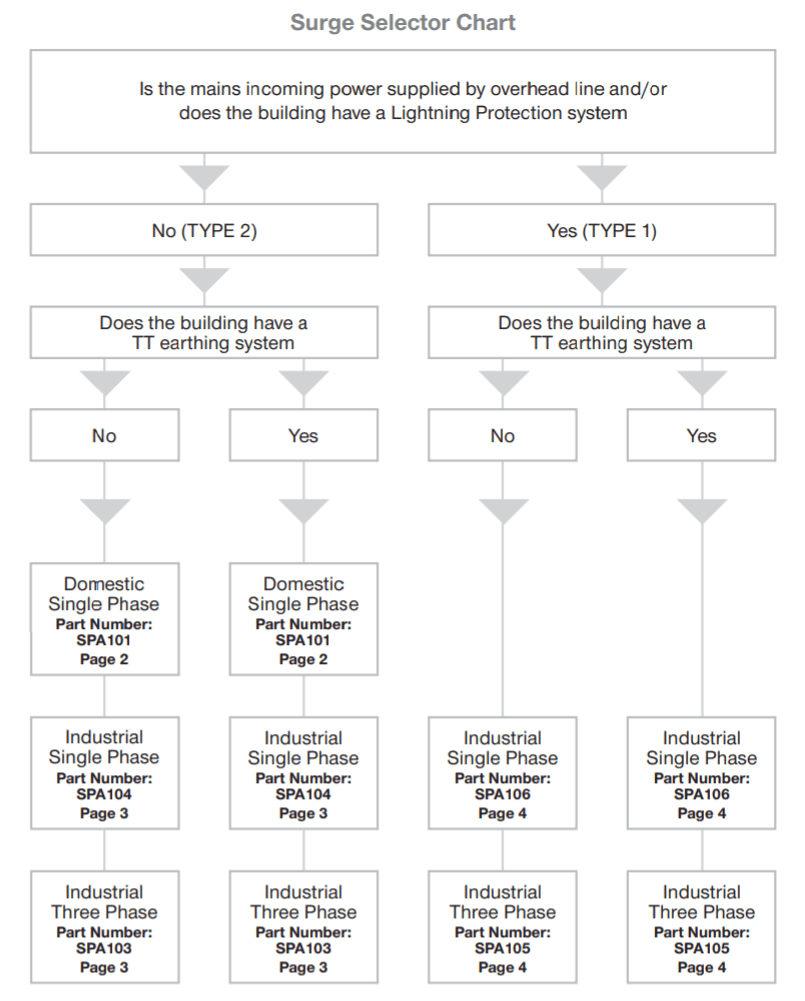
A Type 1 SPD will deal with direct and proximity lightning strikes and have the highest energy discharge capacity. They are designed to survive in high stress environments, especially those at the incoming power supply. It is a requirement that they are installed where an External Lightning Protection System (Faraday cage) is fitted or the mains is fed from an Overhead Power Cable. The Type 1 should be accompanied by downstream Type 2 Surge Protective Devices.
Type 2 Surge Protection Devices (SPD’s)
A Type 2 SPD will deal with indirect Lightning strikes and the effects of surges locally generated from the numerous switching events within an installation. They are designed for the use in distribution boards located downstream of type 1 Surge Protective Devices or in the incoming power supply panel / consumer unit where an External Lightning Protection System is not fitted and the mains is fed by an underground cable.
Type 3 Surge Protection Devices (SPD’s)
A Type 3 SPD is designed to provide the lowest protection level to meet the voltage withstand of the equipment supplied from the final distribution panel. The SPD may also be of a design such that it can be placed or connected directly to the critical equipment.
PADS Approved Products
AN Wallis currently have a range of products with PADS approval for use in the rail industry, including products from the RTM series (Rail Track-Side Module), the SSI series (Solid State Interlocking) and the CRTM series:
- DSP1A/SSI/120
- DSP1A/SSI/140
- RTM150/650
- RTM12/110
- RTM12/140
- CRTM150/650

Thorne & Derrick distribute full range of AN Wallis Earthing Products | Bars | Rods | Tapes | Conductors | Clamps
RAIL CABLE ACCESSORIES, ELECTRIFICATION
& INSTALLATION EQUIPMENT
Thorne & Derrick stock and distribute an extensive range of 400V-33kV Rail Cable Accessories & Power Distribution Systems including feeder pillars to contractors undertaking Low Voltage Power Distribution, HV Electrification & Substations, DC Traction & Networks, OLE and Track Feeder Cable Renewals – complete range of Network Rail PADS approved track terminations, cable joints, cable repair and connection products up to 25kV, including 3M Cold Shrink, Pfisterer CONNEX and Nexans Euromold products.

Cable Joints, Terminations & Connections | Distributors & Stockists for 3M Cold Shrink | Nexans Euromold | Pfisterer CONNEX
RIS-3279-TOM Standard | Arc Flash & Protective Clothing & Standards
June 30th, 2021
RIS-3279-TOM Standard Arc Flash & Protective Clothing Standards
RIS-3279-TOM
Arc Flash & Protective Clothing Standards
RIS-3279-TOM (formerly GO-RT 3279) is a high visibility standard that only applies to the rail industry in the UK, as opposed to the EU-Wide nature of other EN standards. The aim is to ensure that rail workers on or near the trackside are sufficiently visible to trains approaching at speed or any other traffic.
Thorne & Derrick provide competitive prices and fast delivery for the complete range of arc flash clothing and accessories designed to protect people and save lives.
View further information about Arc Flash Clothing Standards.
RIS-3279-TOM | Standard Overview
Protective clothing. Electrostatic properties. Material performance and design requirements.
High visibility clothing is the fundamental principle behind the UK Rail Industry Standard. This is based on the European Norm EN 20471:2013, and garments must comply to Class 2 High Visibility, the middle of a three class range. The standard states the following: ‘high visibility clothing worn by people on the lineside or on or near the line should conform to a single standard for the colour and luminance of background material and that this standard will accord with the detail contained within BS EN 20471:2013 high visibility clothing – Test methods and requirements (ISO 20471:2013).’
Stated in the standard is that: ‘the colour specific requirements within this standard conform to the range specified within BS EN 20471 clause 5.1.2.’ In order to confine this to a specific orange colour, and to prevent the selection of a colour at the red end of the spectrum, the precise chromaticity co-ordinates for the colour are specified as: Fluorescent orange, X:0.588, Y:0.371. with a luminance factor of at least 0.4. The accepted tolerance in colour is as laid out in EN 20471. However, there is no tolerance for the luminance factor.
Also stipulated in RIS-3279-TOM is the need of retro-reflective materials, with photometric and physical performance aligned with EN 20471.
Mentioned in RIS-3279-TOM is the accepted use of a mini vest where the nature of the work being carried out will not obscure the high visibility clothing, and thus reduce the surface area’ that is visible. The same applies to company logos; these are permitted where they do not compromise the surface area of background colour, and compensation may have to be made for this.
➡ Standards | BS EN 1149-5 | IEC 61482-2 | BS EN ISO 11611 | BS EN ISO 20471| BS EN ISO 14116 | BS EN ISO 11612 | BS EN 13034 | BS EN 342 | BS EN 14404 | BS EN 343 | HSG47

Hi vis and Flame Resistant polo shirt in unique VXS+ blend of fibres developed to meet the requirements of RIS-3279-TOM for workers on or near the trackside.
Arc Flash Clothing With RIS-3279-TOM Approvals
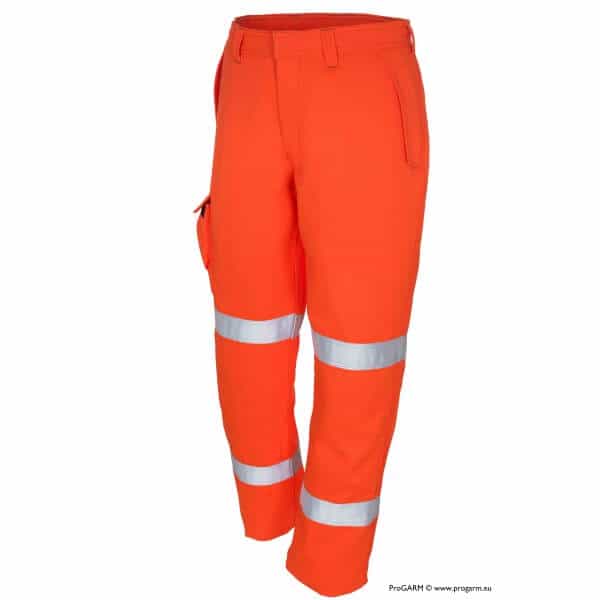
The ProGARM® Hi-Vis Orange Collection features a range of 100% VXS+ inherent garments tested for minimal shrinkage, low colour washout and for long-standing protection against Arc Flash incidents. All garments are certified for use in Rail environments with the Rail Industry Standard, RIS-3279.
With a comprehensive range of arc workwear for both Men and Women, and with the ProGARM lifetime-seam guarantee, you can be confident of long-lasting protection.
Arc Clothing part number Cal Rating
| Lightweight Arc Waterproof Jacket | ProGARM 9422 | 25 Cal |
| Lightweight Arc Waterproof Trouser | ProGARM 9622 | 25 Cal |
| Ladies Arc Polo Shirt | ProGARM 5292 | 6 Cal |
| Ladies Arc Coverall | ProGARM 4692 | 8 Cal |
| Ladies Arc Flash Trouser | ProGARM 4614 | 8 Cal |
| Arc Flash Jacket | ProGARM 4608 | 10 Cal |
| Arc Coverall | ProGARM 4690 | 8 Cal |
| Arc Flash Trouser | ProGARM 4616 | 8 Cal |
| Waterproof Salopette | ProGARM 9660 | 47 Cal |
| Arc Waterproof Jacket | ProGARM 9440 | 47 Cal |
| Arc Polo Shirt | ProGARM 5290 | 6 Cal |
| Arc Sweatshirt | ProGARM 5648 | 21.6 Cal |
➡ Contact Thorne & Derrick for further information about the above arc flash garments with RIS-3279-TOM approvals.
Clothing & Garments
Protecting Workers Against the Dangers of Arc Flash
Thorne & Derrick stock and supply the most extensive range of Arc Flash PPE, Clothing & Protective Garments – should you require any further information, sample garments for field test and trial or a quotation please do not hesitate to contact us.

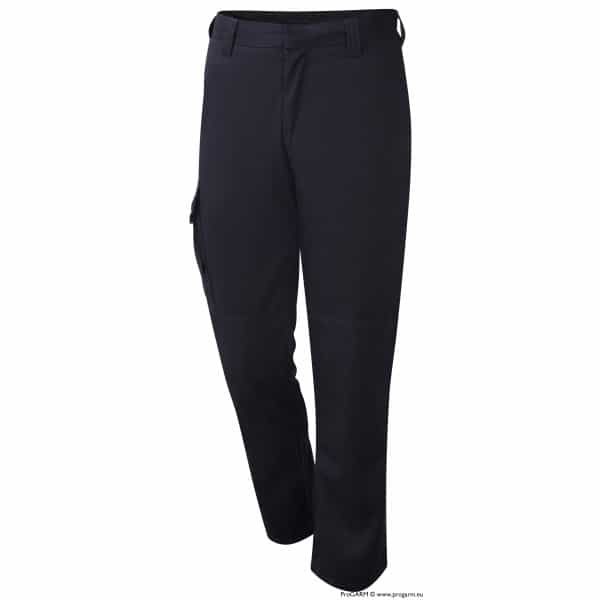
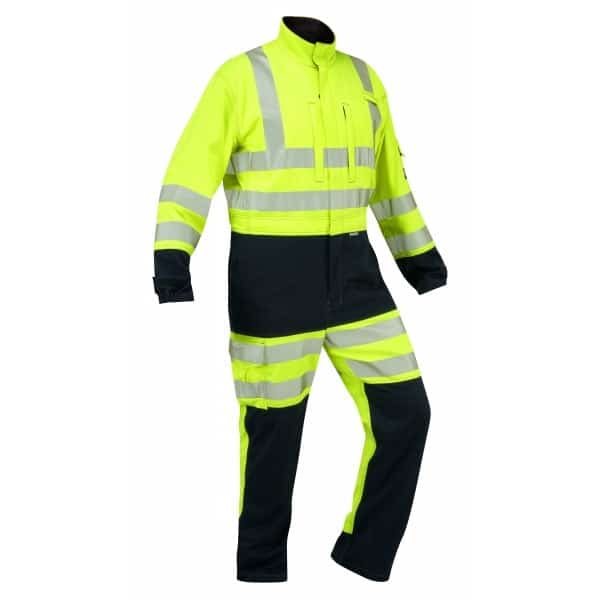
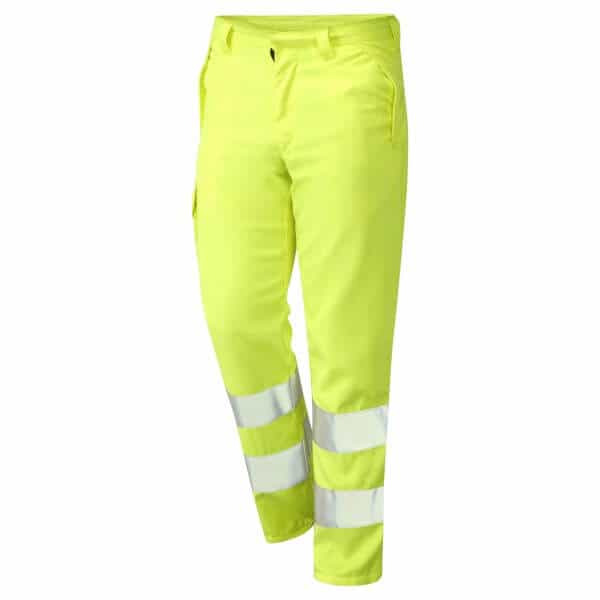

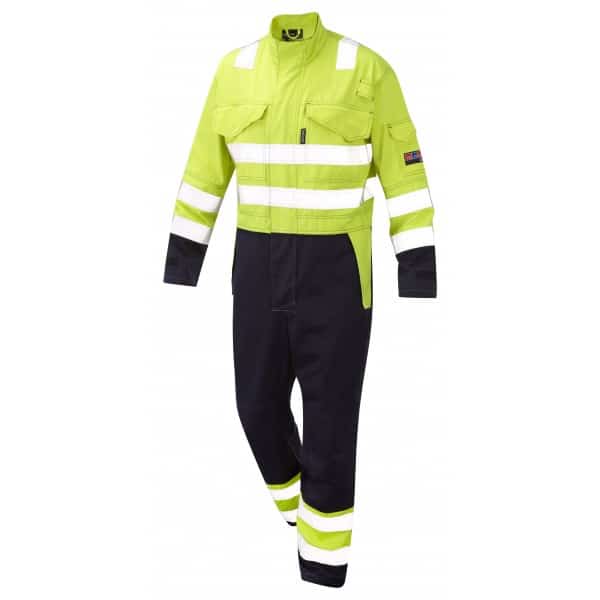
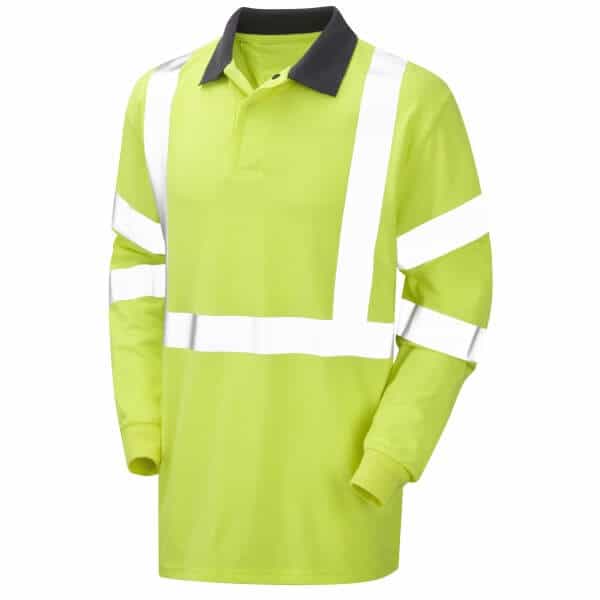

Thorne & Derrick International supply arc flash clothing and protection equipment including coveralls, gloves, helmets, face shields and general head-to-toe PPE is used to protect against flashover – complete range of insulating matting is also available for worker protection when exposed to energised electrical switchgear and transformers.
Typical applications include LV, HV & EHV cable jointing and terminating, fuse pulling, switchgear commissioning, racking circuit breakers, electrical switching and live working on medium and high voltage electricity networks.
T&D are national distributors LV, MV & HV Cable Installation, Jointing, Substation & Electrical Equipment – we service UK and global businesses involved in cable installations, cable cleating, cable jointing, substation, overhead line and electrical construction at LV, 11kV, 33kV and EHV.
Since 1985, T&D have established an international reputation based on SERVICE | INTEGRITY | TRUST.

Electrical Safety Equipment & Cable Accessories for the Maintenance of Low, Medium & High Voltage Power Systems